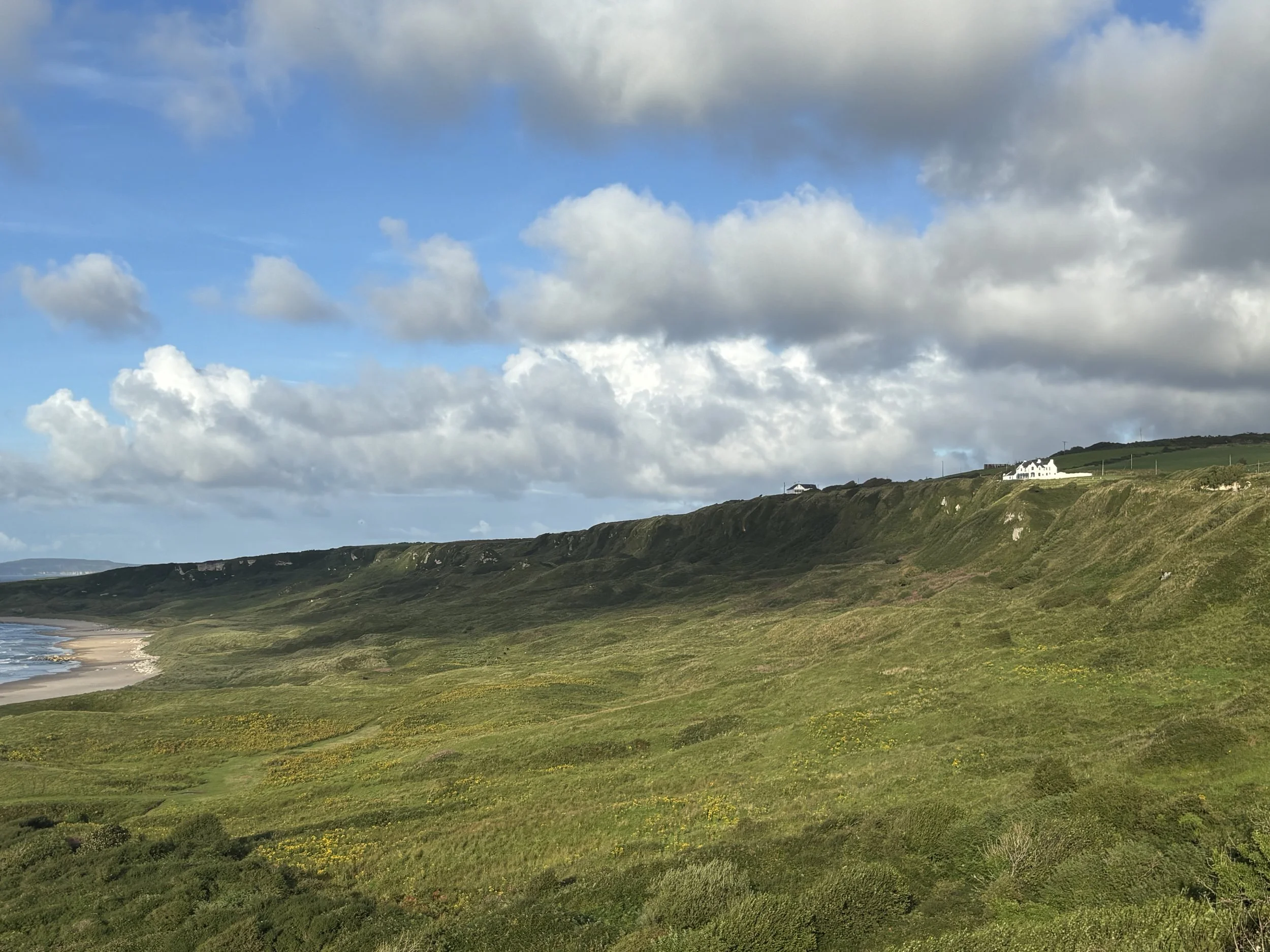
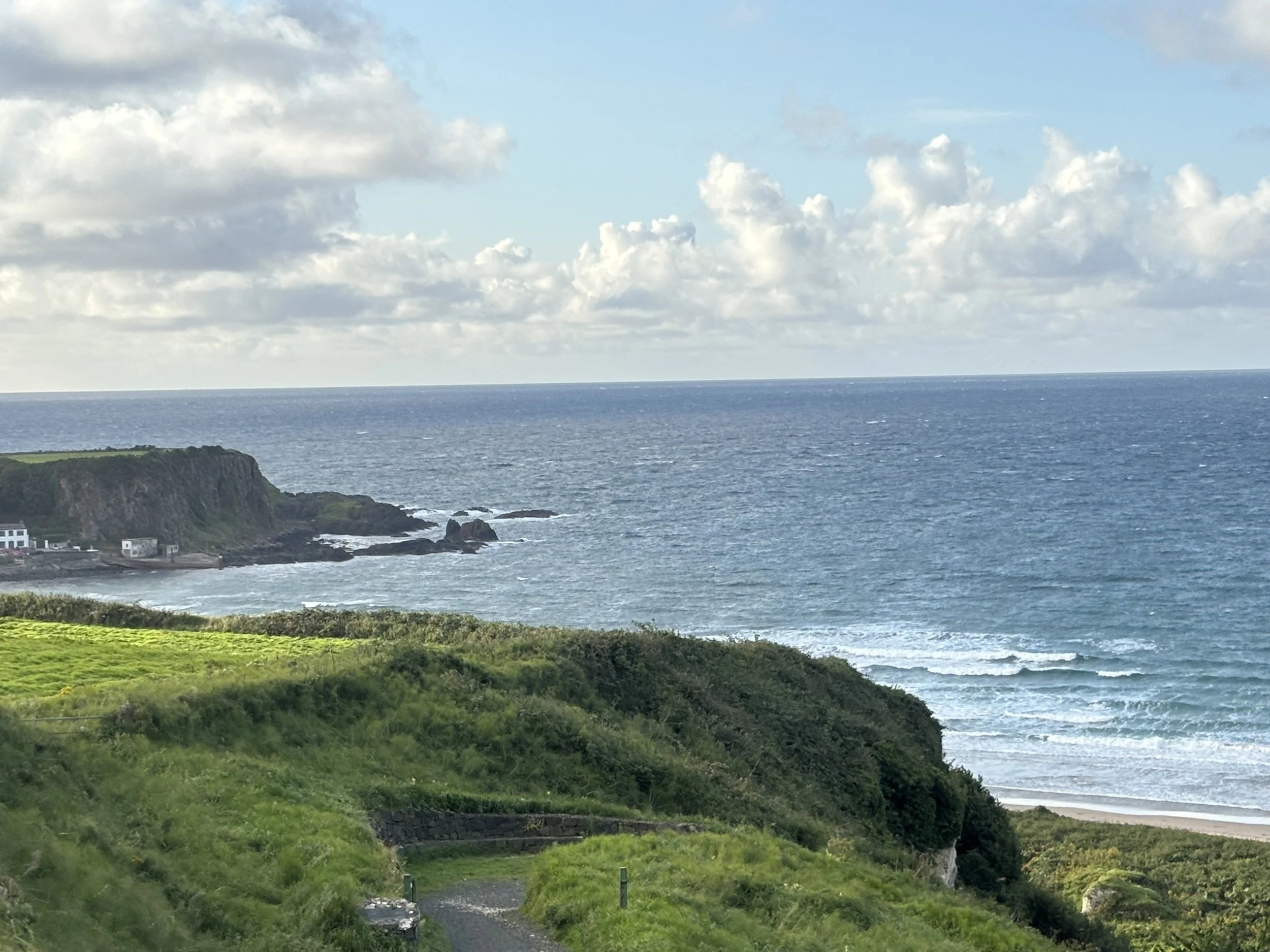
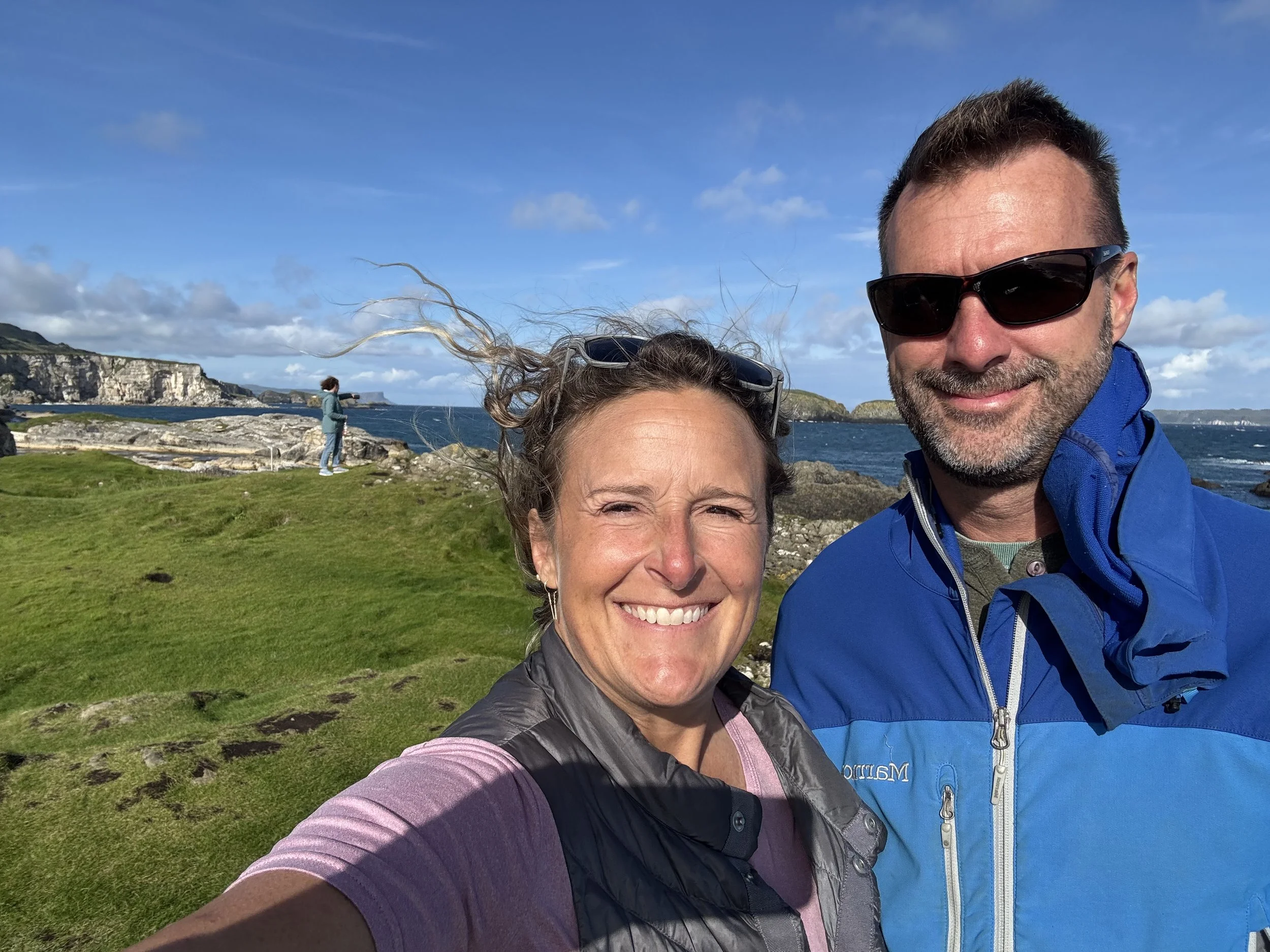
The Wild Atlantic Way
We arrived in Ireland on July 6th. Over the last six weeks, we’ve been exploring Ireland’s western shore. To say that we have fallen in love with Ireland would be a massive understatement. I am so glad we decided to take a more rugged path, sailing along the shores of the Wild Atlantic Way.
The Wild Atlantic stretches around 1,600 miles along Ireland's western seaboard—running between the historic harbor town of Kinsale in County Cork in the south to the Inishowen Peninsula (starting at Malin Head) in County Donegal in the north.
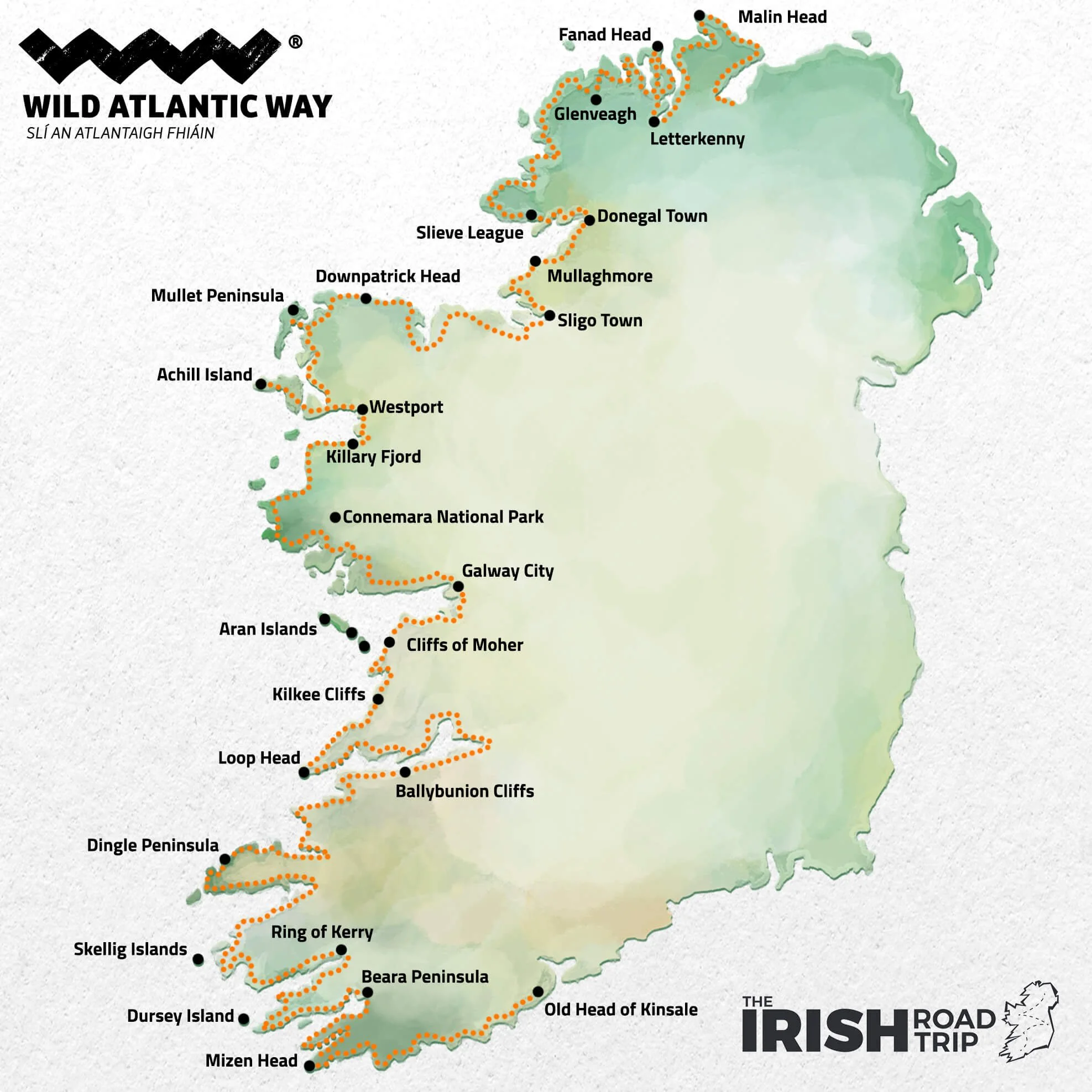
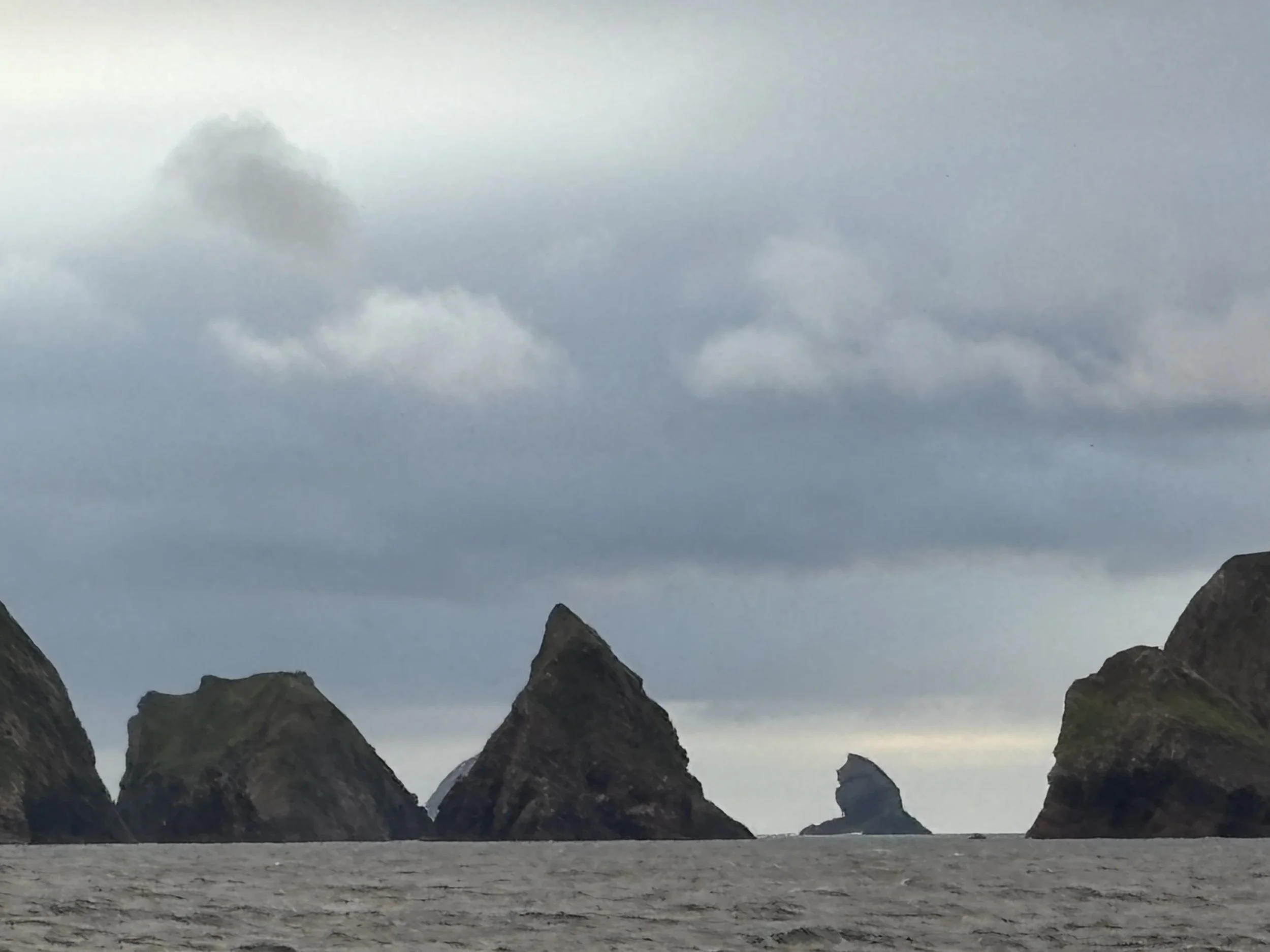
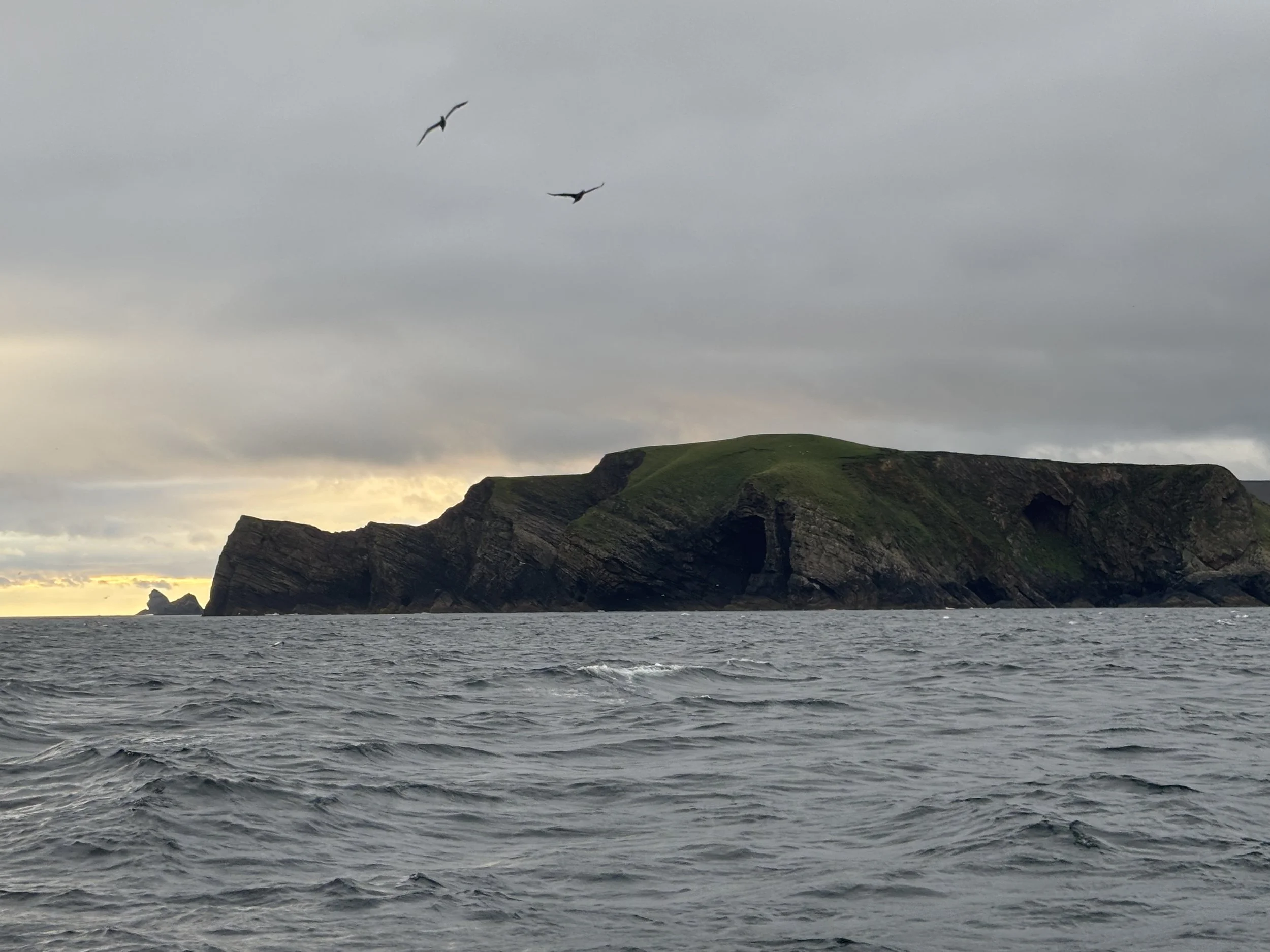
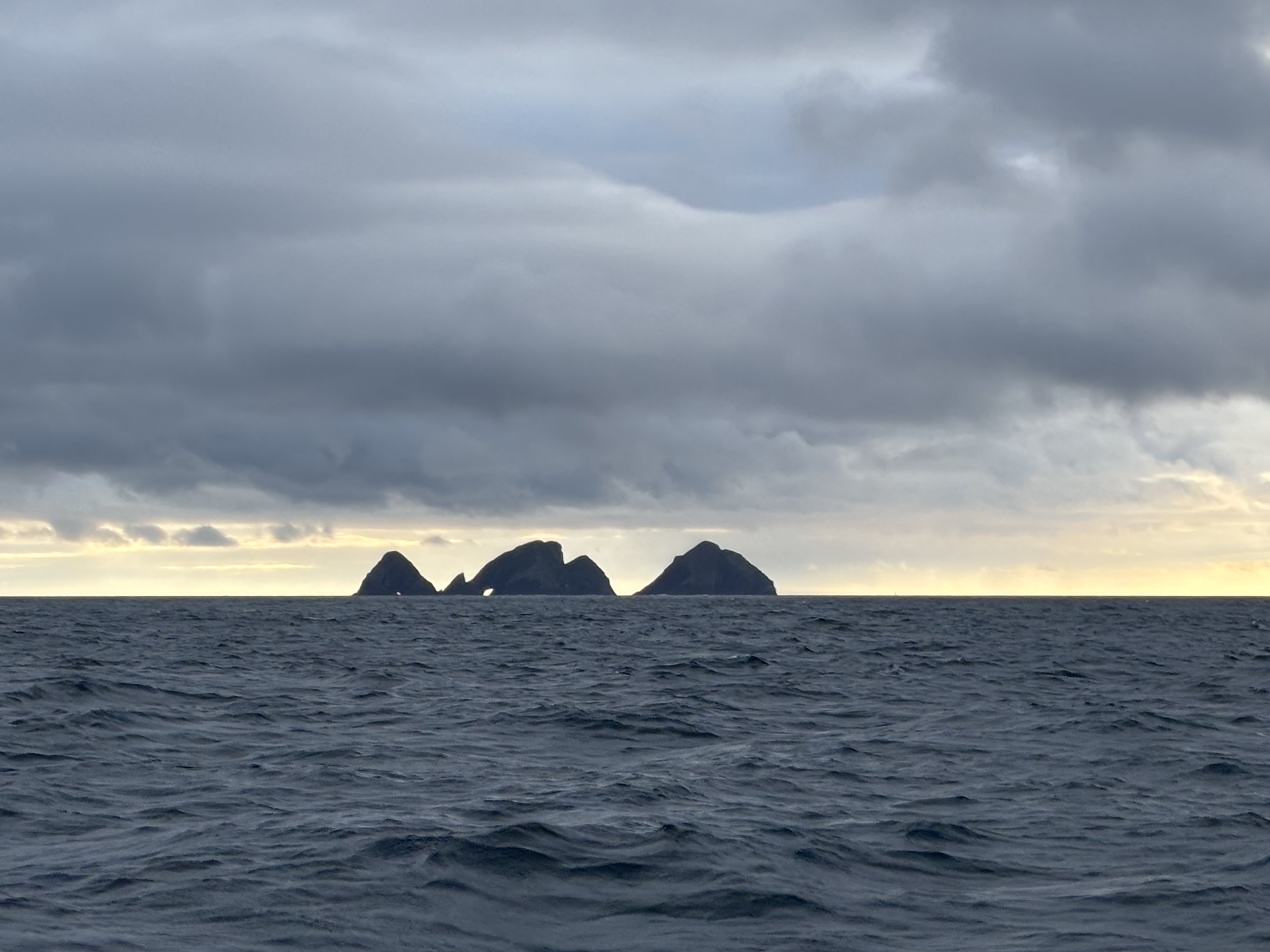
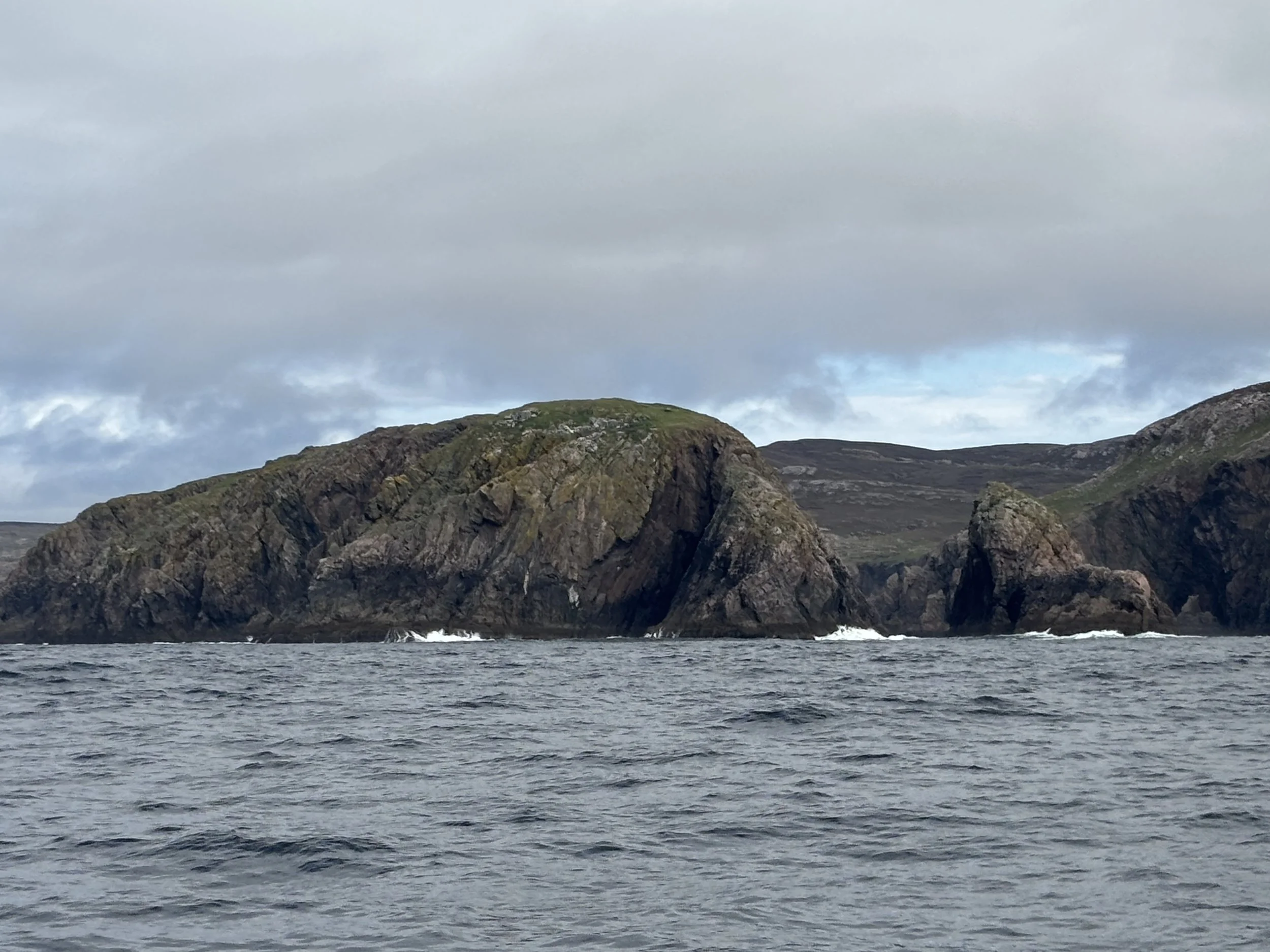
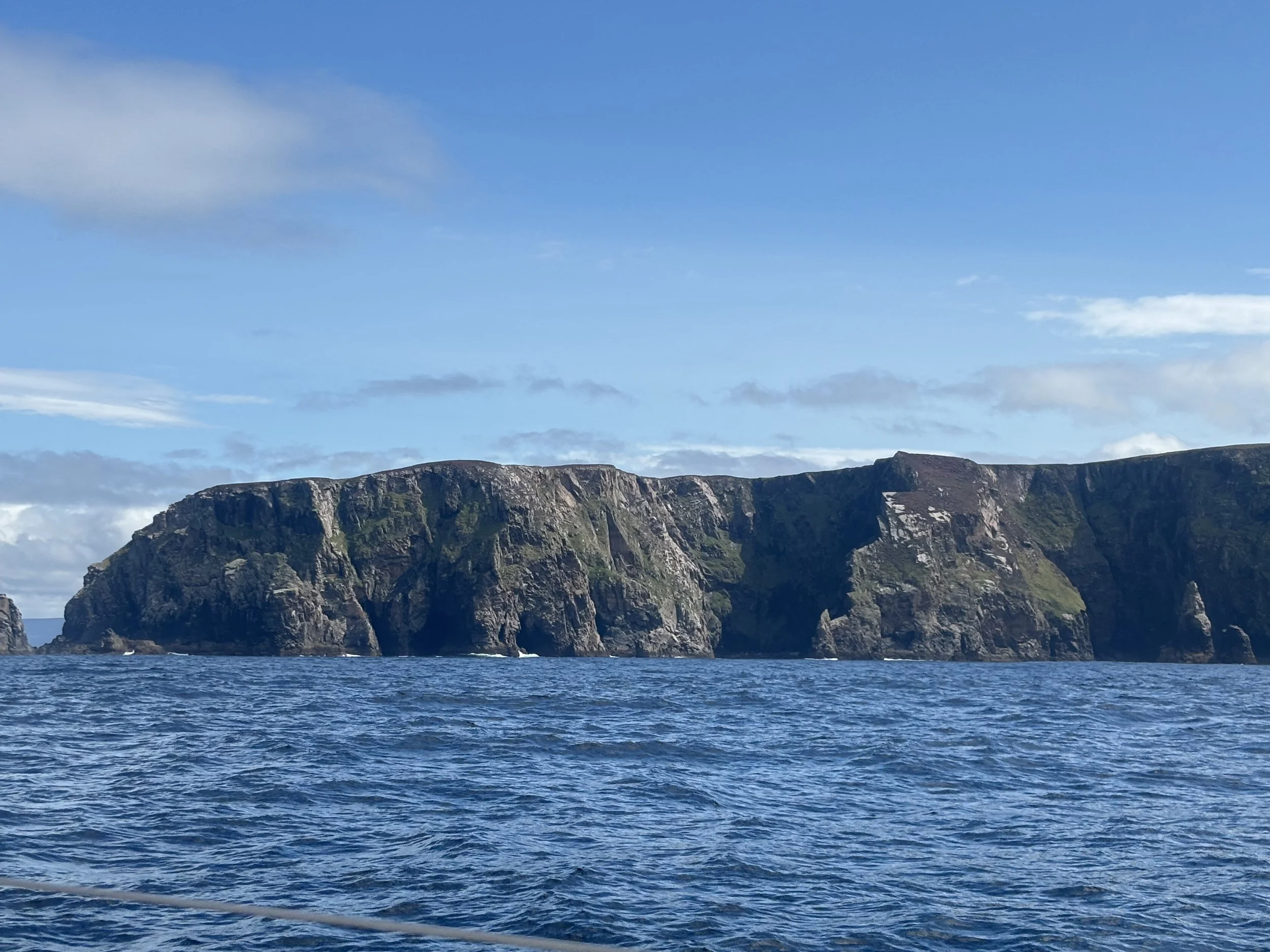
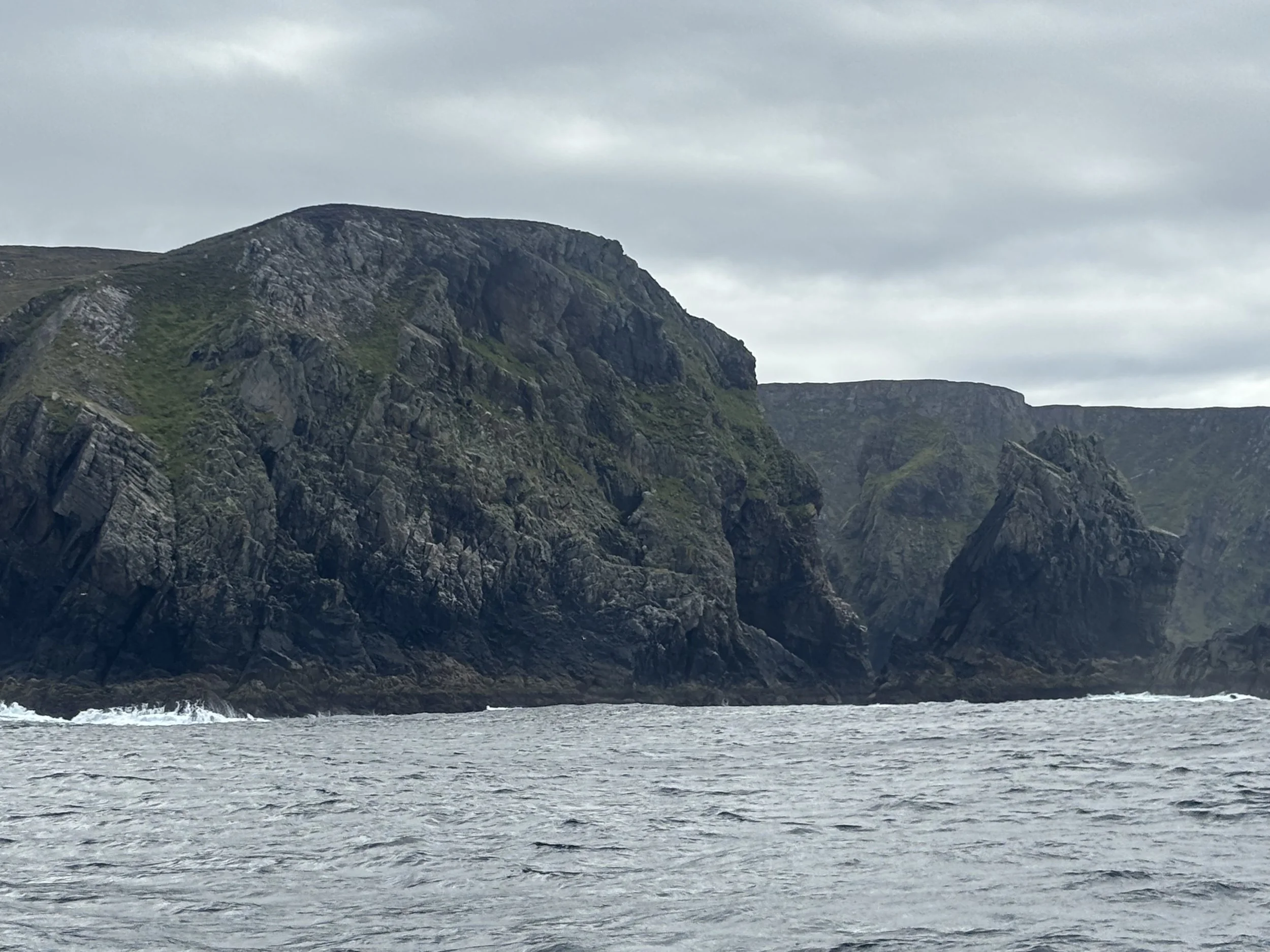
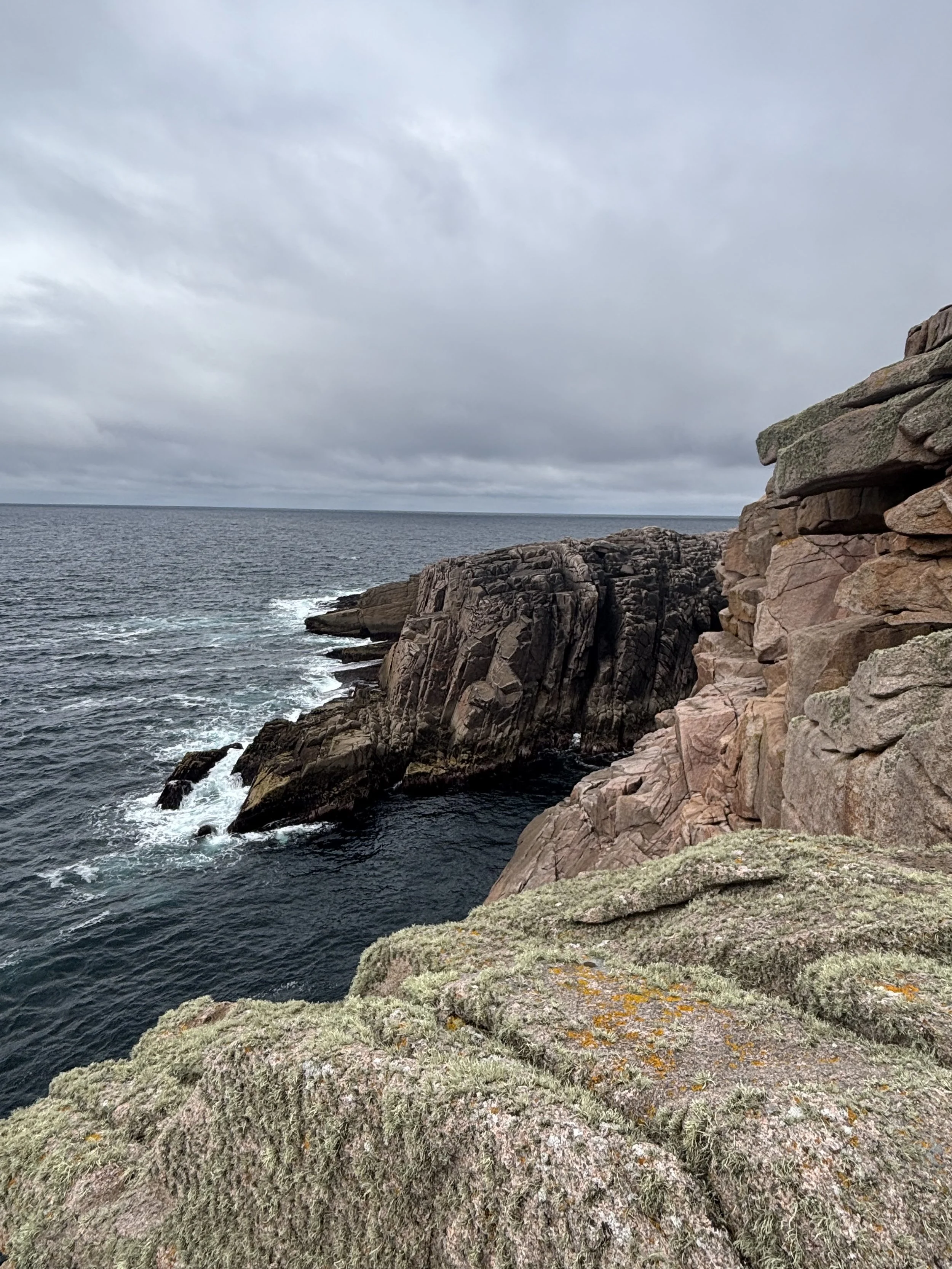
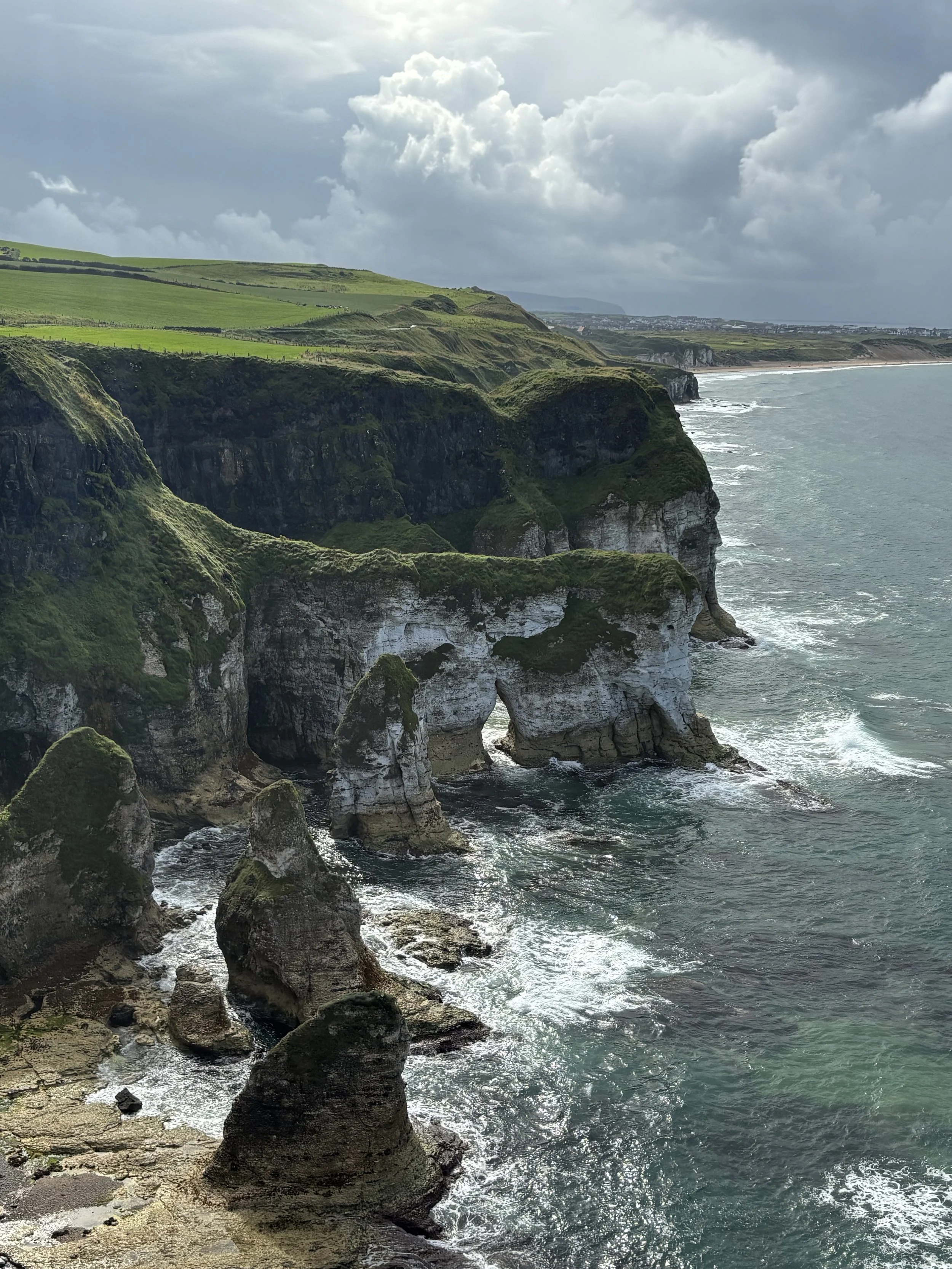
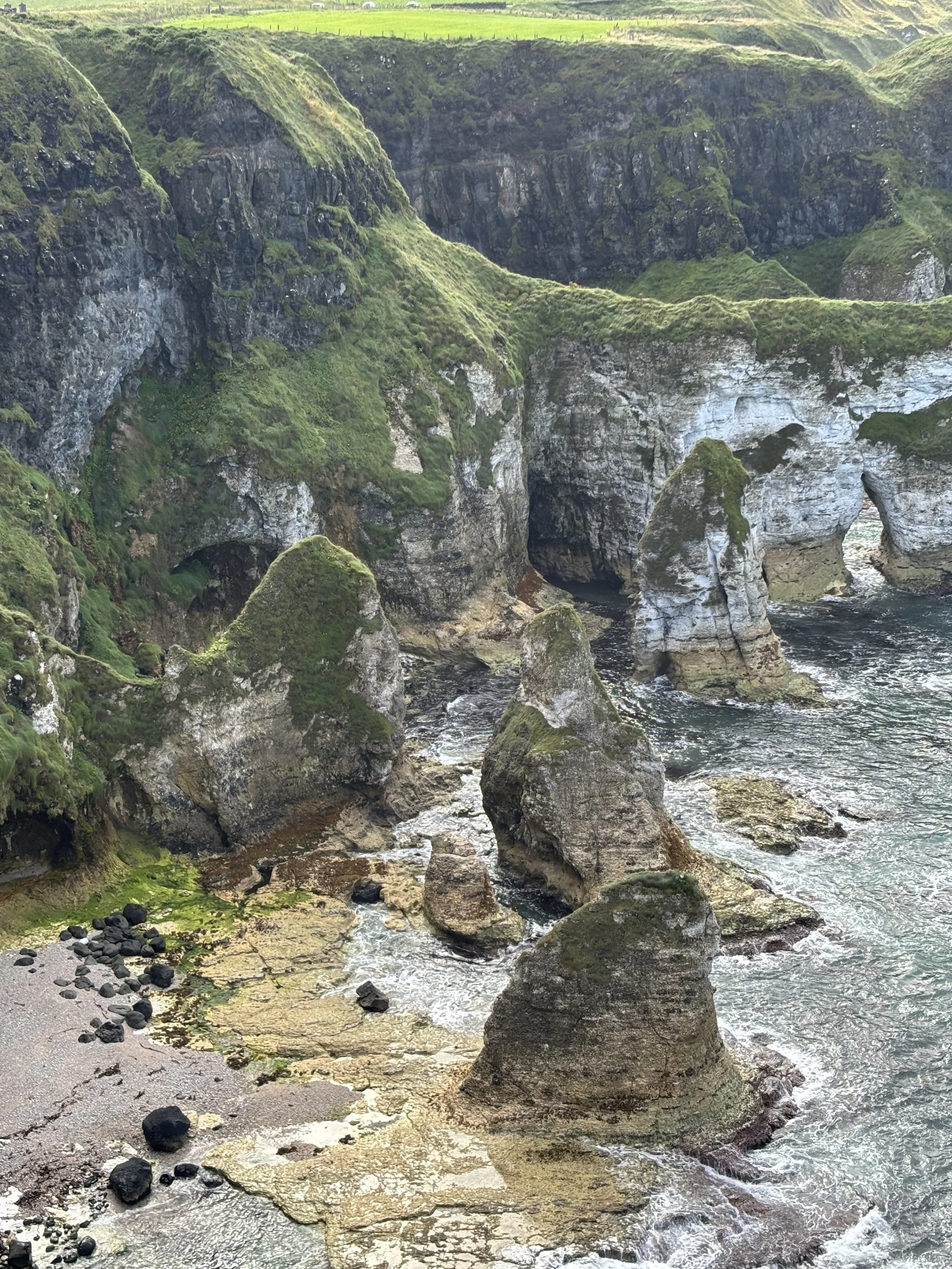
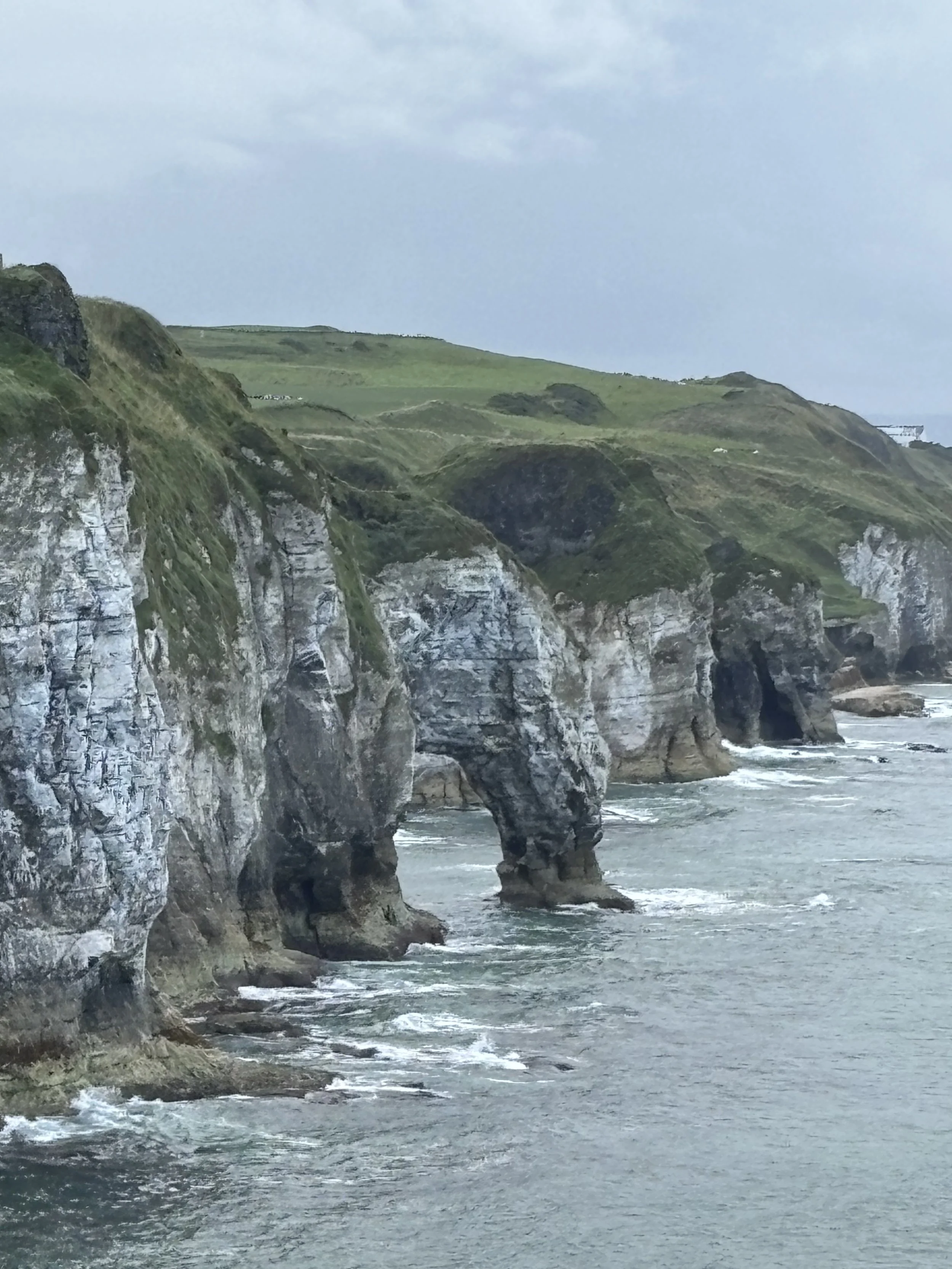
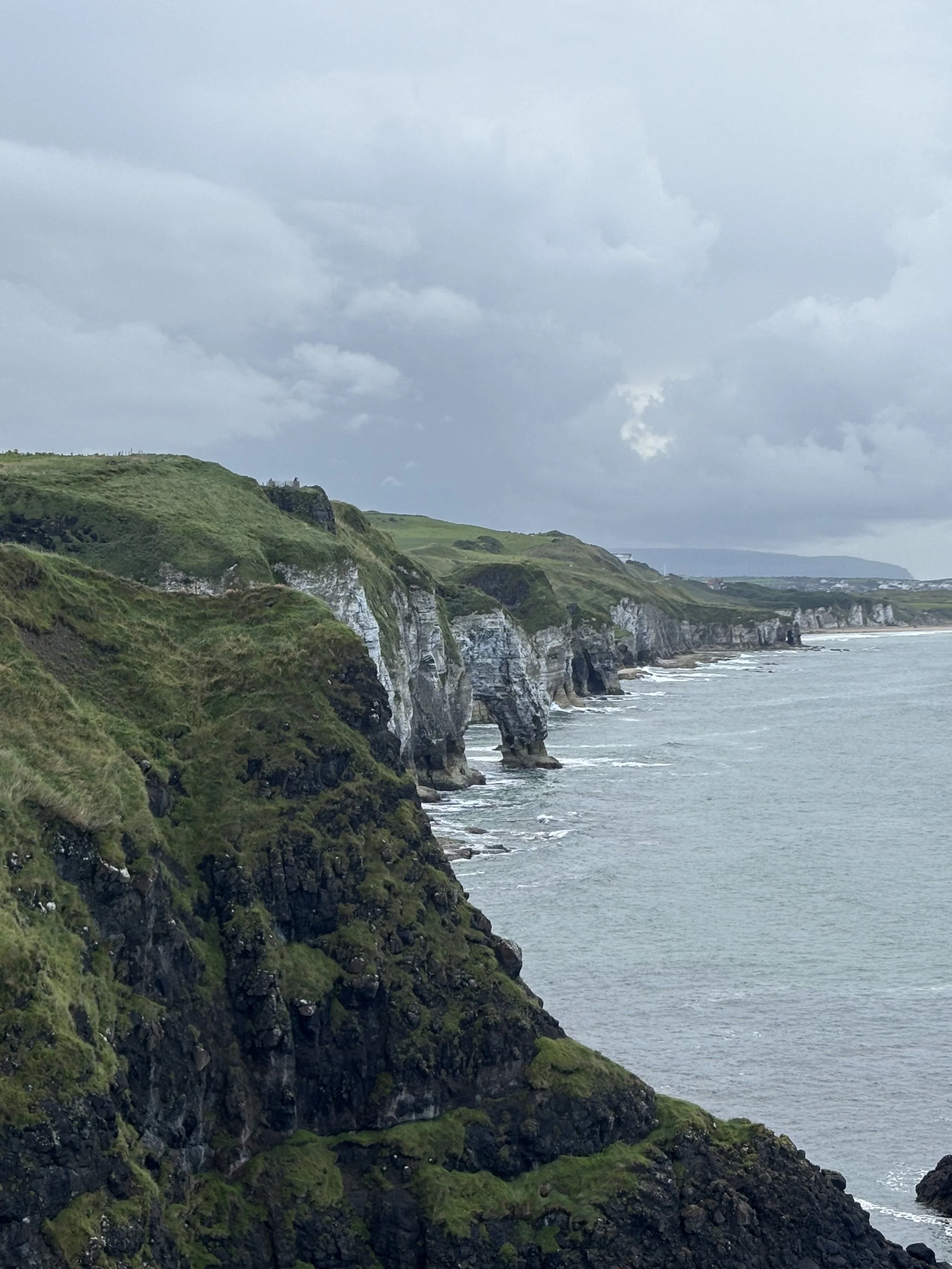
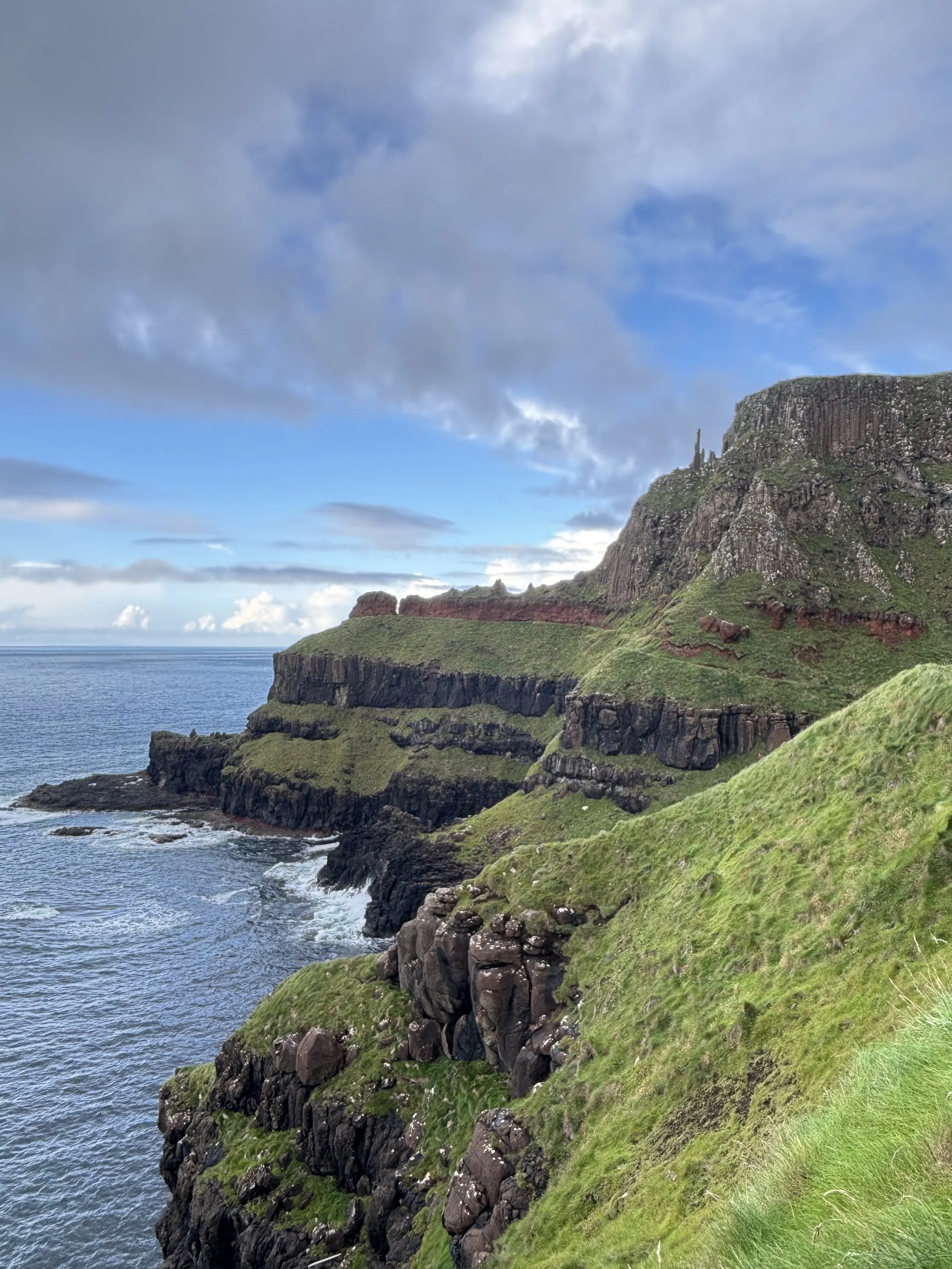
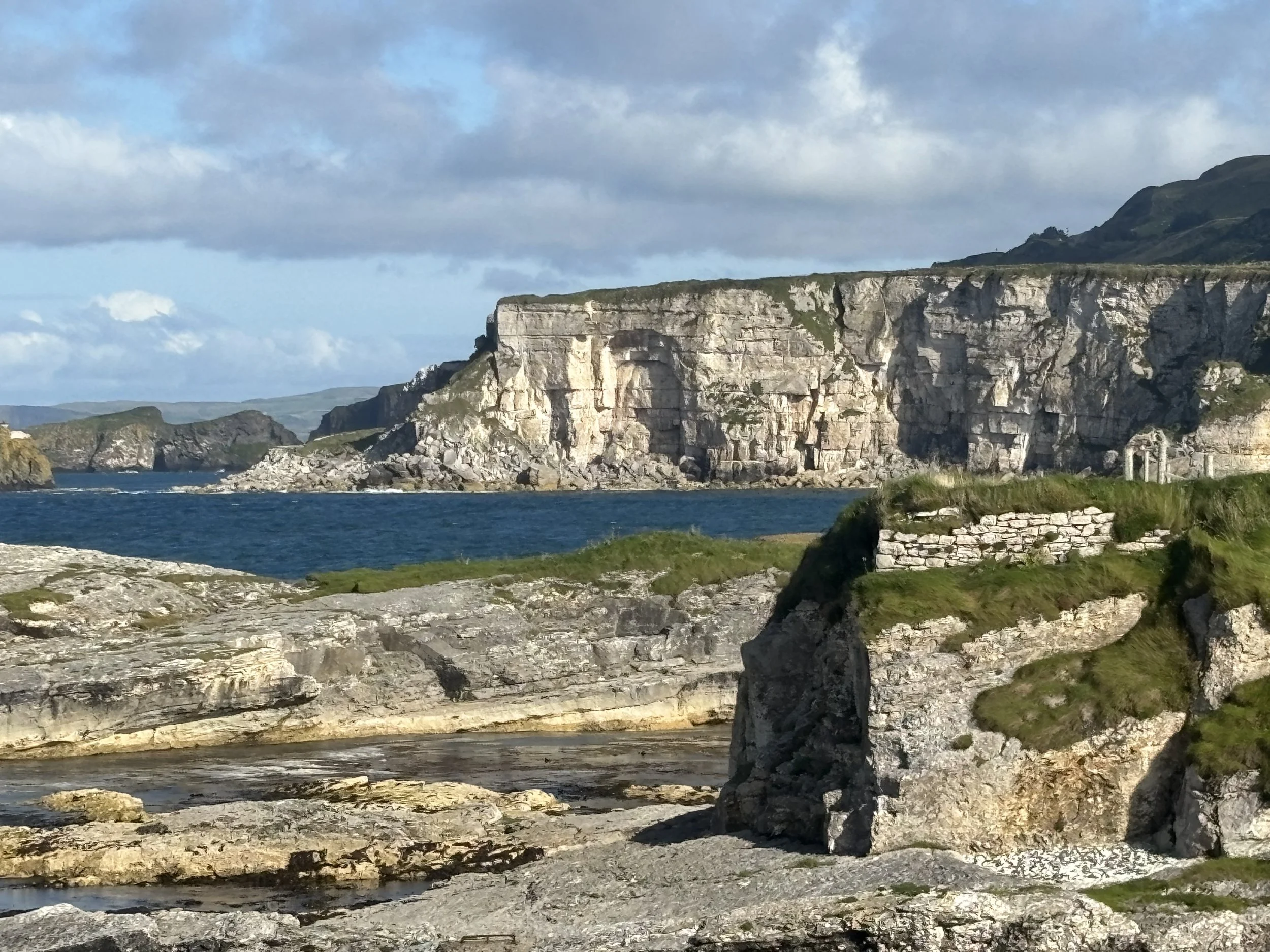
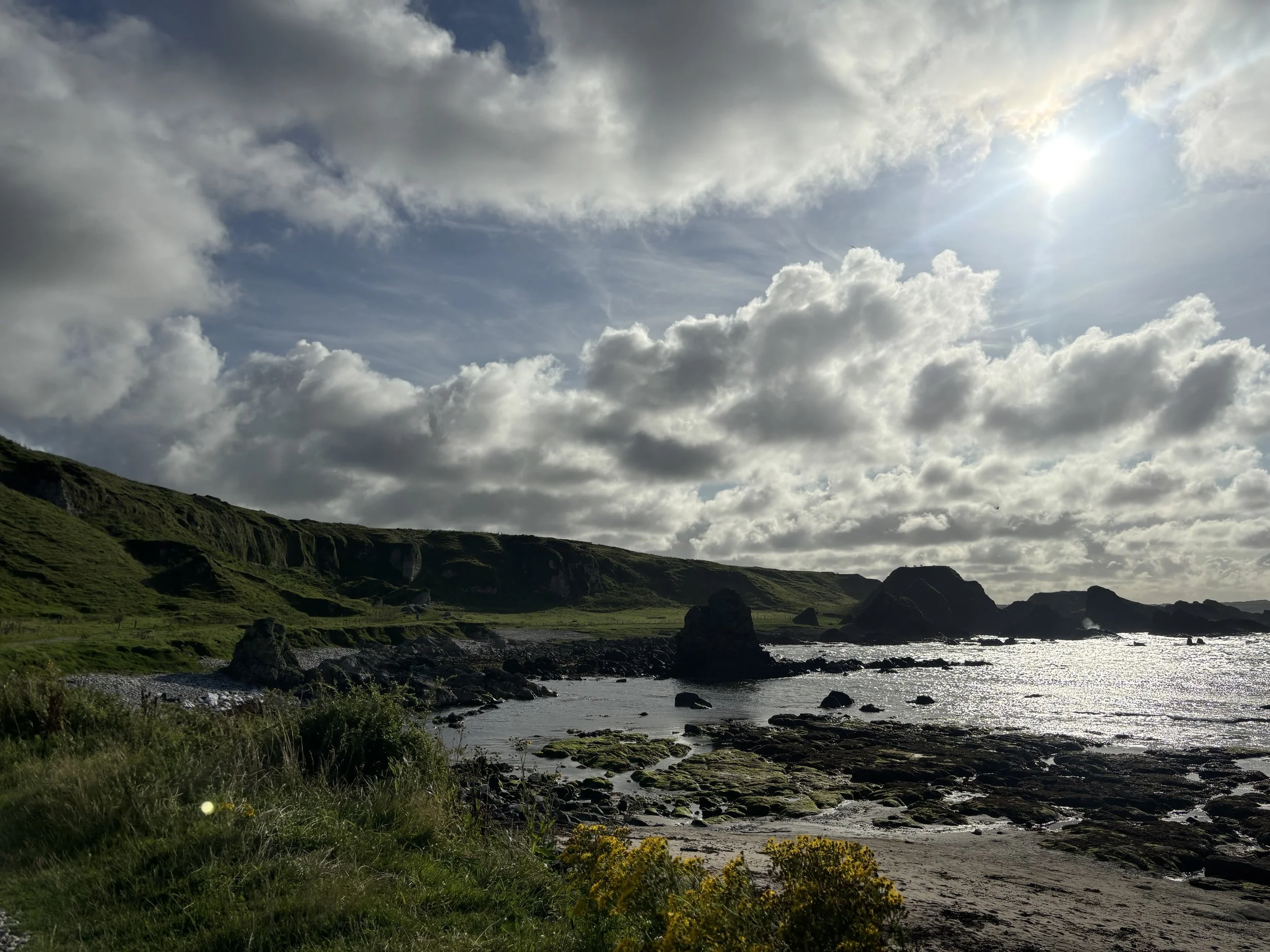
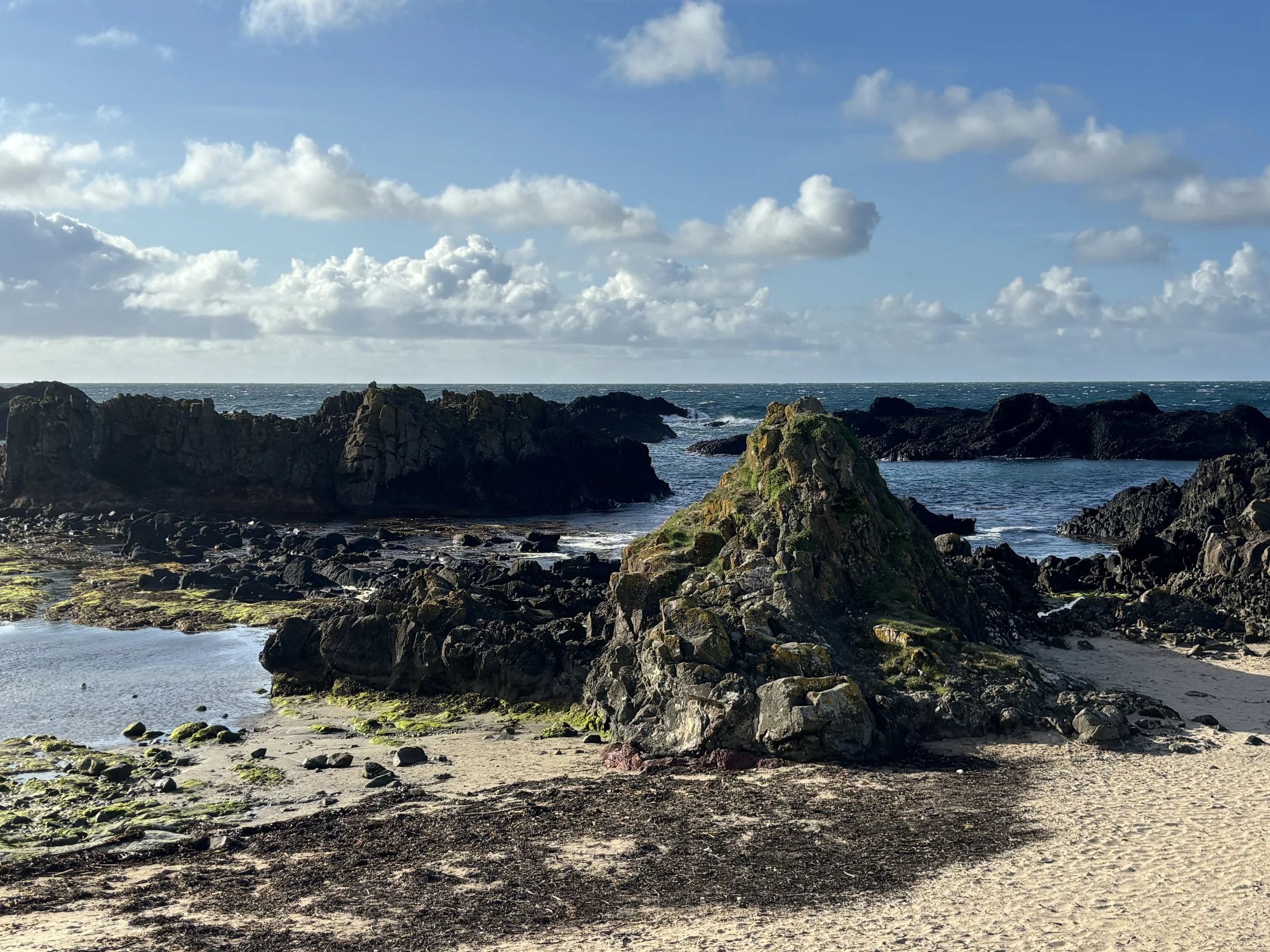
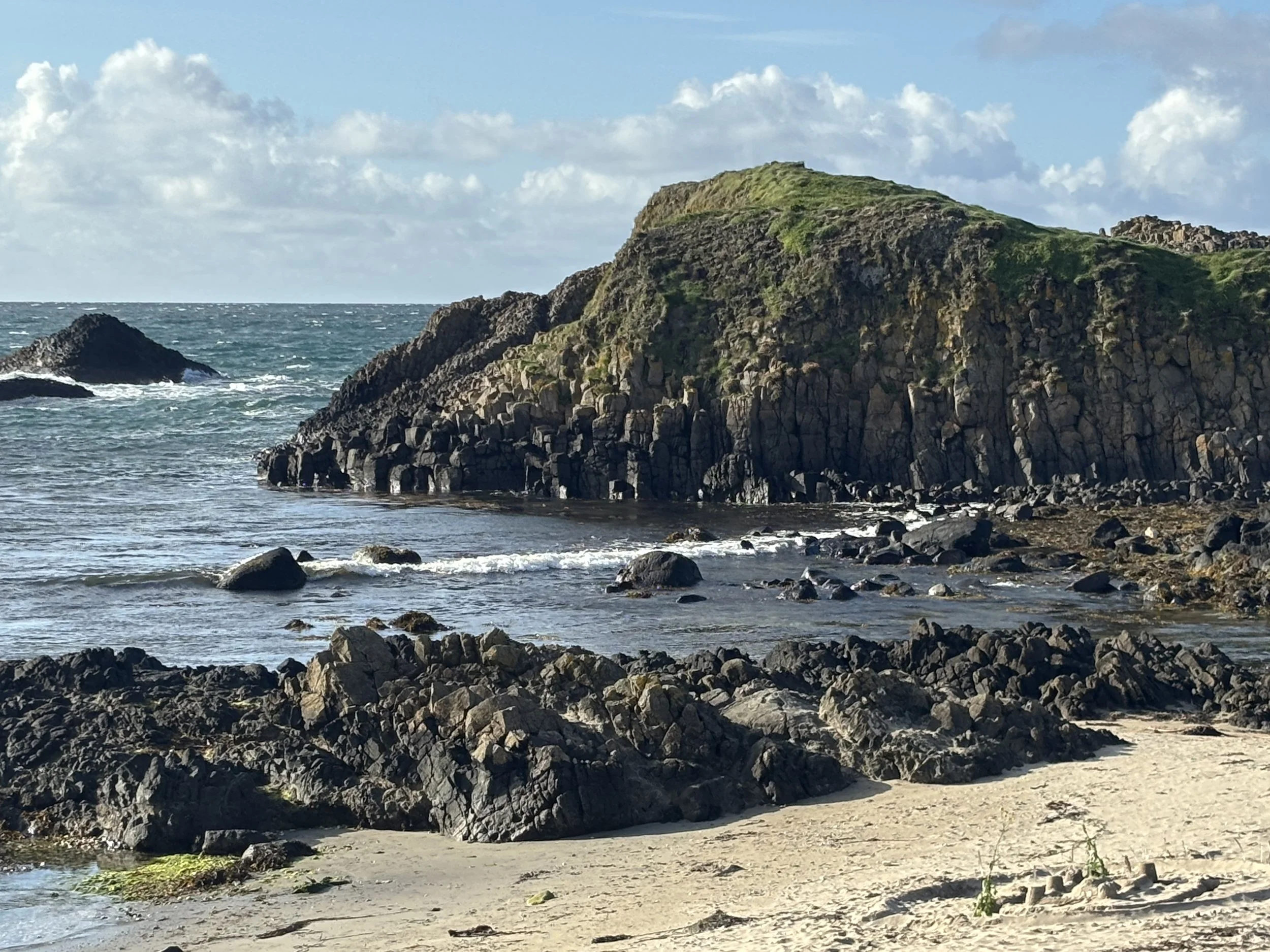
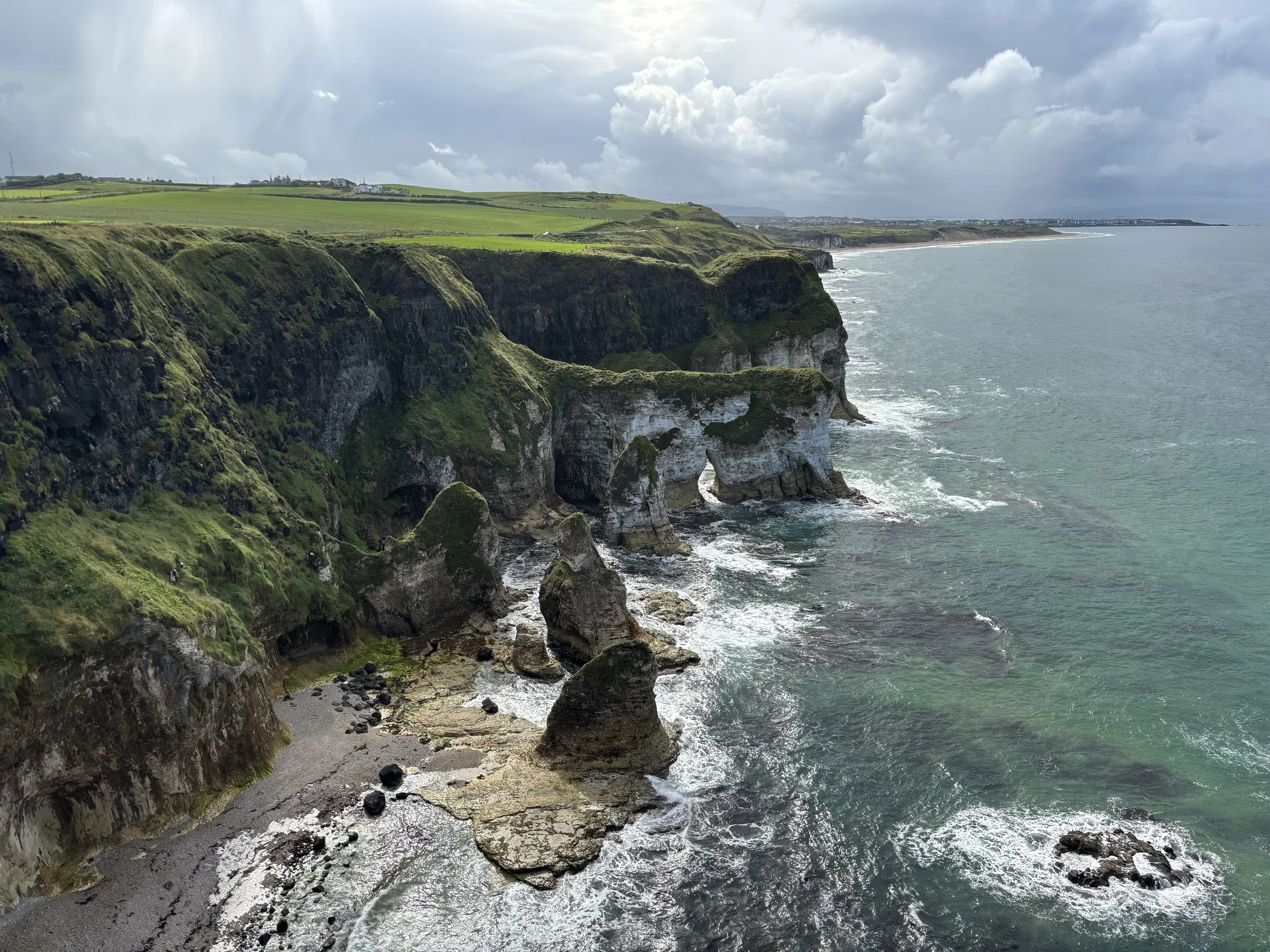
The western coastline is most definitely wild! The unprotected exposure from the battering waves and fierce winds of the open Atlantic Ocean creates a dramatic landscape of rugged cliffs, bays, and sea stacks.
Most people drive it. We sailed most of it. I feel so fortunate that we were able to see it in its most raw and untouched form from the seaside. The beauty and grandeur of God’s creation blows my mind.
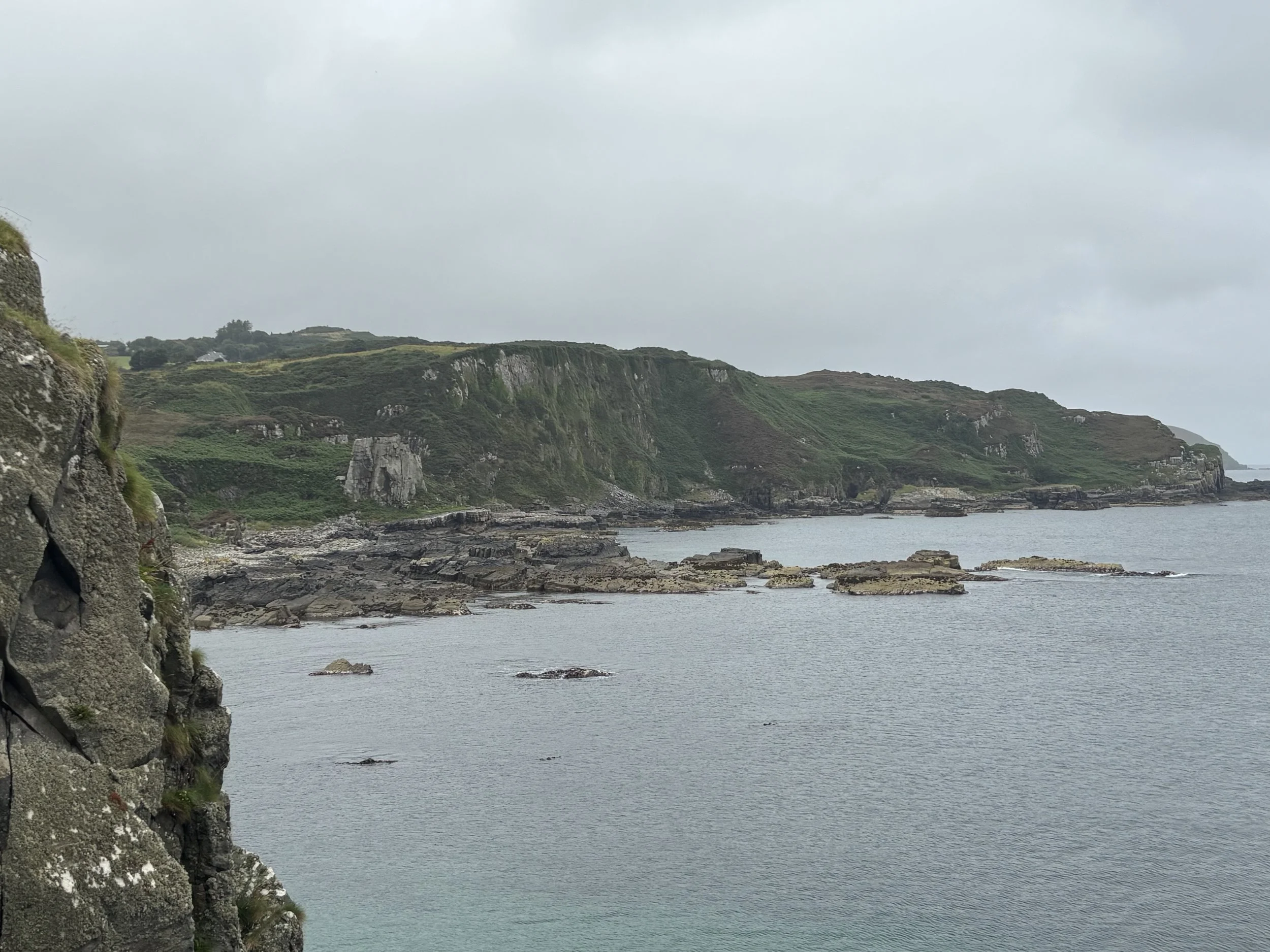
Views from sailing the Wild Atlantic Way on the west coast of Ireland.
Upon leaving Clew Bay, we took several long jumps north to get in place for some crazy weather. Predictions were calling for 17-foot swells! So we wanted to get somewhere further inland to ride it out.
The details on some of these are a bit fuzzy because we moved seven times in seven days, but our path was as follows:
Clew Bay →Ballyglass
Ballyglass →Churchpool
Churchpool →Arranmore
Arranmore → Gola
Gola → Ballymastocker
Ballymastocker →Culdaff
Culdaff → Coleraine
Some of these places, we didn’t even get off the boat. Others, we went for a hike or short walk. Each was quaint in its own way.
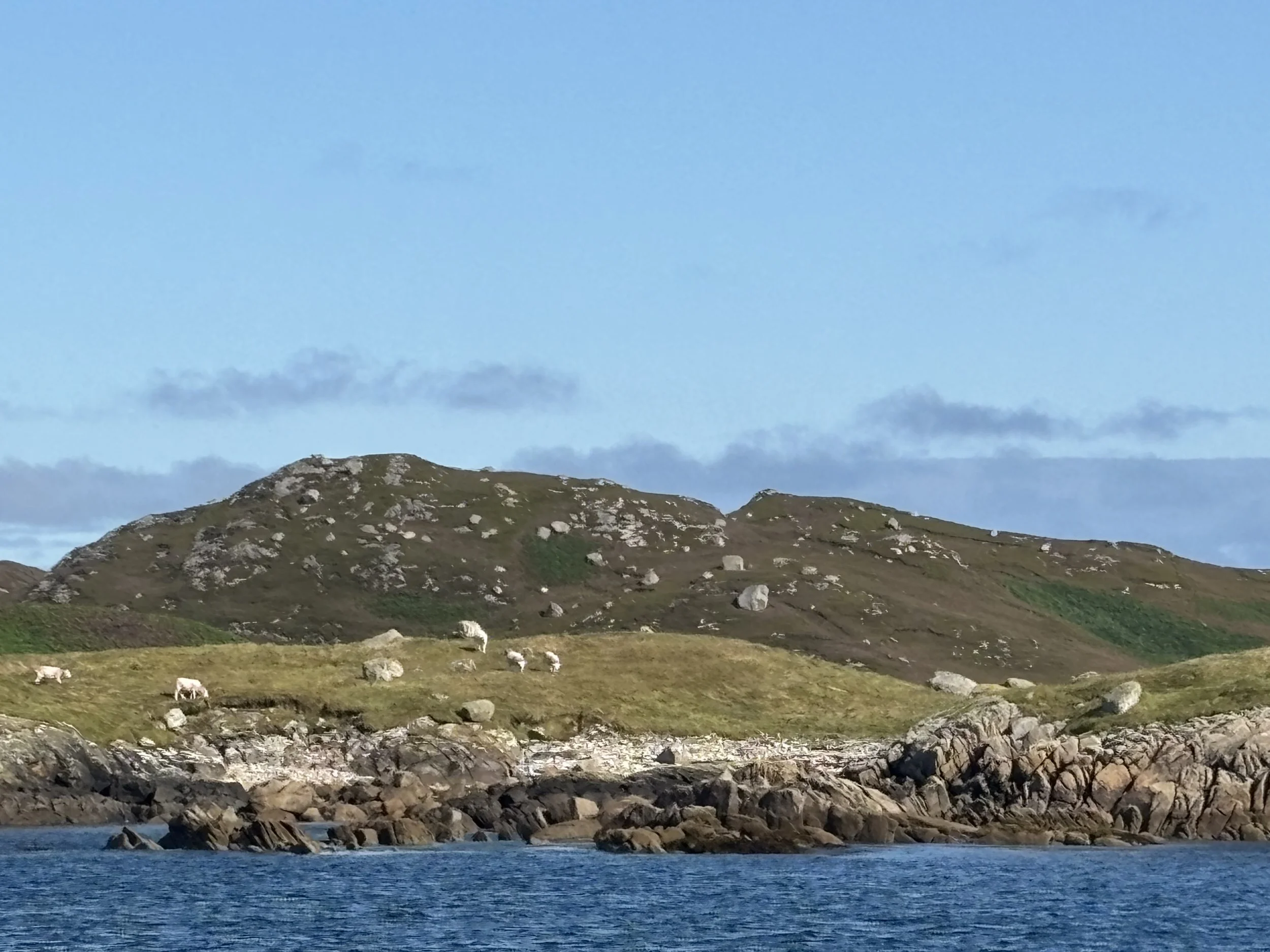
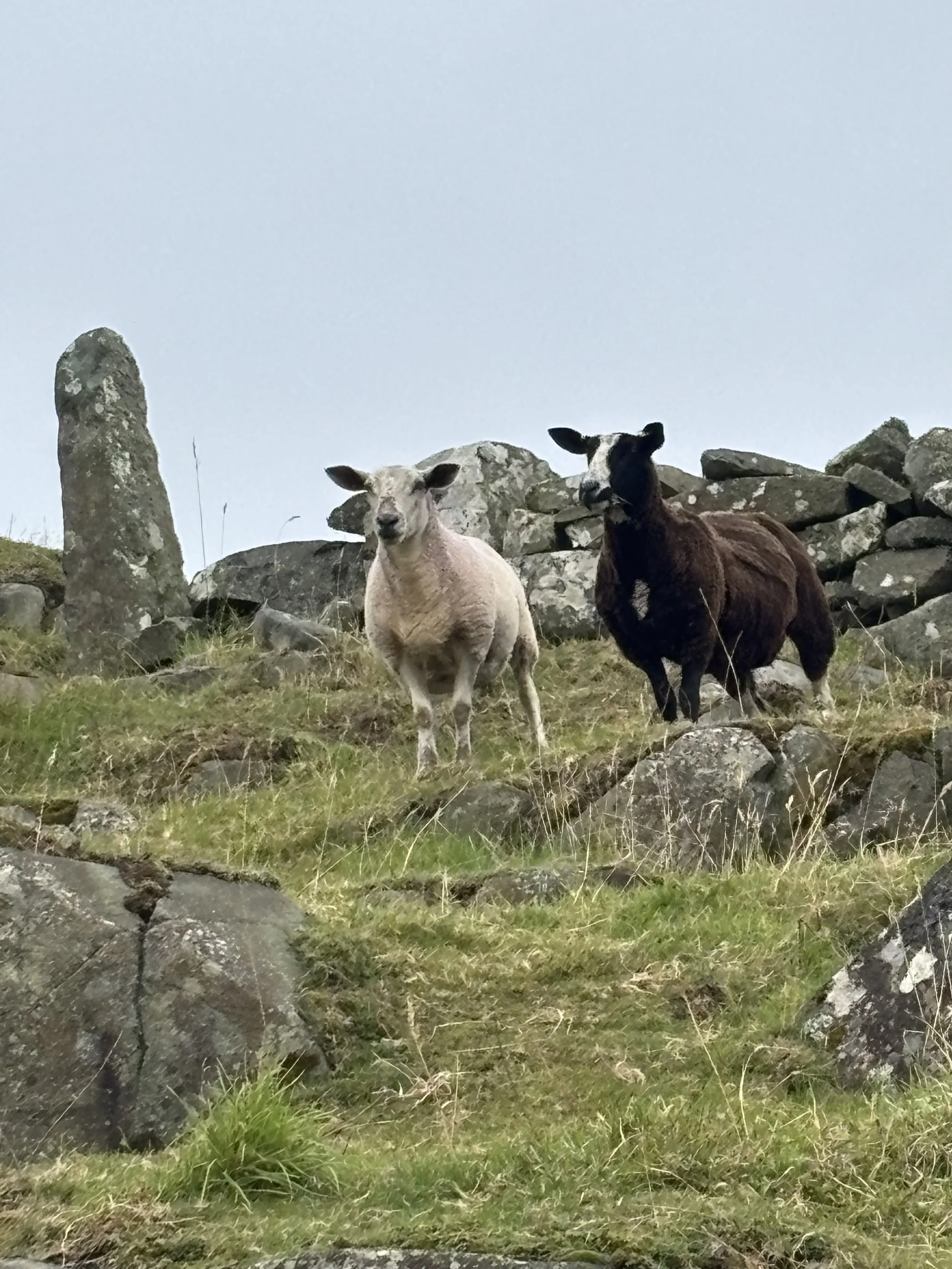
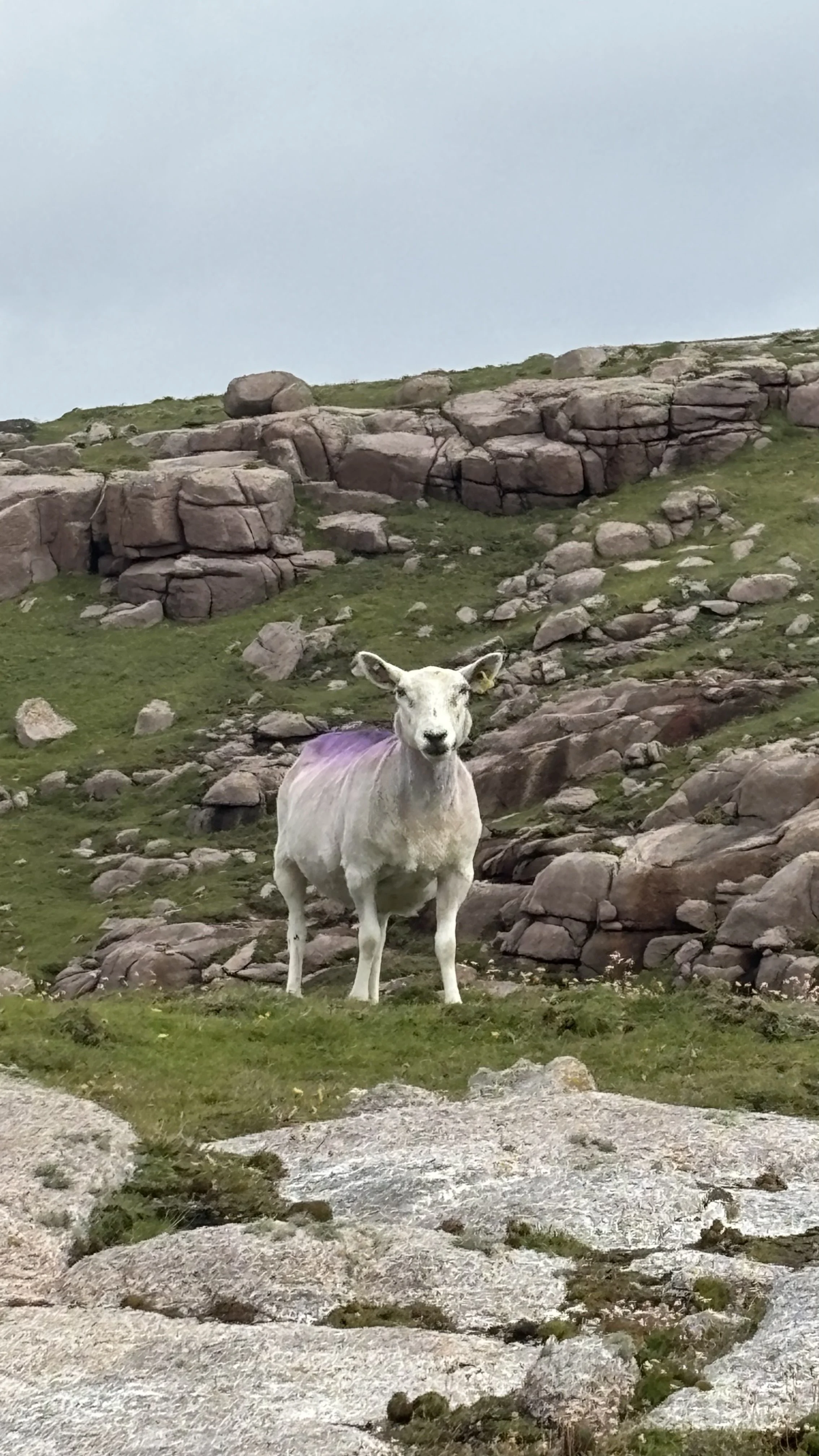
Our view from the boat of sheep lazing and grazing on Arranmore
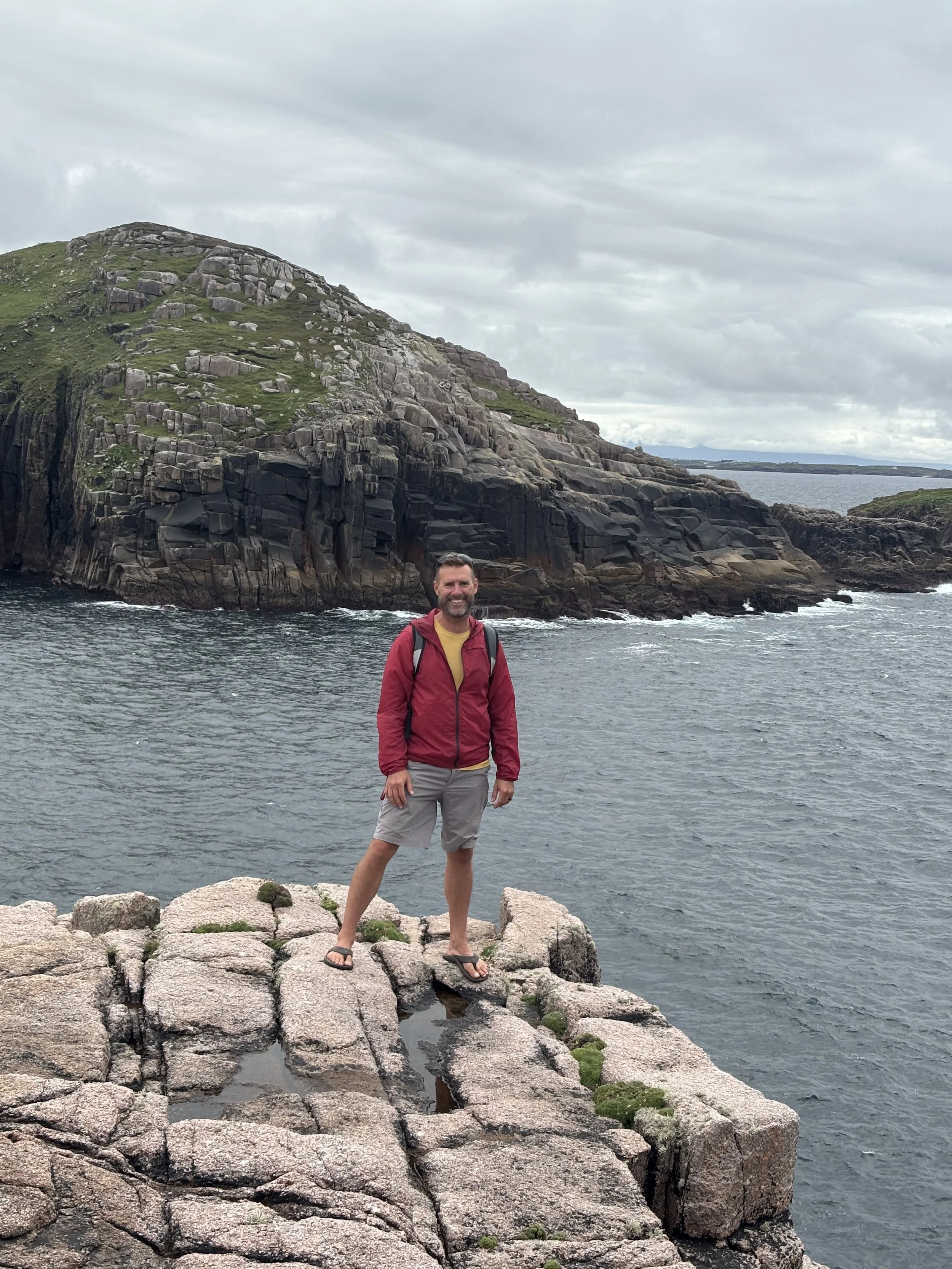
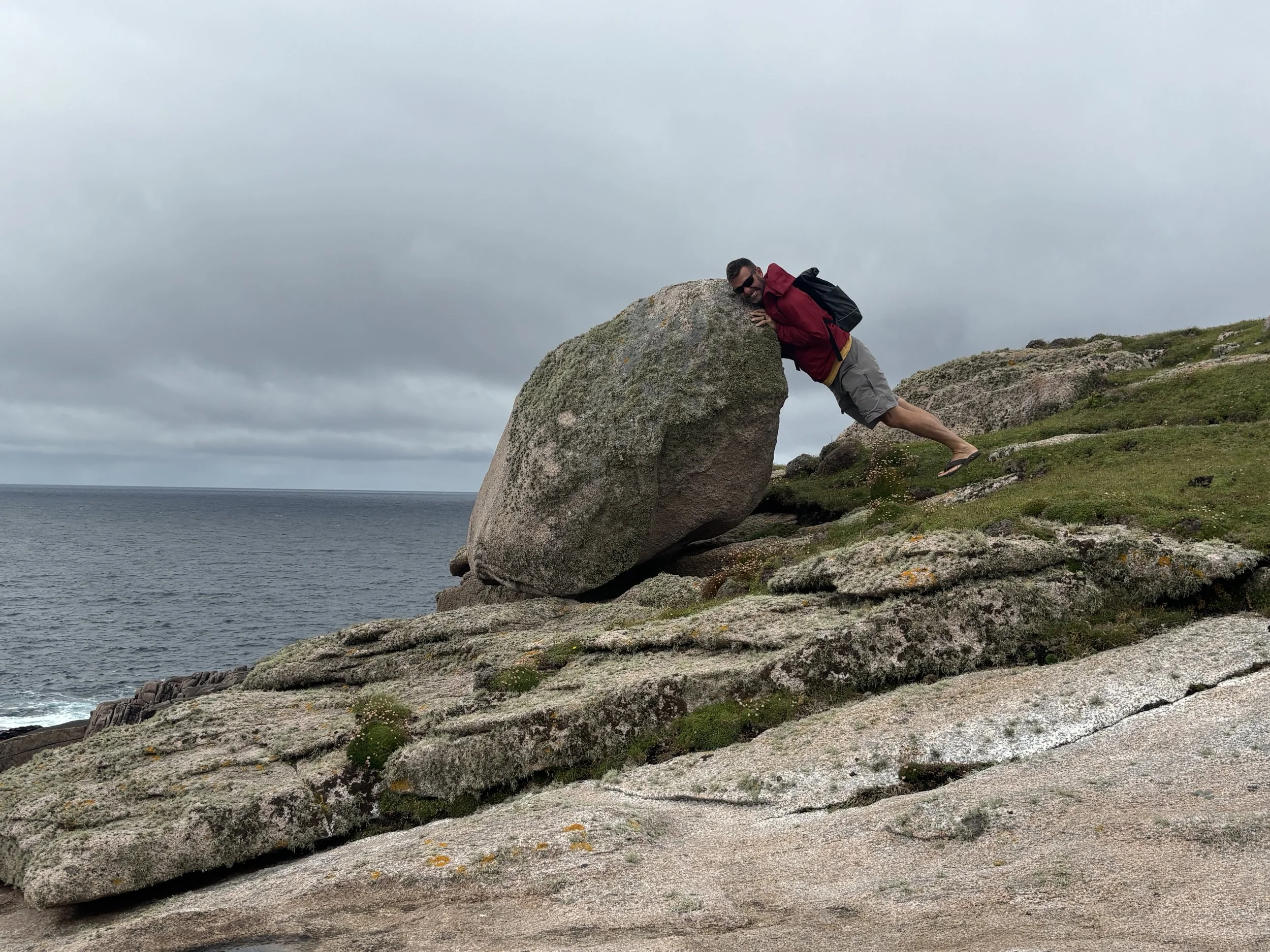
Gola is a beautiful, small island. We enjoyed exploring for a bit and did a nice day hike. I could have stayed there for a few days, but we only stayed there for one night because holy moly, it was roly! It was a rough night’s sleep, so the next morning we pulled anchor and sailed to Culdaff.
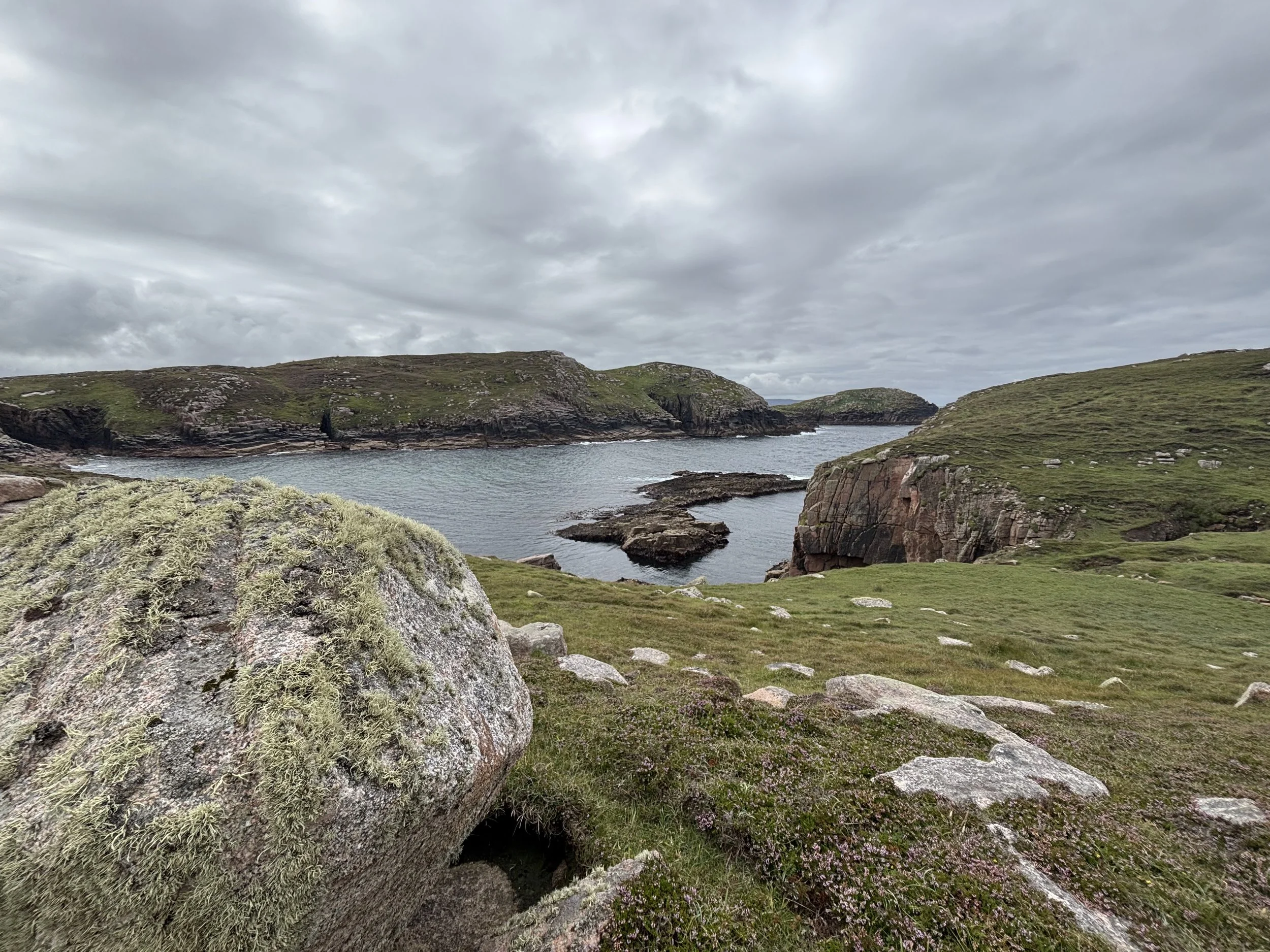
Hiking around Gola
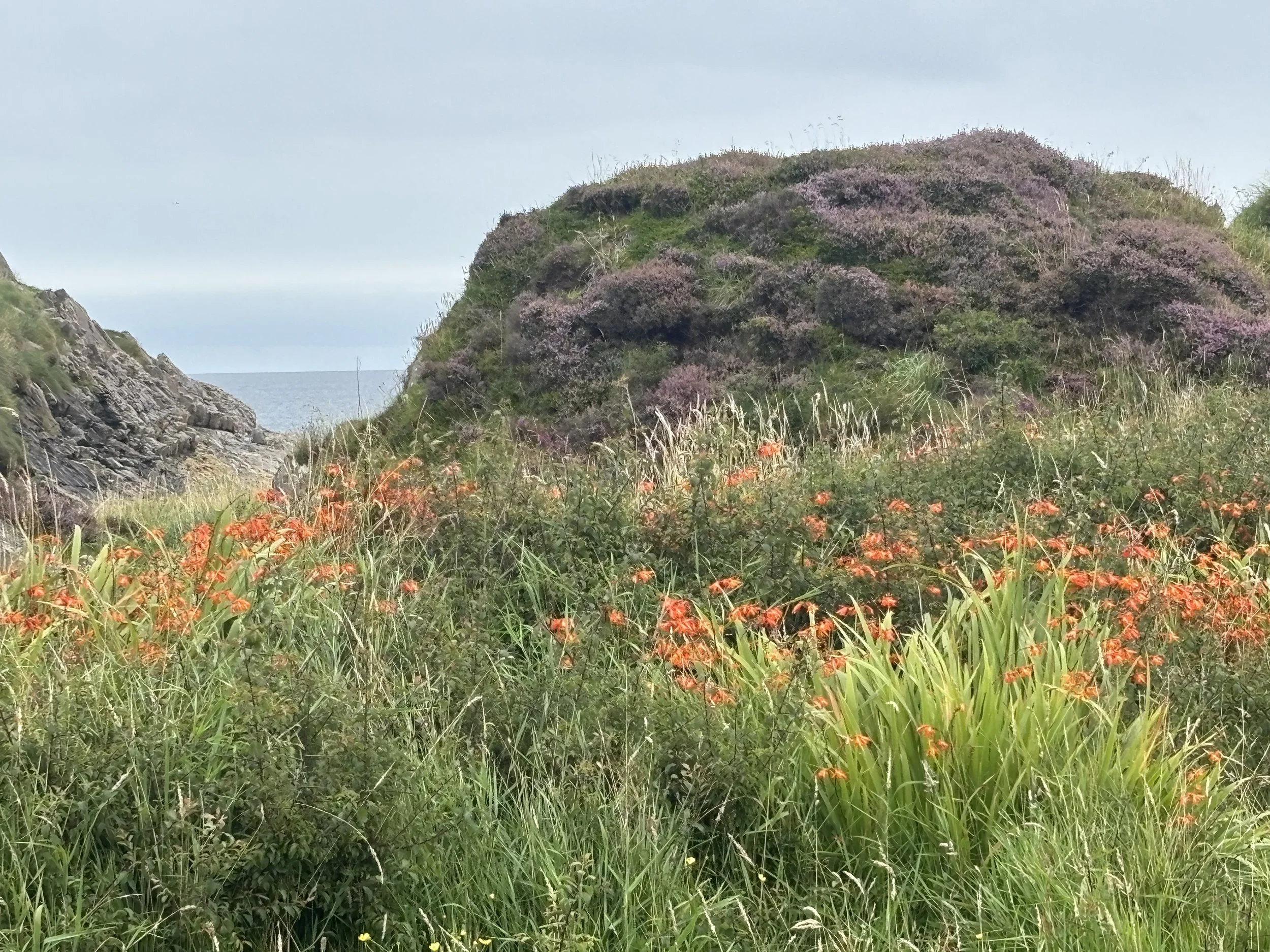
Hiking around Gola
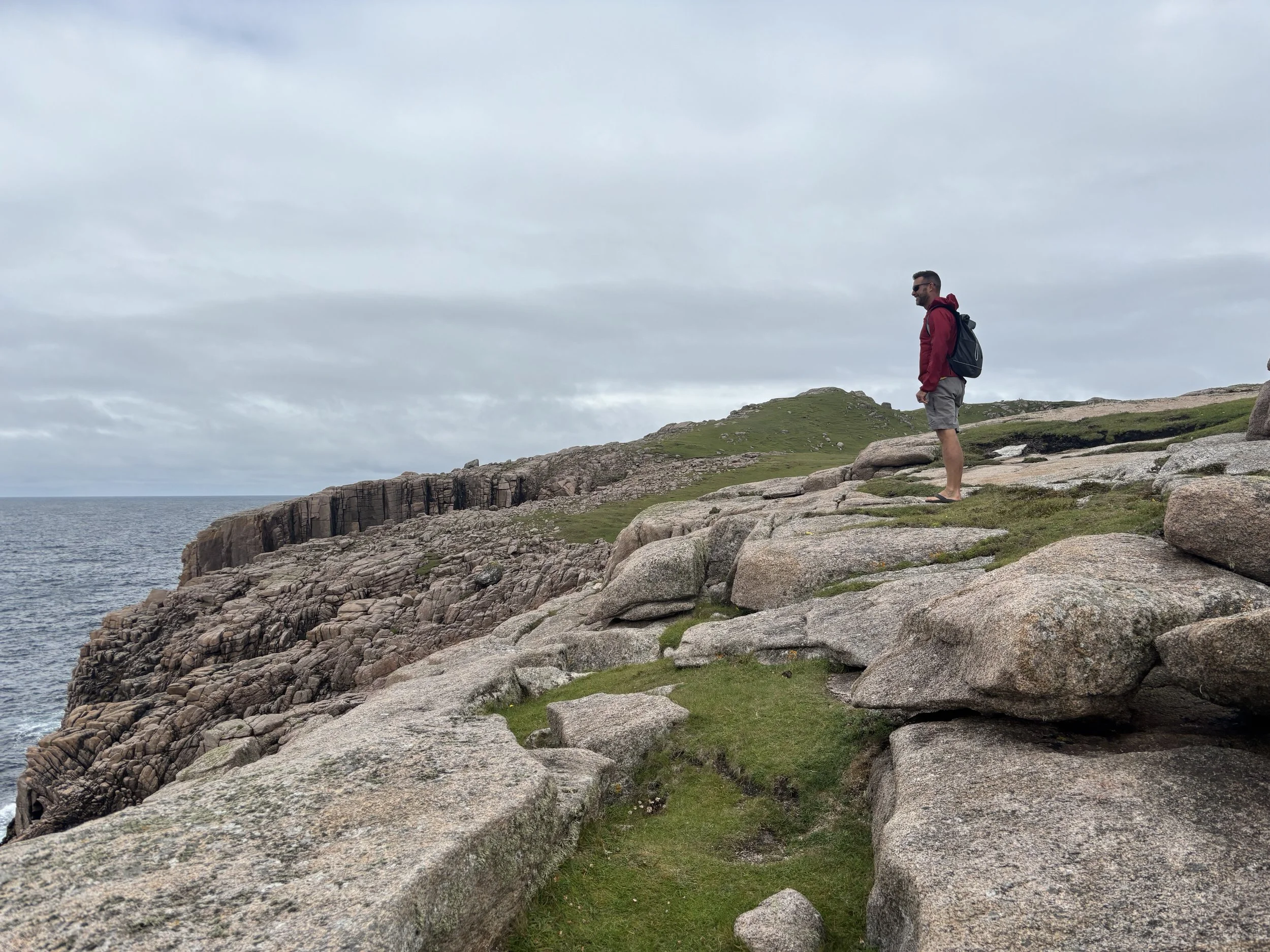
Hiking around Gola
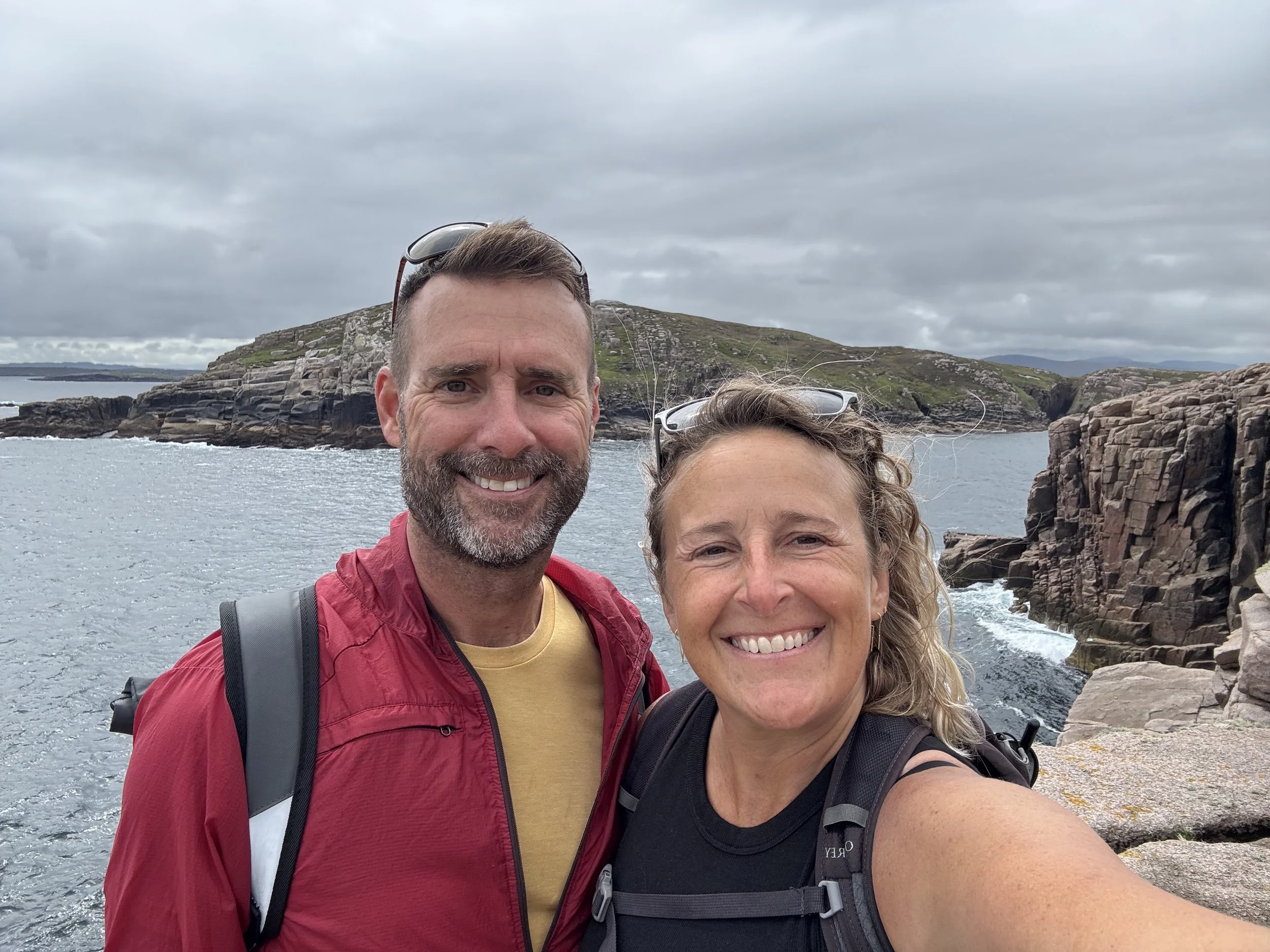
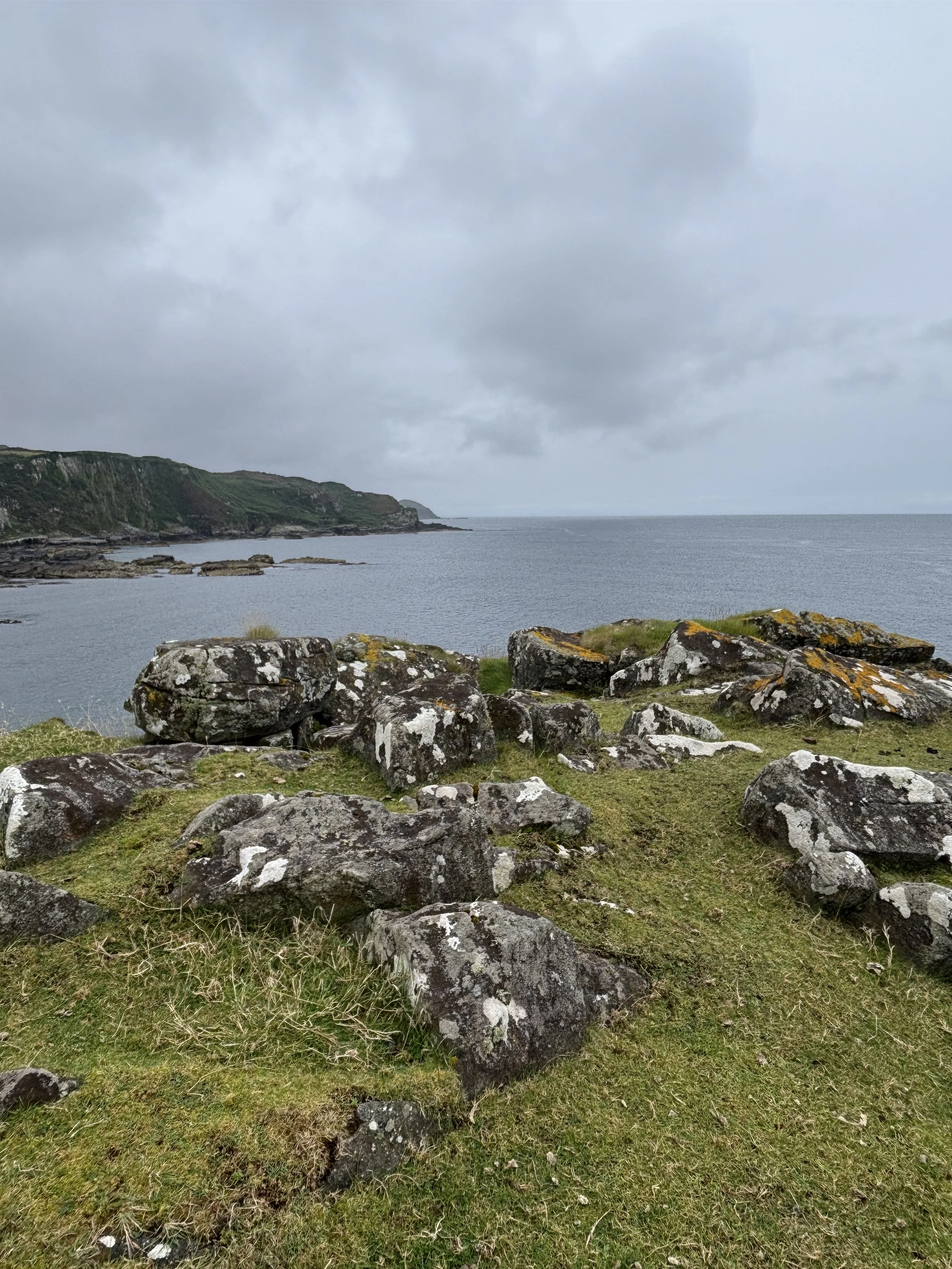
Enjoying the scenery on Gola
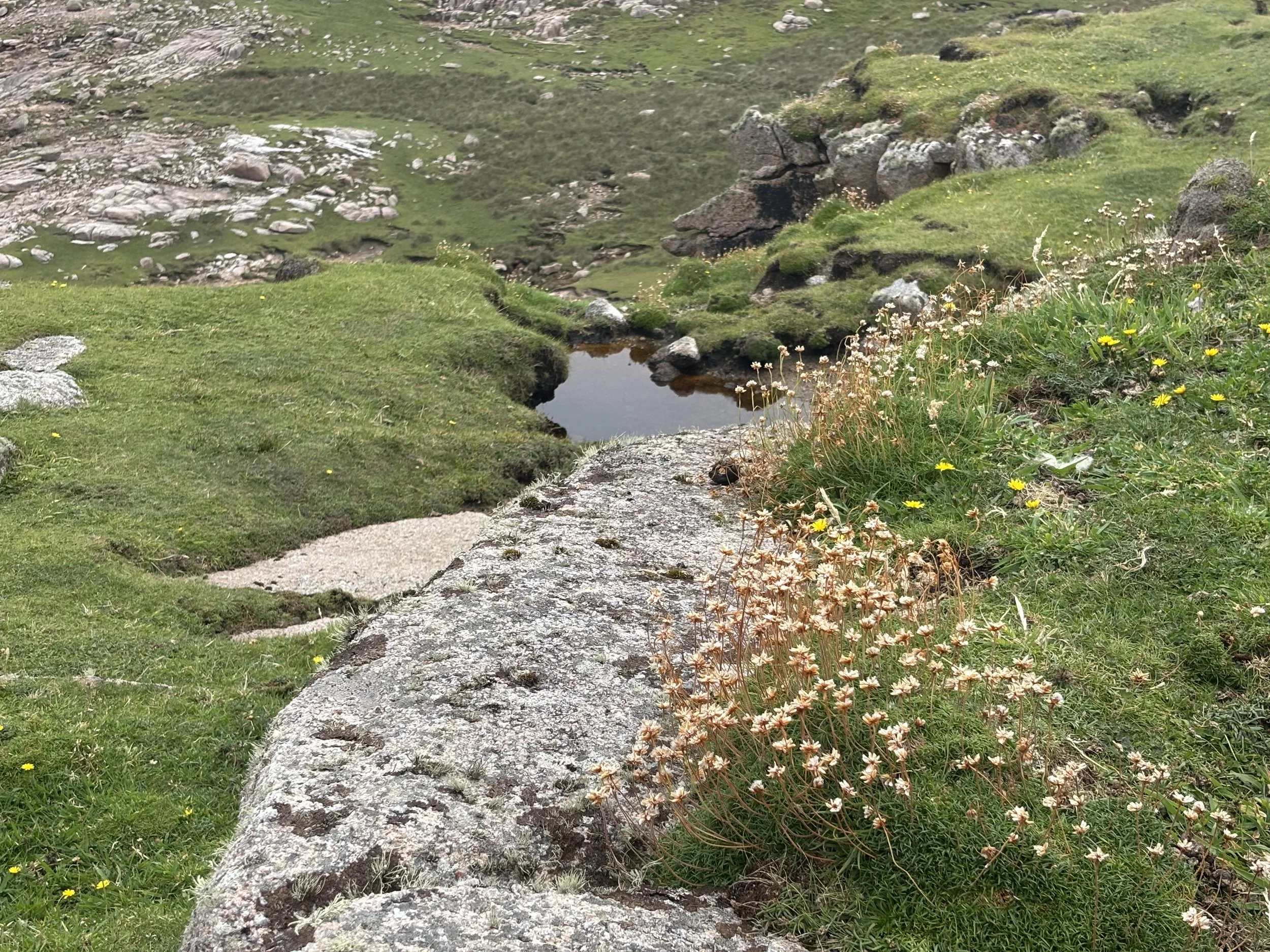
More beauty from Gola
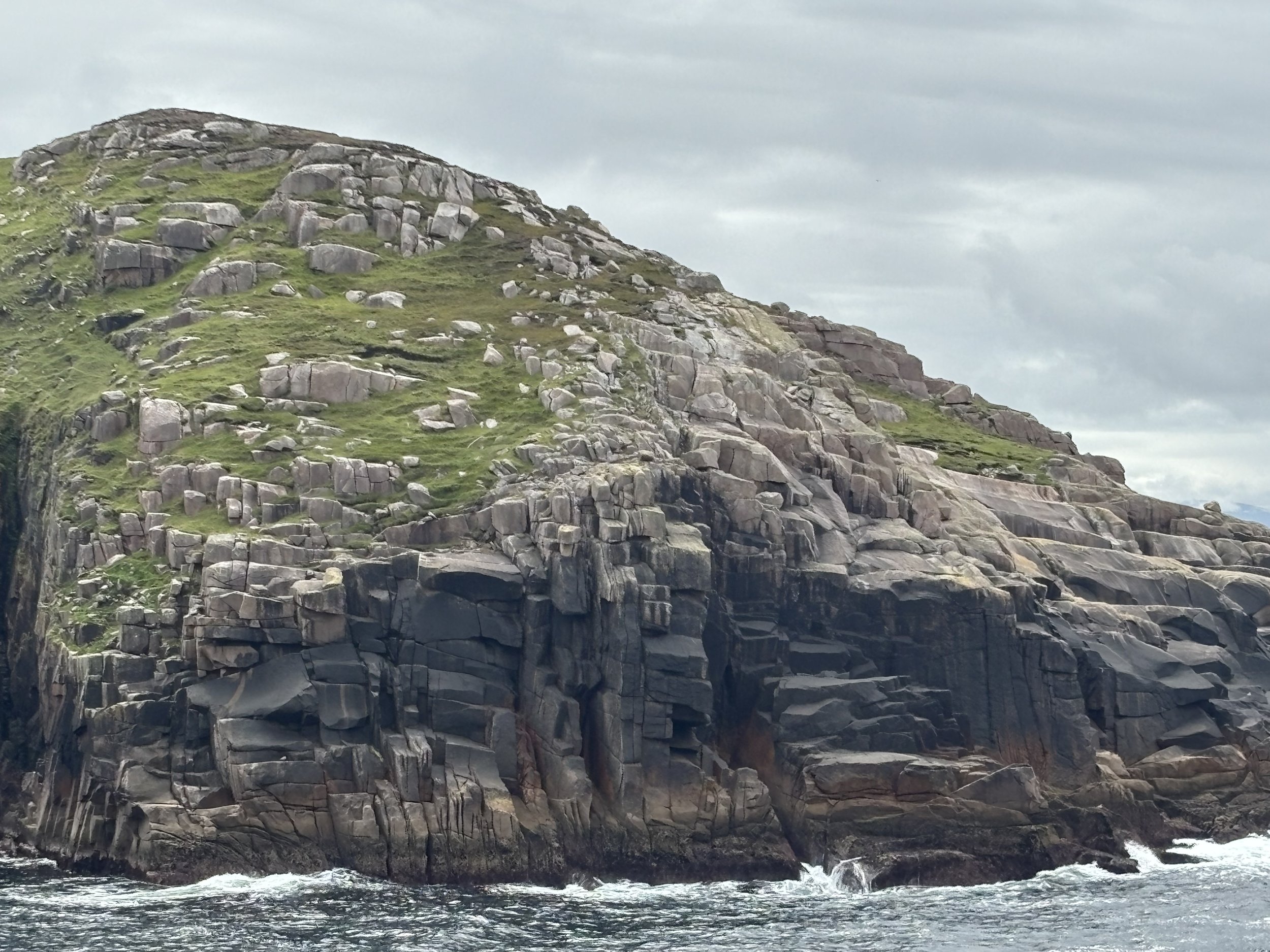
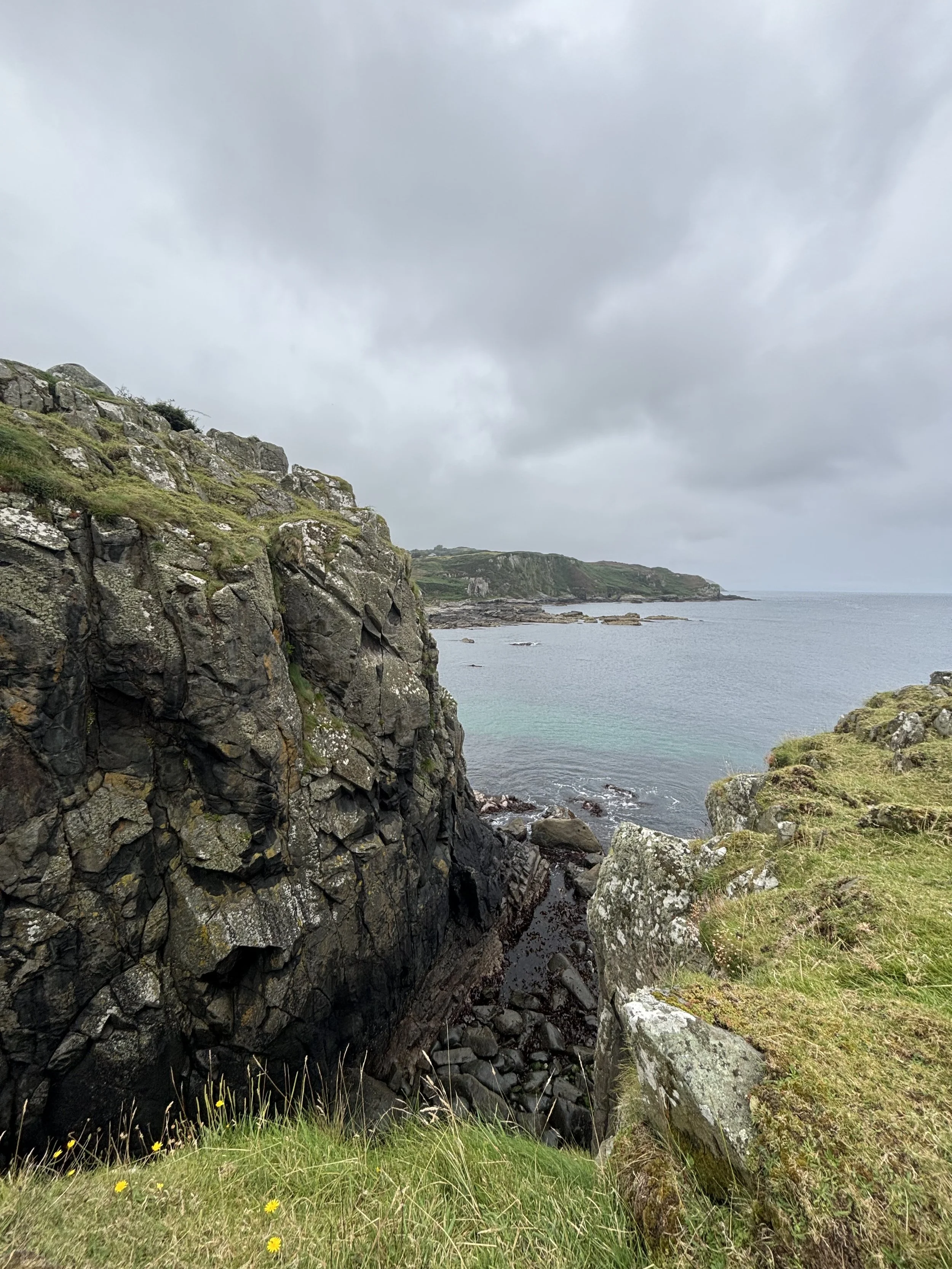
Gorgeous cliff face on Gola
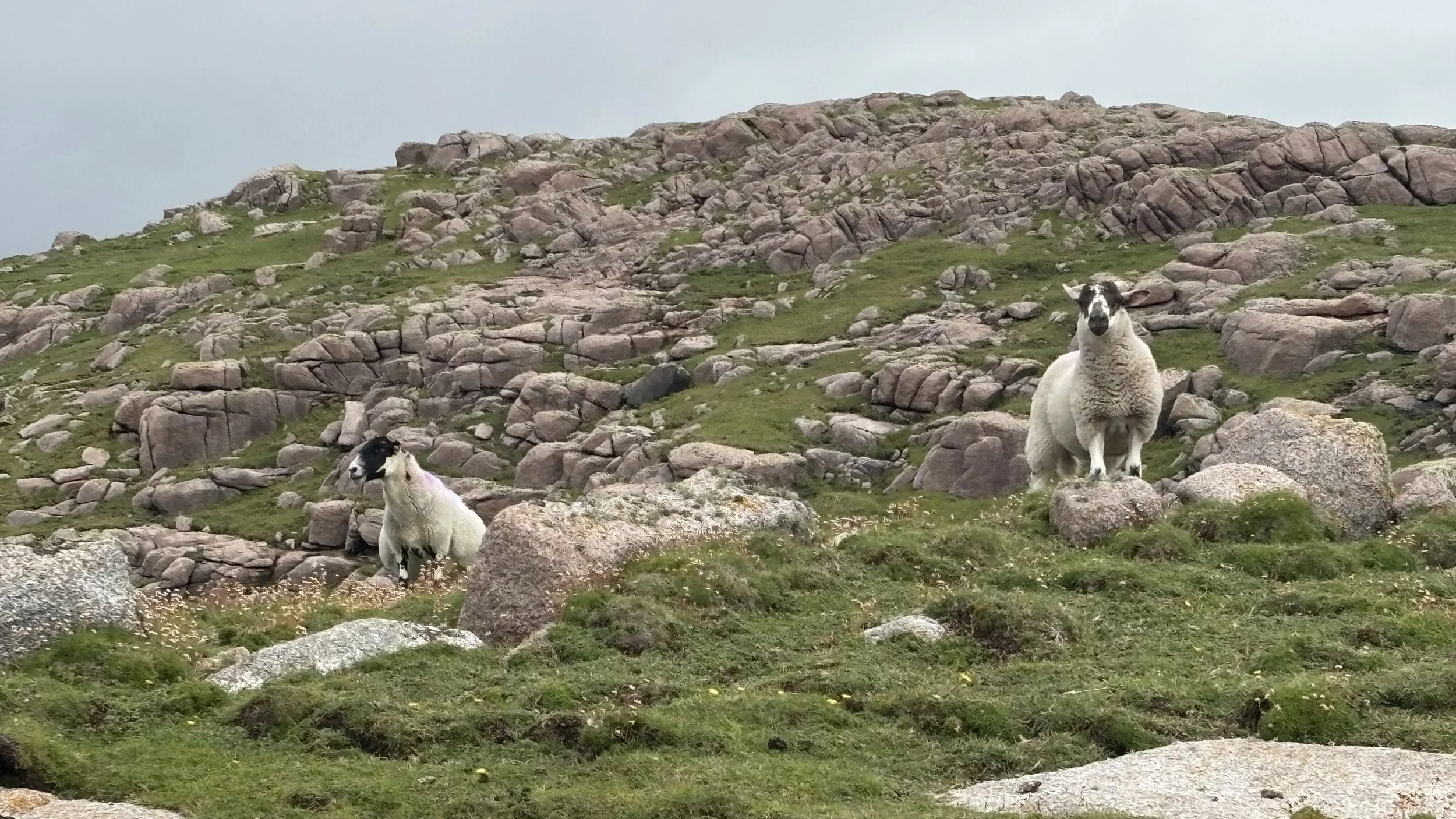
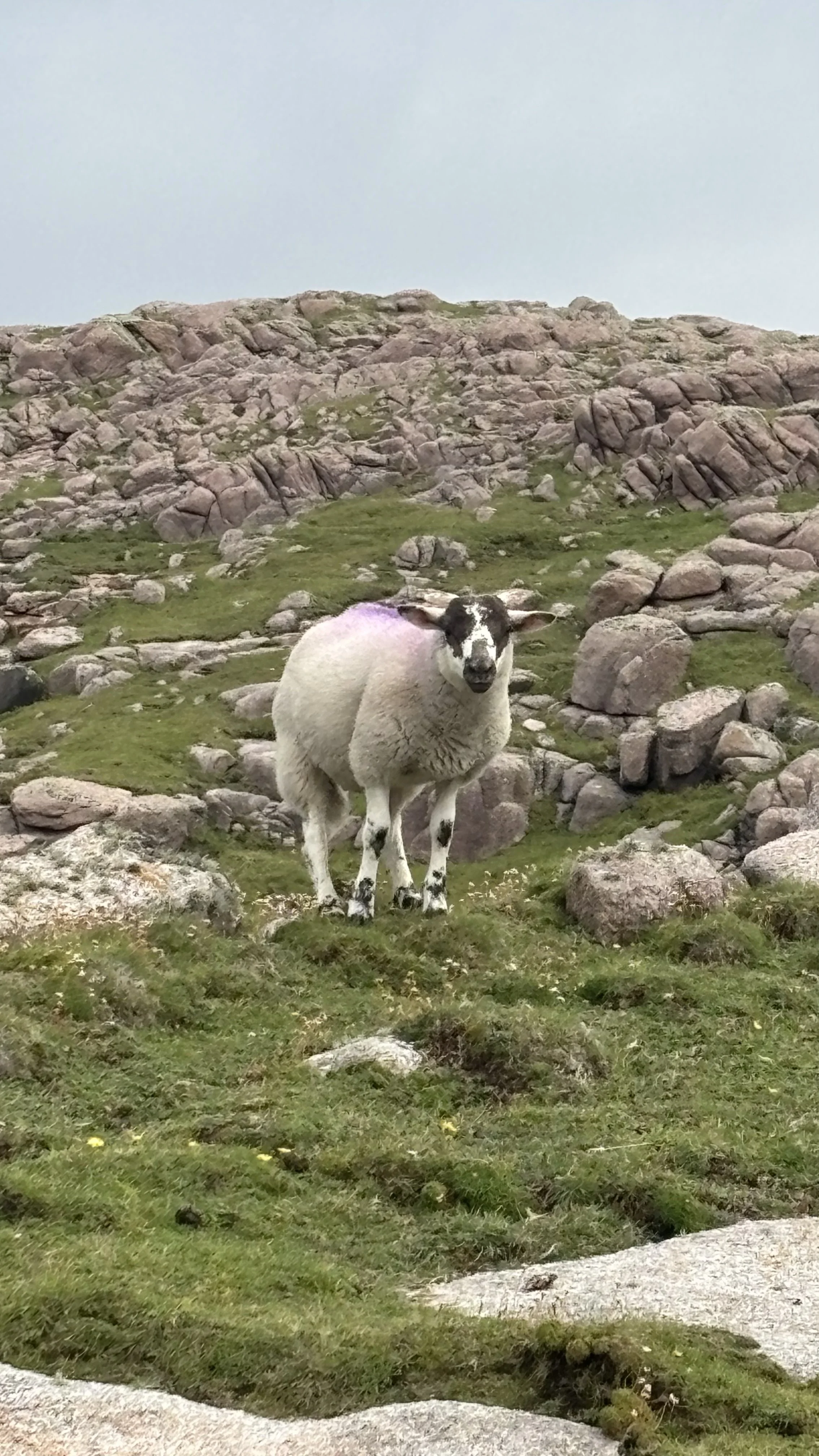
Sheep grazing on the hills of Gola
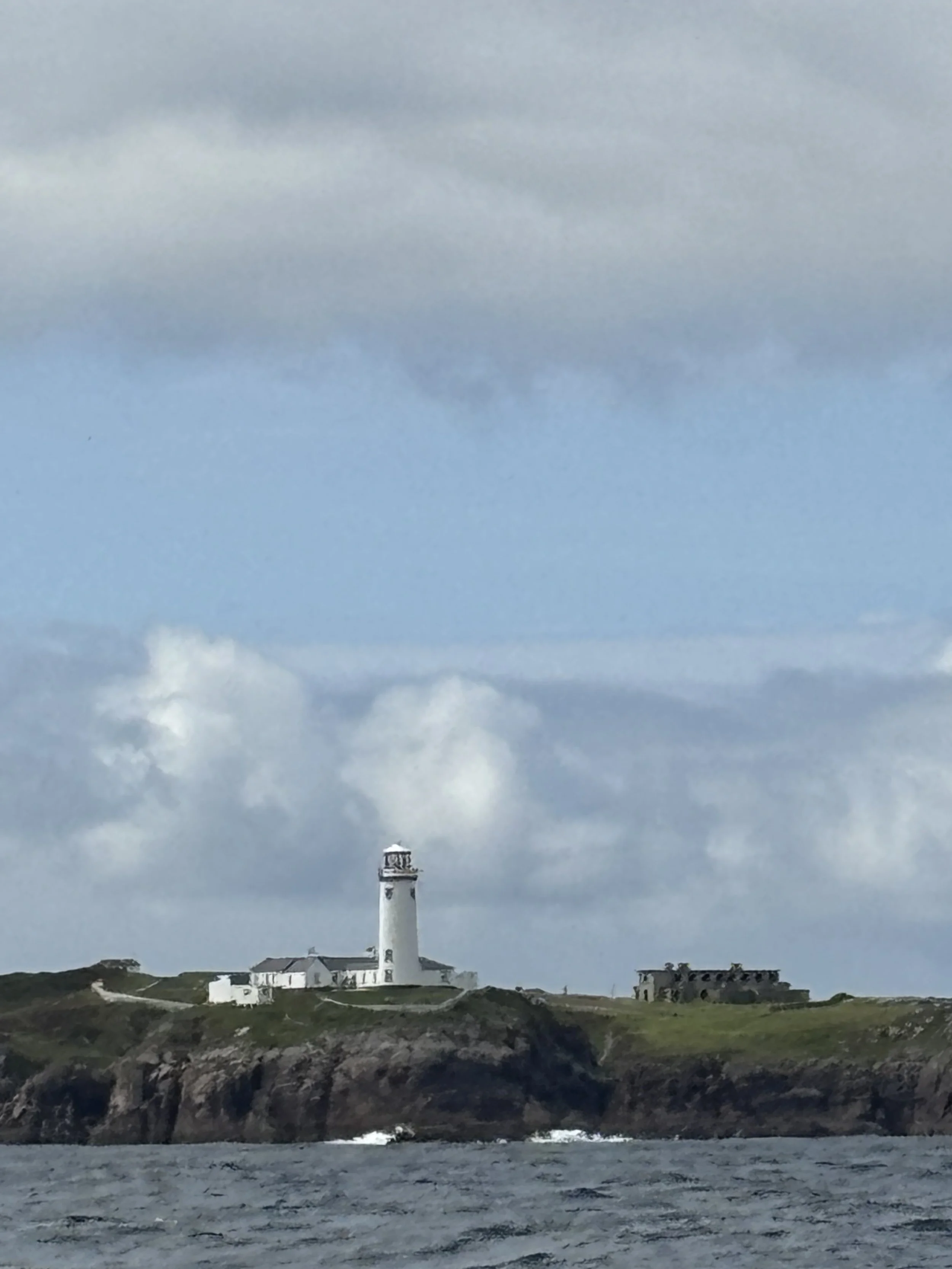
After leaving Gola, we moved on to Ballymastocker. The scenery on this stretch was incredible, including the Fanad Head Lighthouse. In Ballymastocker, I did a little sea glass hunting on the beach. I found a few pieces, but I haven’t found much on this side of the pond so far.
From Ballymastocker, we went to Culdaff, which meant we had to round Malin Head at the top of Ireland. This requires good planning and timing due to strong tidal races, heavy Atlantic swell, and the potential for very uncomfortable conditions. At one point, the tide added a full 4 knots to our overall speed. It is by far the biggest tidal race we have navigated thus far.
Travis and Mary from SV Devona caught up with us in Culdaff, and the next morning we all made one more jump to Coleraine—entering into Northern Ireland, part of the United Kingdom. We stayed at the Crannaugh Marina on the River Bann for a few days while waiting for more favorable weather.
It was a busy seven days—often up early to make long jumps and arriving at dinner in time to eat and go to bed. But Once we arrived in Coleraine, we settled in for a few days. Travis and Mary rented a car, and we were able to do a bit more exploring, venturing into the surrounding towns—something we don’t normally do. This gave us the opportunity to see many of the area's major attractions.
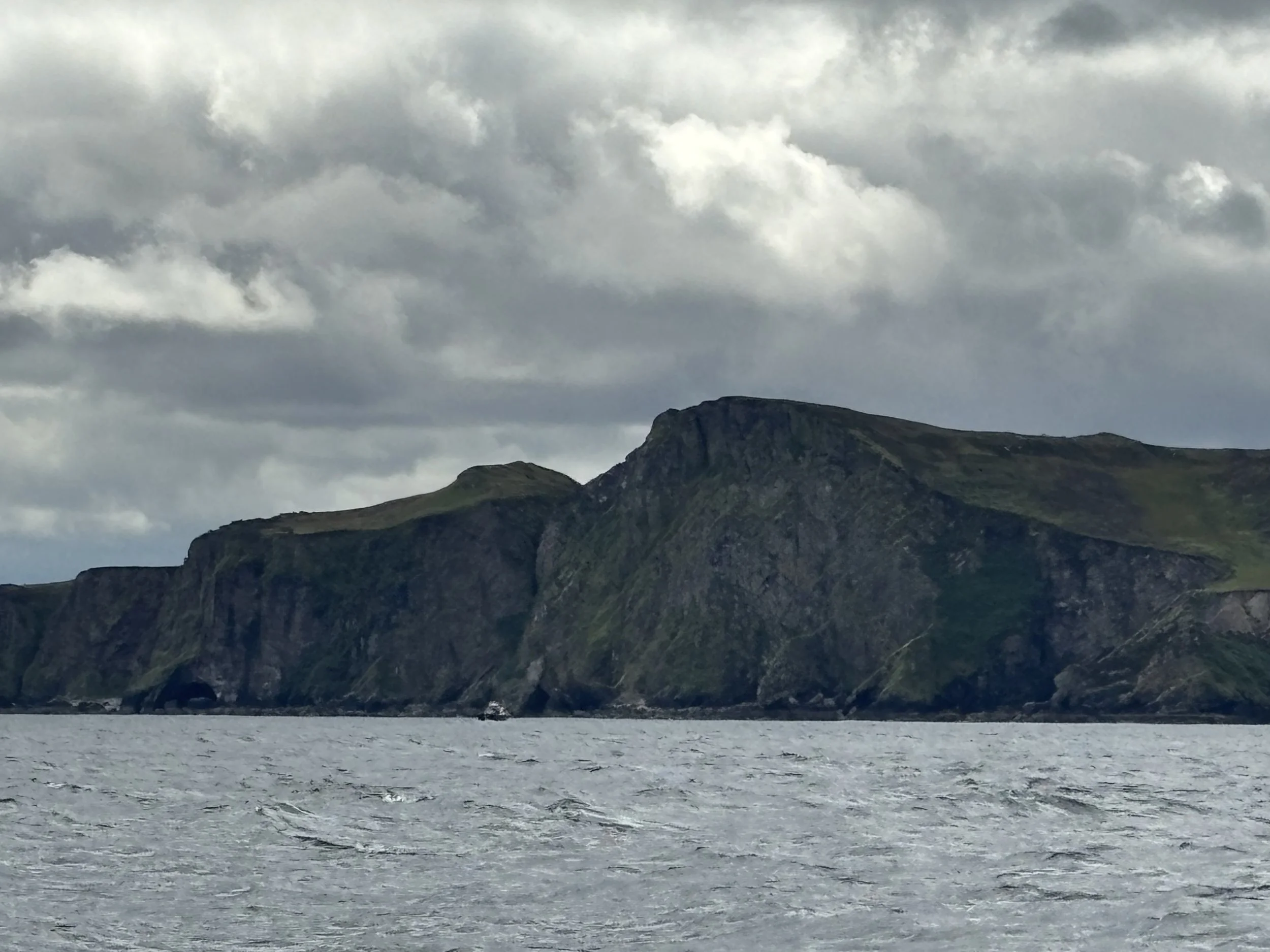
En route from Gola to Ballymastocker
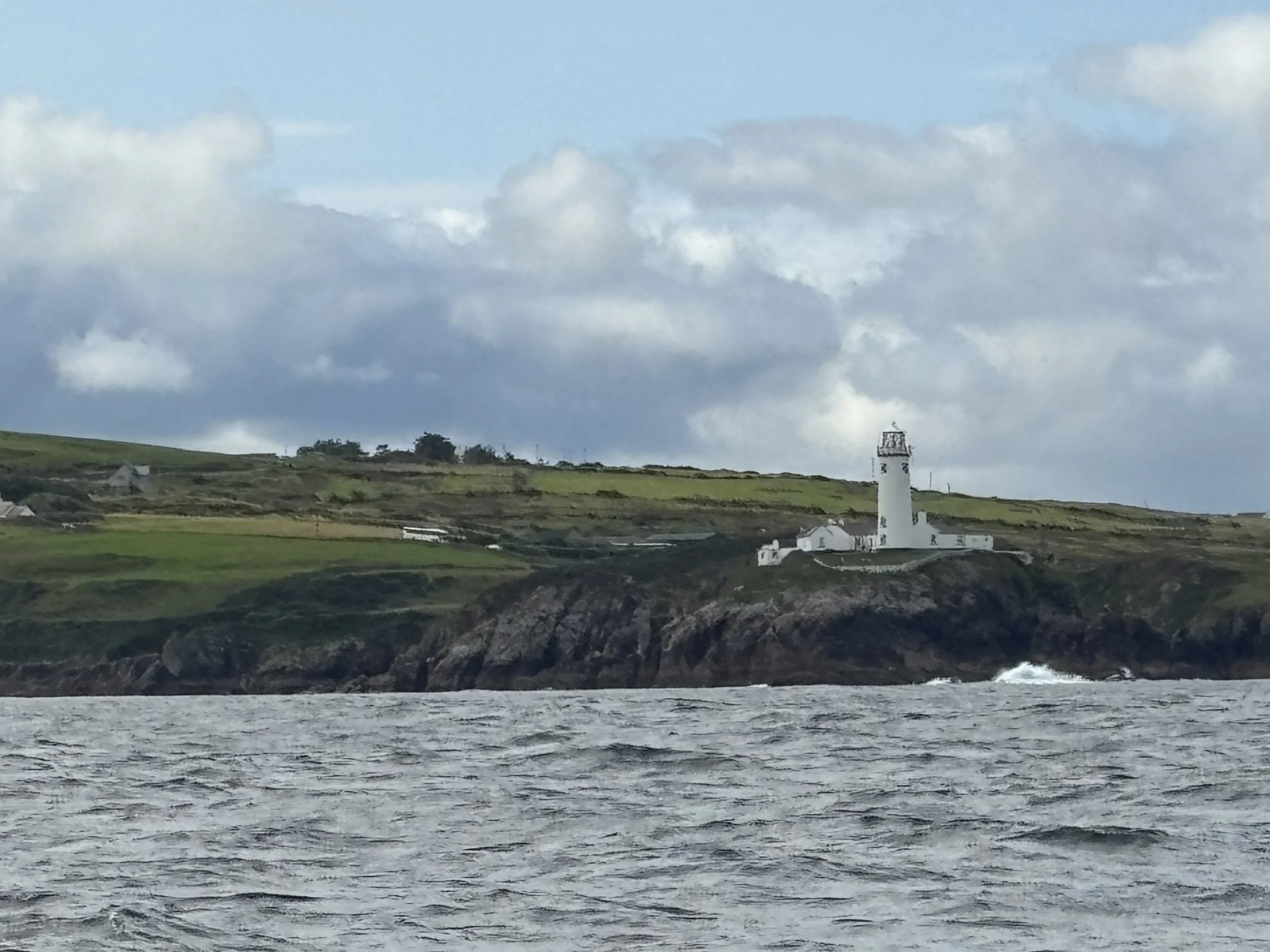
Fanad Head Lighthouse
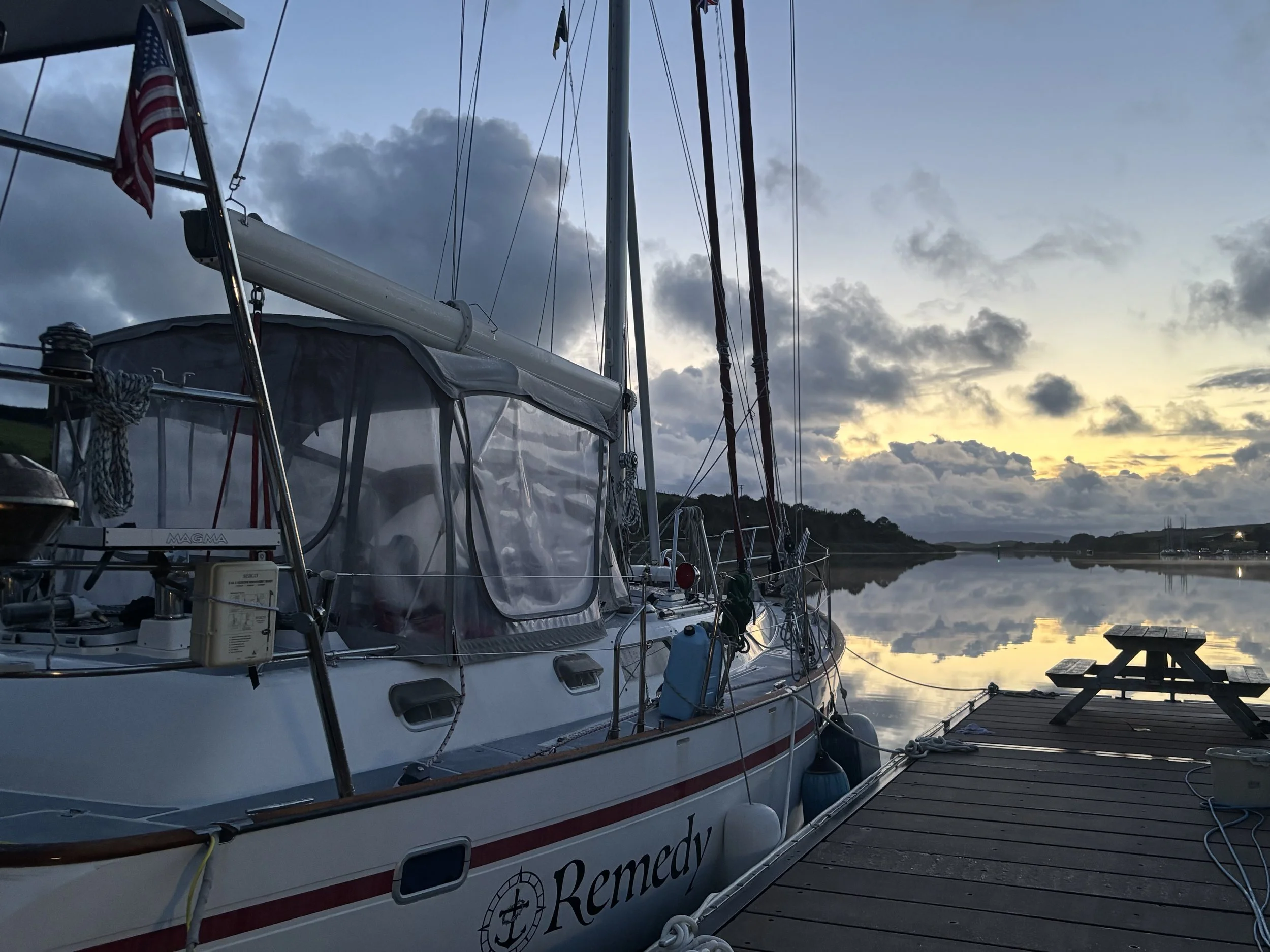
Remedy docked on the River Bann
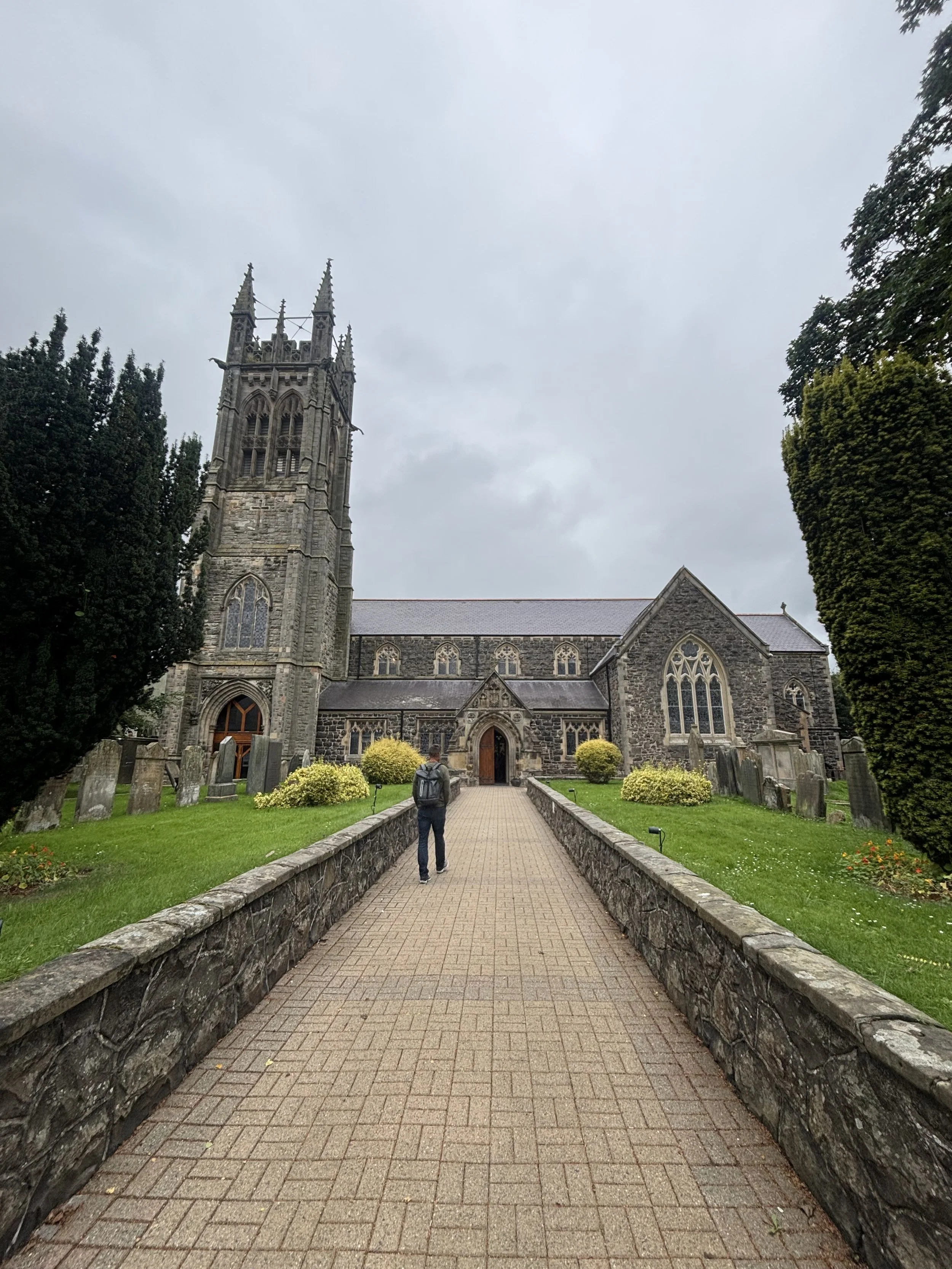
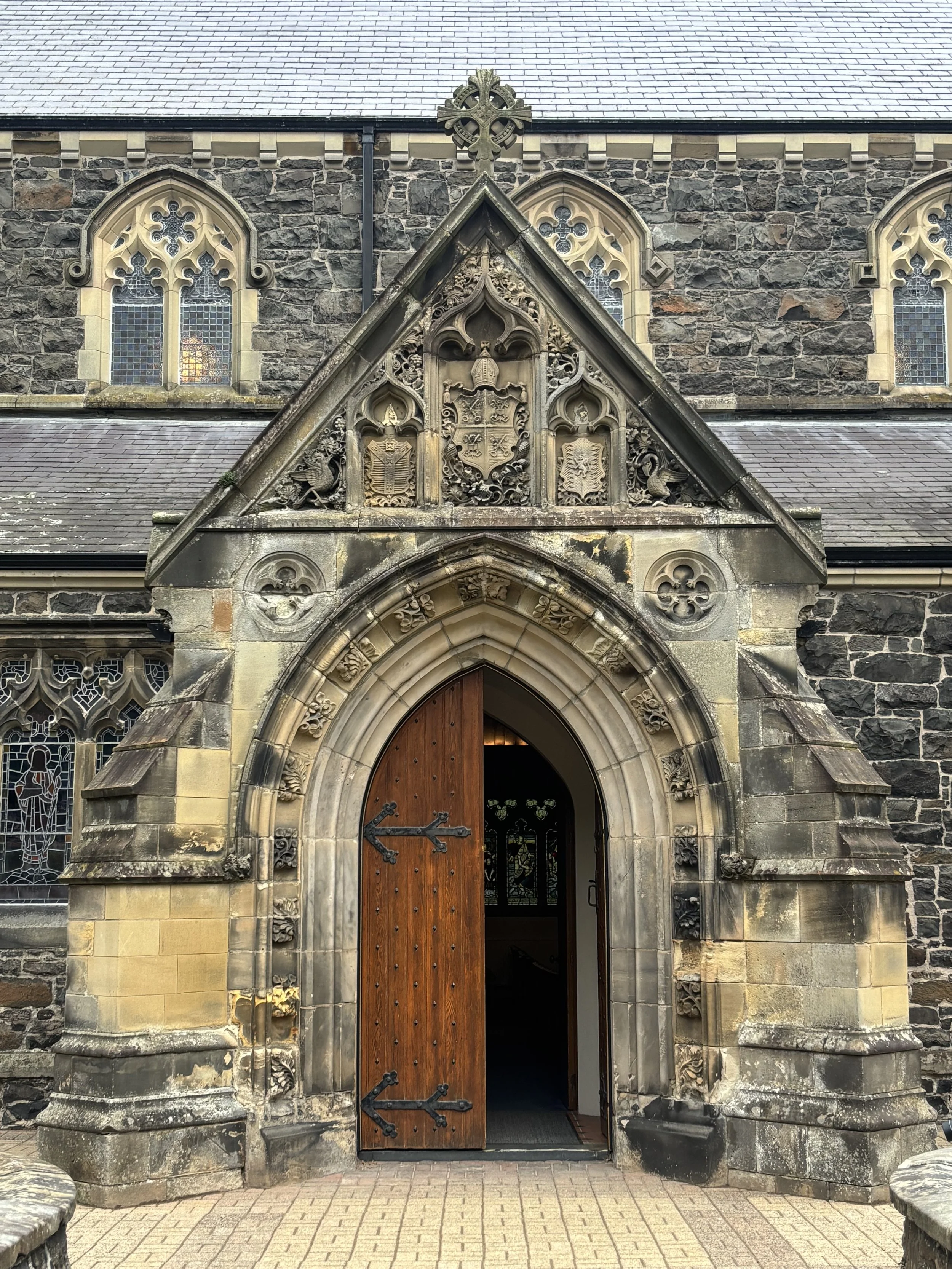
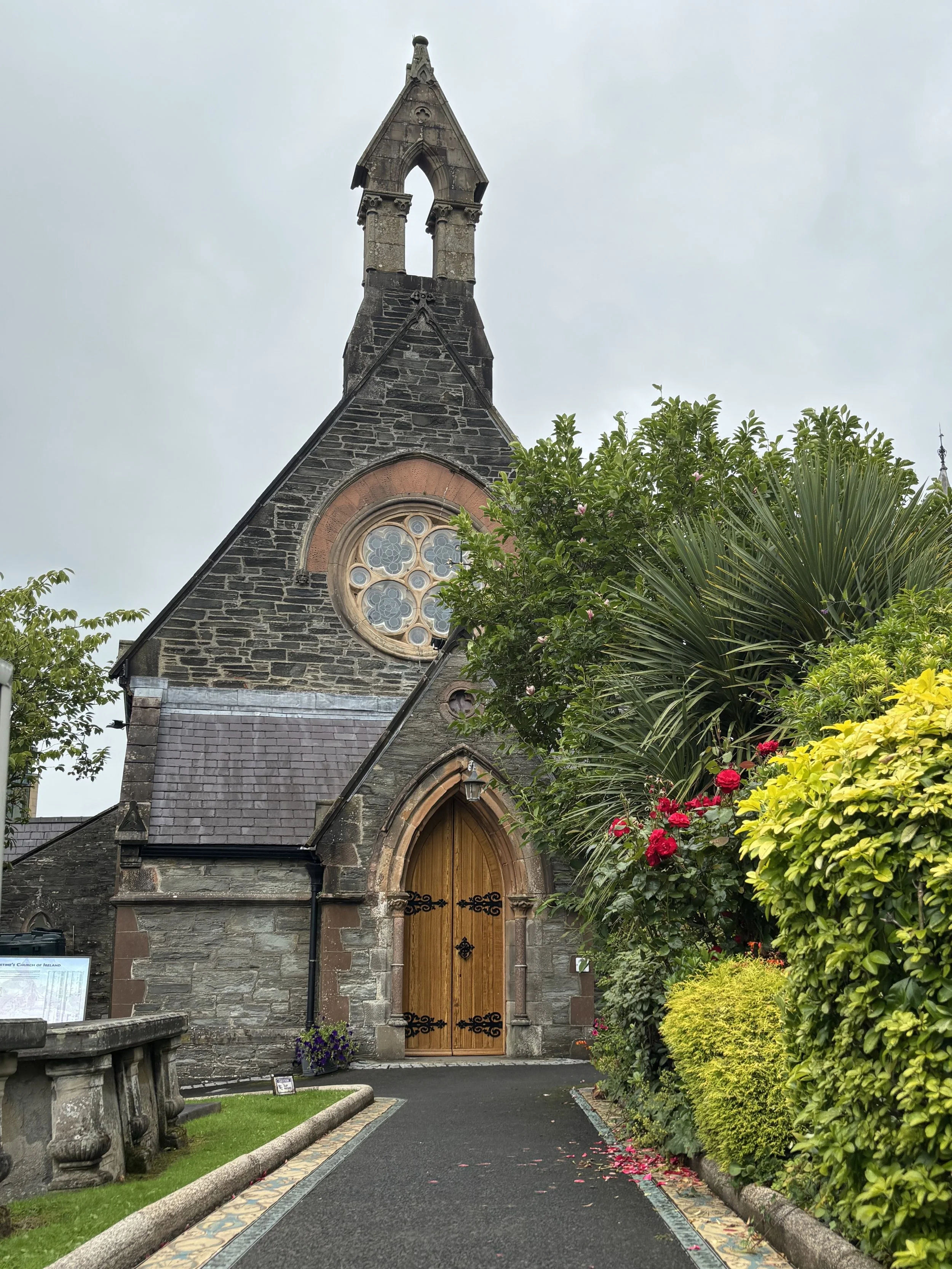
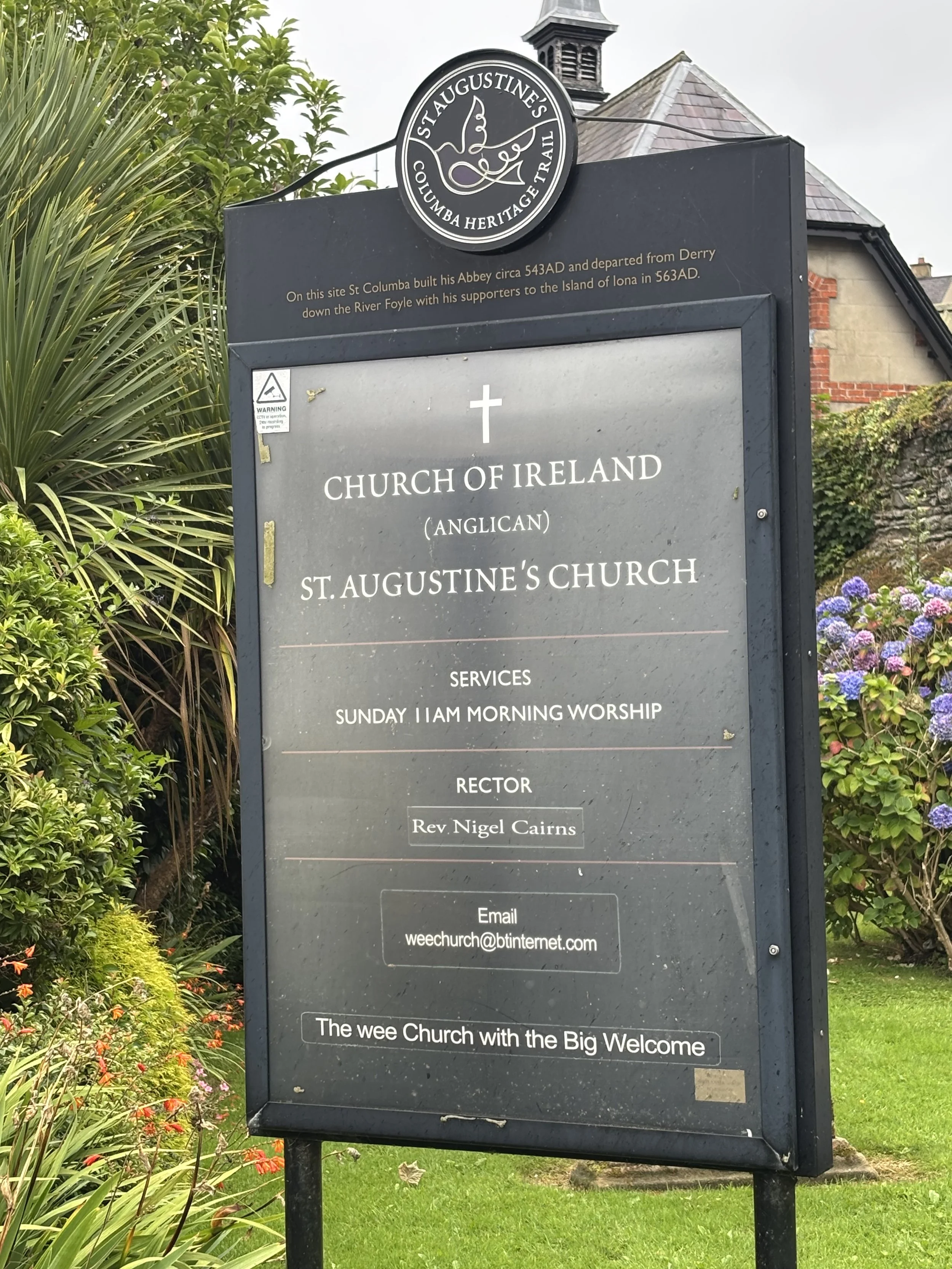
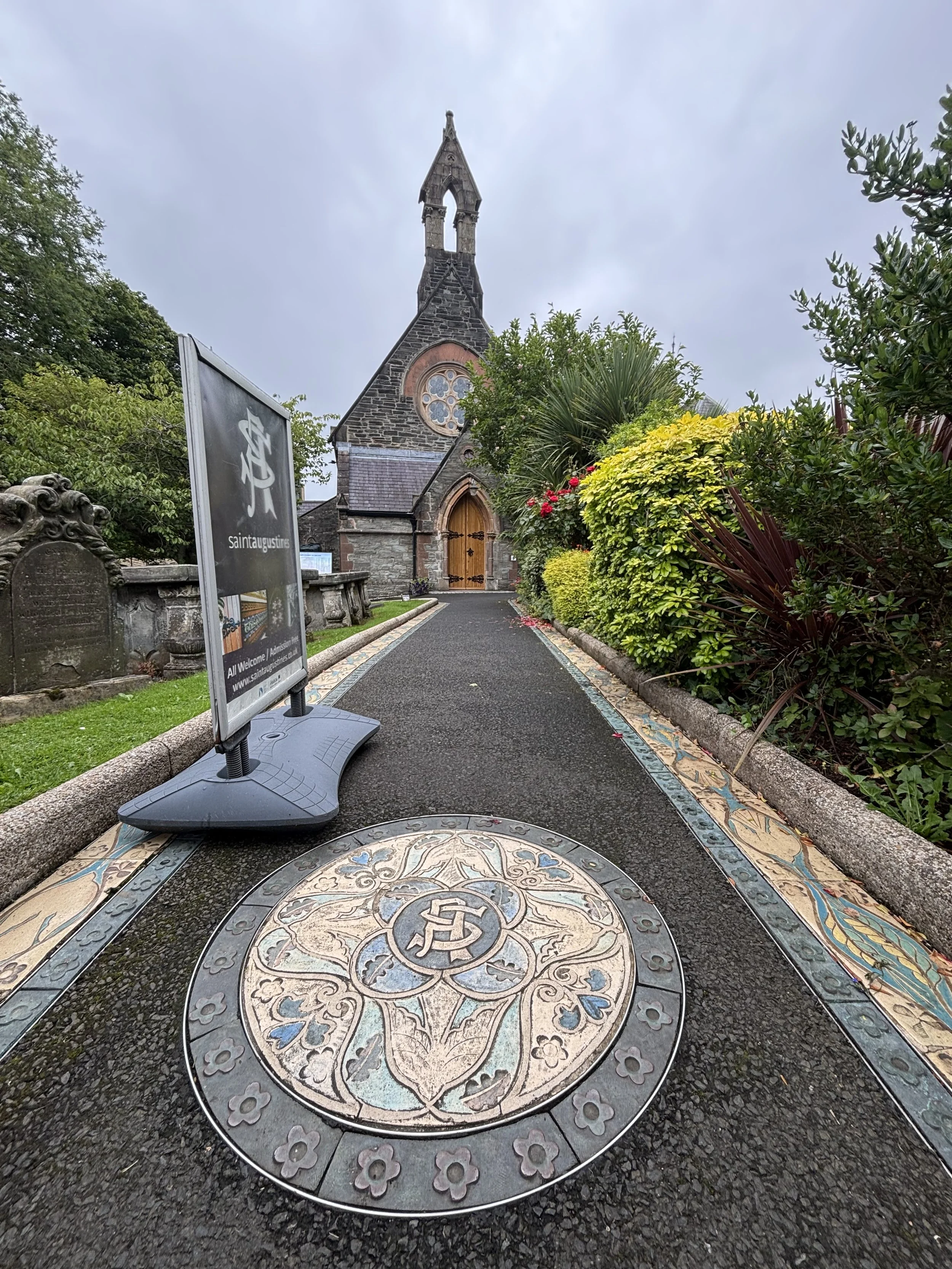
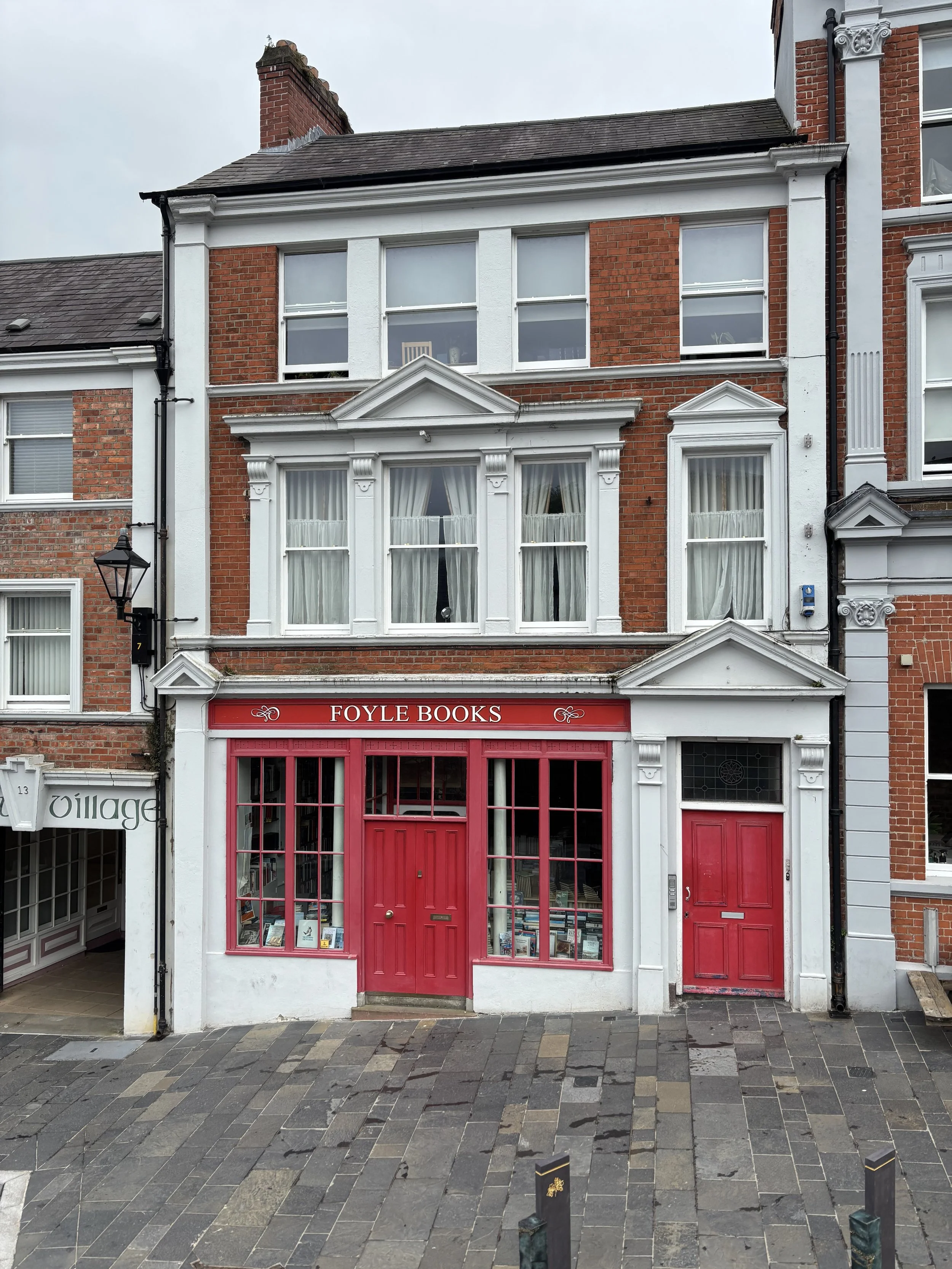
We visited the towns of Coleraine, Portstewart, Portrush, Londonderry, Ballintoy, and Bushmills—each one with its own unique character. Portstewart felt like a little seaside getaway.
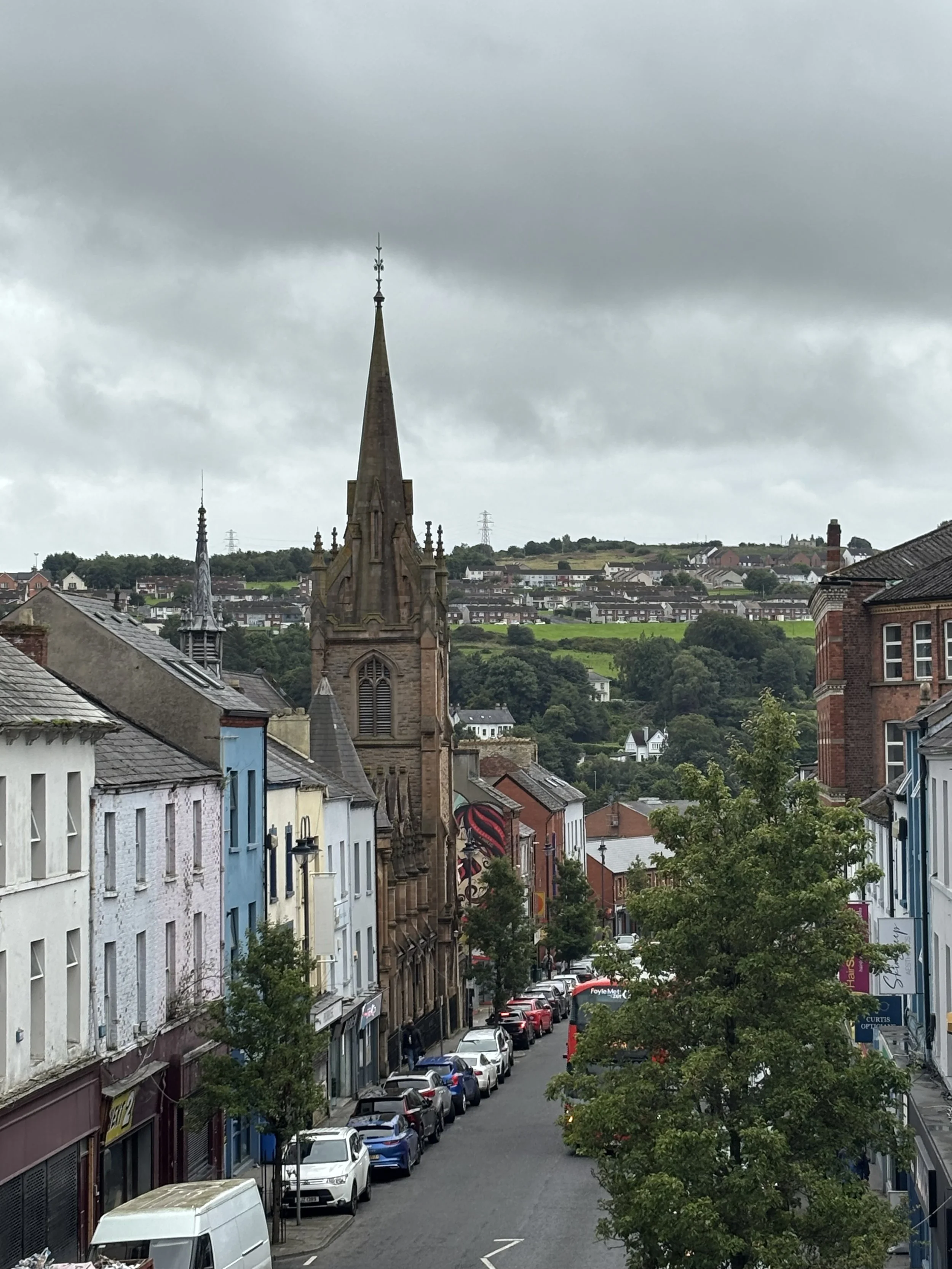
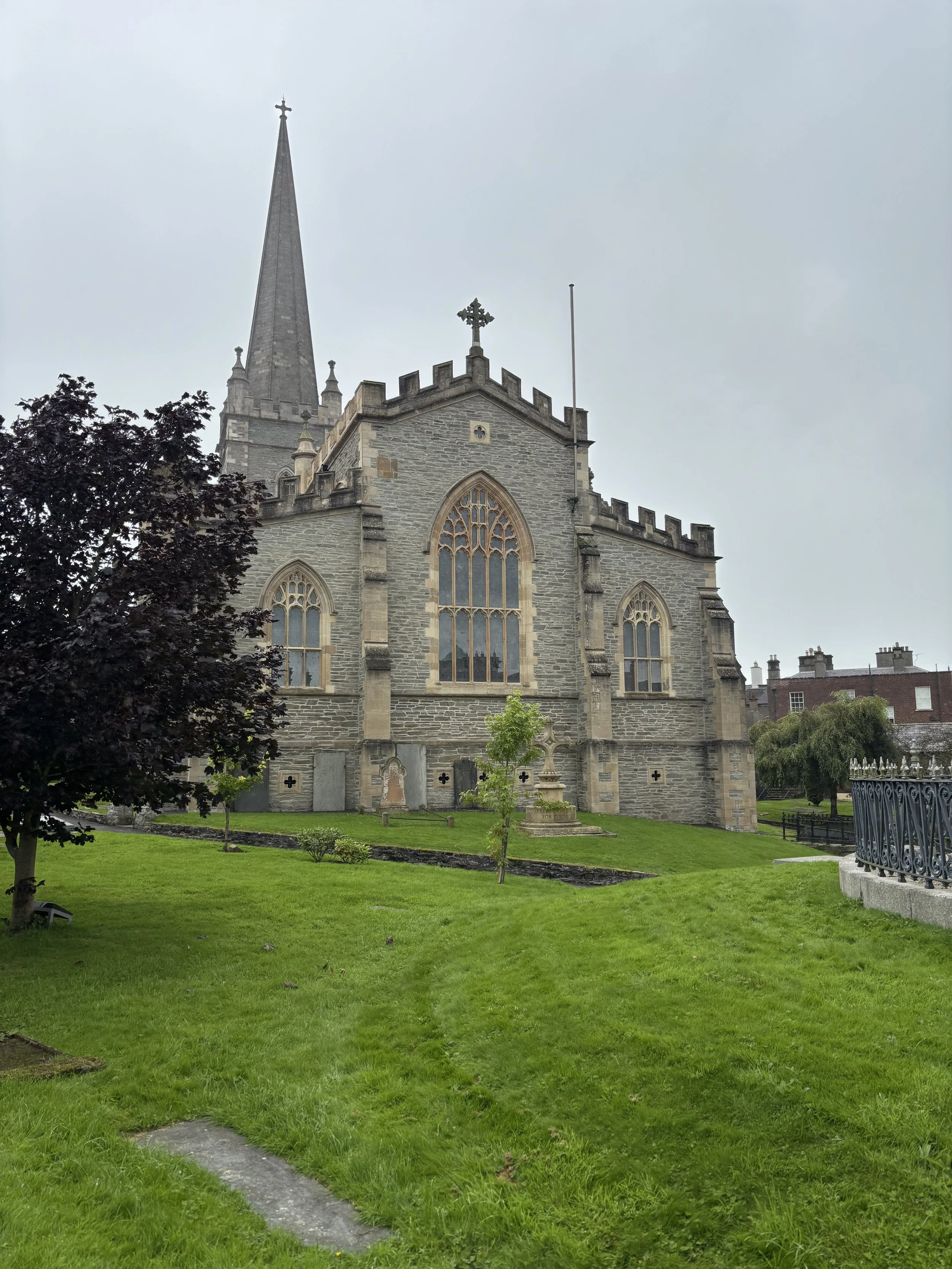
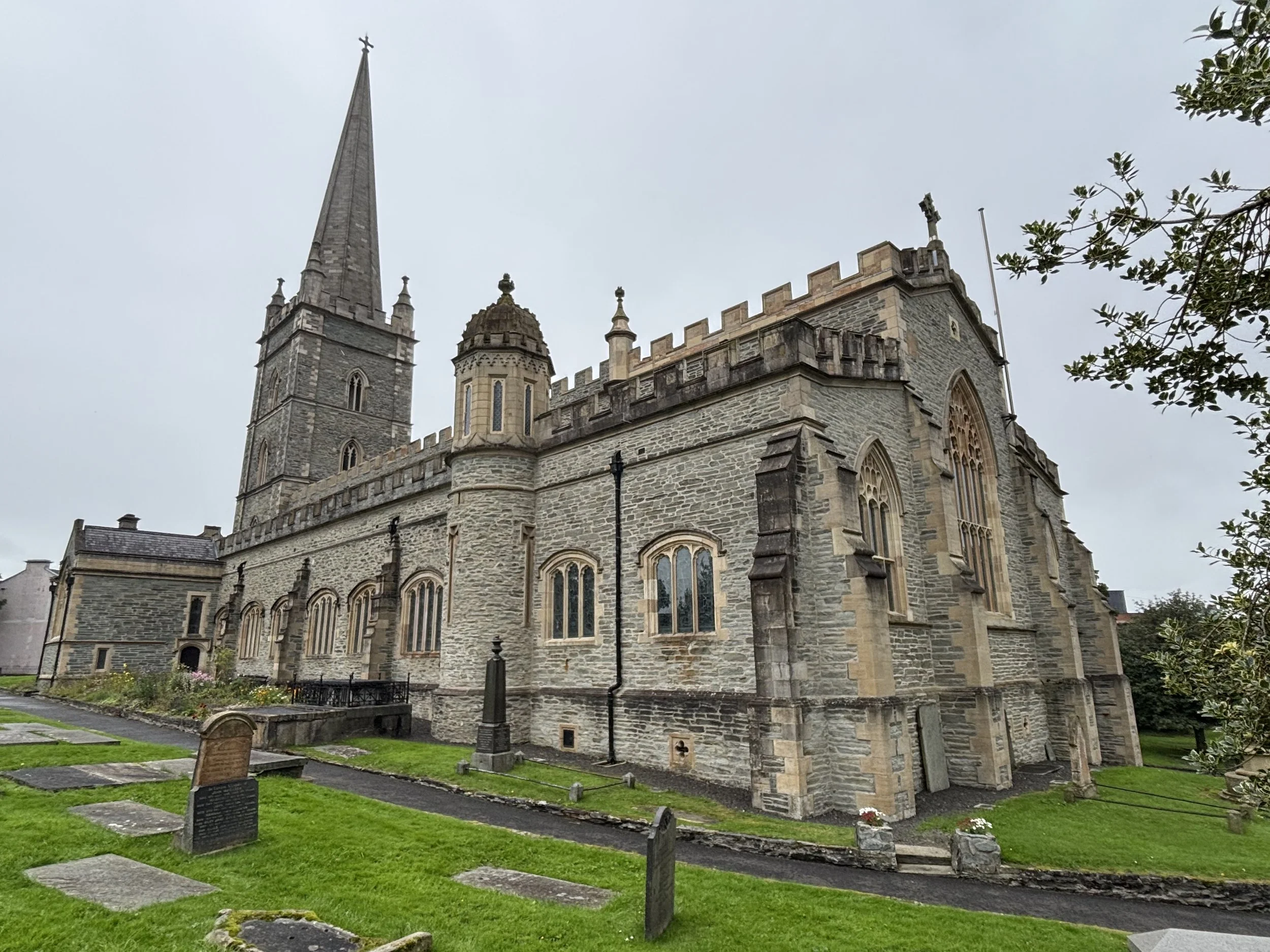
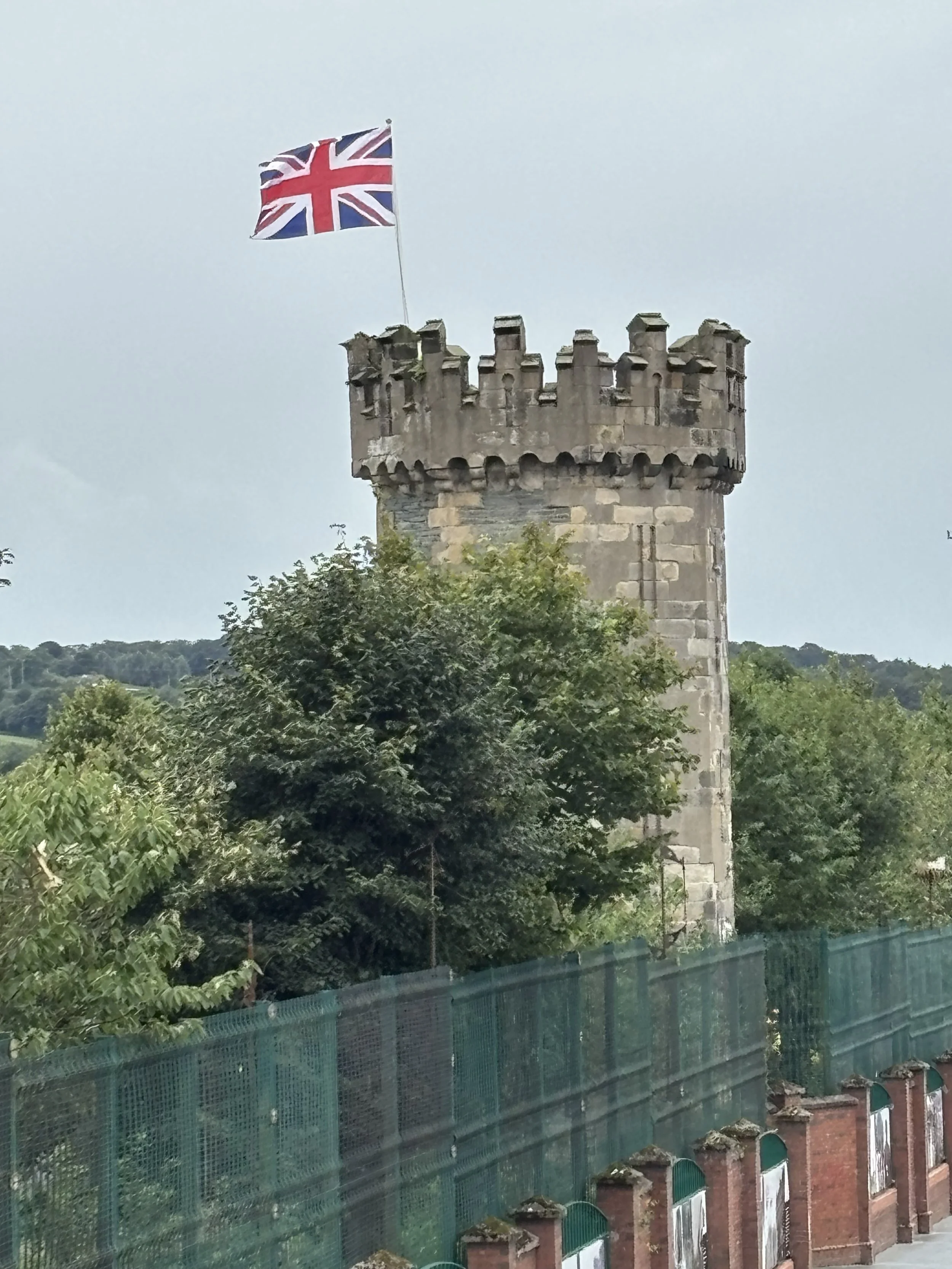
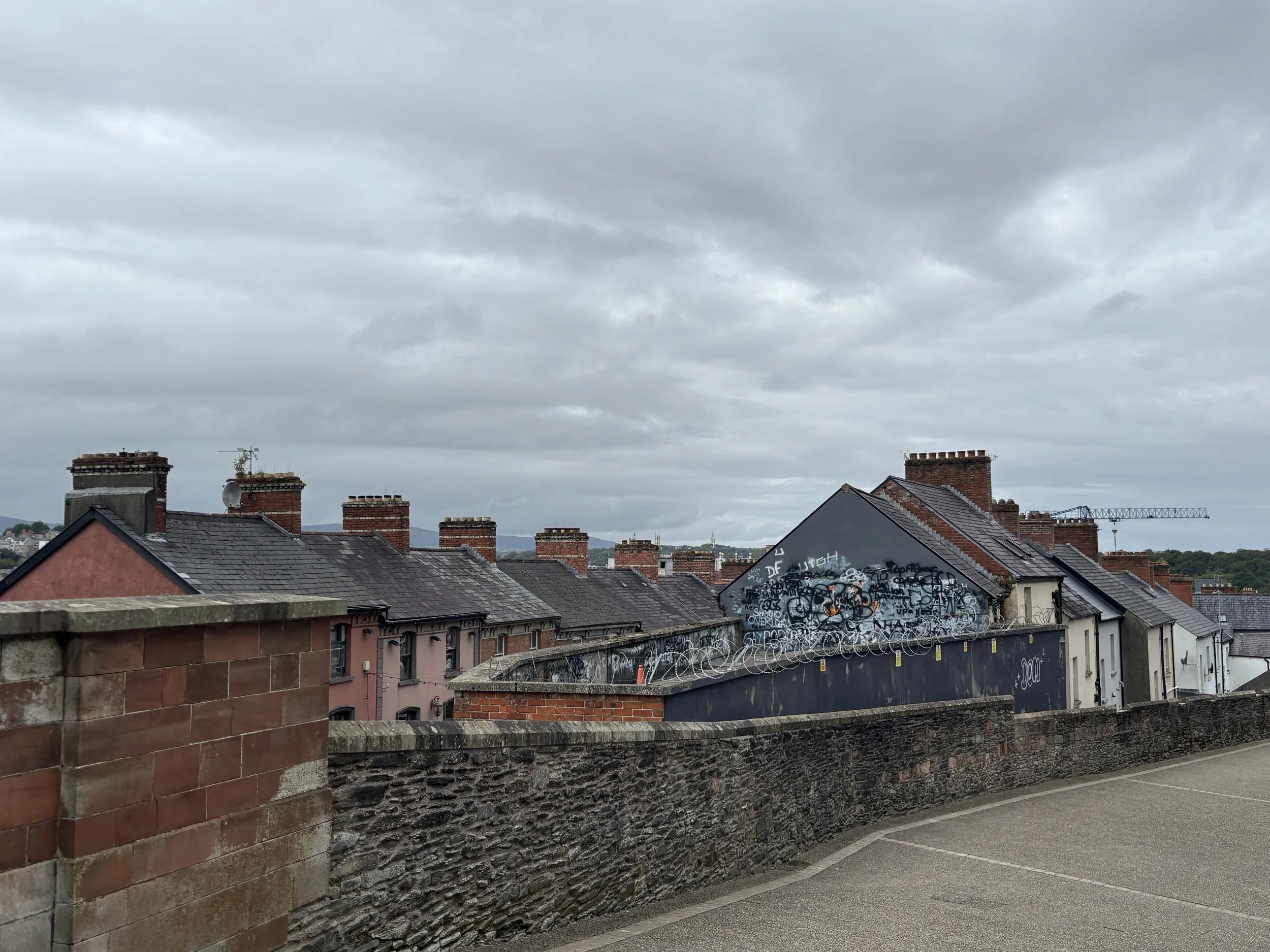
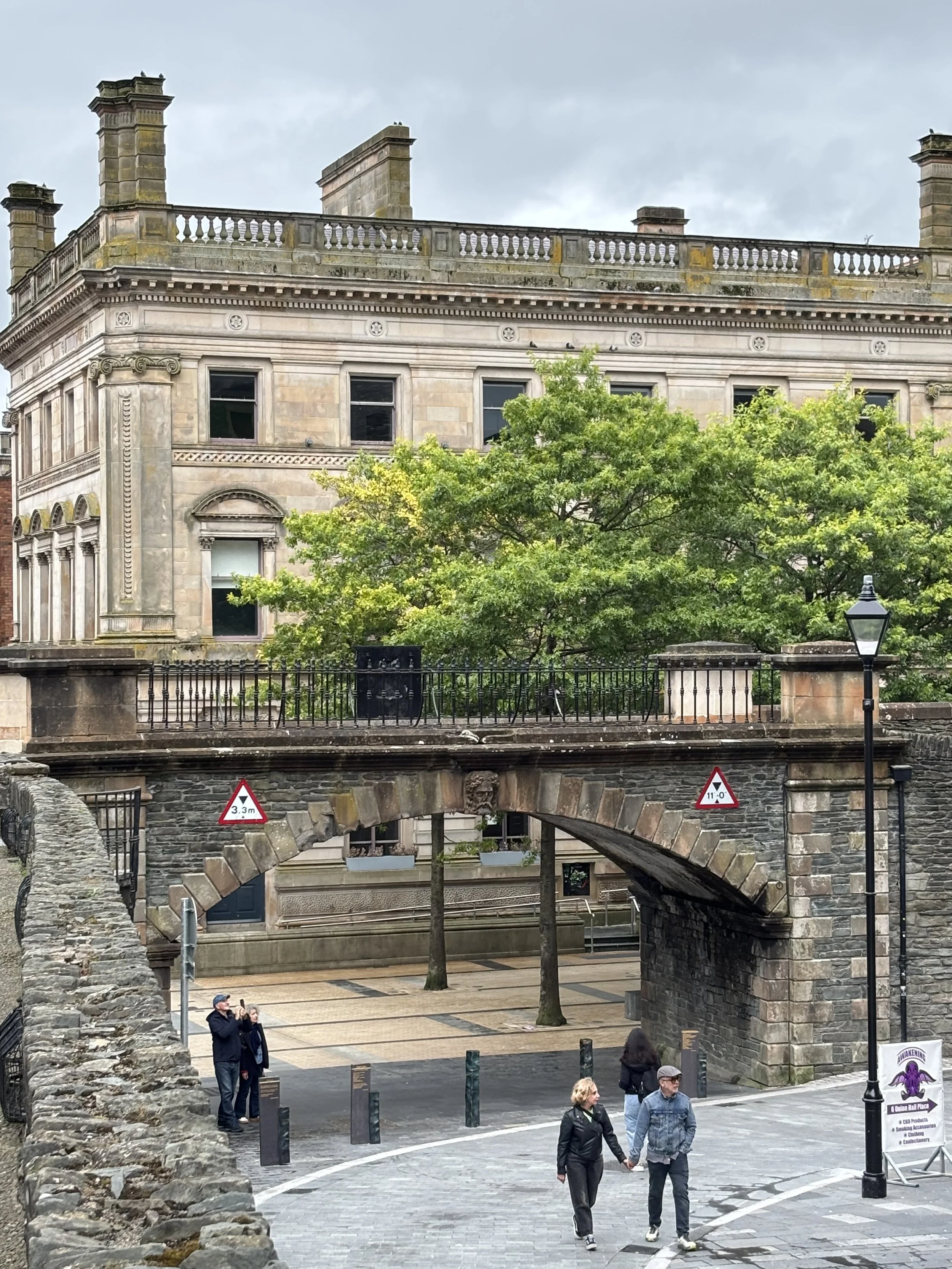
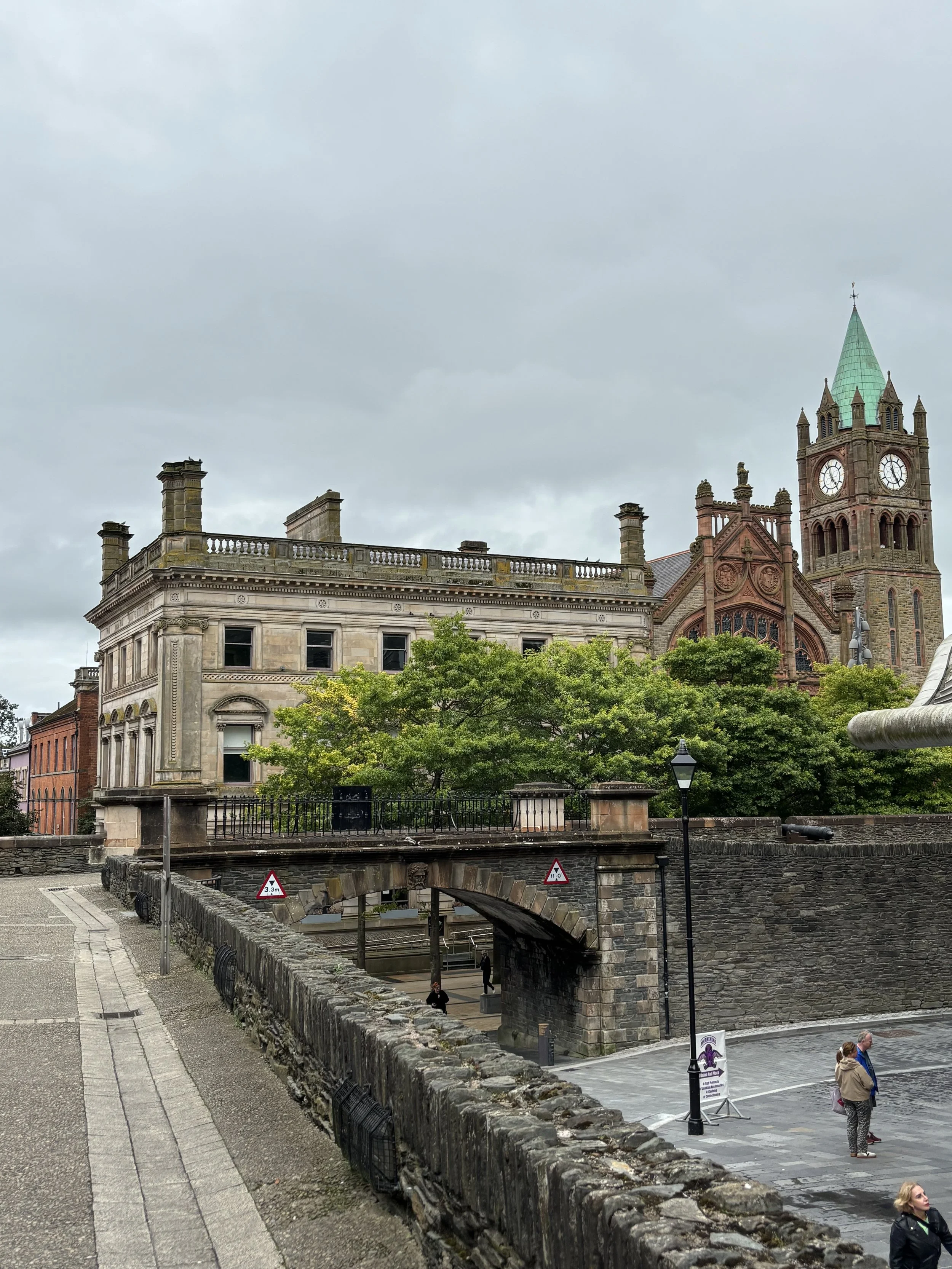
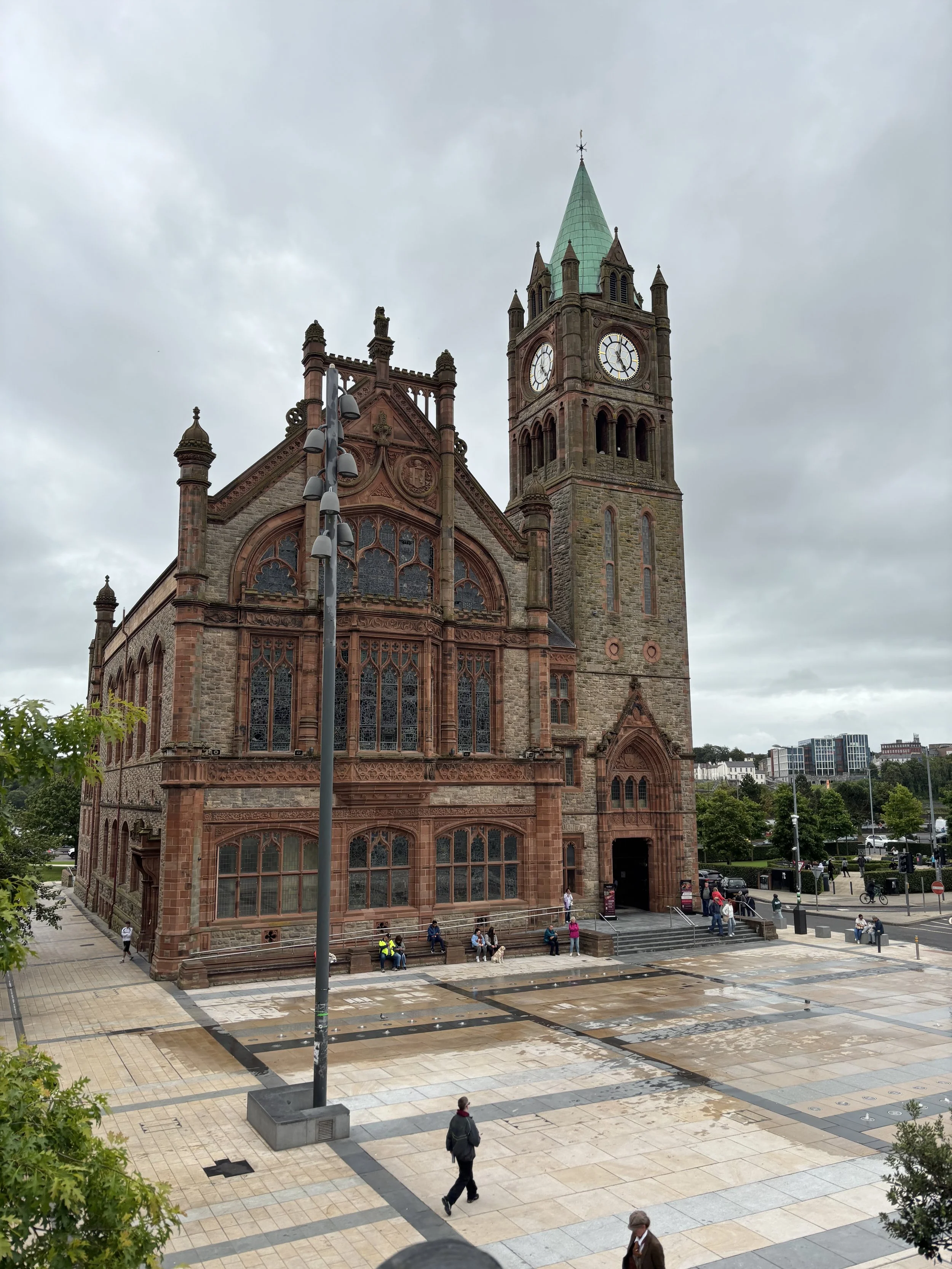
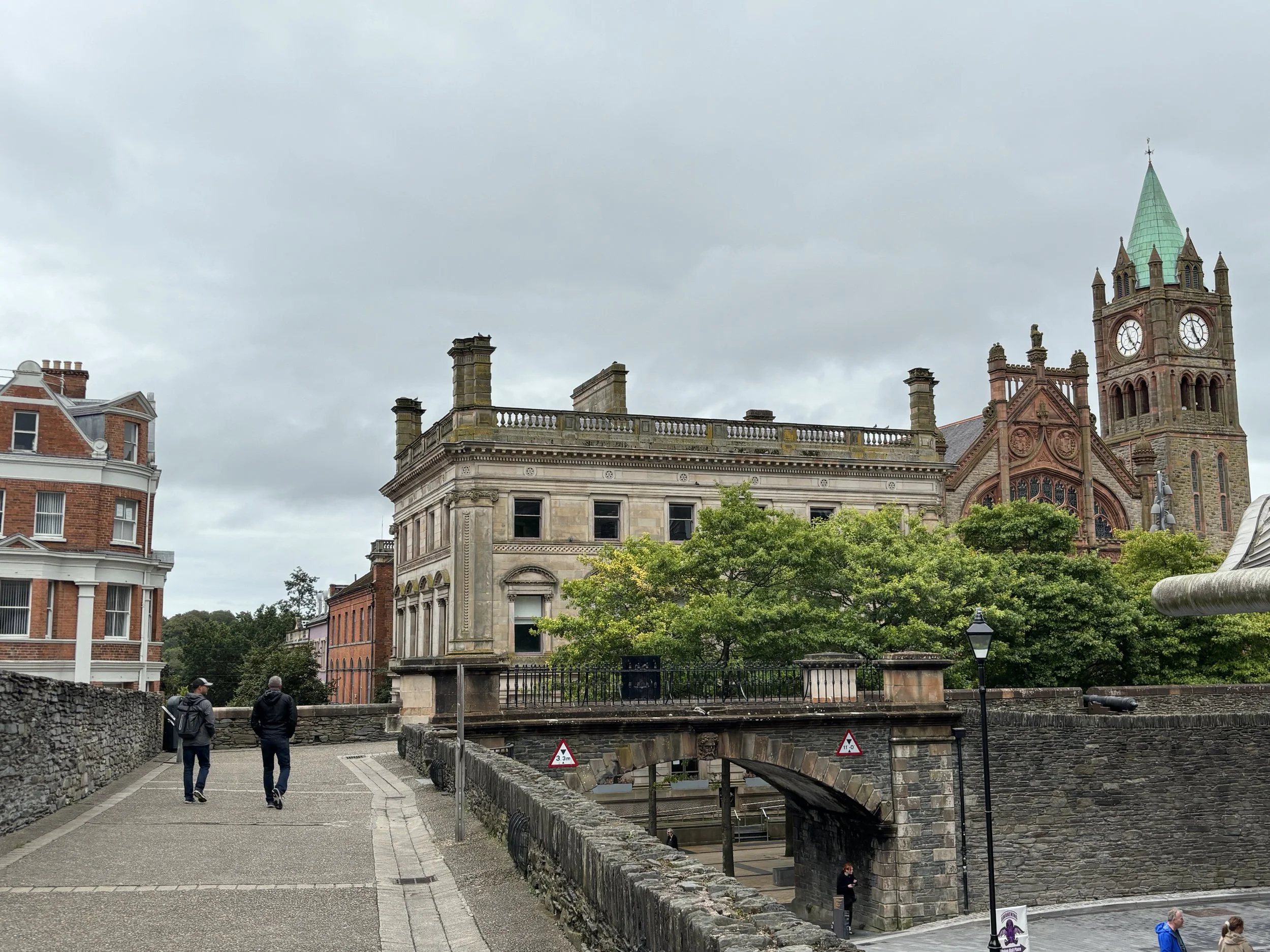
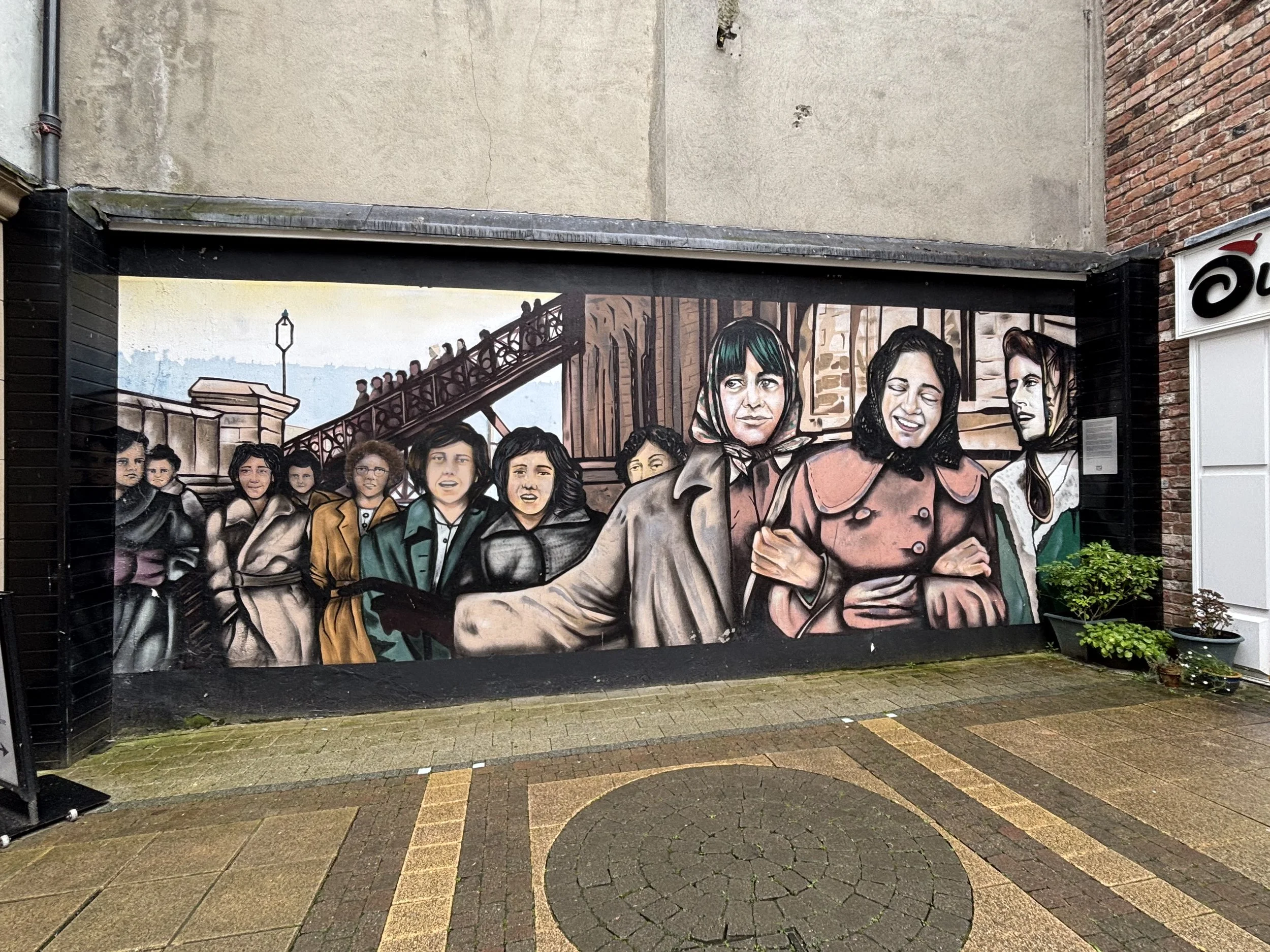
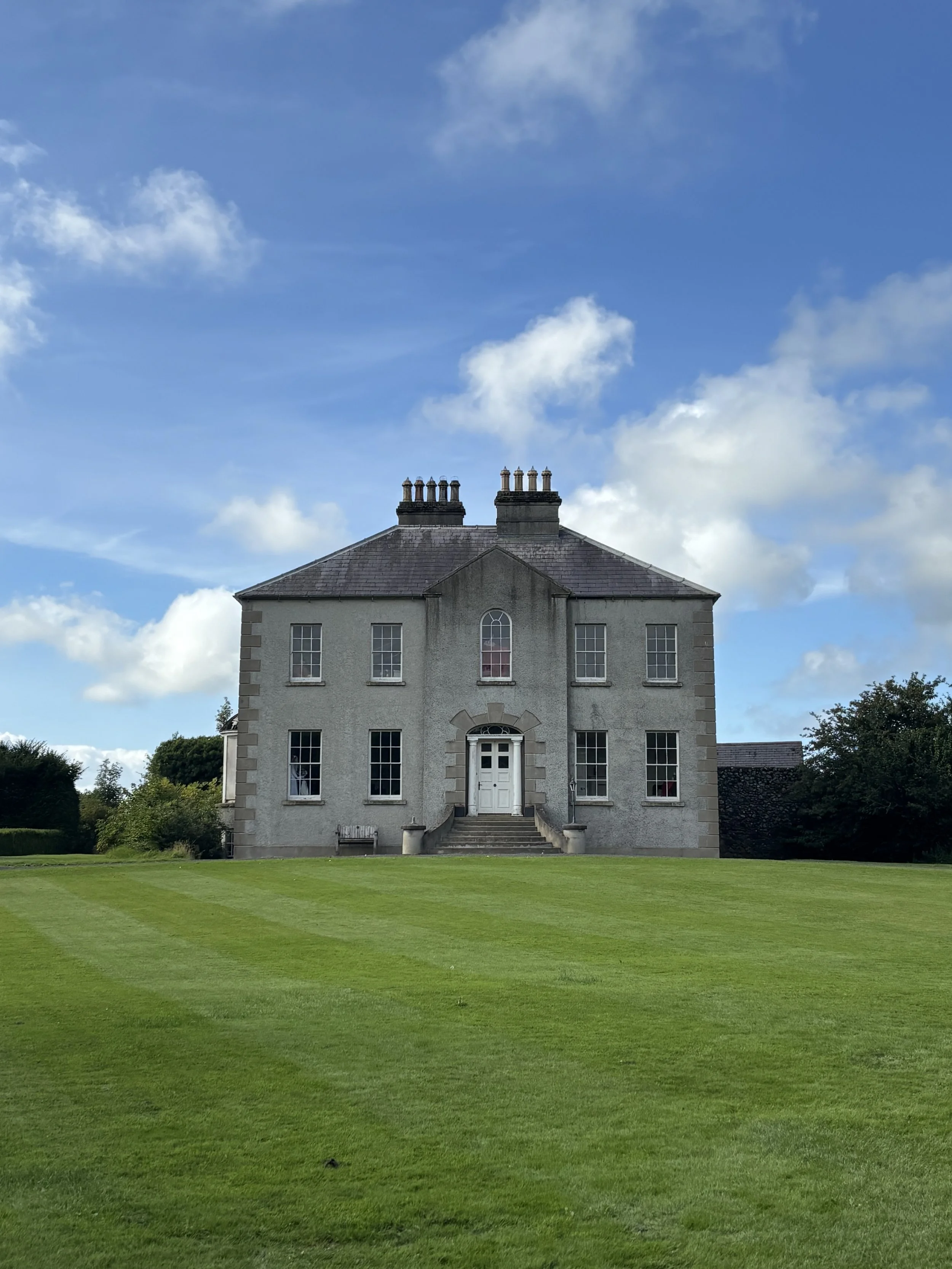
Londonderry (Derry) is a larger town and Ireland’s only completely intact historic walled city. It is an historically complicated city. Even today its name carries tension. “Derry” is generally preferred by nationalists and Catholics, while “Londonderry” is generally preferred by unionists and many Protestants.
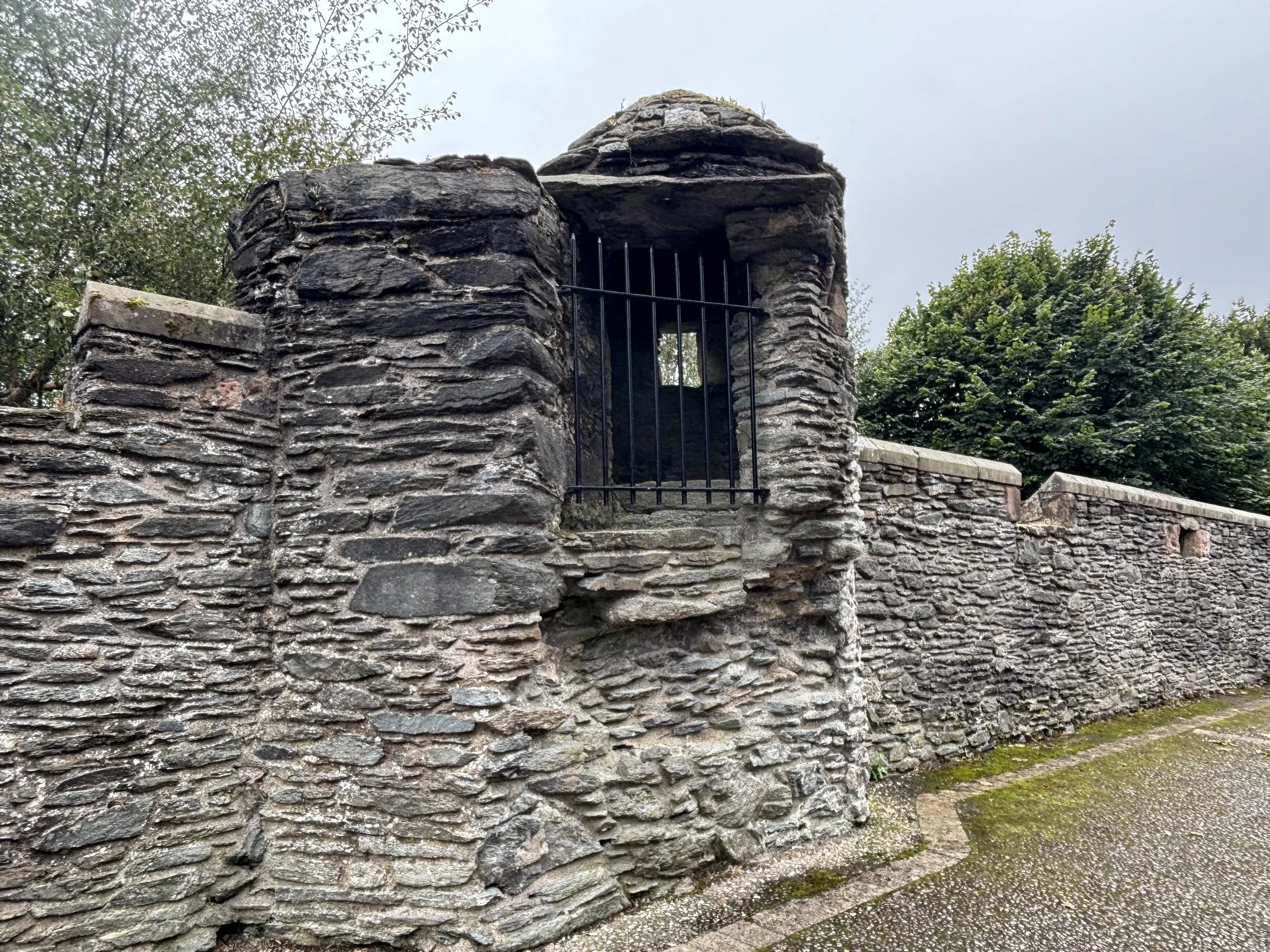
The walls of Londonderry (Derry)—constructed between 1613 and 1618—were built primarily to protect the English and Scottish Protestant settlers who had been planted in Ulster during the Plantation of Ulster in the early 1600s. But the history isn’t quite that clean, as these walls were a dividing line—keeping Protestants inside the city walls and the Irish Catholics and native Gaelic Irish out.
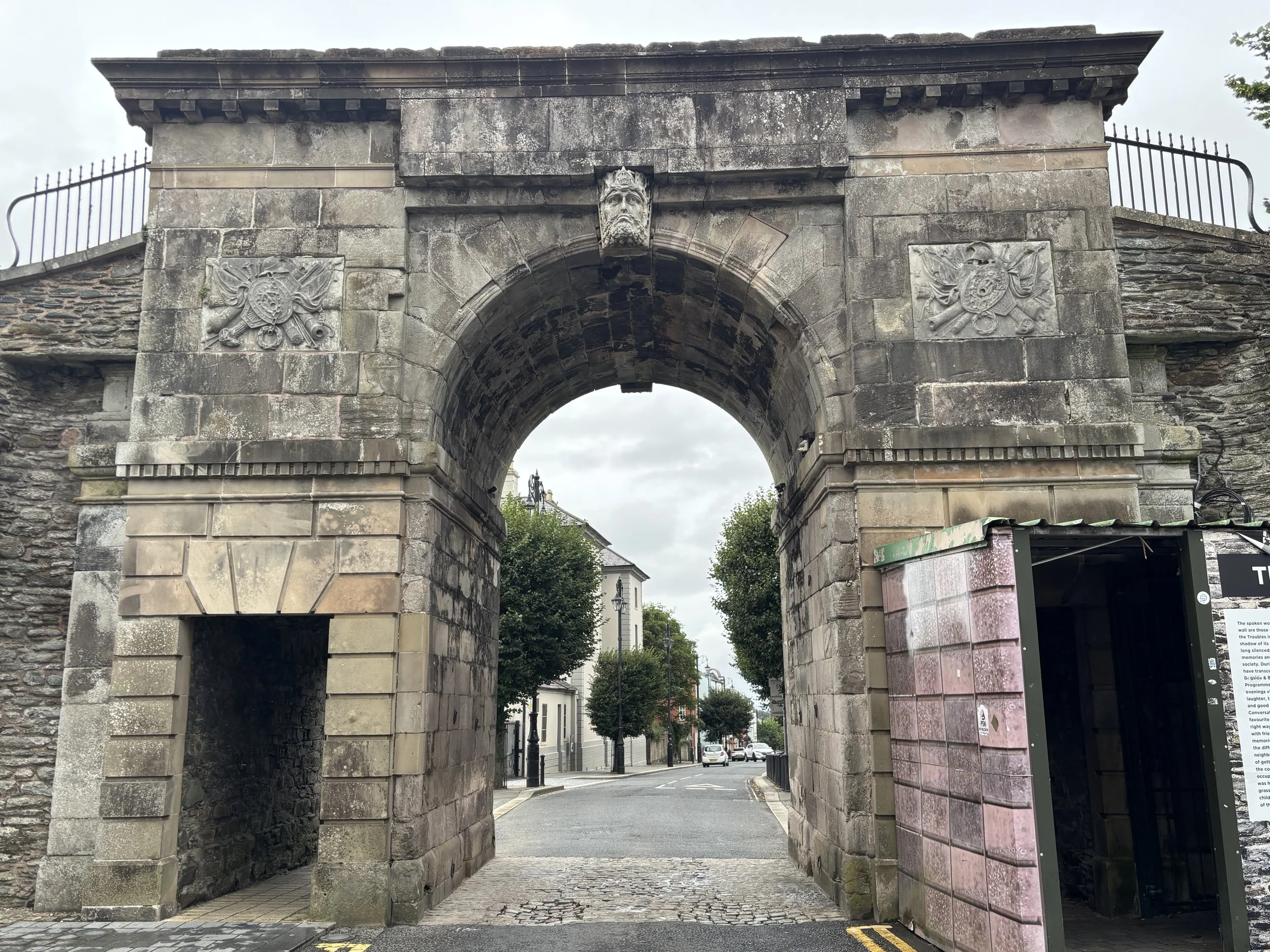
Bishop’s Gate, entering into the city of Londonderry (Derry)
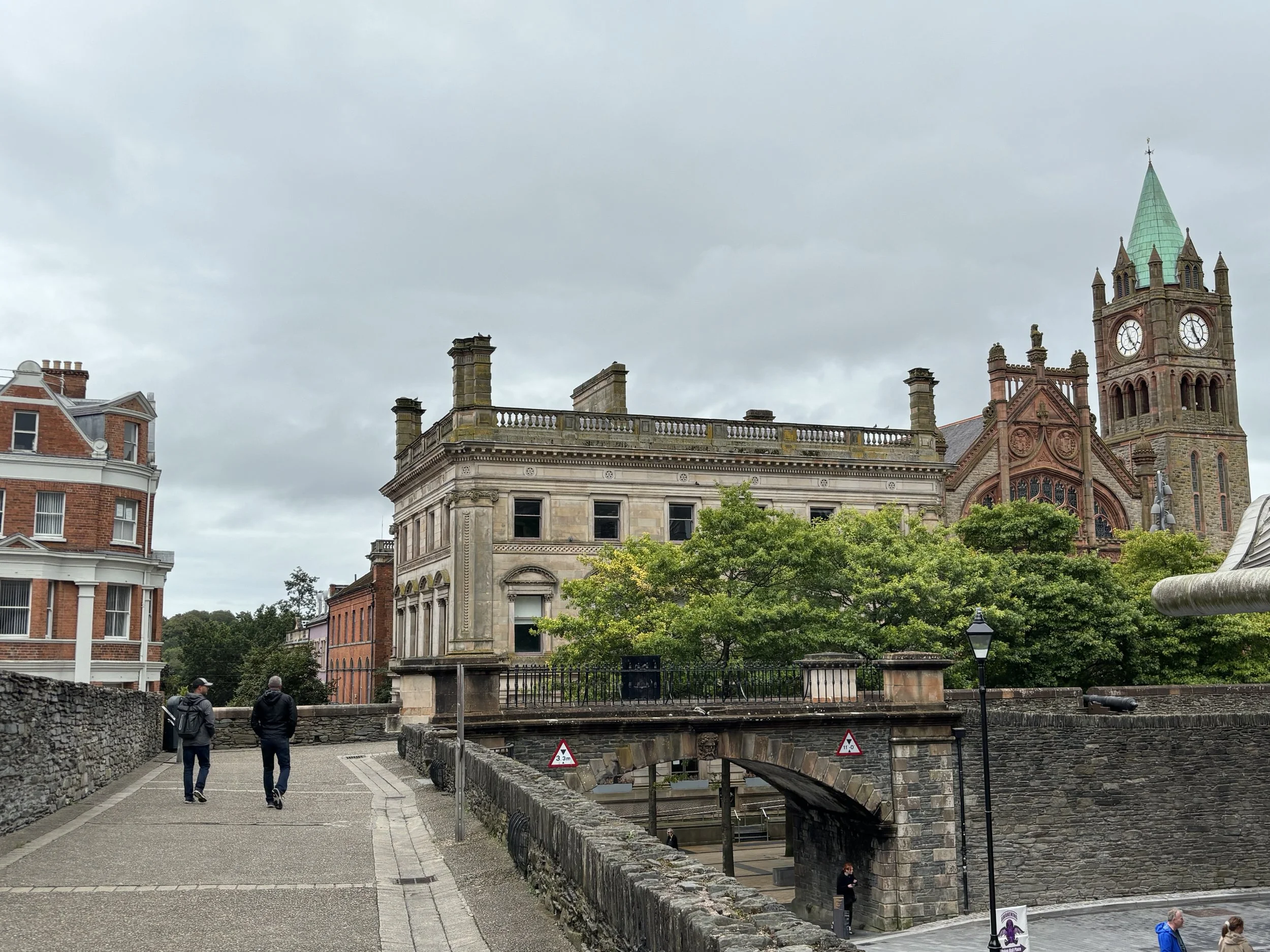
Walking on top of the wall around Londonderry (Derry)
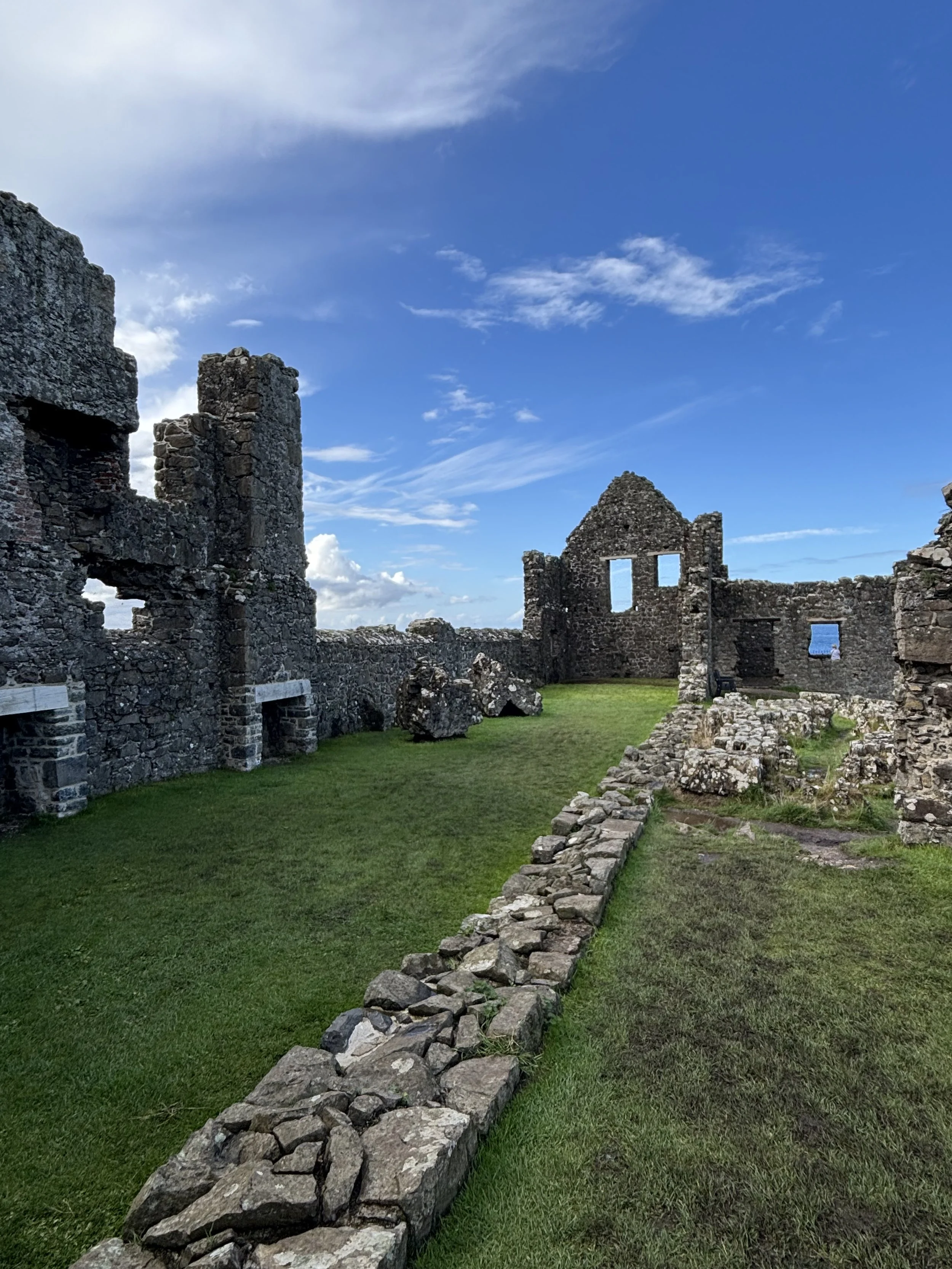
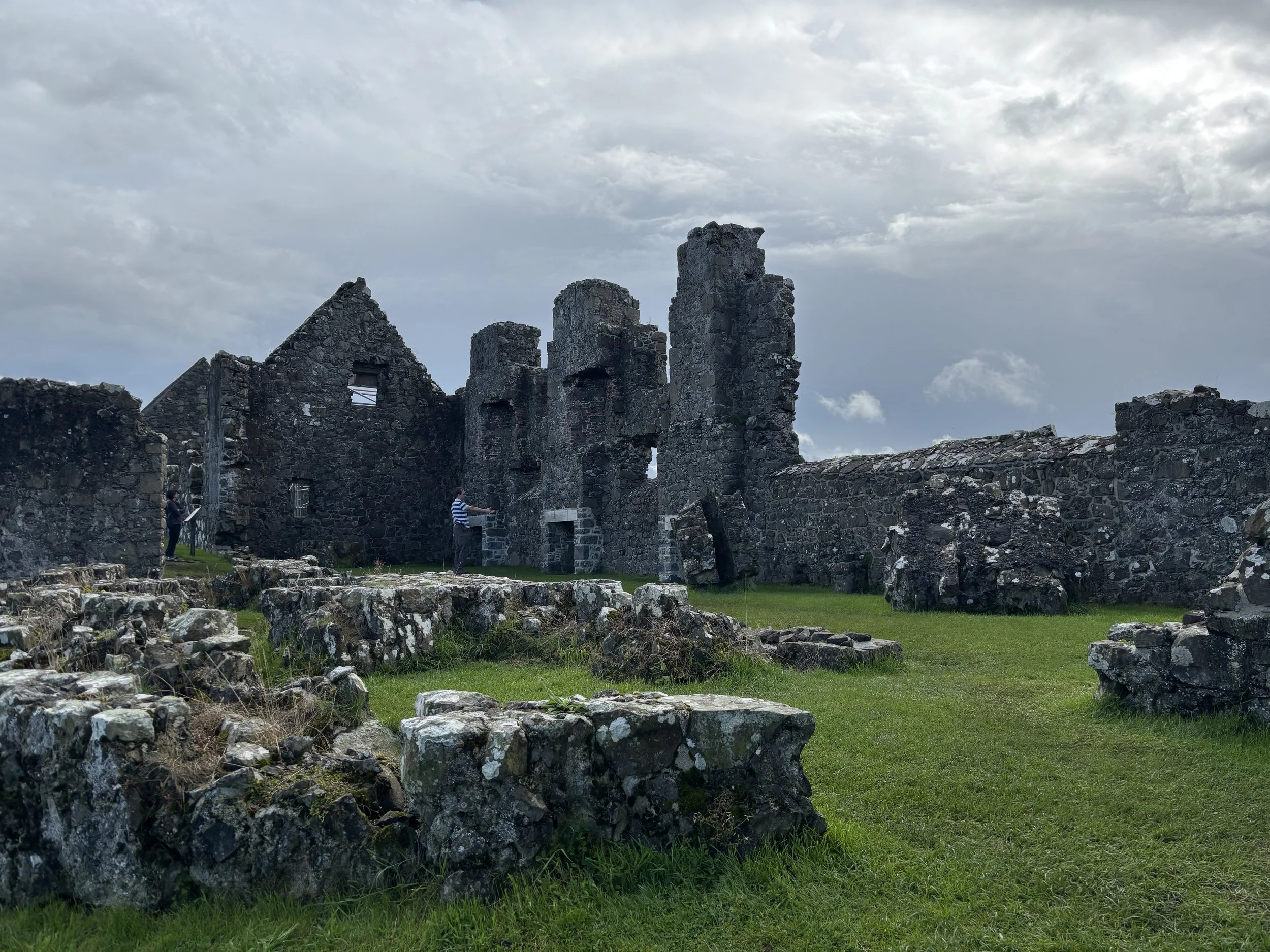
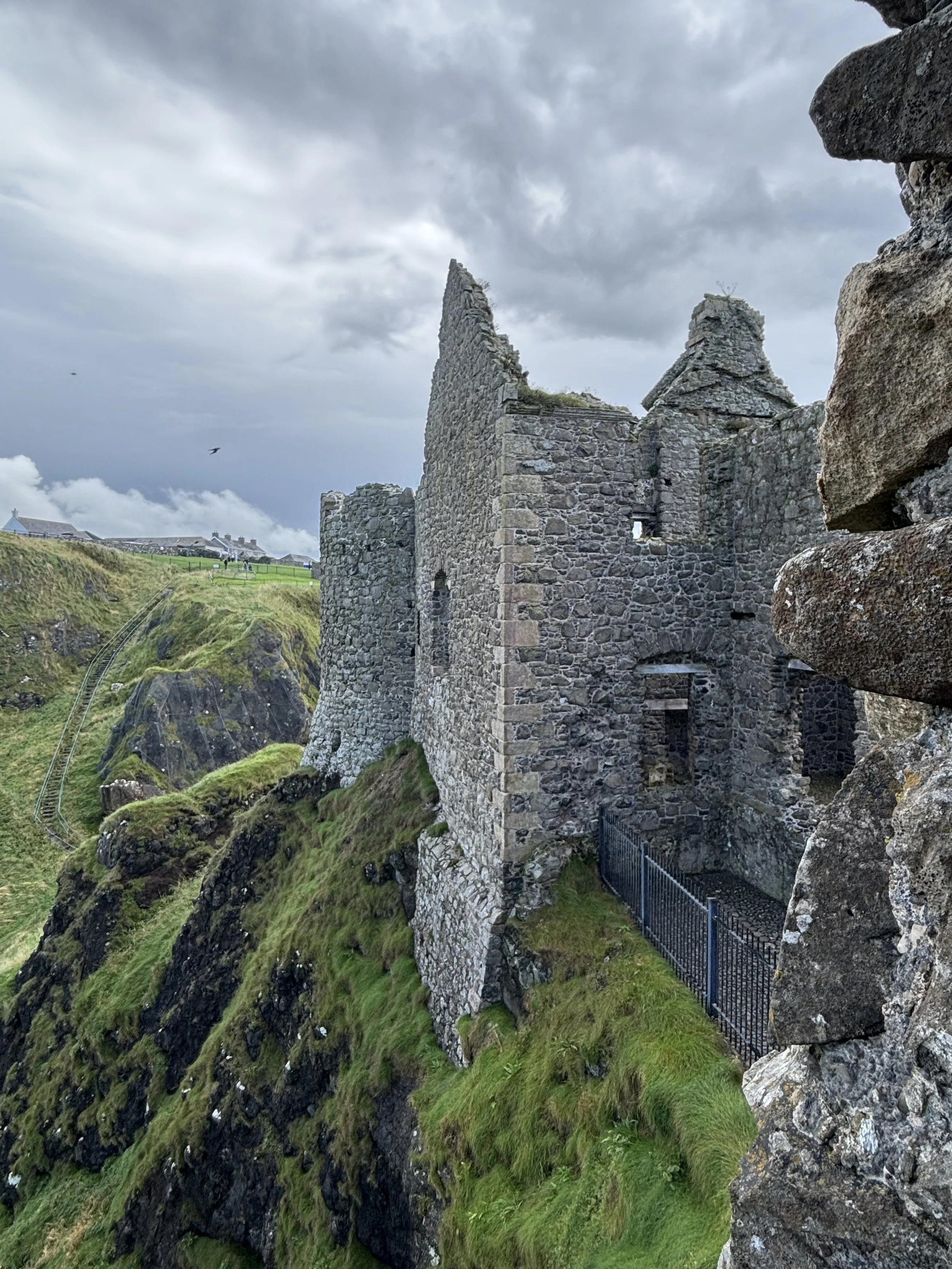
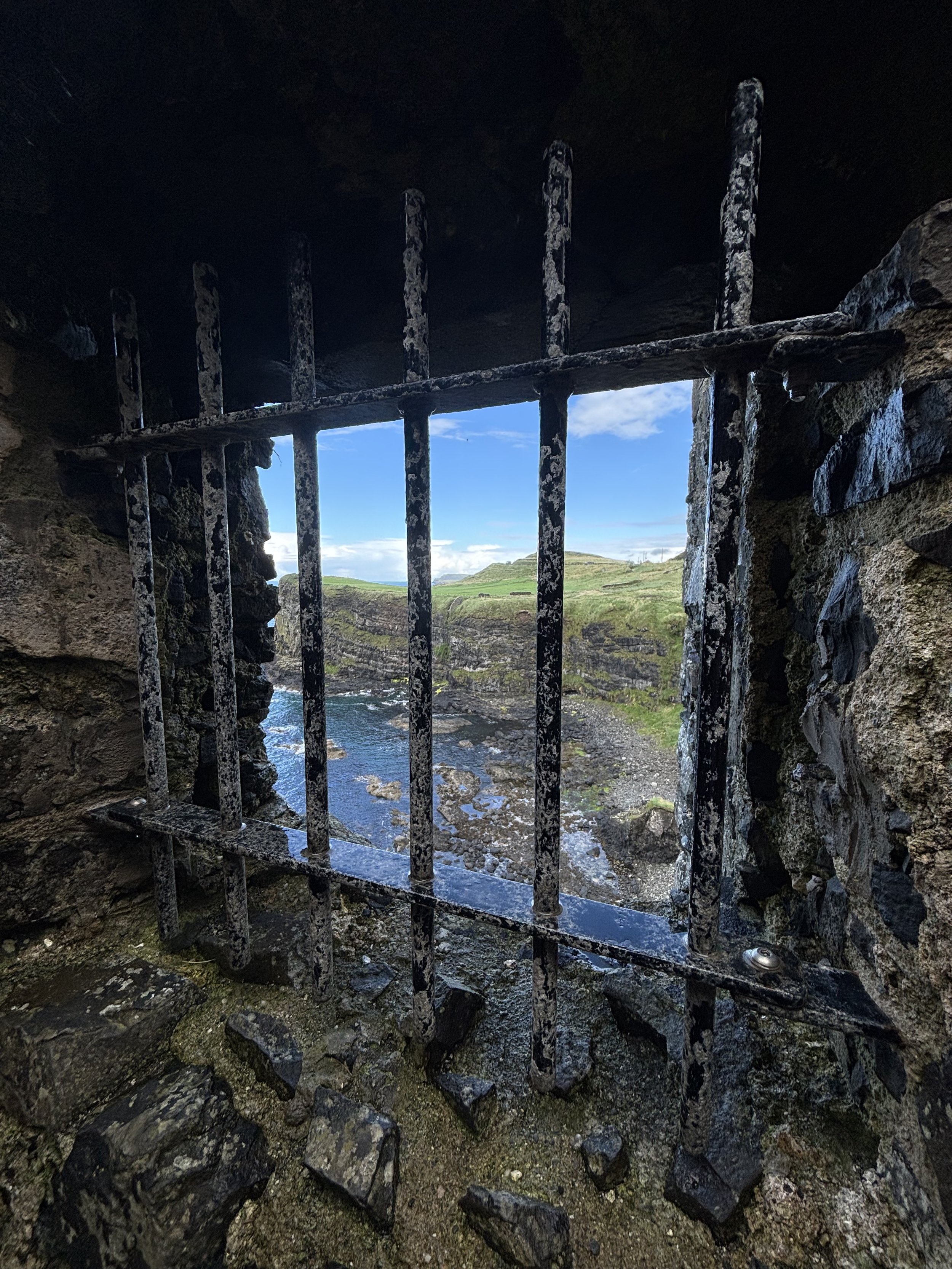
We also explored several sites of interest: Dunluce Castle, Dark Hedges, and Giant’s Causeway.
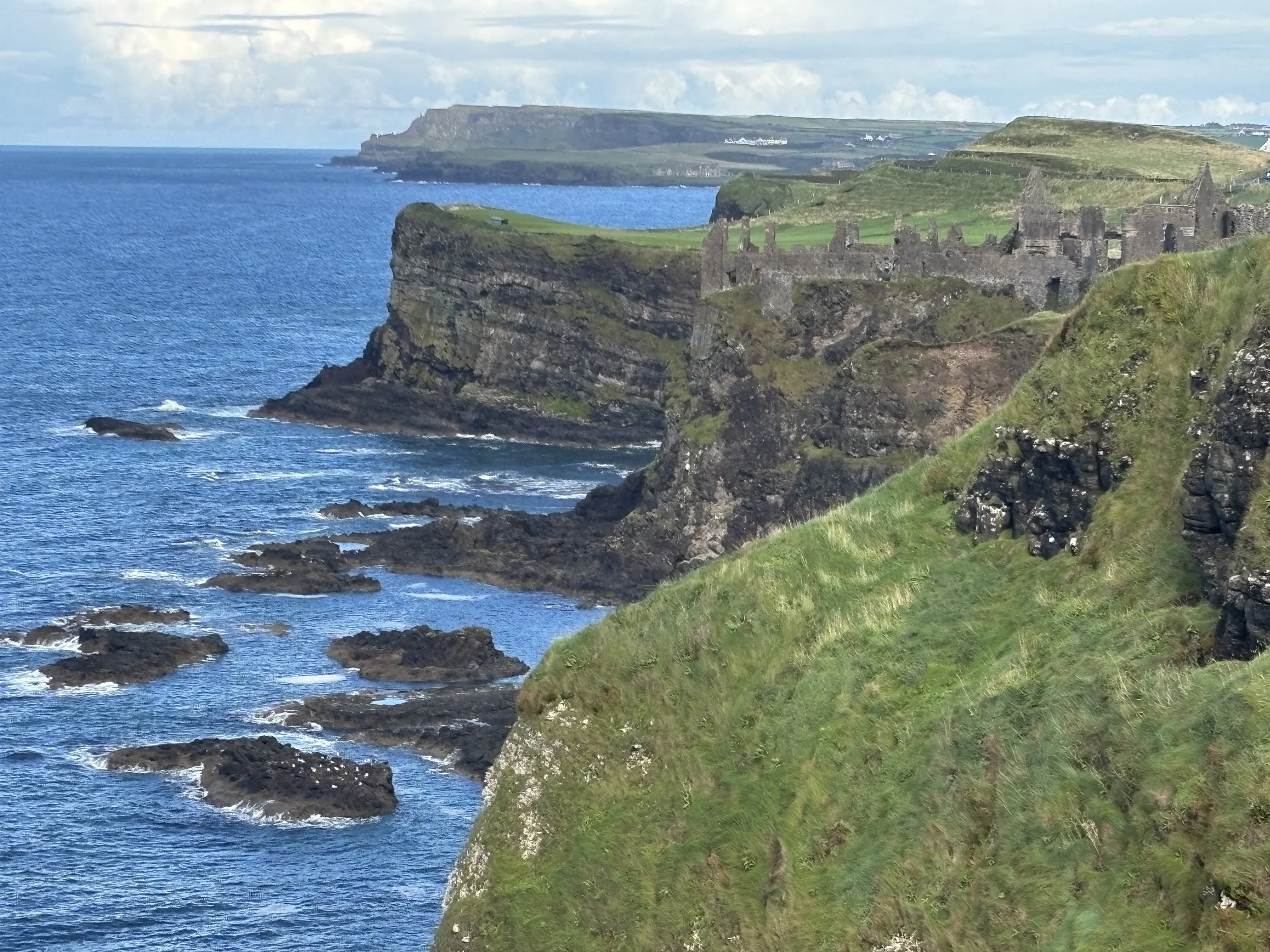
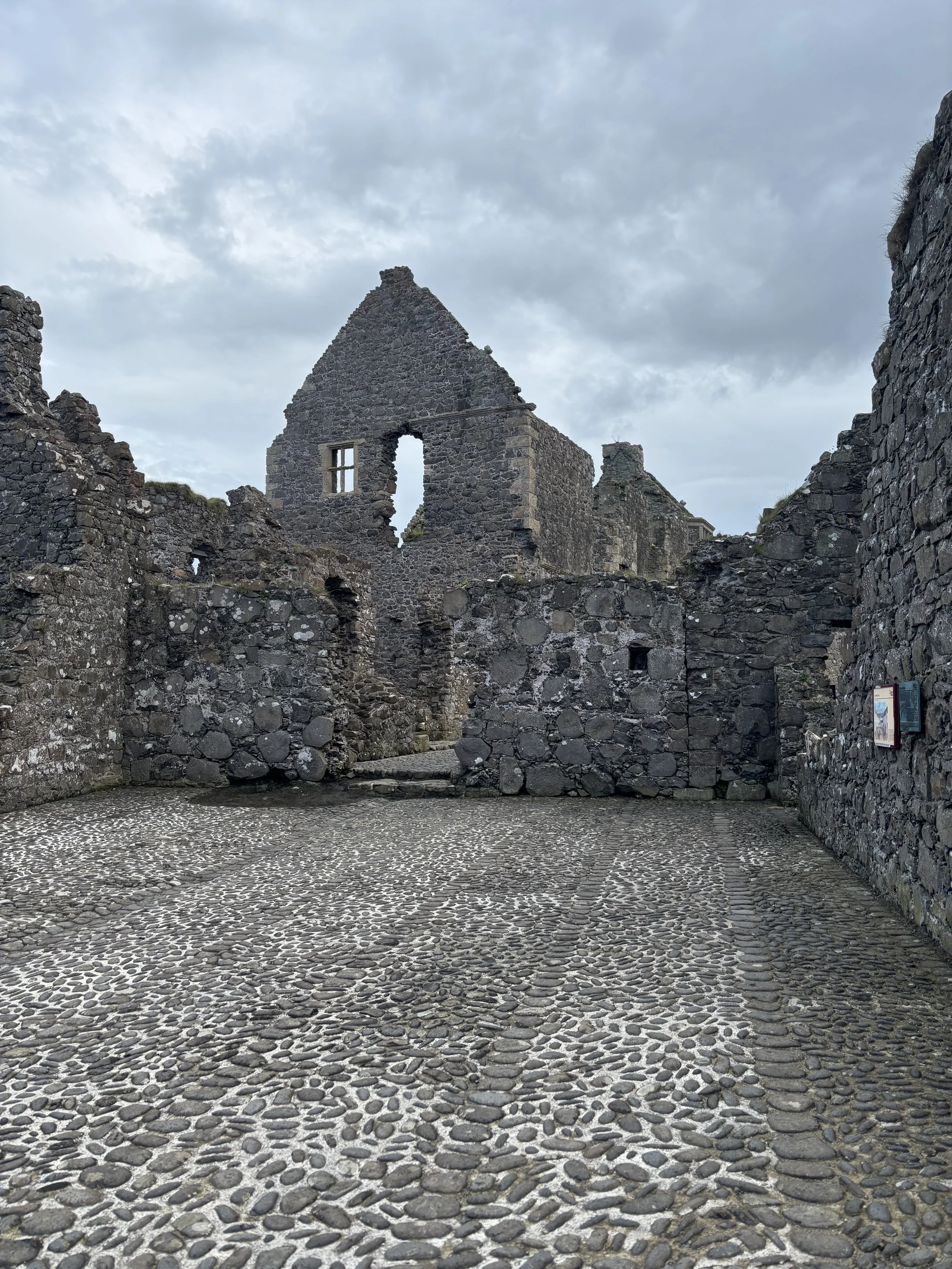
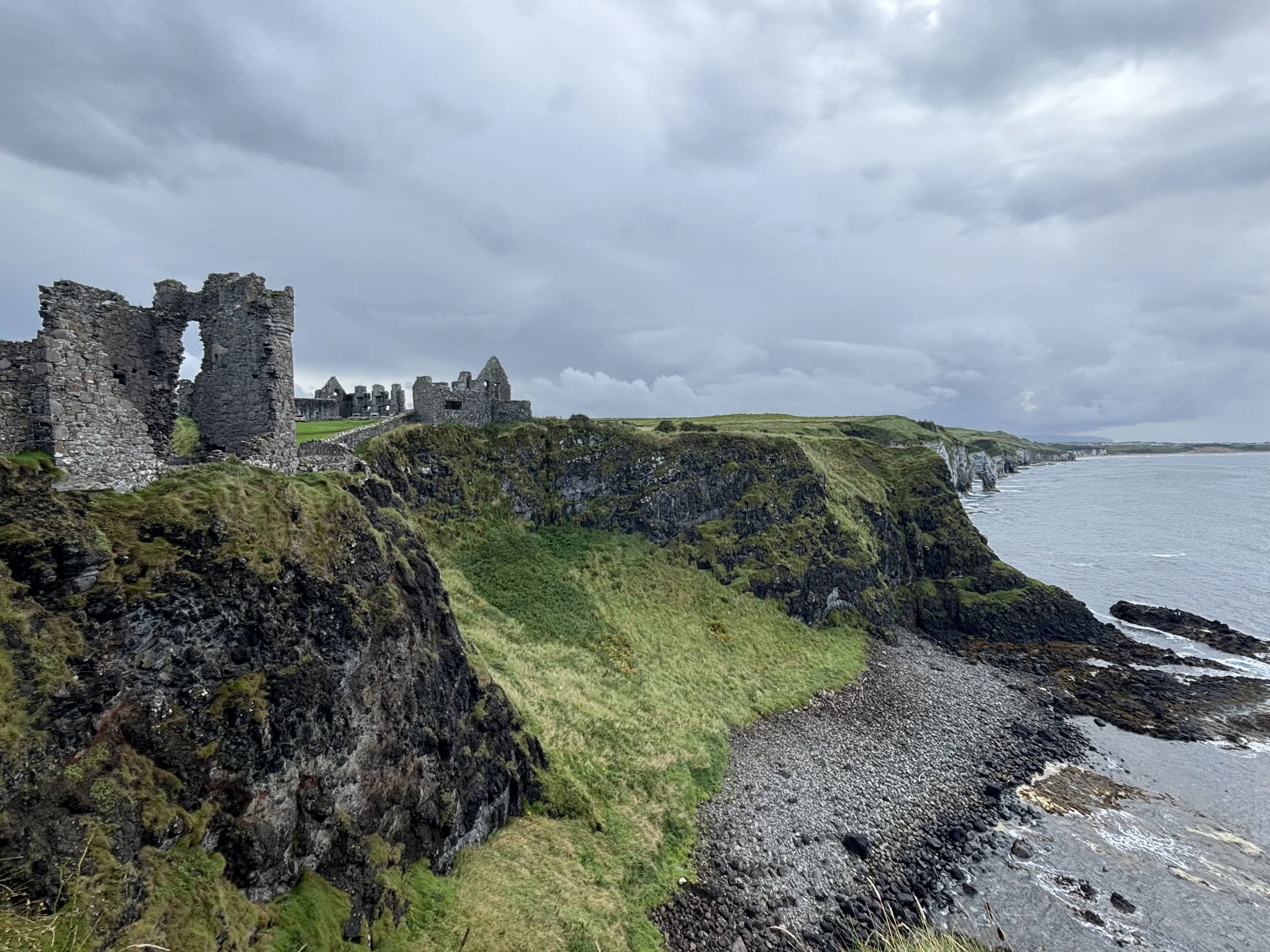
Dunluce Castle is a medieval fortress atop a basalt cliff. The construction began in the 1500s and was completed sometime in the 16th and 17th centuries.
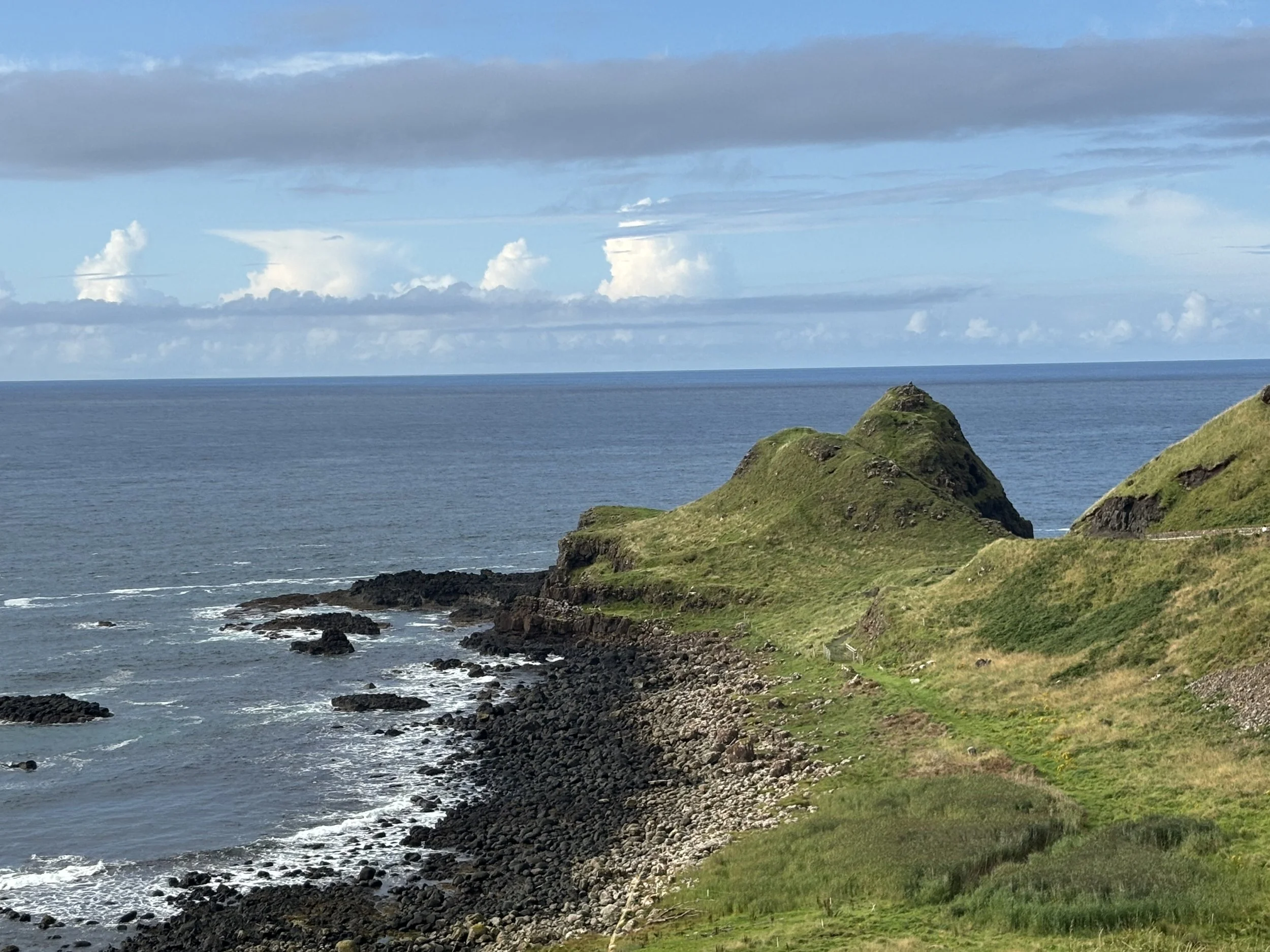
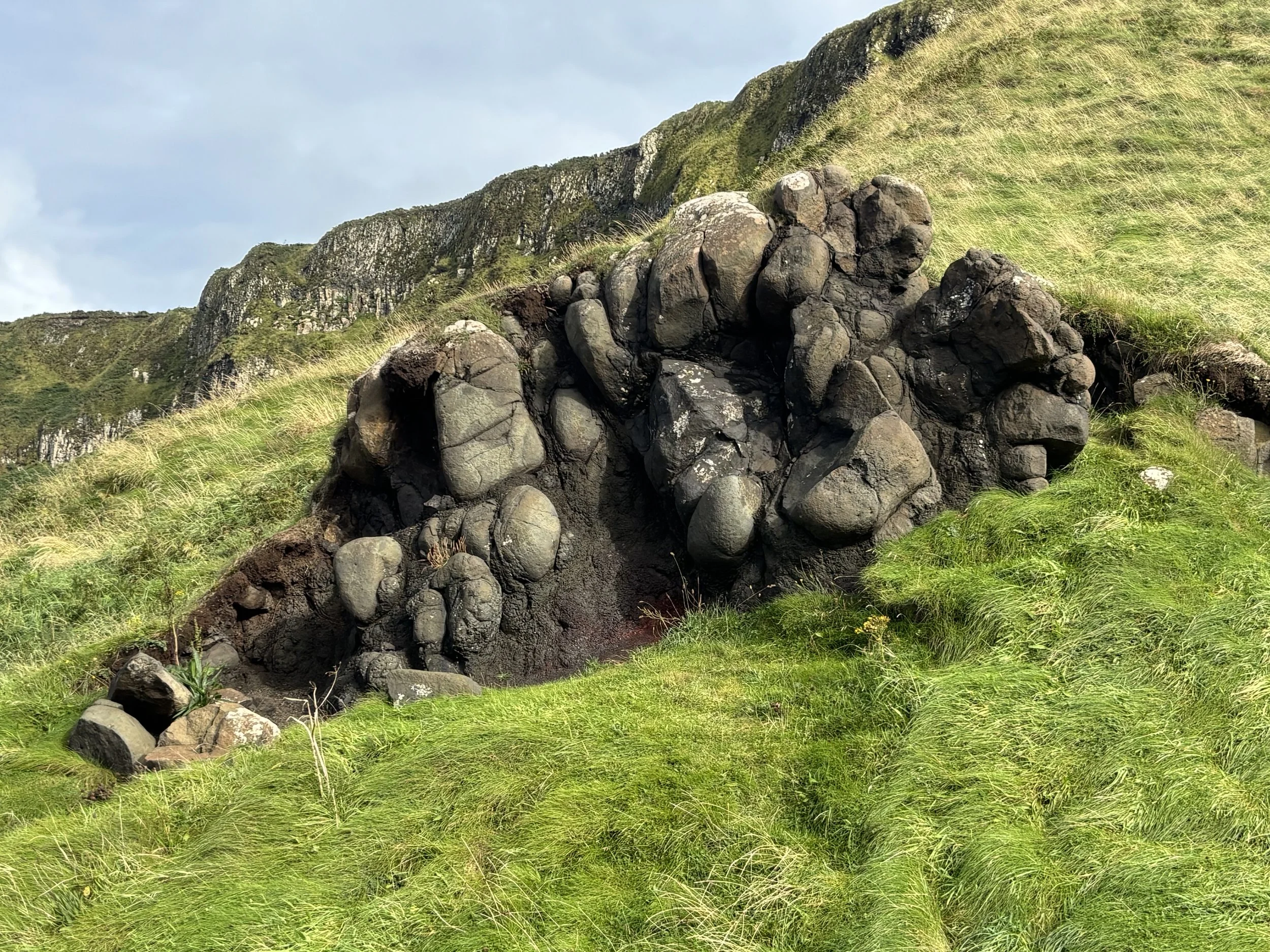
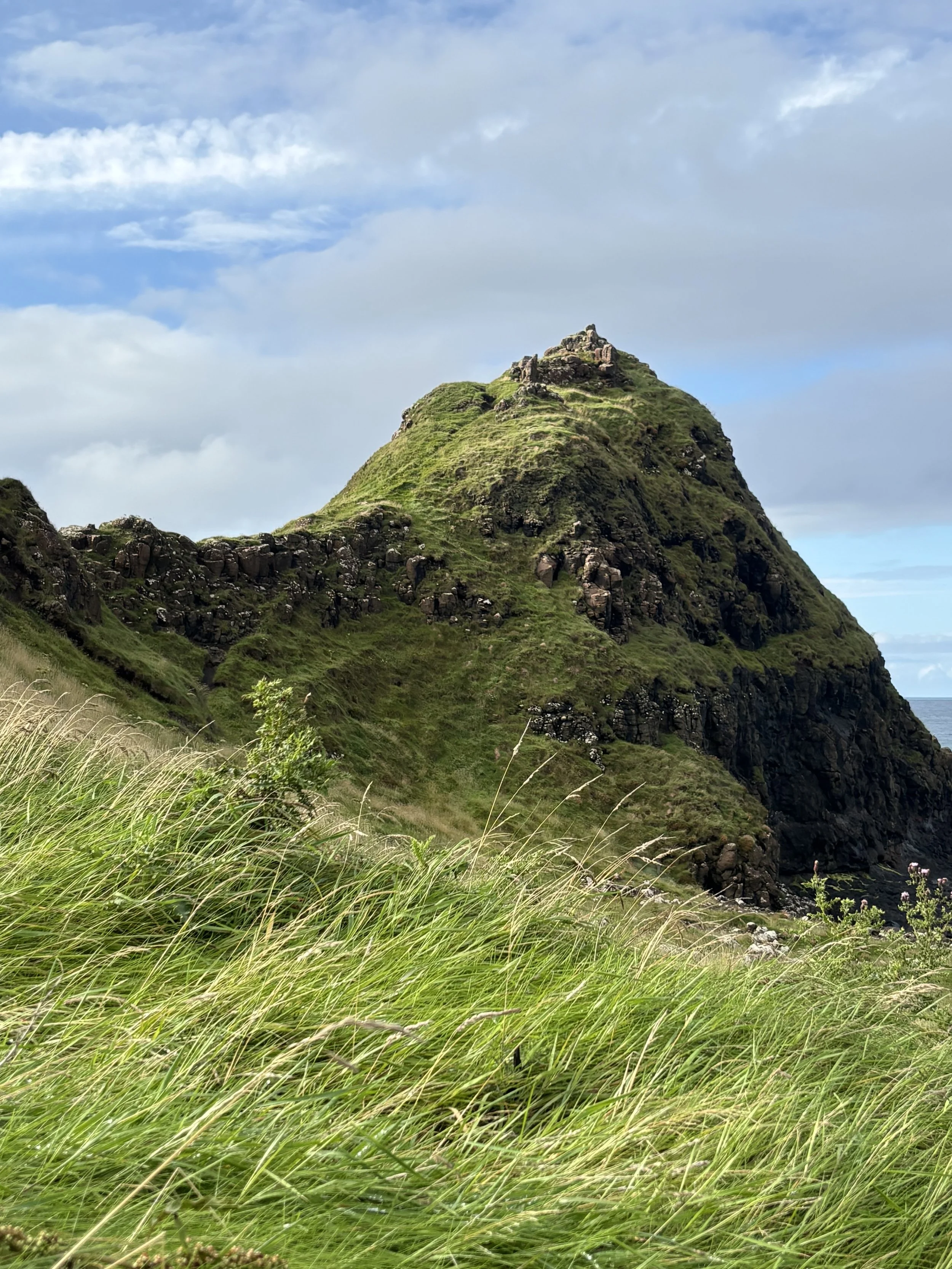
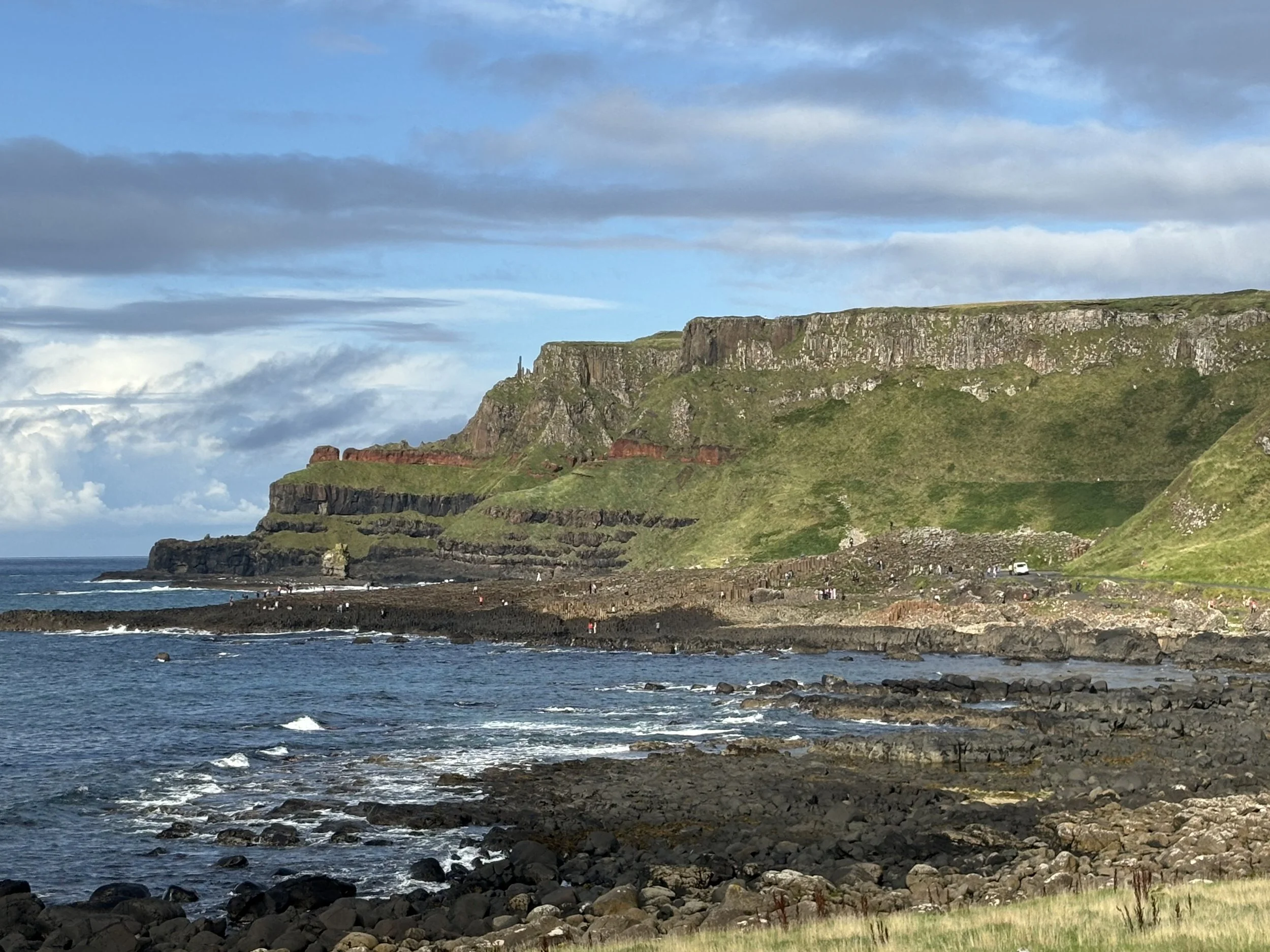
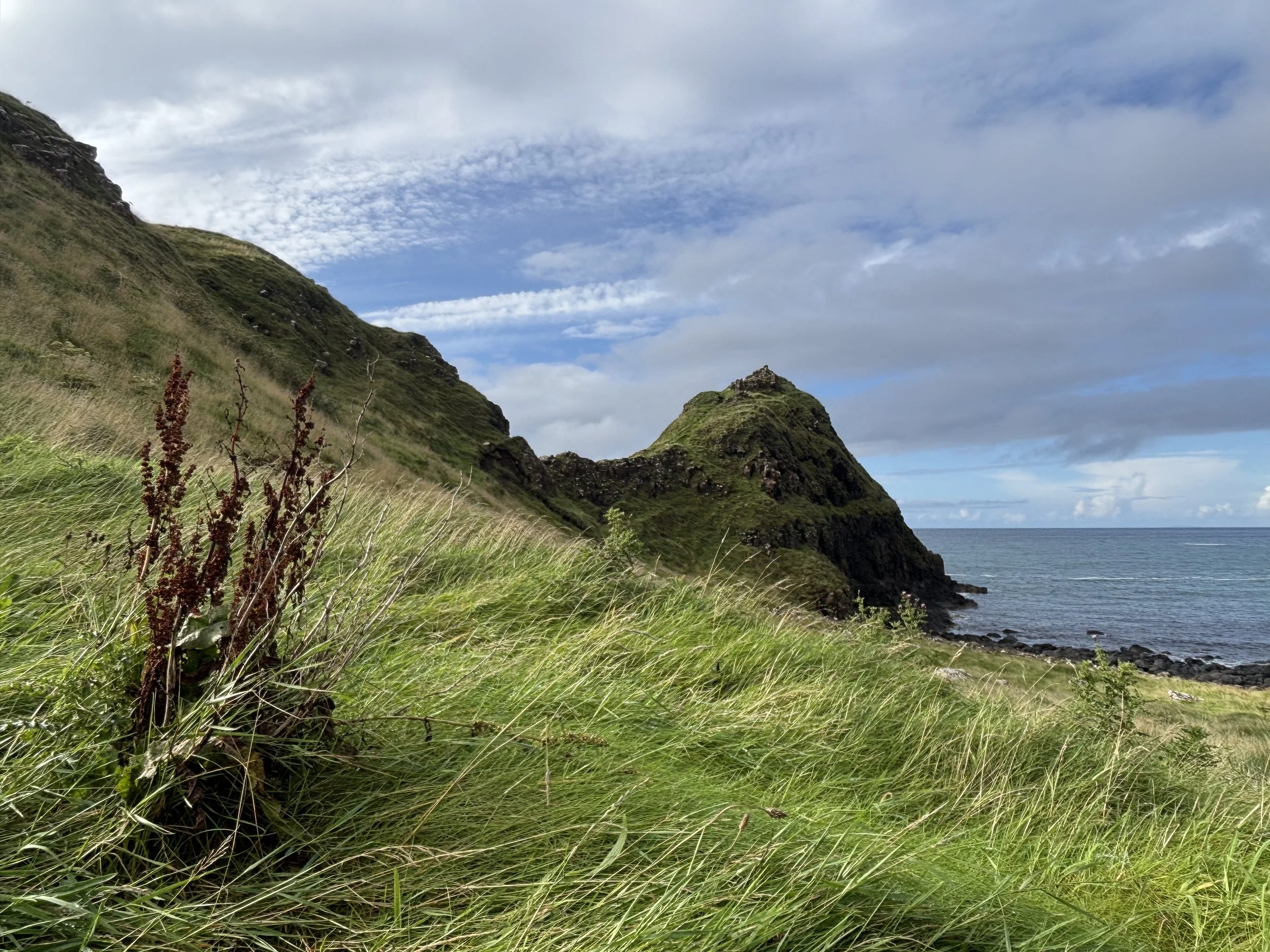
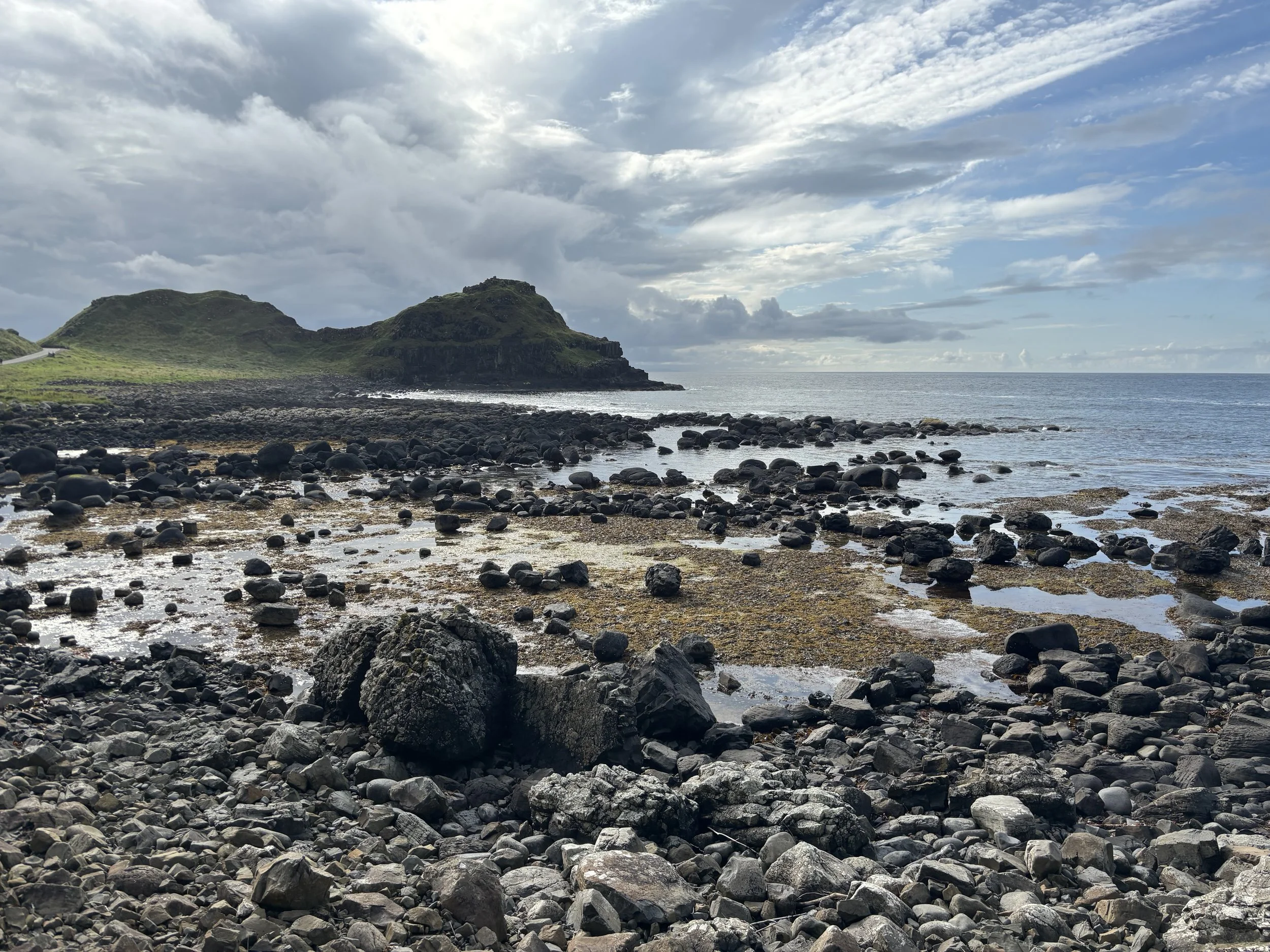
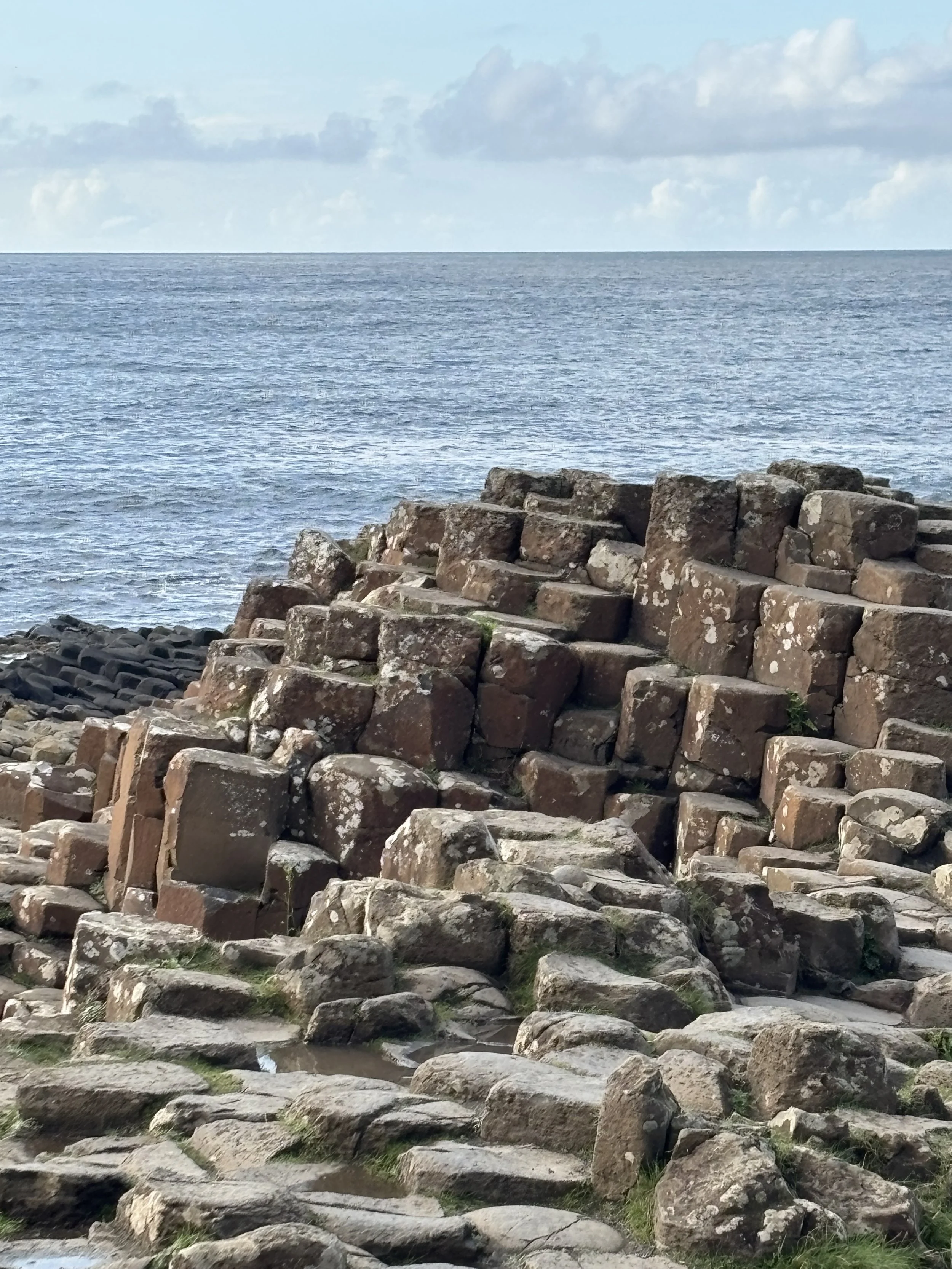
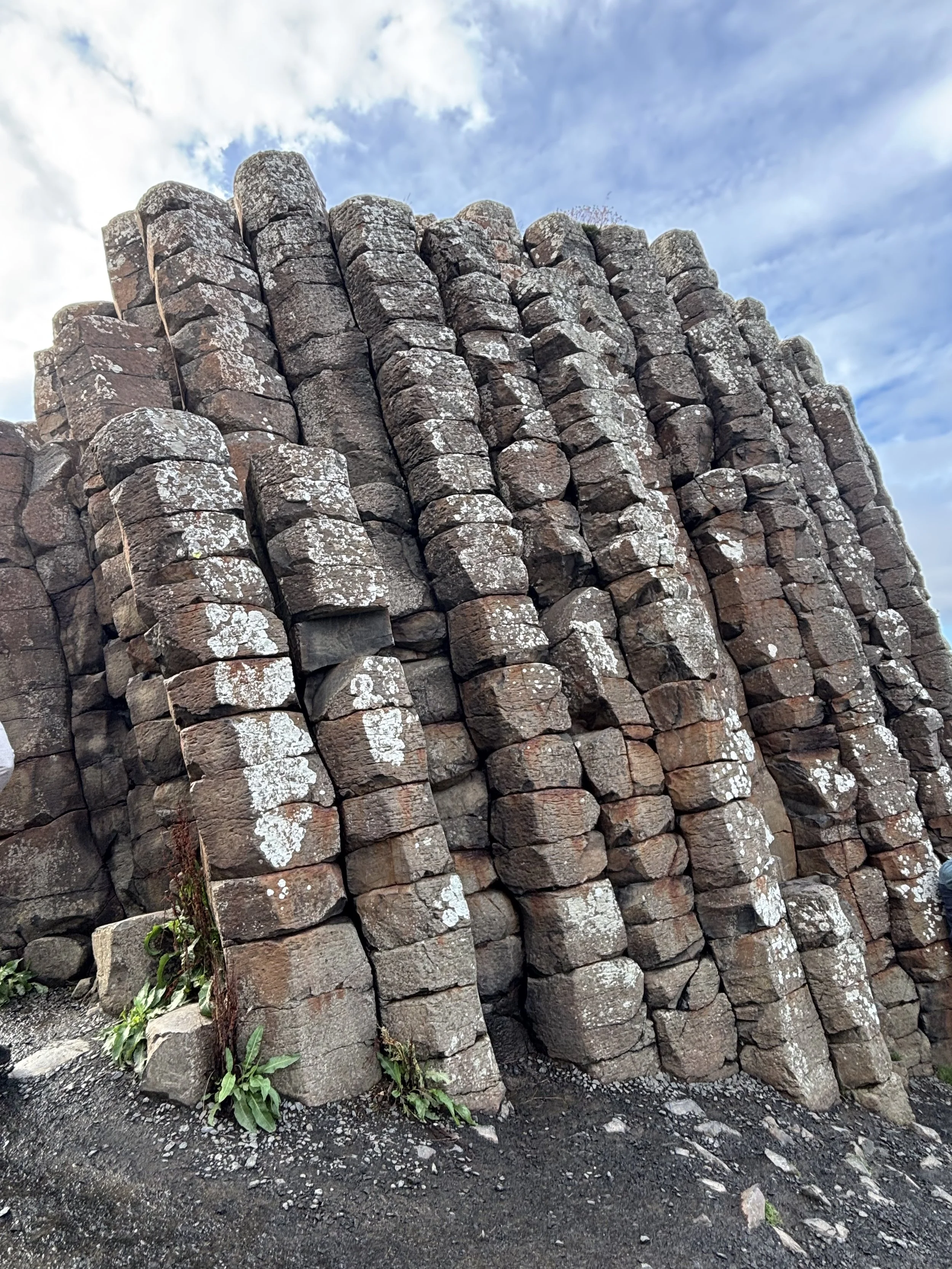
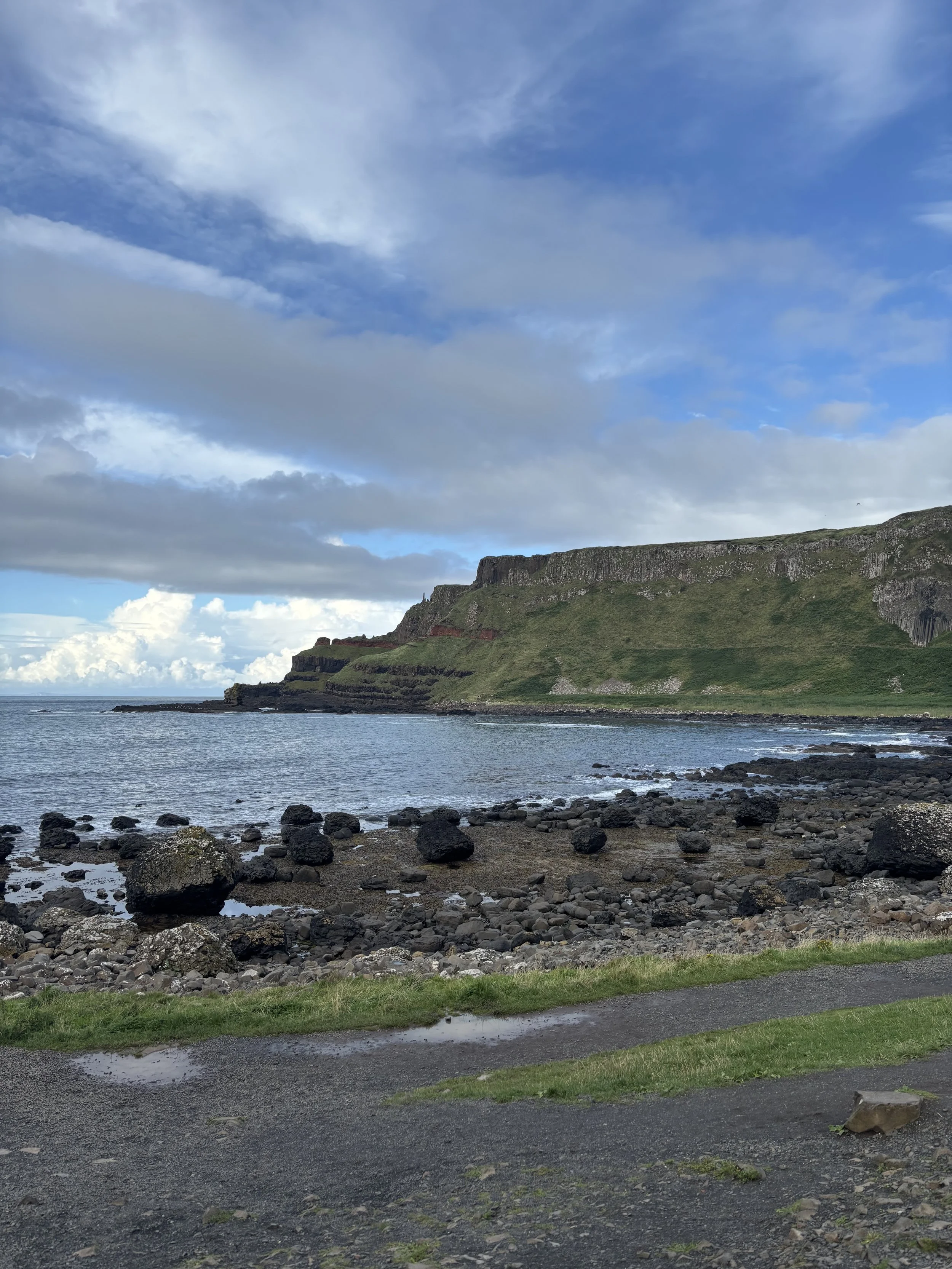
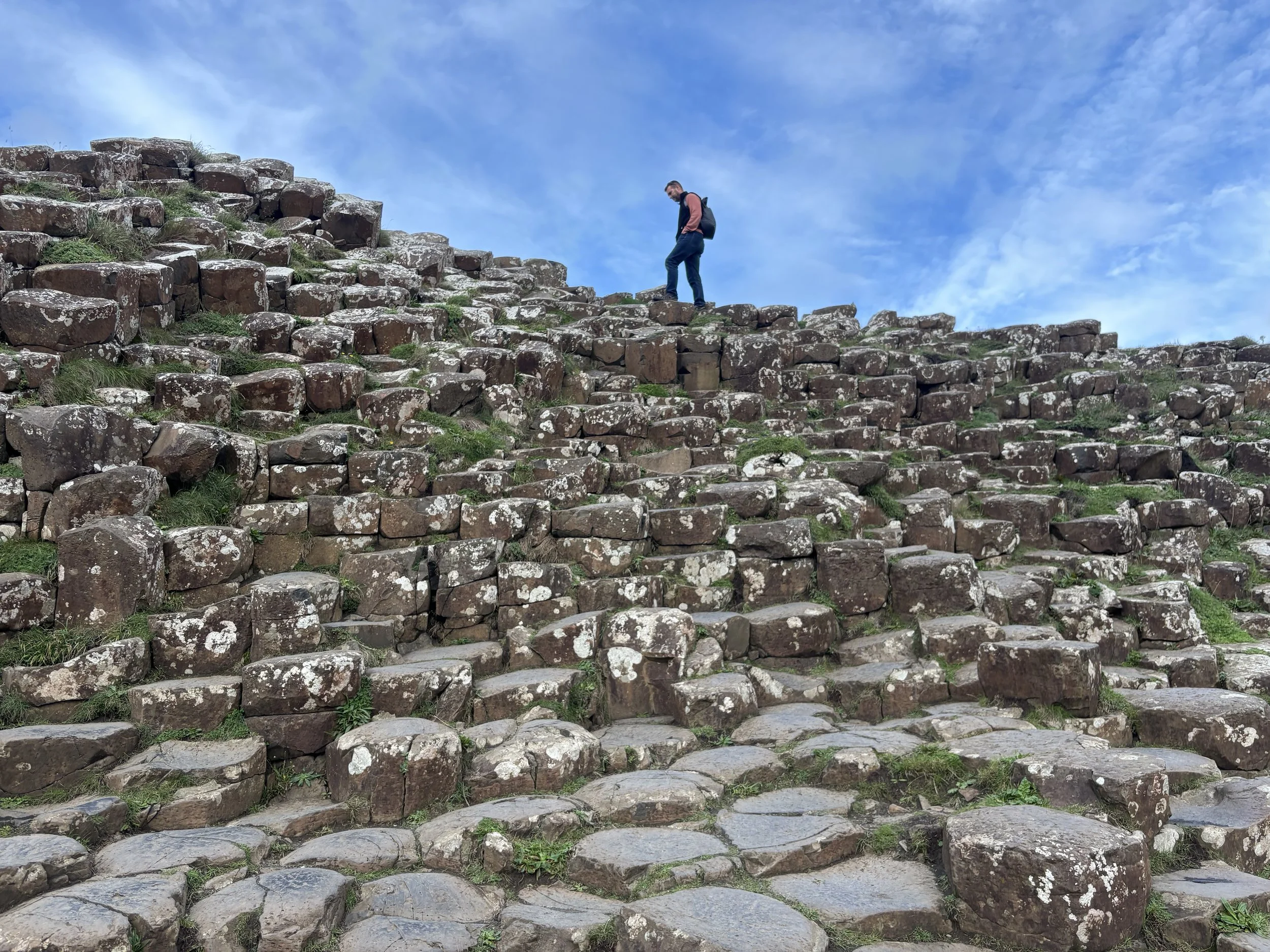
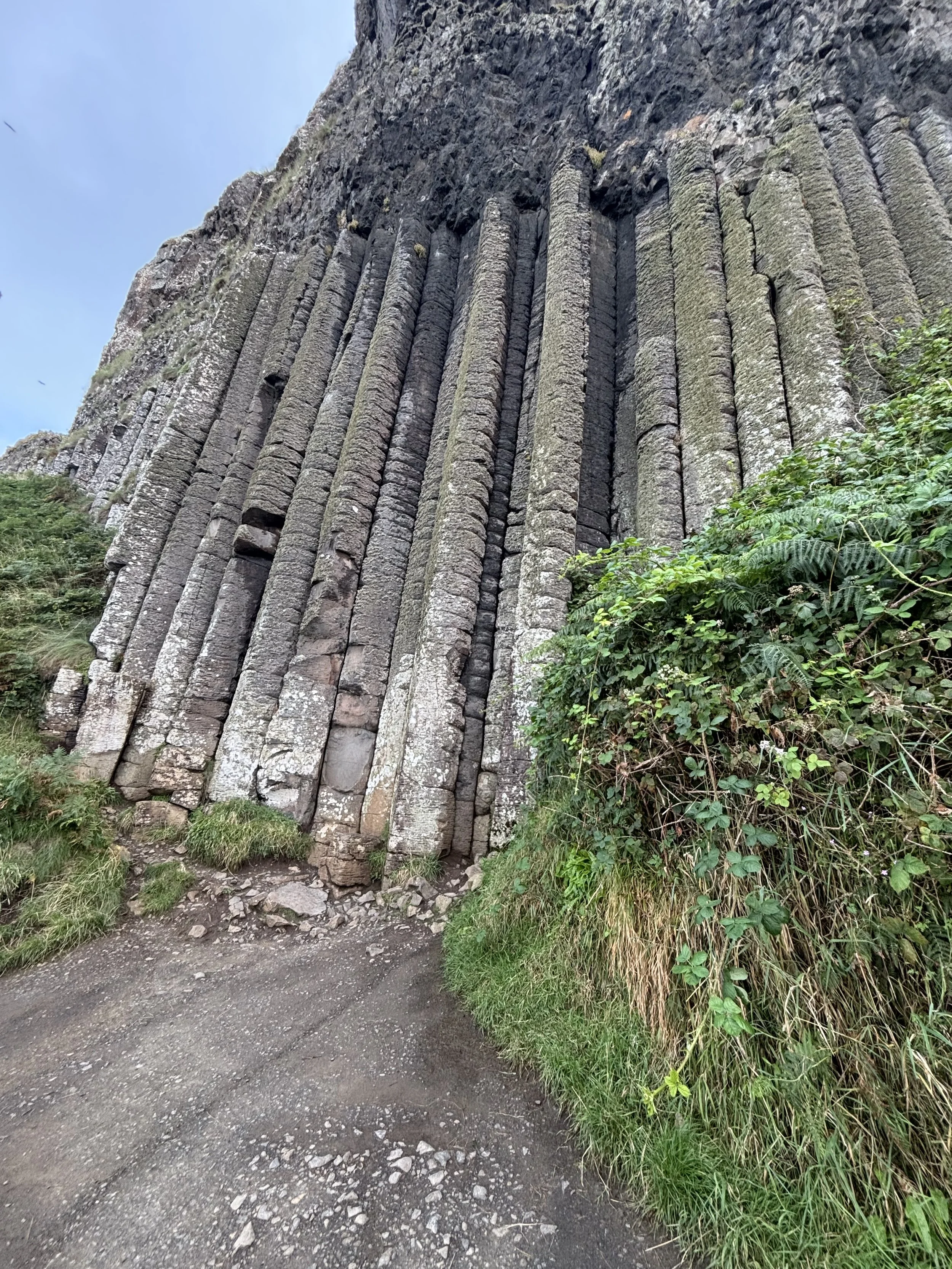
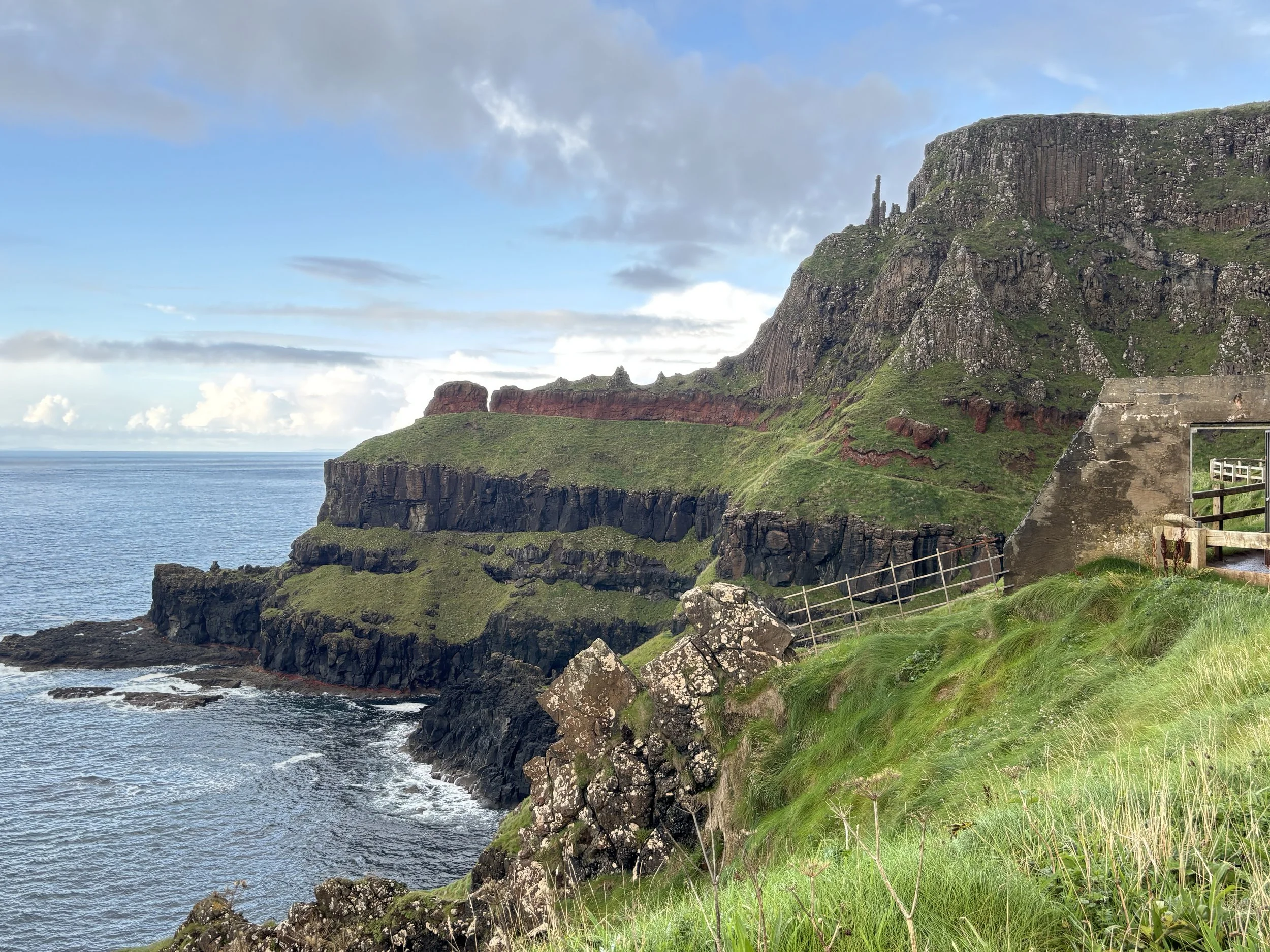
Giant’s Causeway was amazing and reminded me of the Grand Canyon, if it were green and on the ocean. It is a natural formation on the coast of Northern Ireland, famous for its around 40,000 interlocking basalt columns, formed by an ancient volcanic eruption about 60 million years ago.
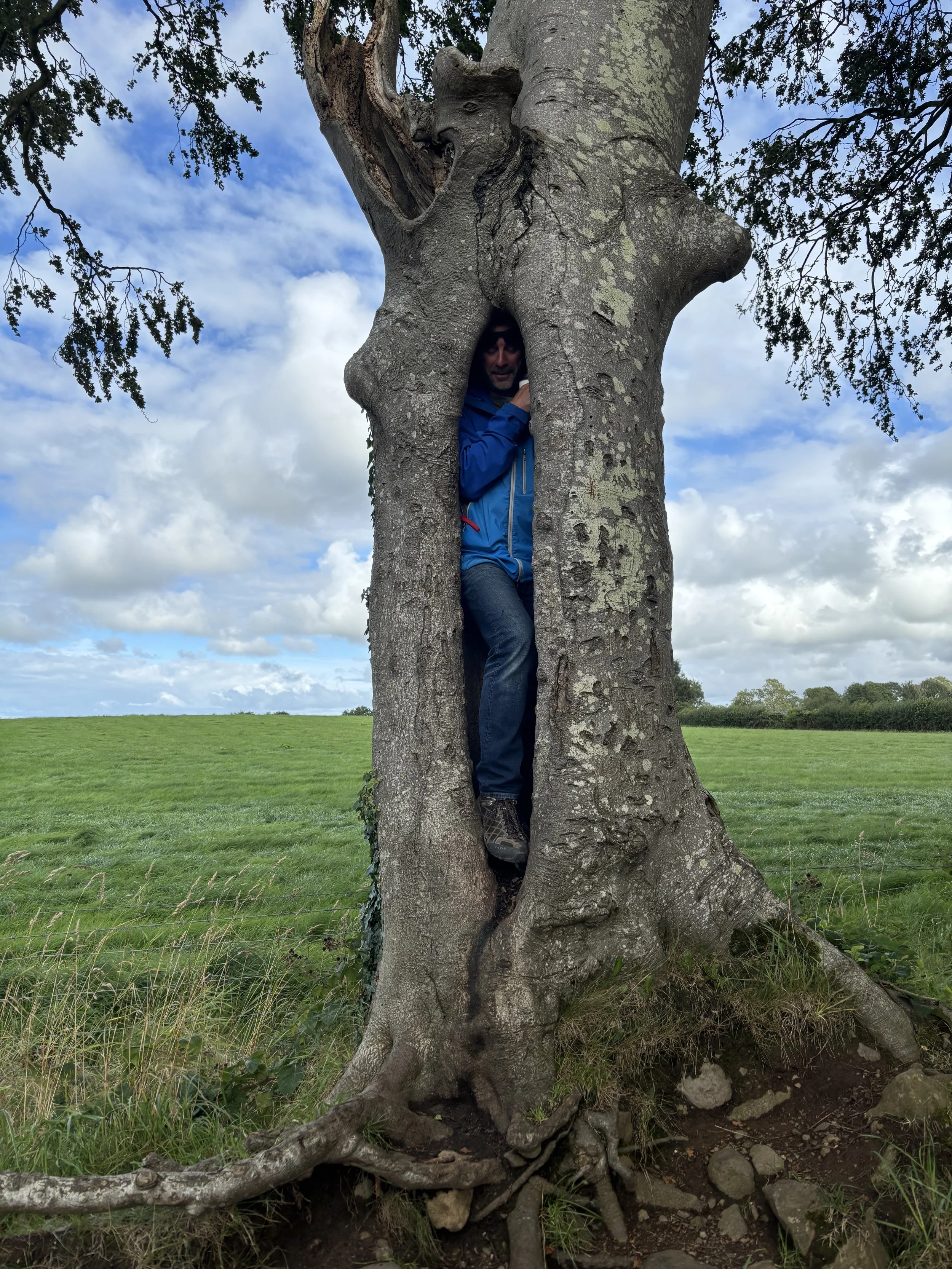
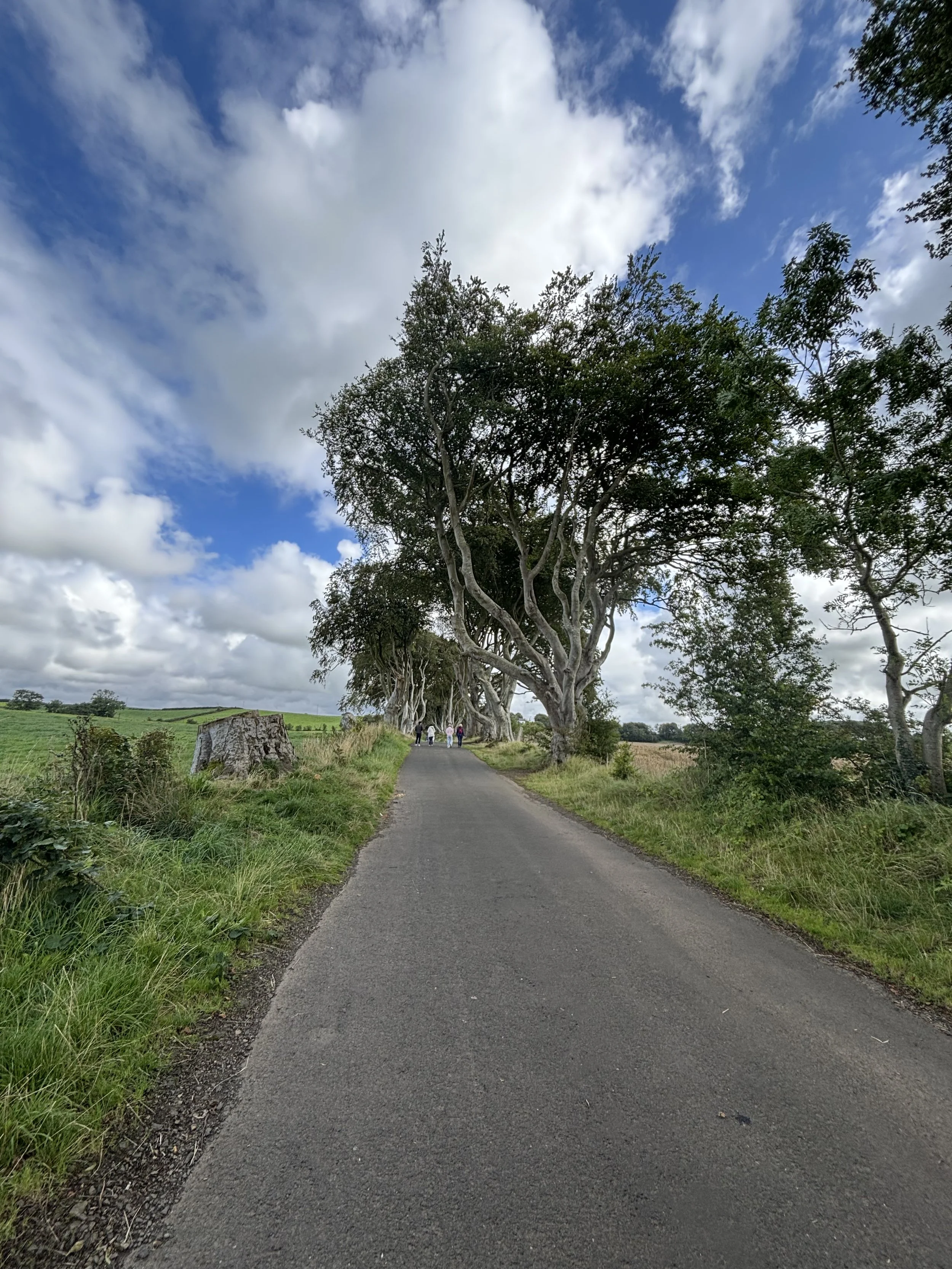
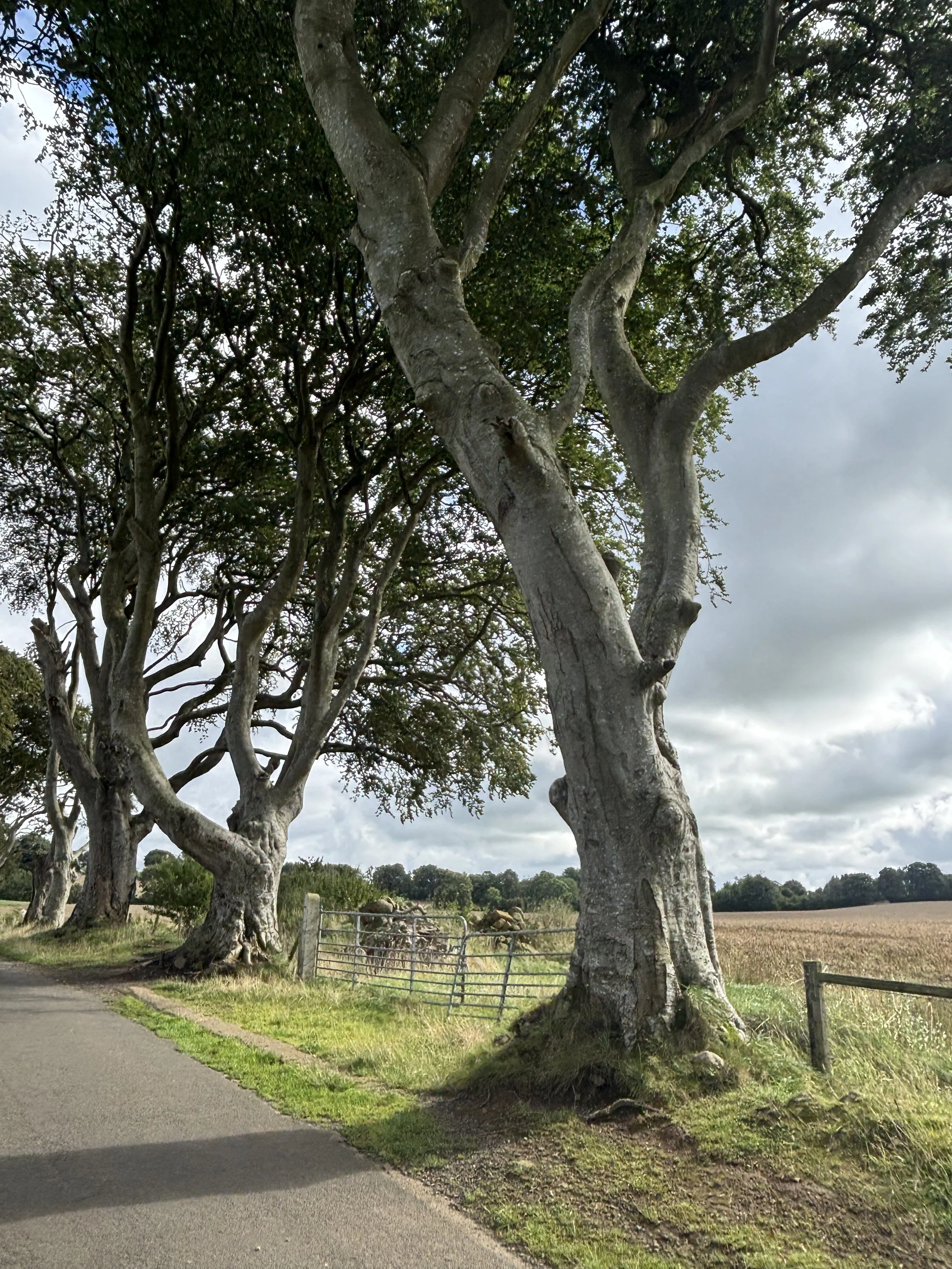
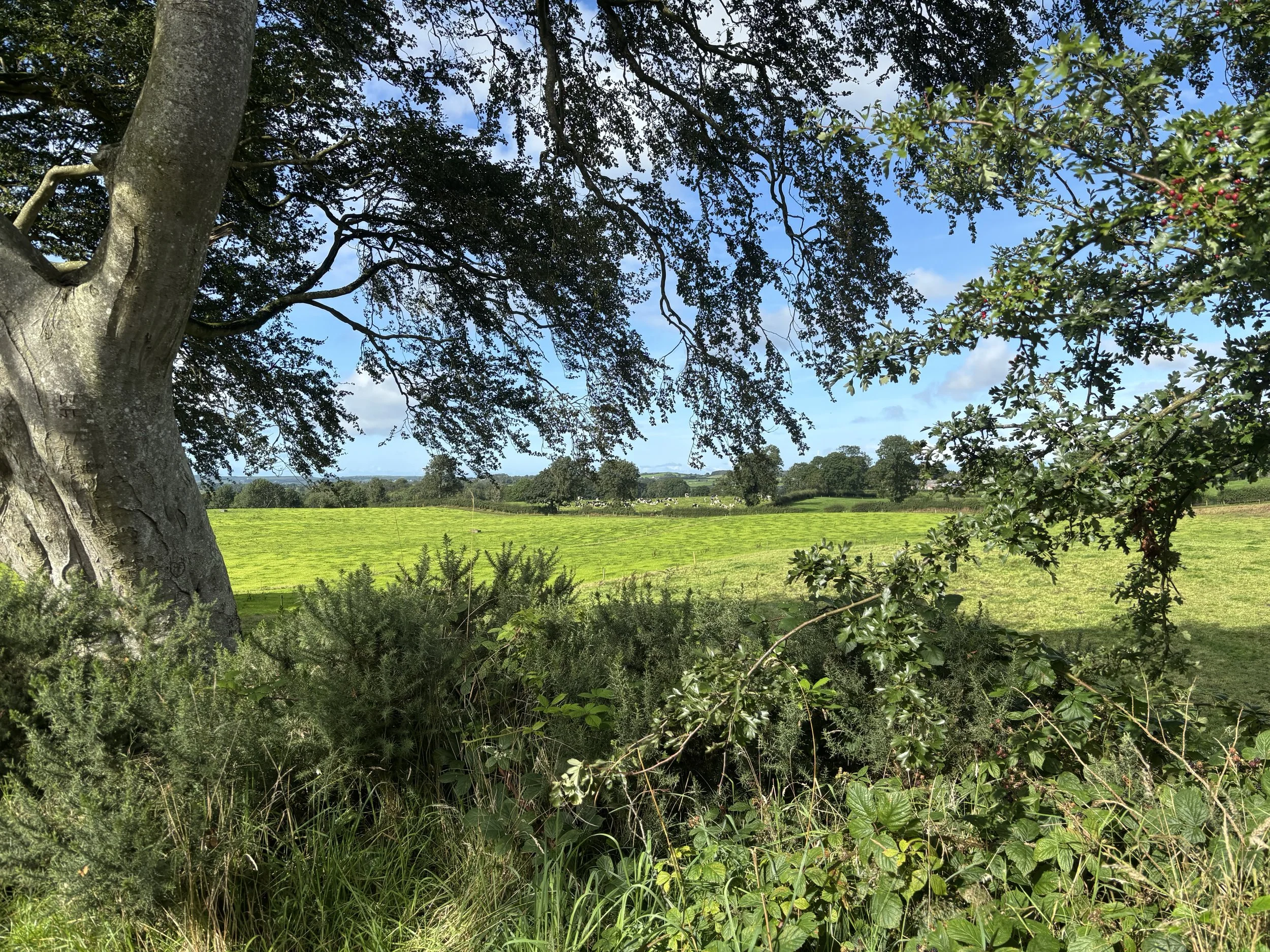
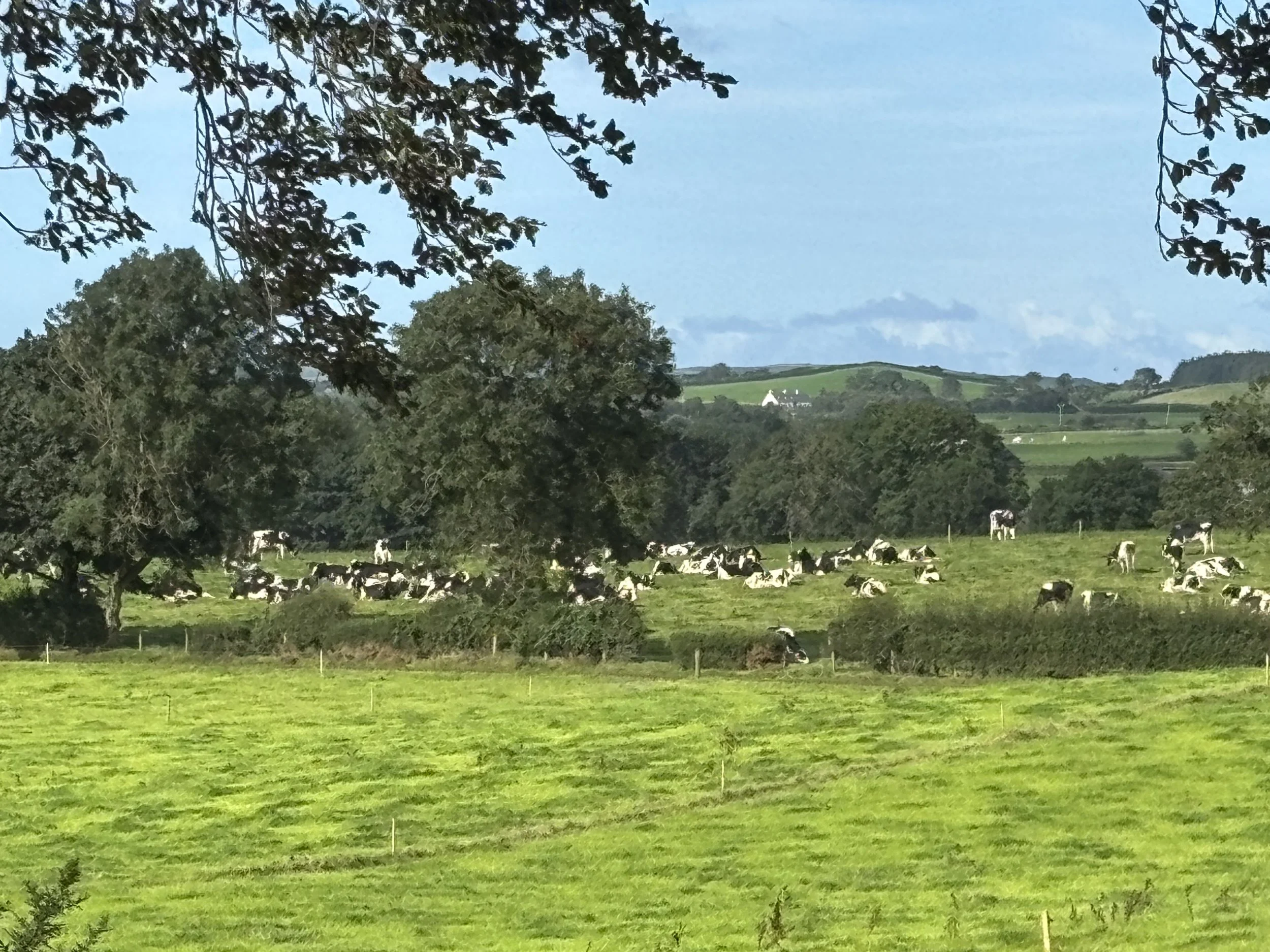
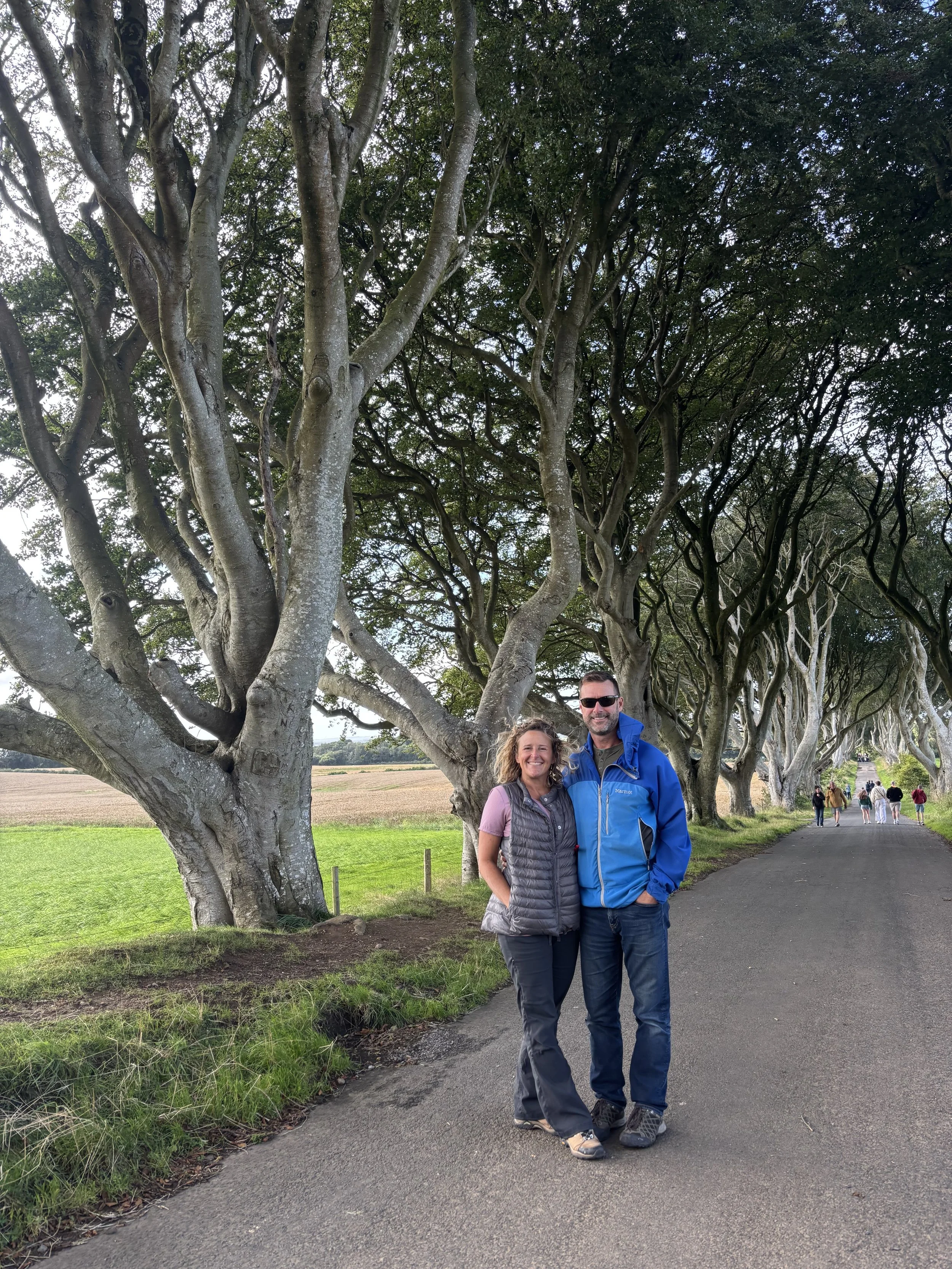
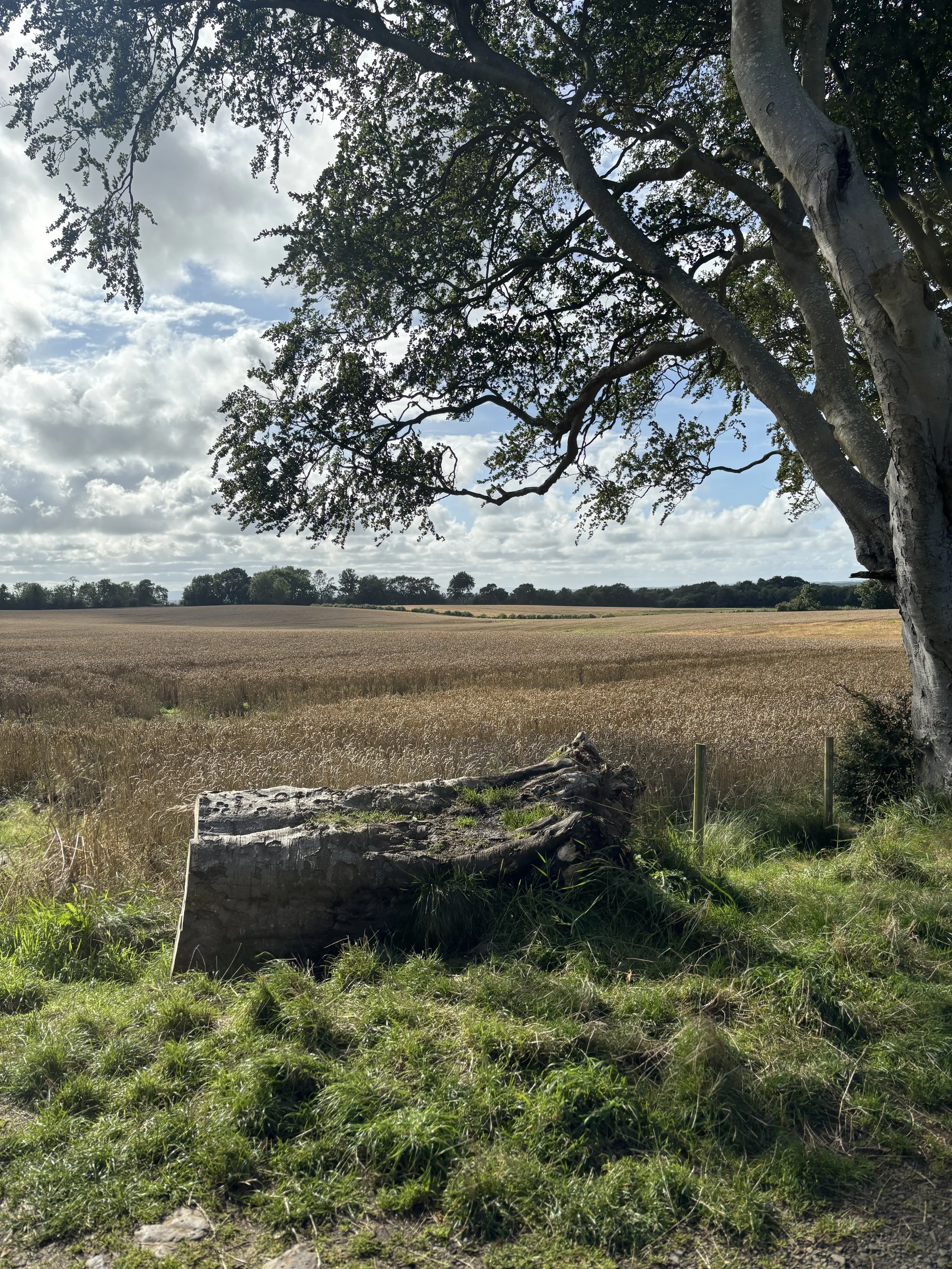
Dark Hedges was a gorgeous tree-lined street featured in the series Game of Thrones.
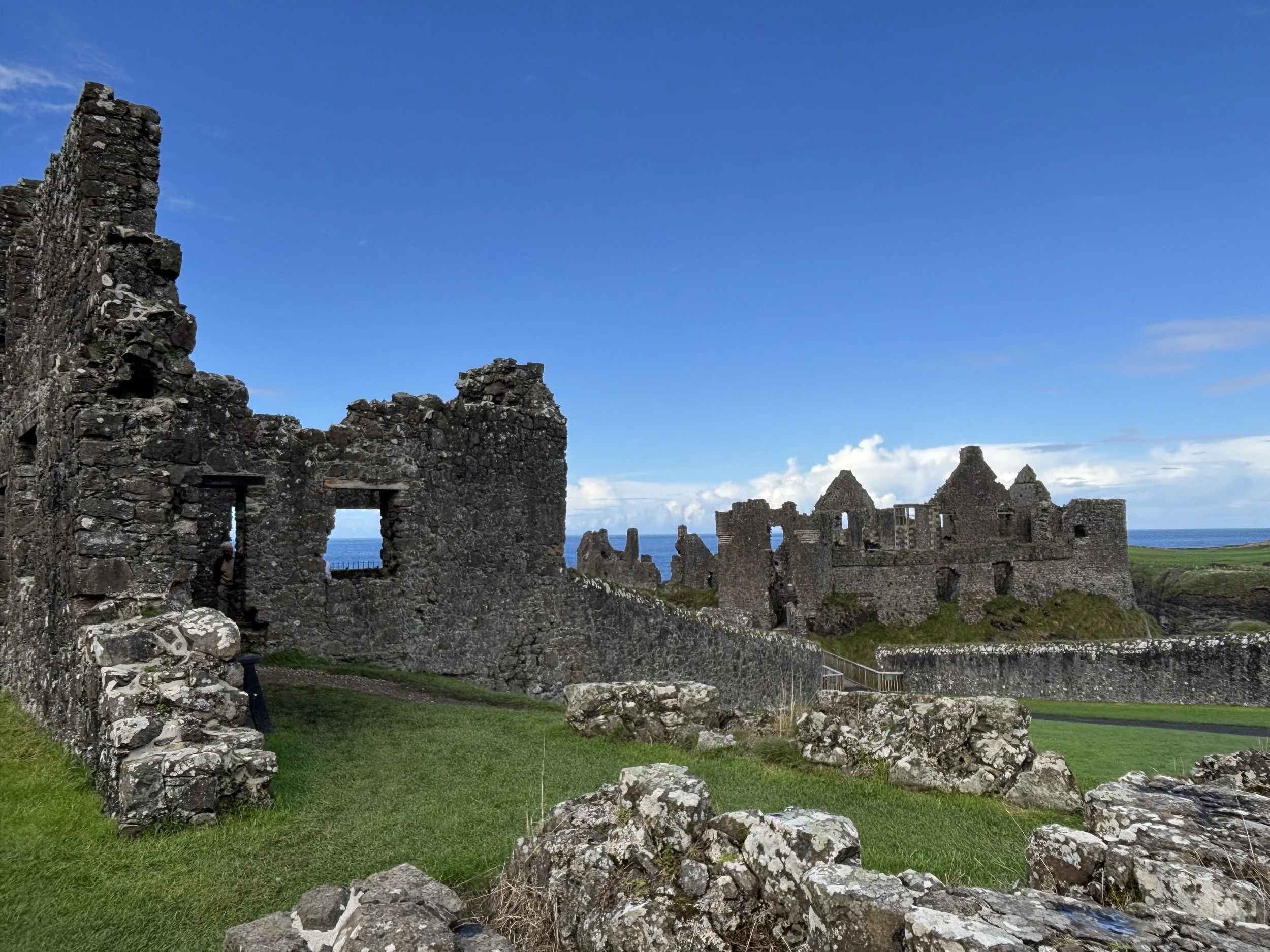
Dunluce Castle
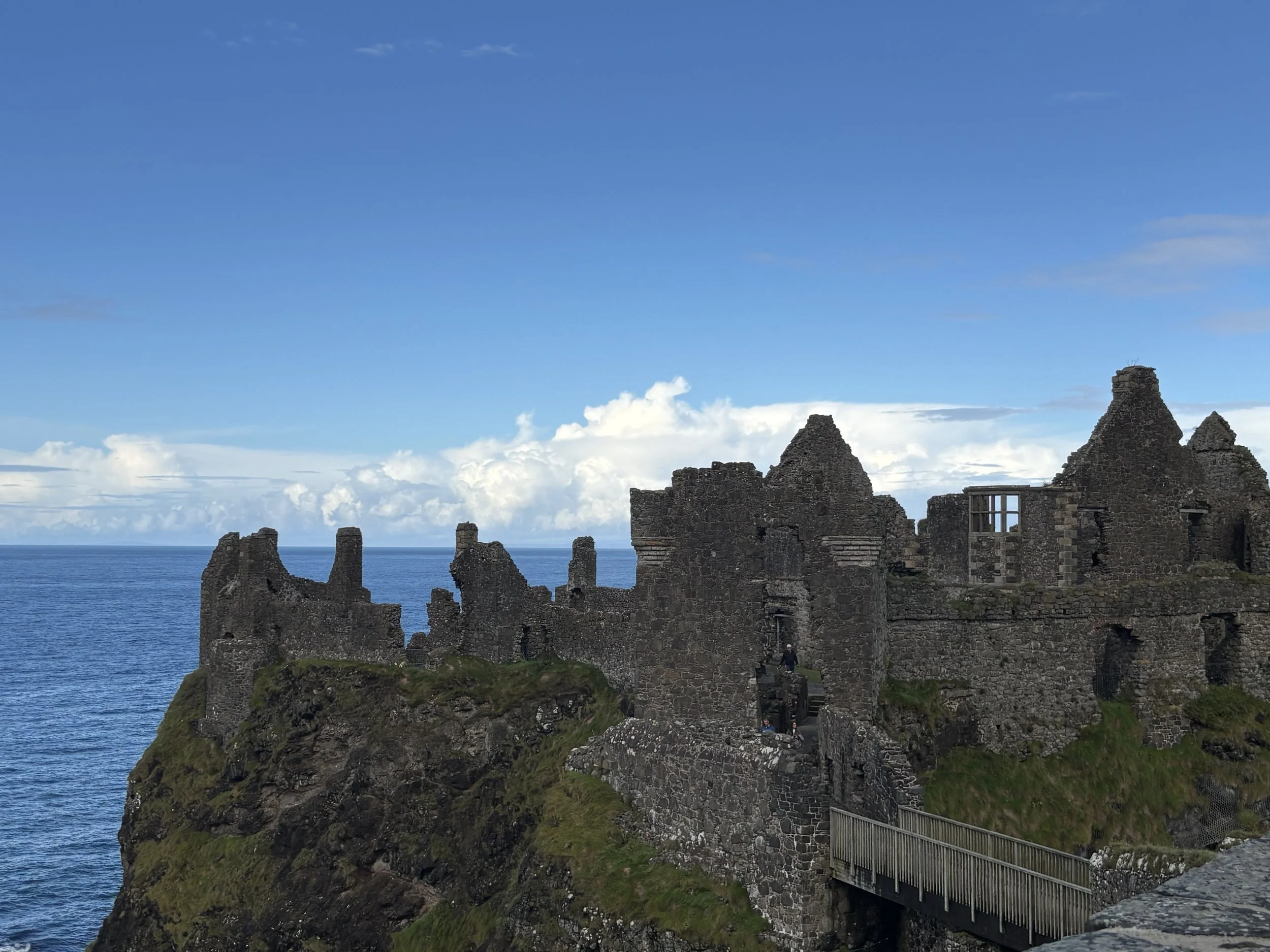
Dunluce Castle
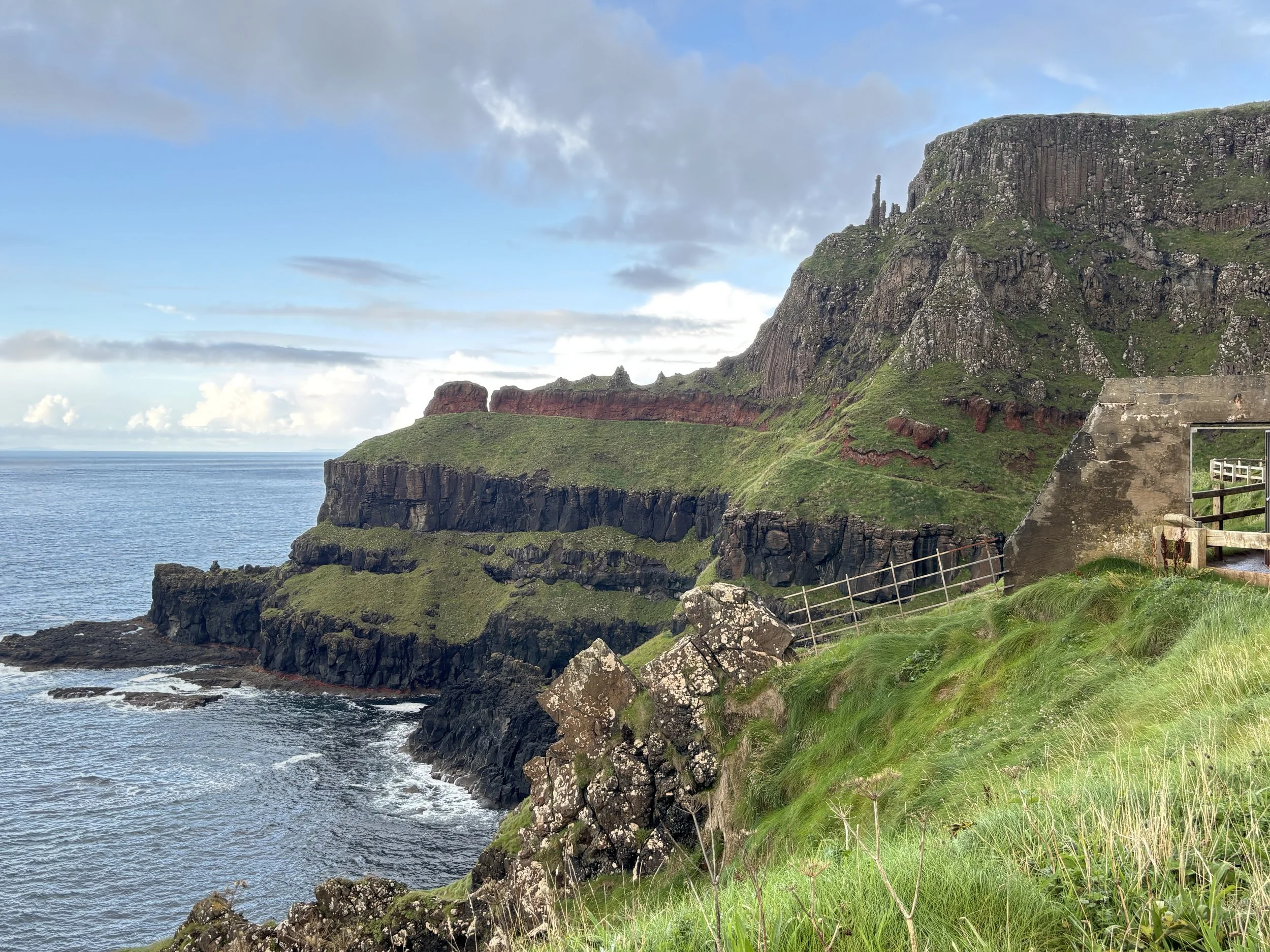
Part of Giant’s Causeway
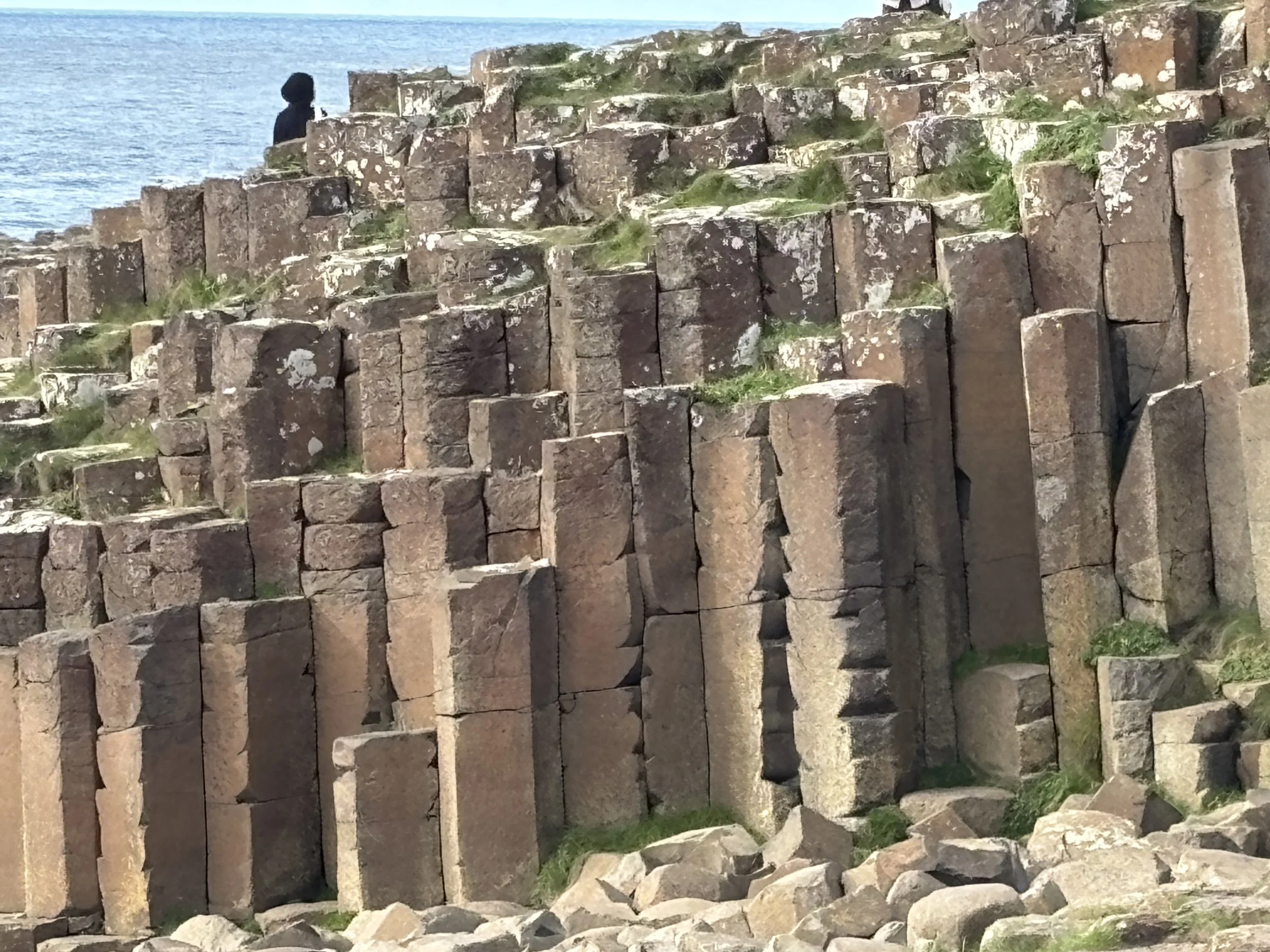
Part of Giant’s Causeway
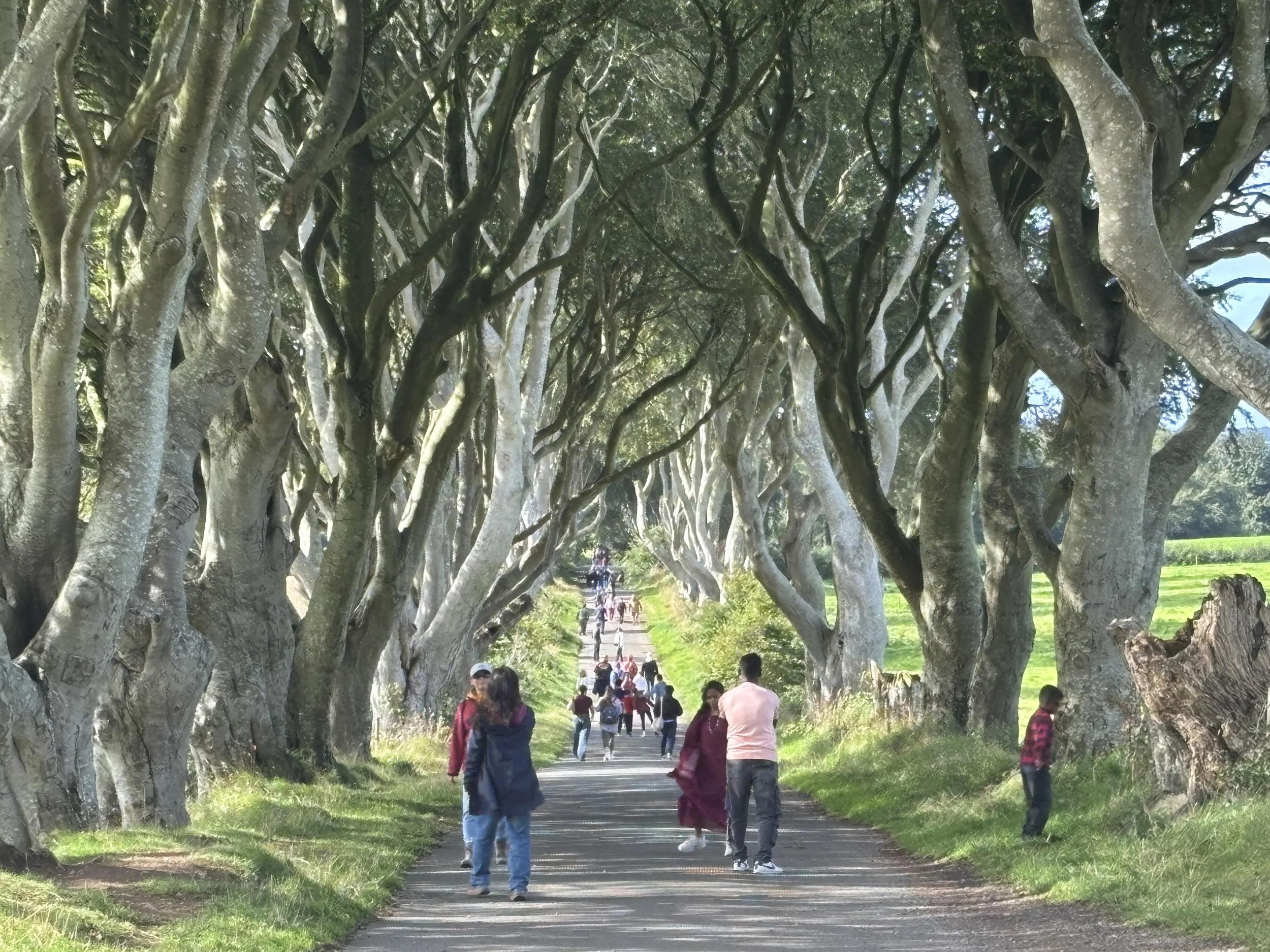
Dark Hedges
We loved exploring all these towns in Northern Ireland had to offer. But it wasn’t all play! We took advantage of the time there to do some electrical repairs, stock up on groceries while we had access to a good store and a car, do laundry, and give the boat a much-needed deep clean inside and out.
We also spent time searching for a way to refill our propane tanks. We carry two large tanks, similar to the kind you use for a grill. We filled both before leaving the US. We are now down to one tank, which can last 4-6 months. This is how we cook all our meals, so finding a solution is critical. But it is proving to be quite a challenge.
Our time in Ireland has sadly drawn to a close. What a lovely country with amazing people. I hope we get to return soon. In the meantime, our next stop is Scotland!
Living untethered, but held fast.
We have so many incredible photos. Here is a gallery of photos from our final two weeks in Ireland/Northern Ireland.
If you are reading this in your email, you will need to click this link to view them.