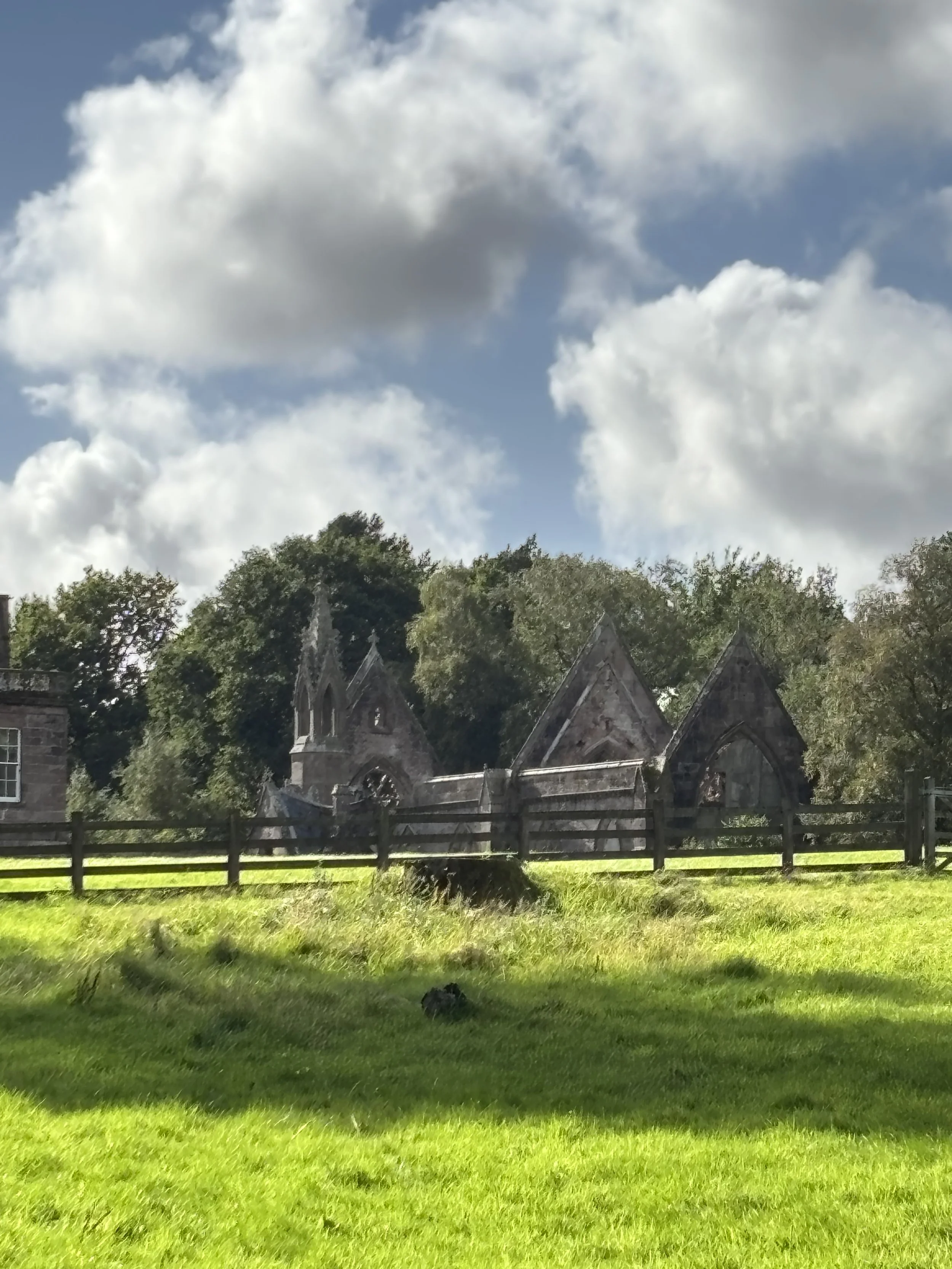
A New Country | Scotland
There’s a saying among sailors I’ve heard before that boats and people rot in marinas and harbors. While being in a marina has certain perks, like nice, long, hot showers and easy access to laundry, boats are built to be sailed. We loved our time exploring Northern Ireland, but after five days tied to a dock, we were ready to move on. But, as is often the case in sailing, you can’t just do what you want when you want. Our plans are determined by weather and tide.
Our boat has a deeper keel—6.5 feet. This has many benefits. The deeper keel can provide greater stability, better tracking in heavy seas, better upwind performance, and more resistance to being knocked down in a blow. These benefits provide considerable comfort and confidence when navigating the open ocean. But there is always a tradeoff. Deeper keels mean we have to be mindful of shallower places, sometimes avoiding them altogether. The River Bann is one of those places. It has a sandbar near the inlet that required us to come in and go out at high tide.
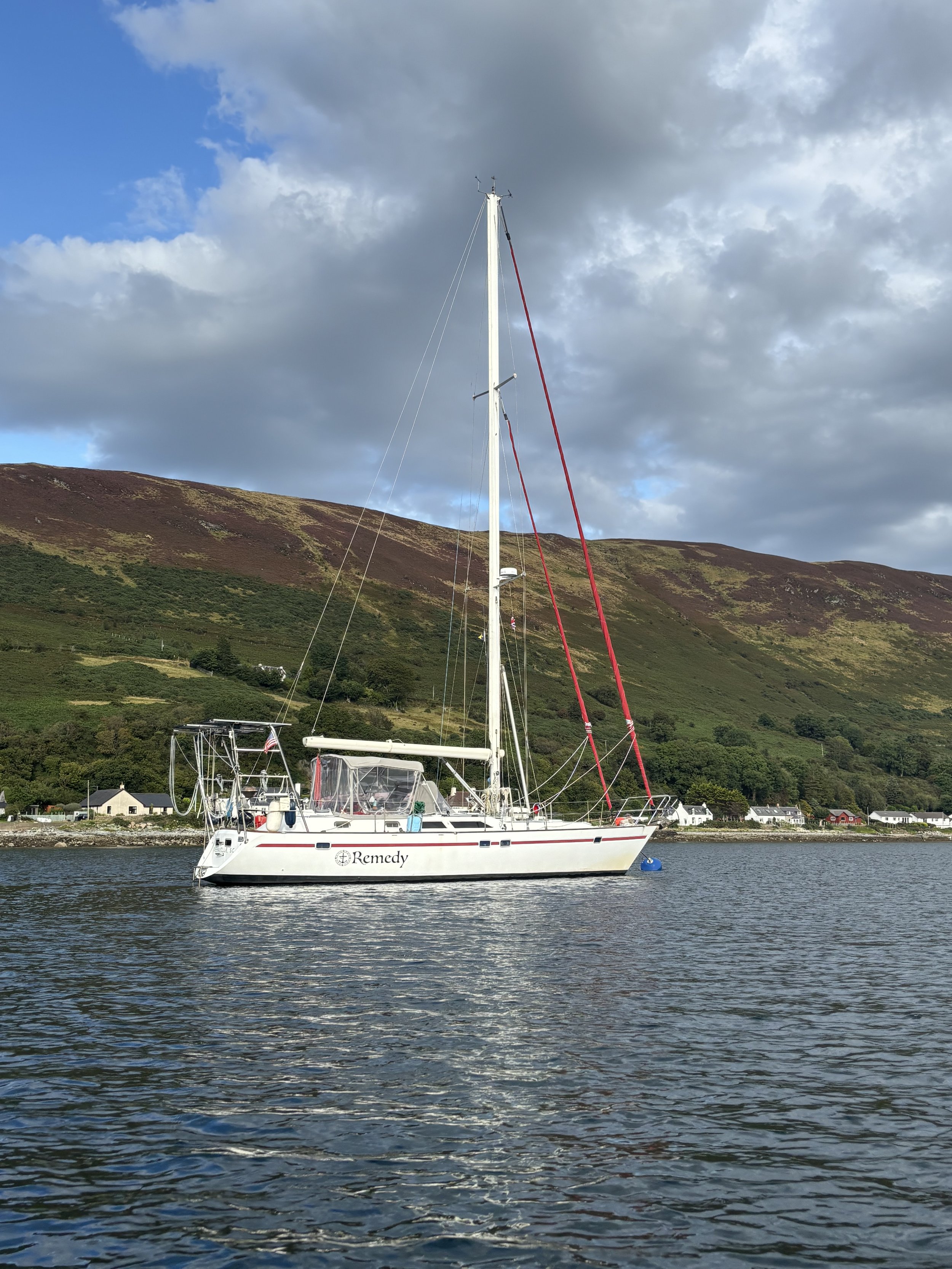
When the higher winds and seas had finally abated, and we were able to leave, we had two choices: leave at 3 am (the first high tide of the day) or leave around 5 pm (the final high tide of the day). Leaving at 3 am would give us more daylight hours to sail farther to our next port. Leaving at 5 pm would mean we could depart at a more reasonable hour, but we would likely arrive at our next port at night—something I am not so keen on, even though it is sometimes unavoidable. After weighing the options, we decided to take the 3 am exit. All went well, though we did have some bigger chop that launched Remedy a couple of times as we exited the inlet.
Having successfully made it out of the River Bann, we sailed to Rathlin Island in Scotland. We only stopped there for a few hours—using that time to take a short nap—while we waited for the tides to turn in our favor to move onto our final destination of Campbeltown, Scotland.
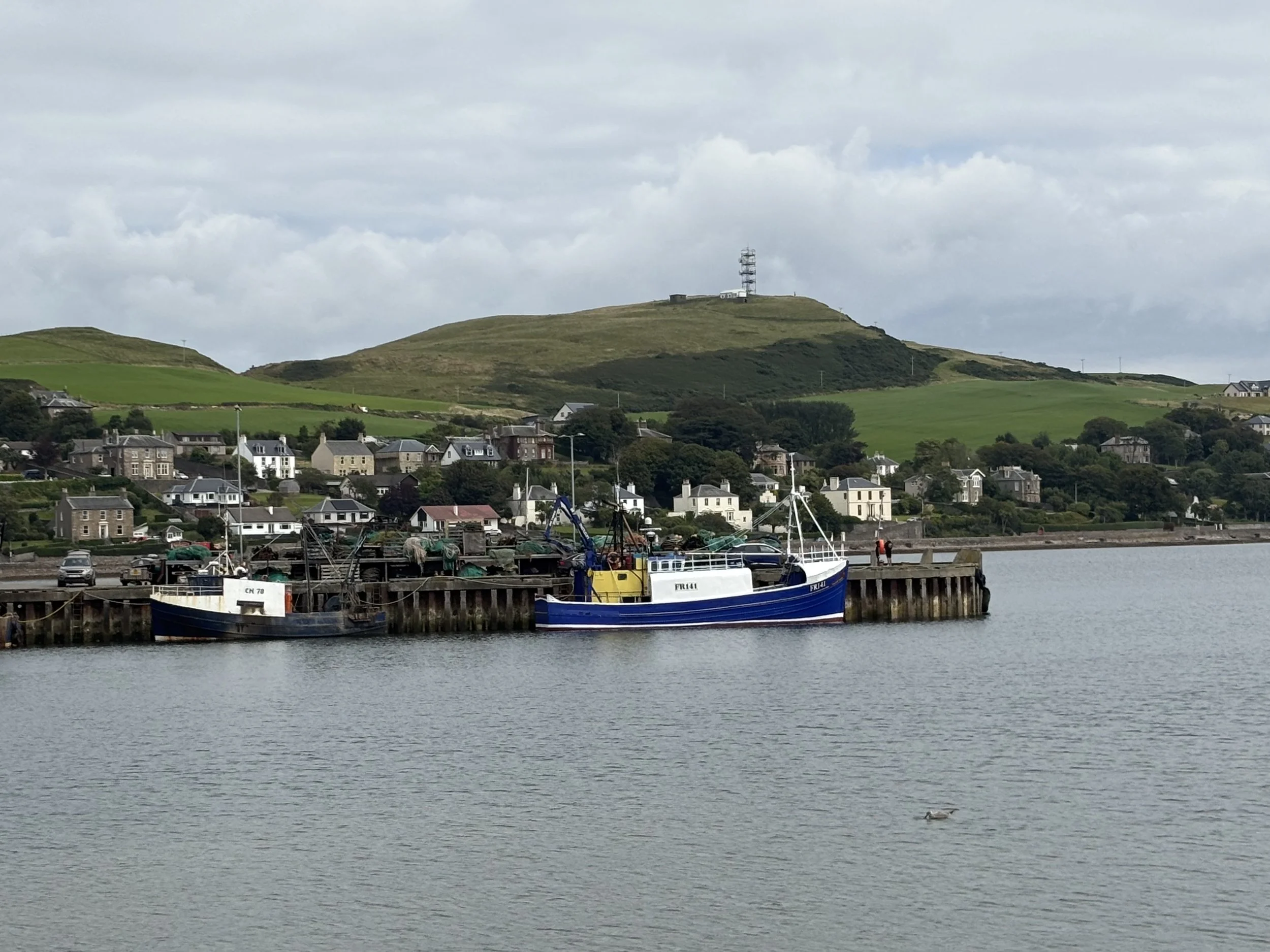
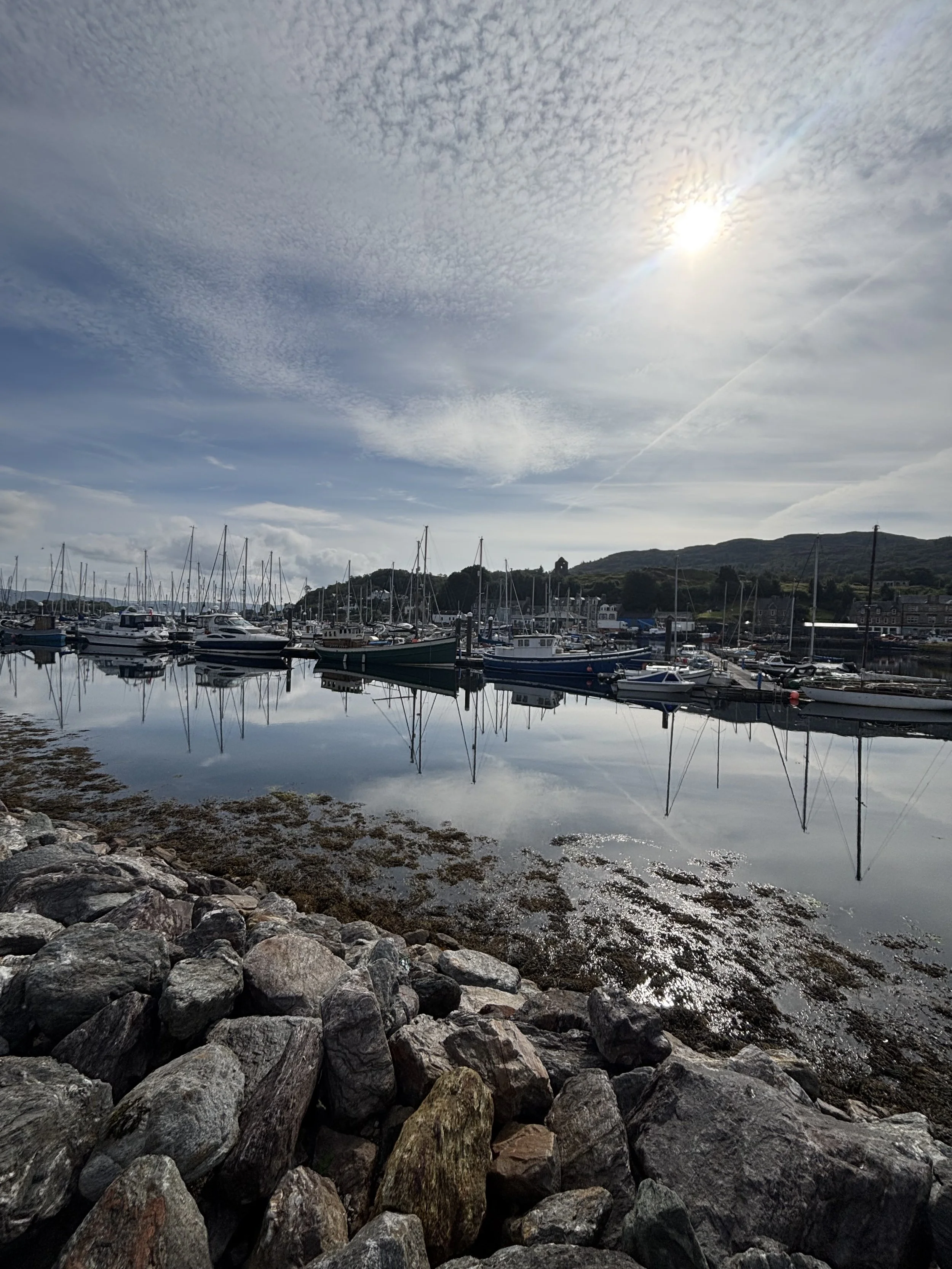
Our view of Campbeltown Harbor from the boat
Campbeltown became a royal burgh in 1700. Its major economic engines were fishing, shipbuilding, and whisky. It was once the whisky capital of the world, having more than 30 distilleries at one point and producing more than 700,000 gallons of whisky annually. But Prohibition took a toll on the town’s booming enterprise. However, it is once again recognized as one of Scotland’s whisky regions.
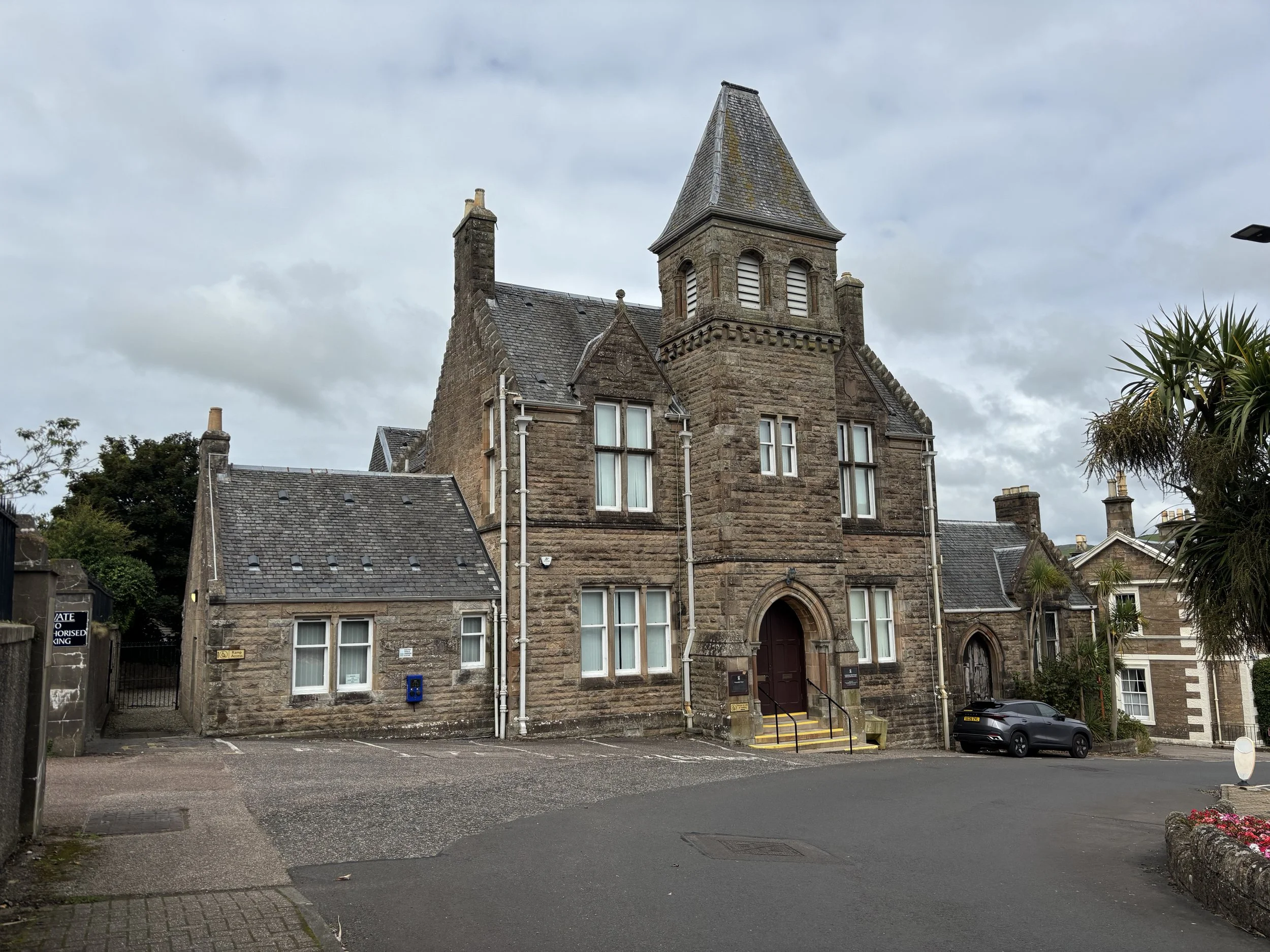
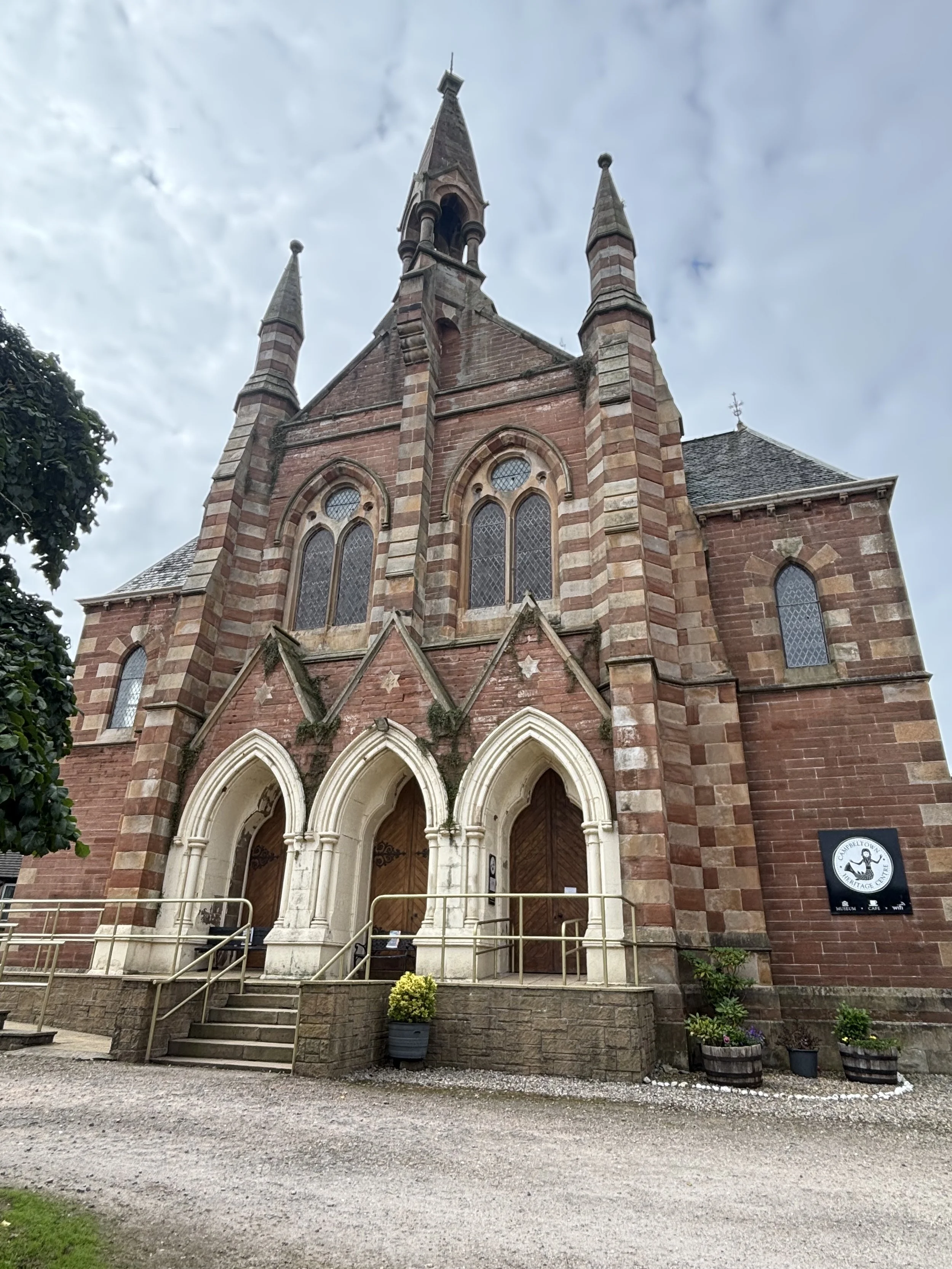
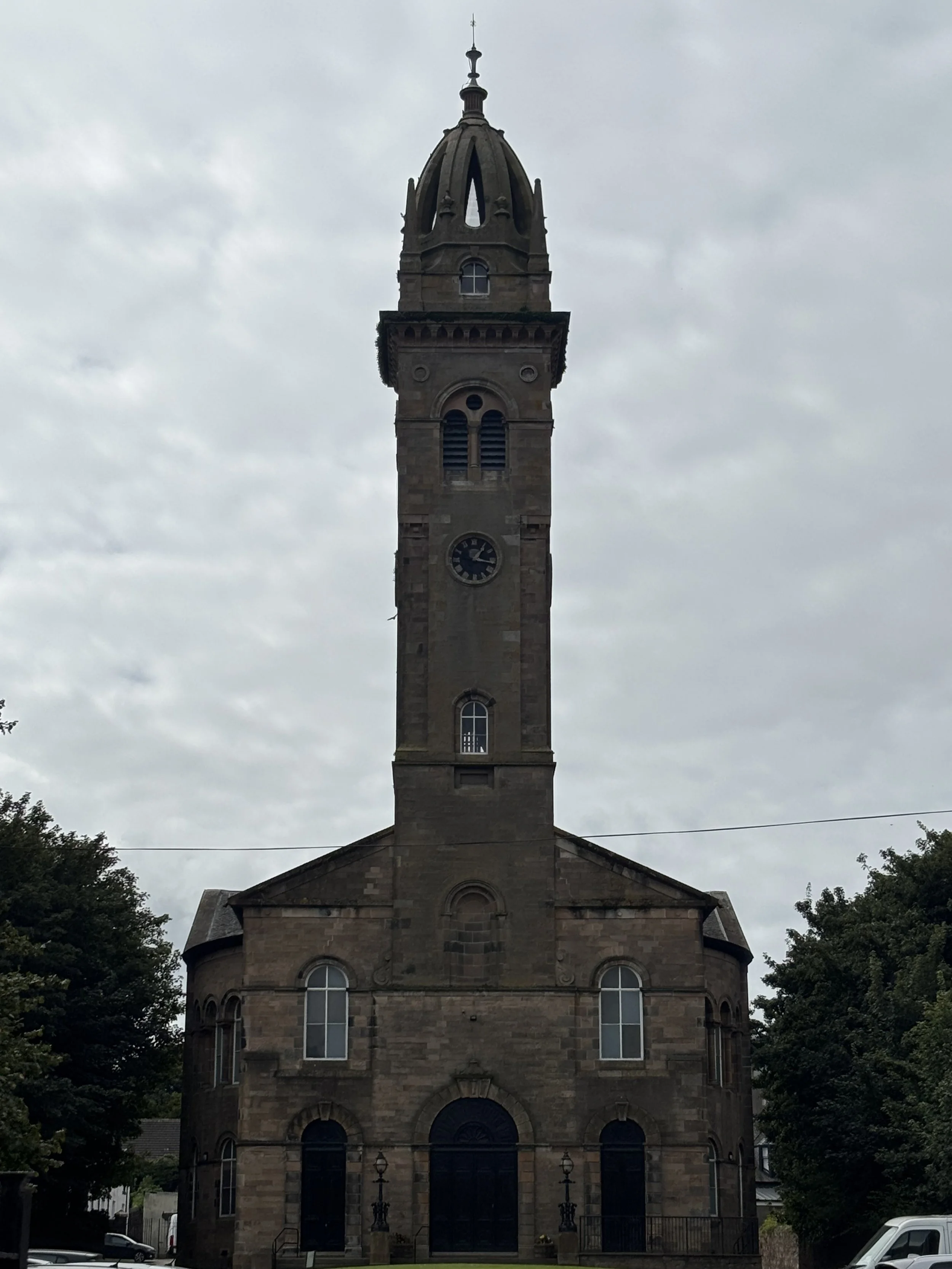
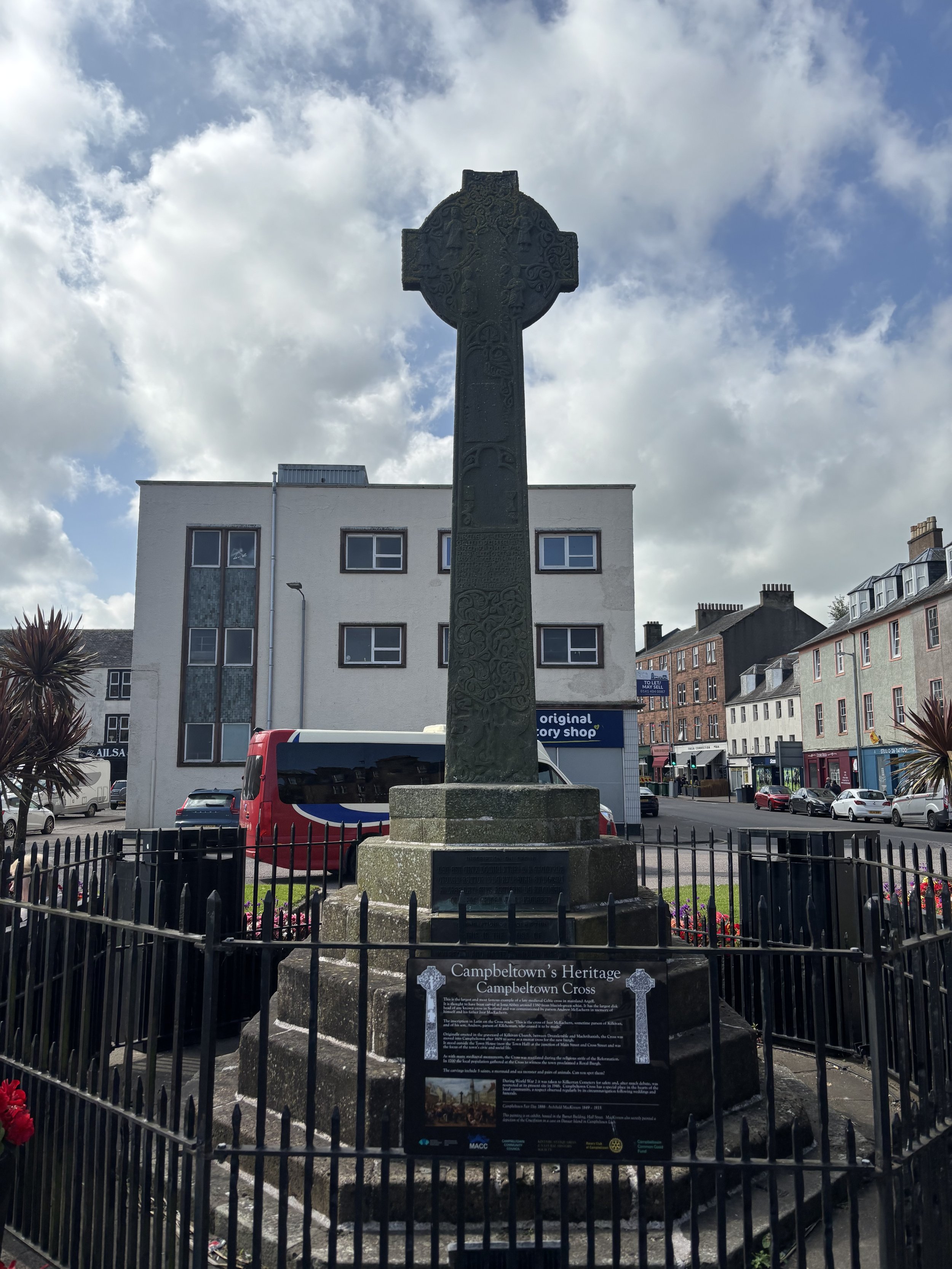
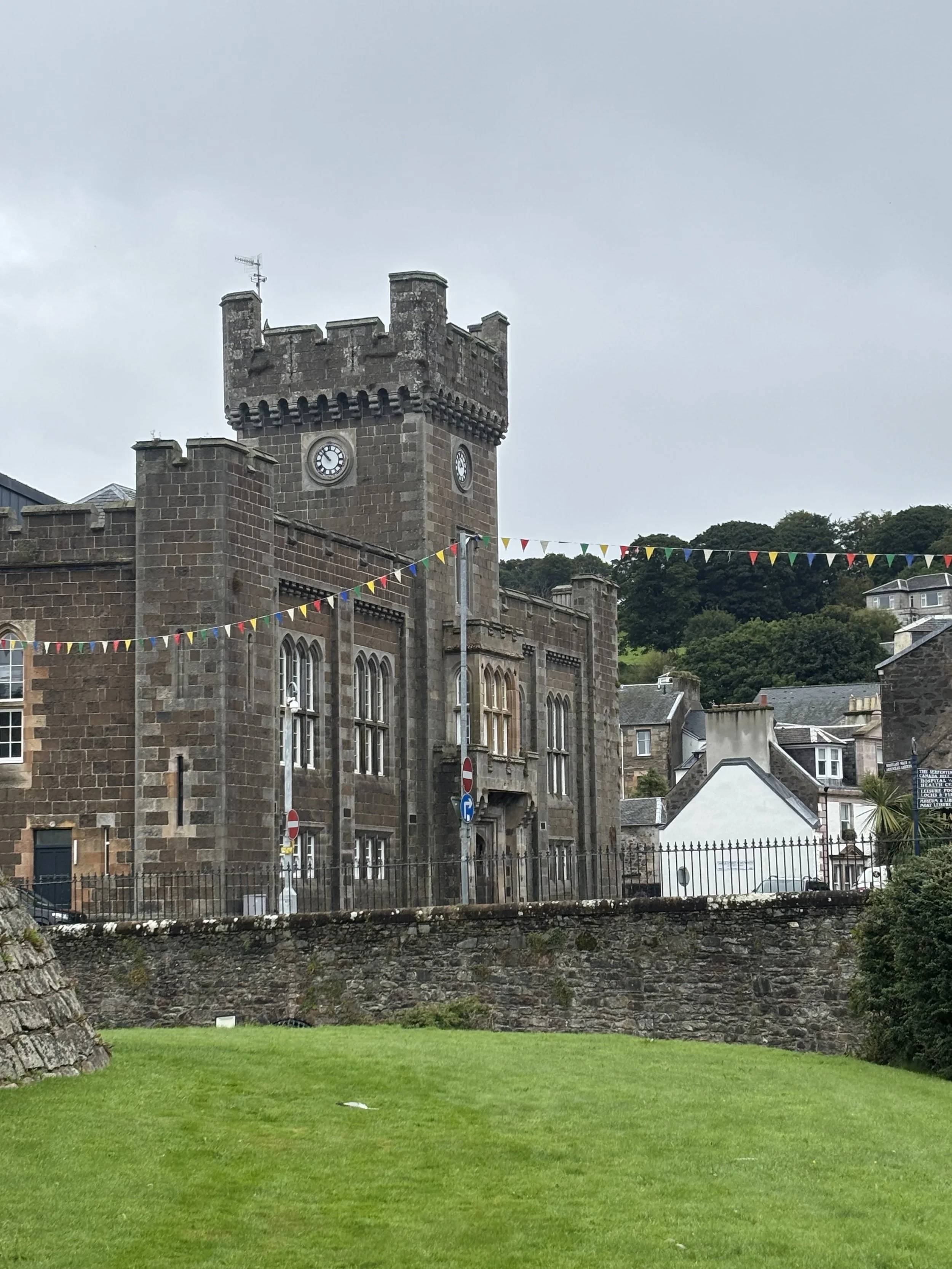
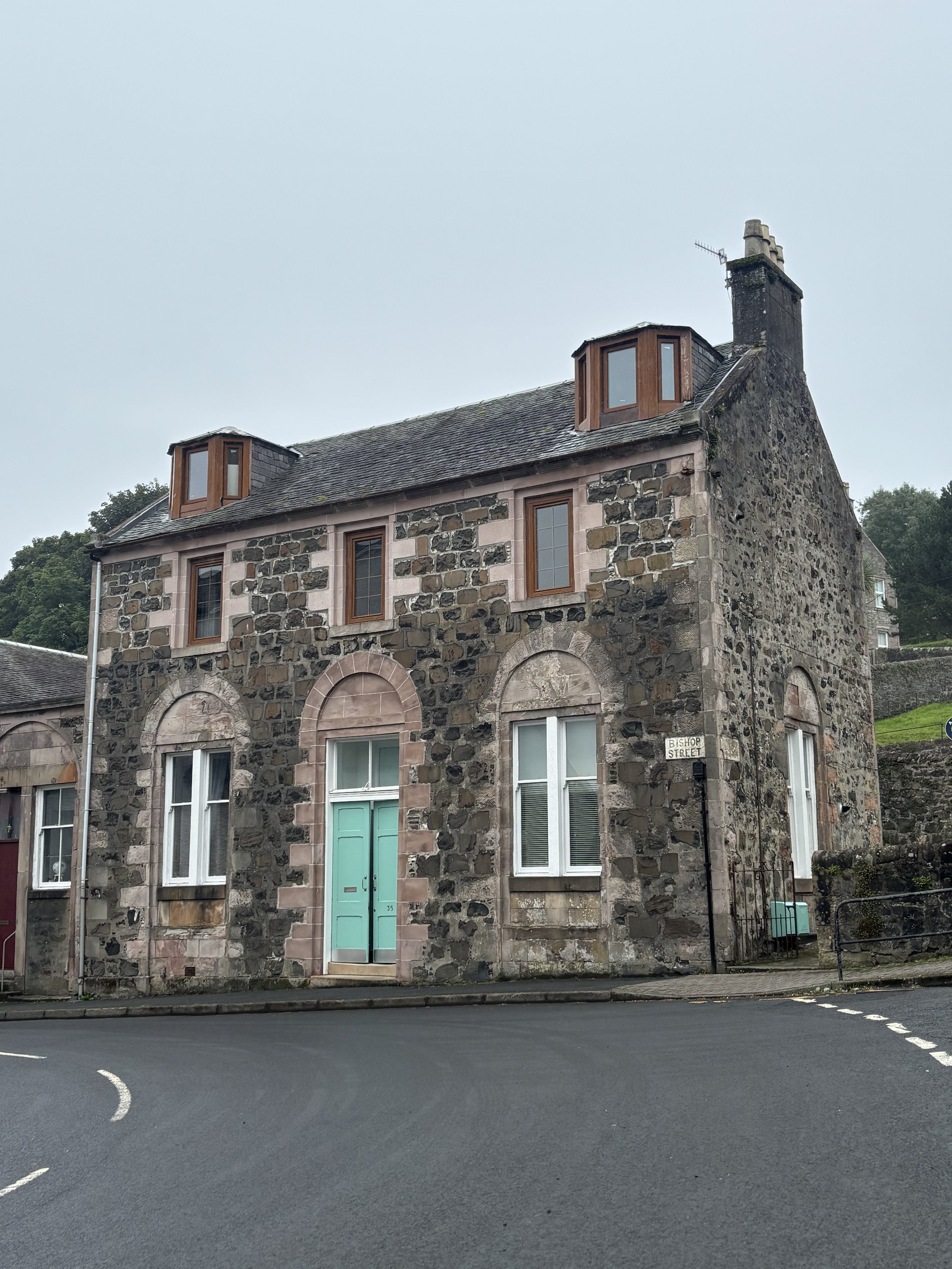
The town was precious. We had fun exploring—not just a new town but a whole new country. I particularly love all of the unique architectural details. At the center of town is the Campbeltown Cross—the largest and most famous example of a late medieval Celtic cross in mainland Argyll.
It’s thought that the cross was carved at Iona Abbey around 1380 from bluish green schist. According to the plaque placed below the cross, it has the largest disk head of any known cross in Scotland. It stood outside the Town House (now the Town Hall) at the junction of Main Street and Cross Street and was the focus of the town's civic and social life. The Cross was mutilated during the religious strife of the Reformation. During World War 2 it was taken to Kilkerran Cemetery for safety and, after much debate, was re-erected at its present site in 1946.
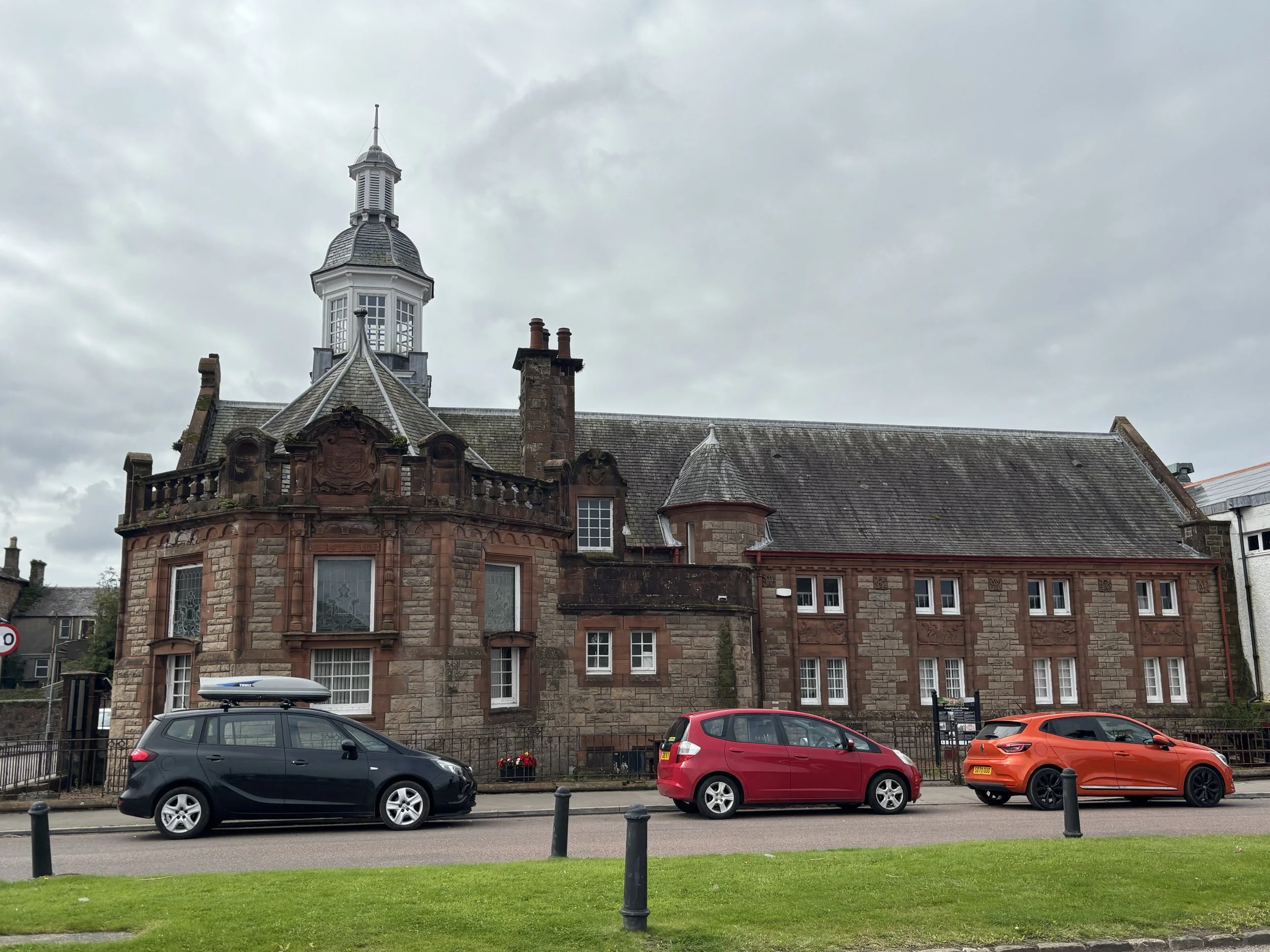
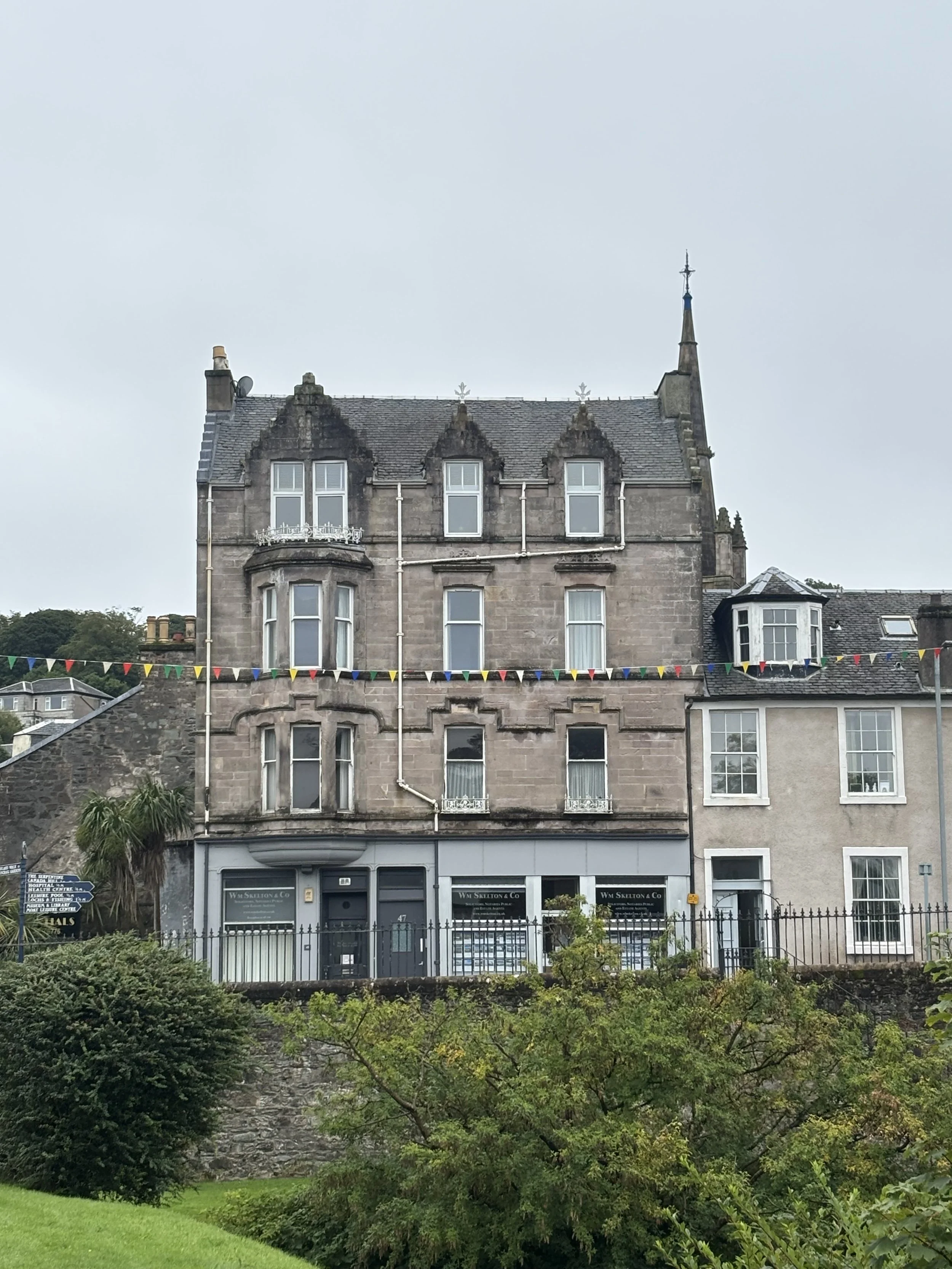
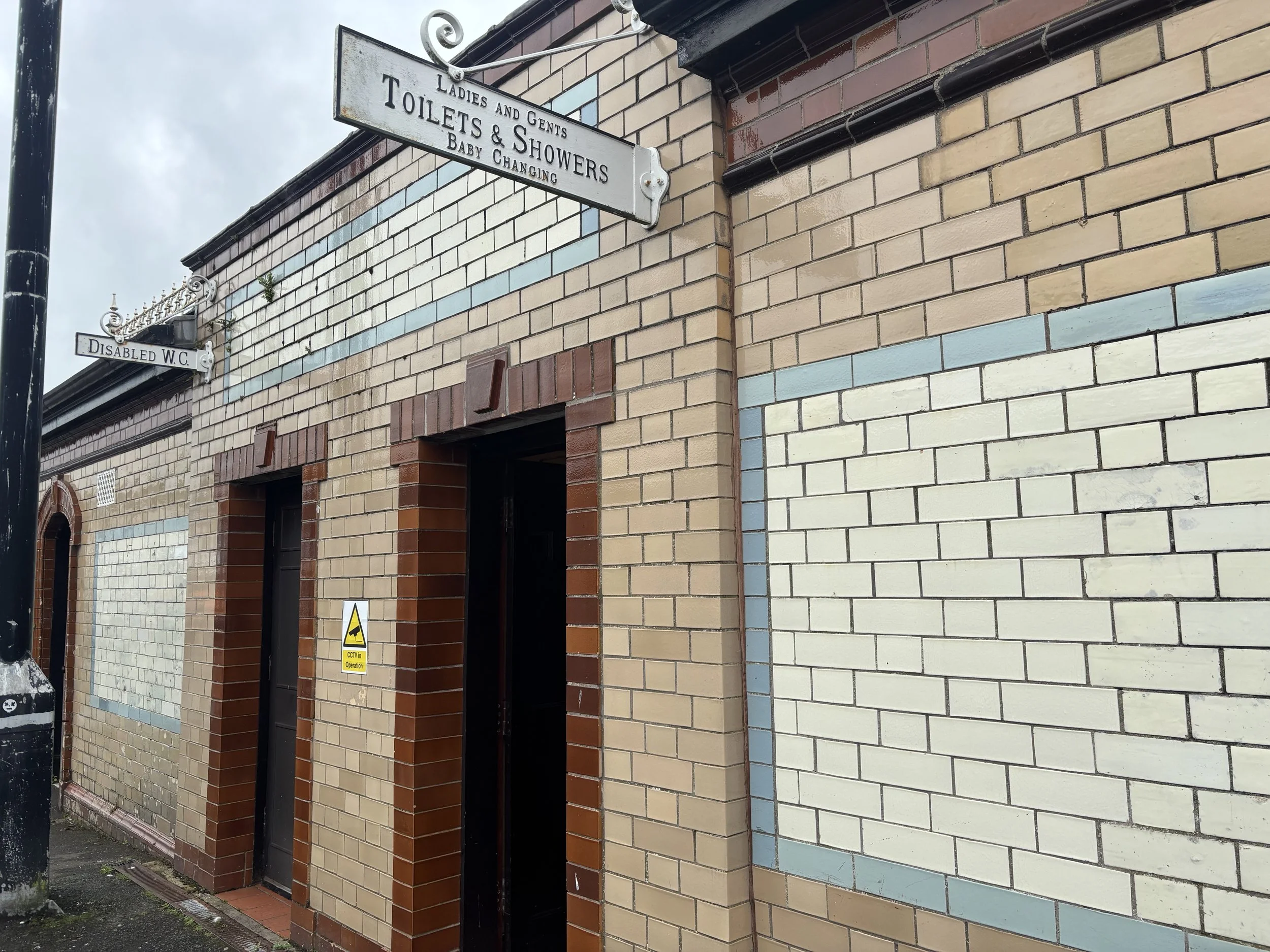
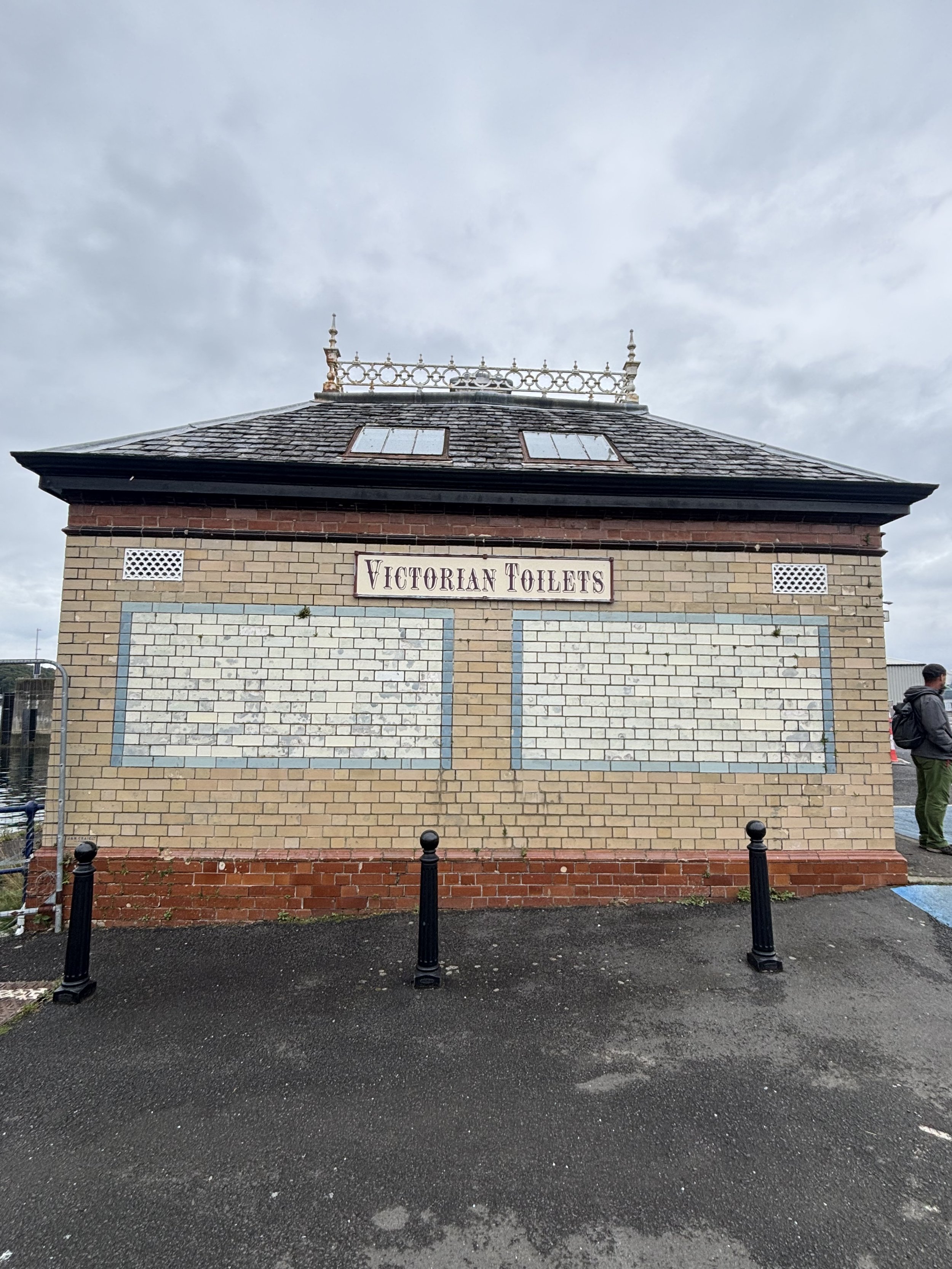
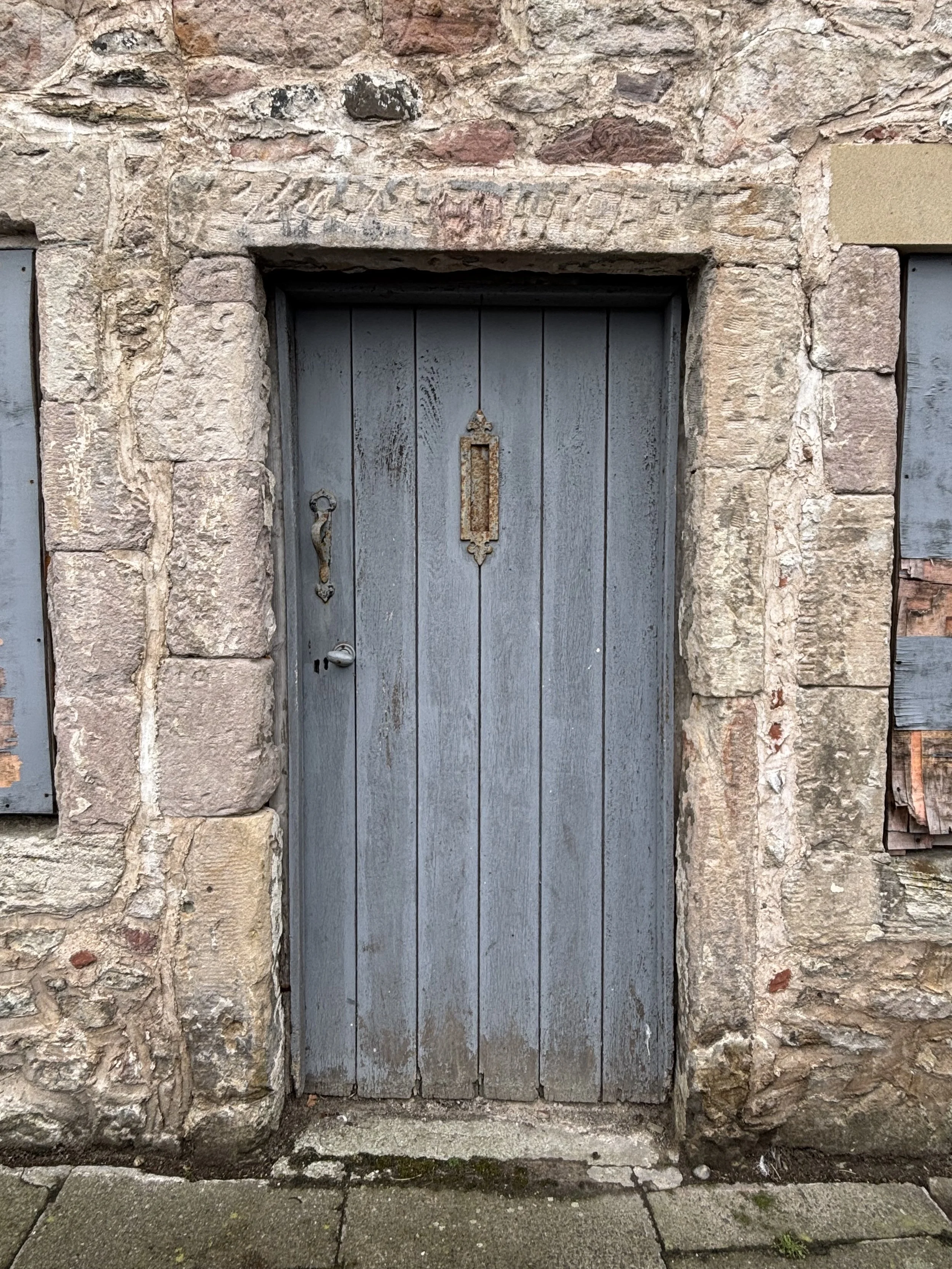
Unique architectural details
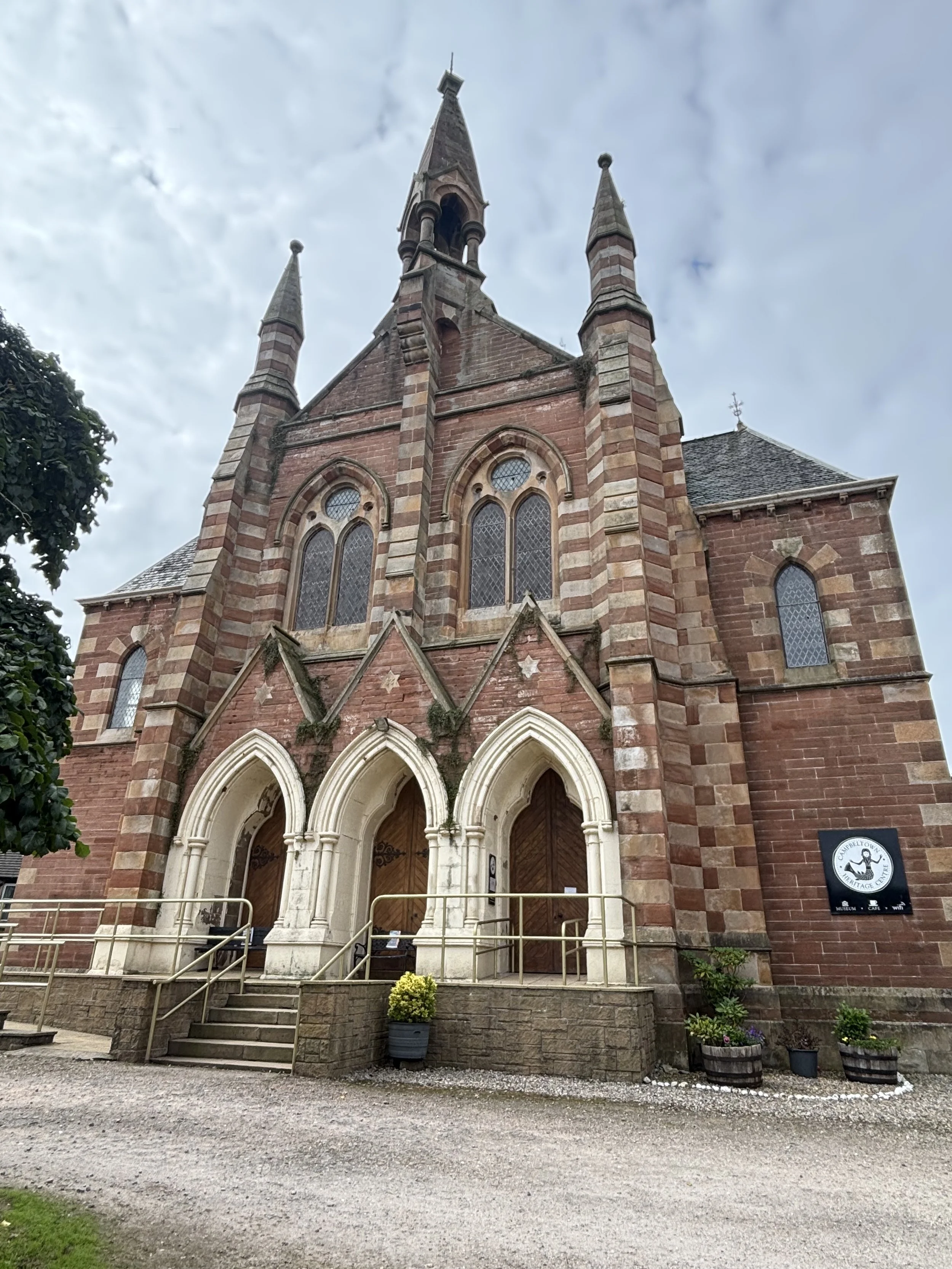
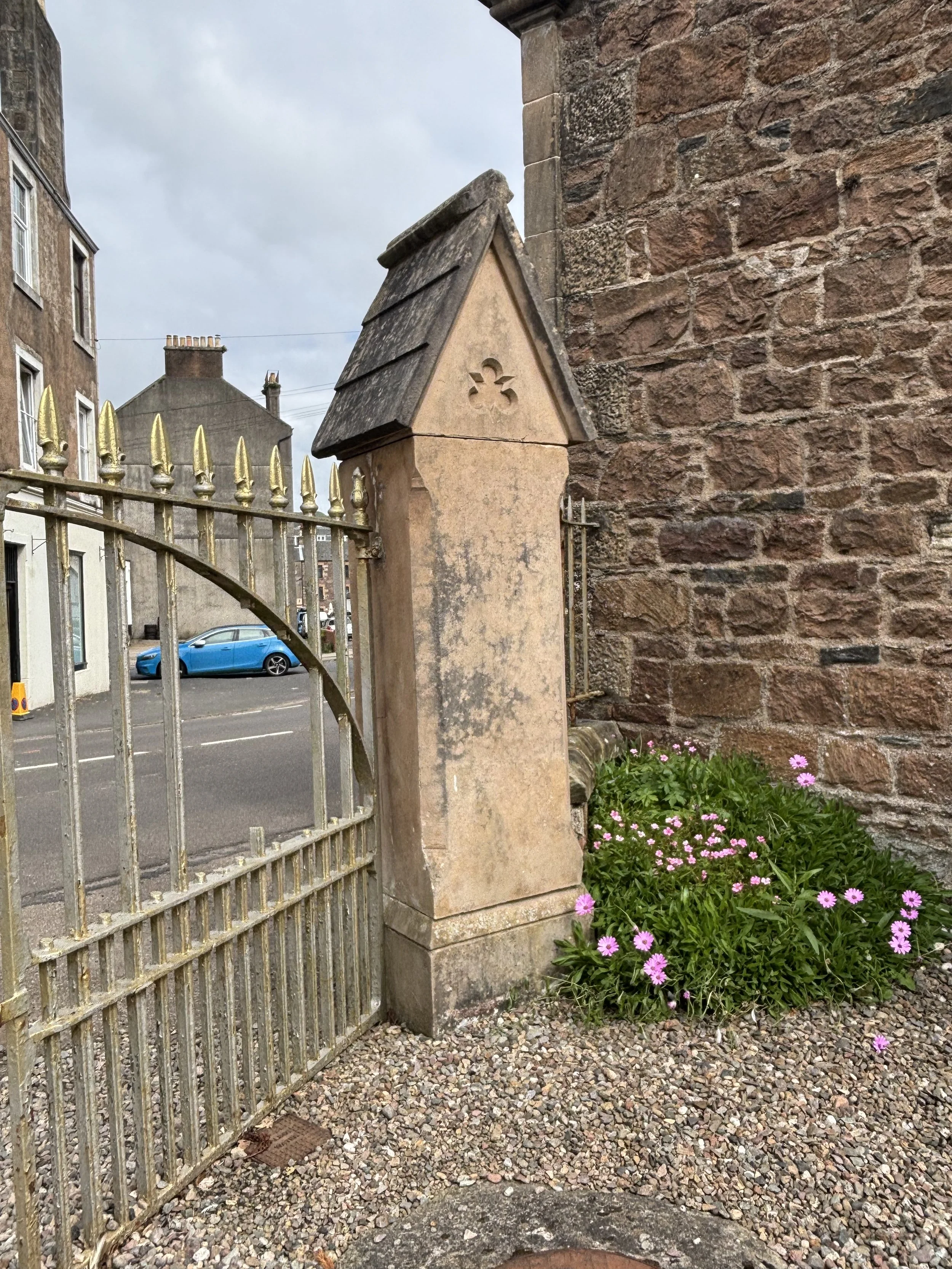
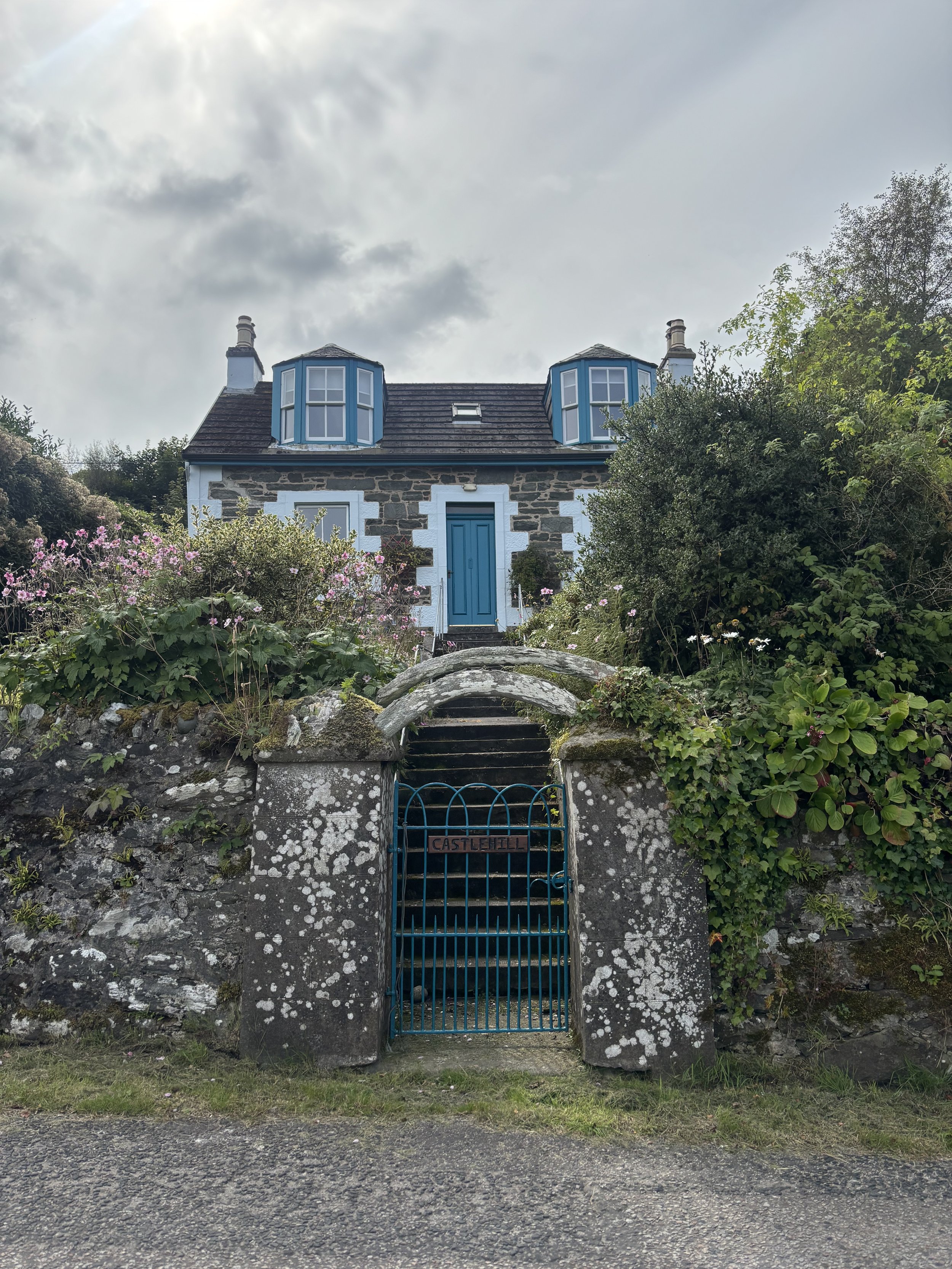
More architectural details
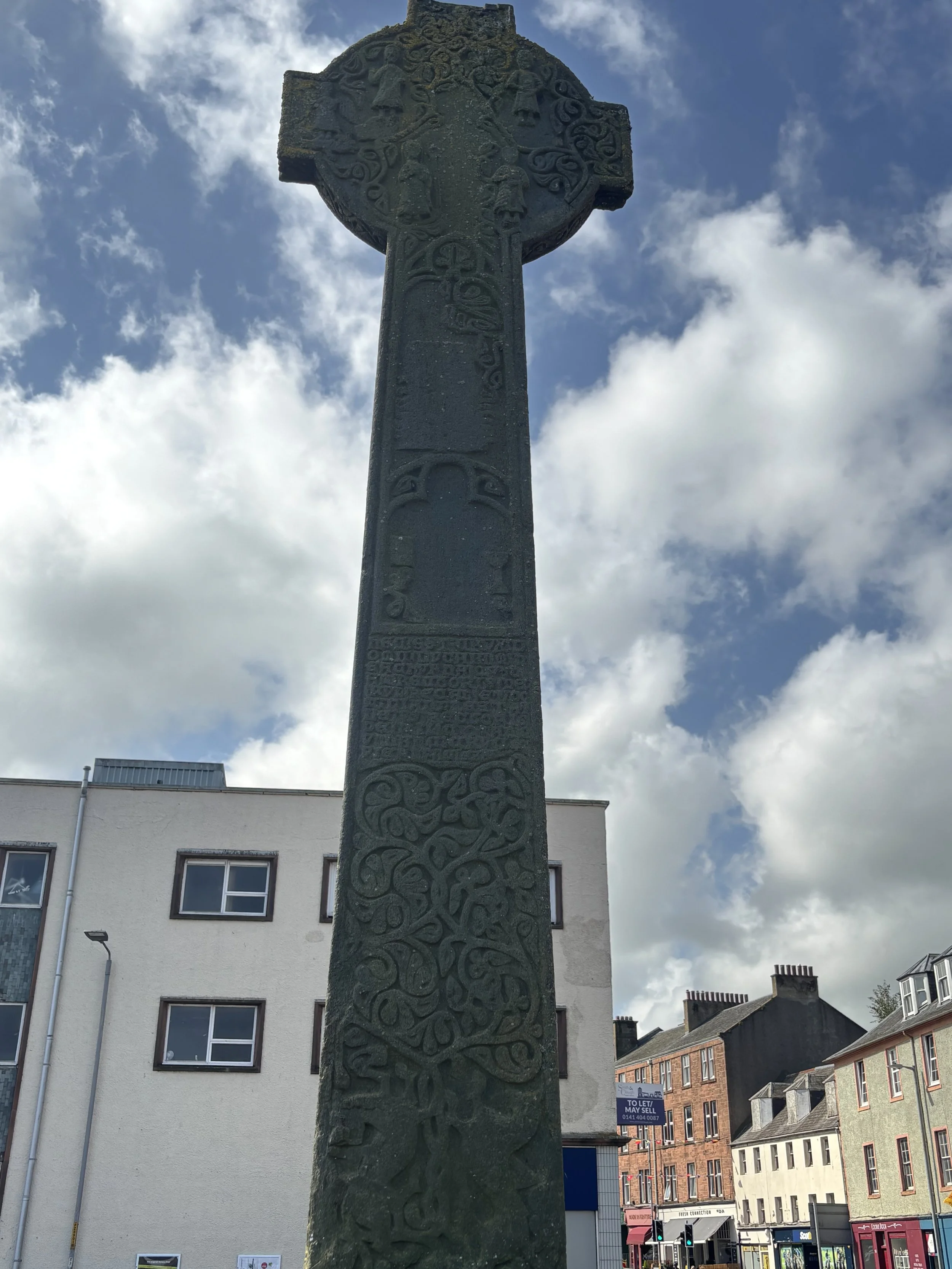
Campbeltown Cross
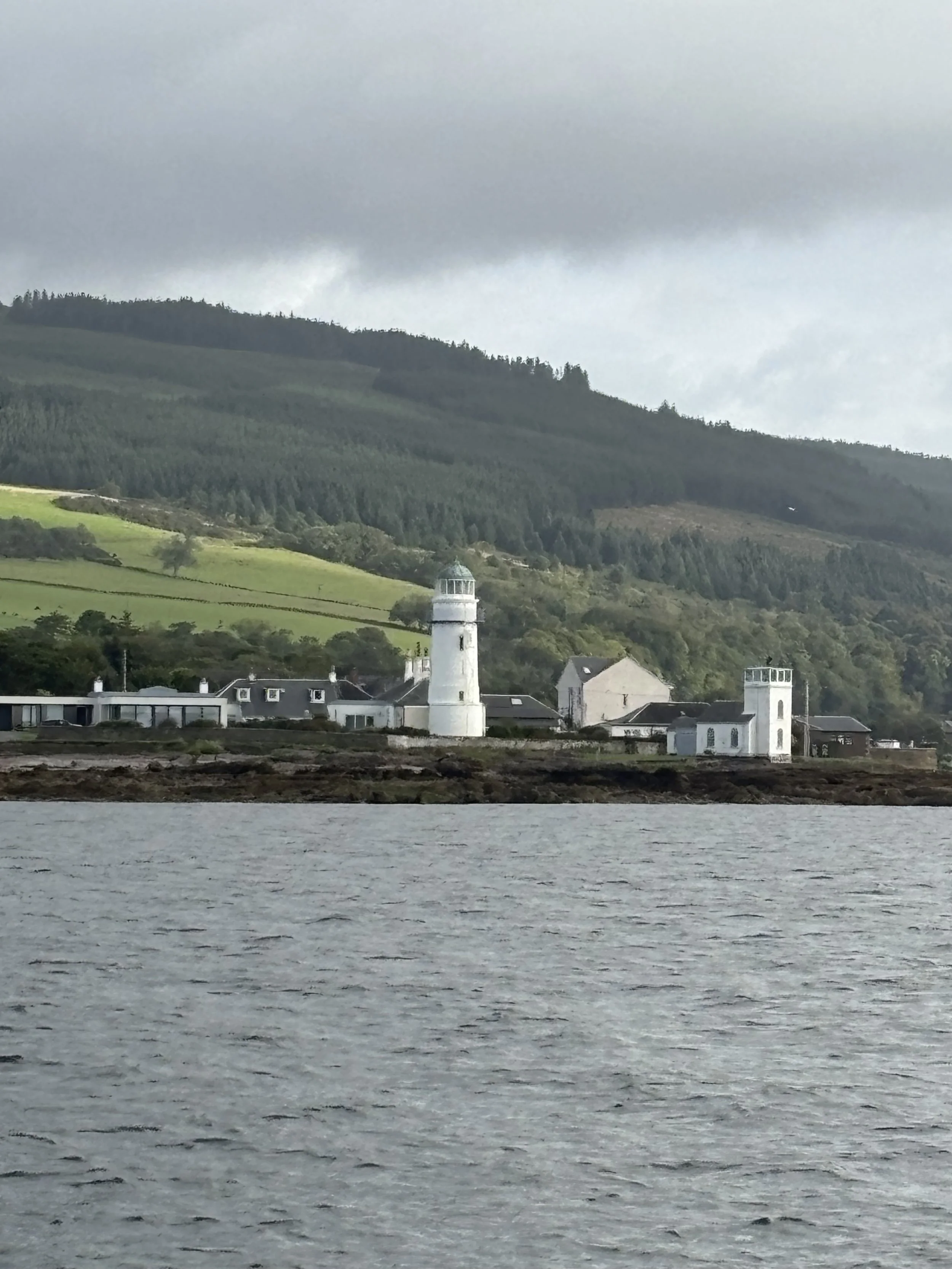
Campbeltown had a couple of interesting sites to explore, but once again we had to time our exploration based on the tide in order to walk across the exposed sandbar to Davaar Island—a mostly uninhabited tidal island. The island houses mainly livestock, a lighthouse, and a couple of wee (a common Scottish word) seaside cottages. That’s it. When the tide rises, it is completely cut off from the mainland. So once the tide had gone down, we were on the clock. We had about 6 hours to walk there, explore, and walk back before we got stuck.
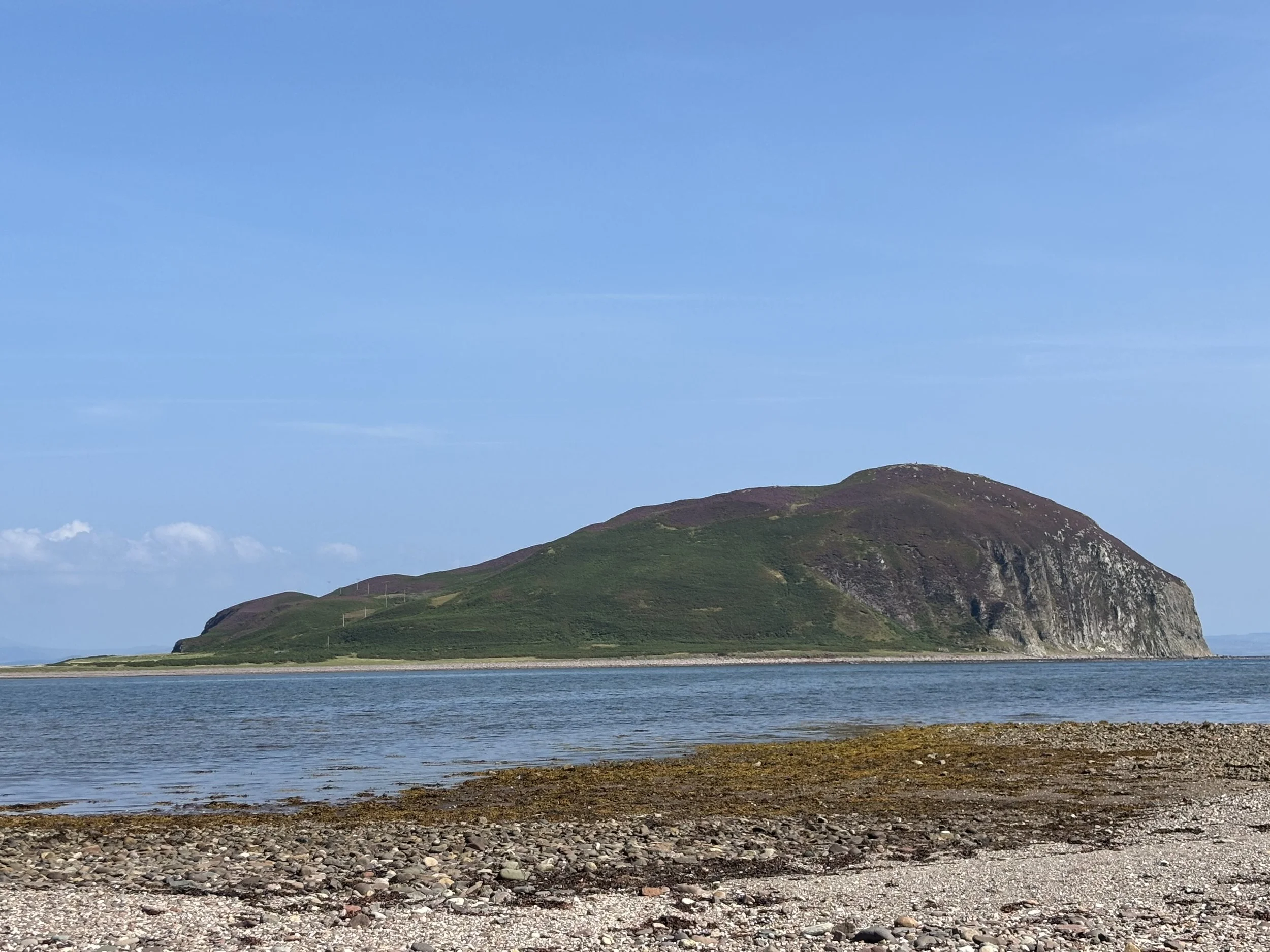
Davaar Island
The first sight on our agenda was a large cave painting of Christ on the cross, dating back to 1887. On the walk there, we passed a few highland cows grazing. I was so excited! I had just told Ken I couldn’t wait to see some, but I wasn’t expecting to see them so soon. Bless this poor cow. I kept staring and trying to take pictures of it. All it wanted to do was eat. All I wanted was for it to look up at me so I could get one good photo. And all Ken wanted was for me to hurry up so we could keep walking.
After finally securing the perfect photo, we continued on to the cave. And, wow! It was really beautiful. I had already seen a picture of it online, so I sort of knew what it would look like, but I was still amazed. It was about 50 feet back into the cave and almost life-sized. The story surrounding its painting is fascinating. It didn’t go over so well with the locals once they found out who painted it. It created quite the kerfuffle. You can read more about that here. The painting has been vandalized a few times over the years. Thankfully, local artists have restored and maintained it throughout the years.
Next on the agenda was continuing around the other side of the island to the lighthouse. We decided not to backtrack and take the normal path there, but to walk the seaside rocks all the way around. It was a lovely walk, and the reward of seeing the lighthouse from the sea below was wonderful.
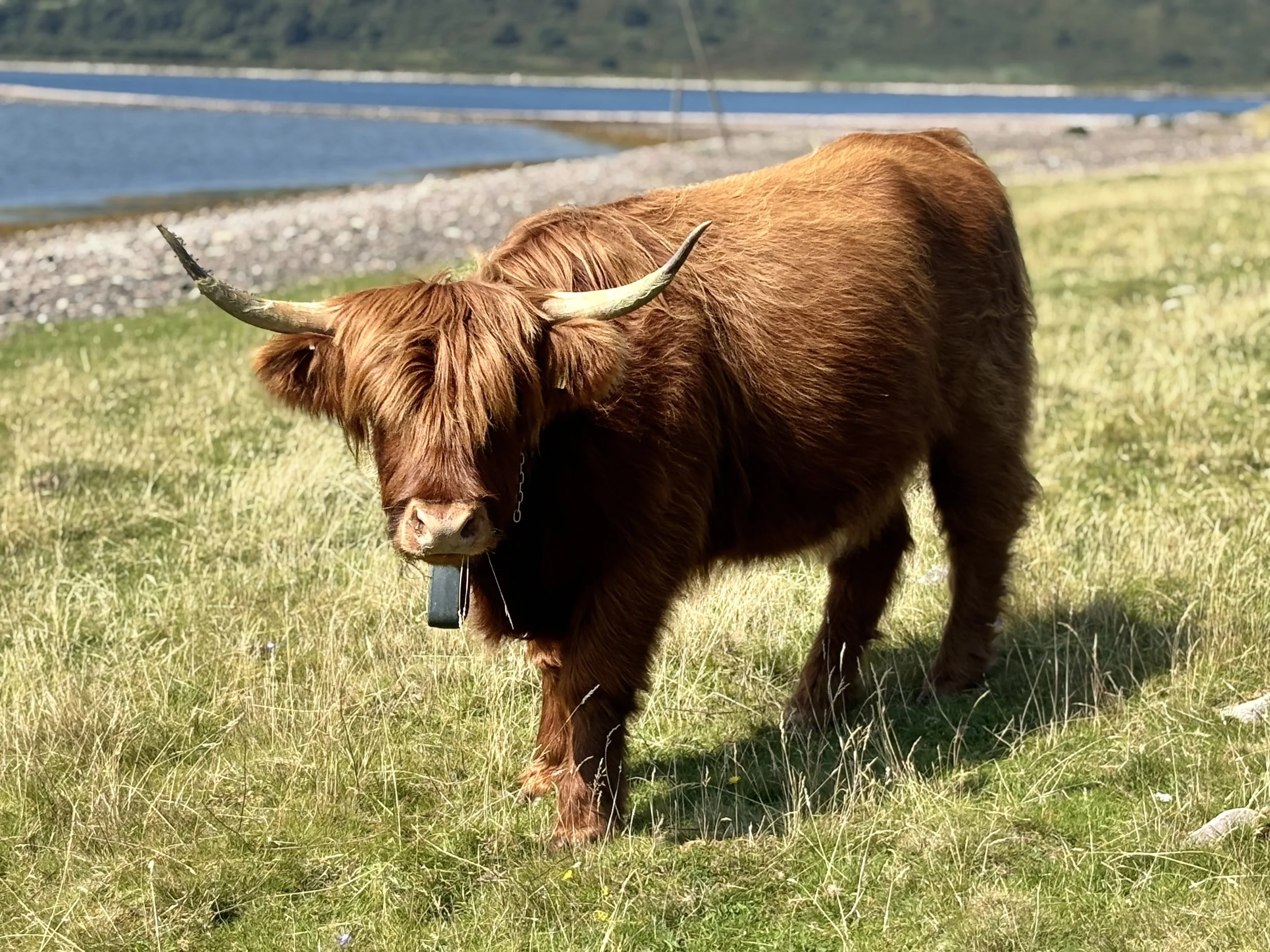
See a highland cow…Bucket list item checked off!
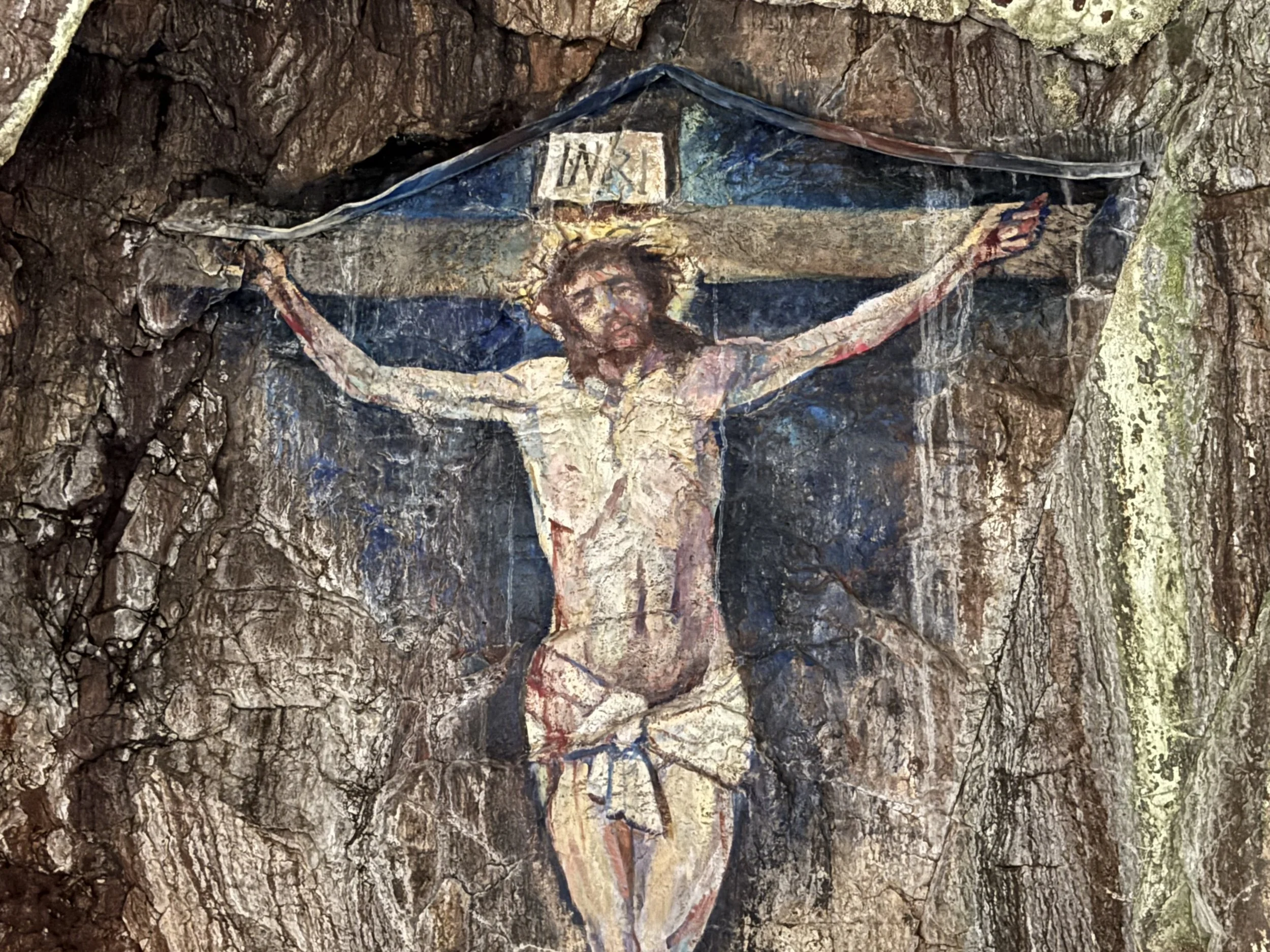
Cave painting on Davaar Island of Christ’s crucifixion
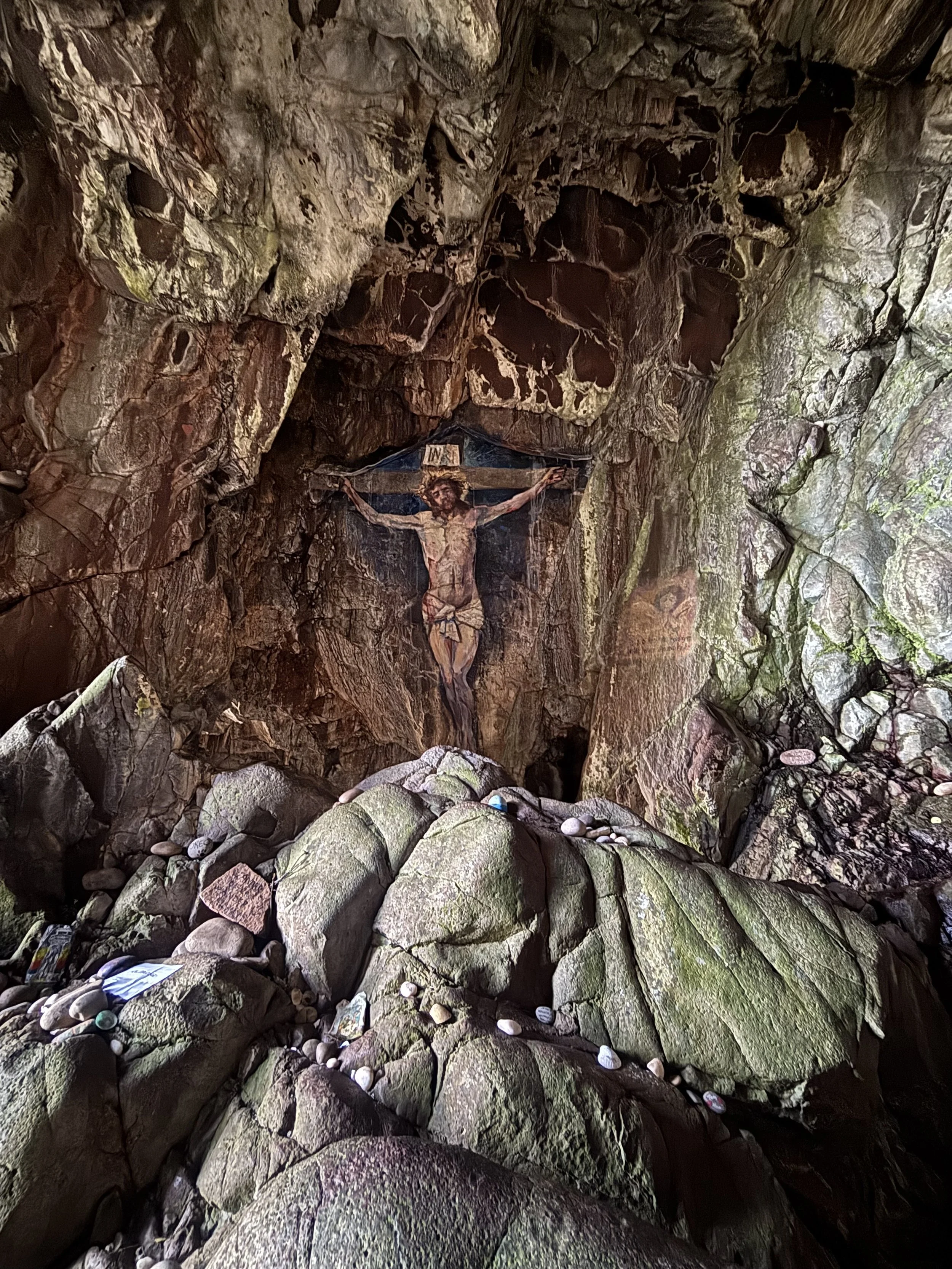
Painting surrounded by painted rocks and prayers
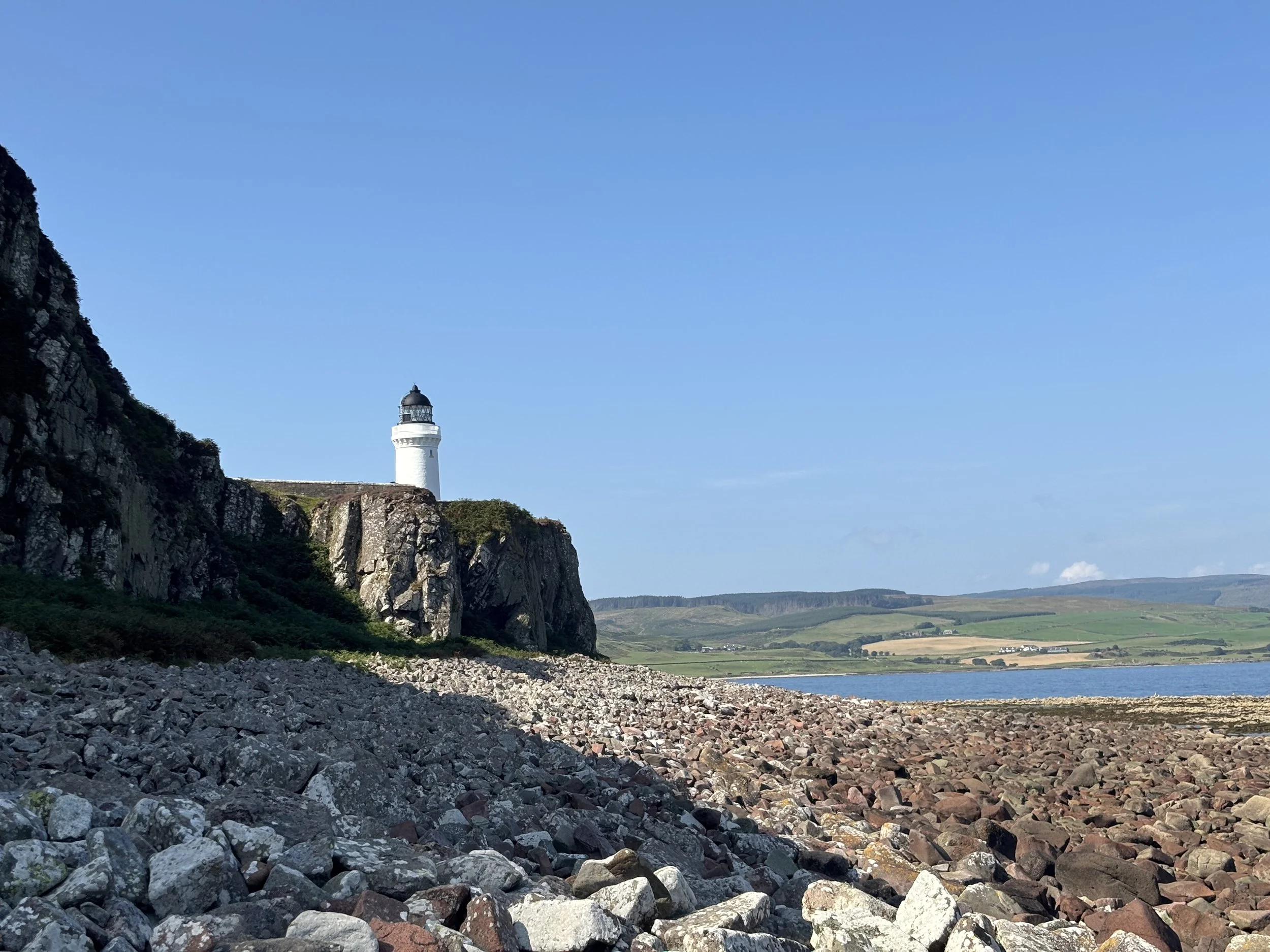
Lighthouse on Davaar Island
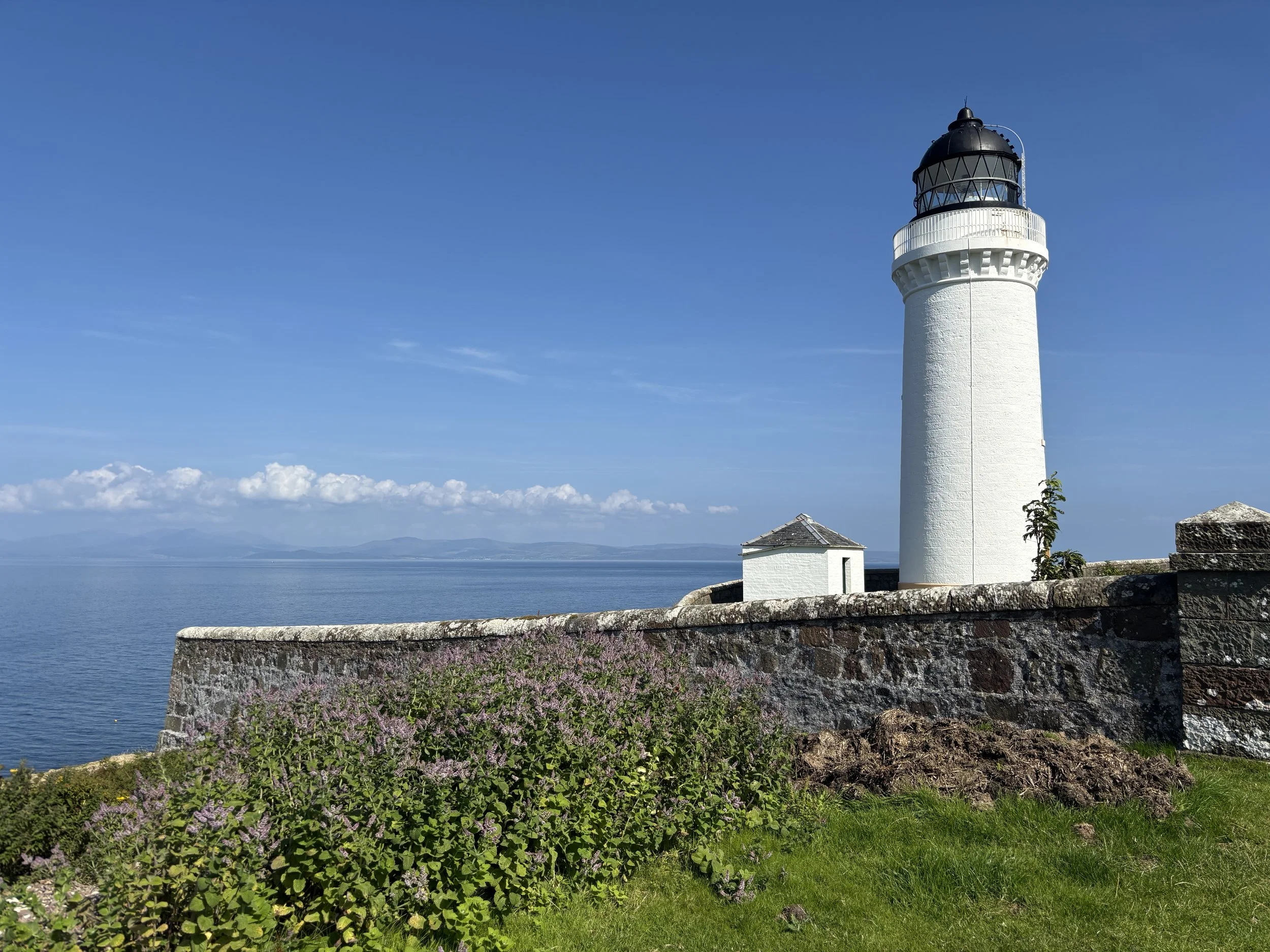
Another lighthouse pic
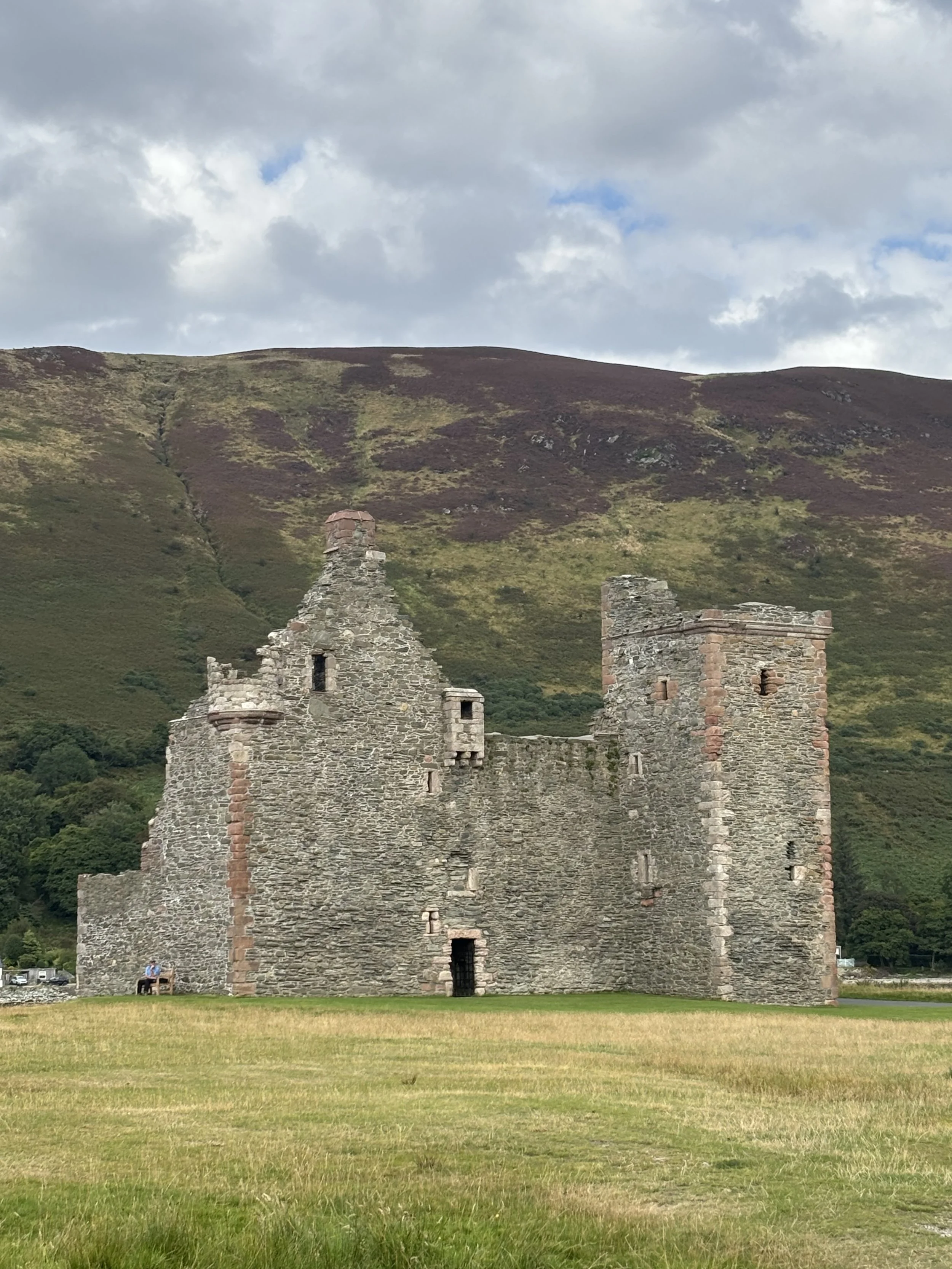
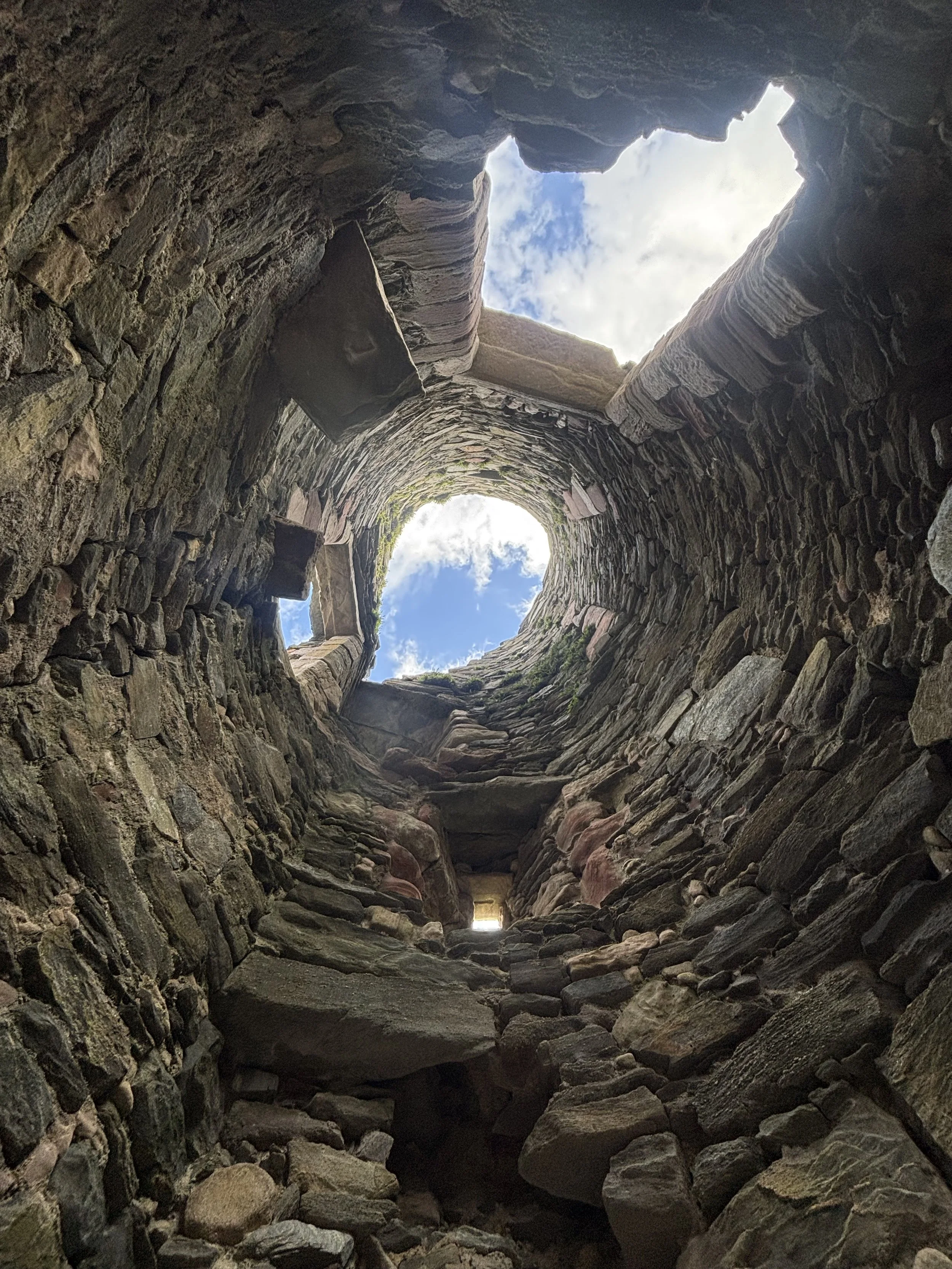
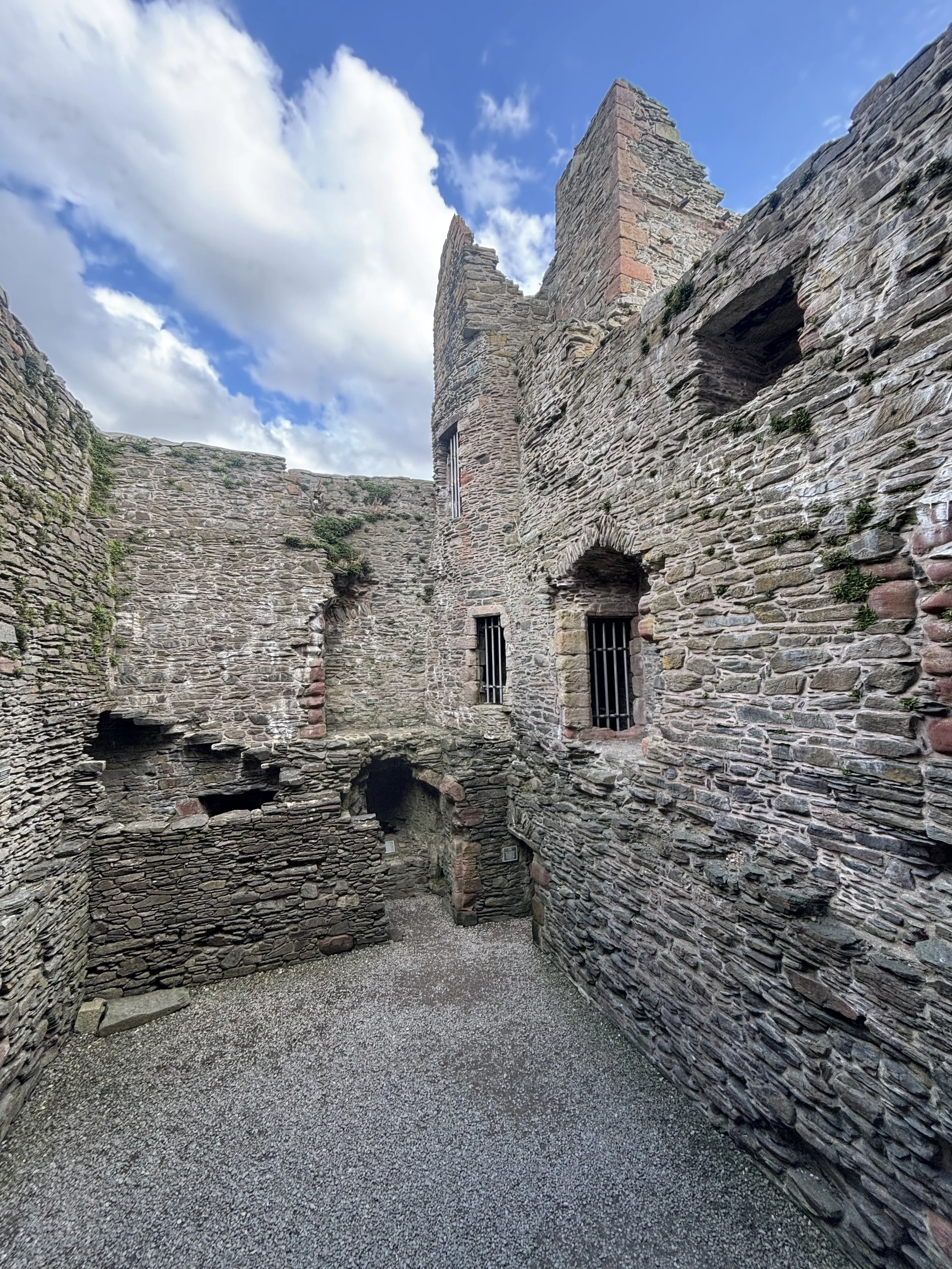
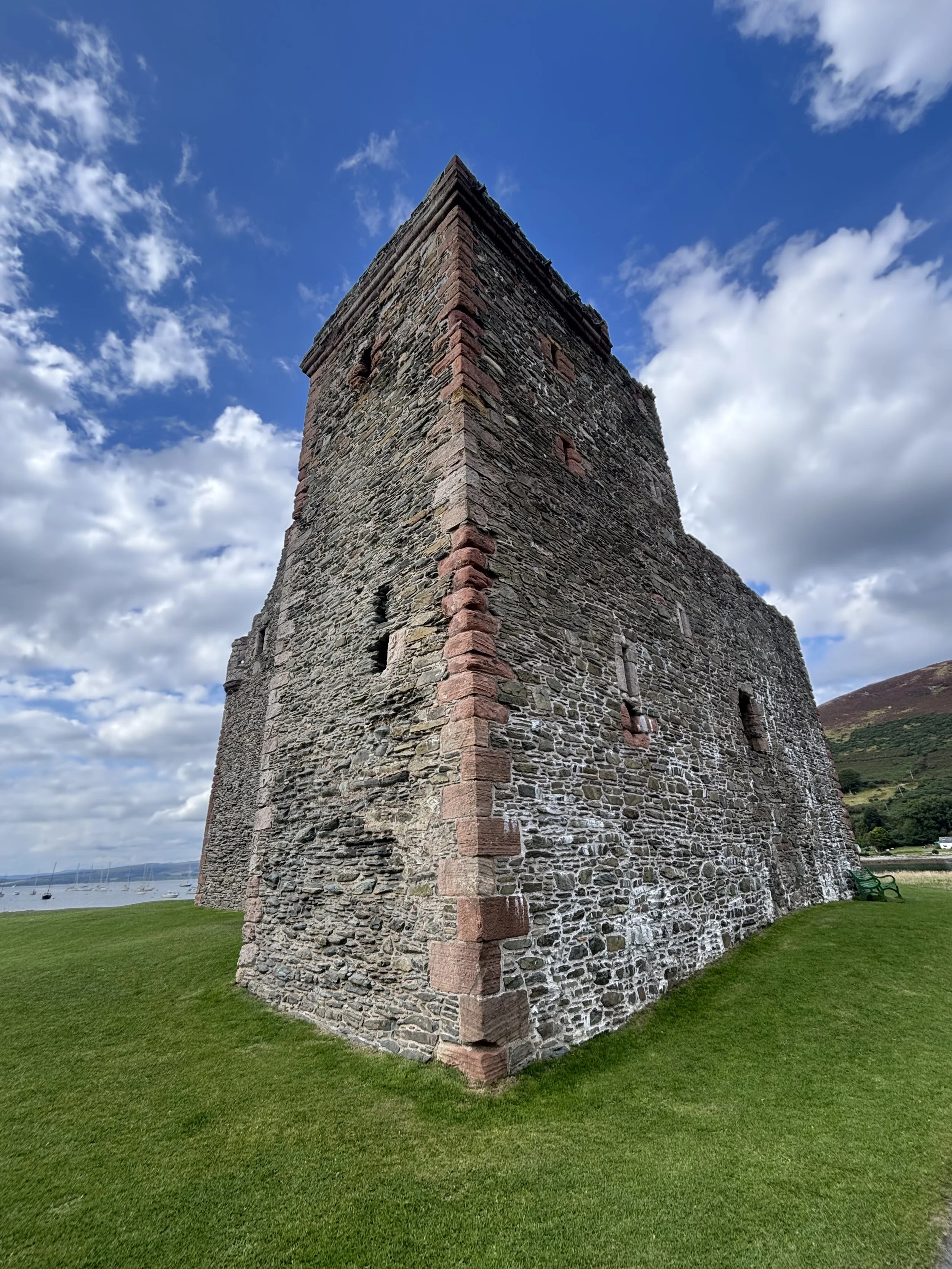
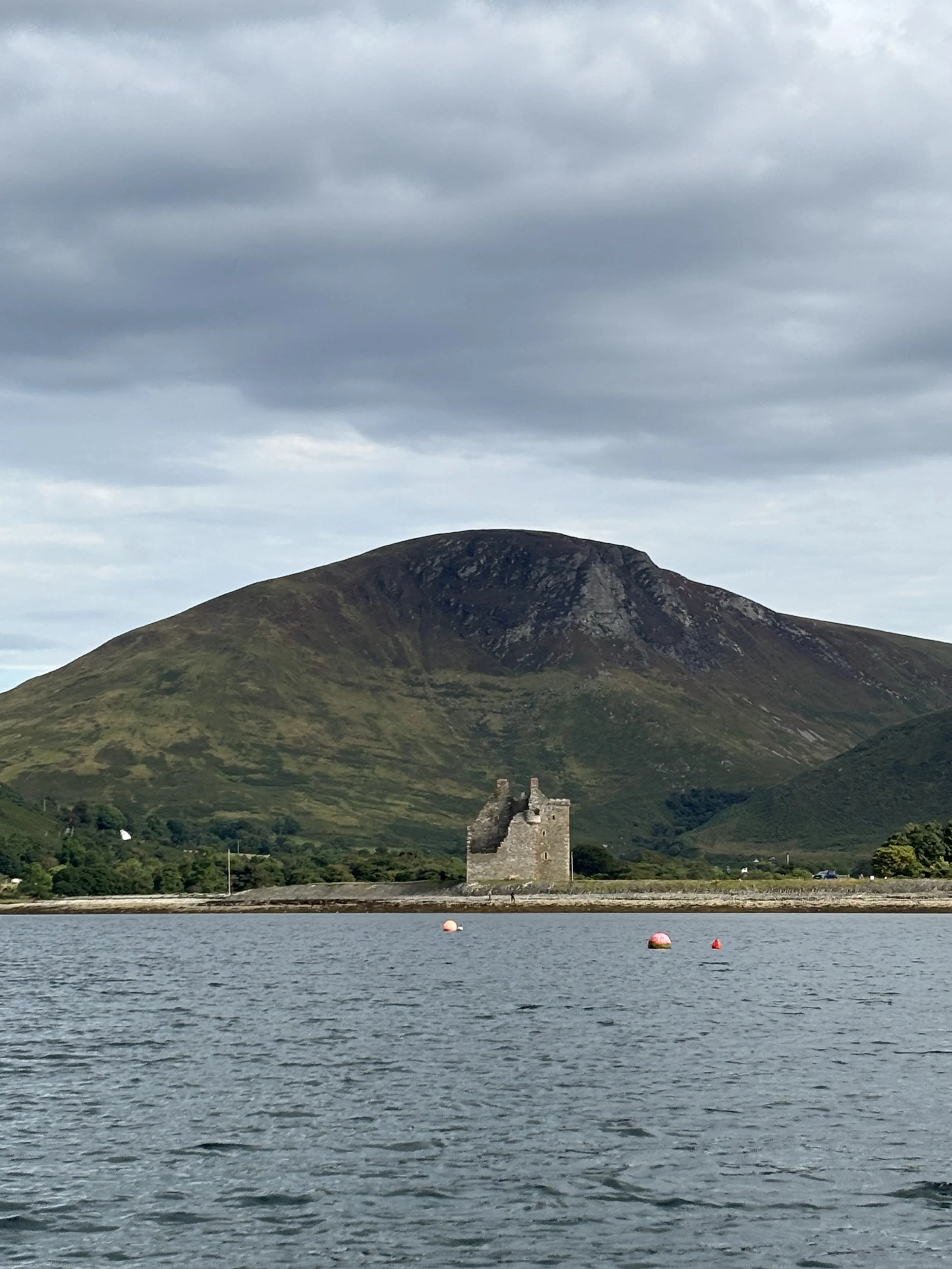
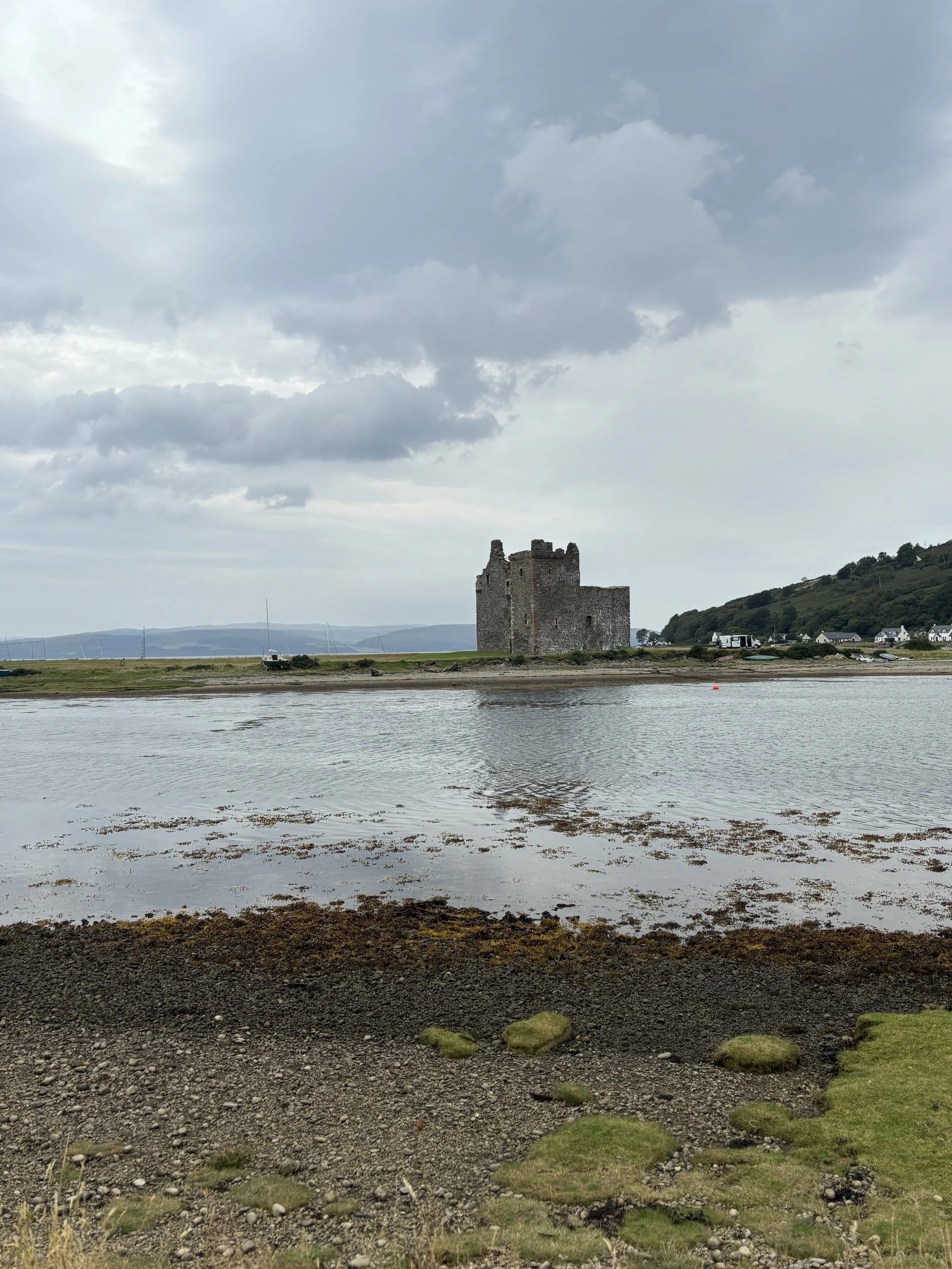
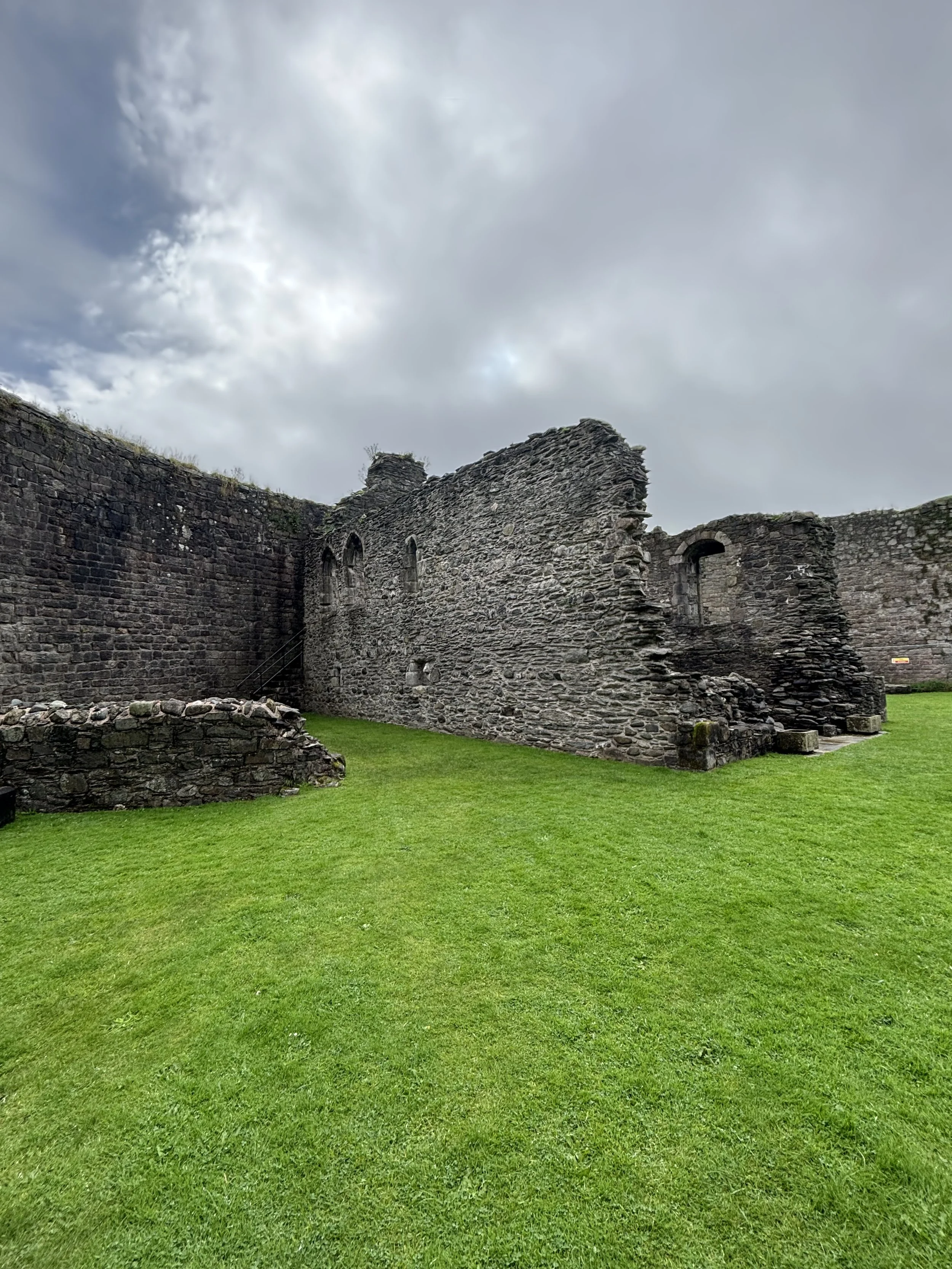
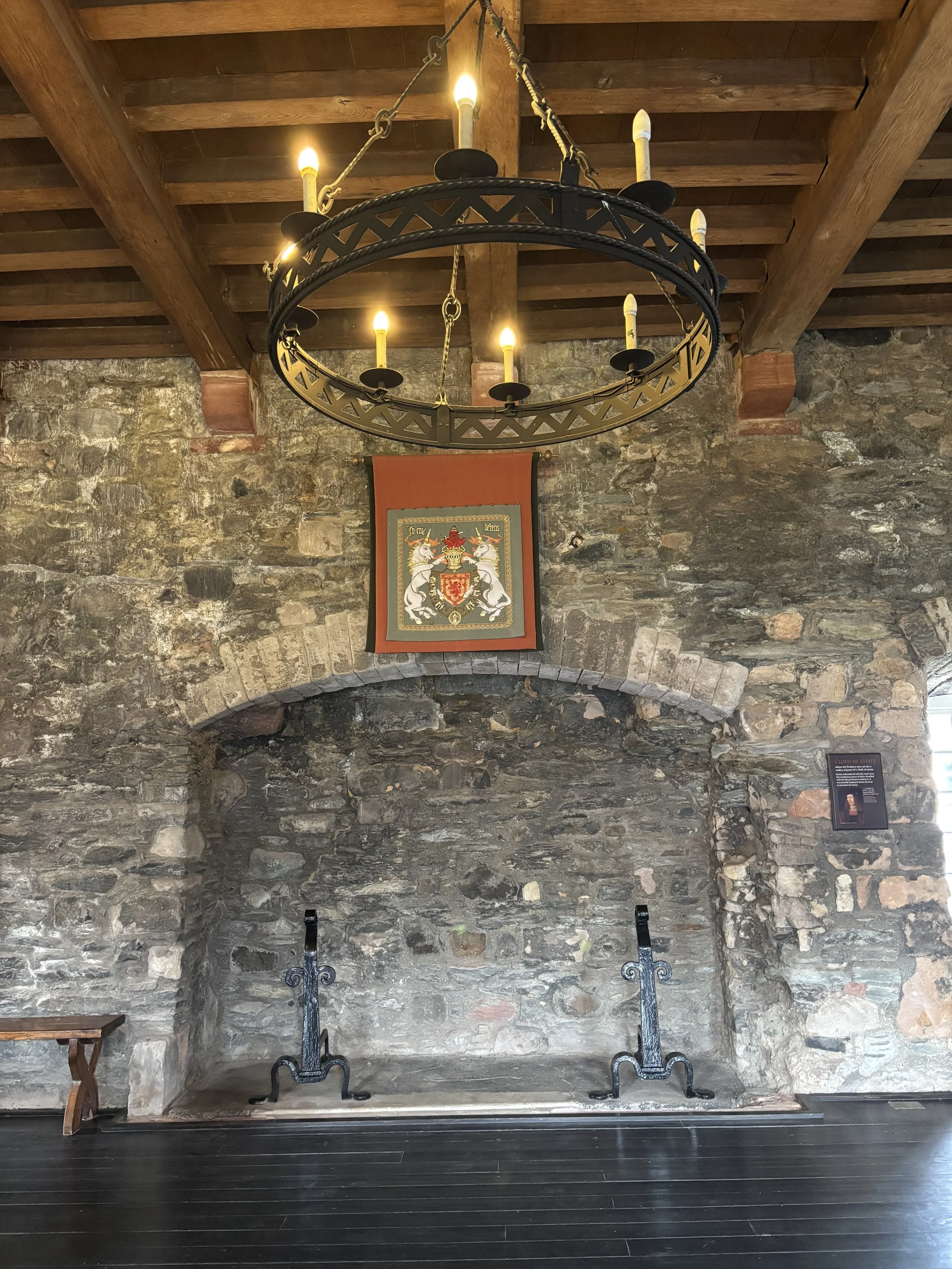
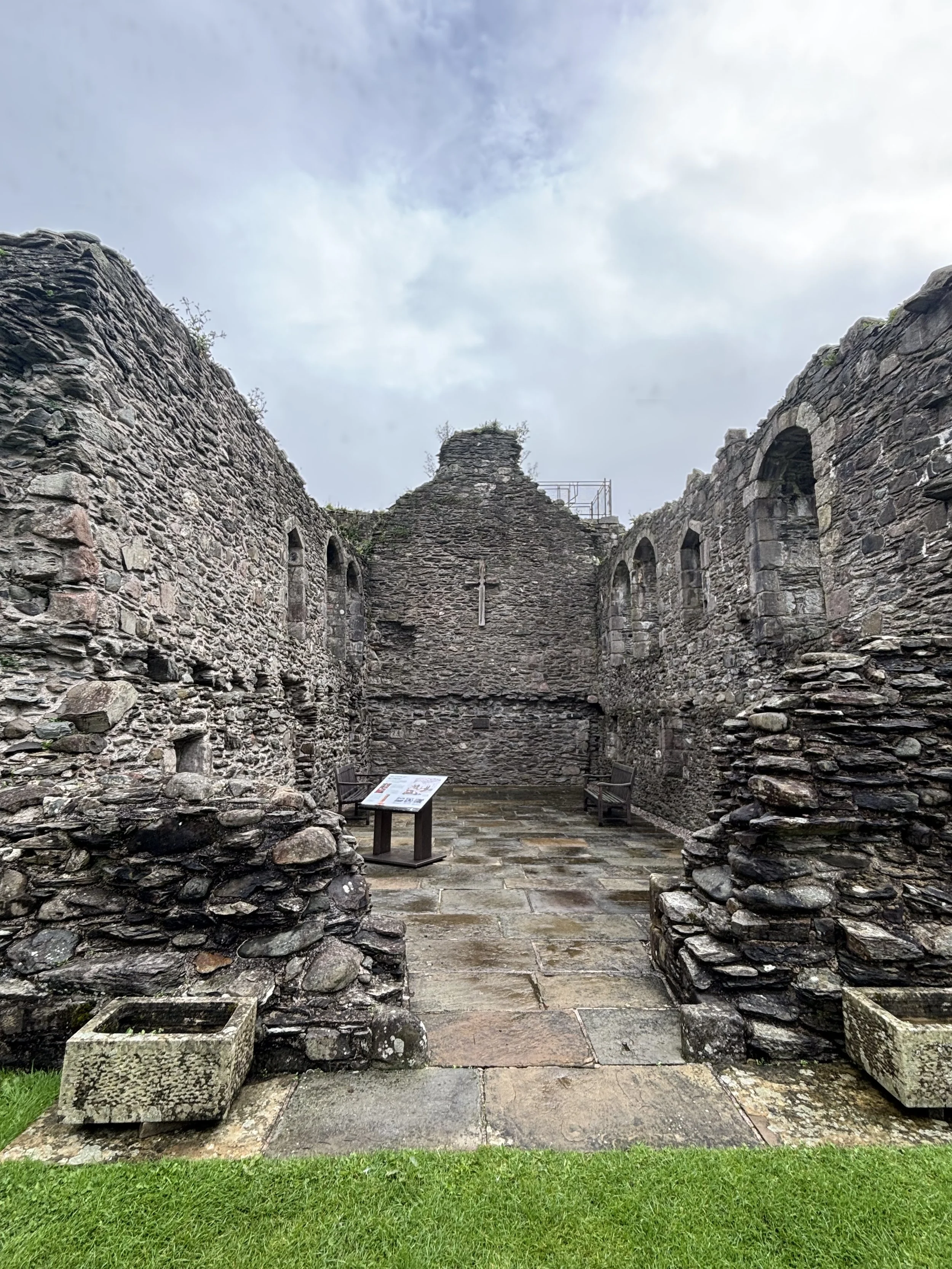
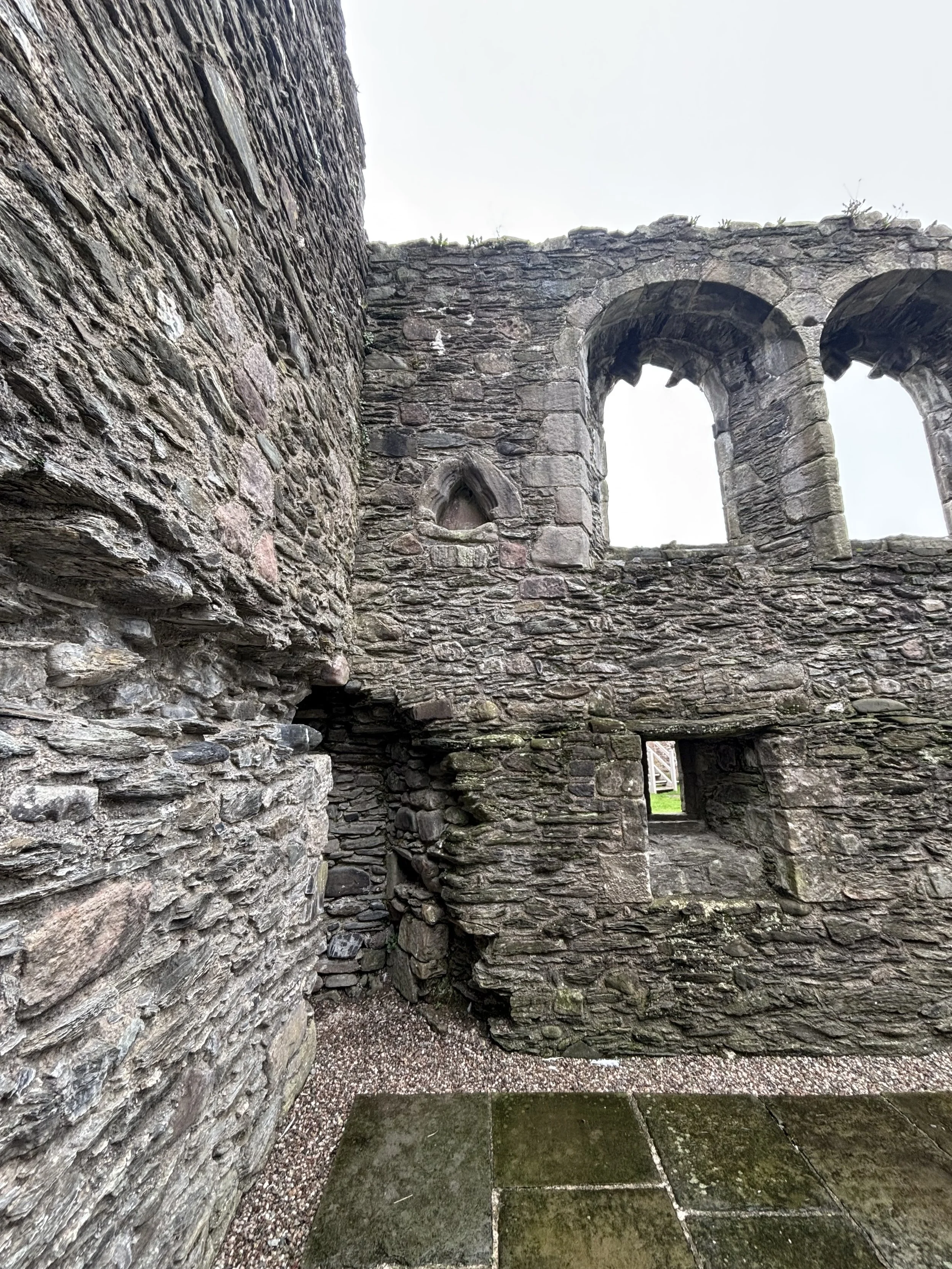
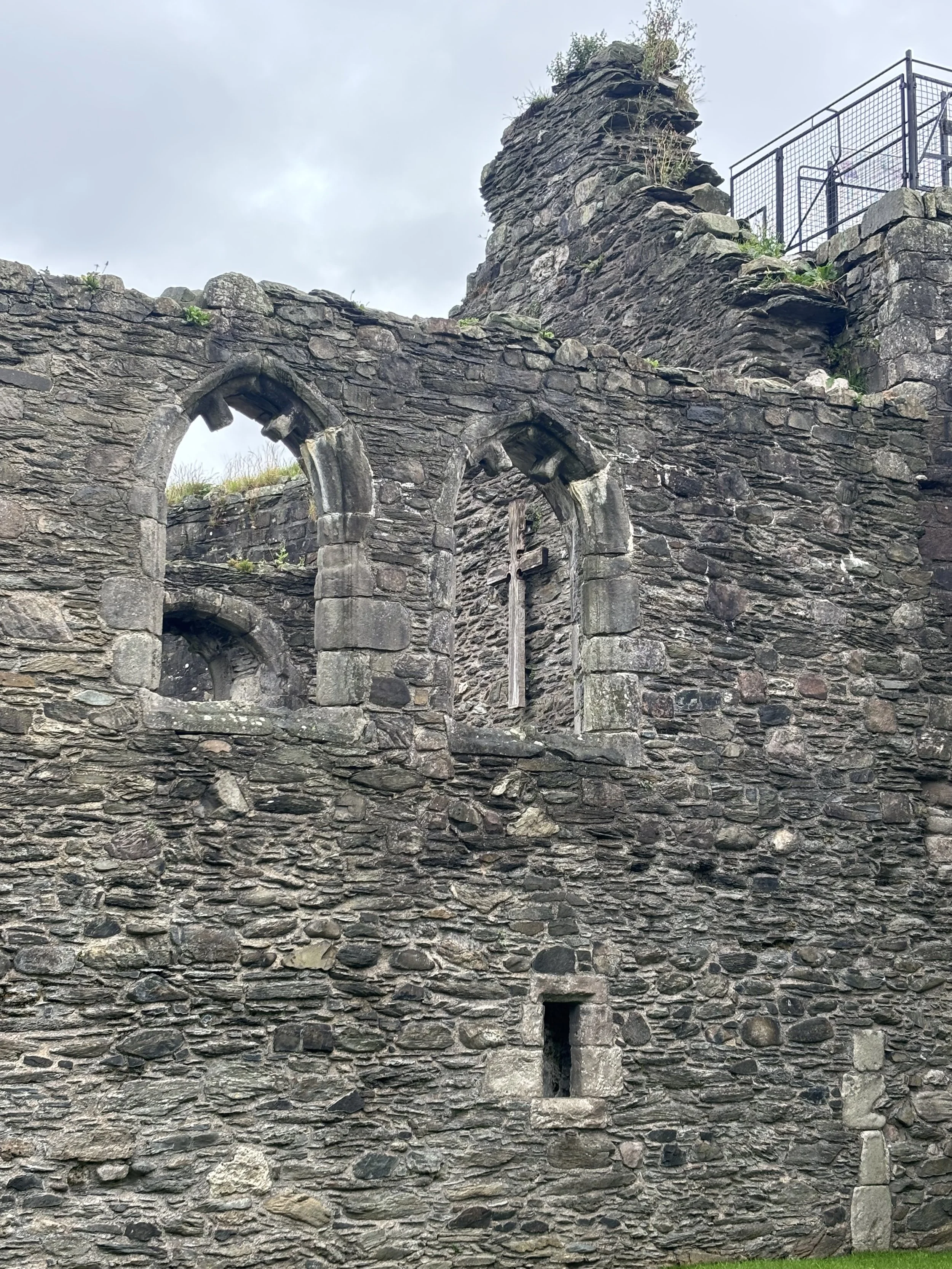
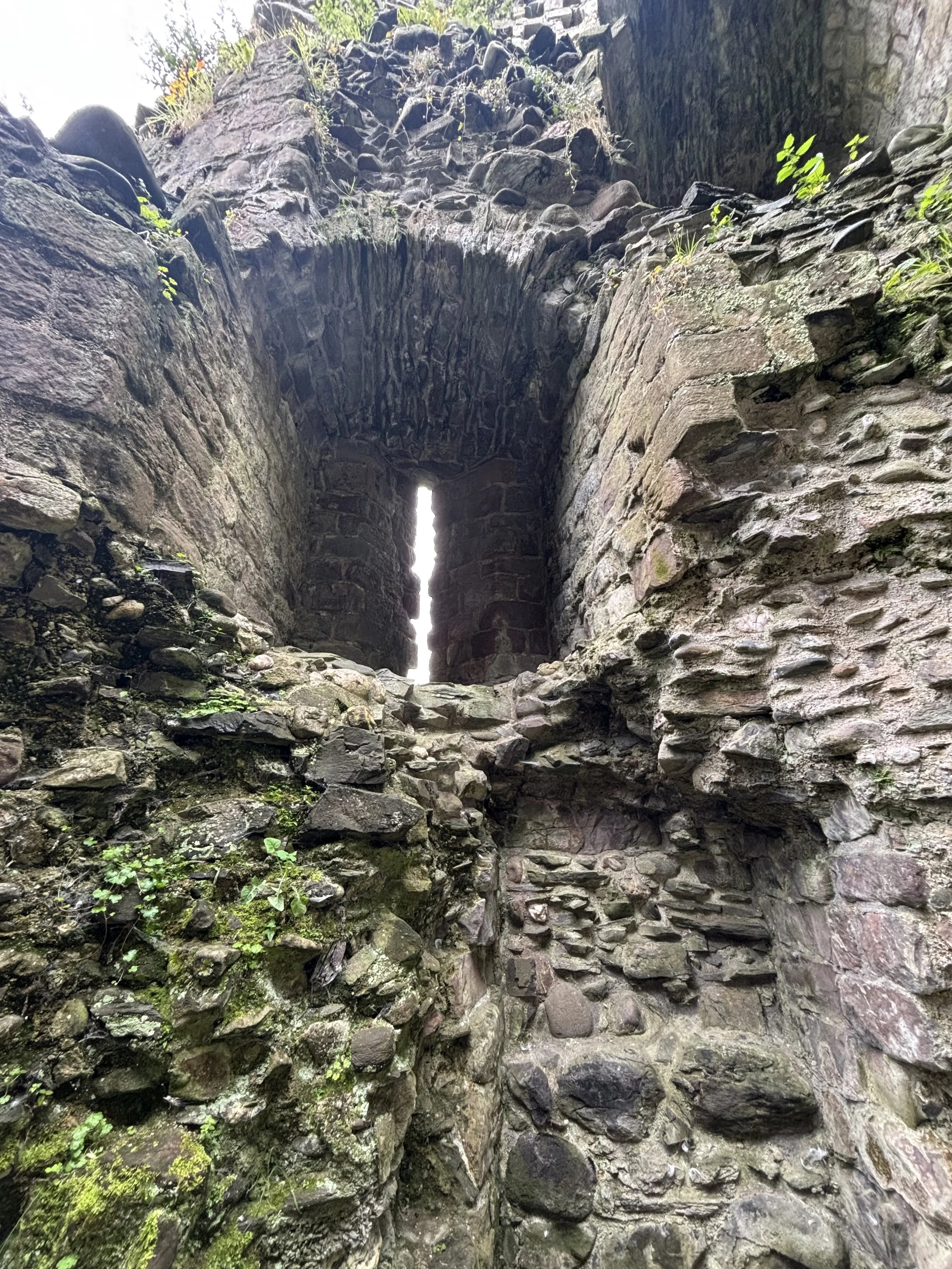
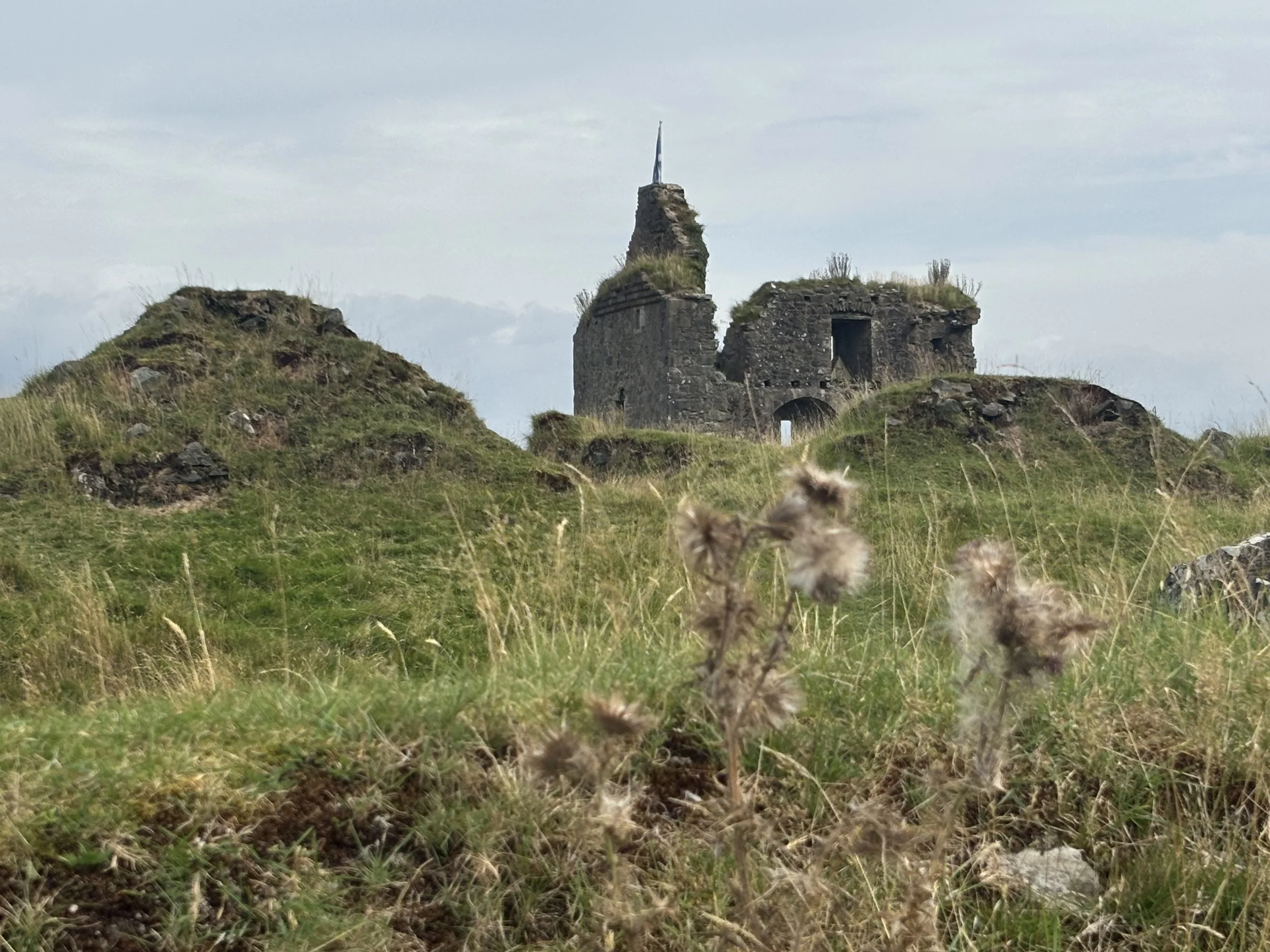
After a few days in Campbeltown, we moved on to Lochranza. I loved our anchorage there! Such a wee town with only about 200-250 residents. It’s a quiet cove tucked in on the Isle of Arran with a small castle right at the shoreline. We spent a couple of days there, exploring the castle and doing a 12-mile hike. The castle was believed to be a 13th-century medieval hall house until it was remodeled into a tower house/castle in the 1500’s. It is also believed that this was one of Robert the Bruce’s early landing sites when he returned from Ireland and began his campaign to claim the crown of Scotland. Robert became King of the Scots in 1306 during the wars for Scottish independence from England. Ken has watched Braveheart a bajillion times and can quote lines by heart, so it's been fun exploring historical places tied to Robert the Bruce. And, of course, we had to watch the movie again.
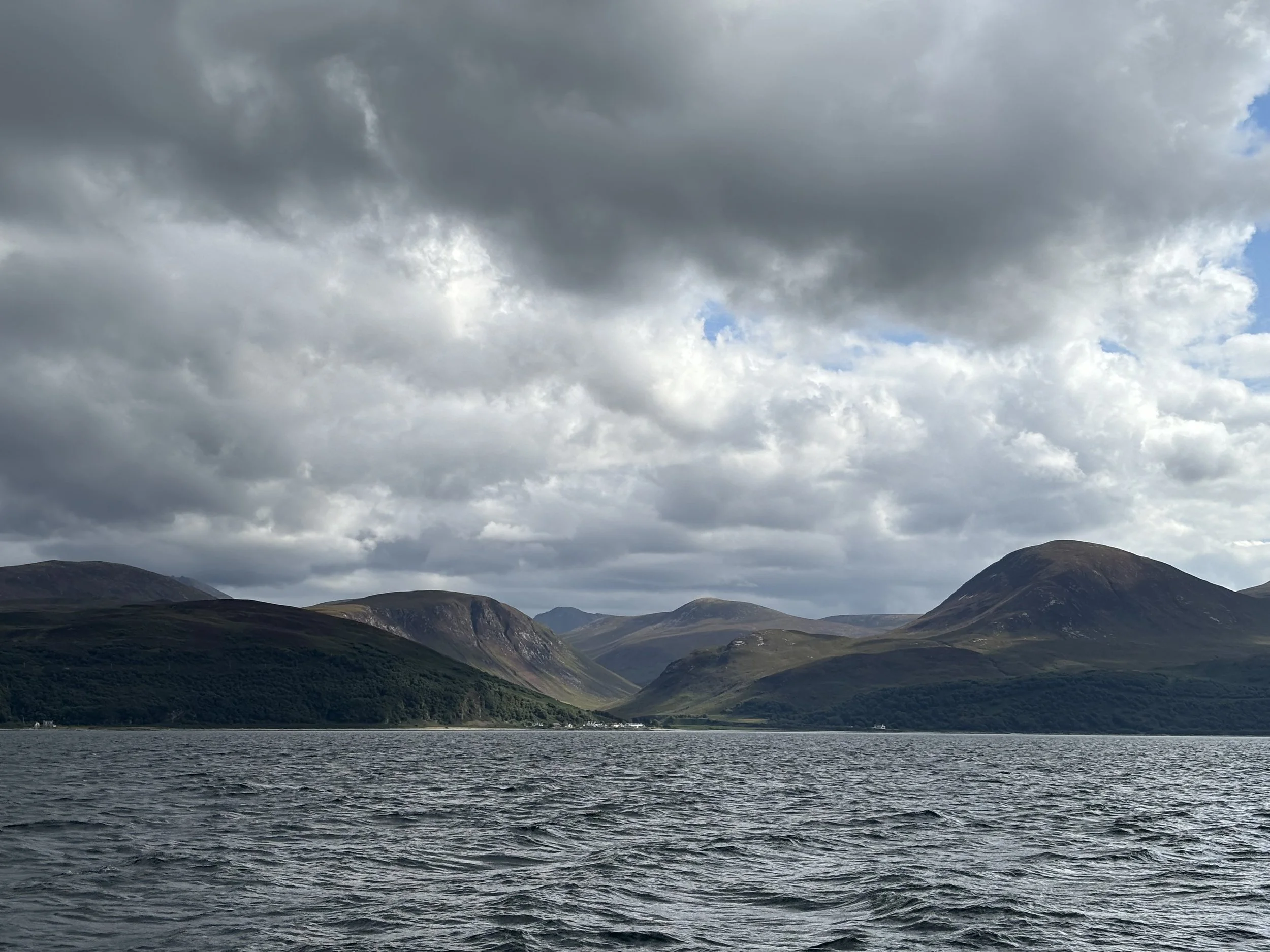
Sailing into Lochranza
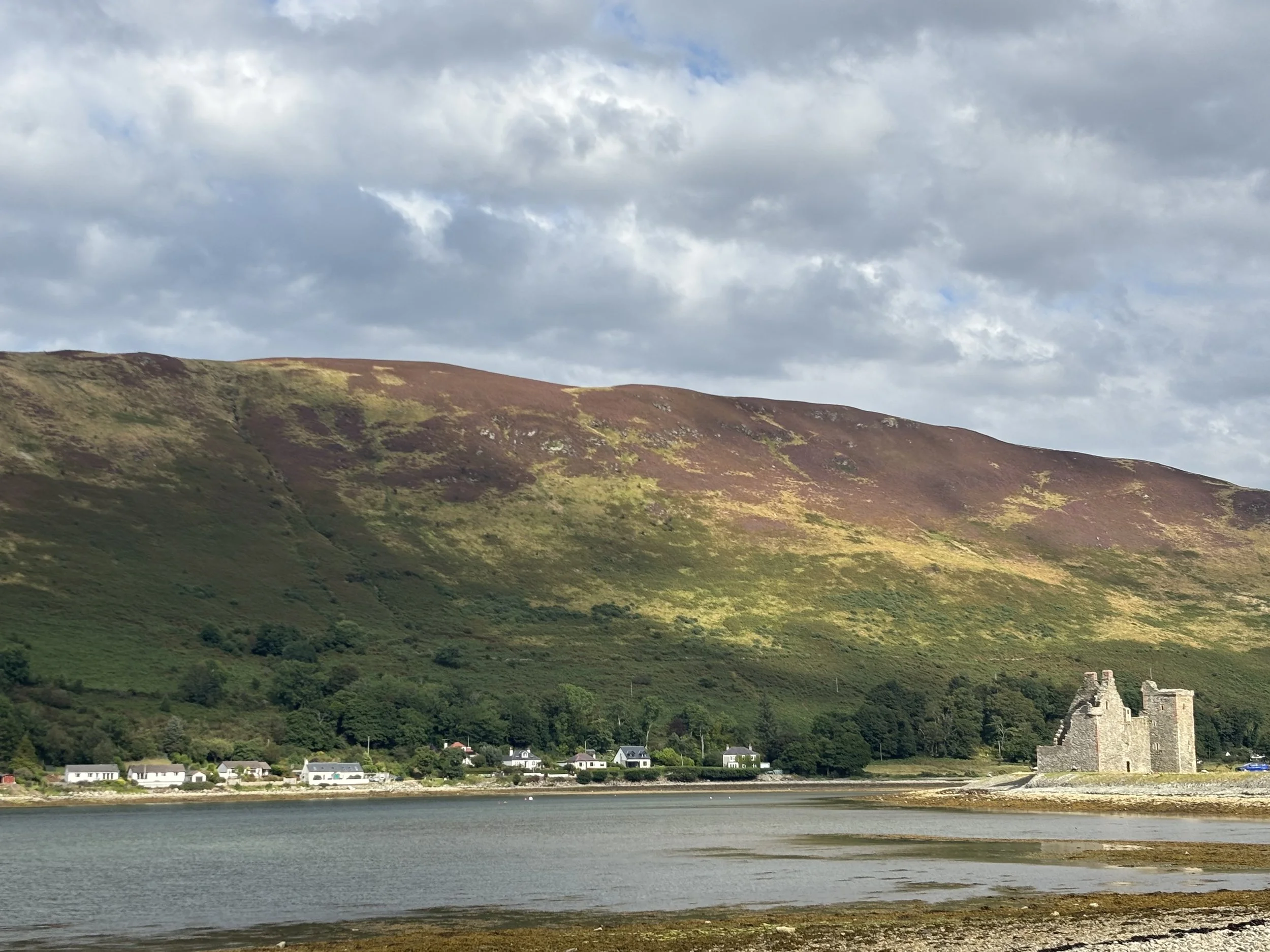
Lochranza Castle and anchorage
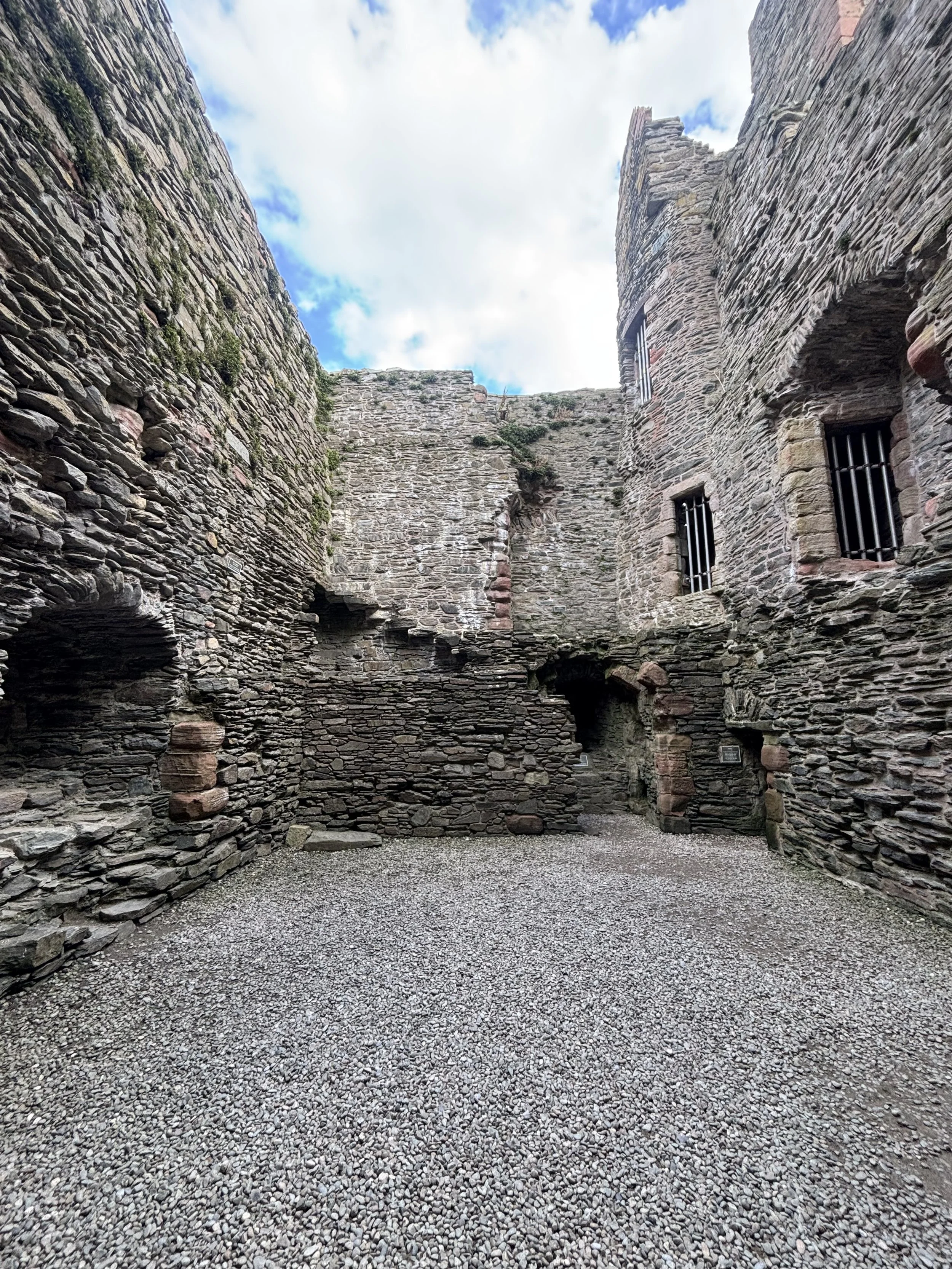
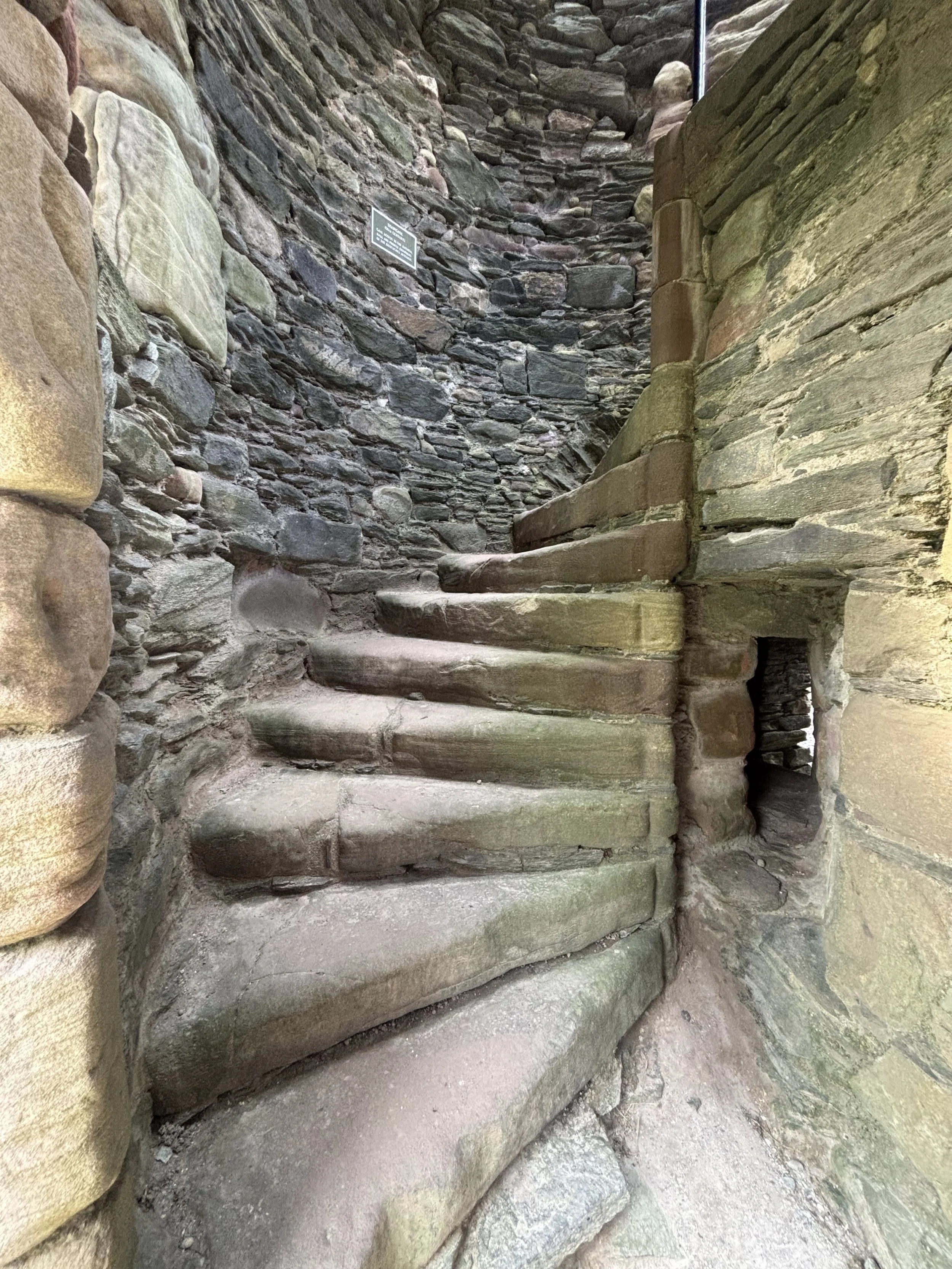
Inside Lochranza Castle
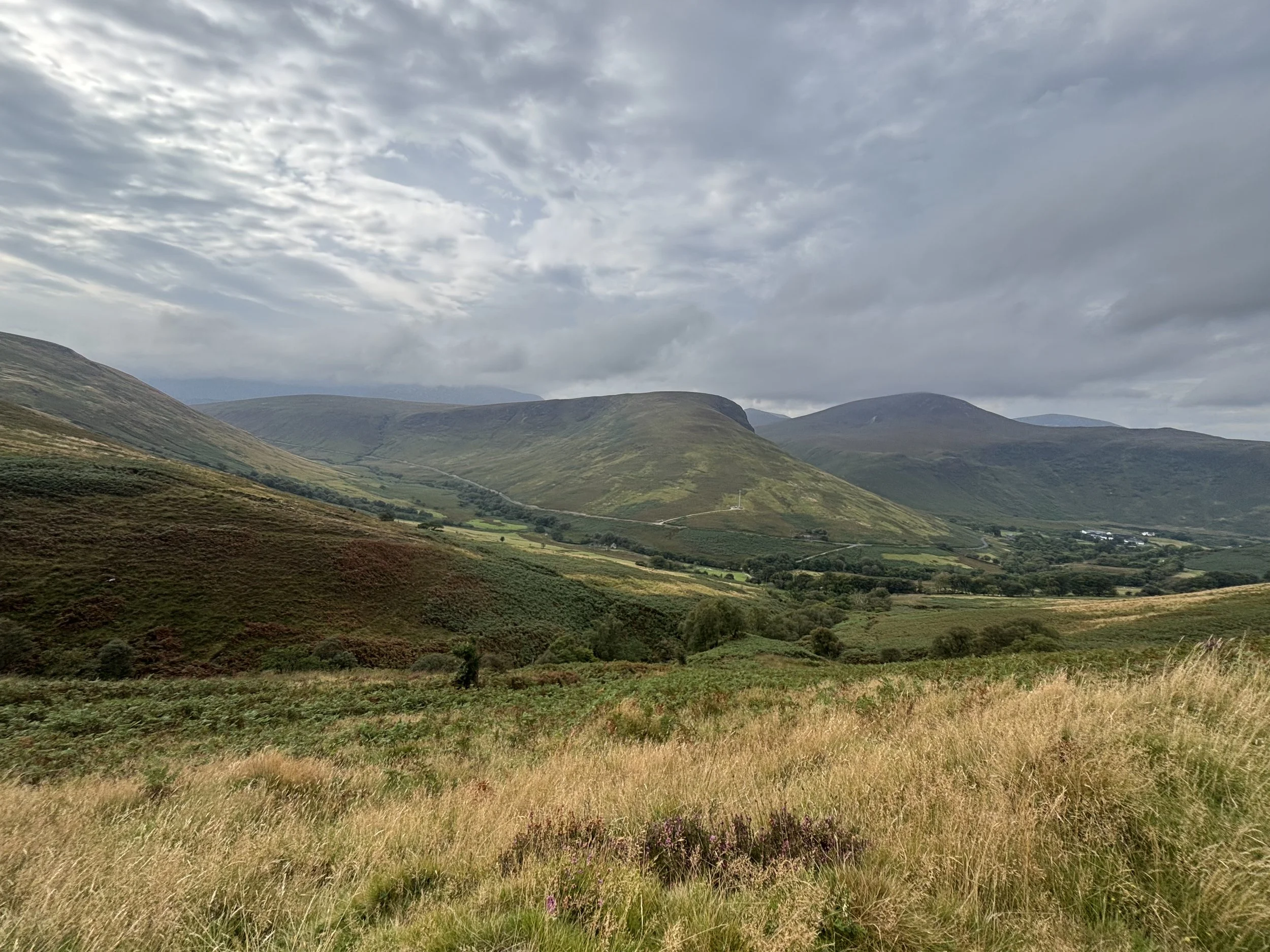
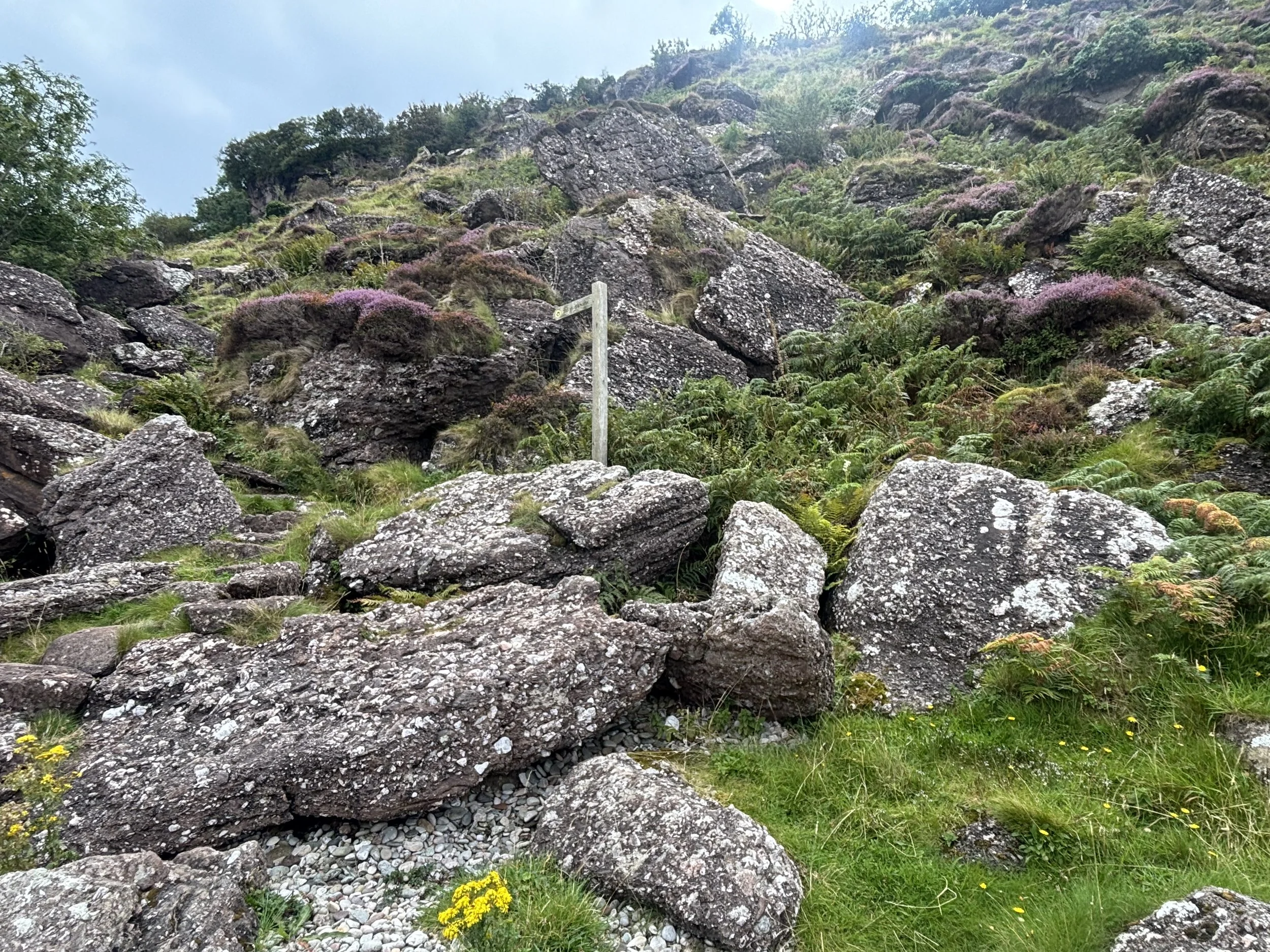
Hiking in Lochranza
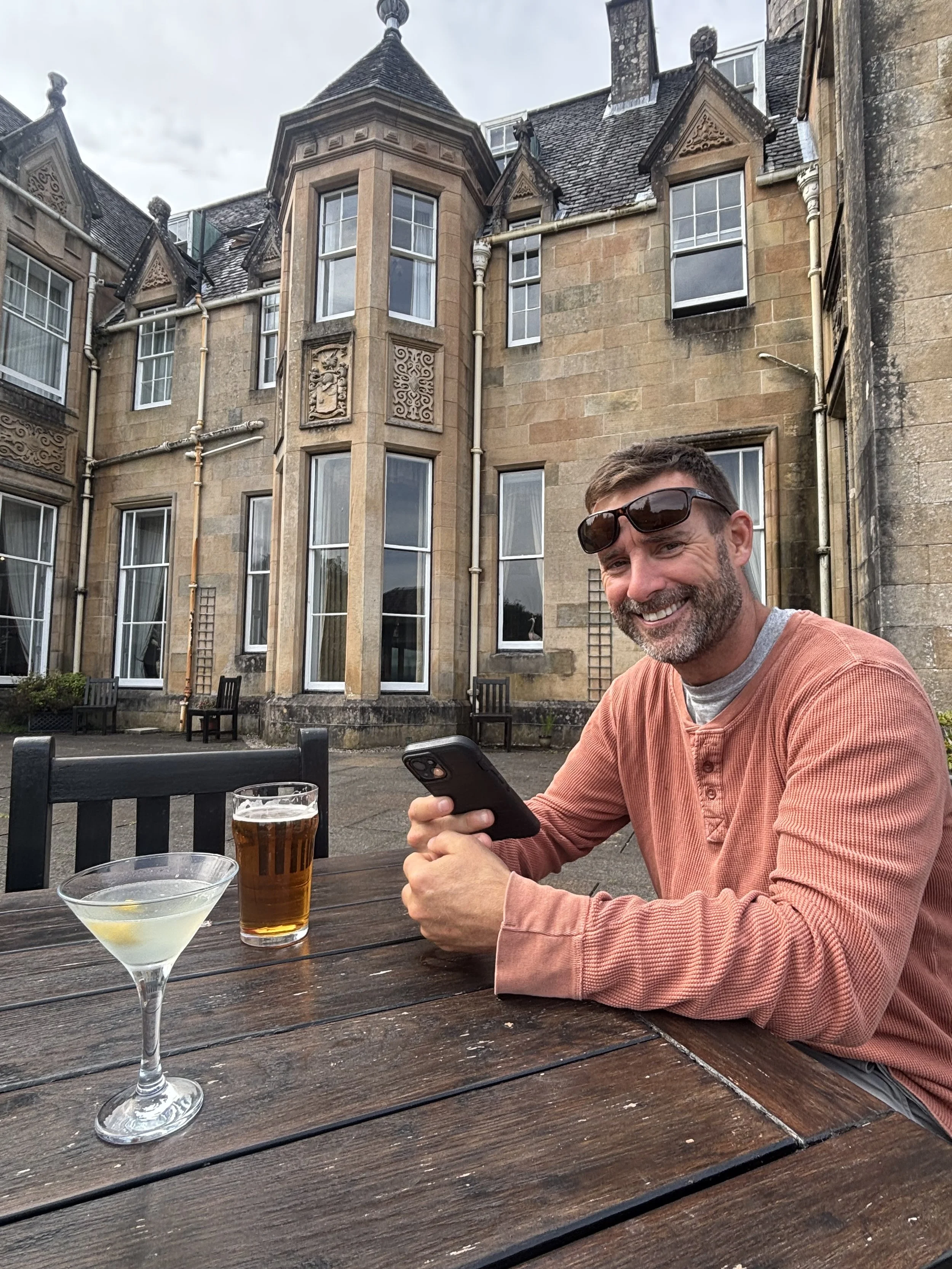
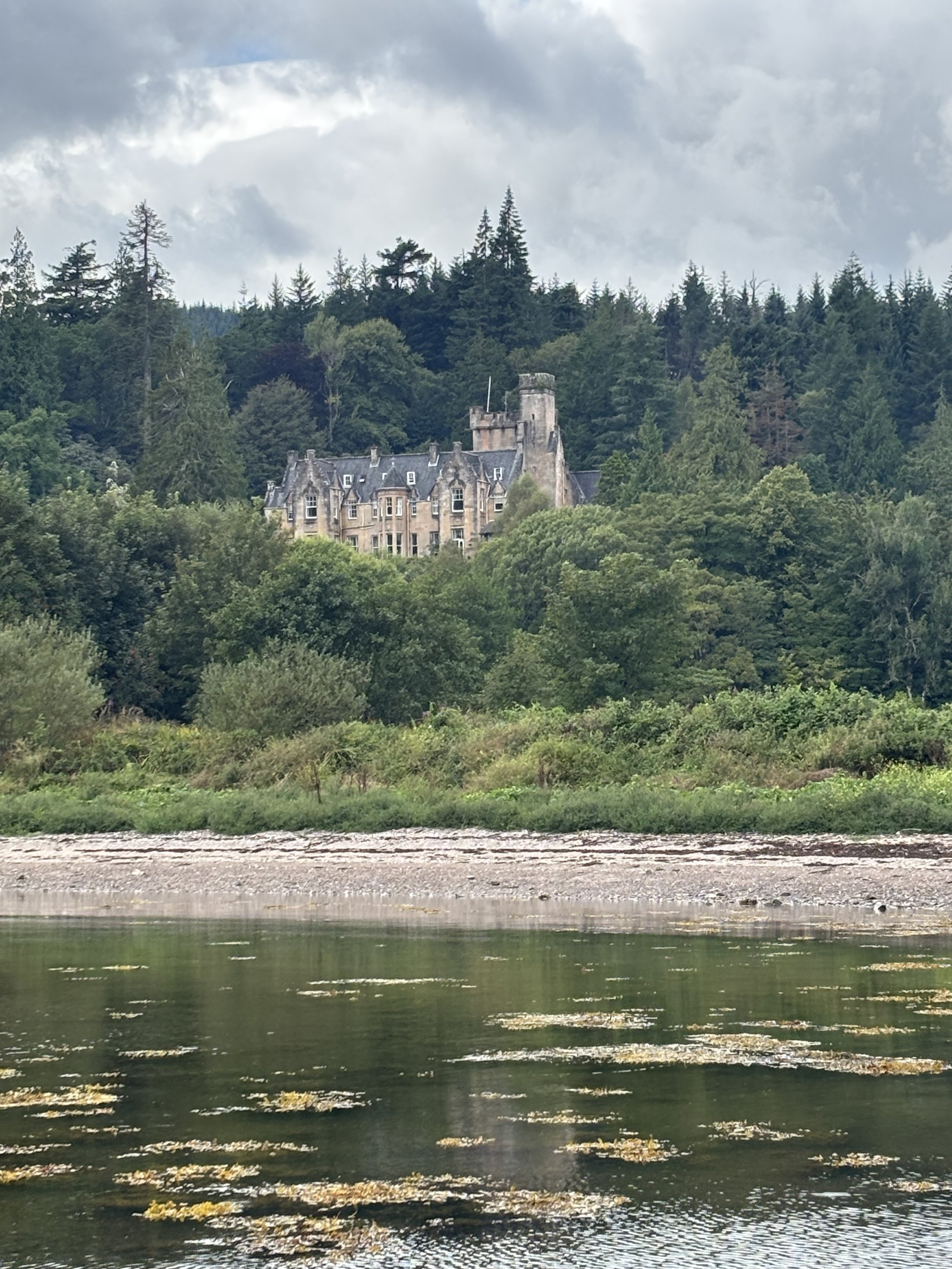
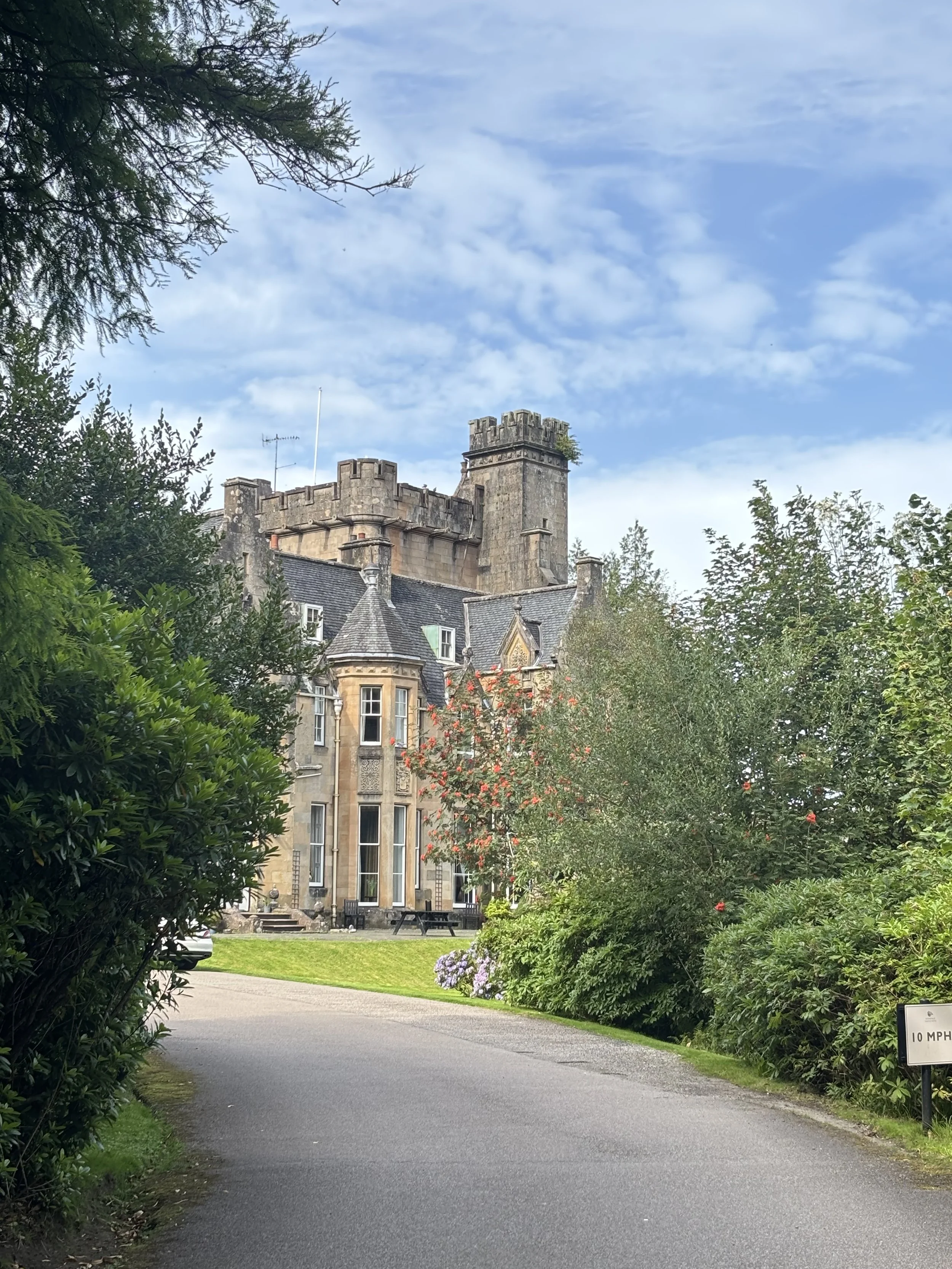
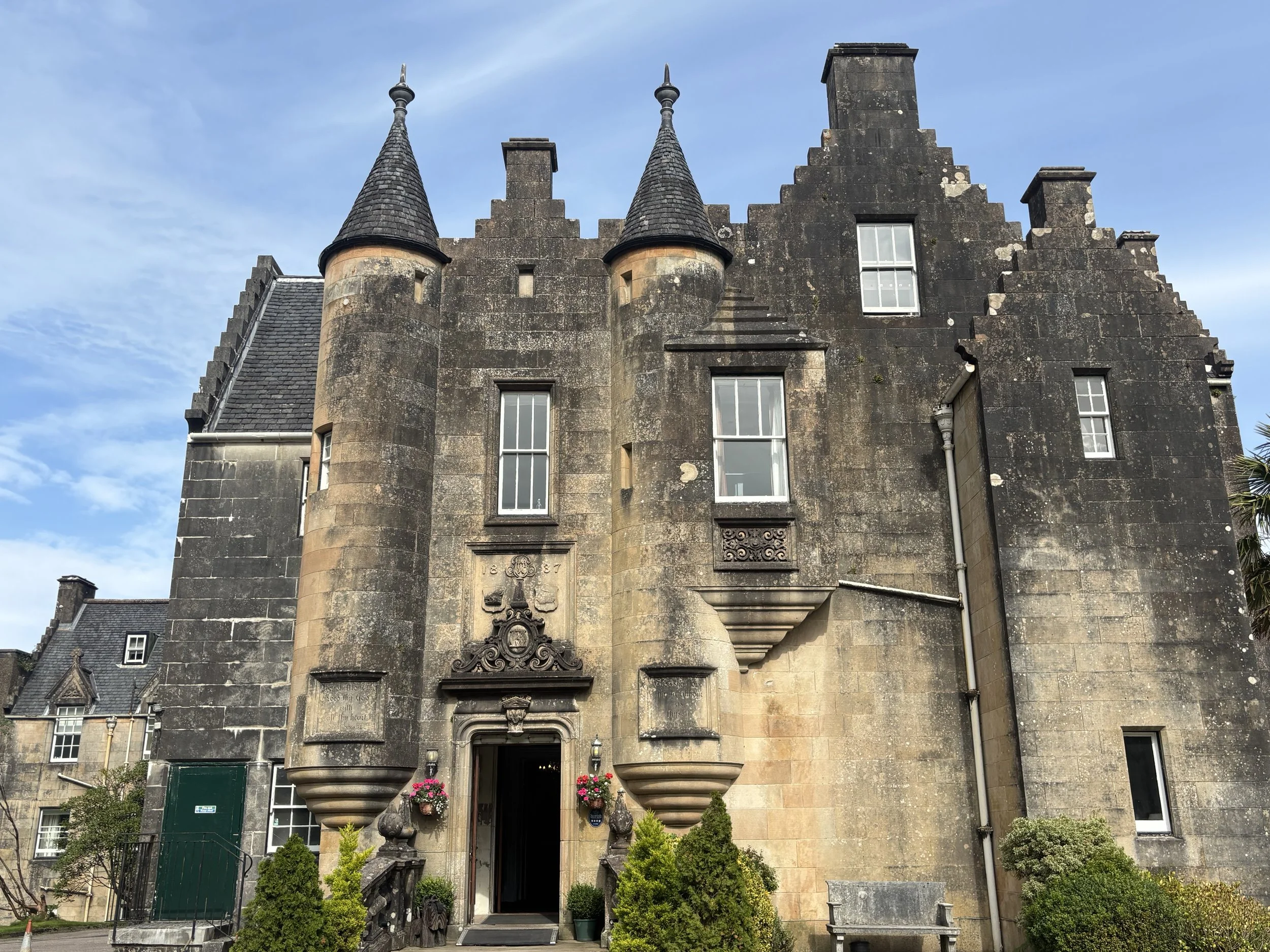
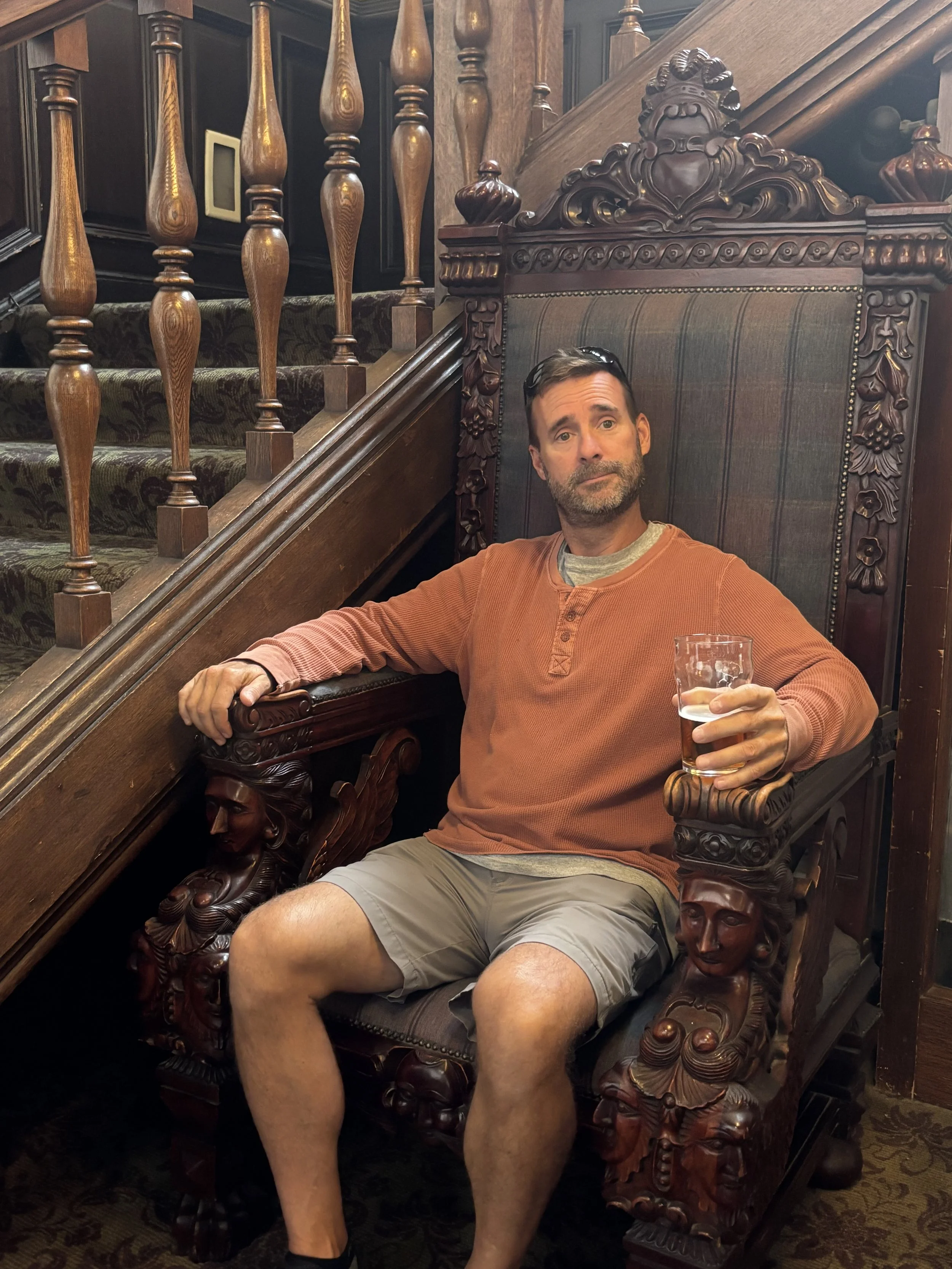
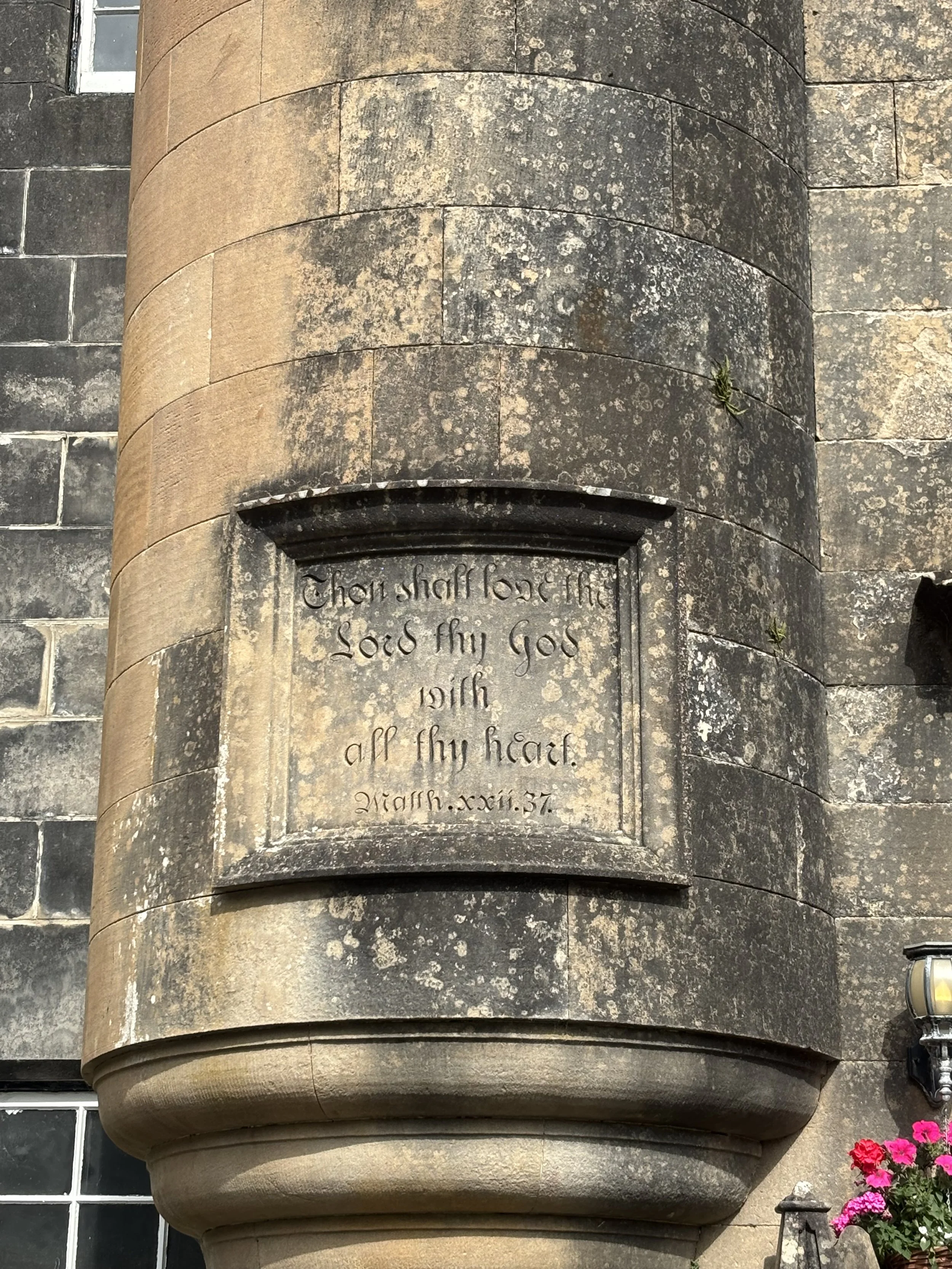
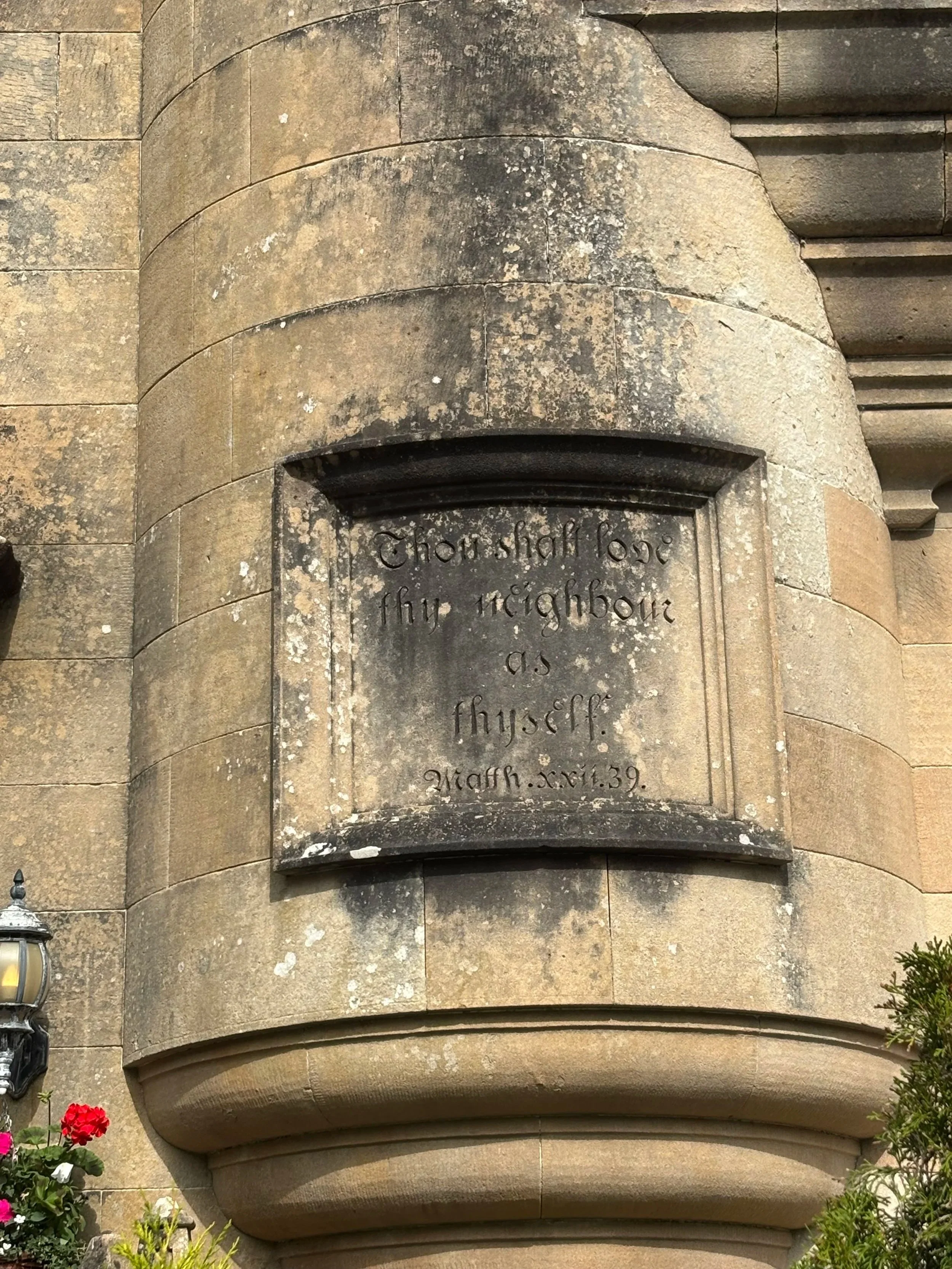
After a couple of days at Lochranza, we sailed north to Barmore Island and anchored in a cove on the other side of Stonefield Castle, now a hotel and restaurant. The castle was built in 1836 and has an interesting history. The lady of the house found out her husband was being unfaithful, and in a bold move for her time, sued him for divorce, taking his money and the castle. She then had him painted out of the family portrait, which still hangs in the hotel today. We enjoyed a nice drink on the veranda—mine was a non-alcoholic lemon drop, and it was quite delicious.
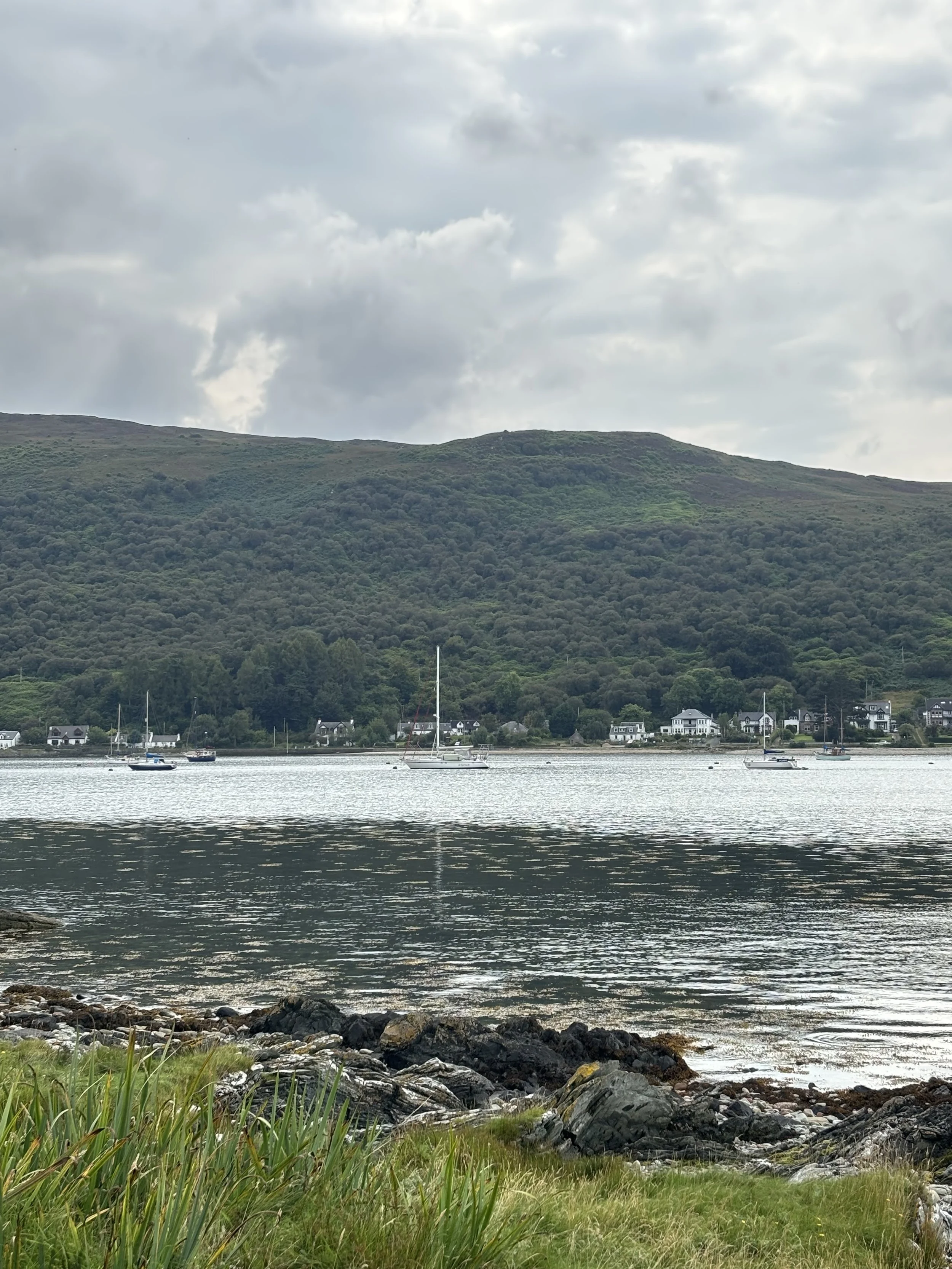
This is one of my favorite anchorages in Scotland so far. We couldn’t see the castle from our anchorage, but the cove itself was small, and we had it almost entirely to ourselves for several days. This anchorage reminded me of some of the coves in Maine we anchored in. Aside from the castle, there was really no development. Just surrounded by nature. It also had a small rocky beach where I did some beachcombing and found a few pieces of seaglass.
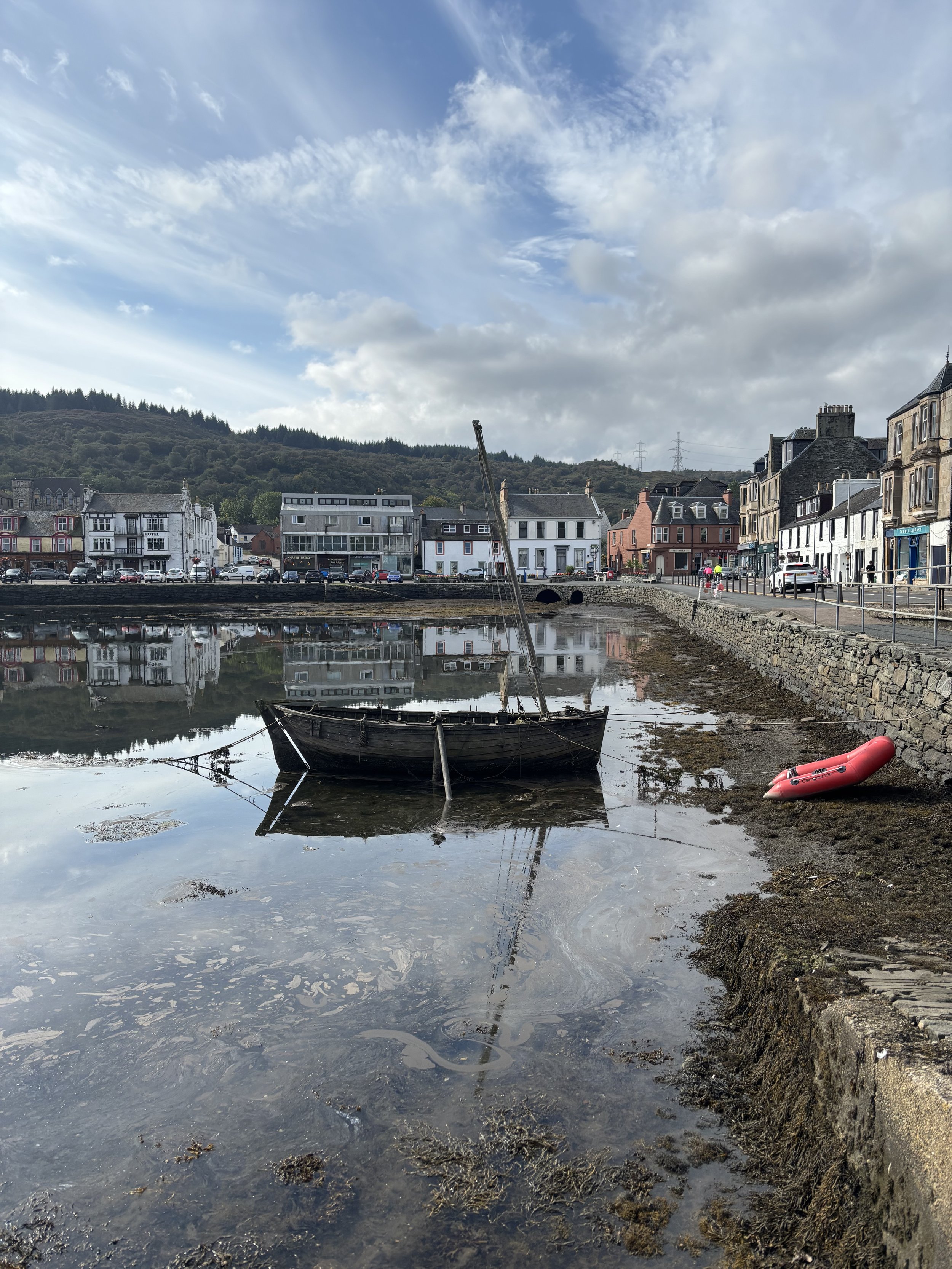
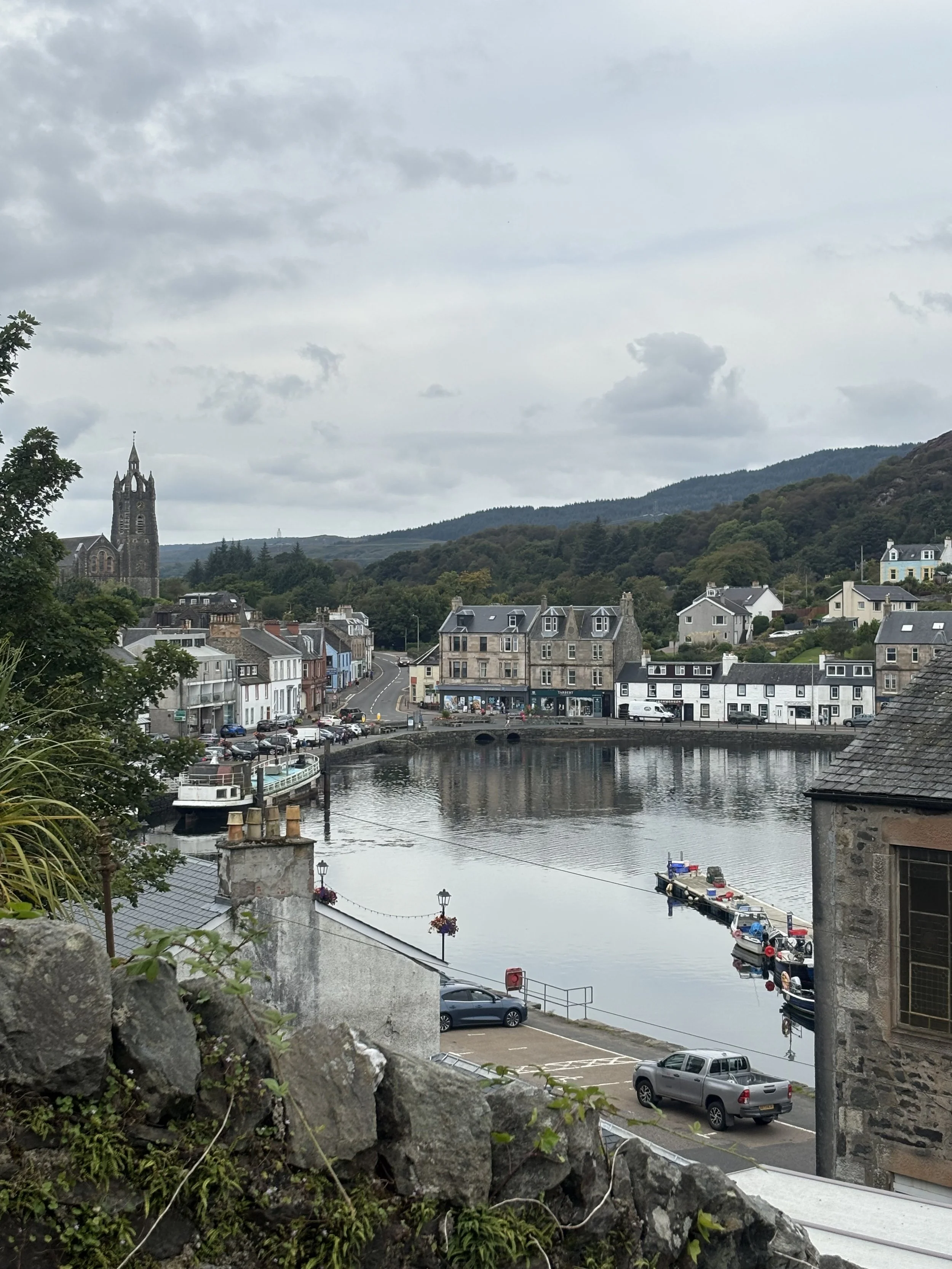
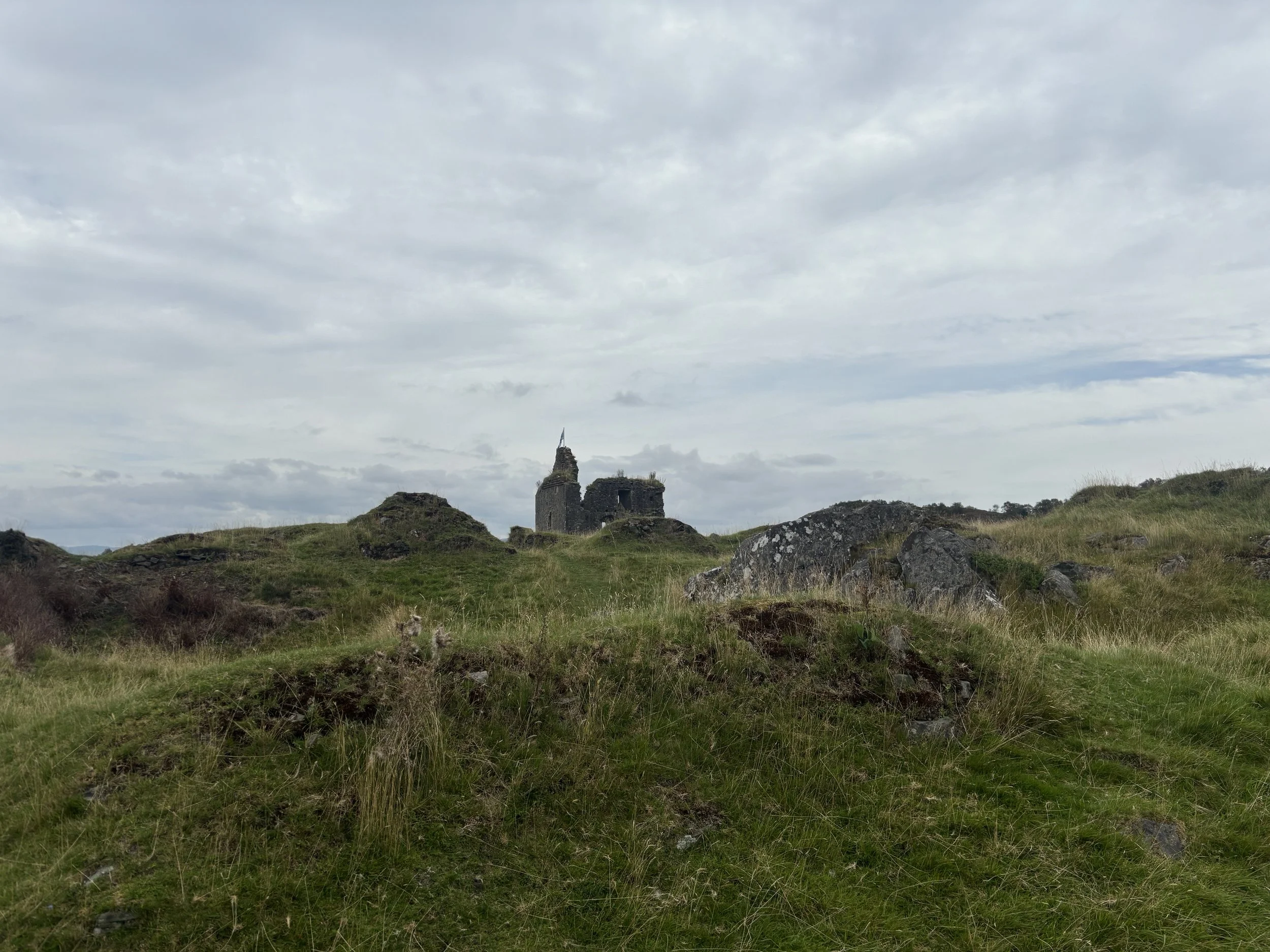
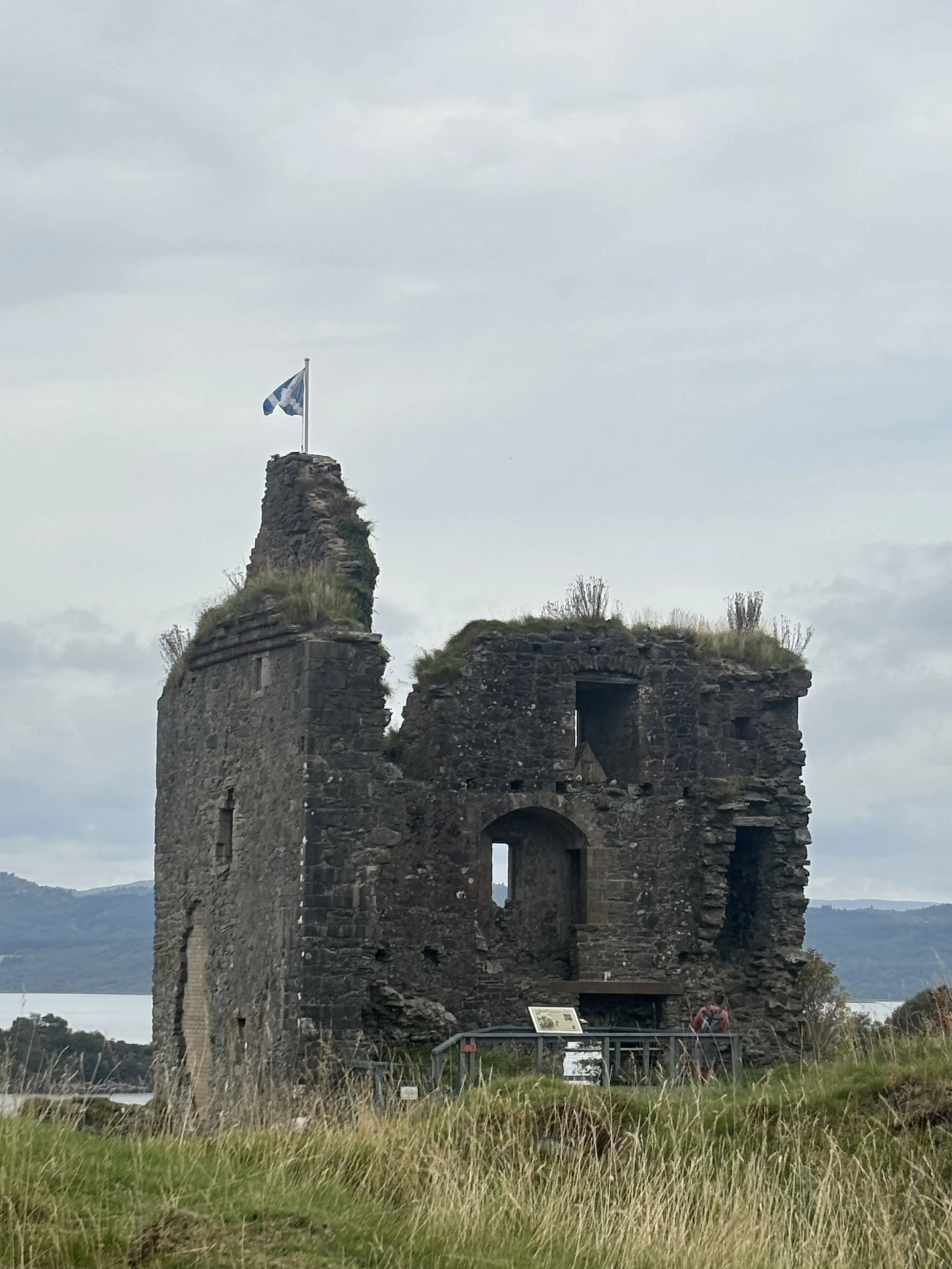
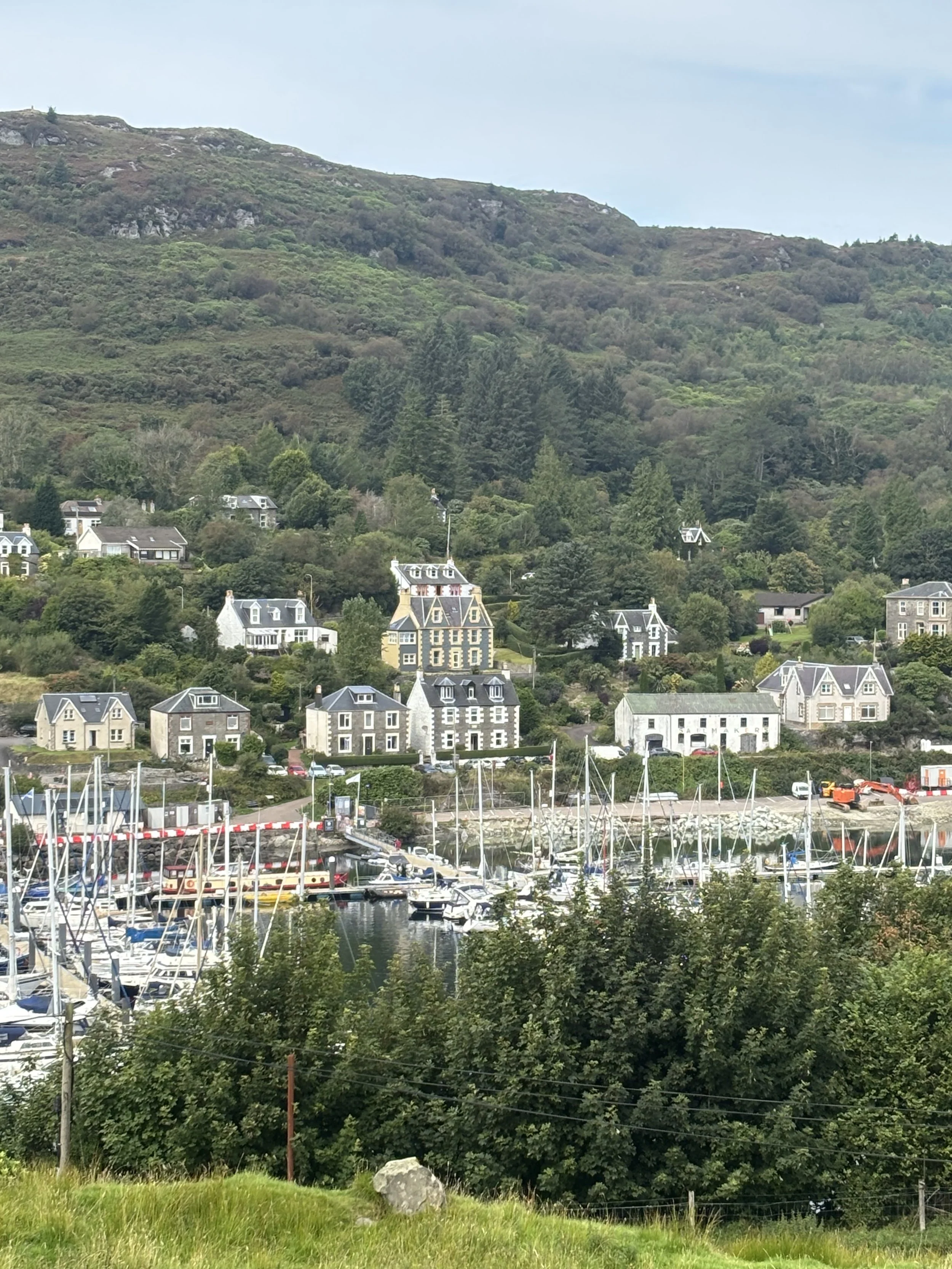
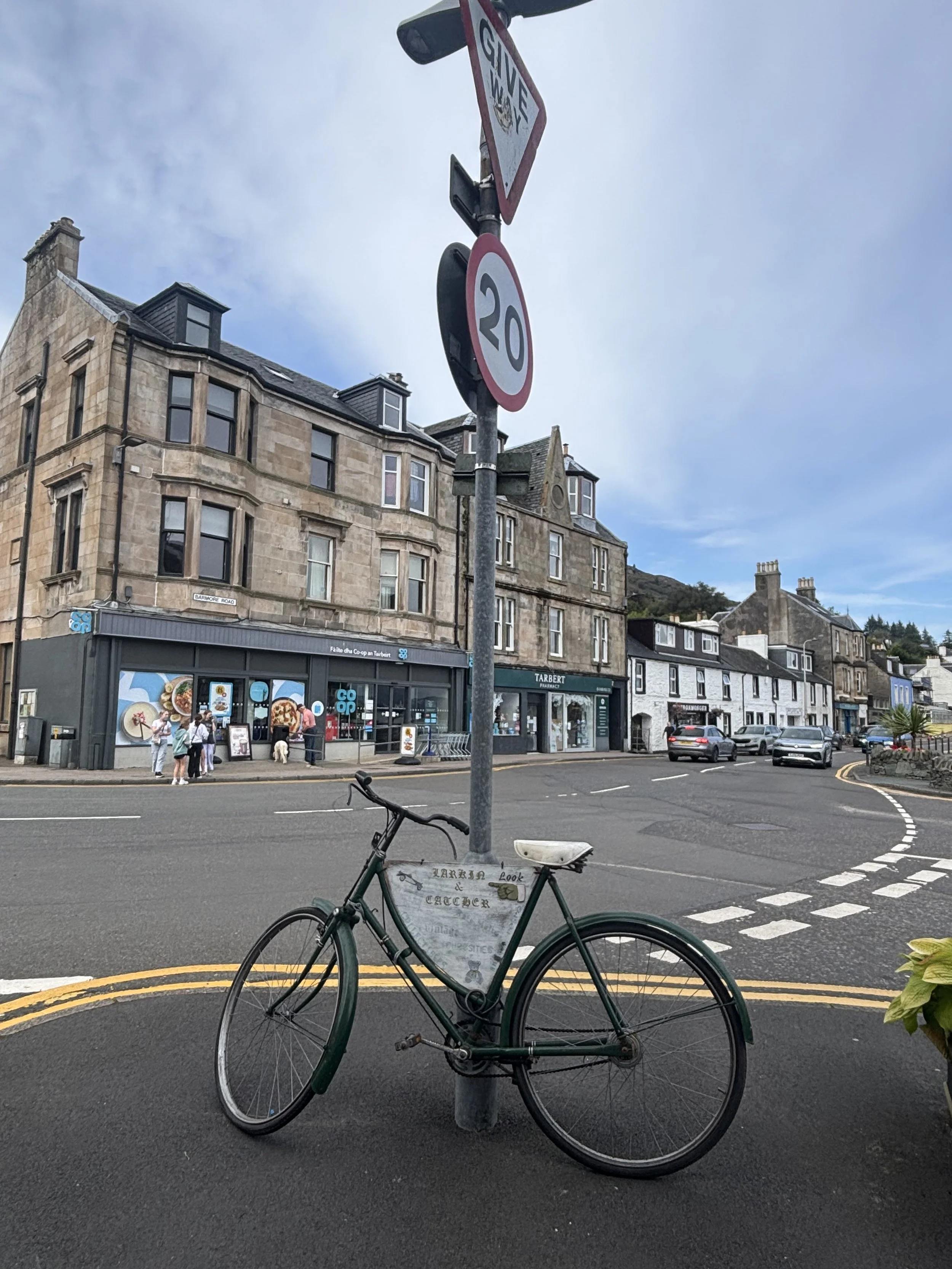
While there, we walked about 2 miles into Tarbert, the closest town. Tarbert is a picturesque fishing village, and we had a lovely time there, exploring the town and Tarbert Castle—a medieval royal fortress, also associated with Robert the Bruce. The castle was believed to be a small hill fort in 1292 until Robert the Bruce built it up around 1325. It is fascinating to be exposed to so many sites dating back thousands of years and so rich with history.
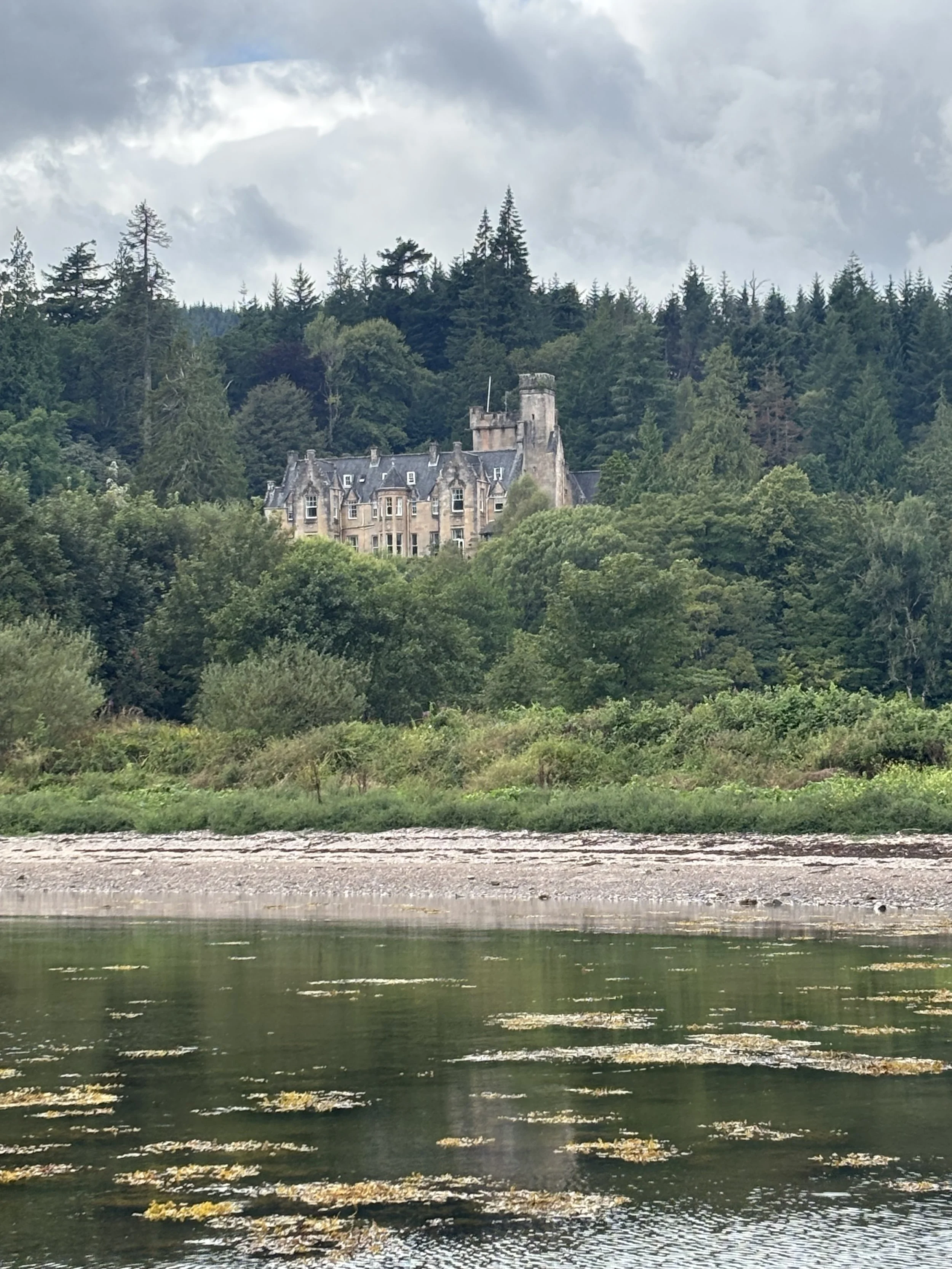
Stonefield Castle from our anchorage
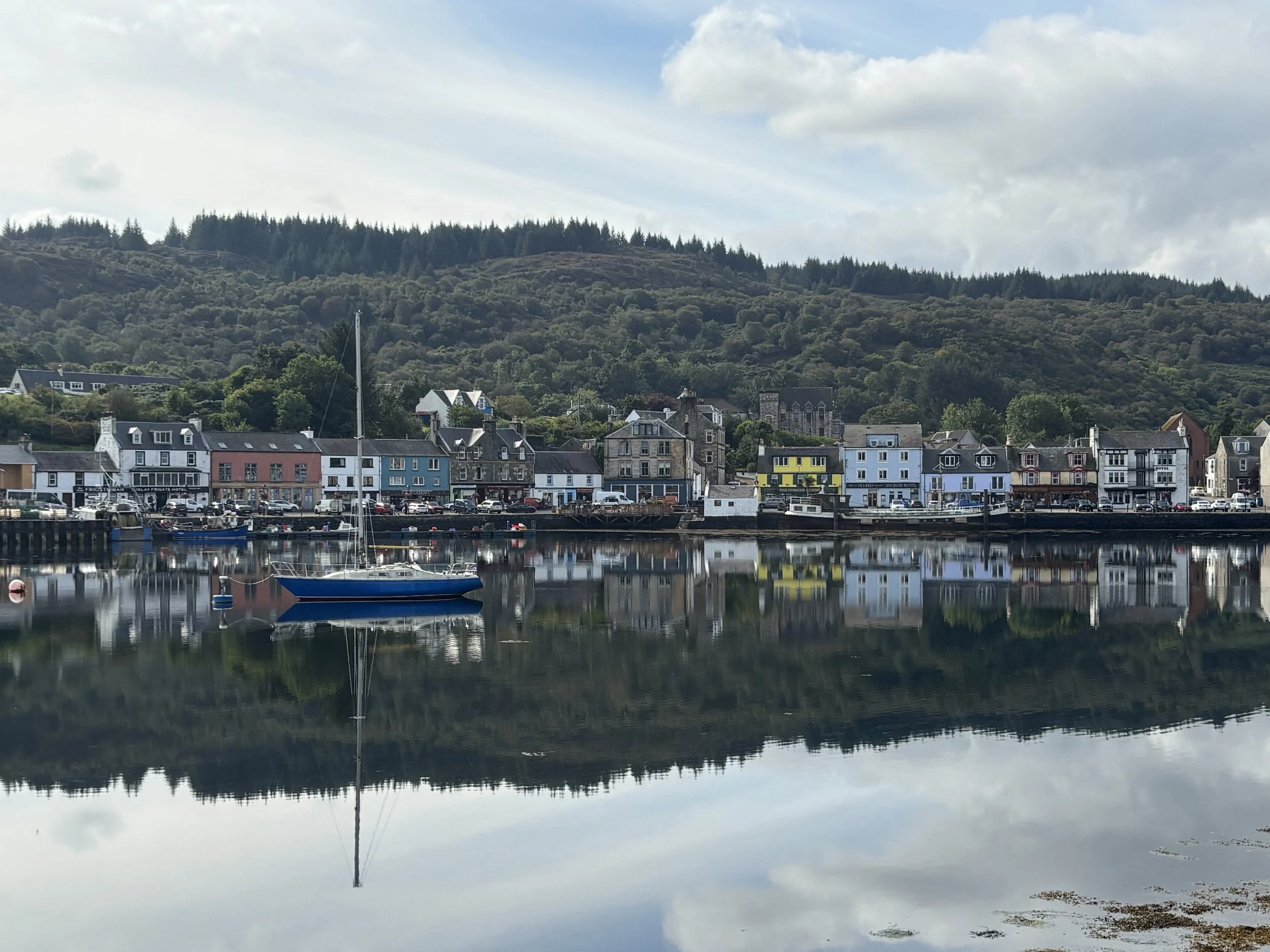
Tarbert Harbor
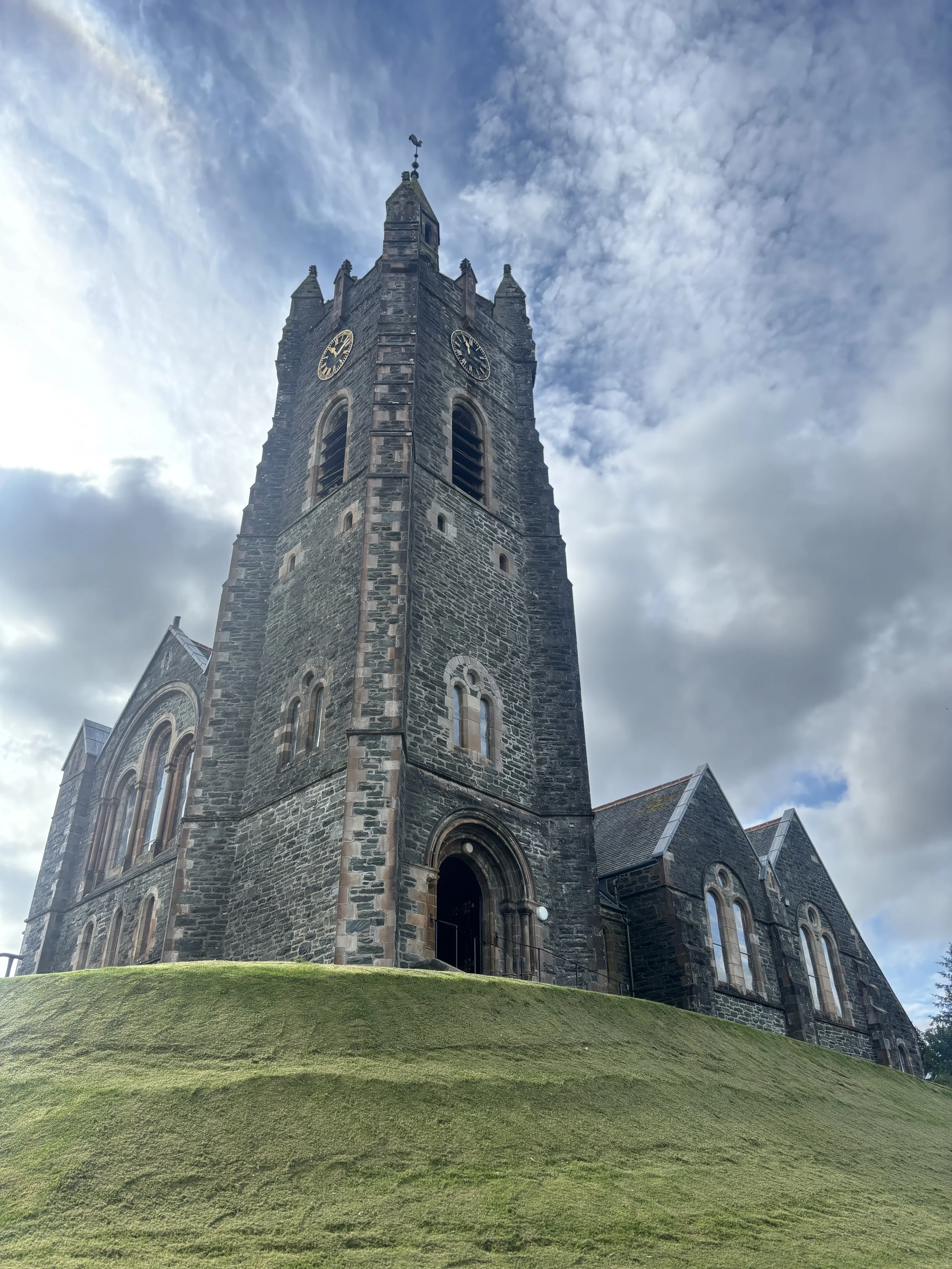
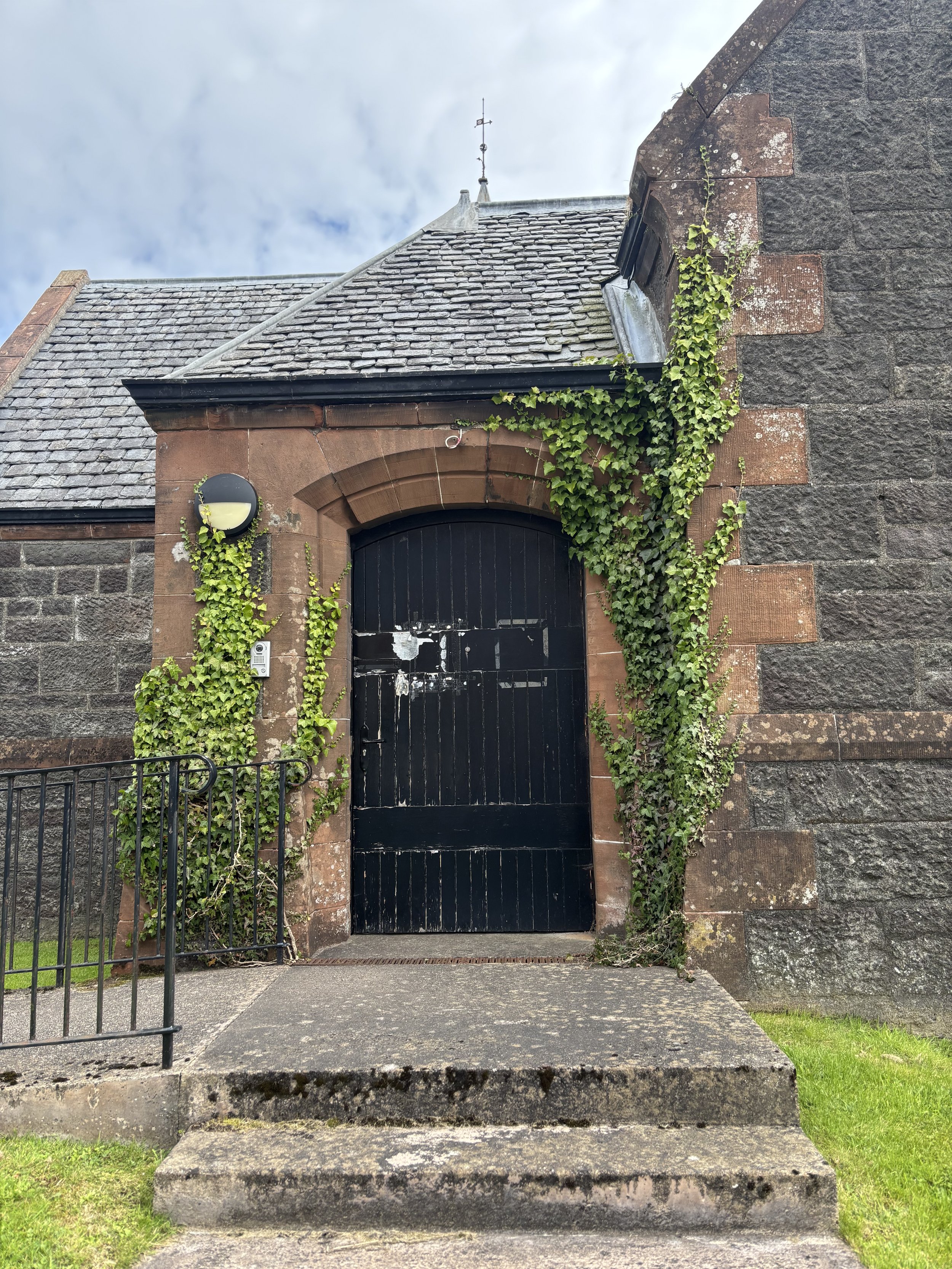
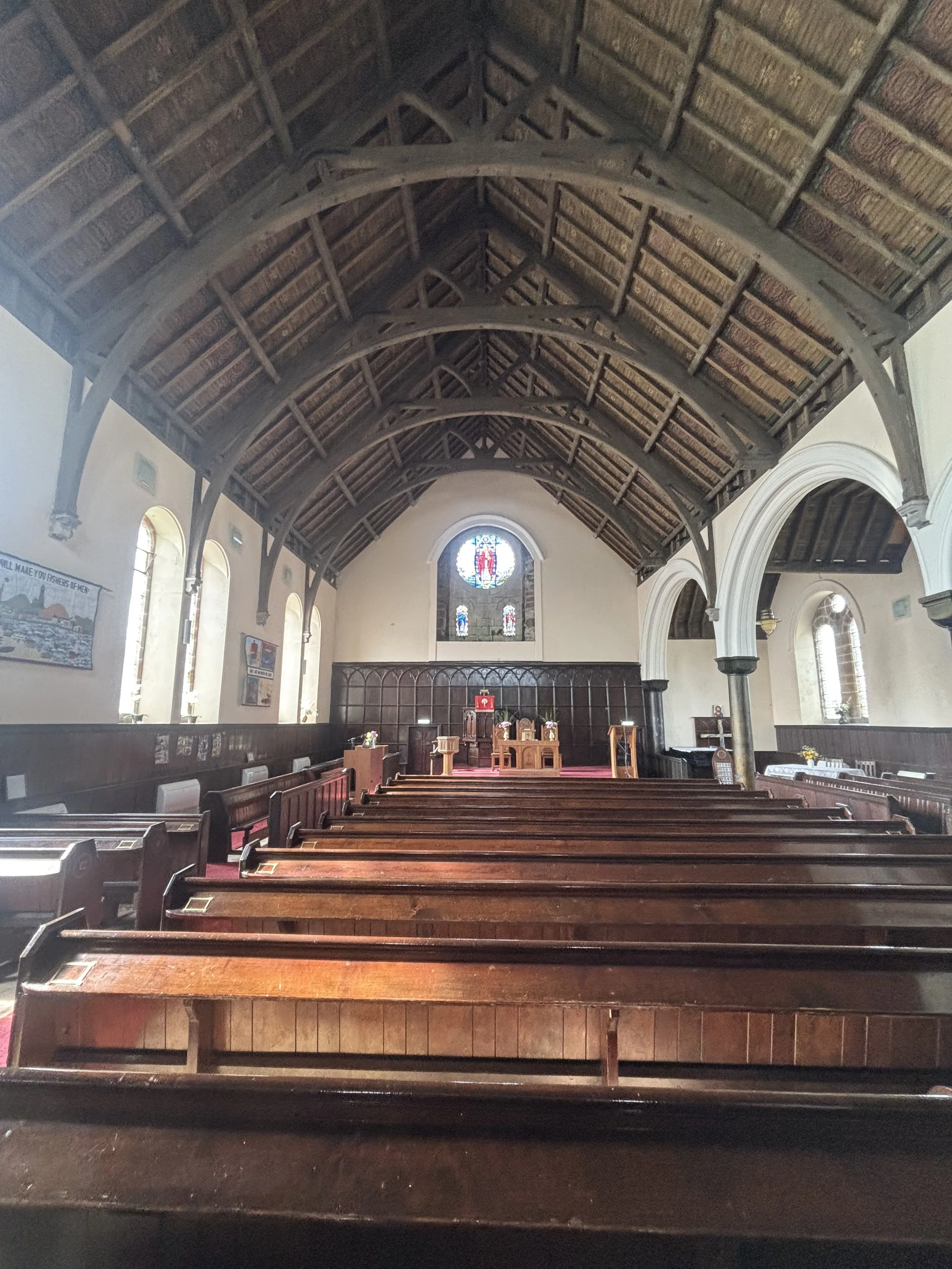
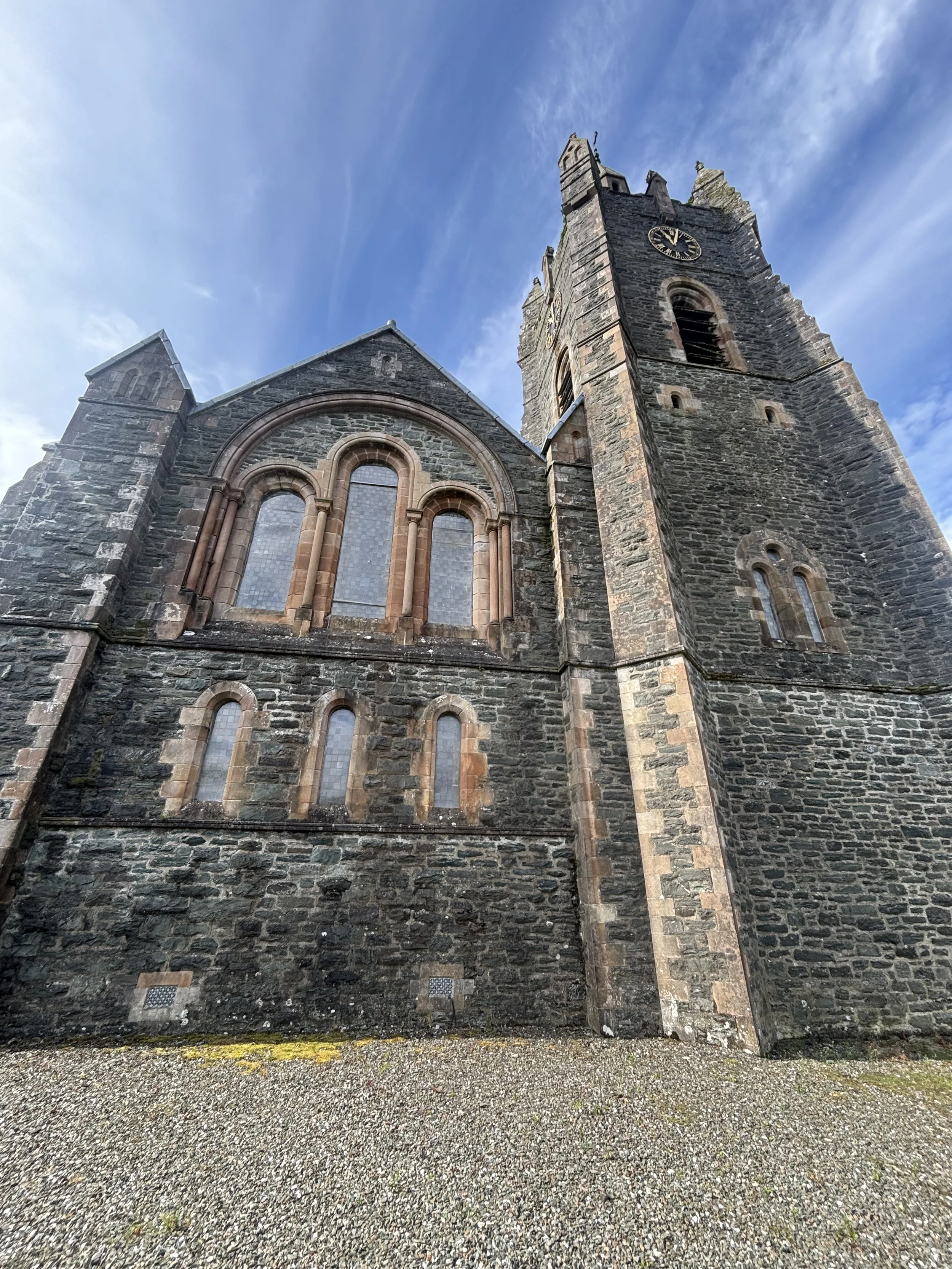
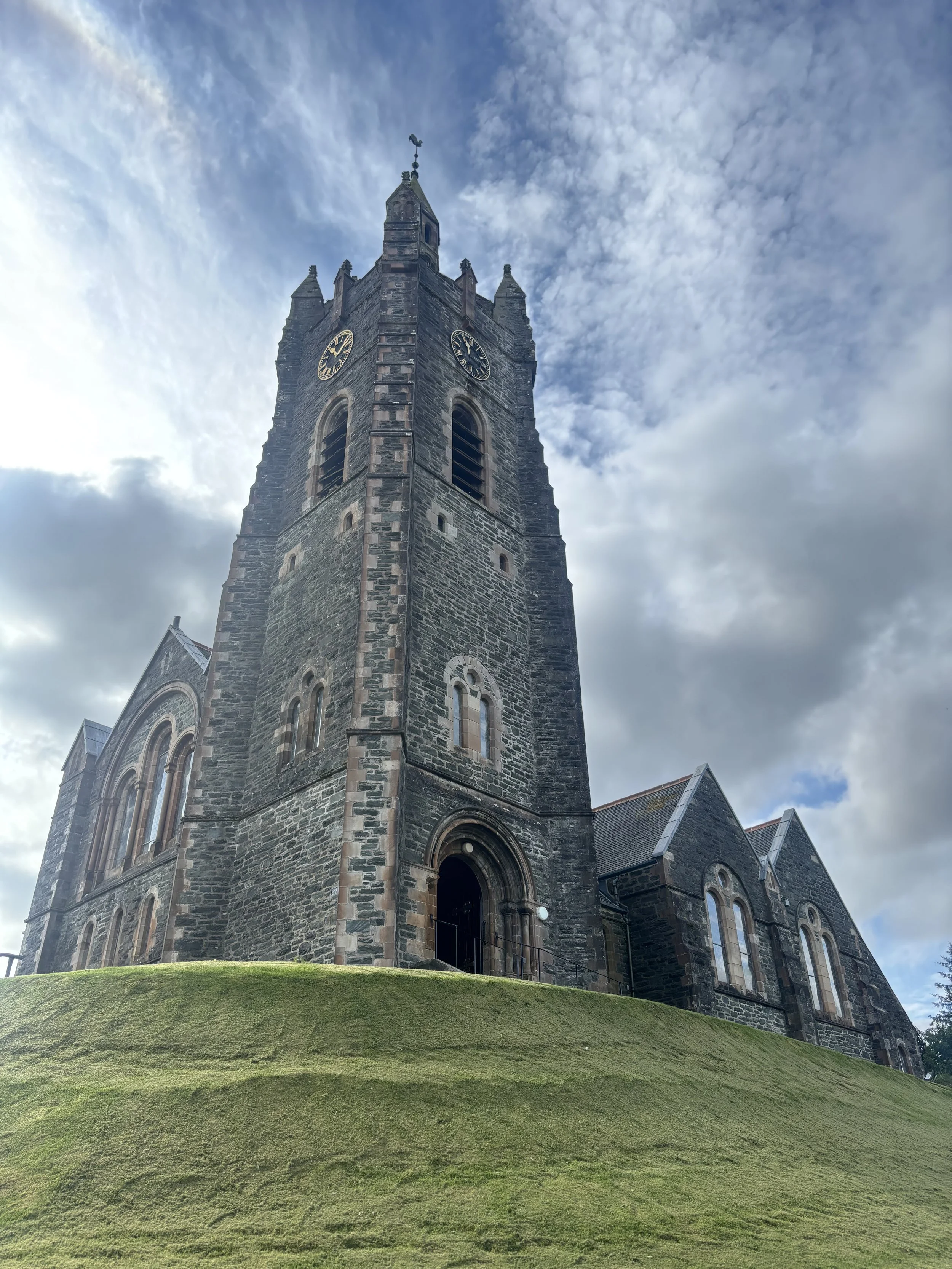
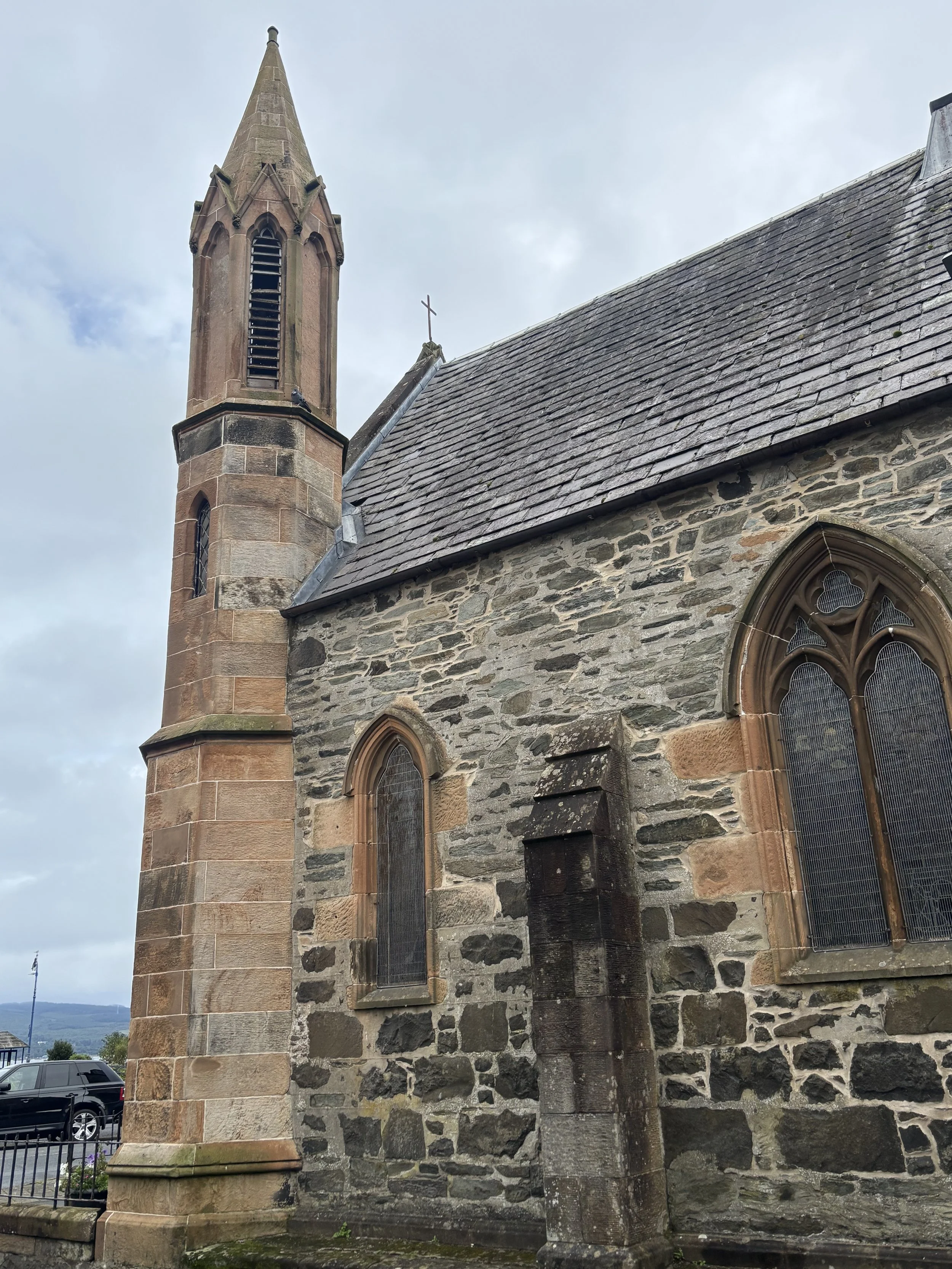
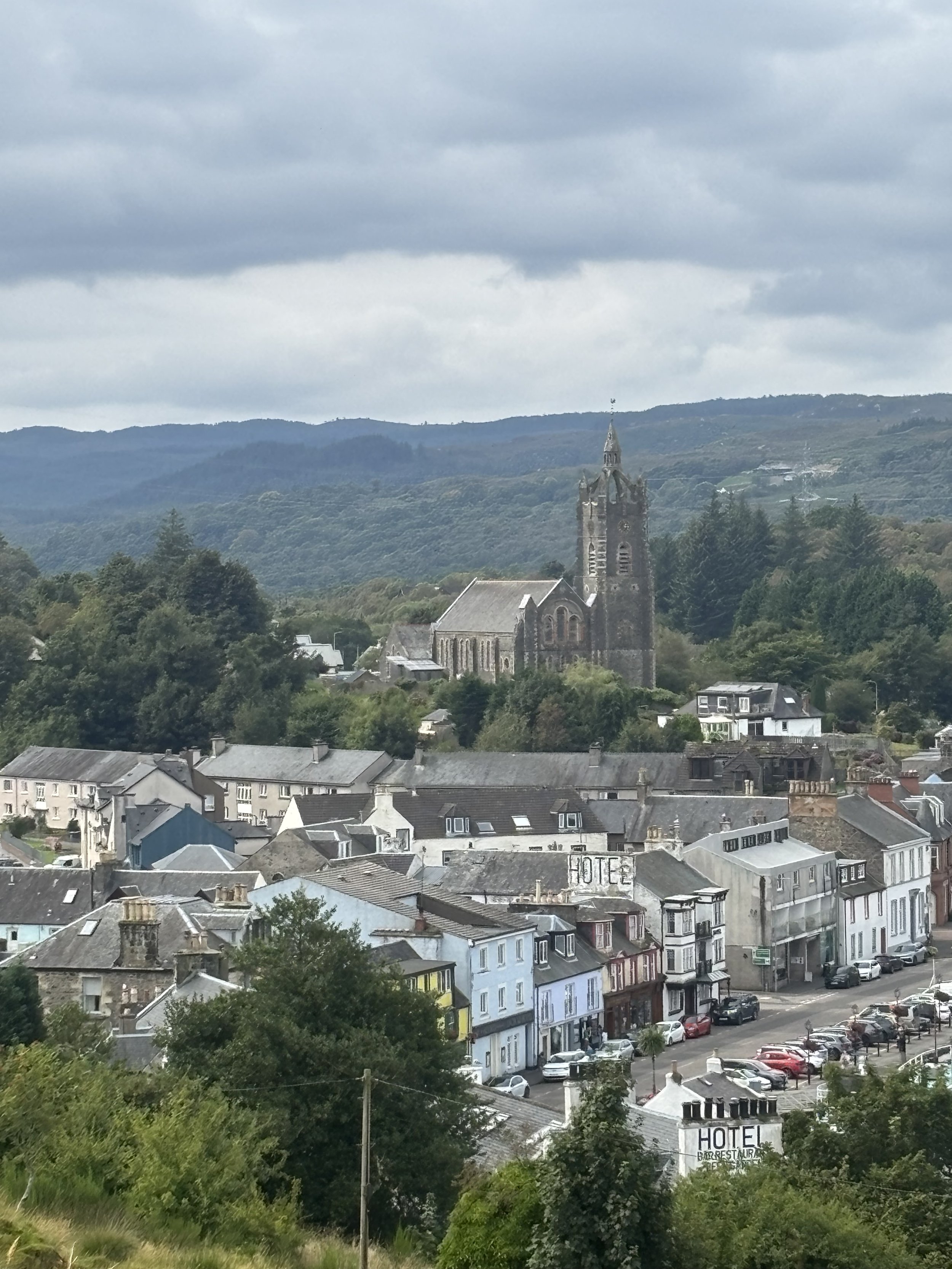
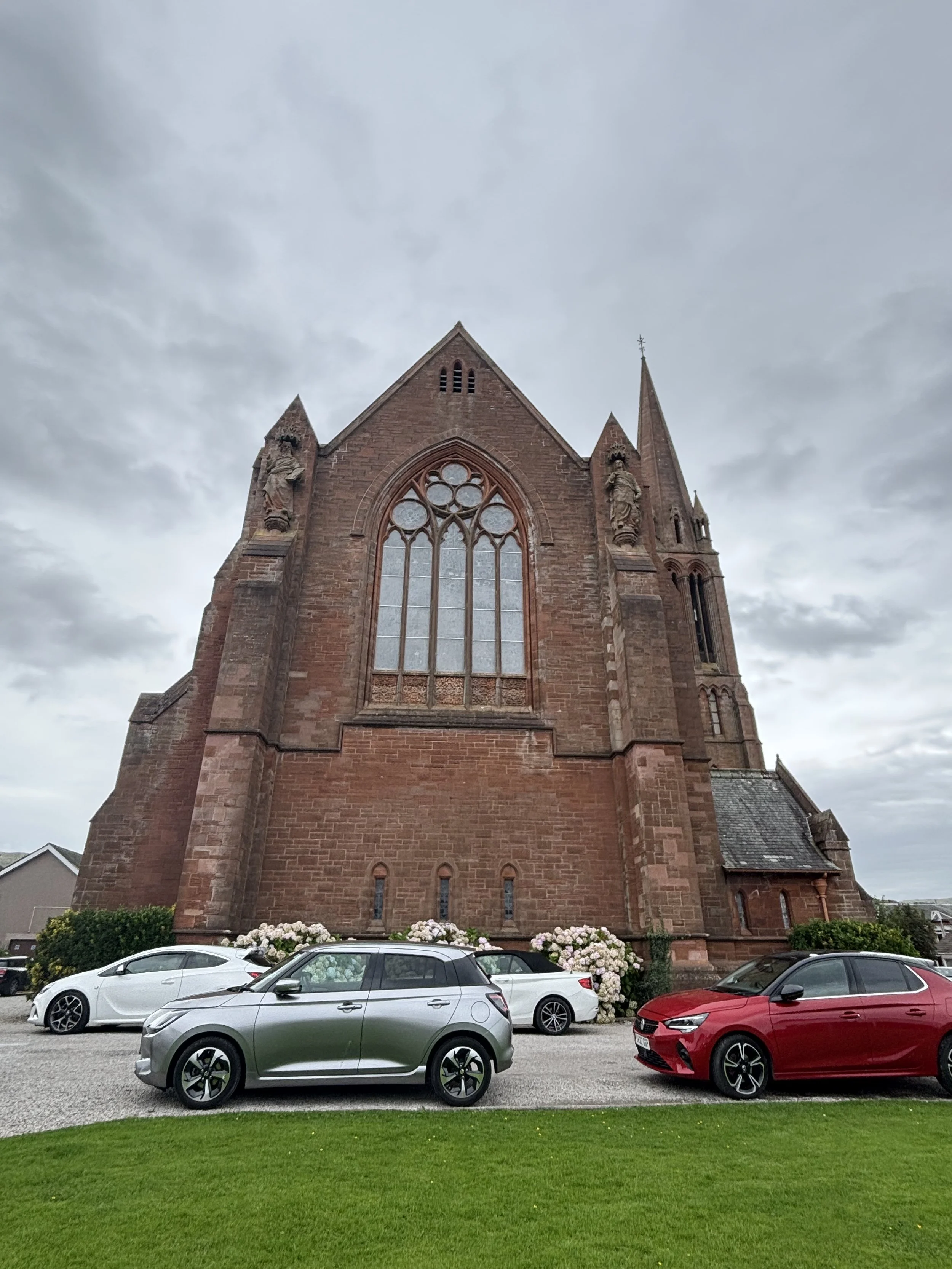
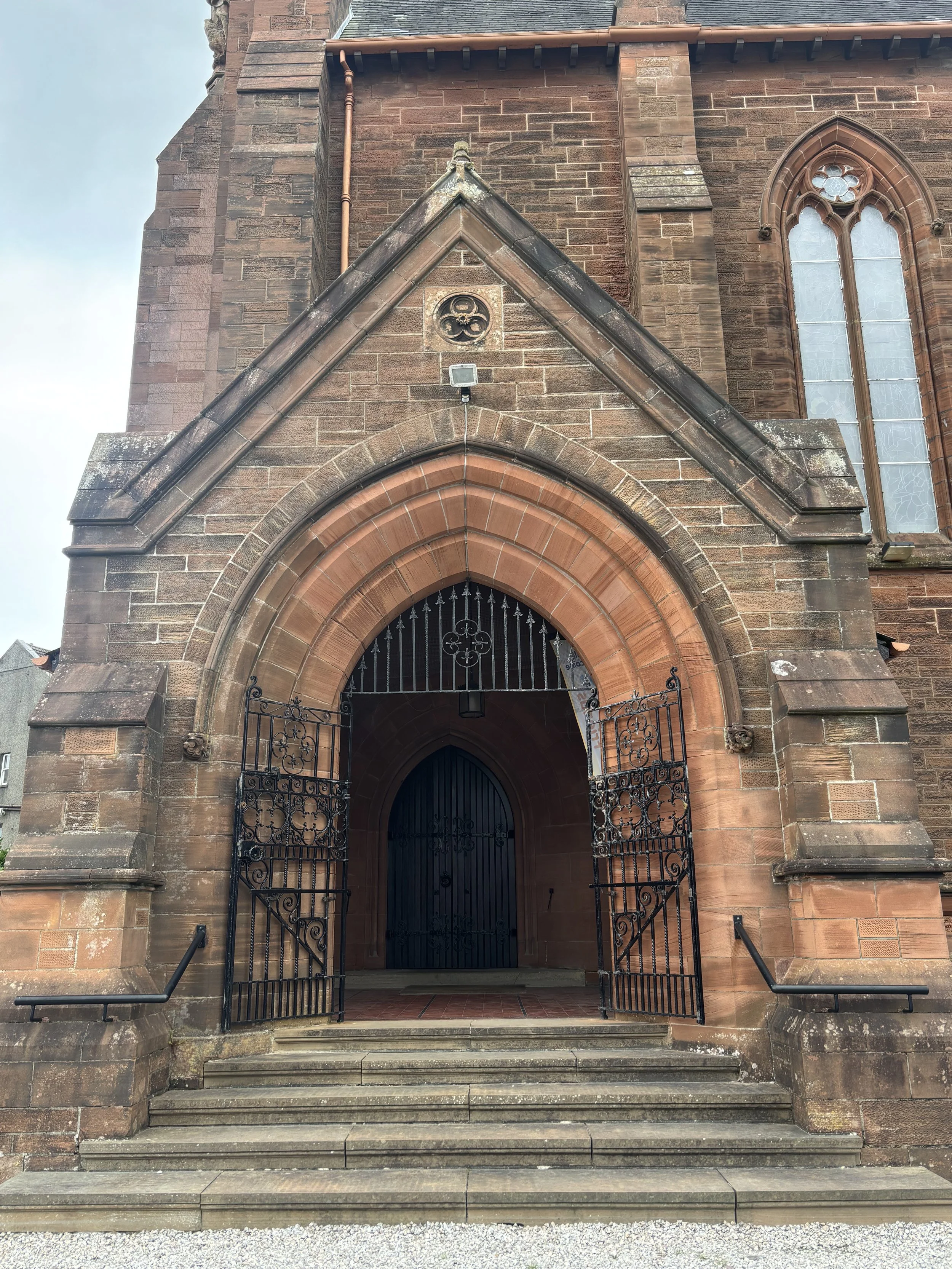
Tarbert Parish Church built in 1885
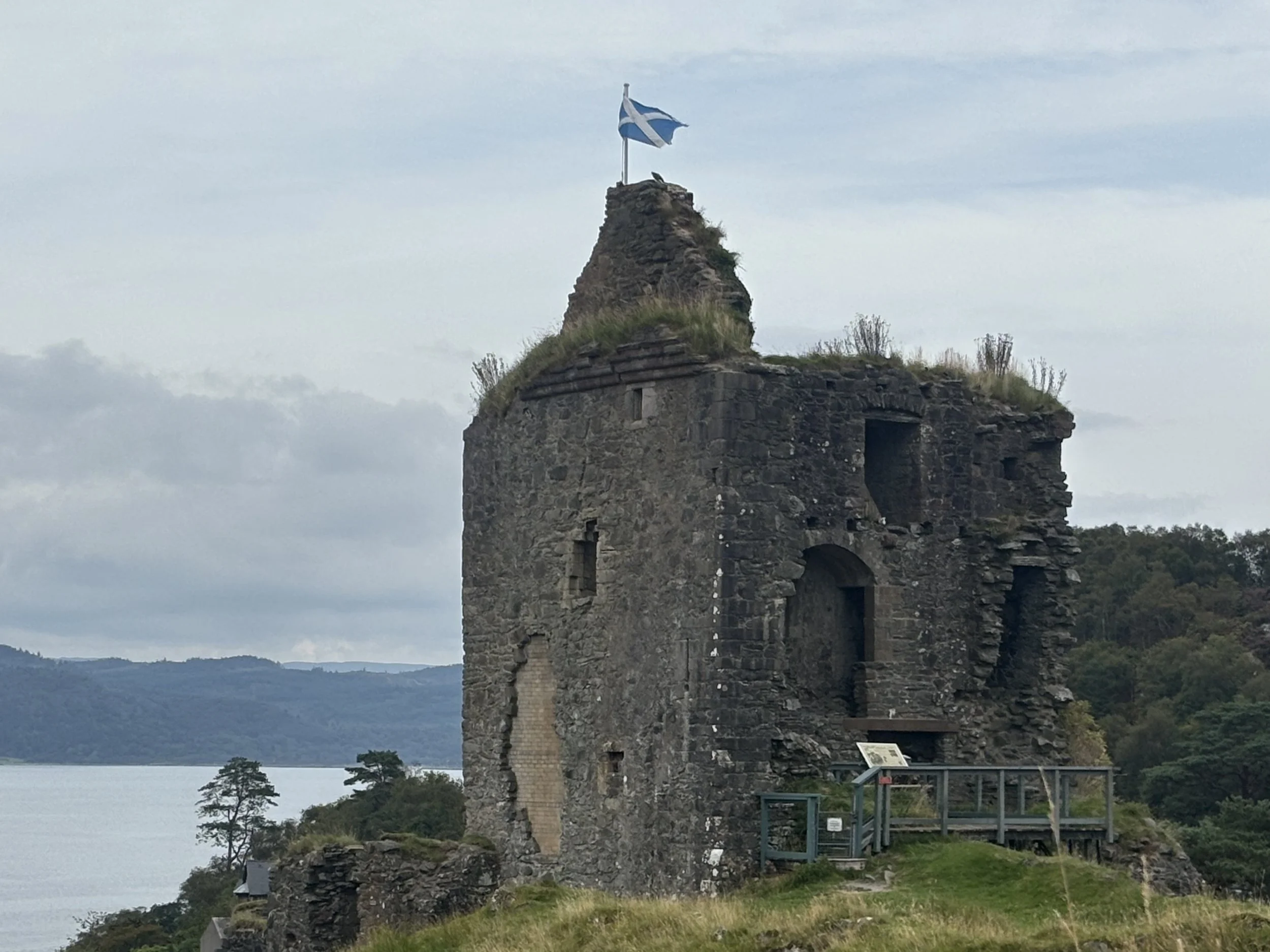
Tarbert Castle
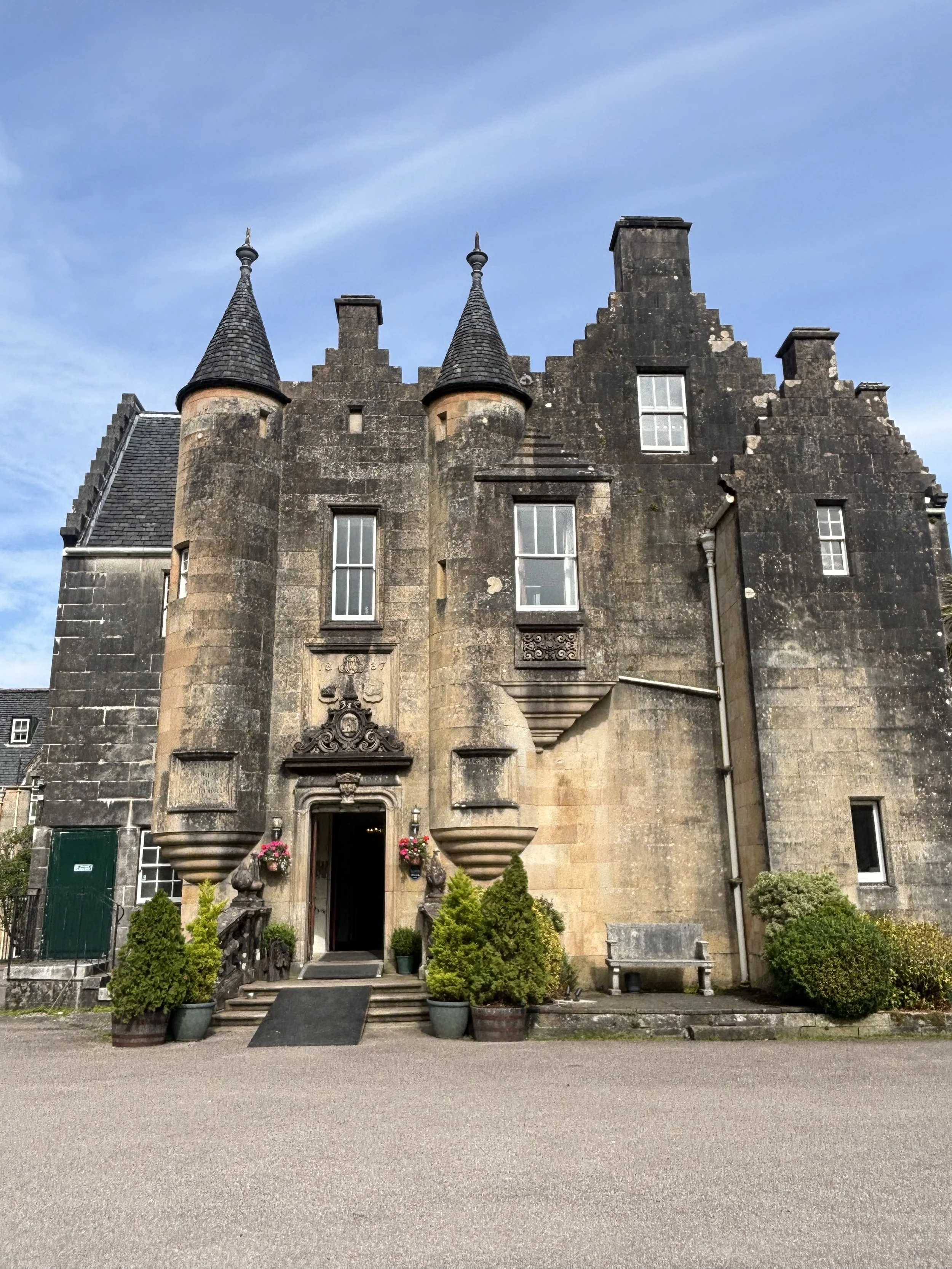
Stonefield Castle
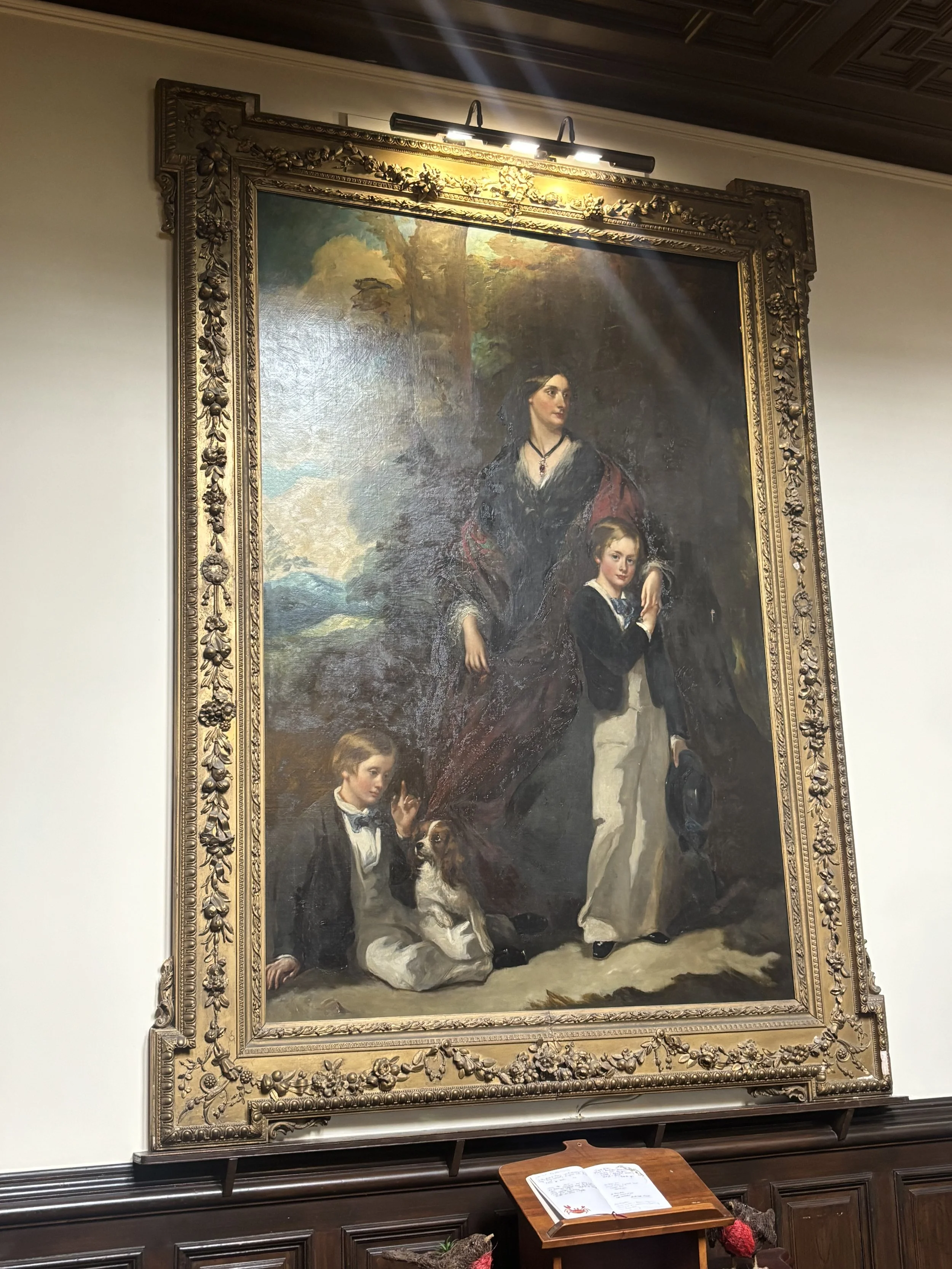
Family portrait with husband painted out.
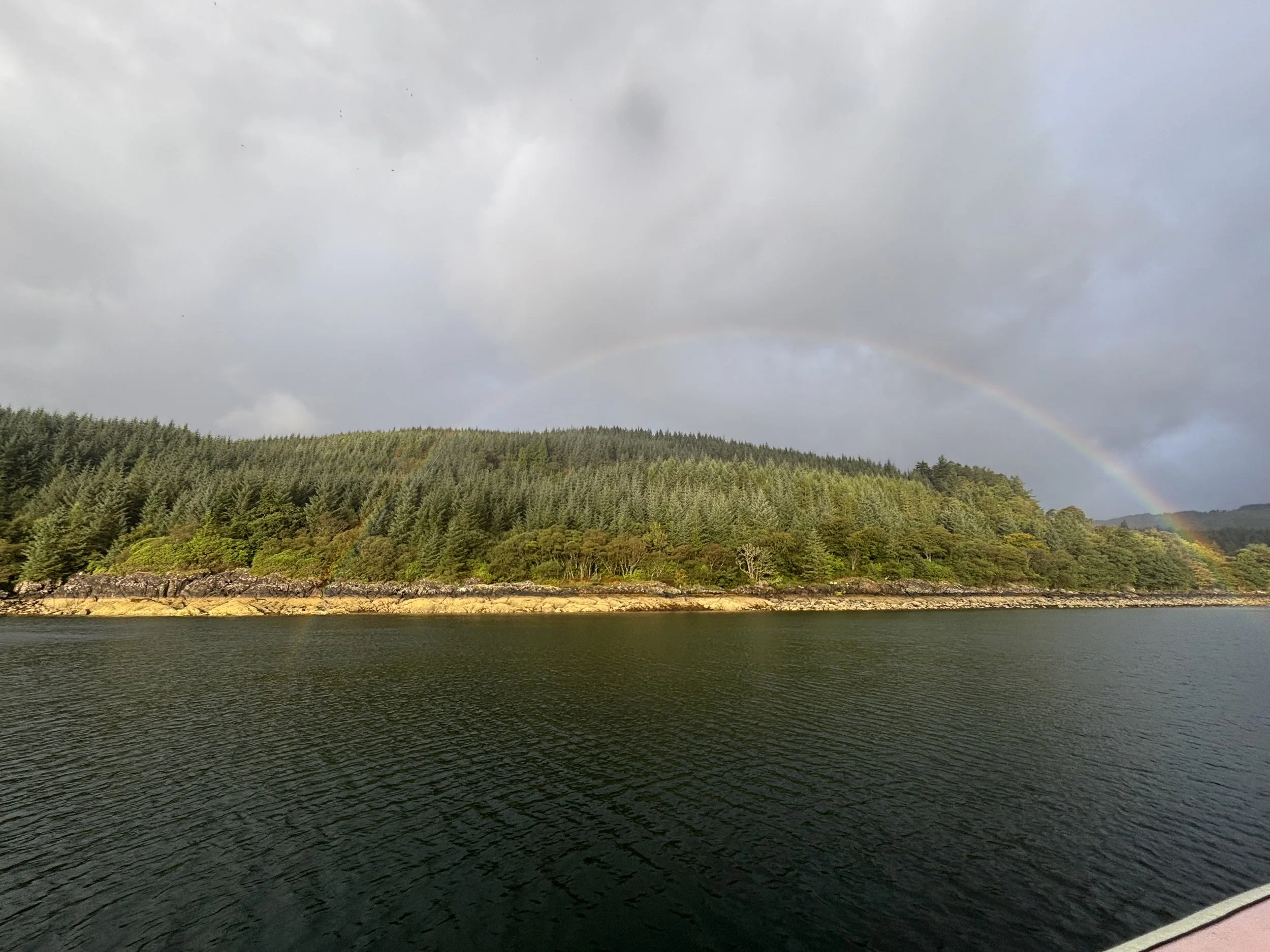
Sailing out of Barmore with a full rainbow.
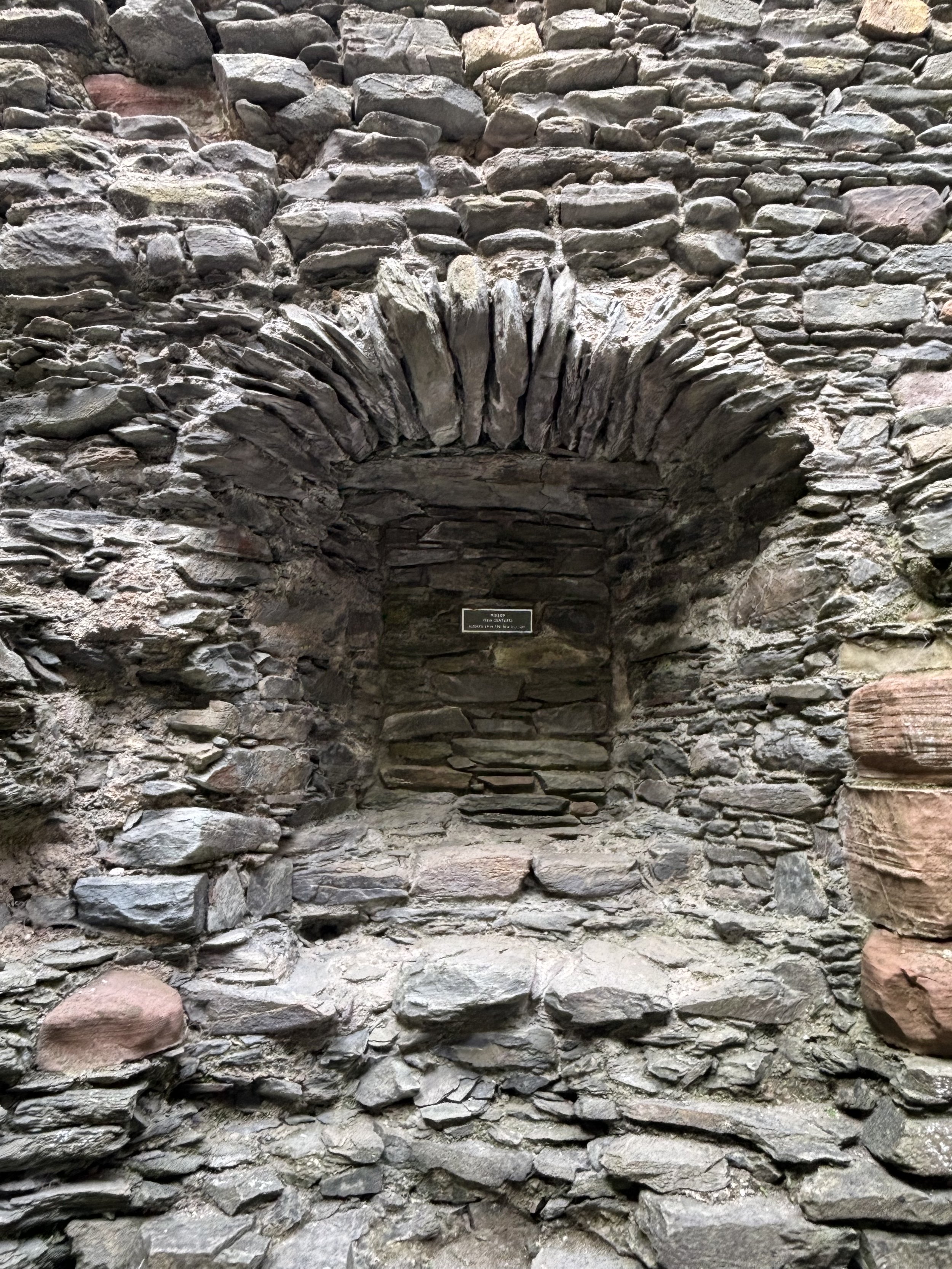
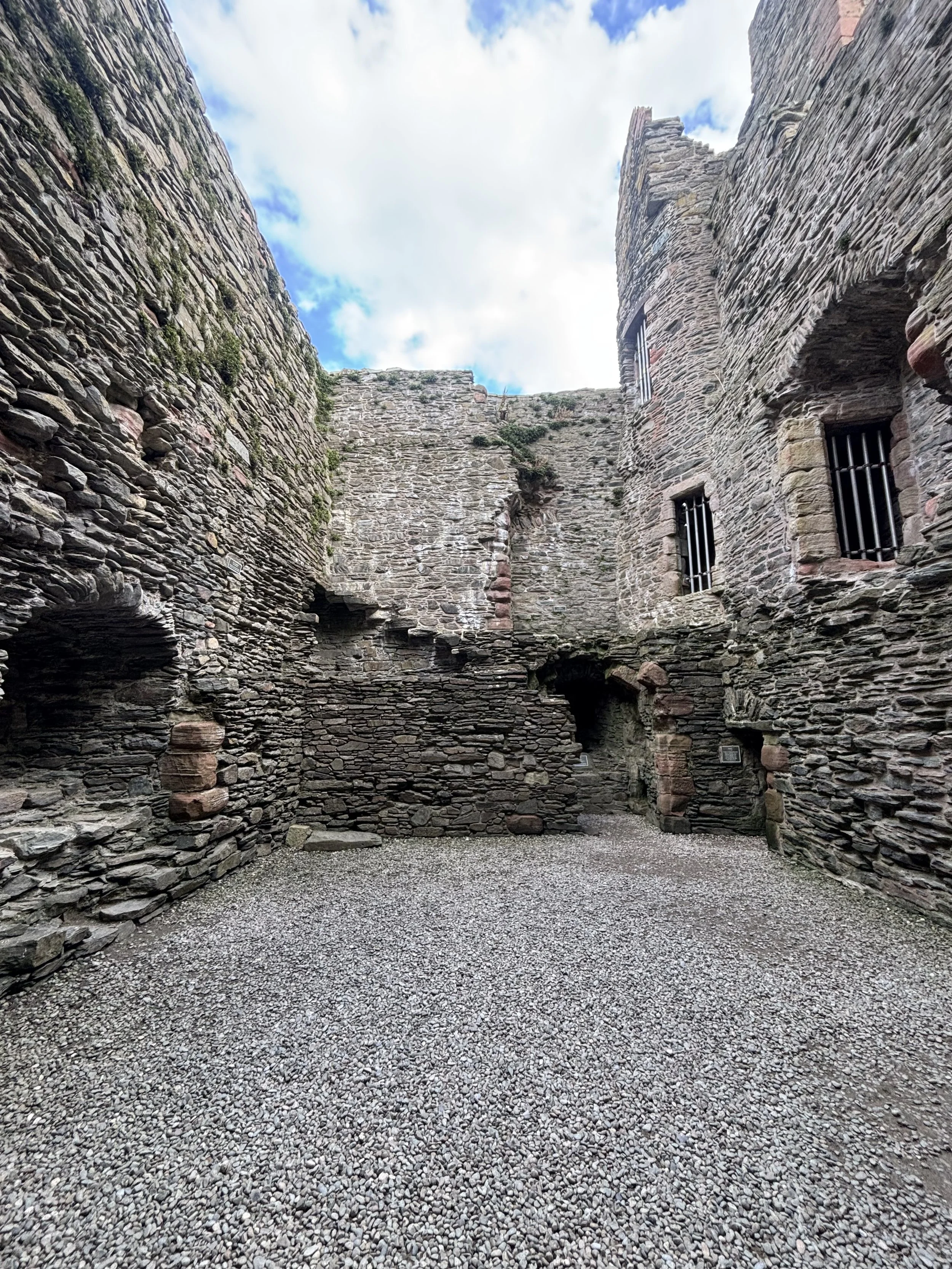
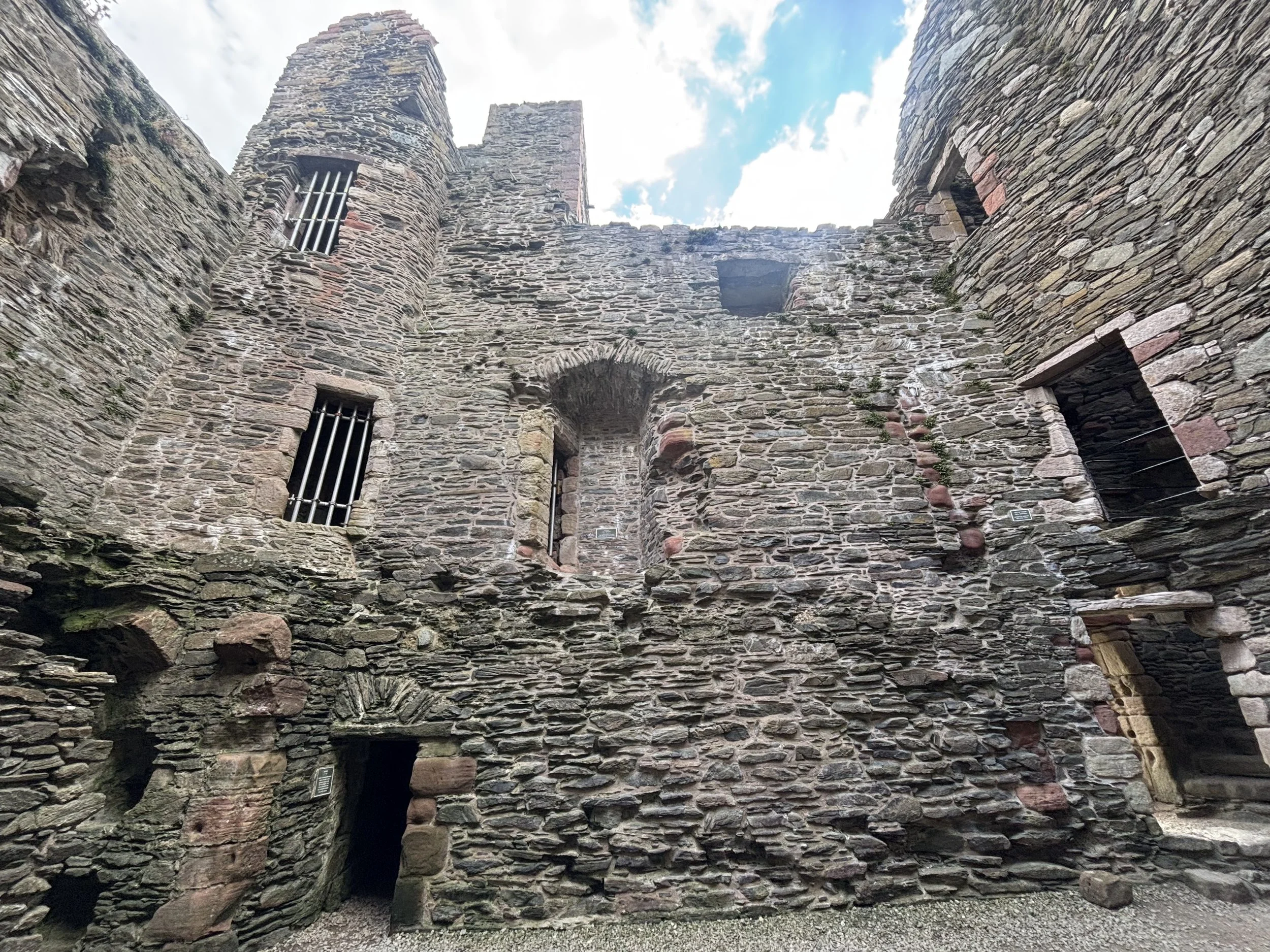
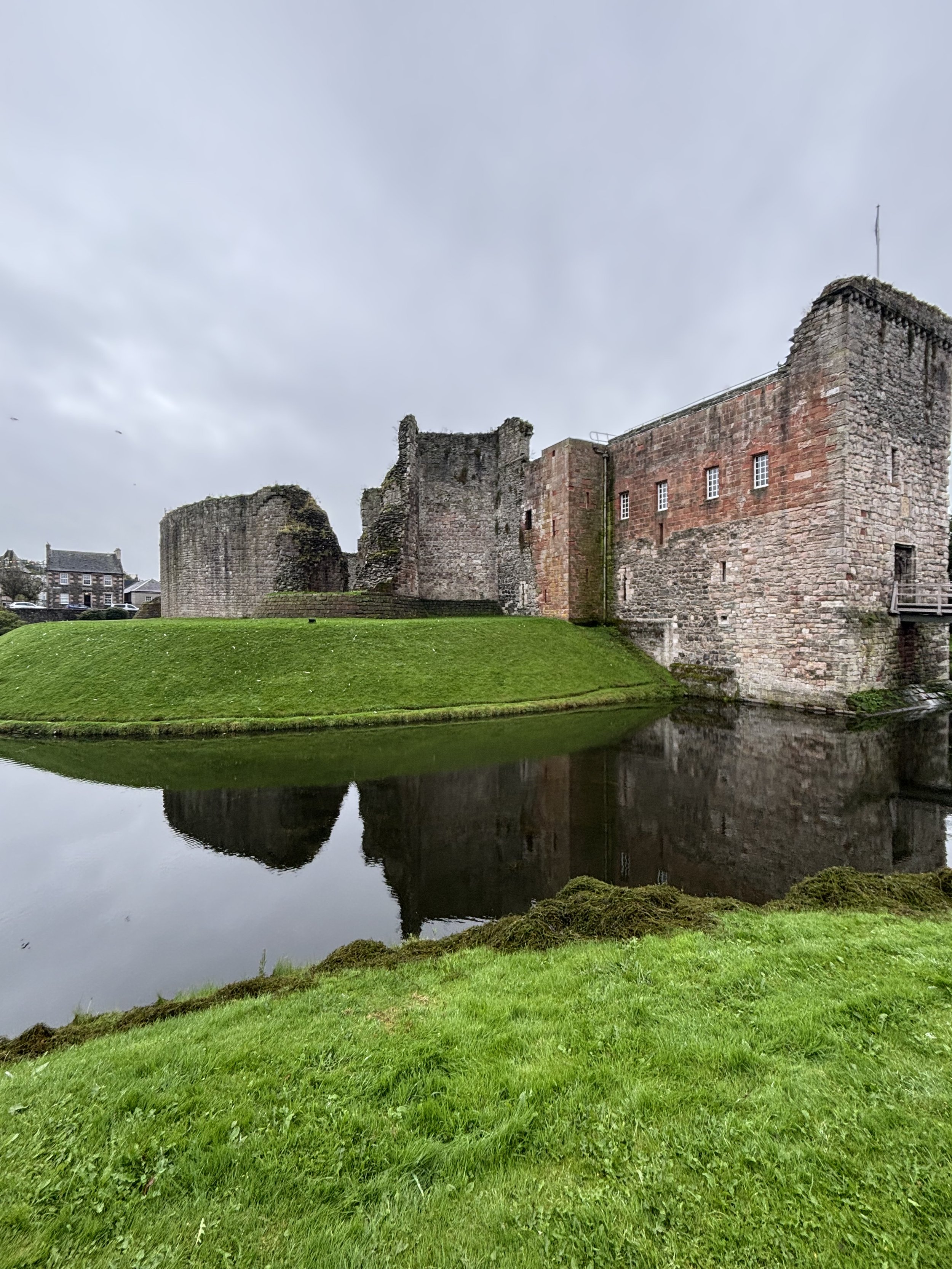
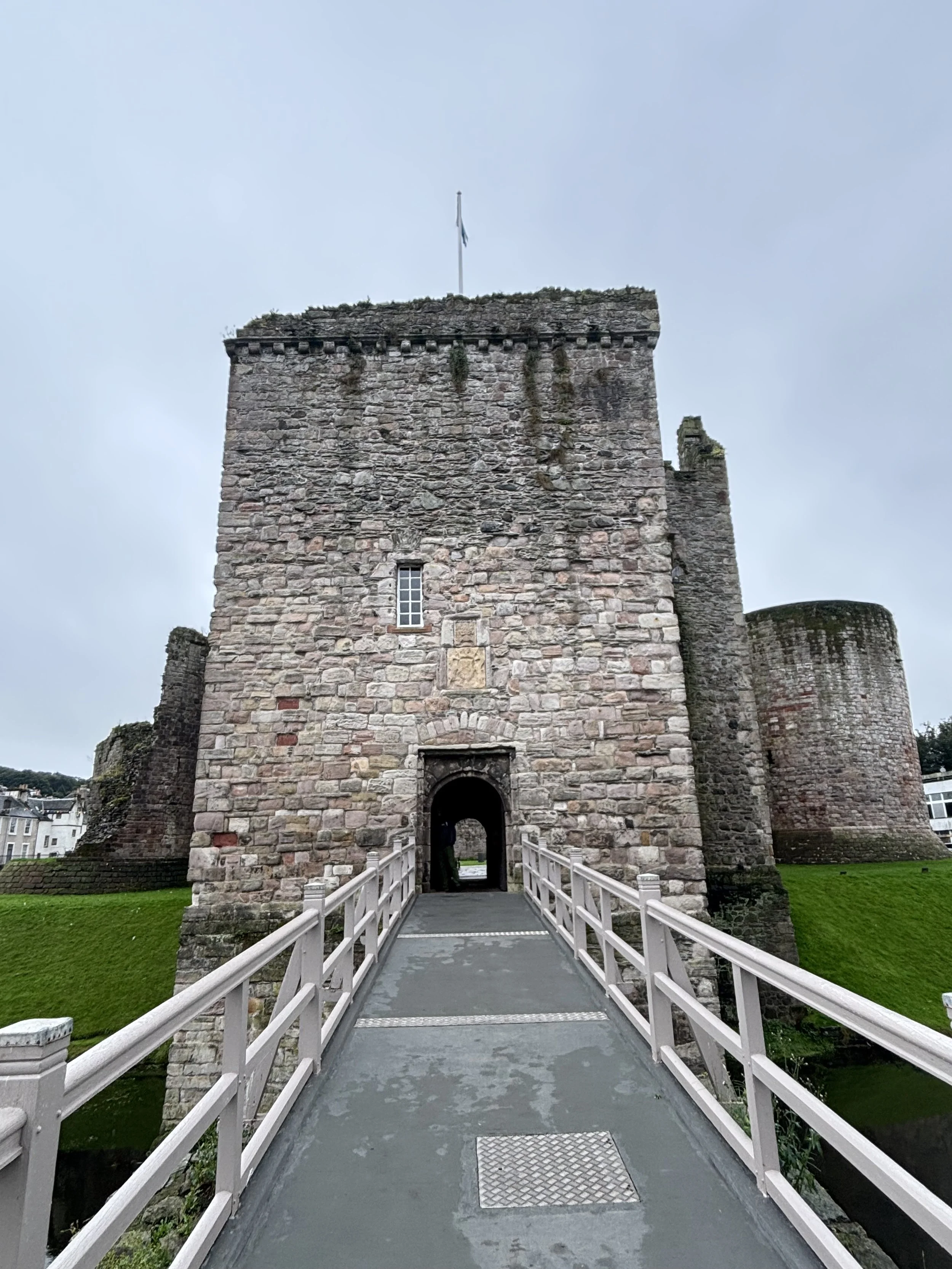
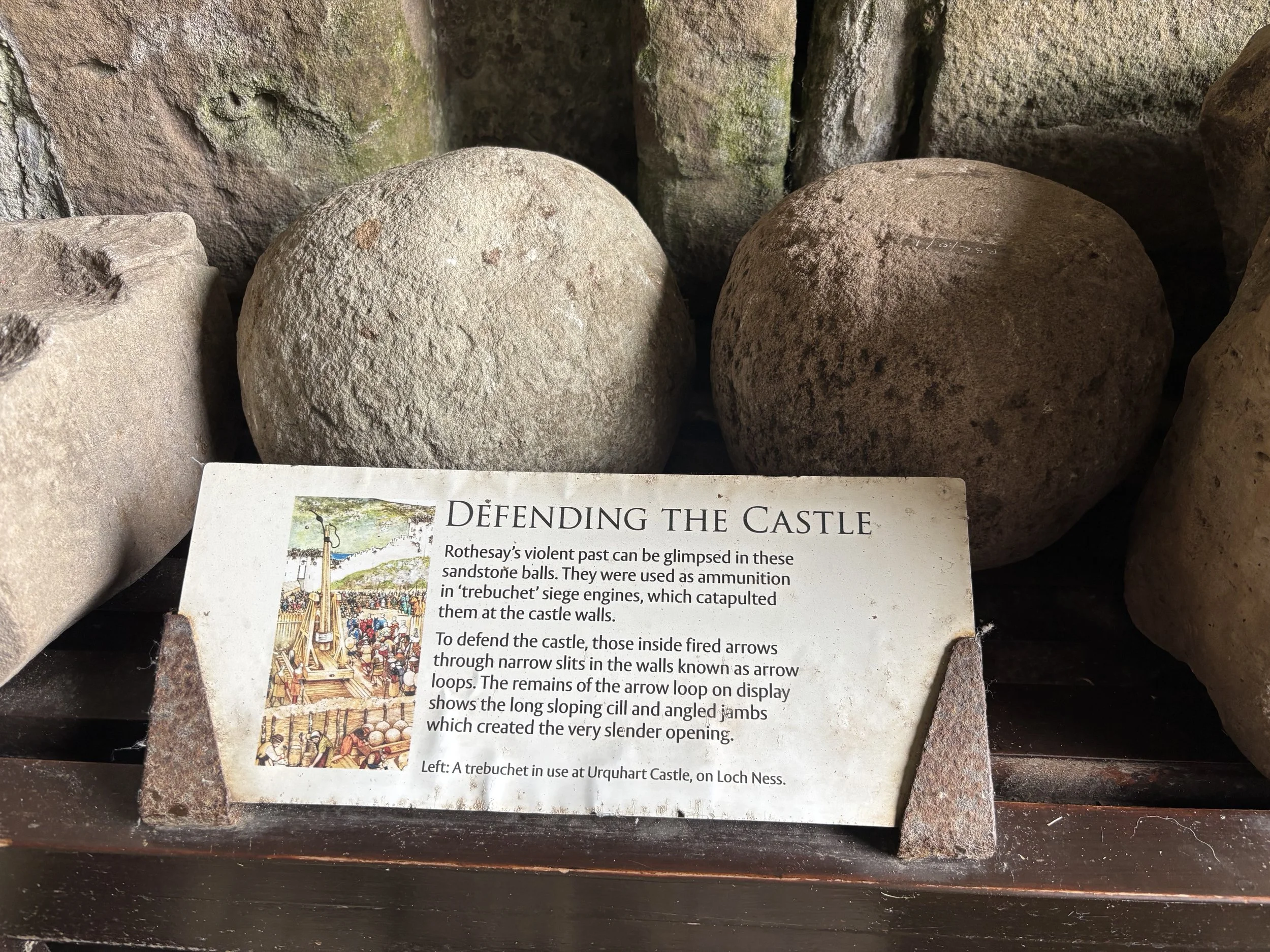
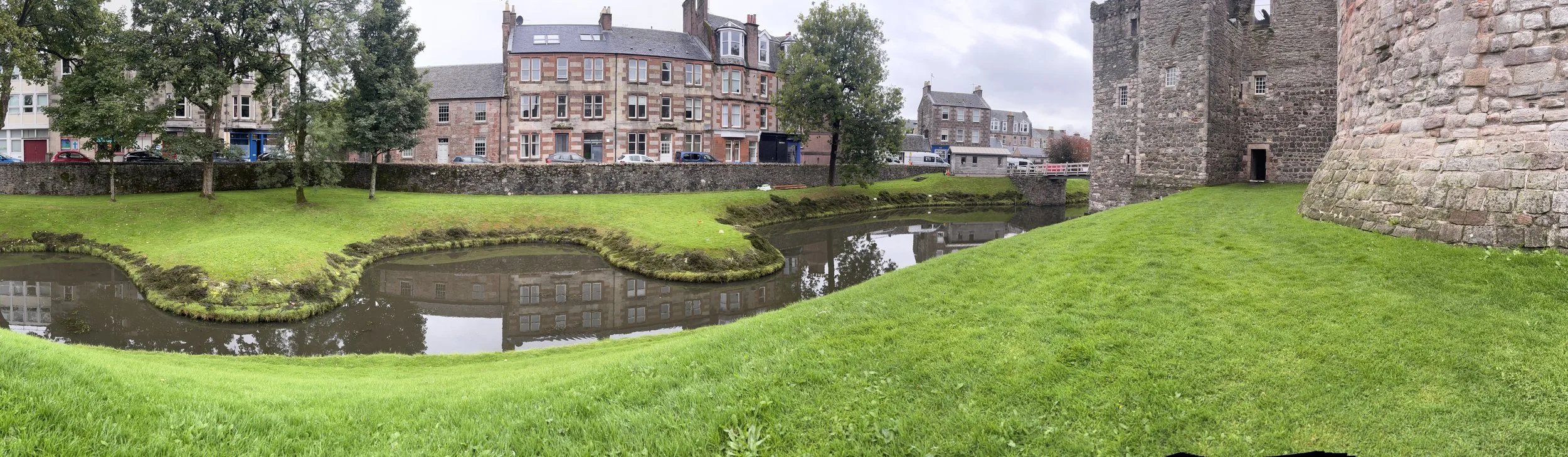
We eventually moved on, further up into Loch Fyne to the Burnt Islands. The weather was not the greatest: higher winds and rain. So we spent the day aboard and left the next morning for Rothesay—a larger town on the Isle of Bute in the Firth of Clyde. In the heart of the town is Rothesay Castle, built around 1200-1230. The history of the Norse and Scottish is thick in this area. Many of the castles we’ve seen in Scotland have been more like tower houses, but Rothesay Castle is a massive circular stone fortress with a moat. It was built partly to defend against the Norse, though they captured it in 1230 and again in 1263. But after the Norse threat diminished and the Stewarts became kings in 1371, Rothesay became a royal castle.
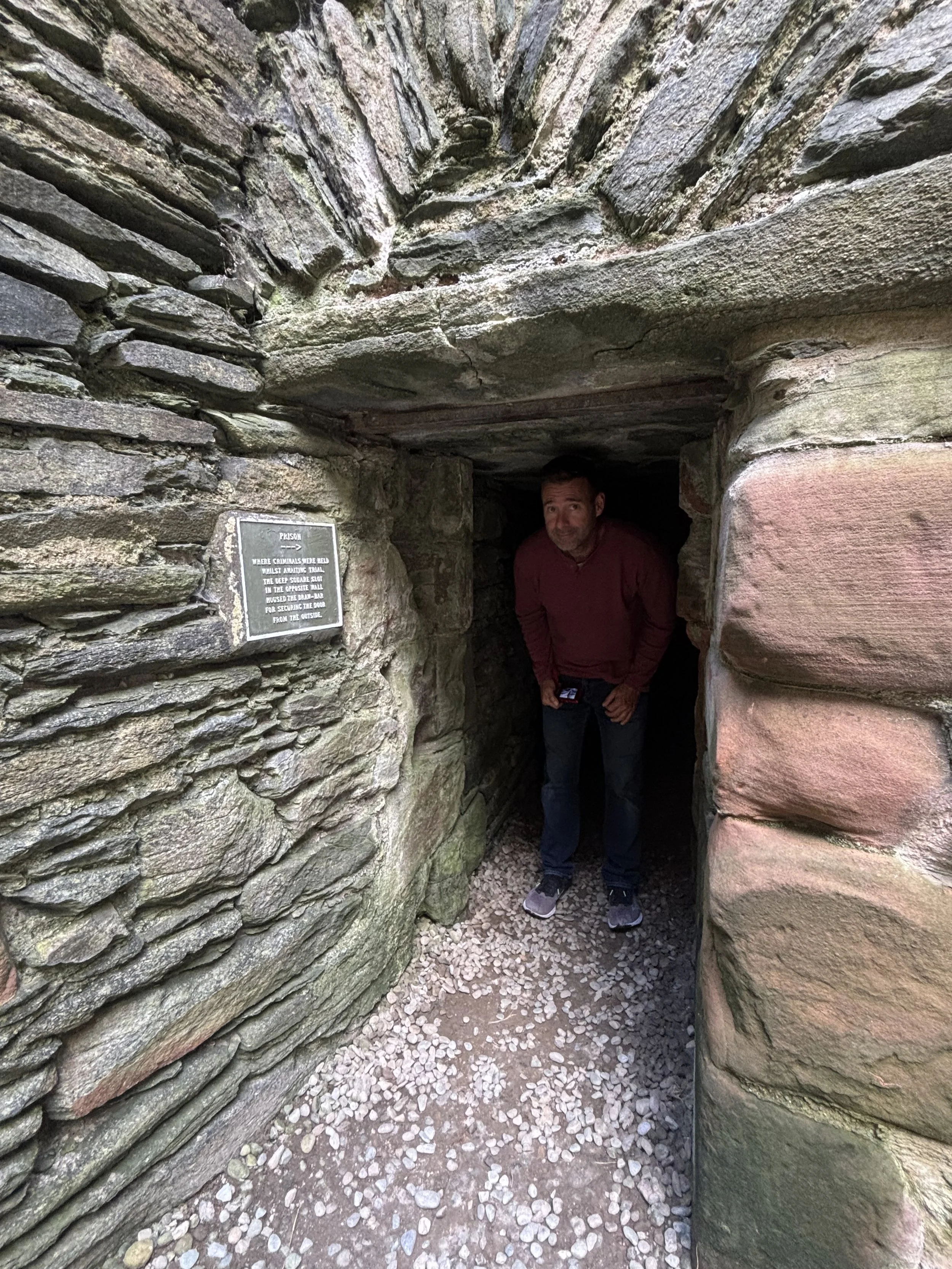
It has been incredibly interesting to learn about social and cultural norms during this timeframe. While at Rothesay Castle, we descended into the prison pit. It was dank and depressing, even with the electric light illuminating our surroundings. Many prisoners languished in these damp, dark, rat-infested conditions with little to eat, no fire, and poor ventilation. High-ranking prisoners like Archibald, 5th Earl of Angus (held at Rothesay in 1502-9), were kept in relative comfort and given a room inside the castle. But those of lower status would be cast into this pit prison.
Judgments could be harsh and physical punishment was common. Penalties included mutilation of the ears, lips and tongue, amputation of hands and feet, gouging out of the eyes, and execution—usually by hanging, burning, drowning or beheading. Public shaming was also a popular punishment. Perpetrators were put in the stocks where they could have eggs, dung, and insults hurled at them by passers-by. Even nuns and monks were not exempt from this humiliation.
A highlight in Rothesay was finding a free library at a local church, where I left some WholeHearted Project books for someone to find. Since we’ve been traveling abroad, we’ve left WholeHearted books in Bere Island, Ireland, and here in Rothesay, Scotland. I was also able to ship some for free to a church-run bookstore in Northern Ireland.
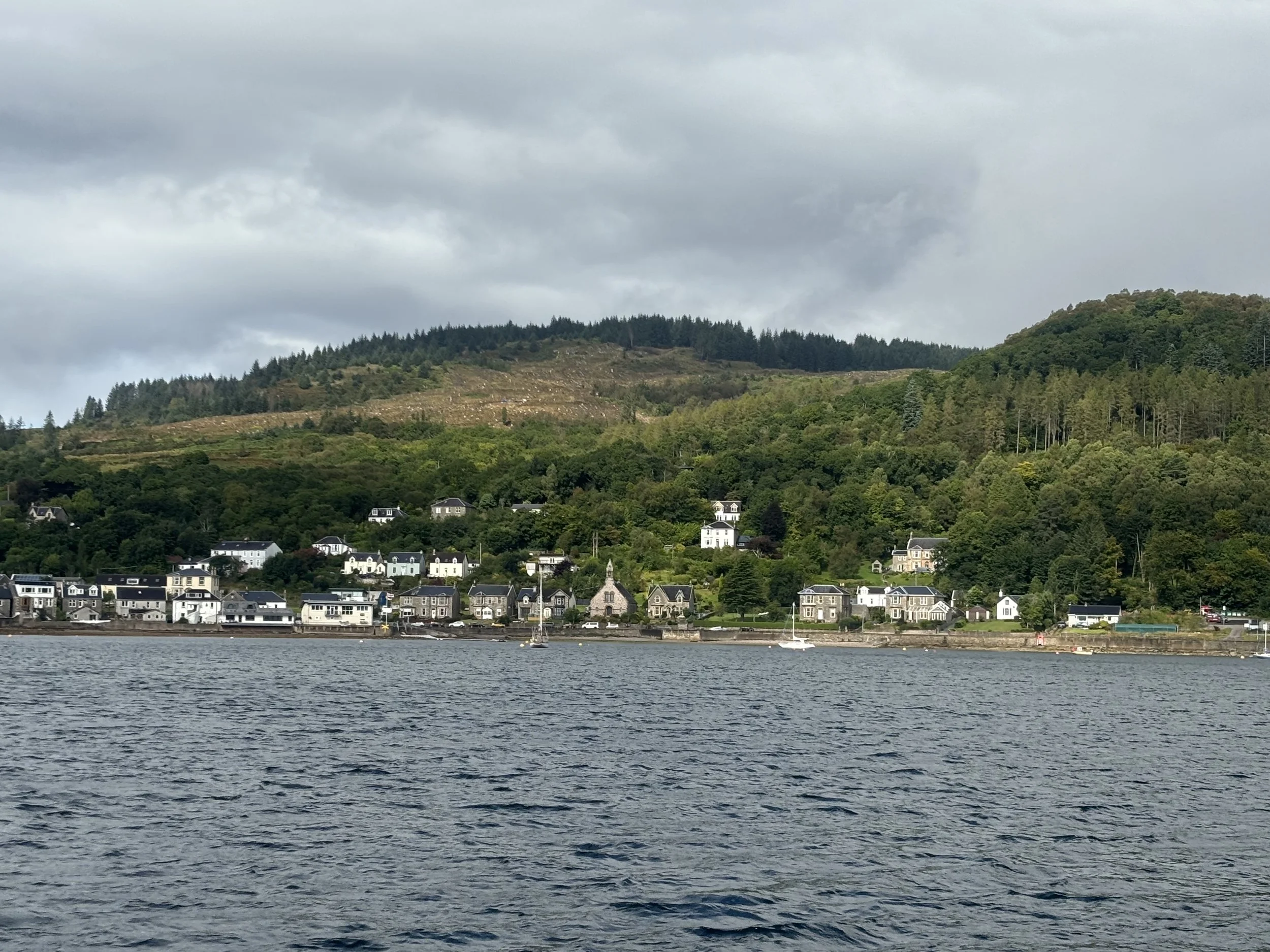
Rothesay anchorage
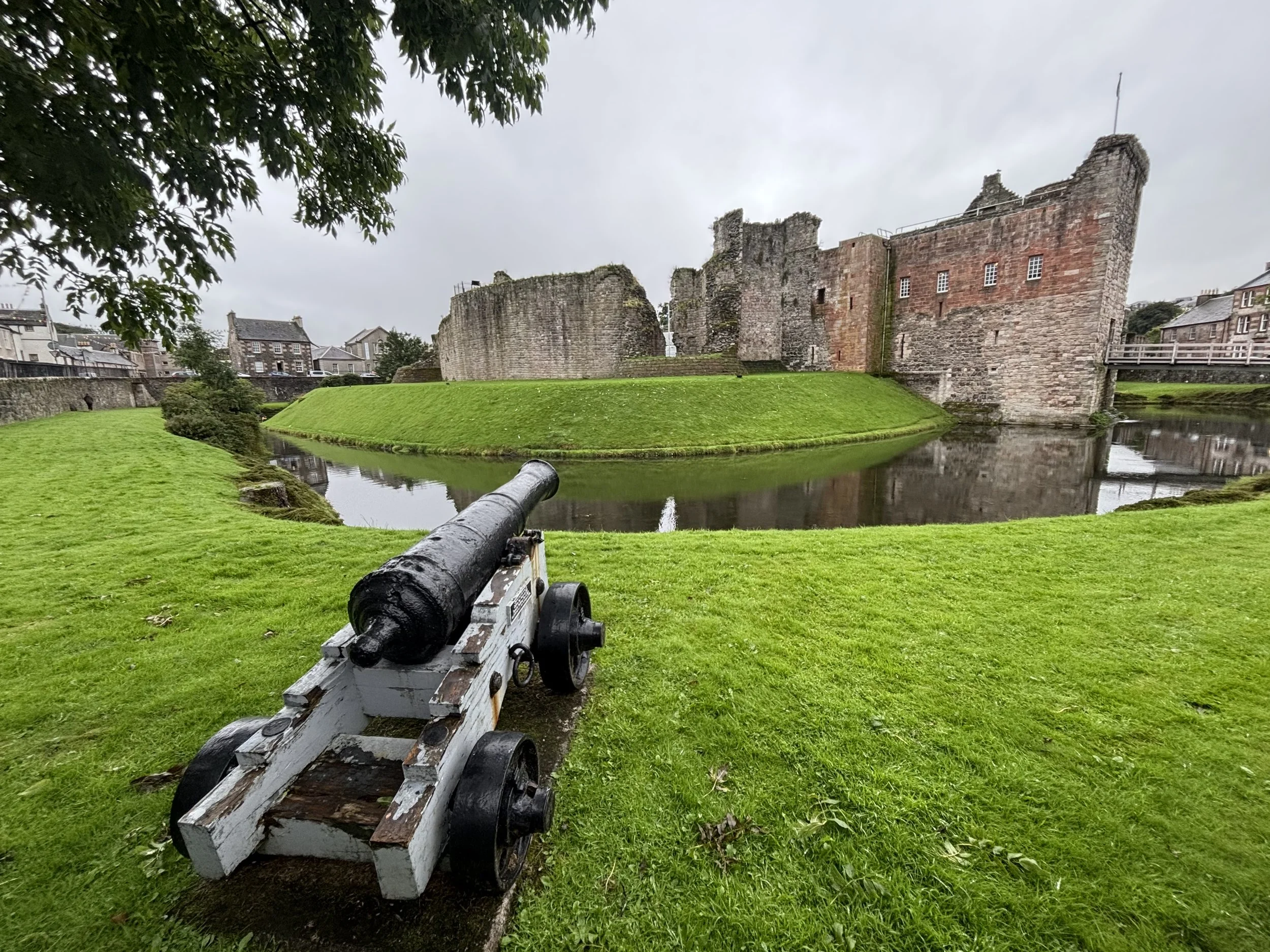
Rothesay Castle and Moat
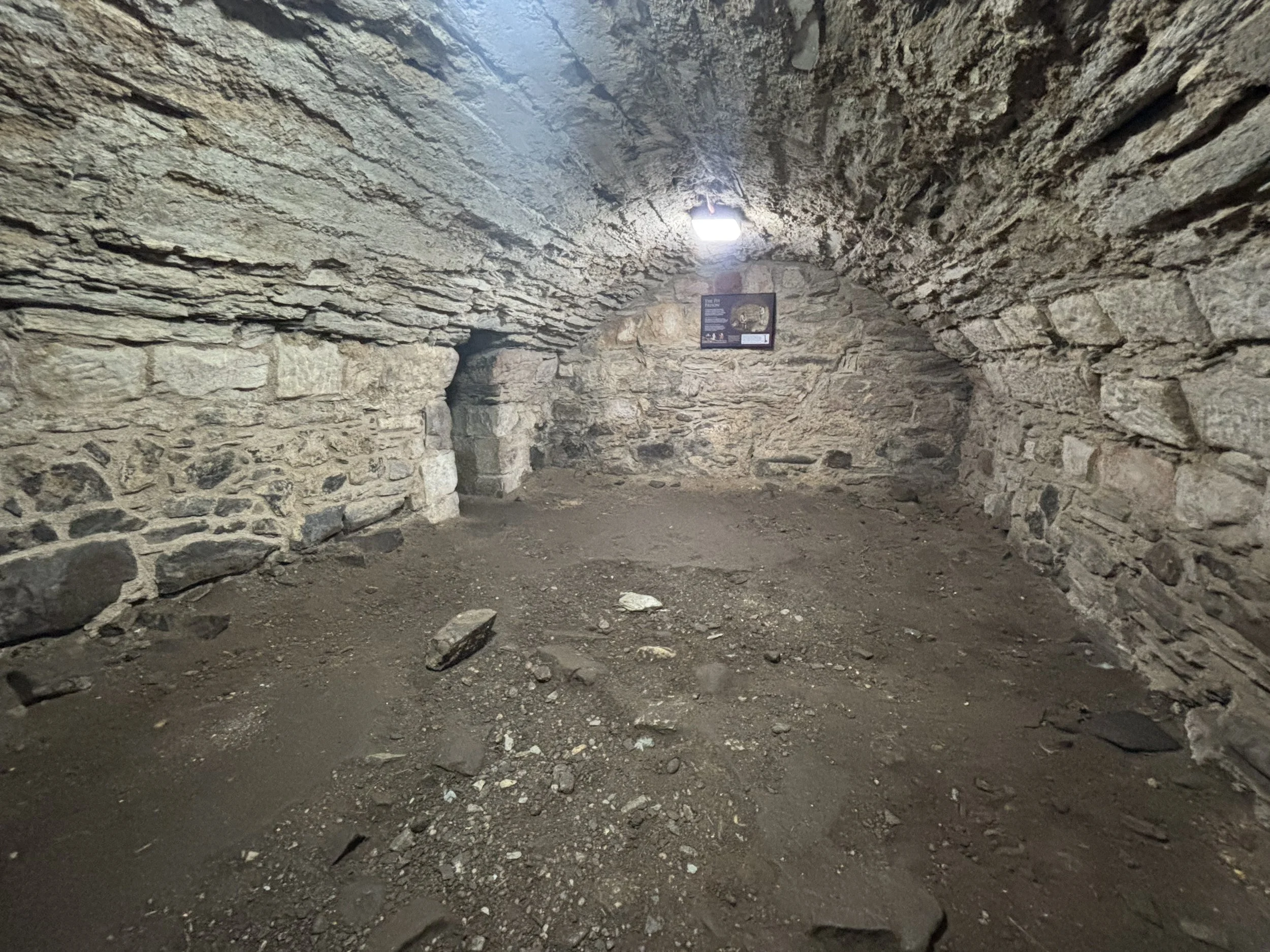
The pit prison at Rothesay Castle
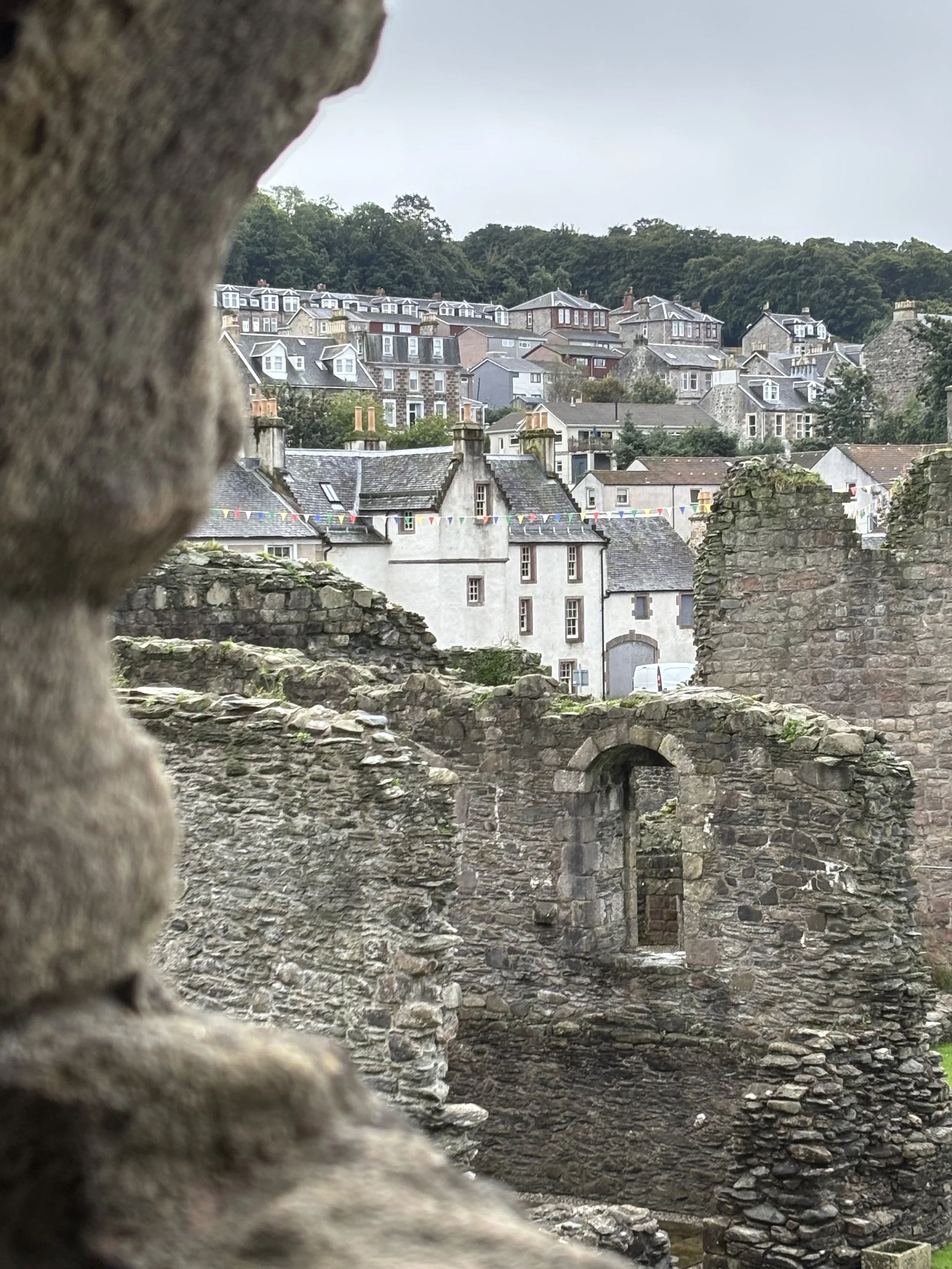
View of Rothesay from inside the castle
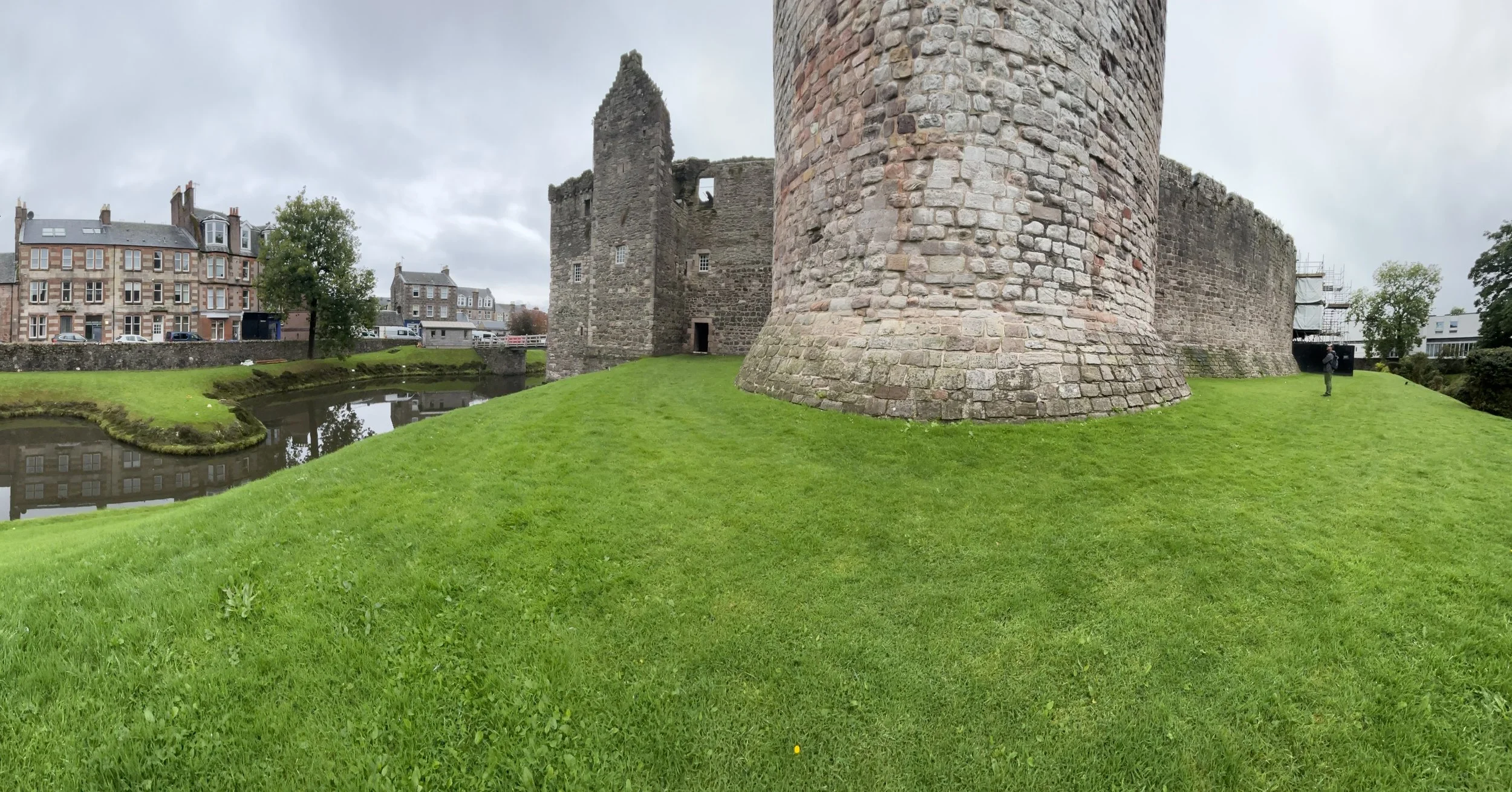
Outside of Rothesay Castle
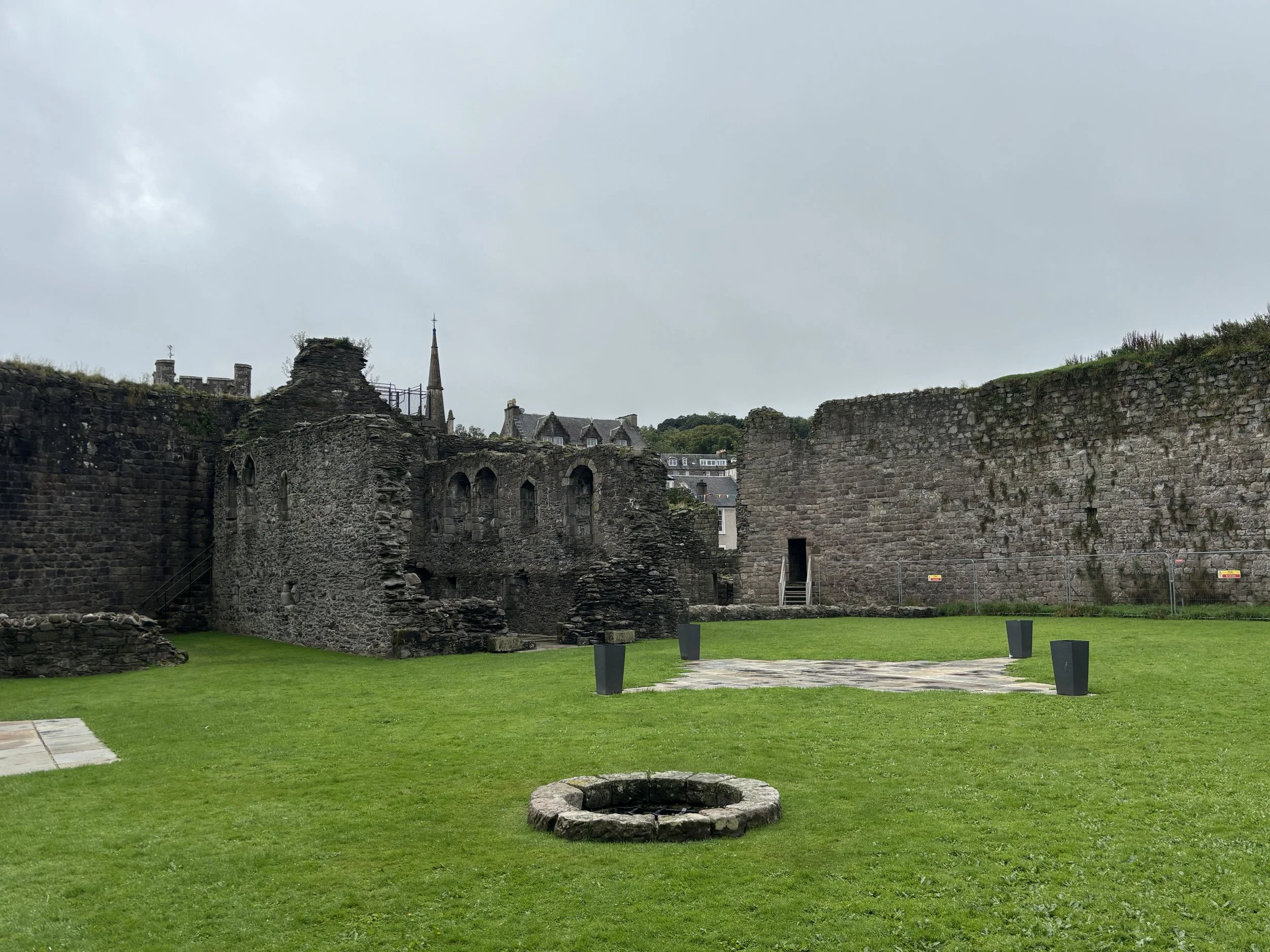
Inside courtyard of Rothesay Castle
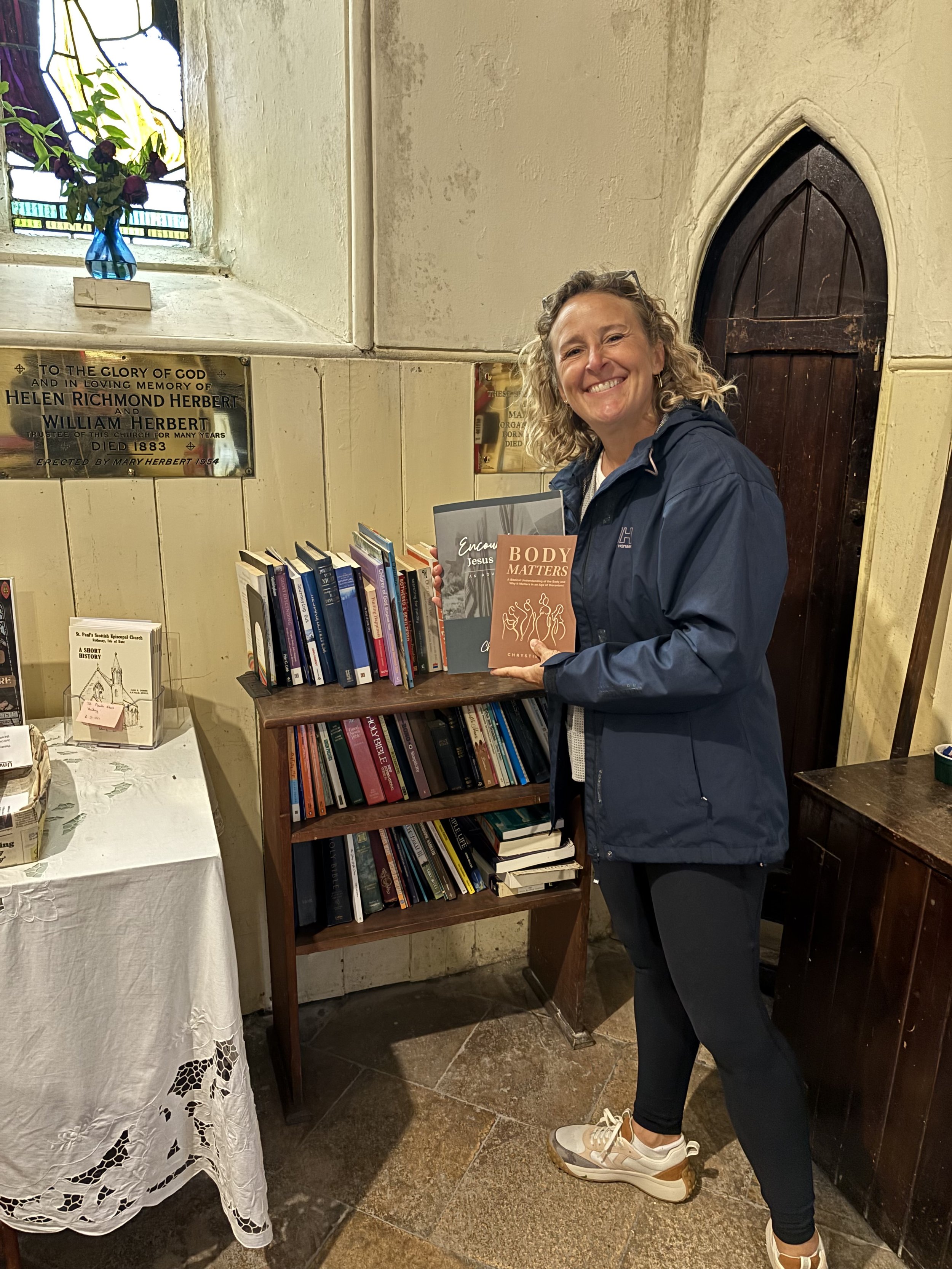
Placing free WholeHearted books in the library at this parish church in Rothesay
It seems that the weather has significantly shifted over the last week or two. Every couple of days we experience low-pressure systems moving through the area, bringing high winds. So, after two days at Rothesay and with a new front approaching, we needed to find adequate shelter from the coming winds. We sailed to Inverkip, where we spent a couple of days in Kip Marina.
With Remedy safely tied to a dock, we took the bus into the nearby town of Largs to drop off a piece of our cockpit enclosure. The cockpit enclosure is made of Sunbrella canvas and eisenglass (clear vinyl used for windows). This is what enables us to stay dry and be sheltered from wind. But this particular panel took a beating during our Bermuda-to-Azores crossing, so it needed some reinforced stitching and a new zipper. After dropping off the canvas piece, we grabbed lunch—a delicious Yorkshire pudding—and spent a few hours exploring Largs before catching the bus back to Inverkip.
That evening we hung out with some local sailors—Zahra and Steven—aboard Bluegrass. I love the sailing community. It’s amazing how quickly strangers become friends. Zahra and I both belong to a WhatsApp group for women sailors. When she realized I was in her area, she sent me lots of great local knowledge and suggestions. So we were excited to meet in person! And, being a local, she was quick to offer us all kinds of help—like rides to the local grocery store or into town. The sailing community is truly special.
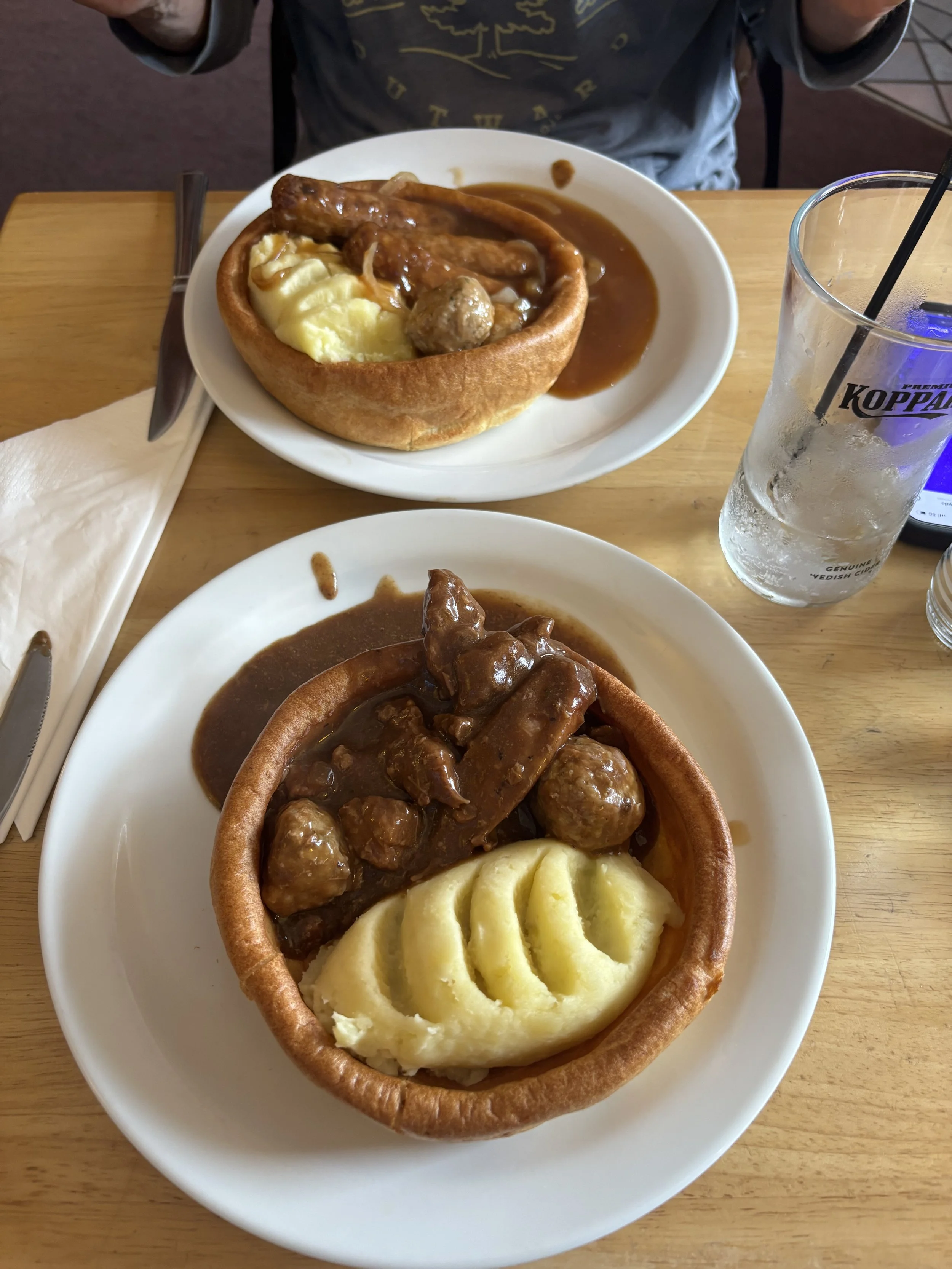
Yummy Yorkshire Pudding!!!
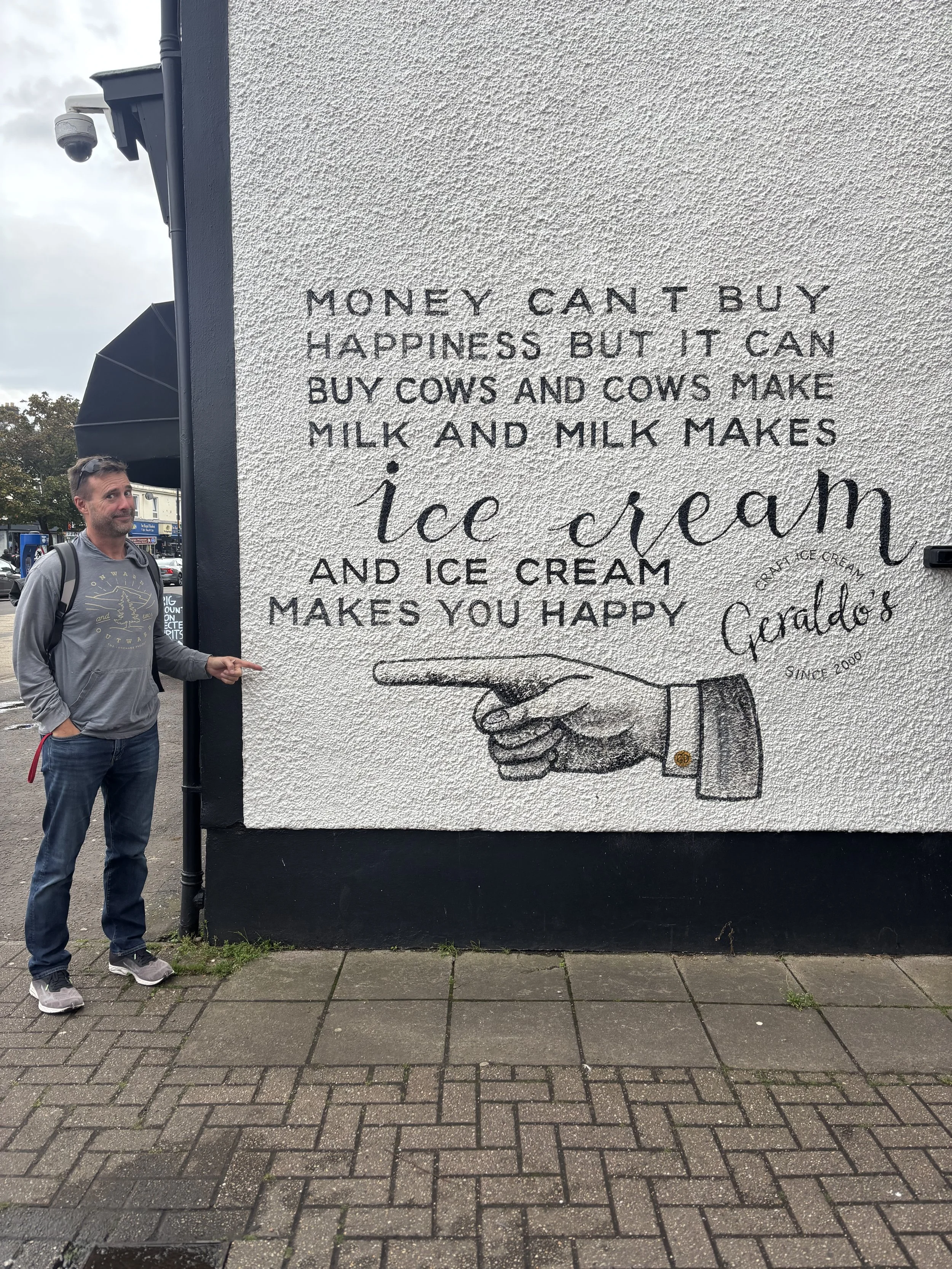
Ken’s life motto.
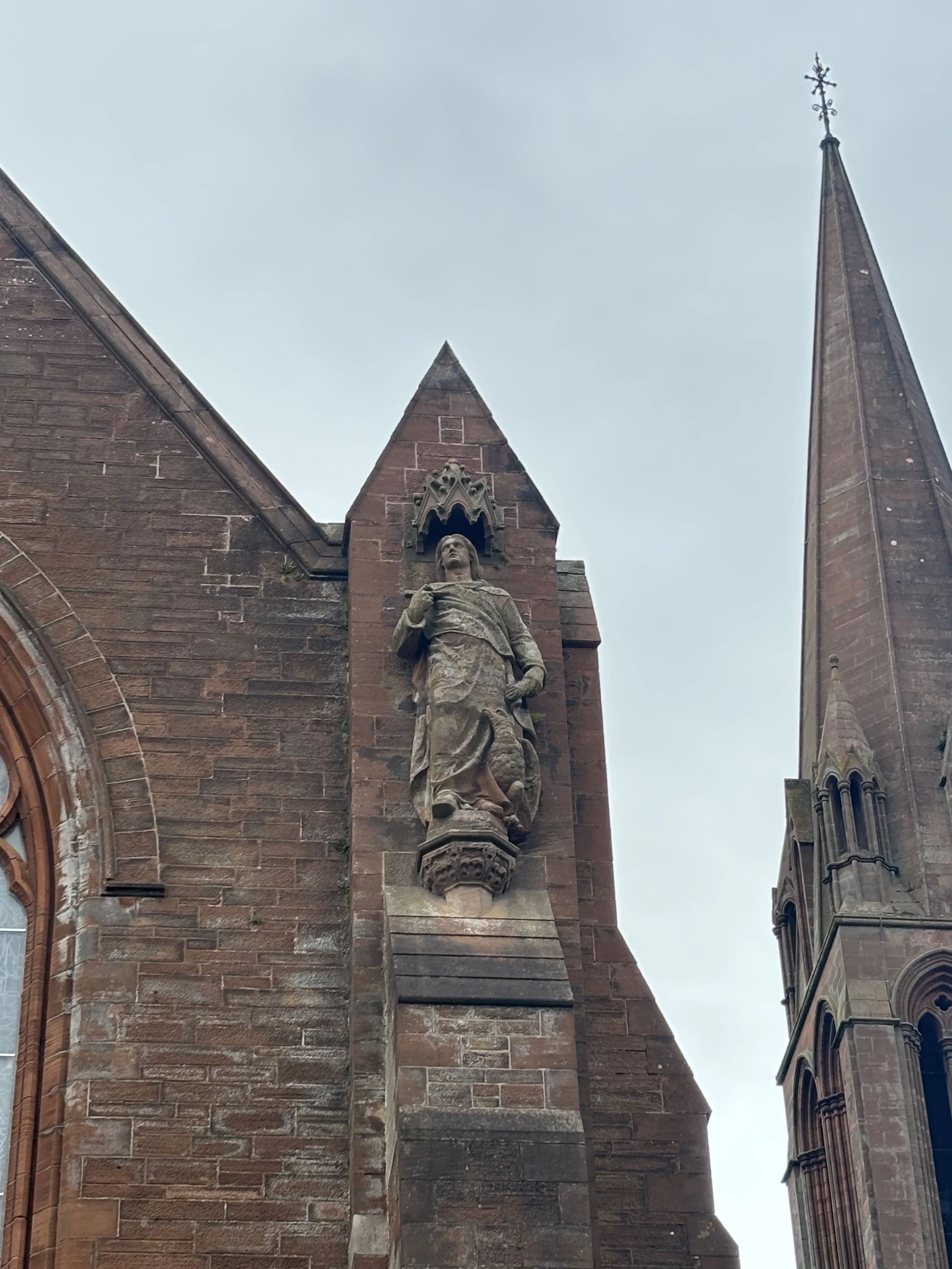
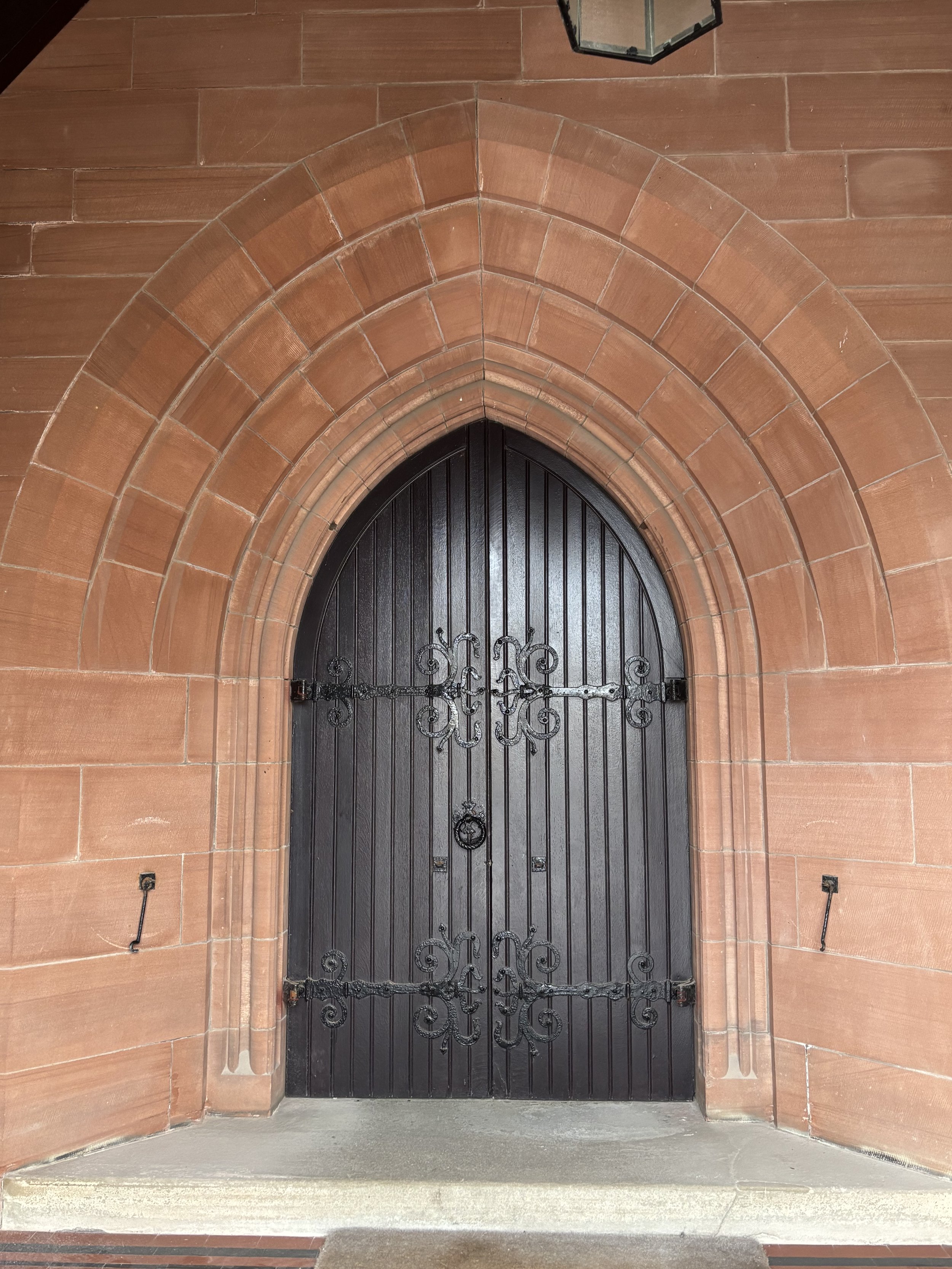
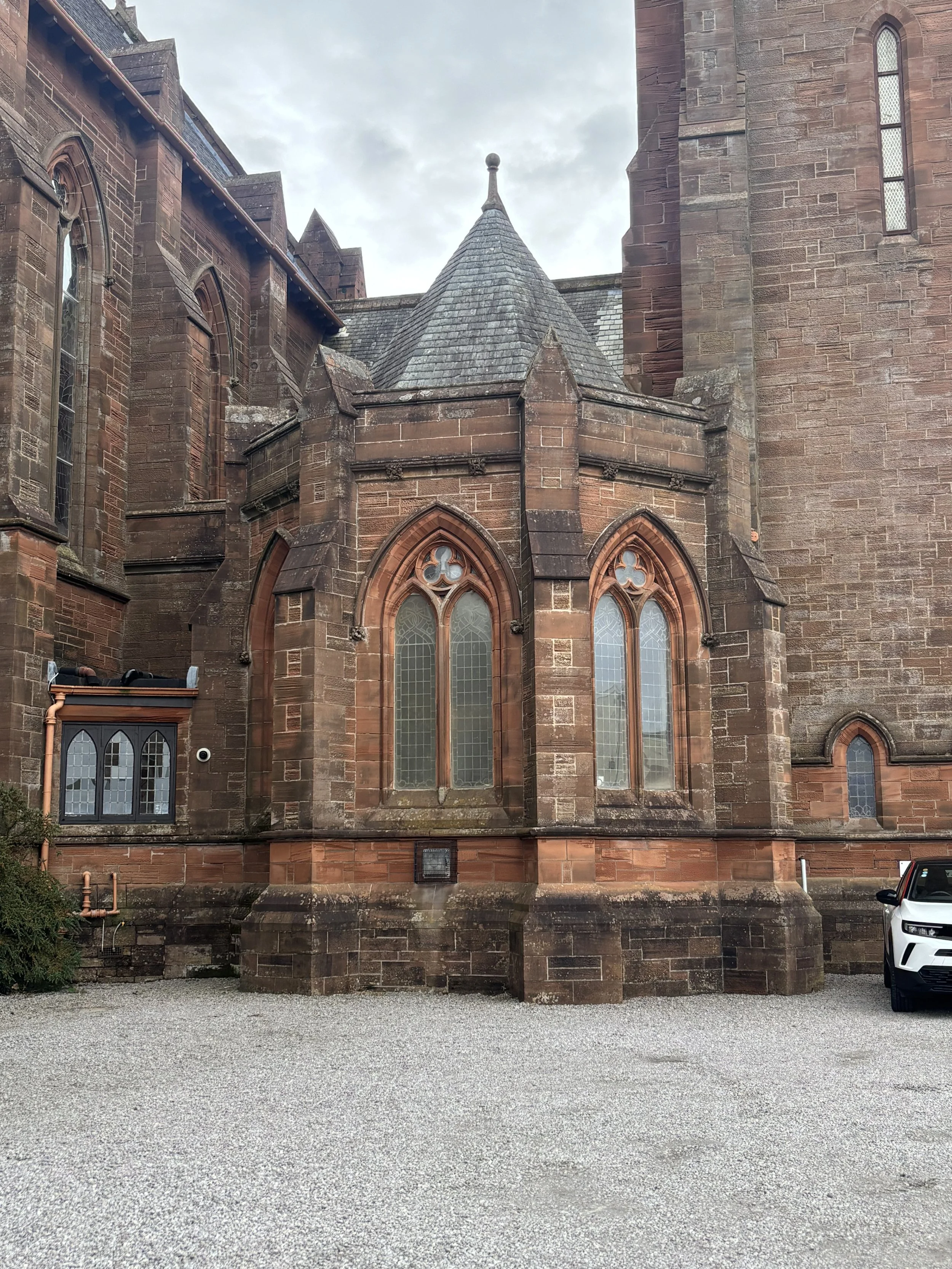
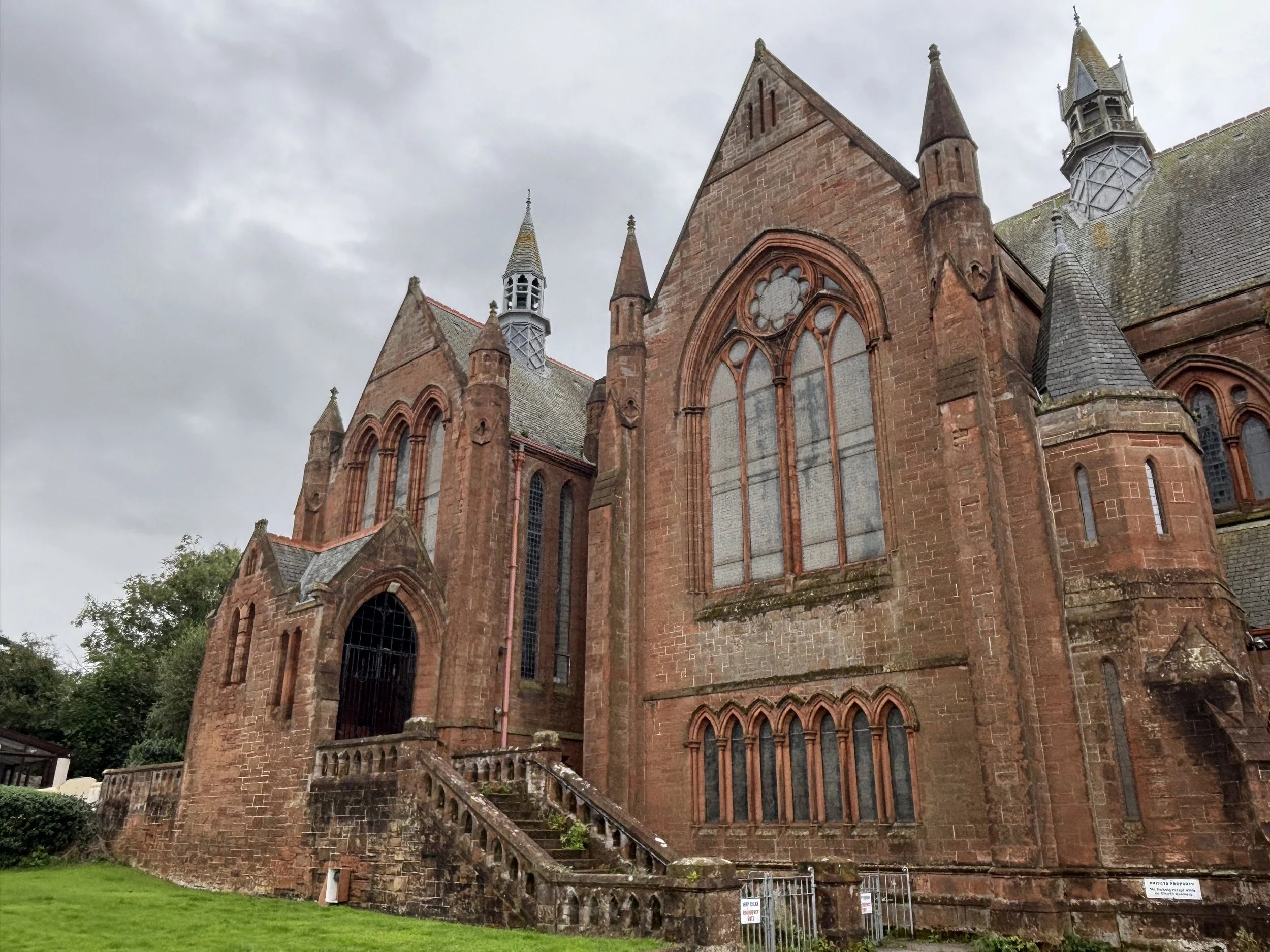
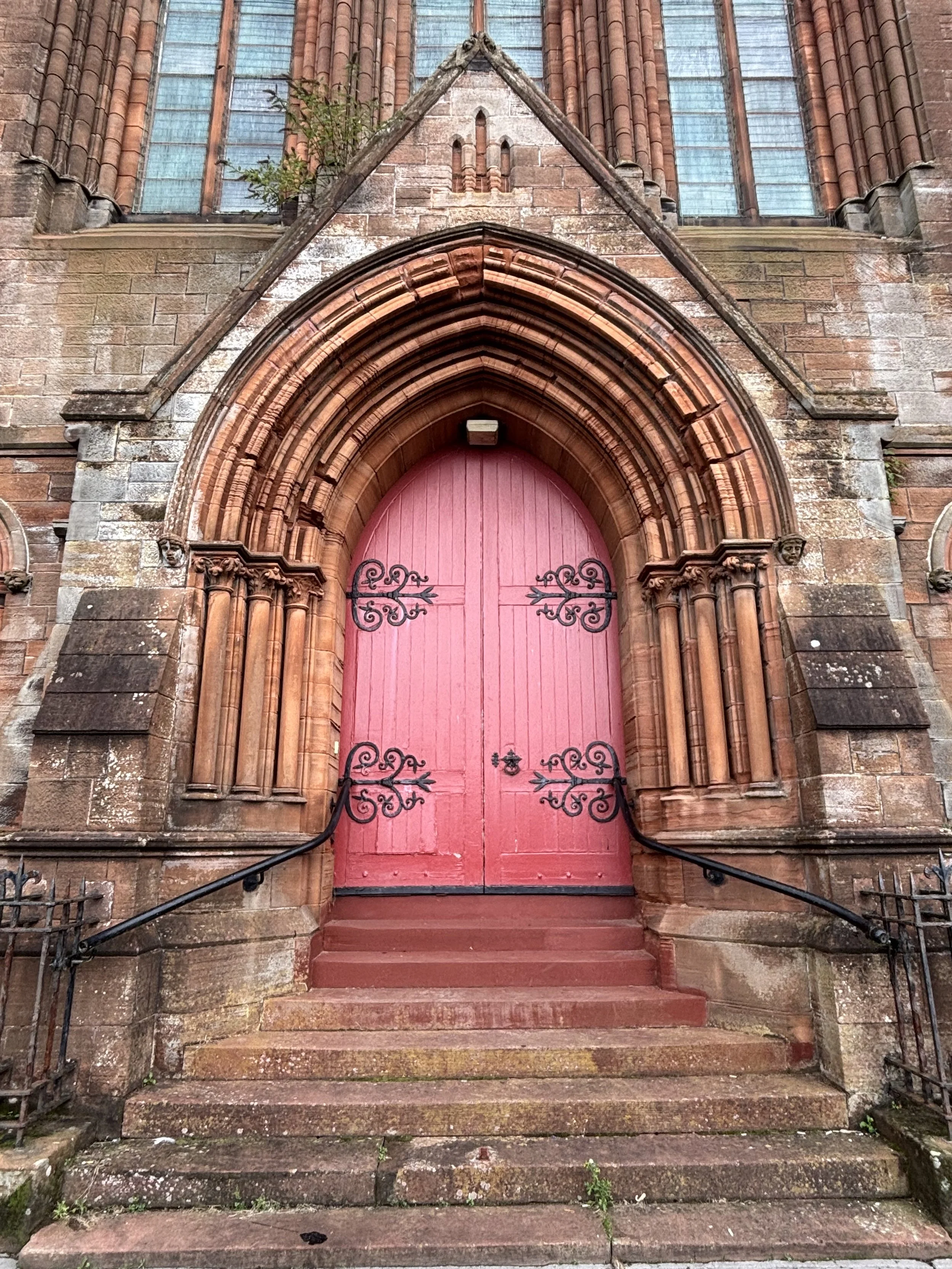
Interesting architectural elements. This is on a cathedral for the Church of Scotland in Largs.
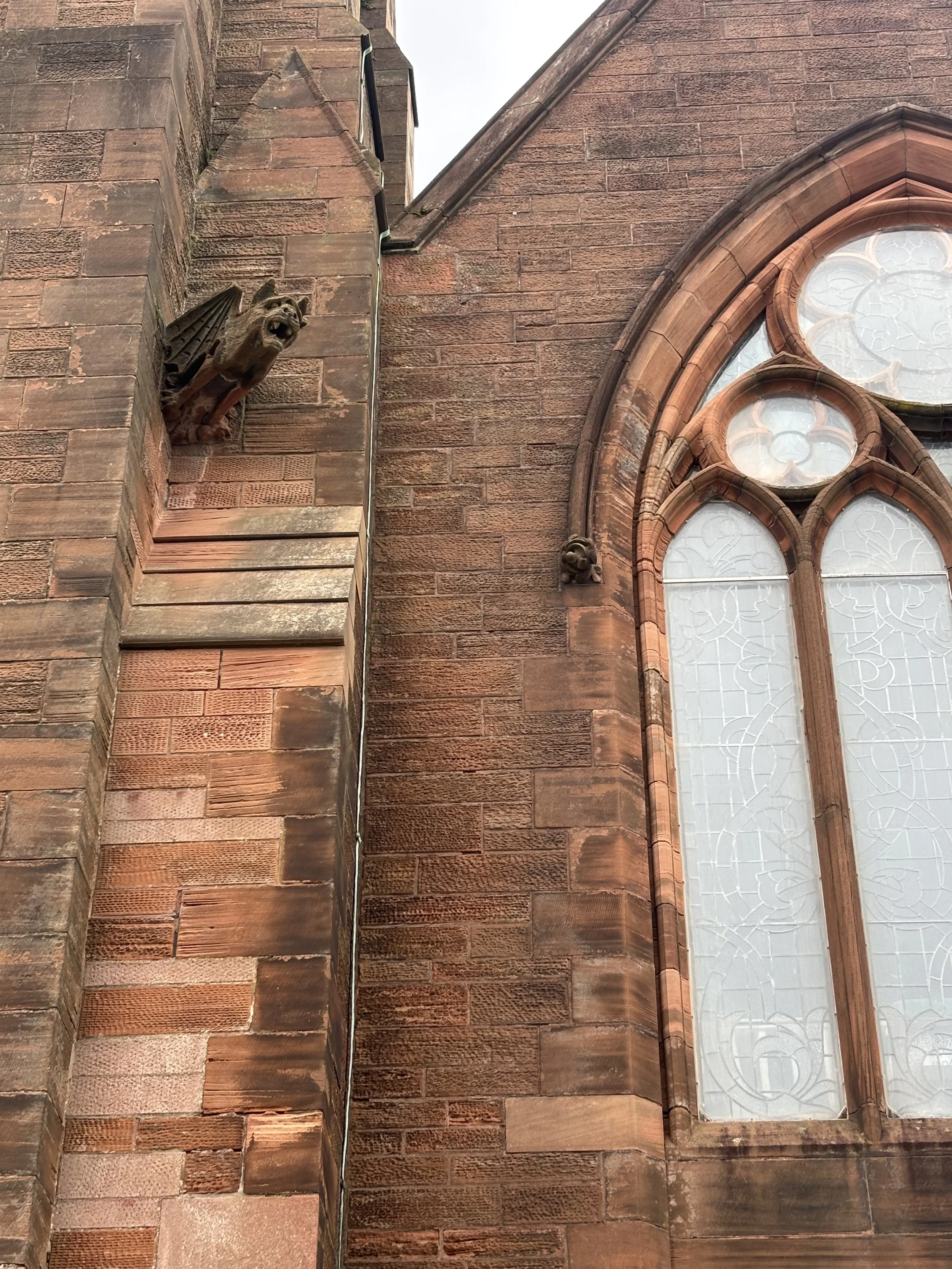
Gargolye on the church building
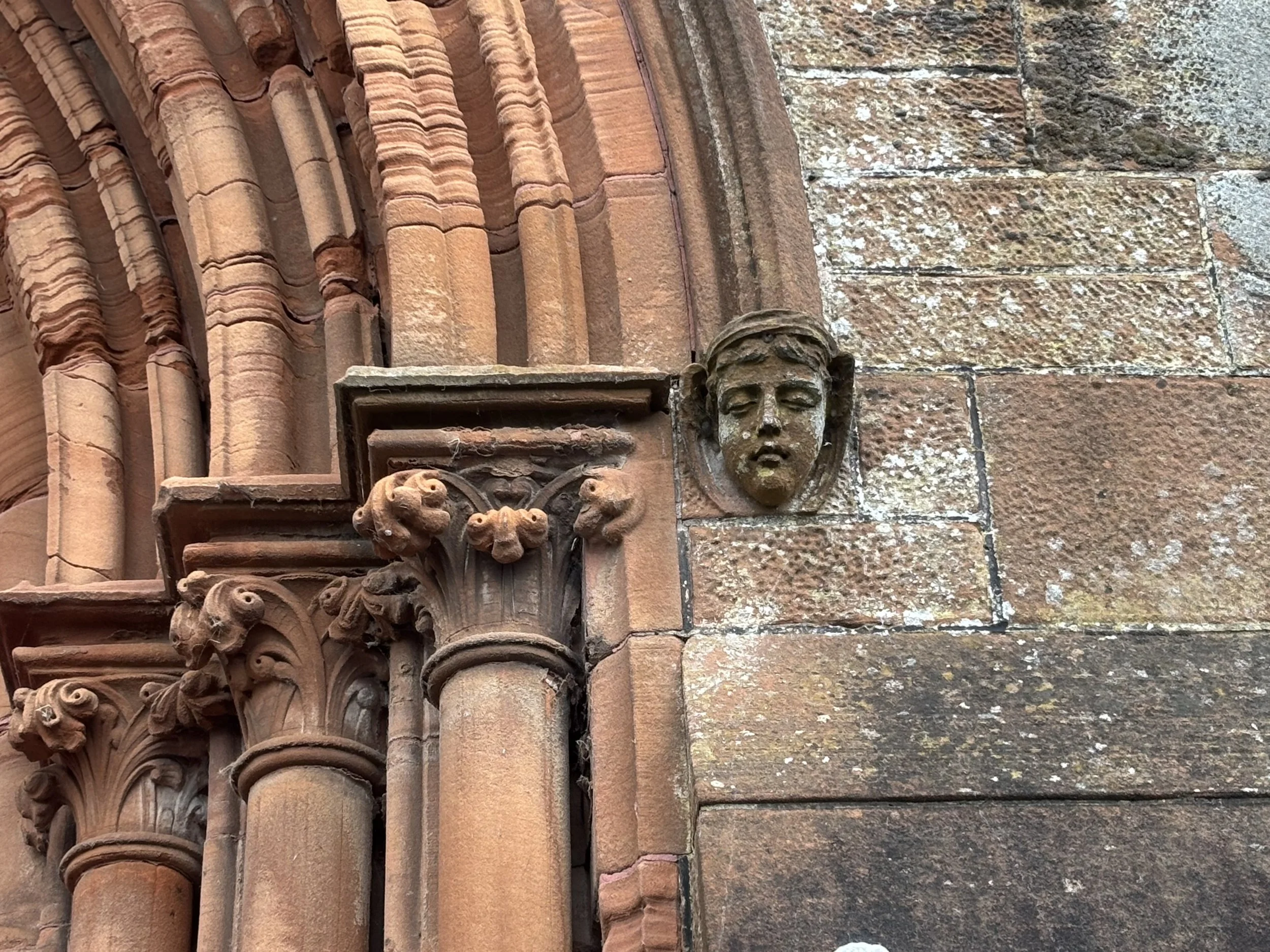
More interesting architectural elements.
After leaving Inverkip, we sailed to Millport—one of Zahra’s suggestions. She described it as the land time forgot. I think I agree. As soon as we arrived in the cove, I watched a seal nosing around a moored dinghy. Next thing I know, he has climbed aboard and made himself at home. It was a bit too far away to get great pictures, but he spent the better part of the day lazing in the sun. Zahra later warned us that seals like to sunbathe on dinghies, even flipping them over to give them a flatter surface to lounge on. Thankfully, ours would be too heavy to flip, but we’ve hoisted it out of the water every night so we don’t have to deal with evicting a seal.
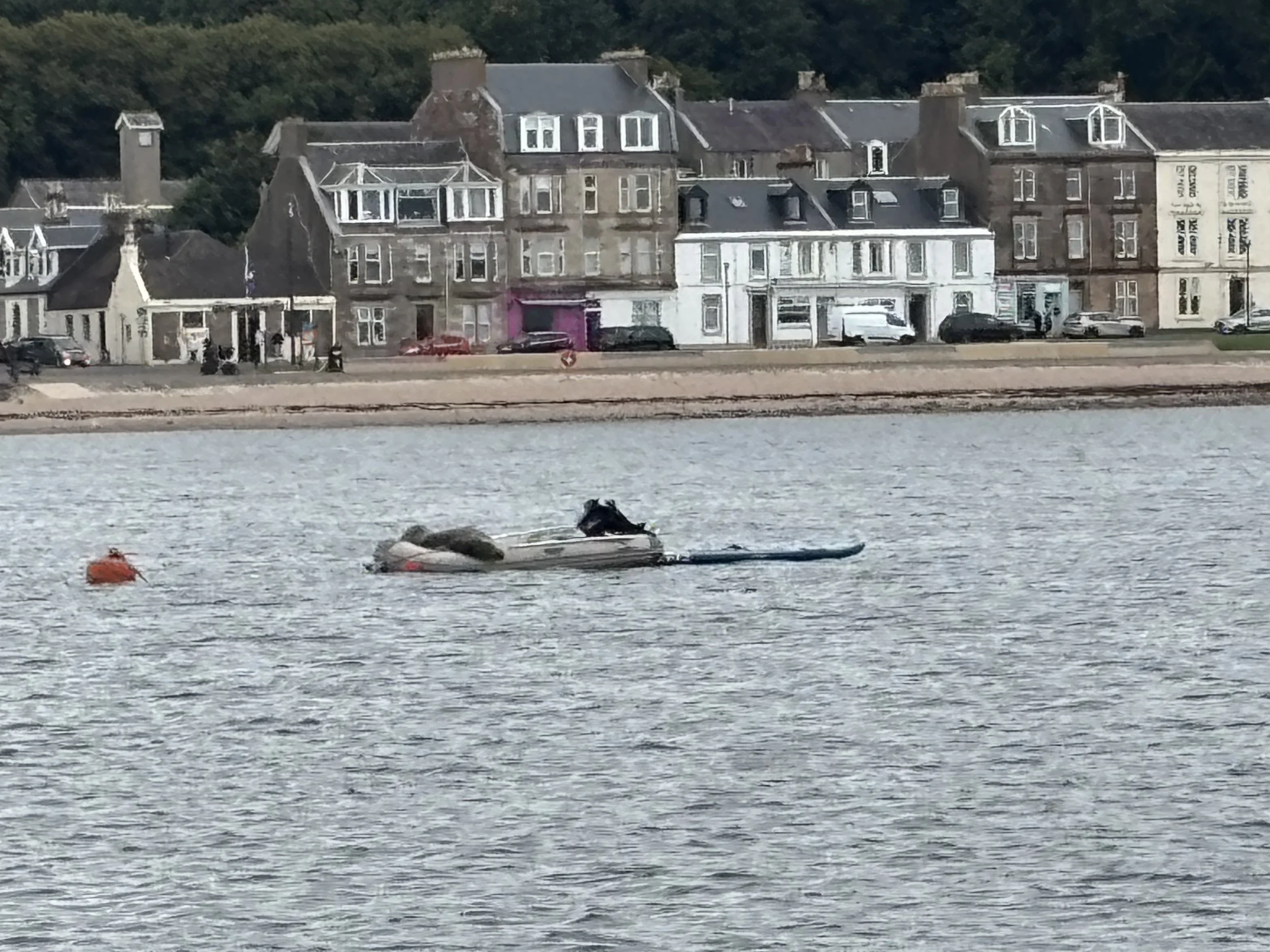
Picture of seal lounging on the nose of someone’s dinghy (left). Unfortunately, the picture is grainy because we weren’t close enough to get a great photo.
We’ve been here in Millport almost a week, mostly due to more high winds. But it seems that will be the case going forward. For now, we are piddling about, dodging winds, and awaiting our Minnesota friends, Zack and Sheri, who fly in to join us for a week this coming weekend! Once they depart, we will begin a mad dash south. We have a lot of miles to sail to London—where we will put Remedy to bed for the rest of the season—before the weather turns for the fall/winter season. So the race to London is about to be on!
We’ll share more of our adventures in Millport in our next post!
Living untethered, but held fast.
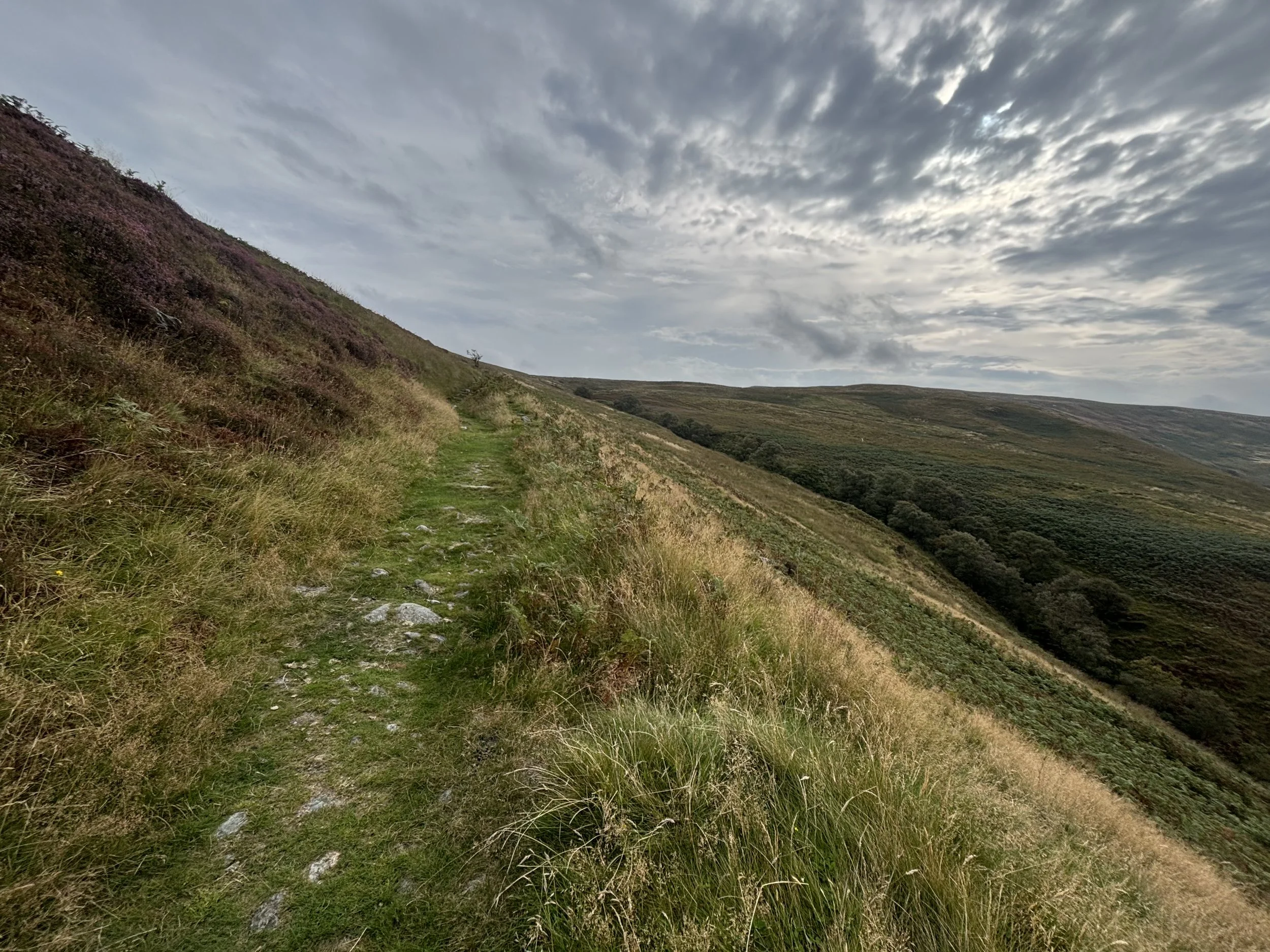
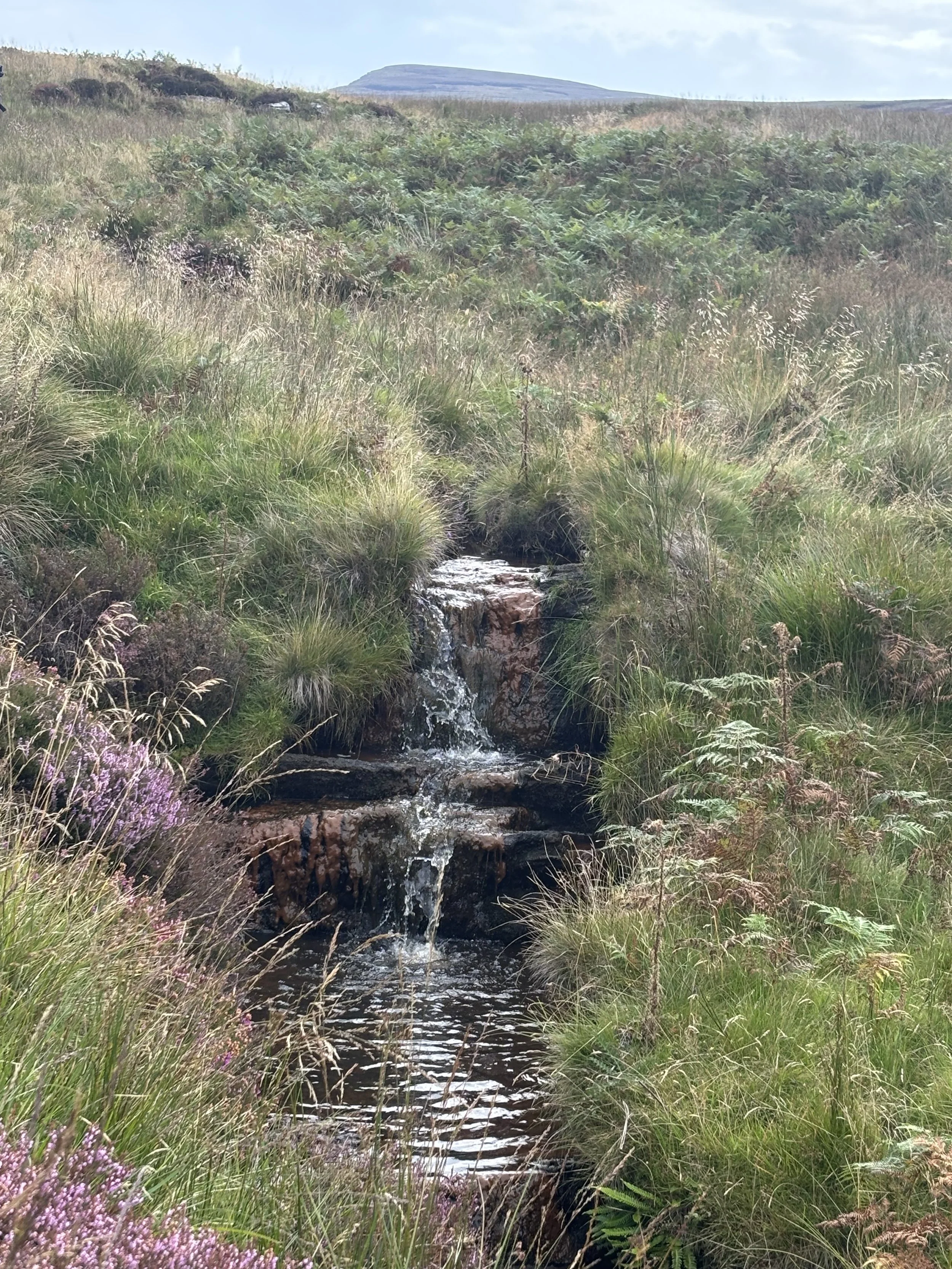
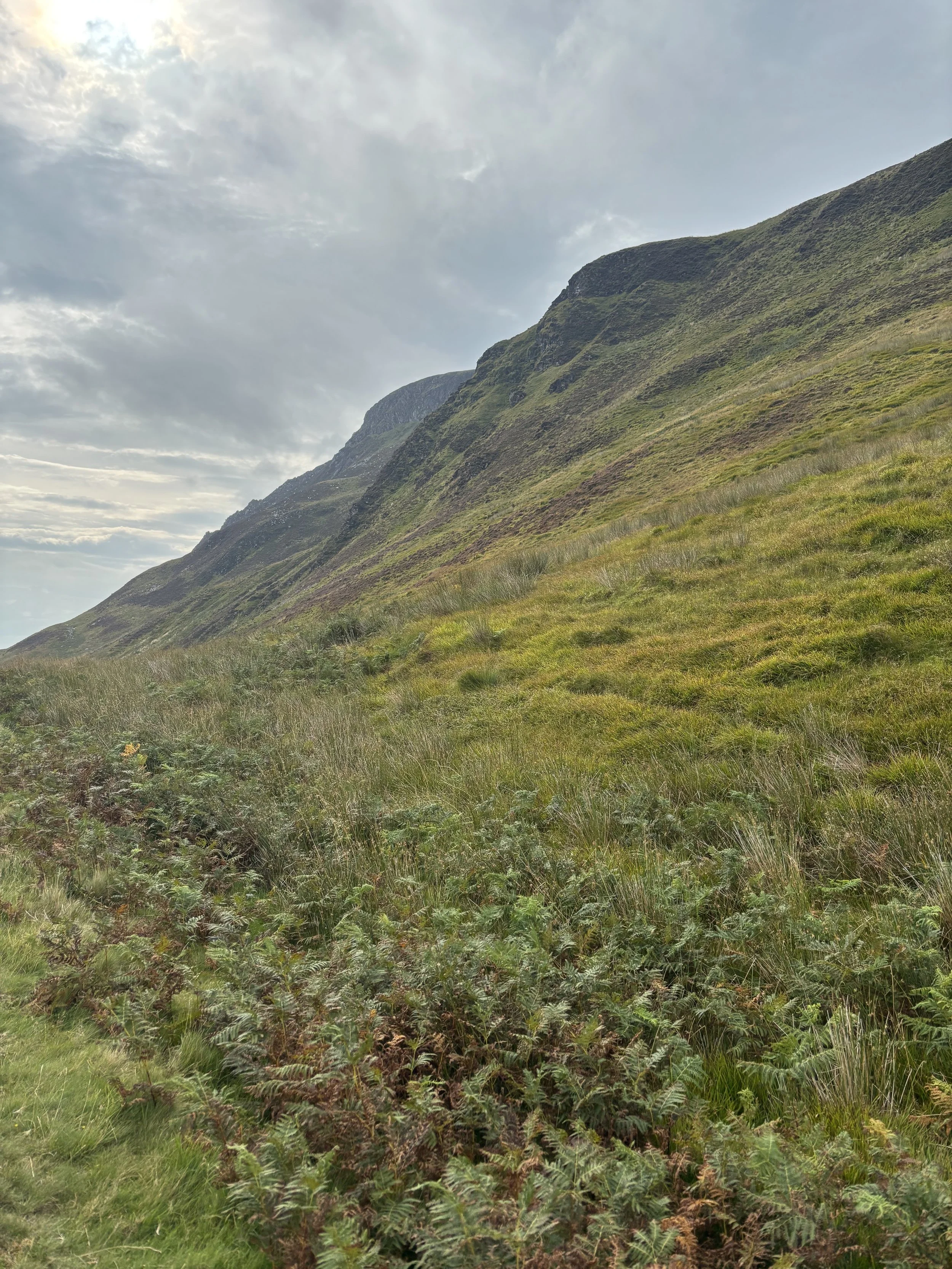
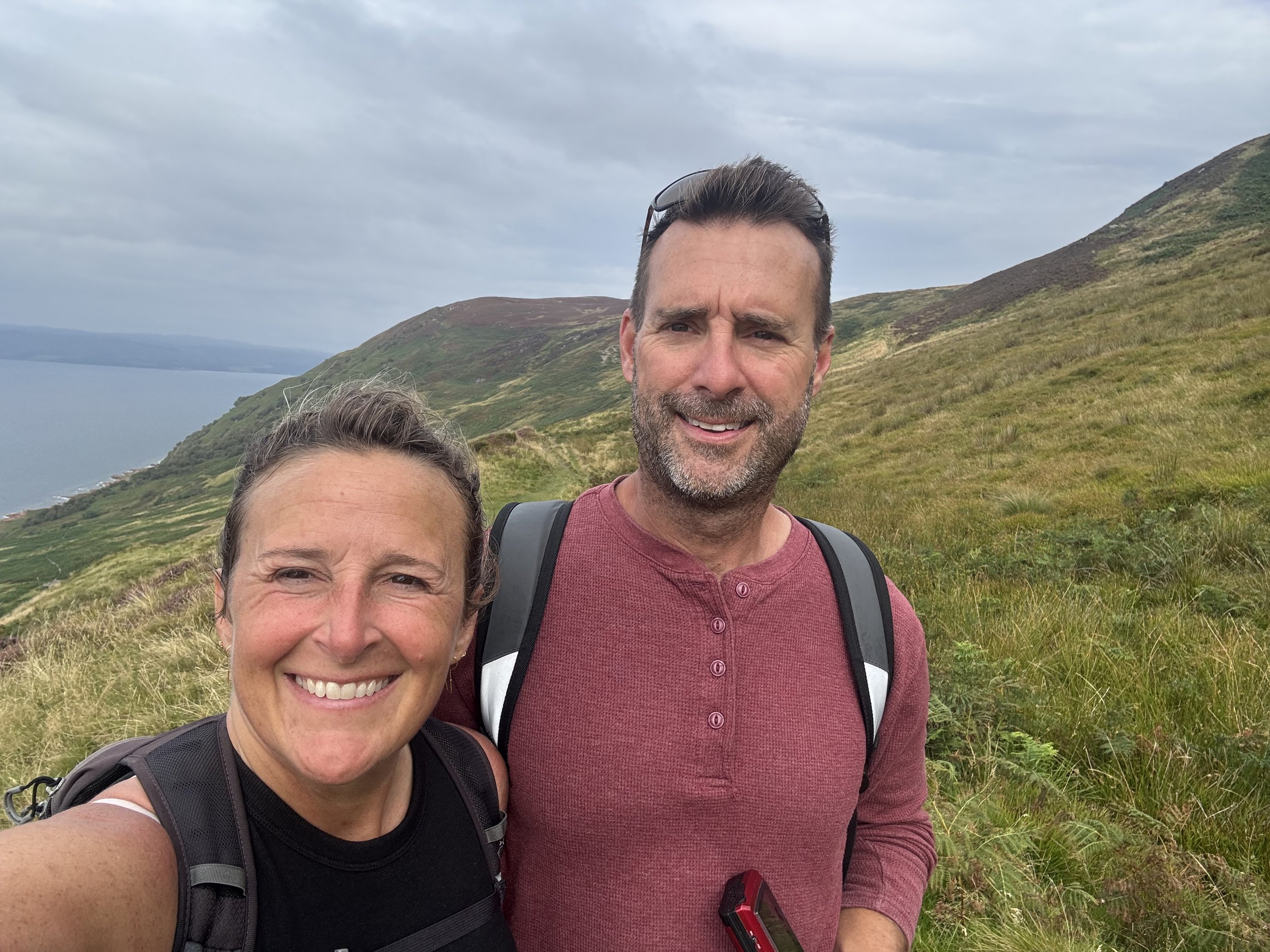
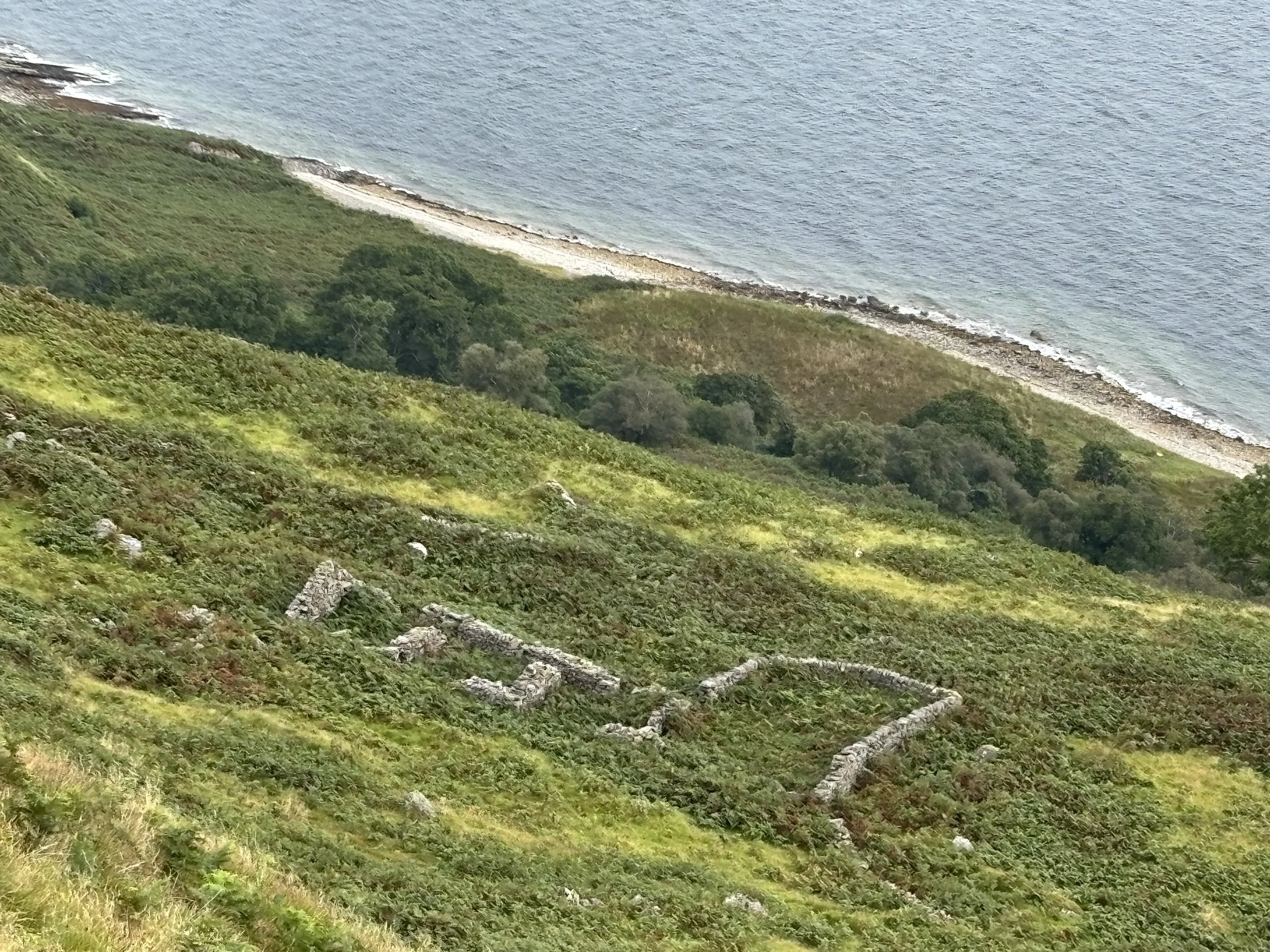
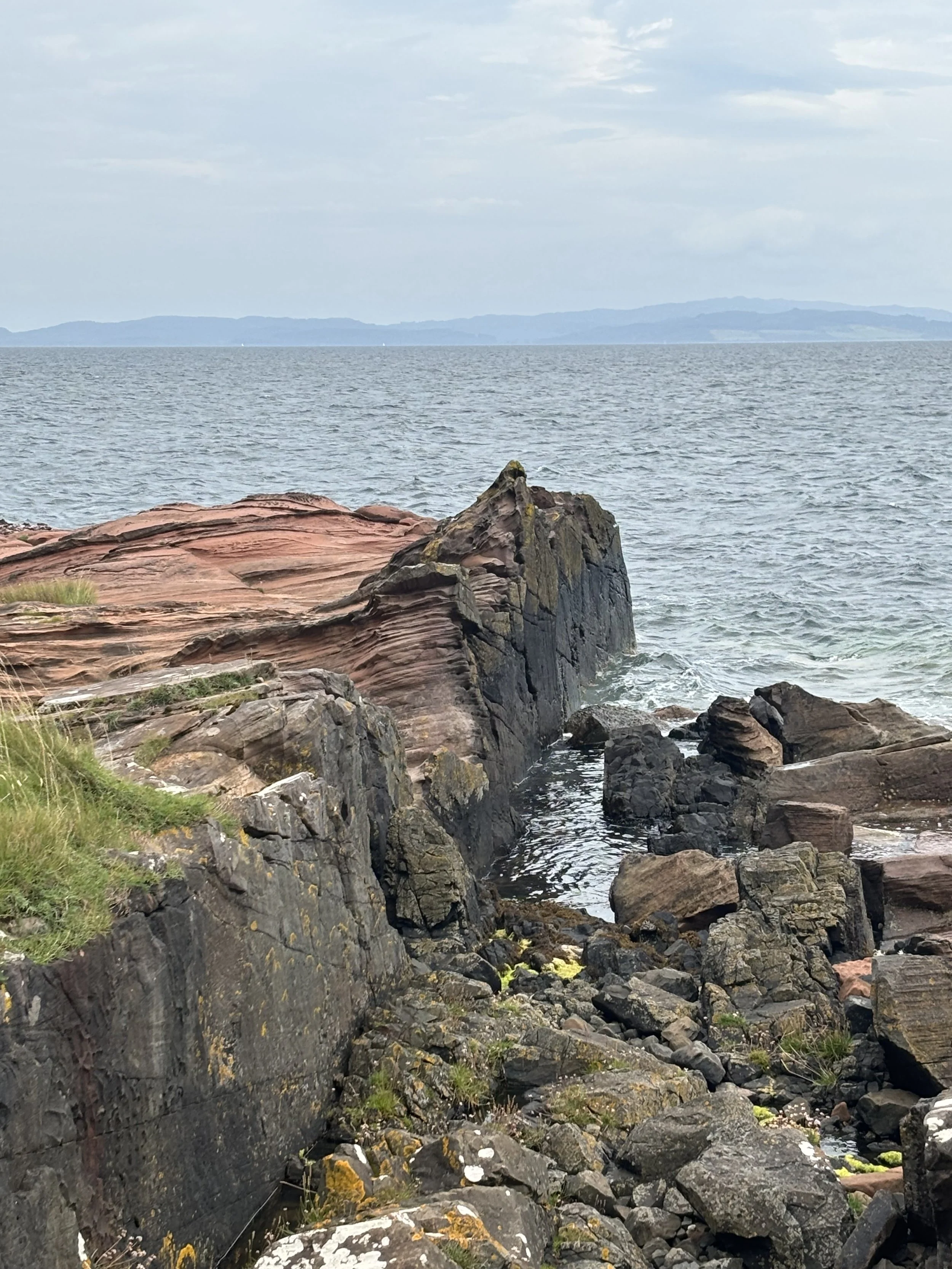
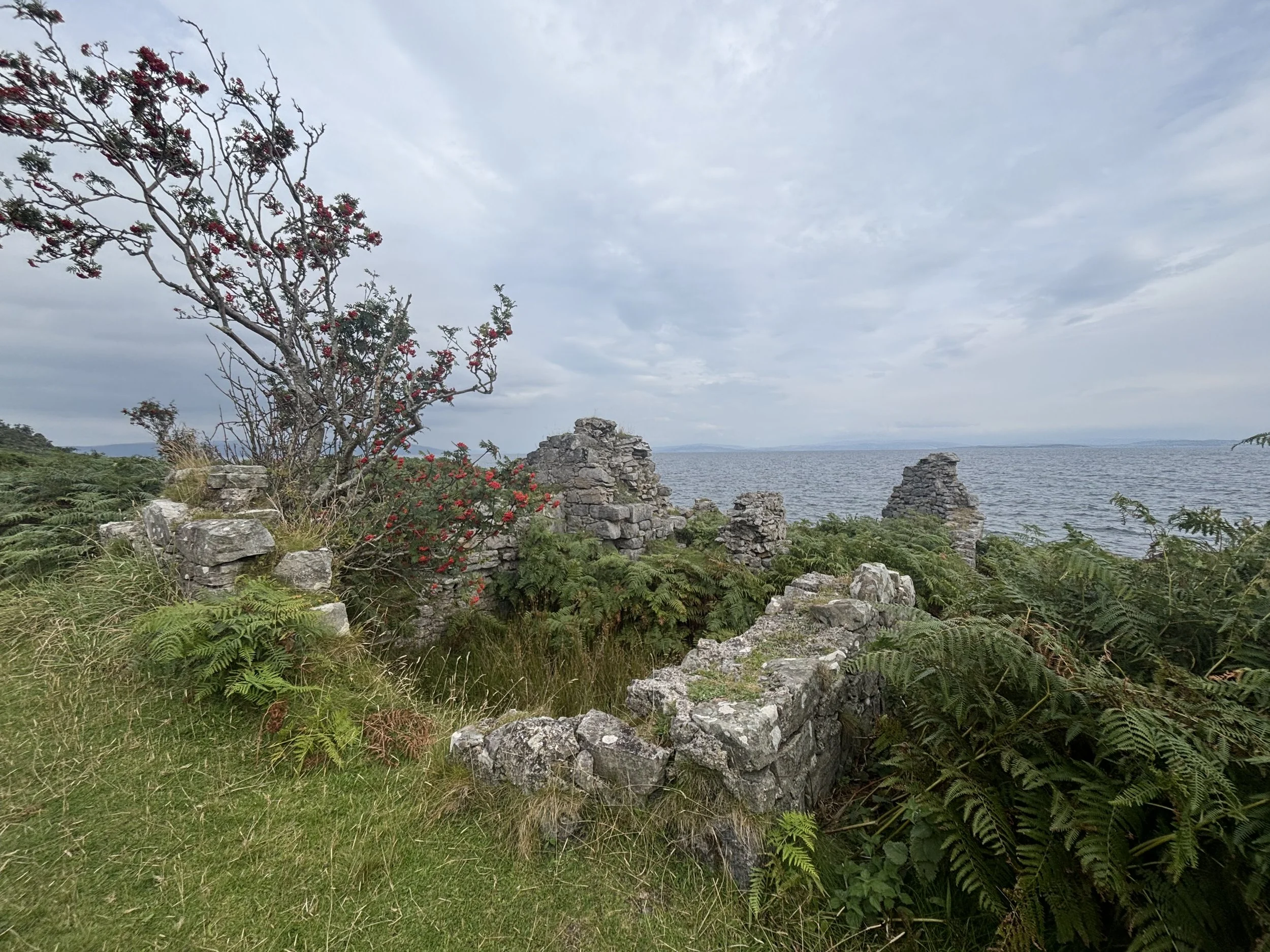
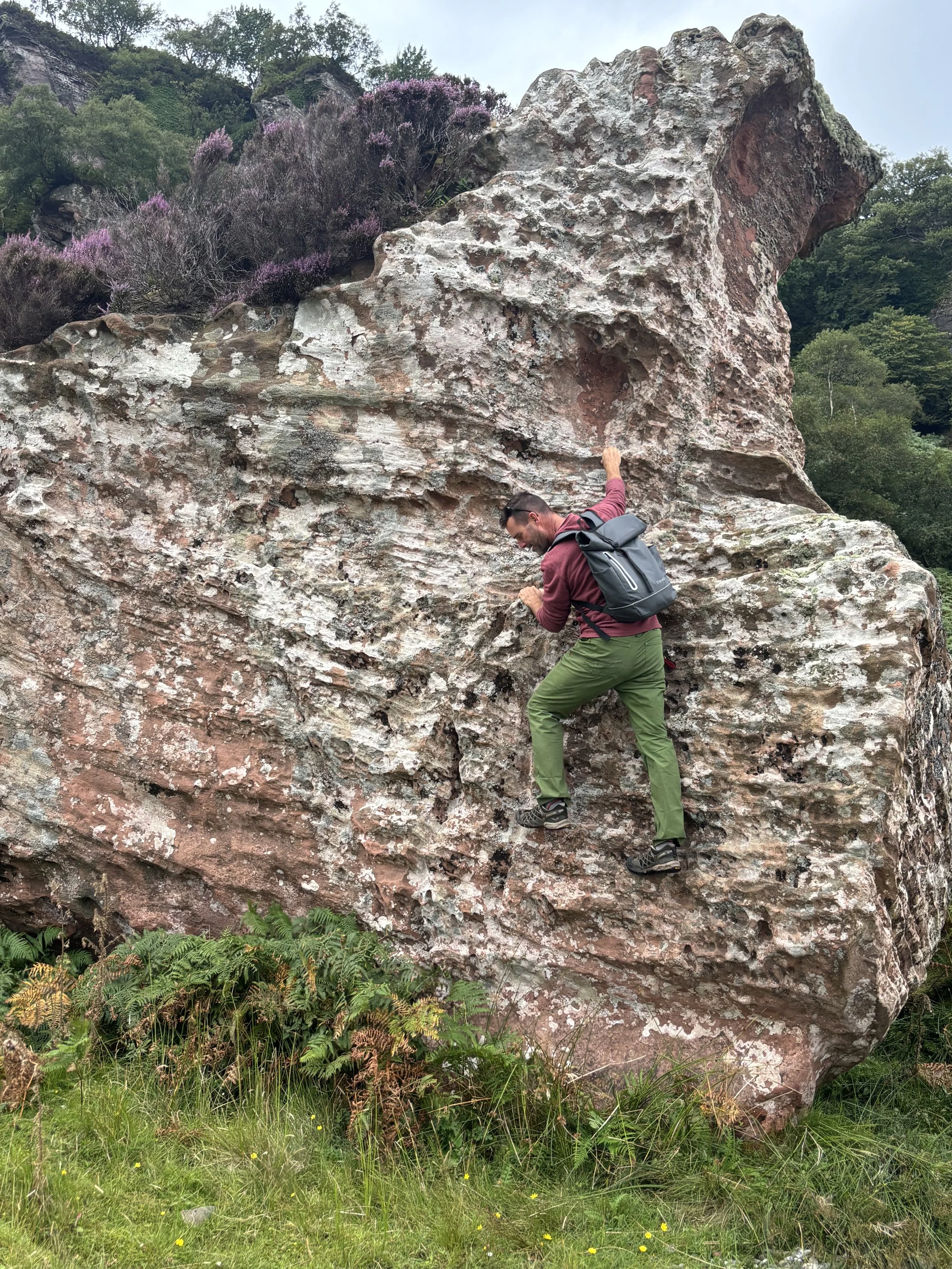
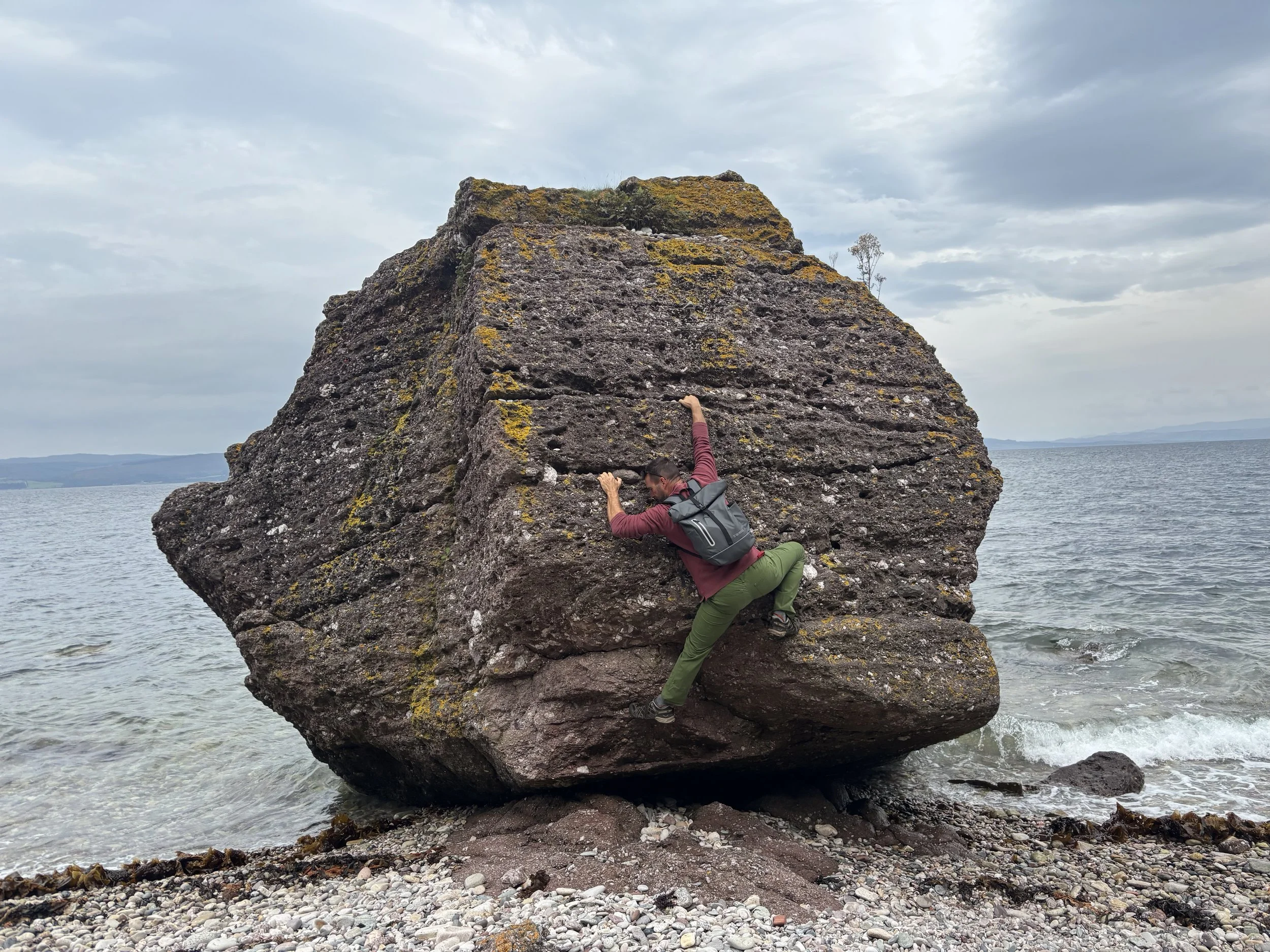
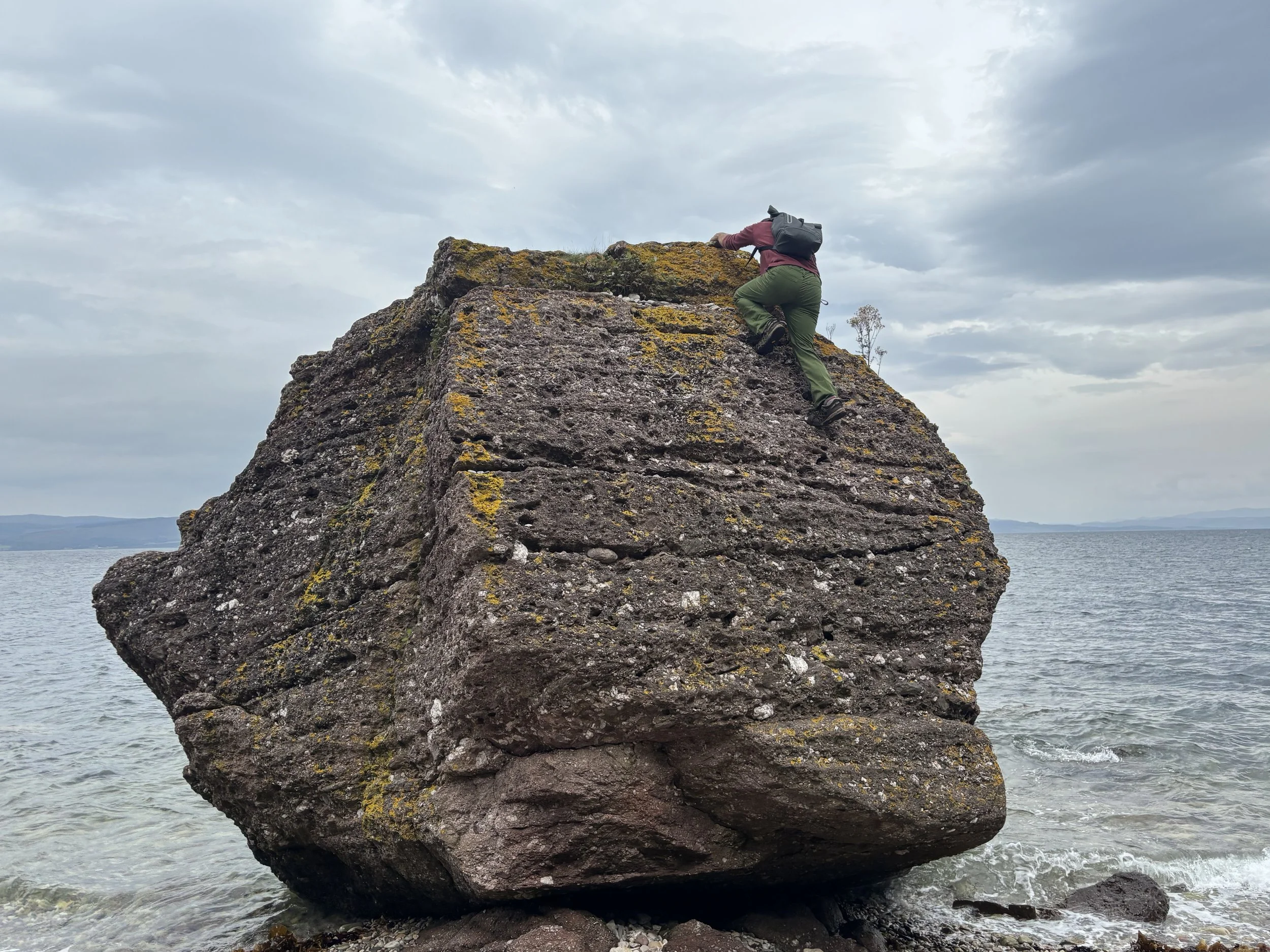
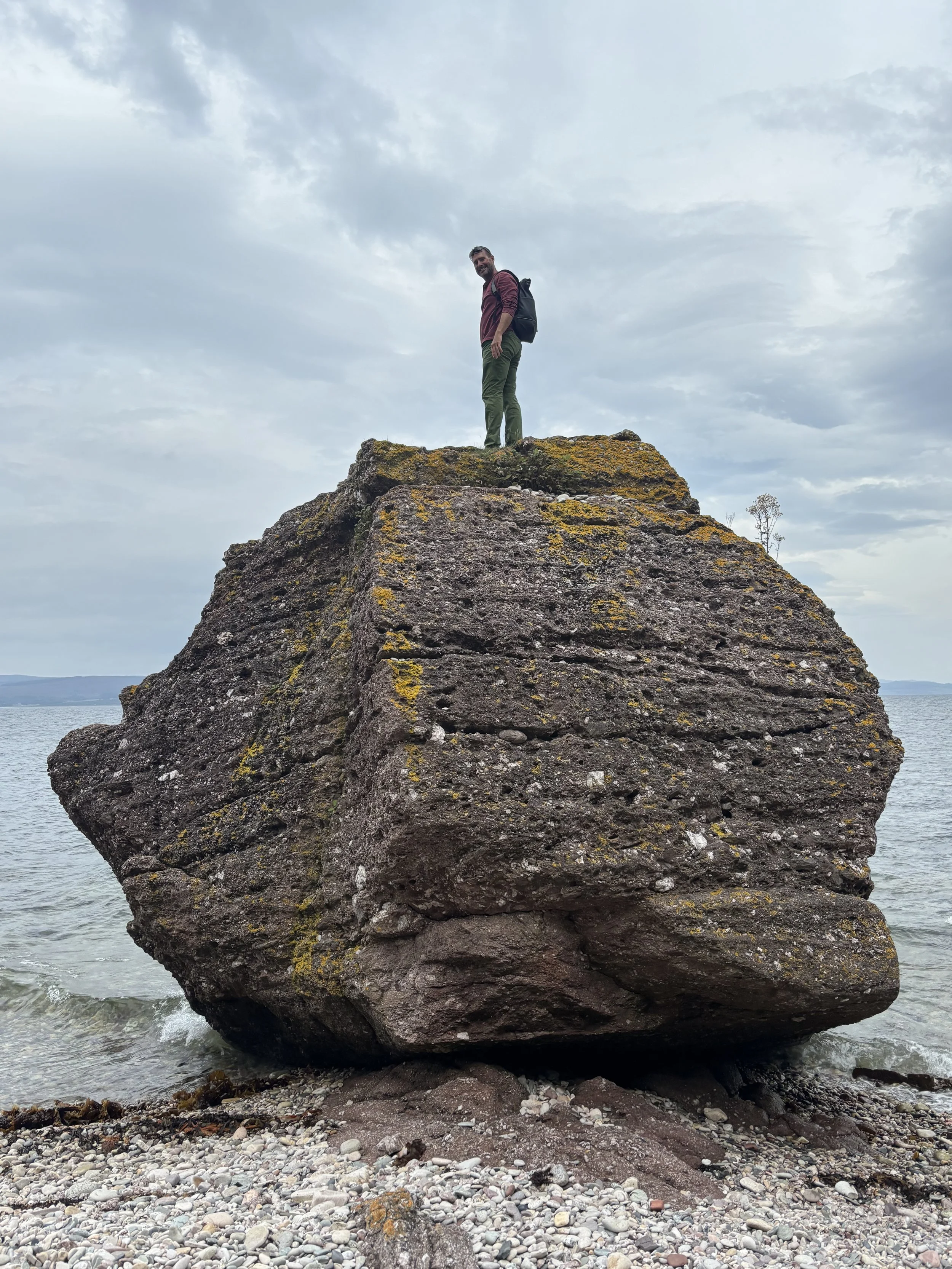
We have so many incredible photos. Here is a gallery of photos from our first two weeks in Scotland.
If you are reading this in your email, you will need to click this link to view them.