
To London…Maybe?
We are currently scheduled to spend the winter at a marina in the heart of downtown London. I am thrilled about the opportunity. And we have made significant strides over the last few weeks toward getting there. However, we are facing several challenges. First, we need favorable winds. Second, we have to navigate strong tidal currents around a couple of notorious spots. Third, we have a few repairs to make.
The final challenge we face is that a bridge we need to pass through on the way to London is down for maintenance, with late October as the earliest estimated date before any boats can transit in or out of London. The later into October and November we get, the fewer daylight hours there are. With a couple of longer day sails ahead of us, that means leaving and arriving in the dark. It is possible to sail at night. When you’re out on the open ocean, it’s quite simple. But some of the places we are traveling to require us to time our arrival around strong tidal currents that can create quite turbulent waters. And sailing in and out of harbors in the dark—especially ones you’ve never seen before—is a bit unnerving.
Later in the season also means weather will turn. October is often the month when most sailors in UK waters put their boats to bed for the season. Strong winds become more frequent, and by November, gales become more frequent. So we want to get the boat into a safe spot where she will be tucked away through the winter months. We have only three or four daysails left to reach London, which means we need only three or four more days of good weather over the next month or so. So we shouldn’t have any problem getting there—as long as they can get the bridge repaired. For now we are in a holding pattern, slowing down and enjoying our time in the Solent.
Since departing Holy Loch Marina in Scotland, we made quite a few significant jumps down the Irish Sea and into the English Channel:
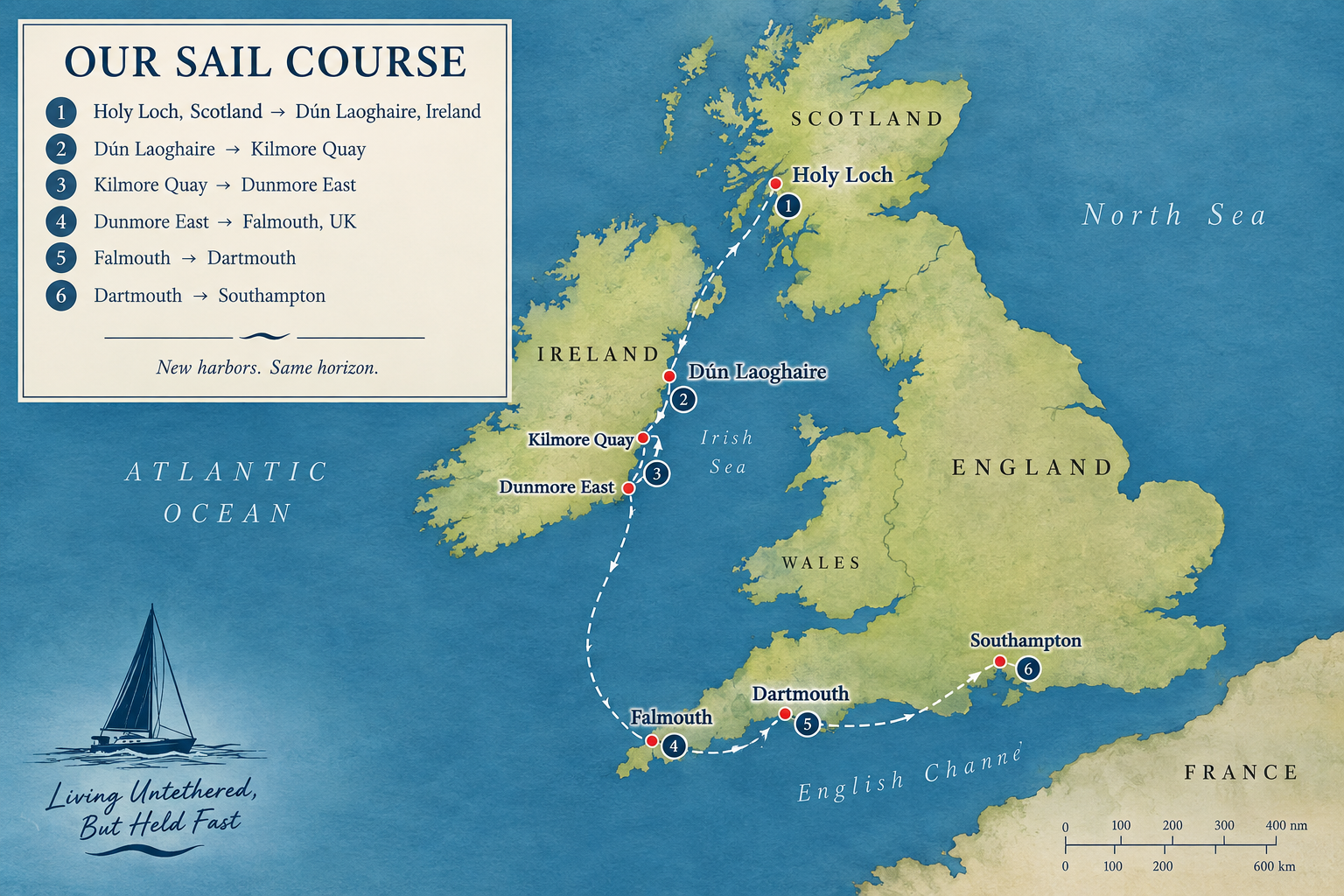
Map of our travels over the last month.
We spent a few days in Dún Laoghaire with our friends Travis and Mary from SV Devona. Dún Laoghaire is a coastal port in County Dublin. While there, we took a train into the bustling city of Dublin. It was almost overwhelming to be around so many people after spending most of our time in small fishing villages. But we enjoyed exploring all the city had to offer.
We saw St. Patrick’s Cathedral, Ireland’s largest cathedral. It was founded in 1191 and stands on a site traditionally associated with St. Patrick baptizing converts to Christianity at a nearby well. The current Gothic structure was largely built between 1220 and 1260, making it one of Dublin’s oldest surviving buildings.
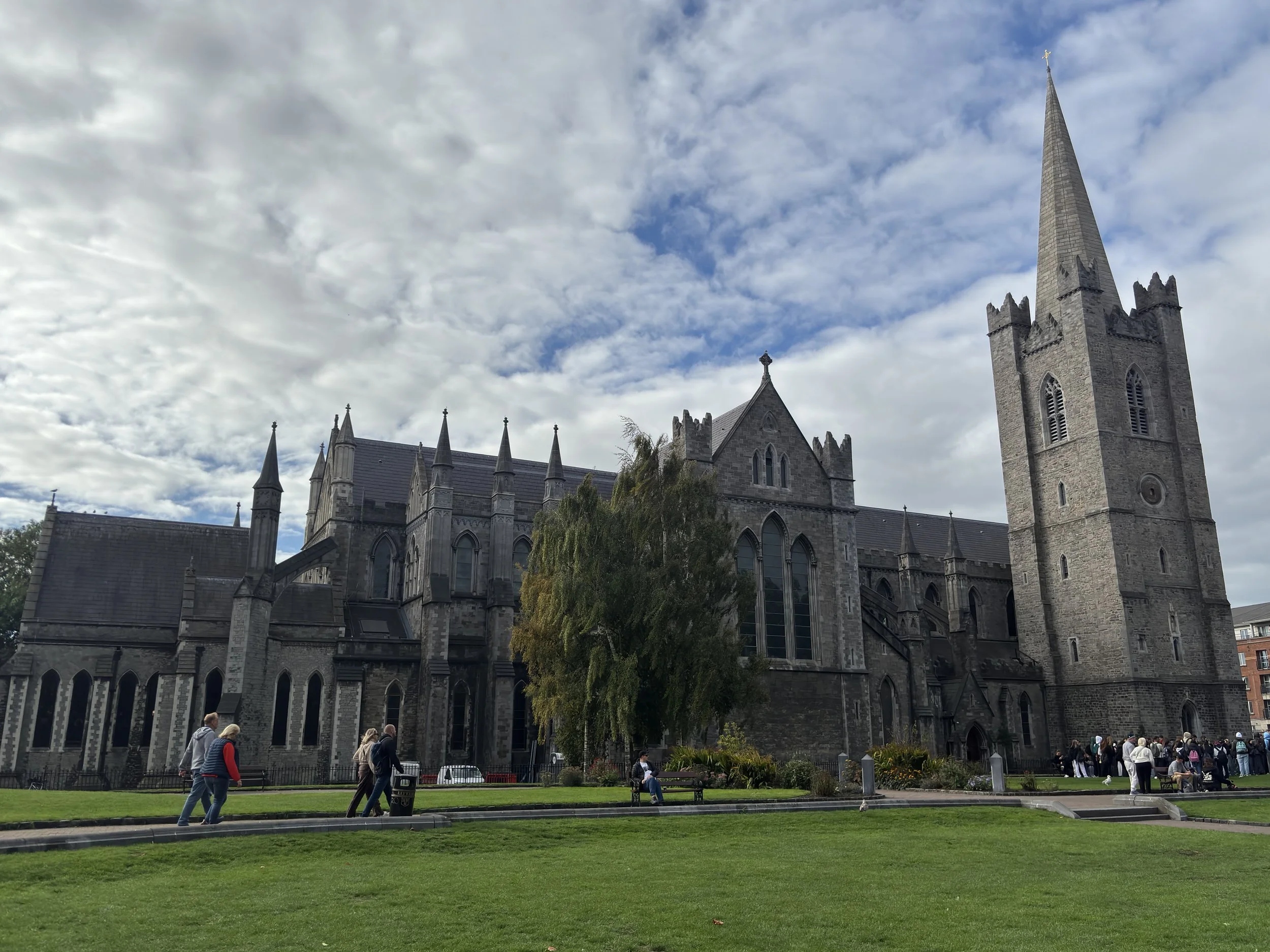
St. Patrick’s Cathedral in Dublin
While St. Patrick’s Cathedral was impressive, we enjoyed the unassuming nature of St. Audoen’s much more. St. Audoen’s is the only remaining medieval parish church in Dublin, situated in the heart of the walled medieval city. It is believed to have been built between 1181 and 1212. An interesting fact about St. Audoen’s is that in 1755, Archbishop Charles Cobbe removed the cross from the church’s tower spire and replaced it with a boar’s head wearing a crown. This action inspired Jonathan Swift, the author of Gulliver’s Travels, who served as a dean of St. Patrick’s Cathedral, to write the following satirical verse:
“Christ’s Cross from Christ’s church cursed Cobbe hath plucked down,
And placed in its stead what he worships – the Crown.
Avenging the cause of the Gadarene People,
The miscreant hath placed a swine’s head on the steeple;
By this intimating to all who pass by,
That his hearers are swine, and his church but a stye.”
Another interesting fact is that in the 15th century, a four-story bell tower was added. Of the six bells in the tower, three date from 1423, making them the oldest bells still rung in Ireland. Those three bells were there since before Joan of Arc took on the English army, before Gutenberg invented the printing press, and before Columbus set sail for America. The bells have never needed to be recast and are still rung today! We really enjoyed our visit to St. Audoen’s. There is much more history you can learn about it here.
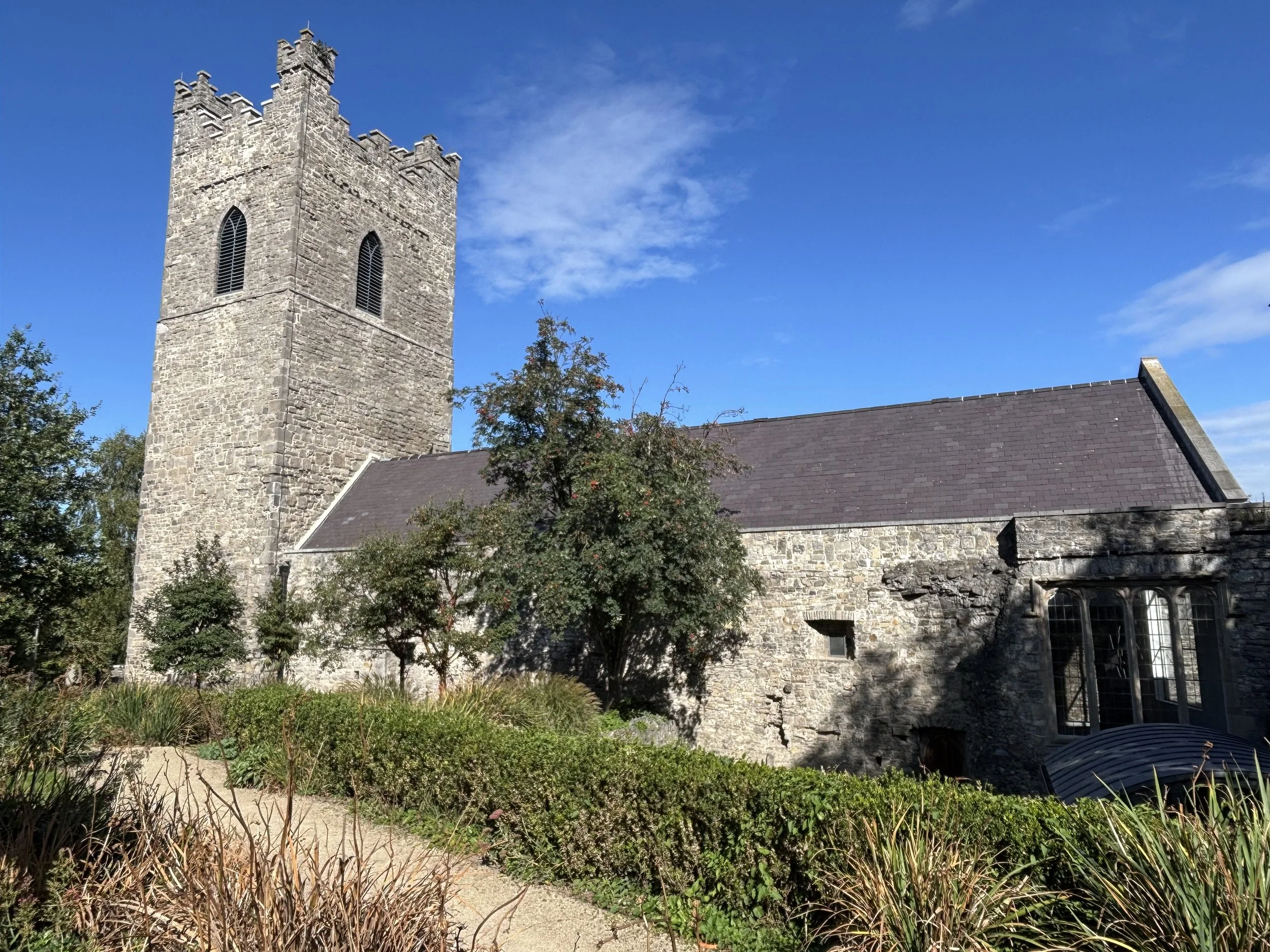
St. Audoen’s Church in Dublin
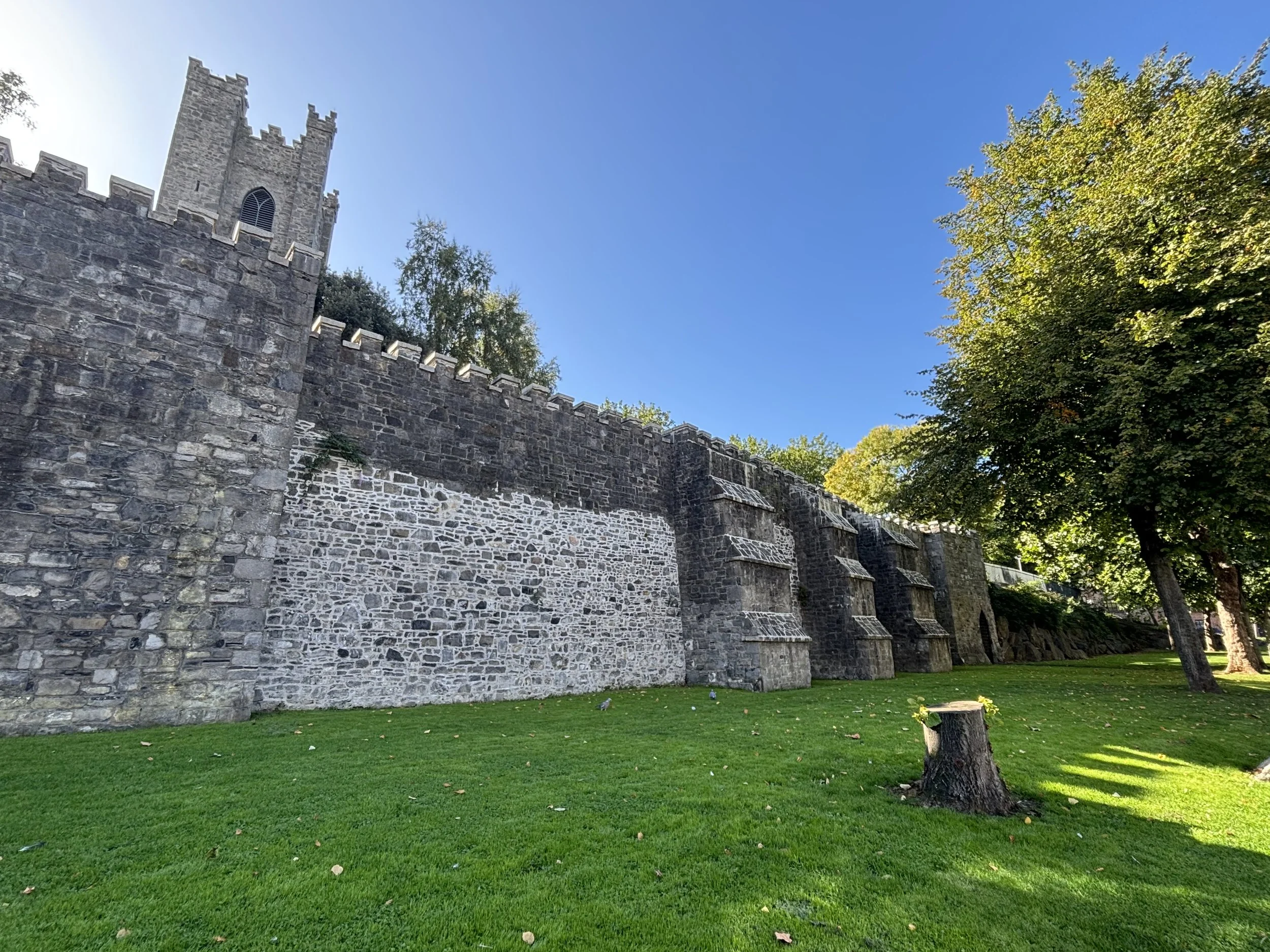
Part of the medieval wall
While in Dublin, we also visited Trinity College, Ireland’s oldest university, founded in 1592 by Queen Elizabeth I. Trinity is known for its magnificent Long Room, an impressive 65-meter-long room lined with oak bookcases holding over 200,000 books published in Ireland and the UK. The shelves are usually full of books, but the books were being removed and undergoing preservation efforts during our visit.
The room also features marble busts of great thinkers and writers, including Shakespeare, Homer, and Sir Isaac Newton. Up until recently, the room featured only statues of notable men. However, in 2023, statues of four notable women were added: scientist Rosalind Franklin, folklorist, dramatist, and Abbey Theatre founder Augusta Gregory, women’s rights advocate Mary Wollstonecraft, and mathematician Ada Lovelace.
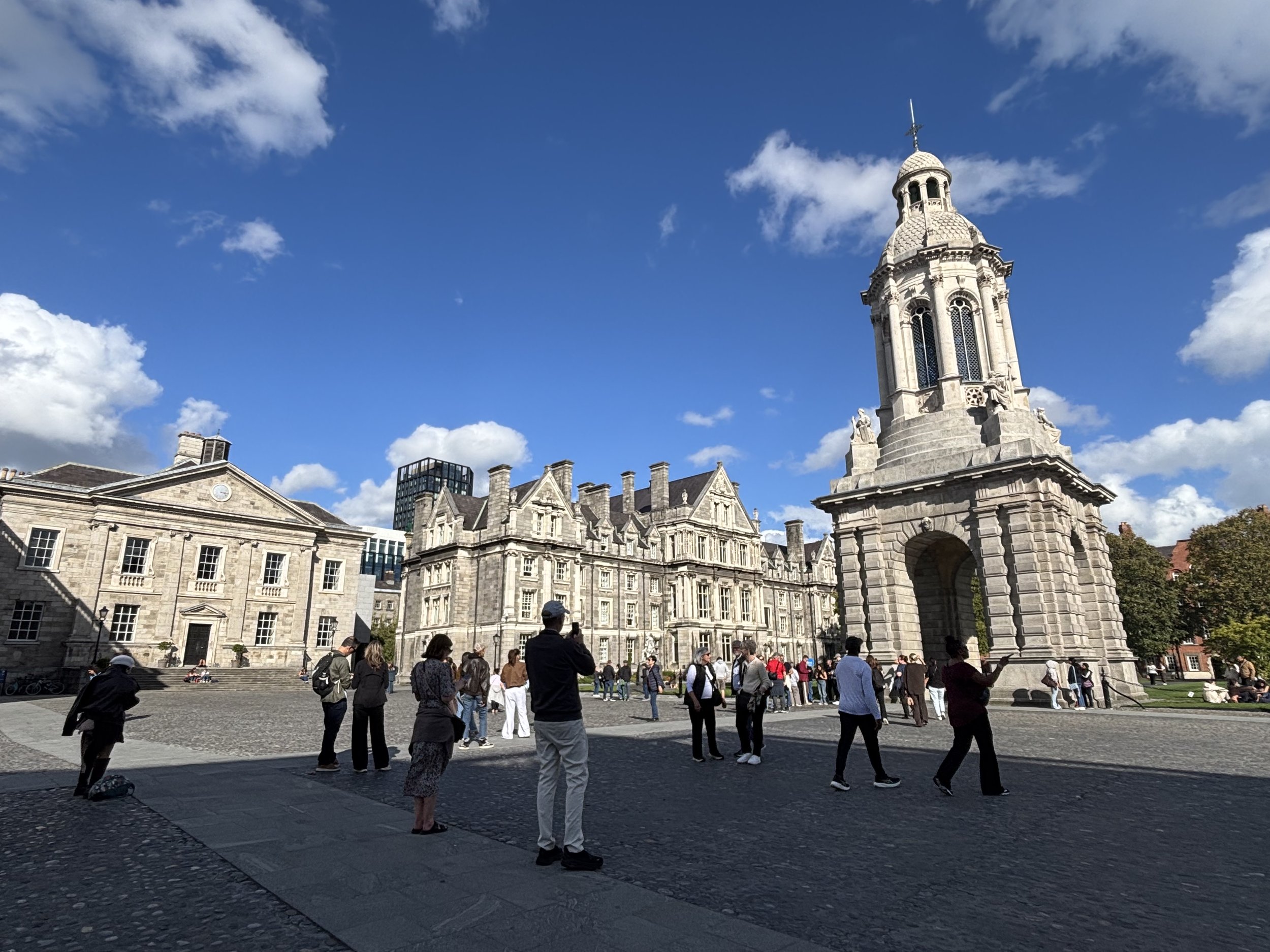
Trinity College in Dublin
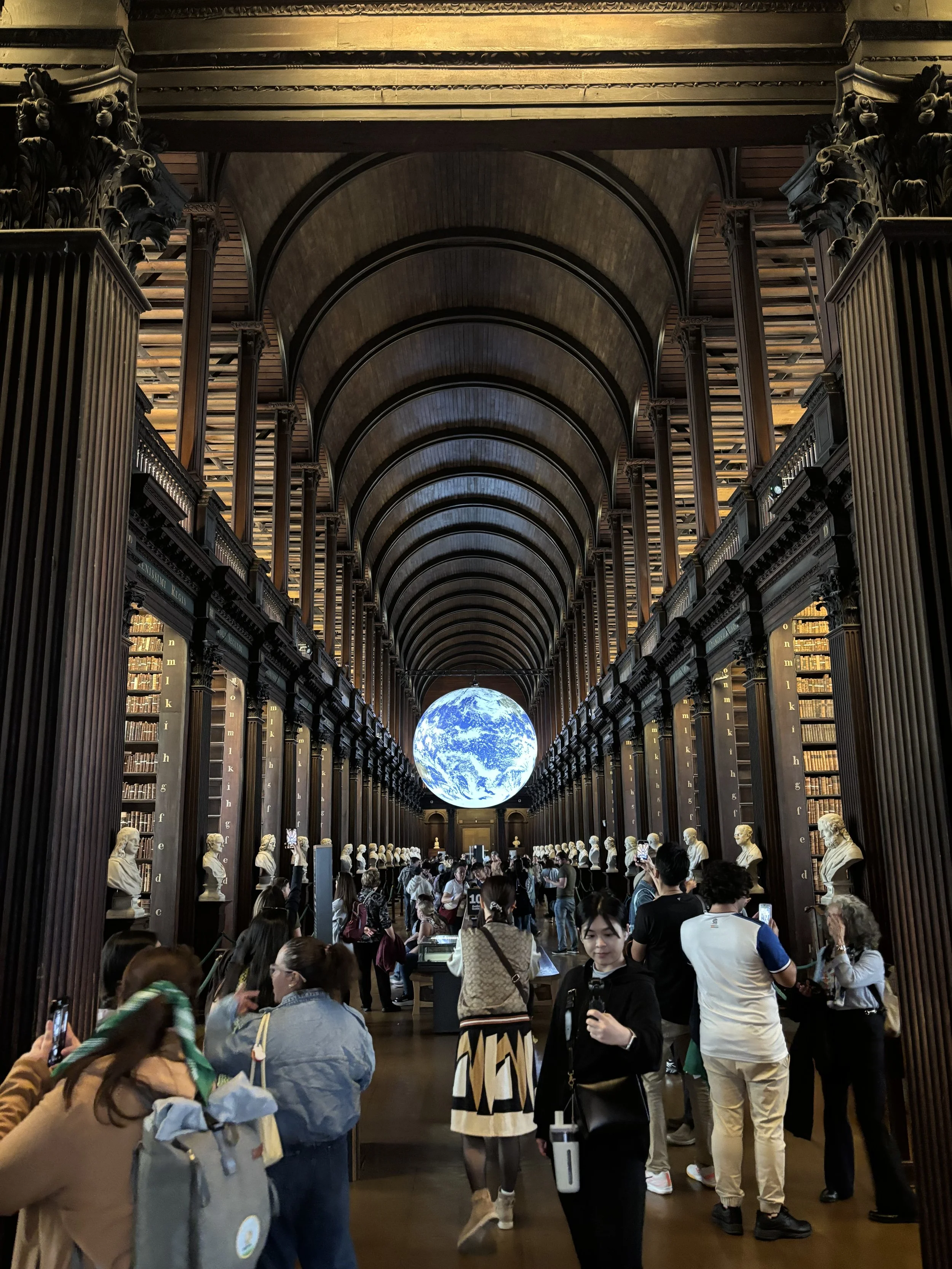
The Long Room at Trinity College, Dublin
While at Trinity, we visited the infamous Book of Kells. The Book of Kells is a 1,200-year-old elaborately illuminated manuscript of the four Gospels. It is renowned for its intricate Celtic knotwork, vibrant colors, and detailed biblical imagery. It was created around 800 AD by Celtic monks, believed to have been associated with the monastery of Iona in Scotland. Every medieval monastery held manuscript copies of sacred texts, but the Book of Kells is one of only a tiny fraction that have survived. And it is more elaborately designed than any other illuminated manuscript of its kind. The Book of Kells also survived a brutal Viking raid, during which 68 monks were slaughtered. The surviving community fled to their sister monastery in Kells, County Meath, taking the manuscript with them. And in 1661, the book was given to Trinity College for safekeeping, where it has been ever since. Only two pages are on display to the public. And due to the book's age and delicate nature, these pages are turned only a few times per year. You can read more about the Book of Kells here.
We were not allowed to take photos of the two pages of the Book of Kells displayed. But we did capture photos of photos of the pages to give you an idea of the impressive detail work and vivid colors.
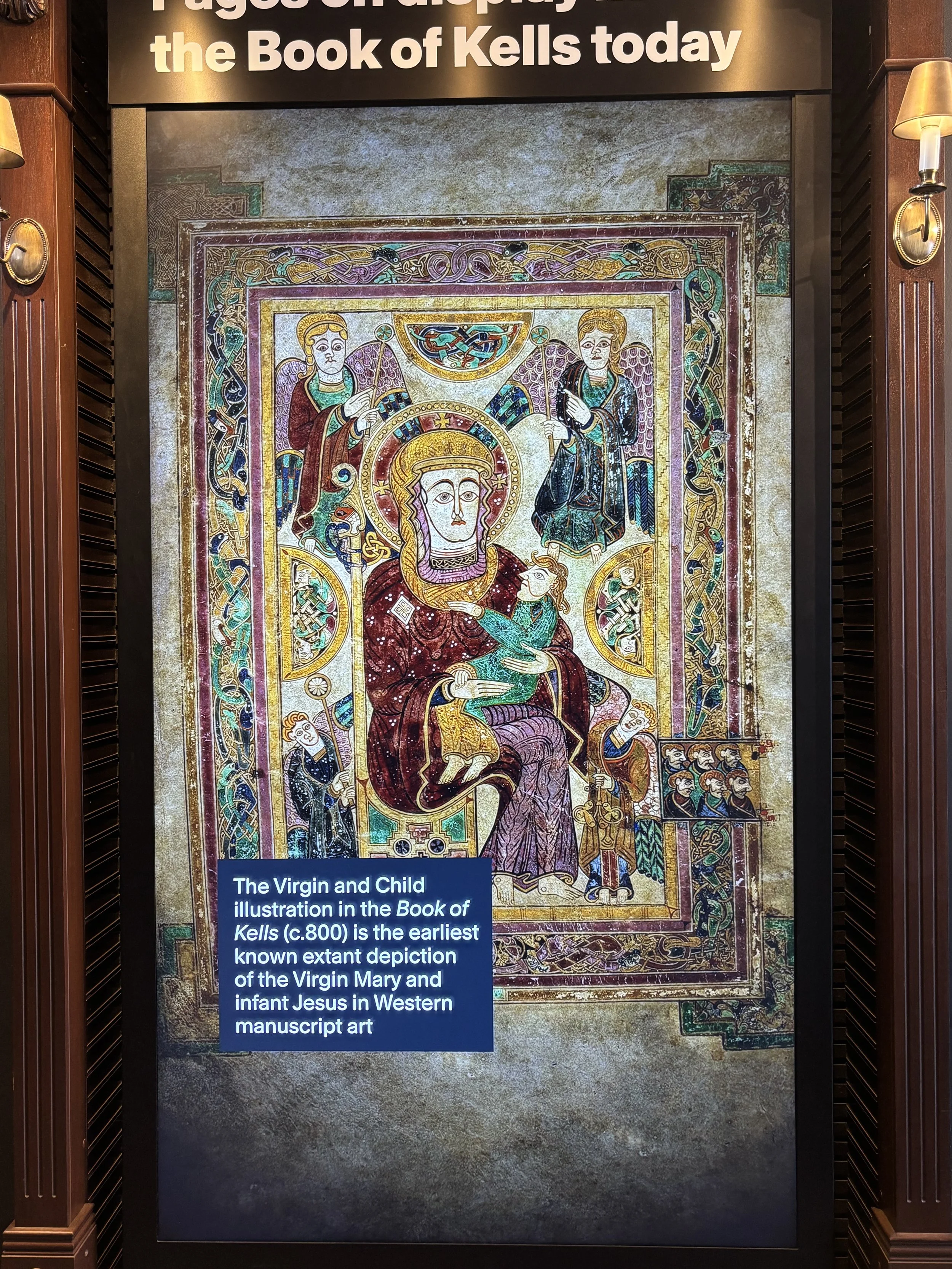
An image of one of the pages from the Book of Kells on display during our visit.
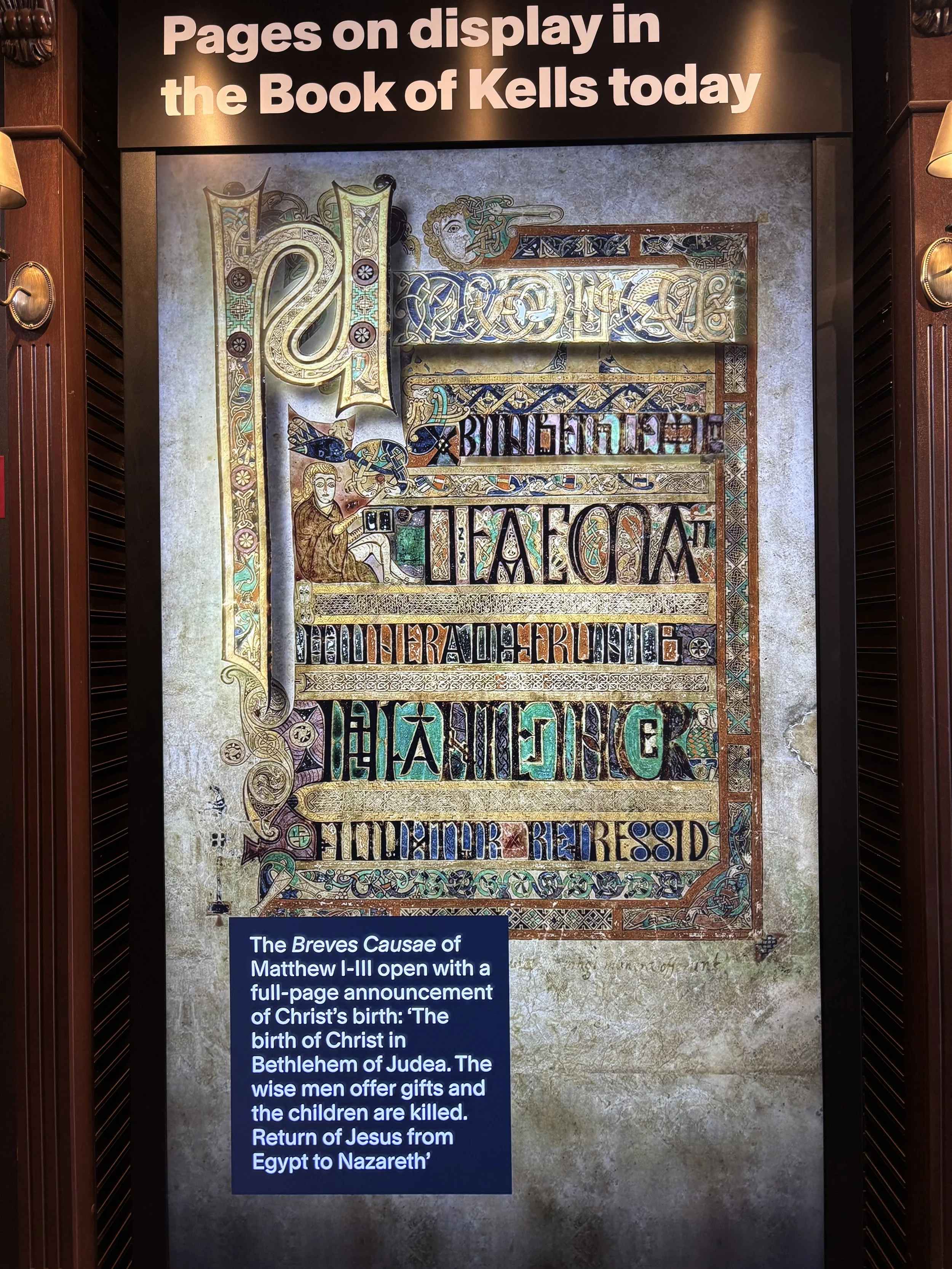
The second page on display during our visit
We loved our visit to Dublin and Dún Laoghaire, but with so many miles to cover and a decent weather window, we departed for an overnight sail to Kilmore Quay, a picturesque coastal village in County Wexford, known for its thatched cottages, whitewashed walls, and long fishing heritage. We spent a few days here waiting out a gale. After the gale passed, we did a short hop over to Dunmore East. We had a great day with great weather, so we went for one final hike along Ireland’s gorgeous coastline before making our way into UK waters. The beauty of Dunmore East’s coastline did not disappoint. We will miss the beauty of Ireland—both the country and the people.
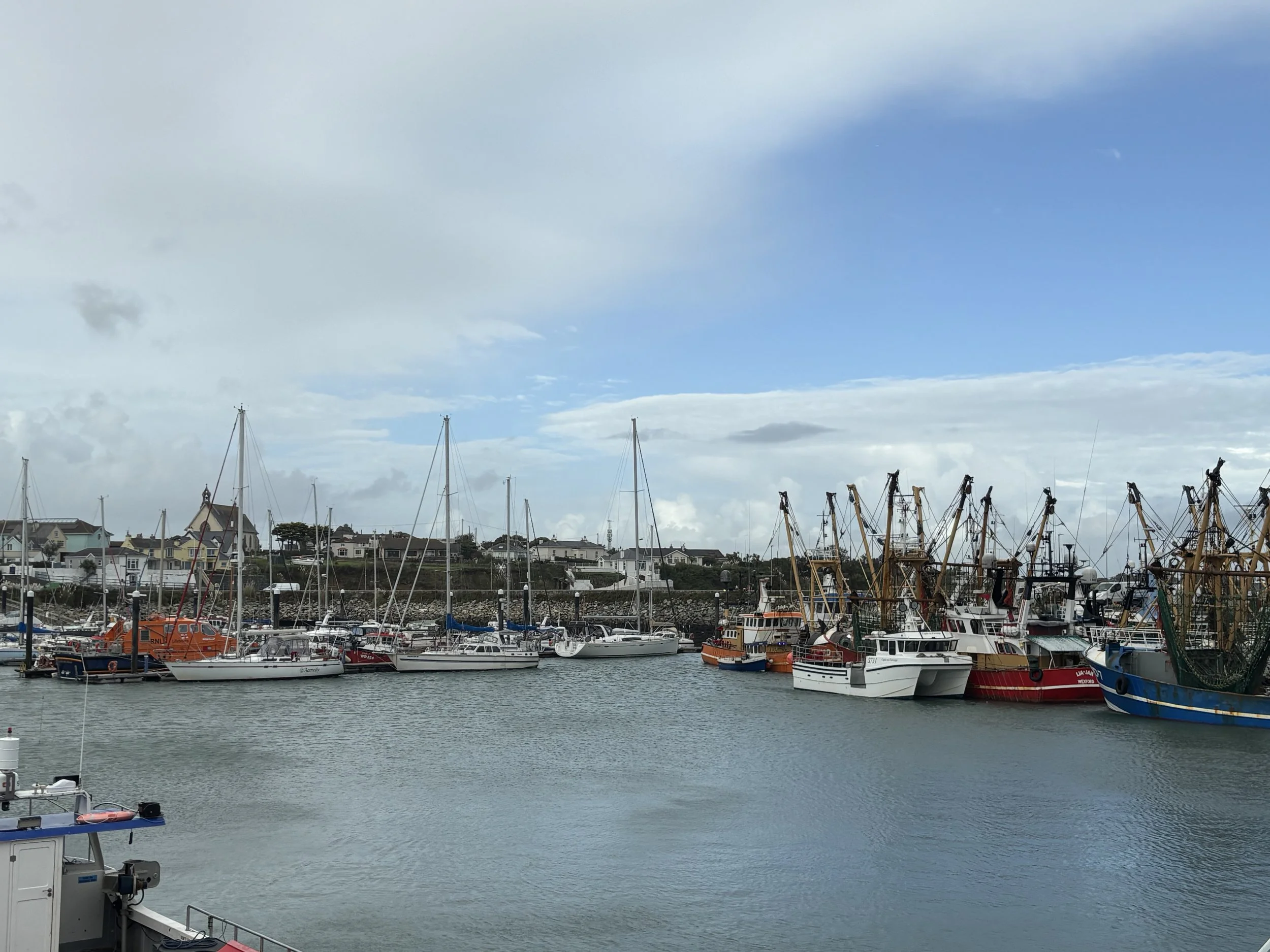
Remedy tucked away in Kilmore Quay, waiting out a blow.
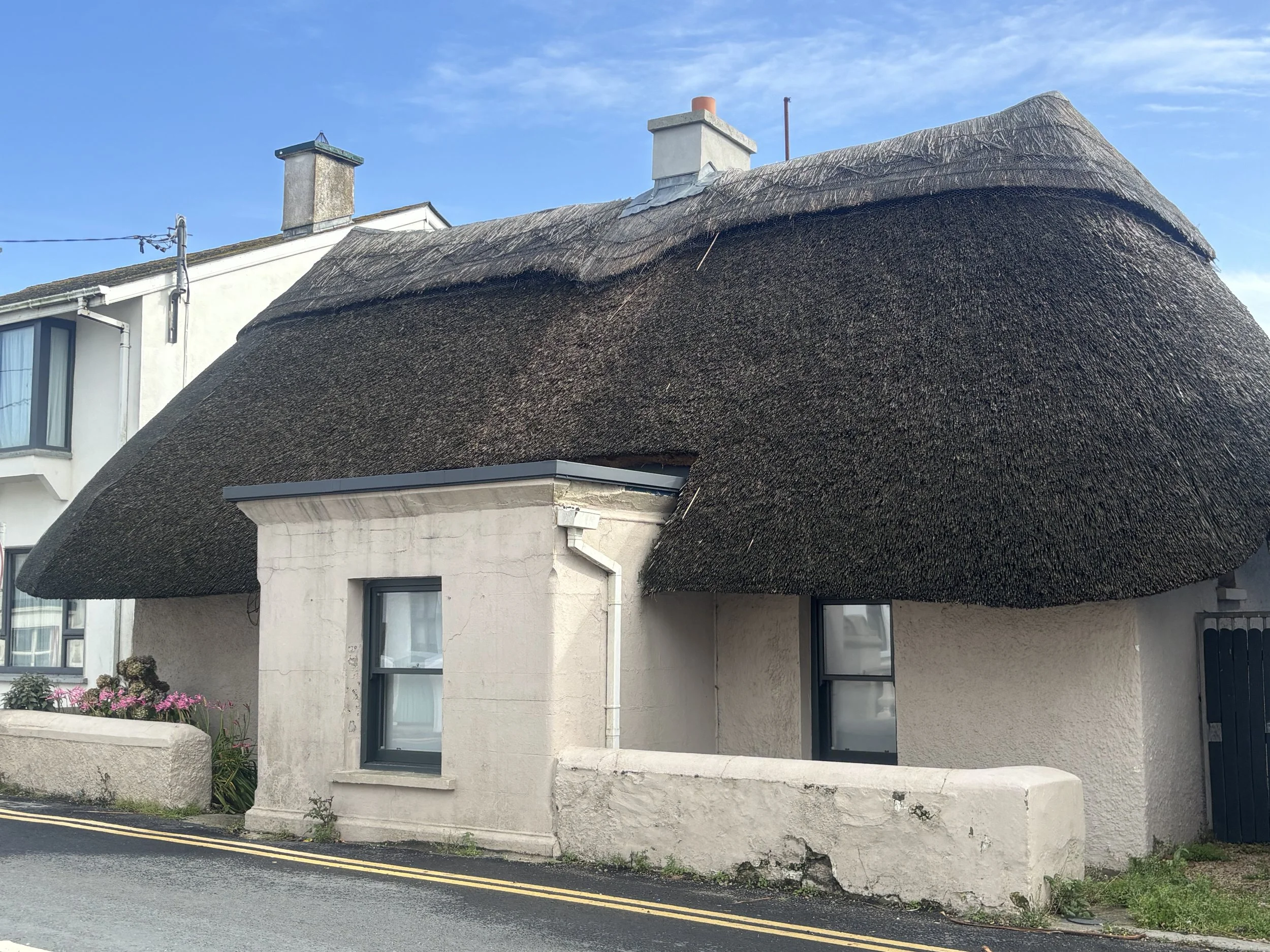
Thatched roof cottage in Kilmore Quay.
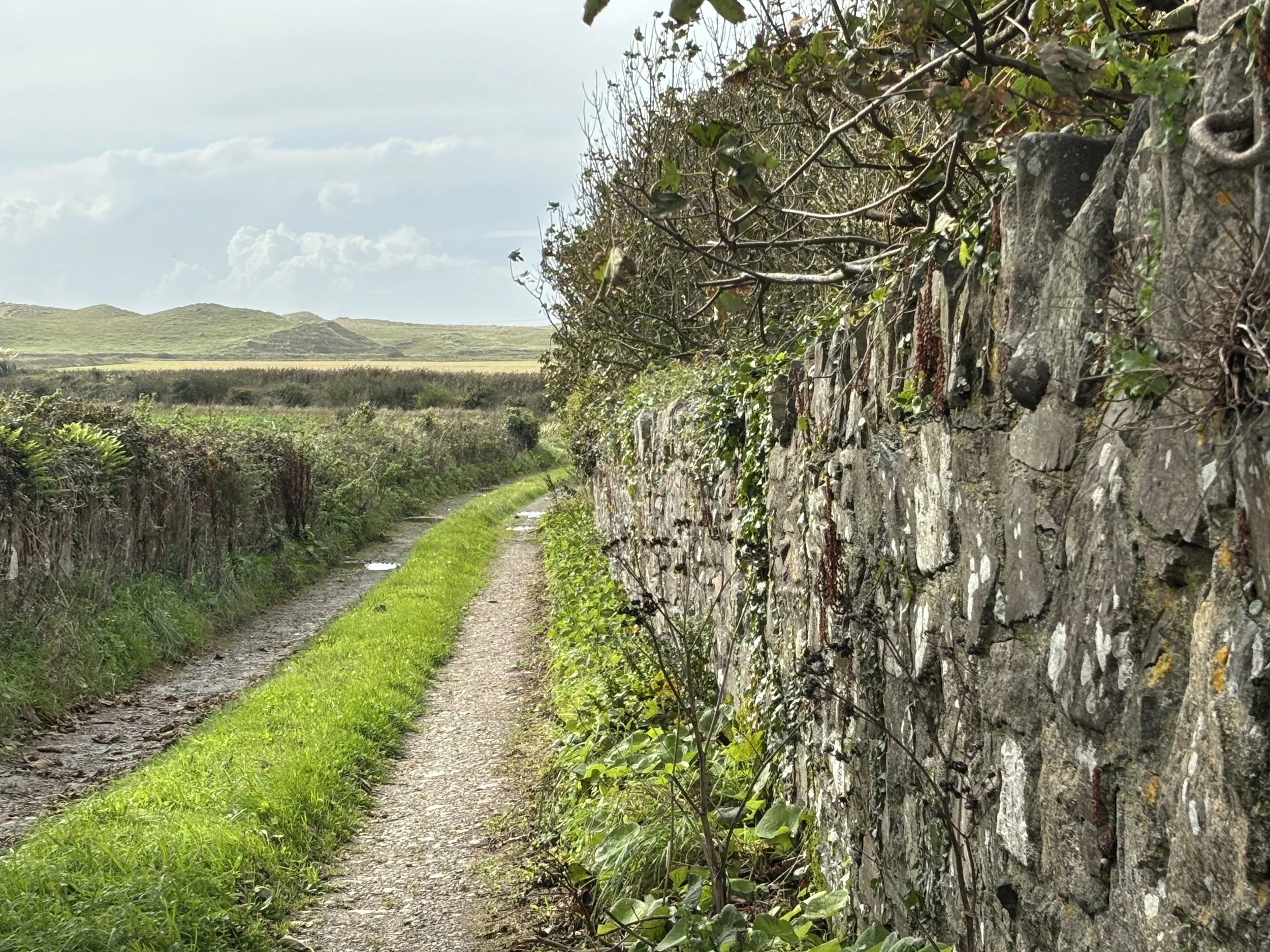
Walking around Kilmore Quay, Ireland
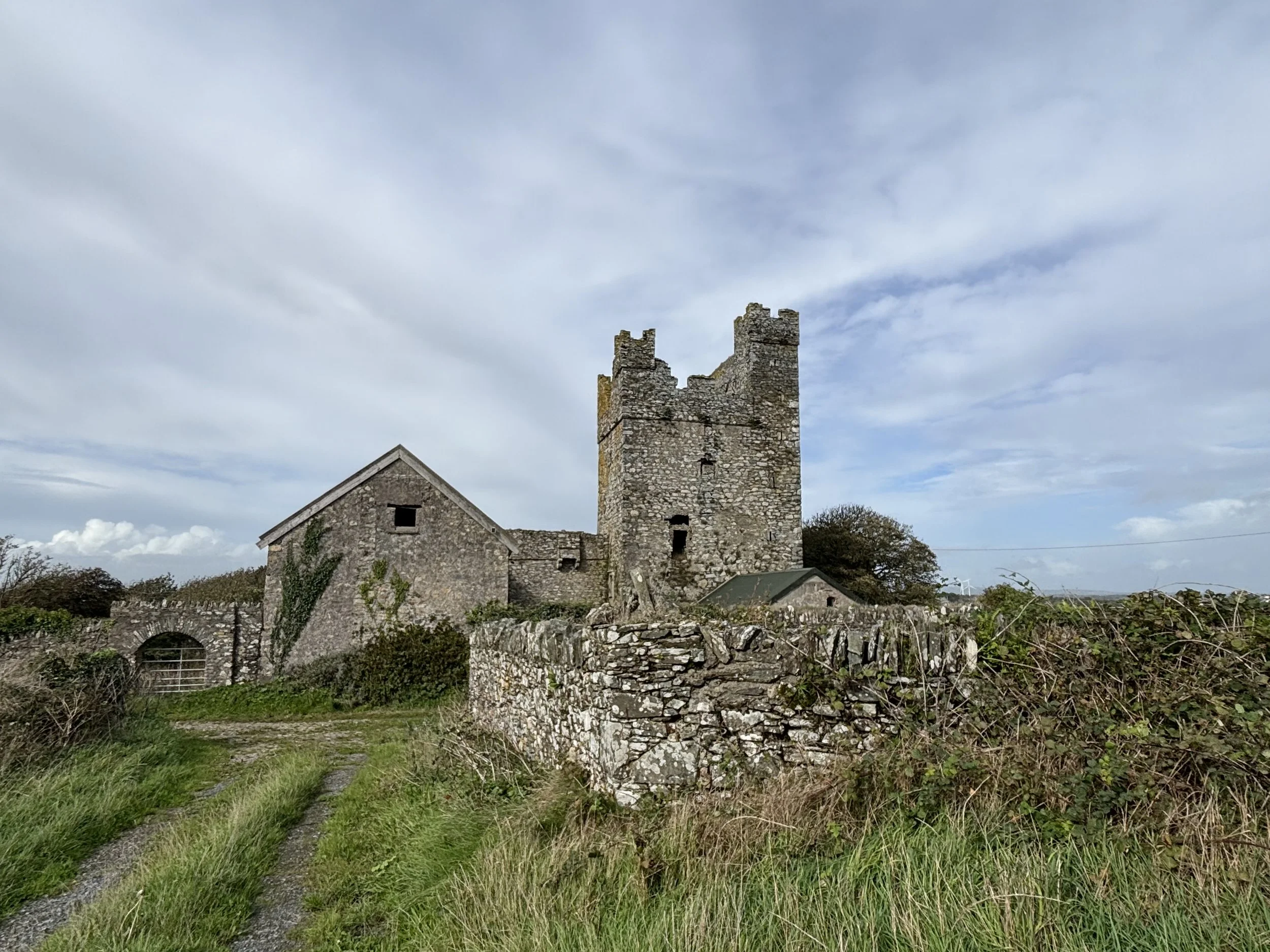
Remnants of an old castle in Kilmore Quay, Ireland
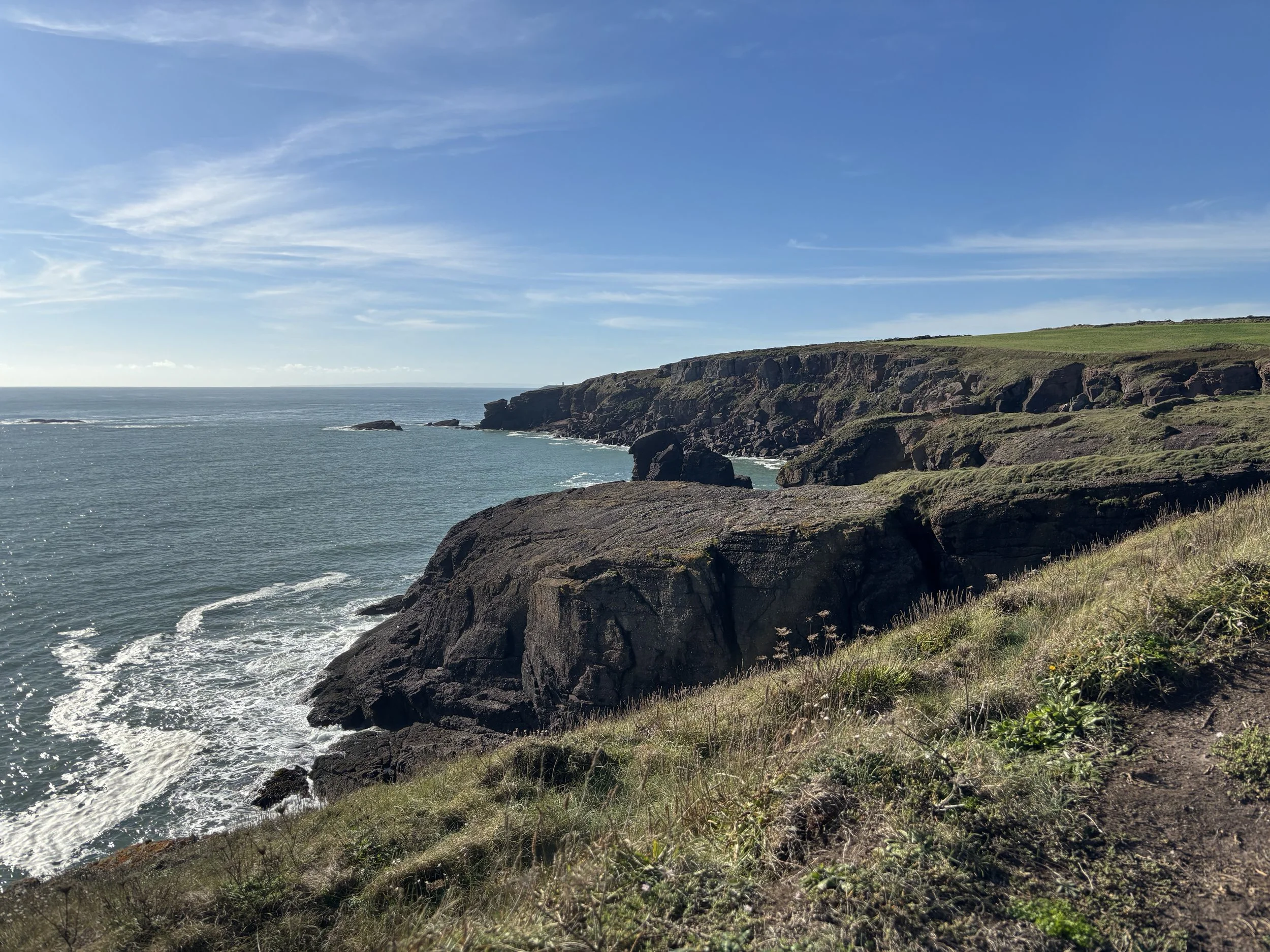
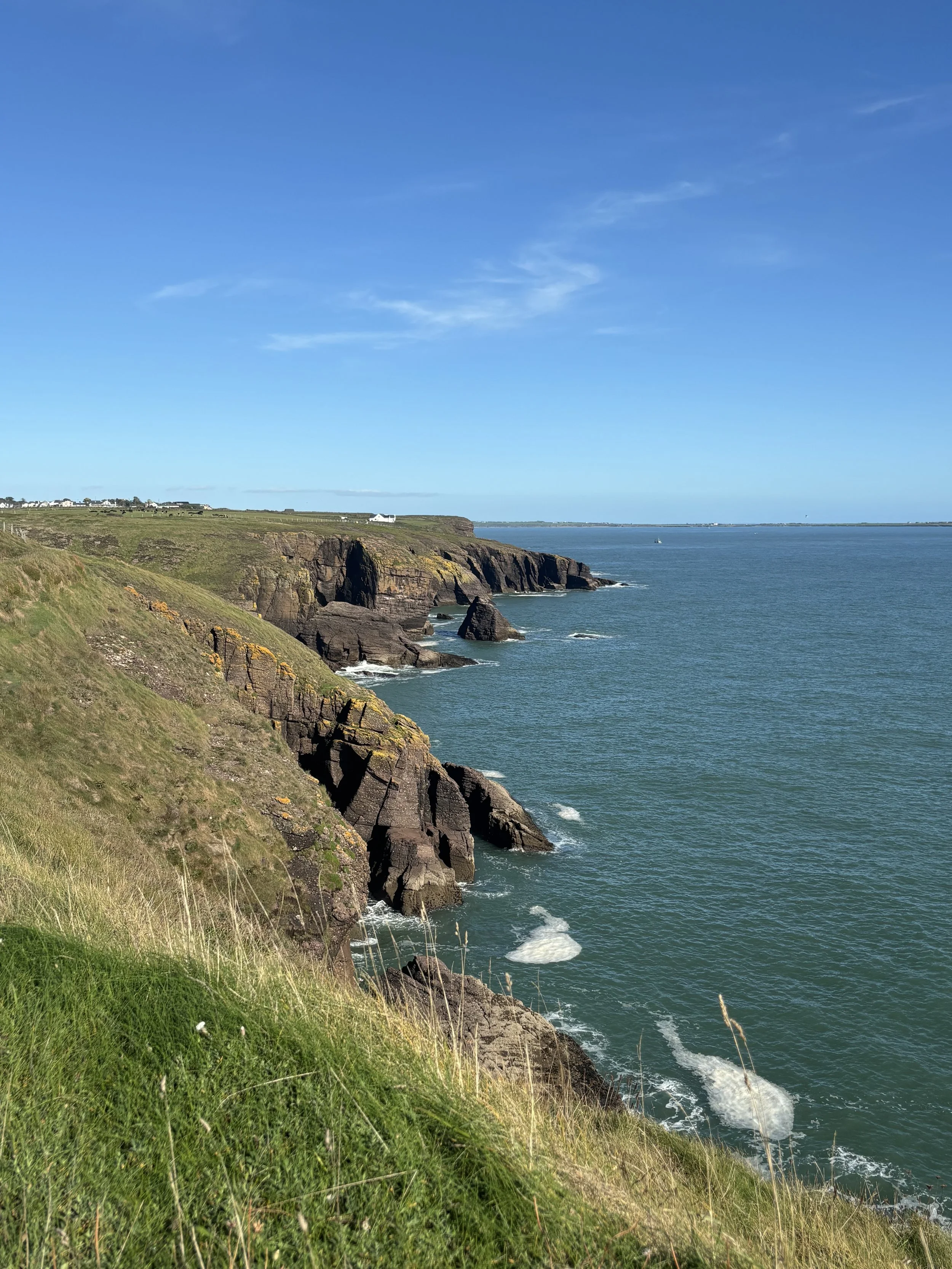
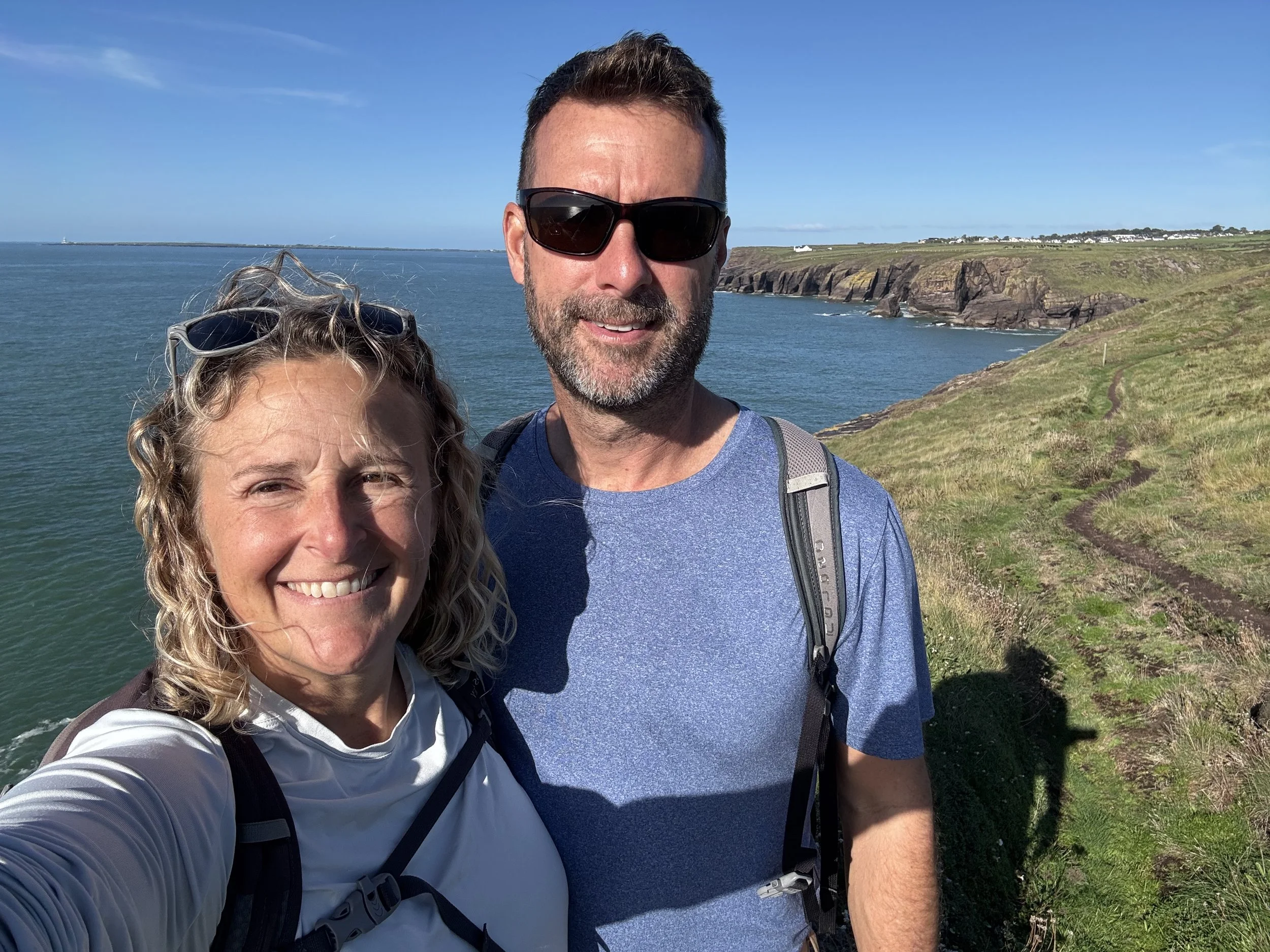
Our last hike along the stunning shores of Ireland—a coastal walk in Dunmore East.
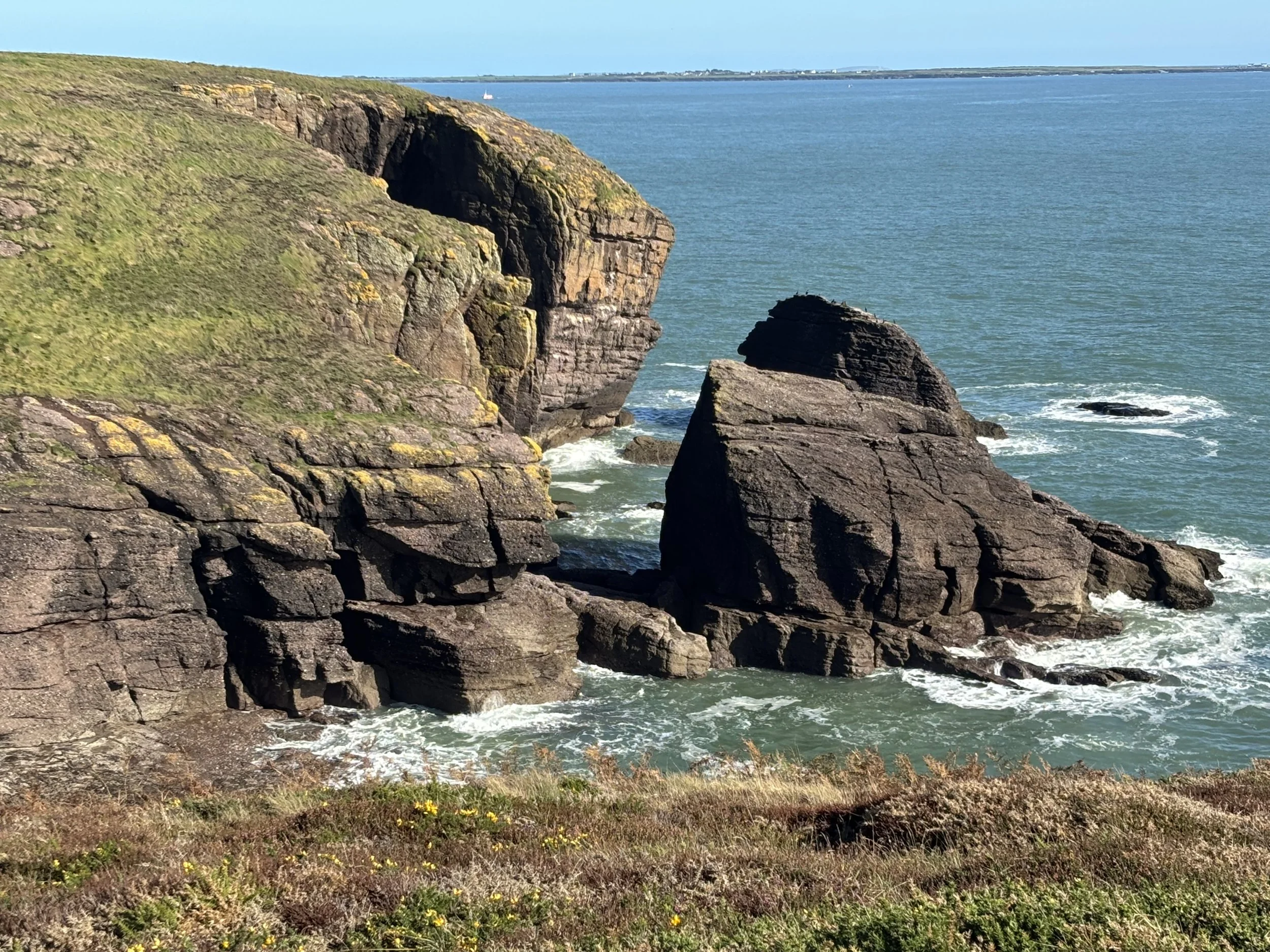
Dunmore East, Ireland
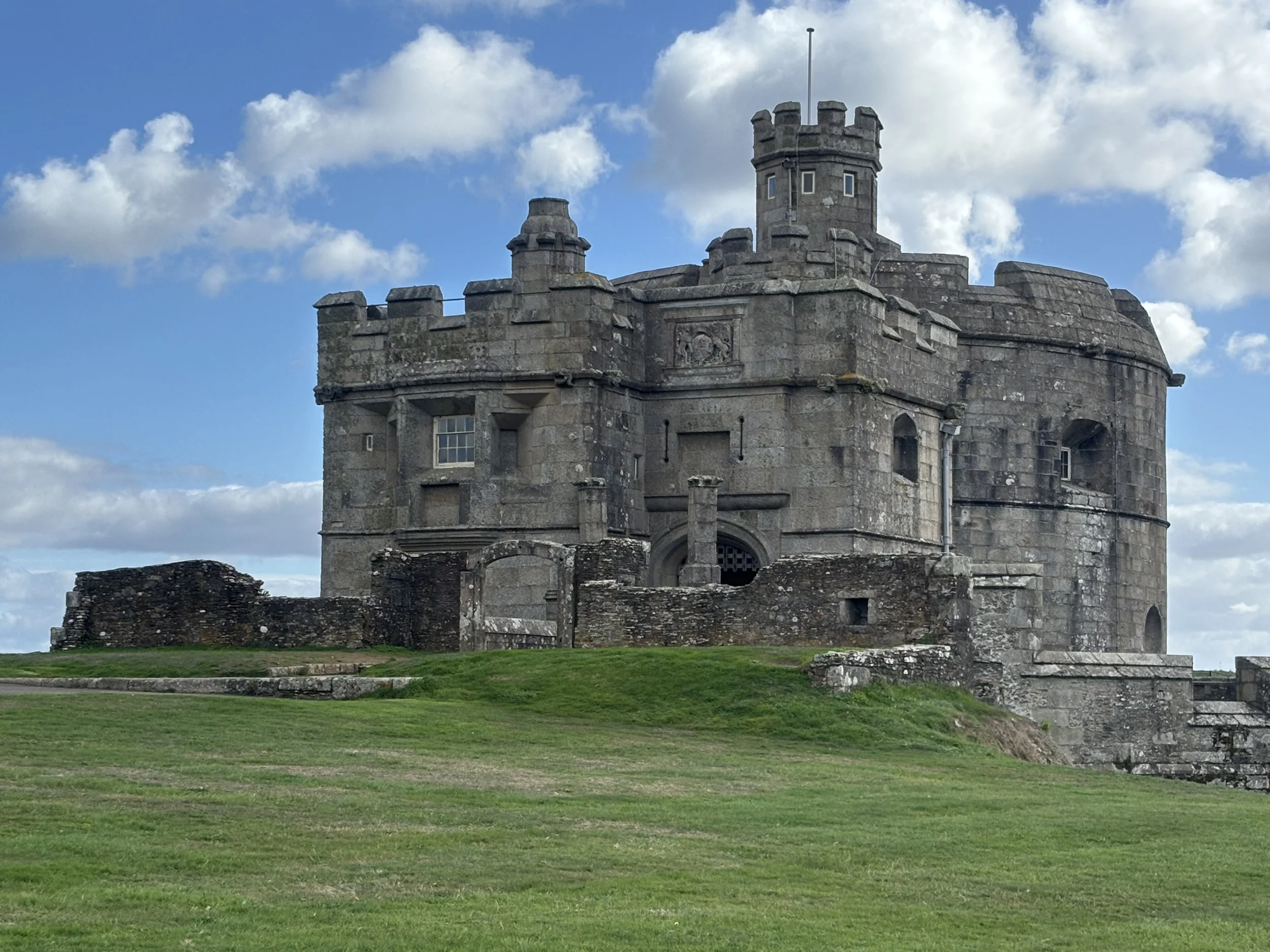
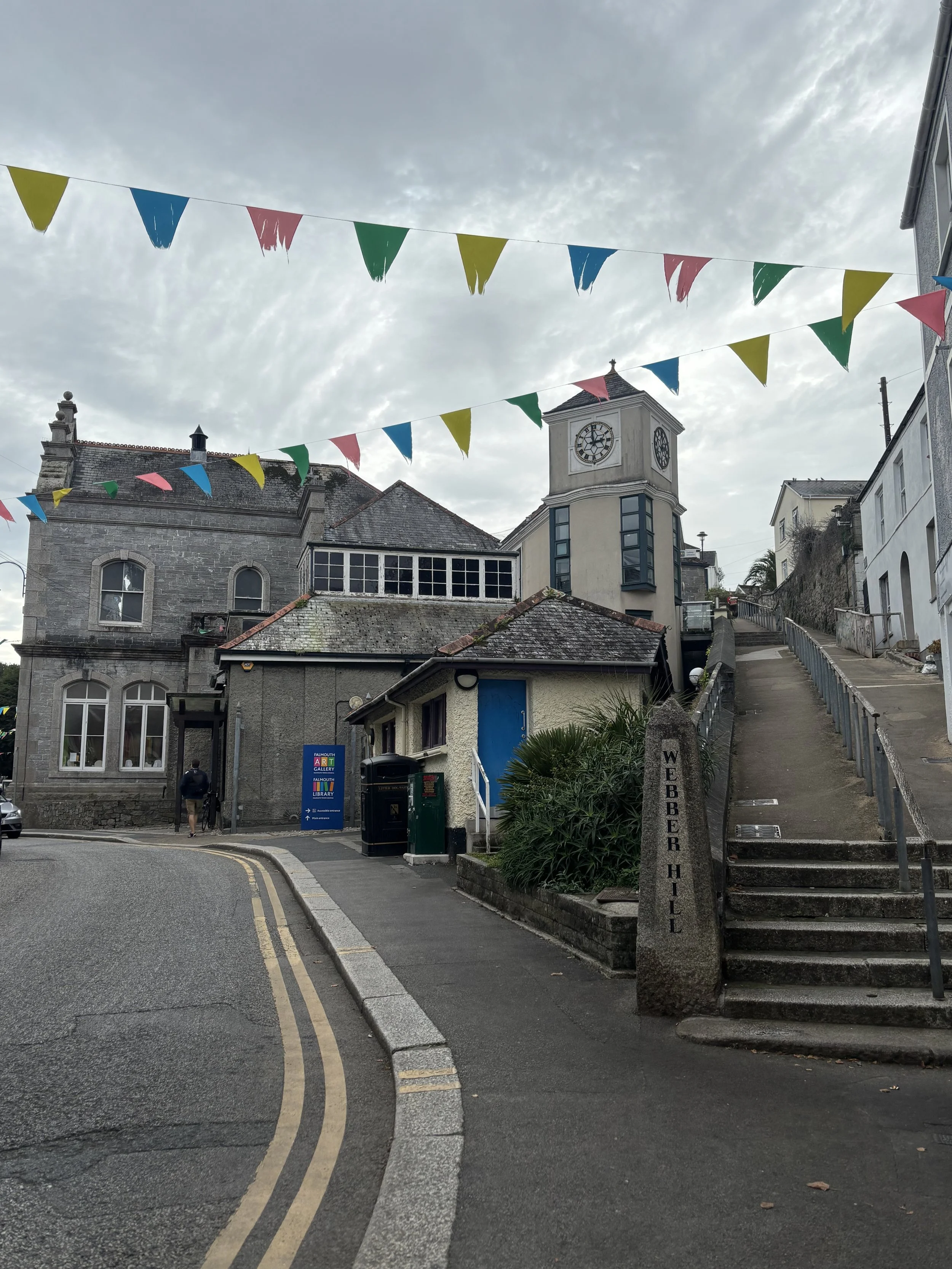
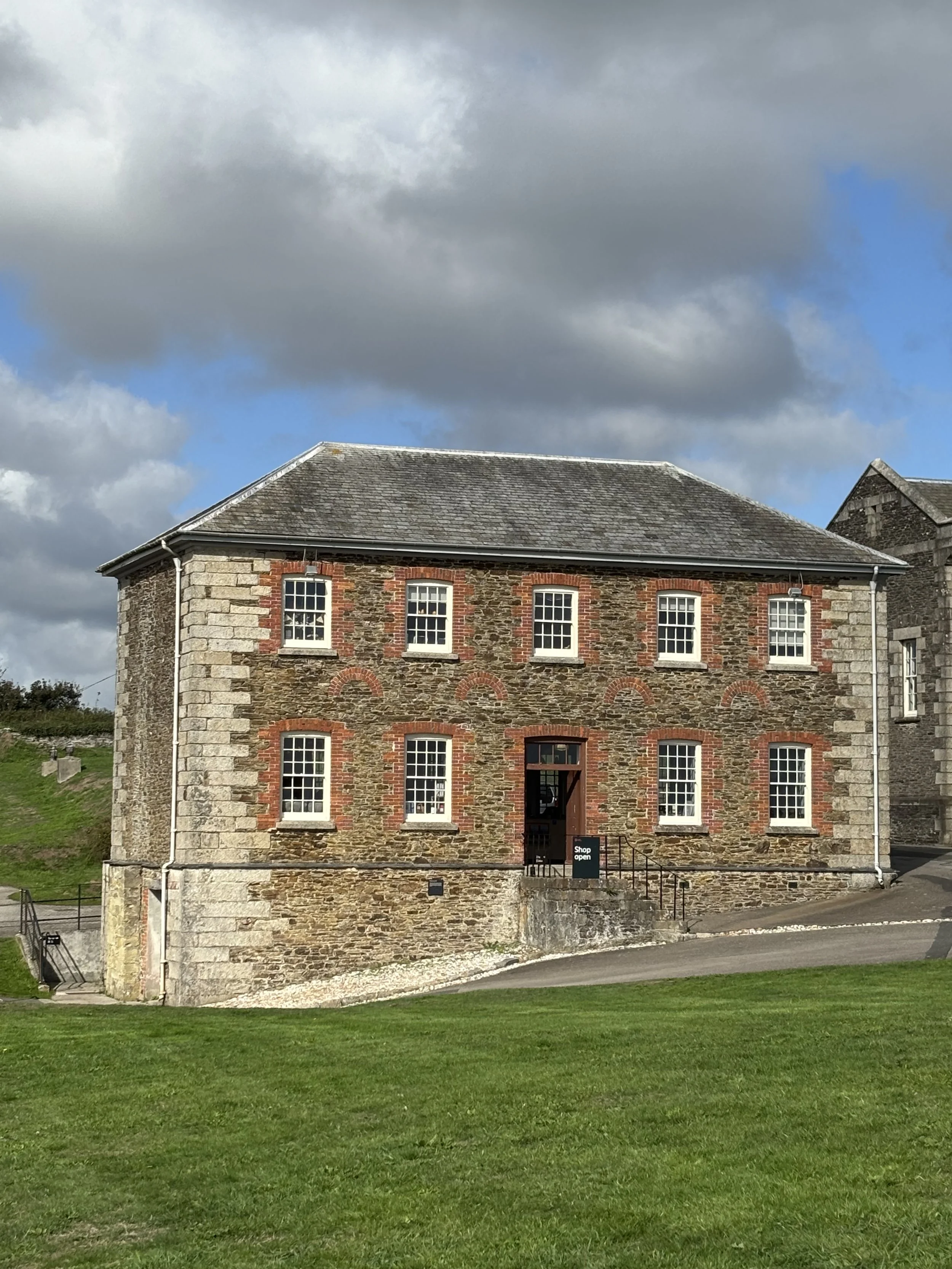
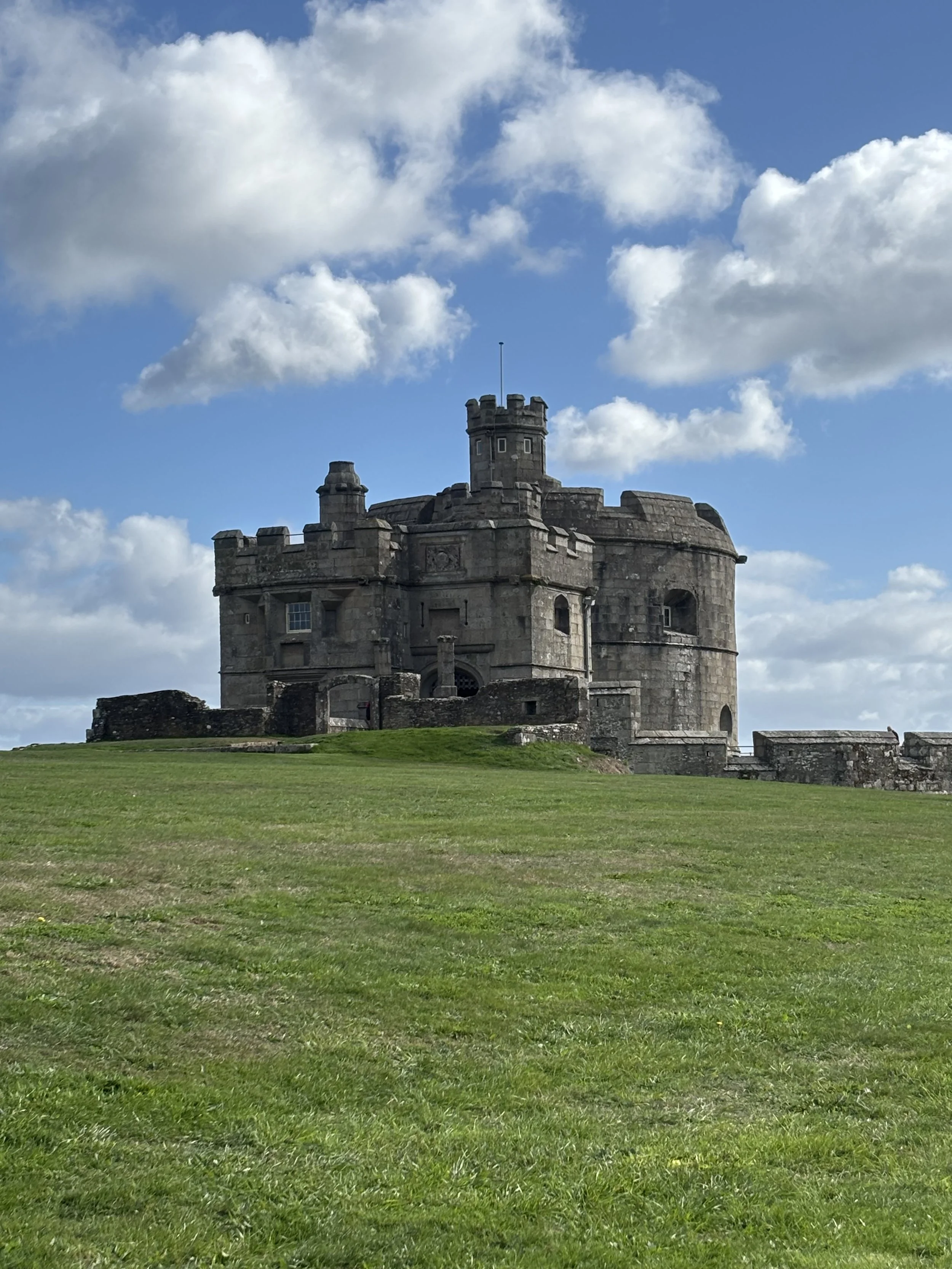
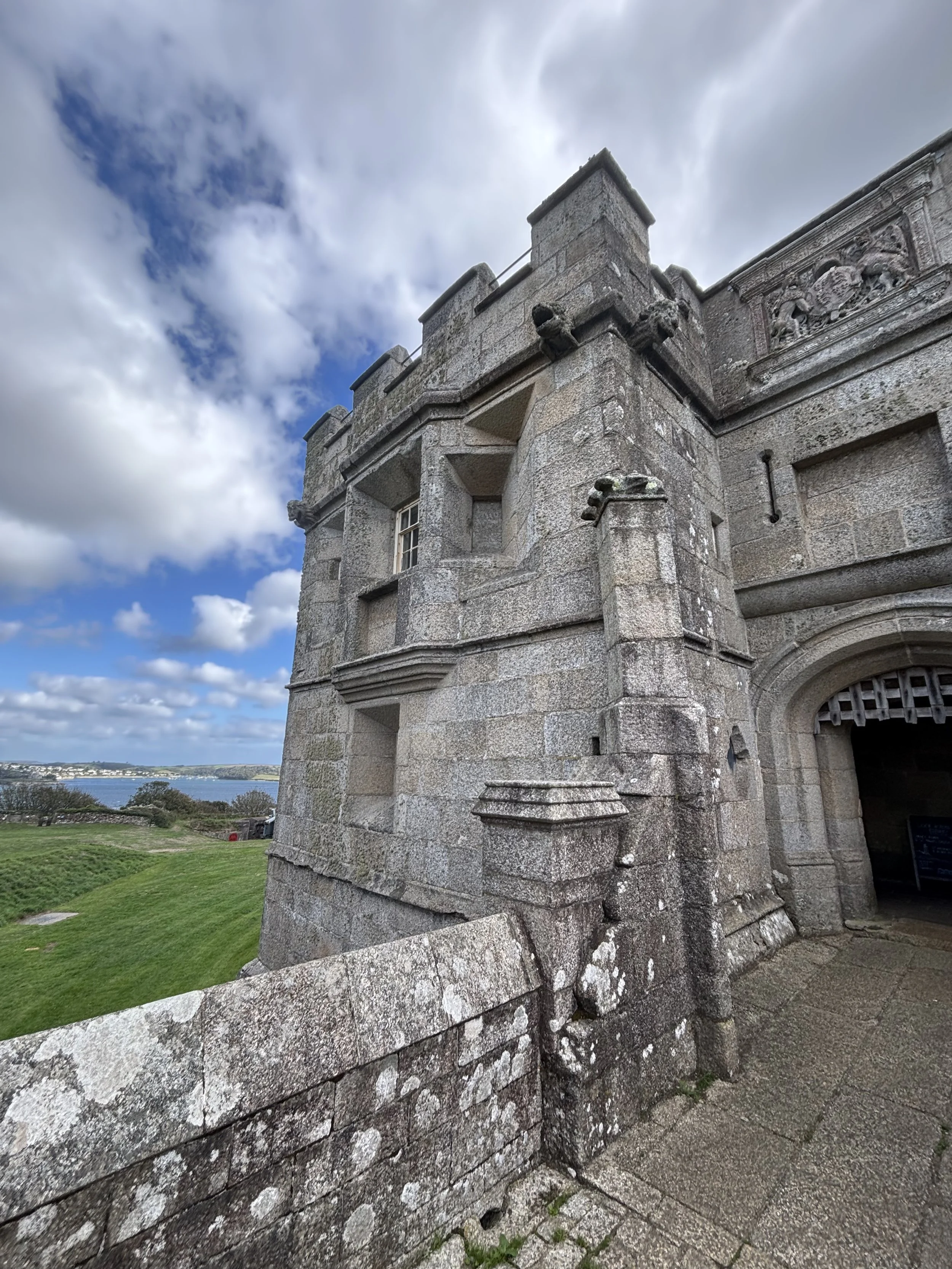
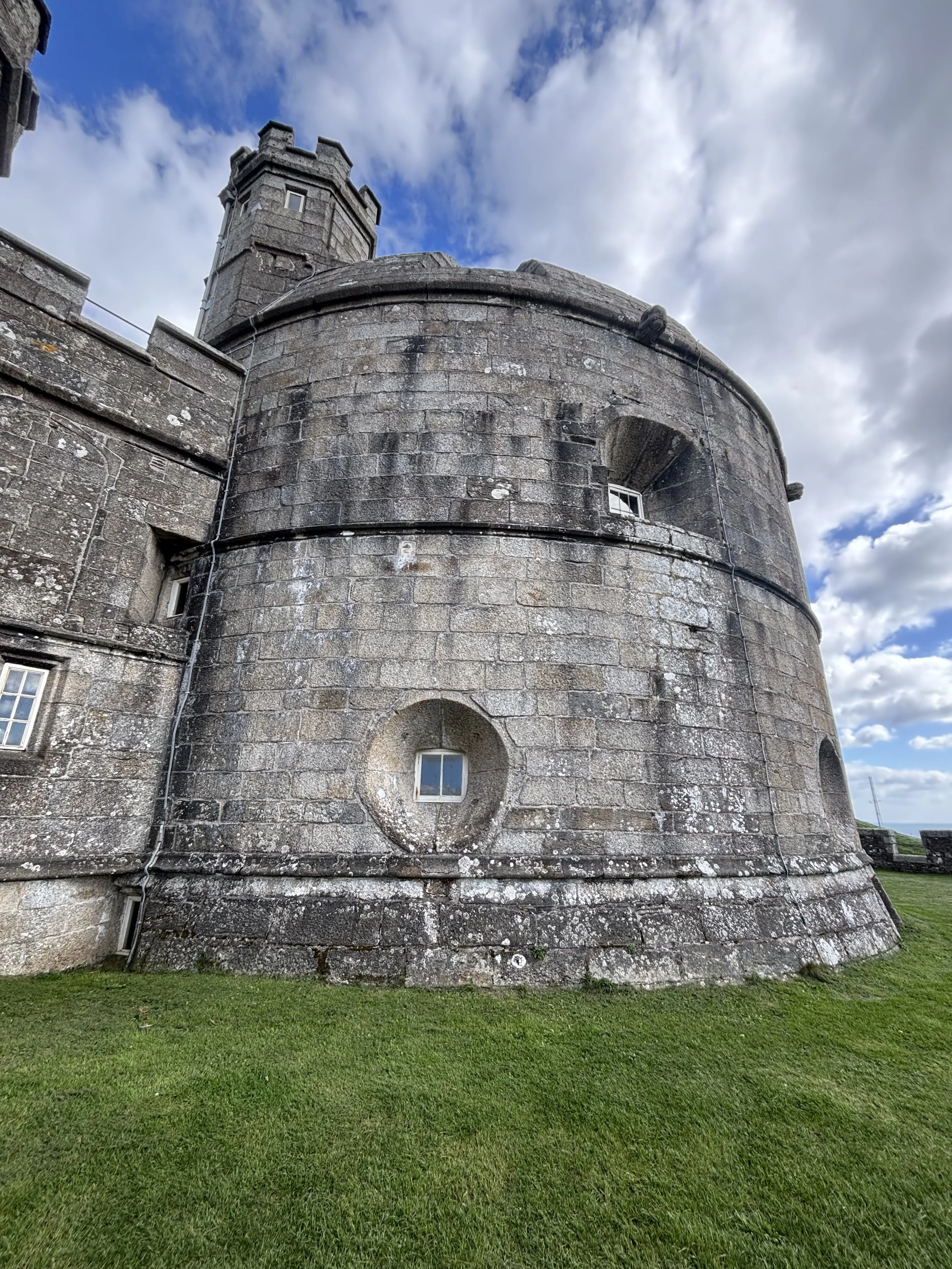
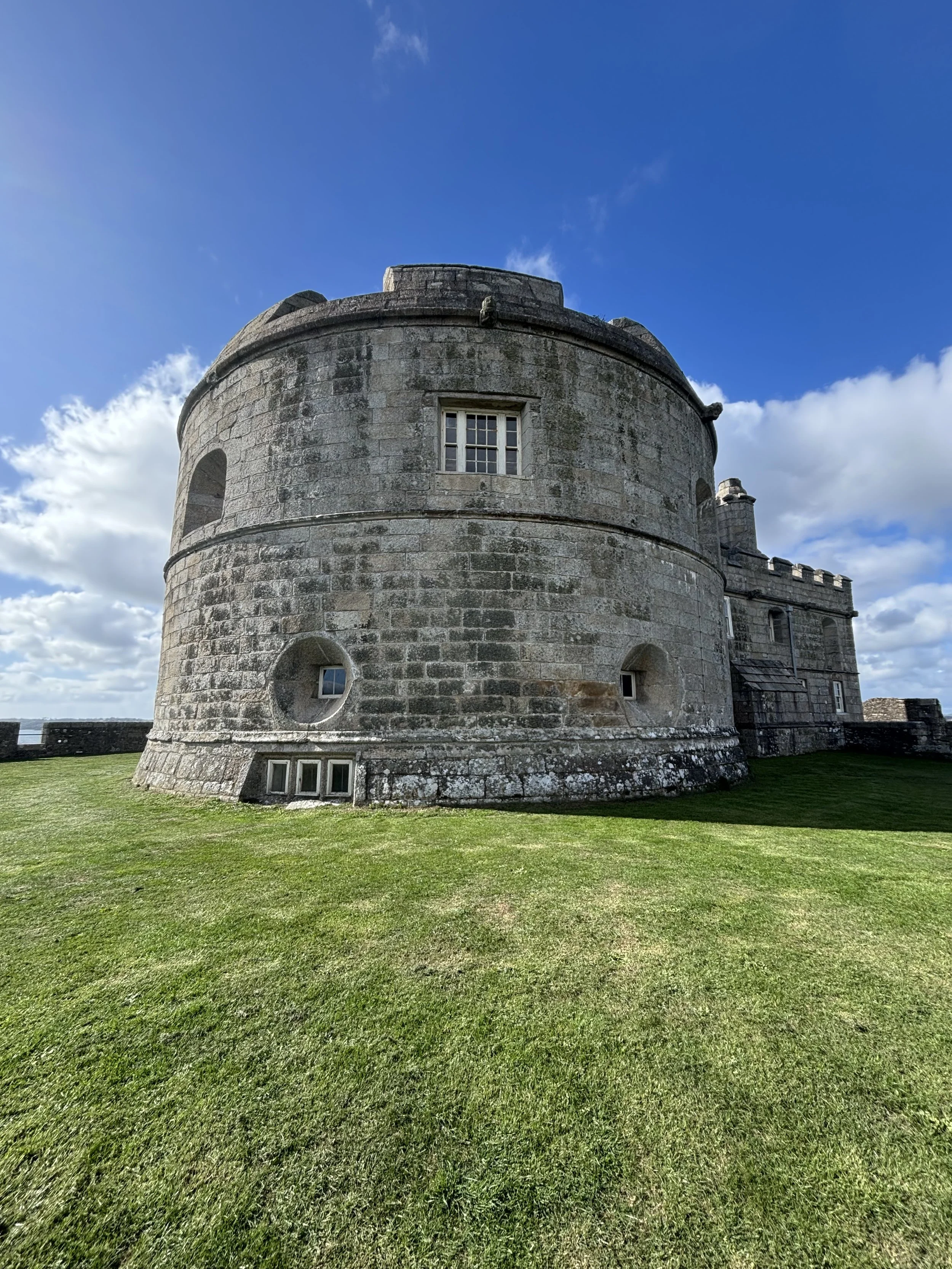
From Dunmore East, we continued sailing across the Irish Sea, making another overnight sail and landing in Falmouth—a major hub for recreational sailing and traditional maritime activity. Here, we were once again reunited with our friends Travis and Mary from SV Devona. We loved our time in Falmouth. While there, we visited Pendennis Castle—a coastal fortress standing on the headland overlooking the harbor entrance. The castle was built by Henry VIII in the 1540s to defend England against invasion. We walked through streets decorated with strings of bunting and stopped for pastries at the Cornish Bakery, where I enjoyed a wonderful orange chai bun and Ken had some sort of lemon-and-berry custard tart.
We only spent a couple of days in Falmouth before once again leaving our friends behind and making our way to Dartmouth. Such is the sailing life. You often have buddy boats you travel with for a while, but there always comes a time when your paths diverge. Our friends aboard SV Heartstring call it Bungee Boating, instead of Buddy Boating. You know at some point in time, you will come back together again. So it is rarely “goodbye” and more like “see you somewhere, sometime.”
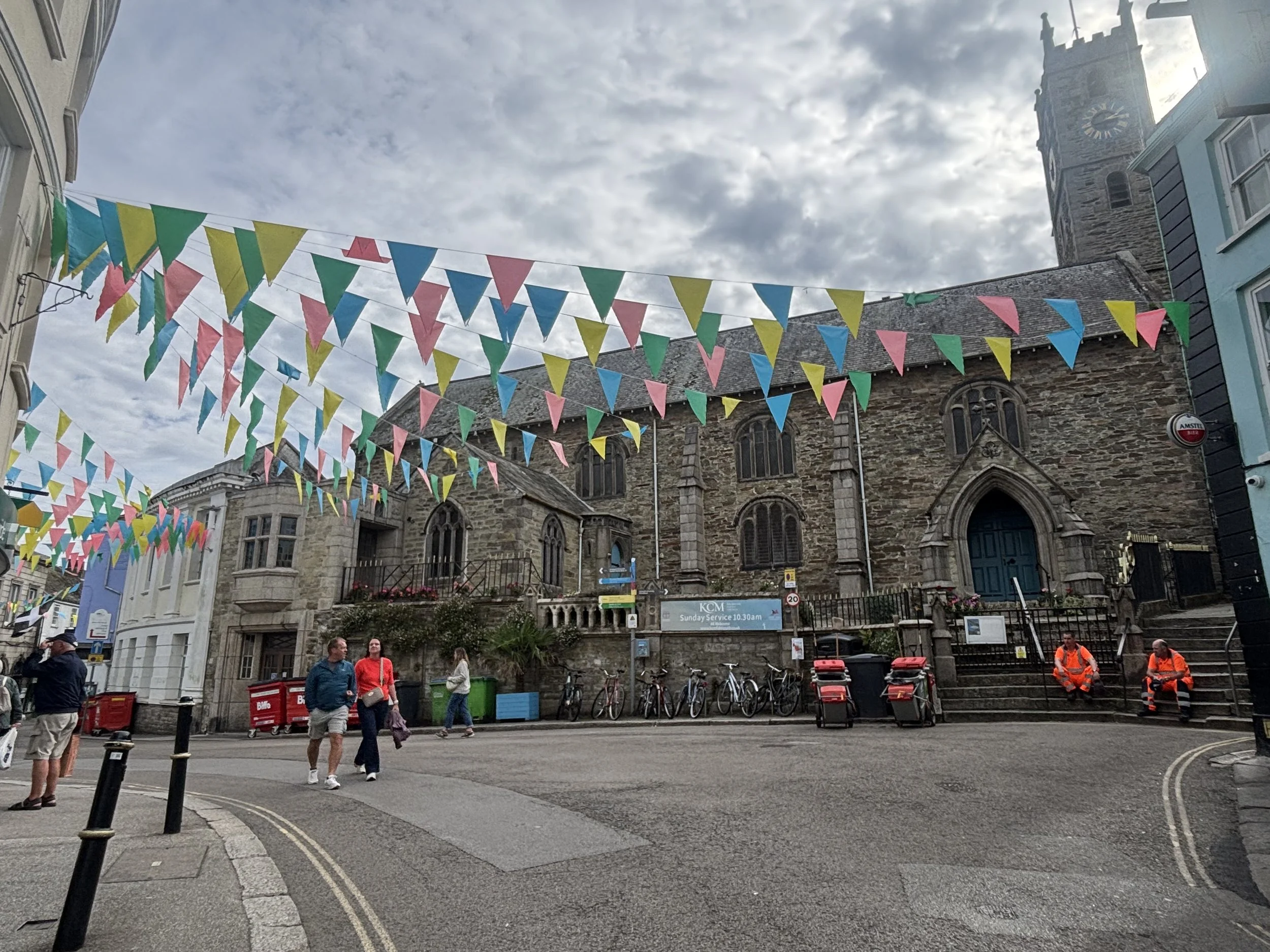
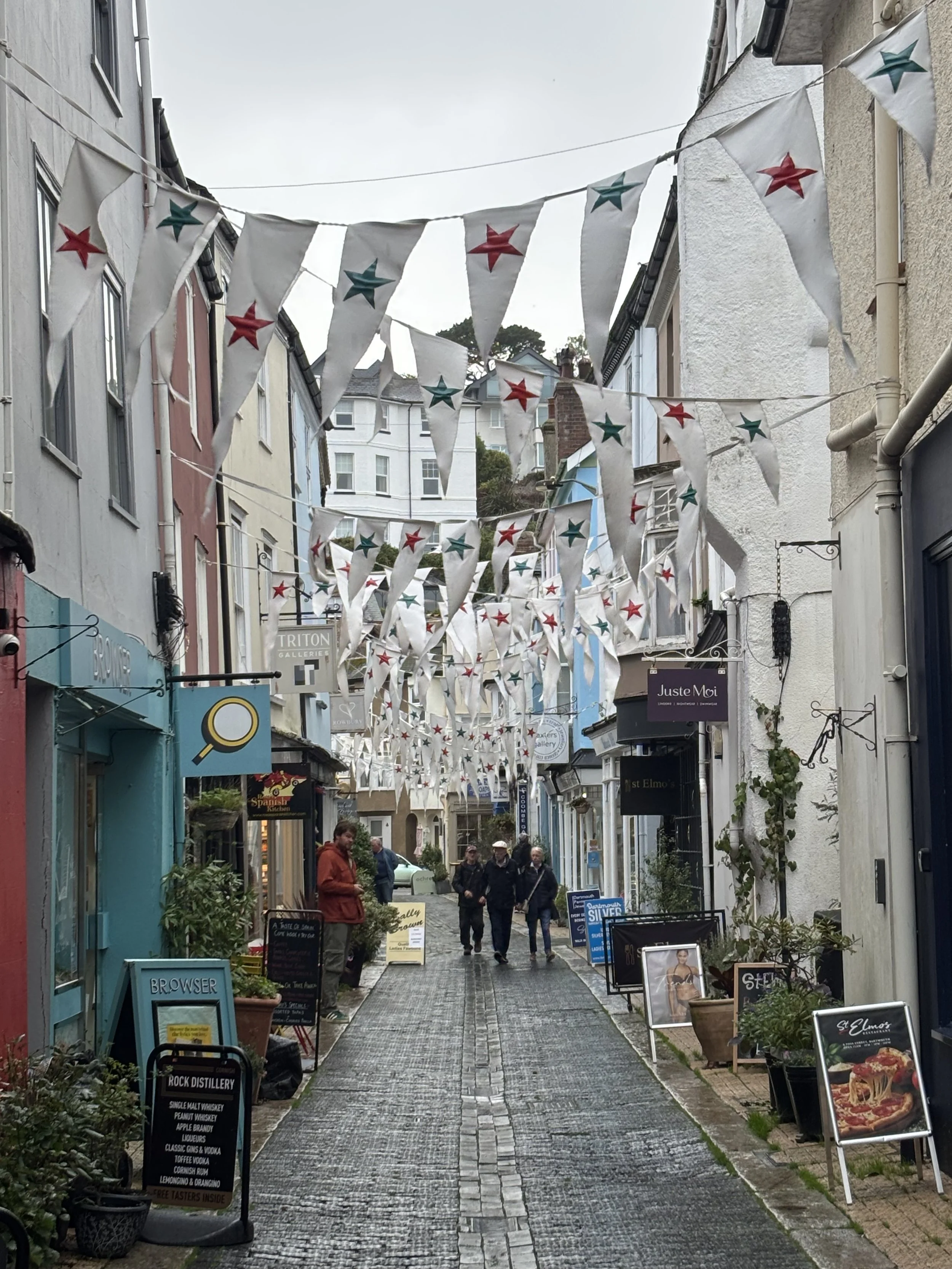
Bunting flags line the streets of Falmouth, UK.
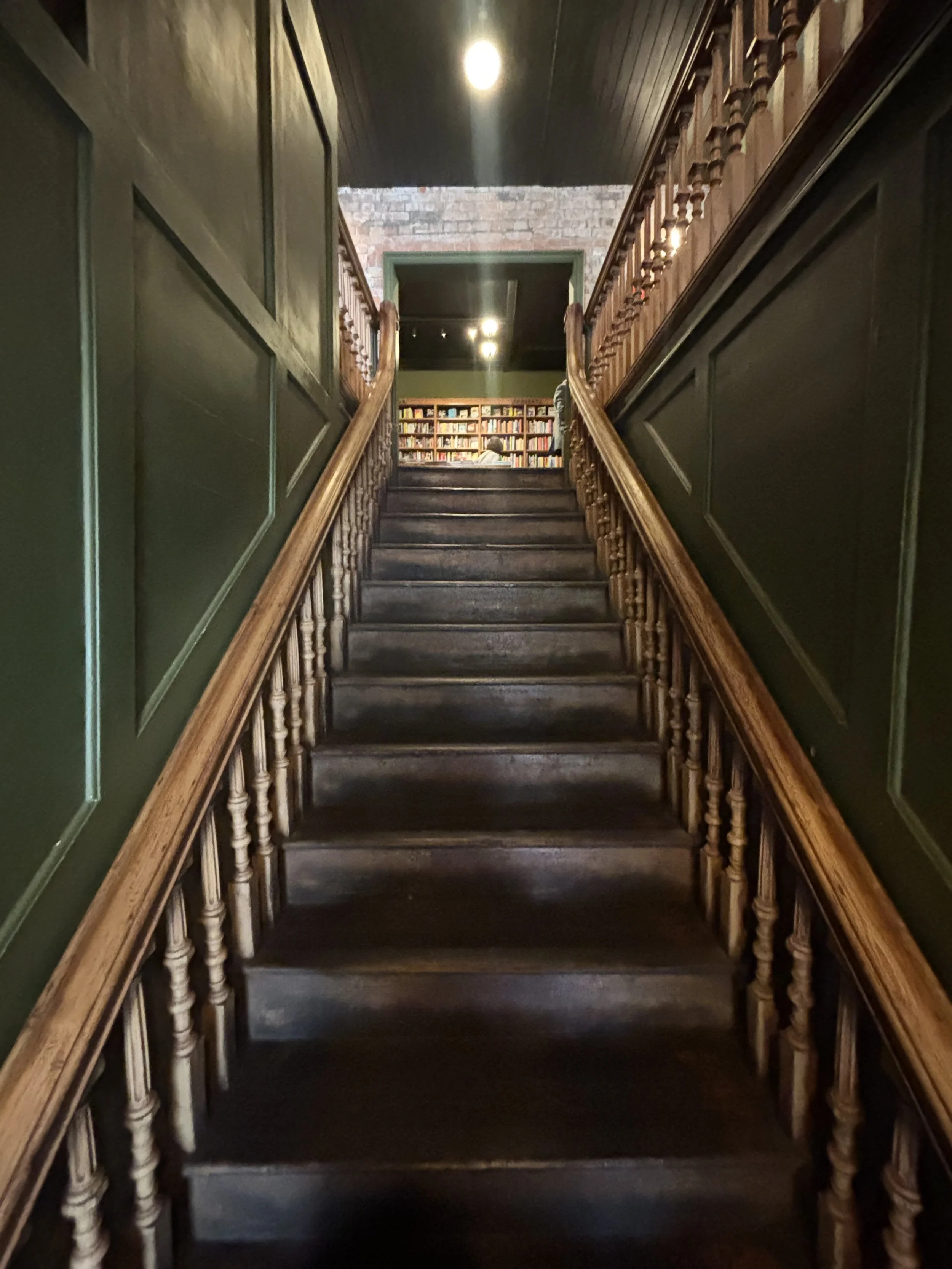
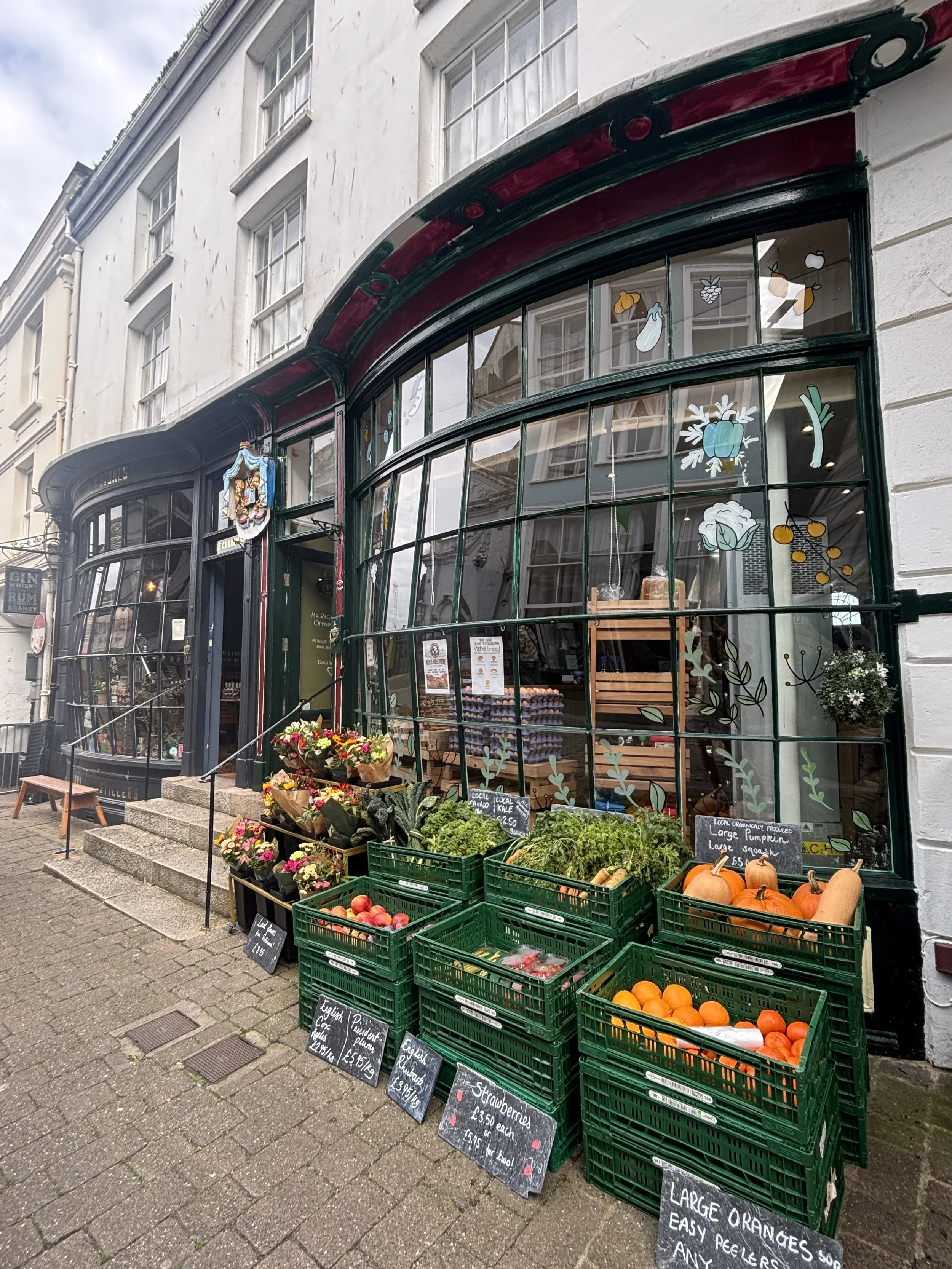
A bookstore/pub in Falmouth
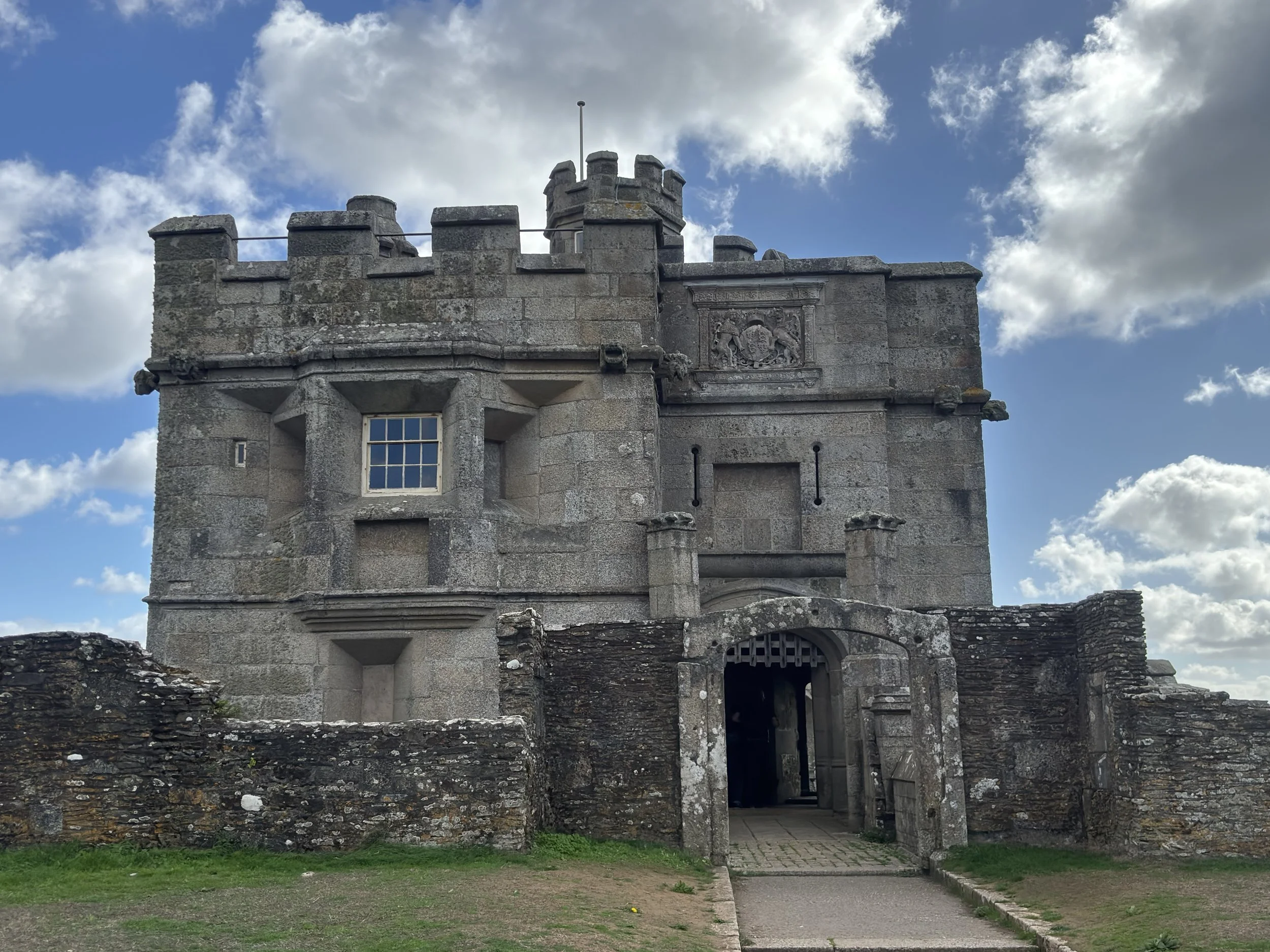
Falmouth Castle
Sailing is always full of adventure, but every now and then, you have unique experiences. As we sailed from Falmouth to Dartmouth, we found ourselves in the middle of some military exercise, with a handful of British military ships forming a perimeter around us. One of them crossed right in front of our bow, no more than half a mile away, and two more passed close astern. At some point, we spotted two tall poles sticking out of the water, traveling at high speed. It seems we had a submarine barreling past us as well. The whole event lasted well over an hour before all the boats departed, leaving us alone once again. You never know what will happen out there on the open seas.
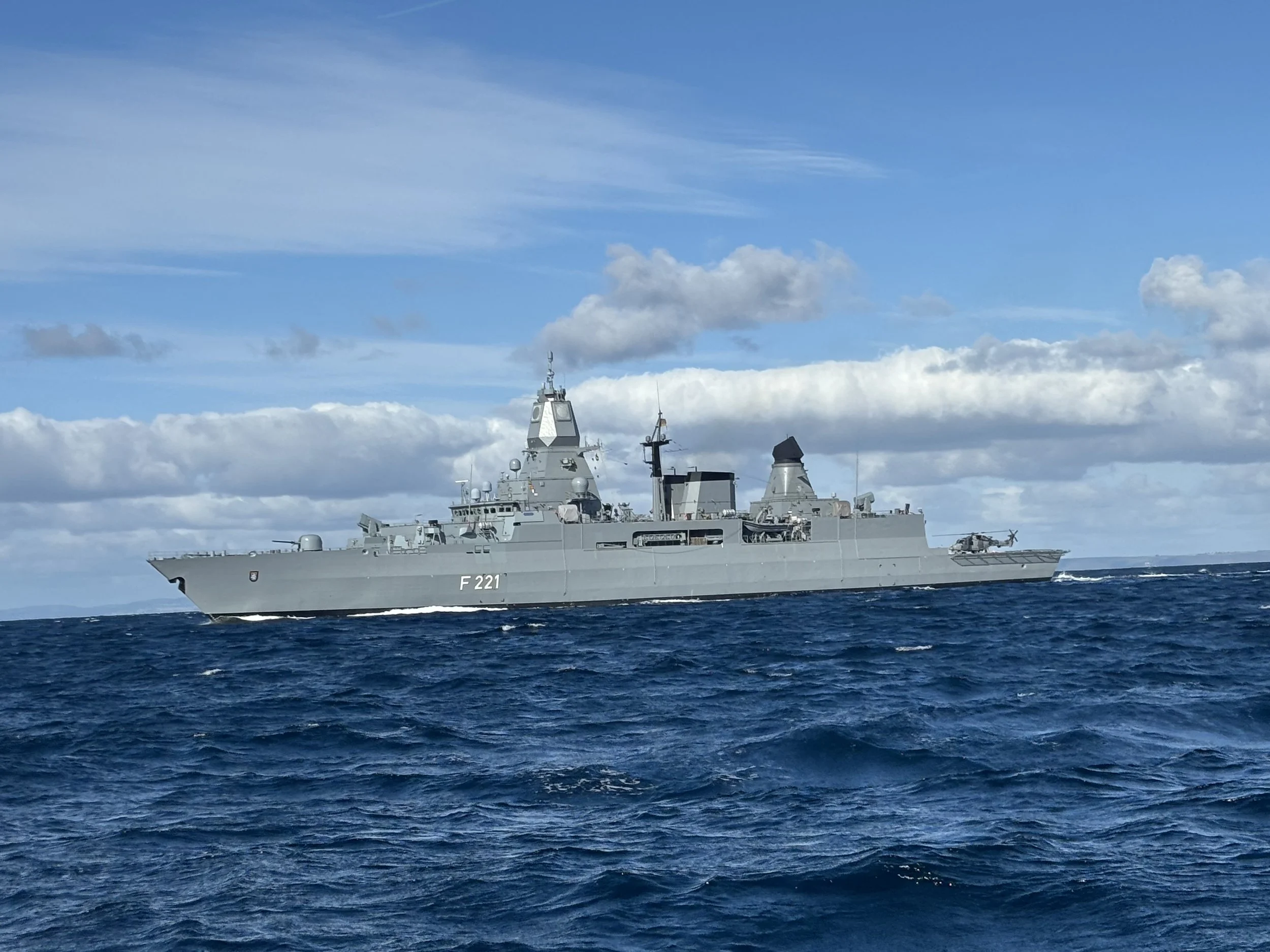
One of the warships passing by on our way to Dartmouth
The arrival in Dartmouth’s harbor is dramatic, as we sailed past Dartmouth Castle, built in 1388 by King Richard II to protect Dartmouth from a French invasion during the Hundred Years’ War. By the late 15th century, the castle housed a mechanism to raise a massive iron chain across the river entrance, blocking enemy ships from entering the harbor!
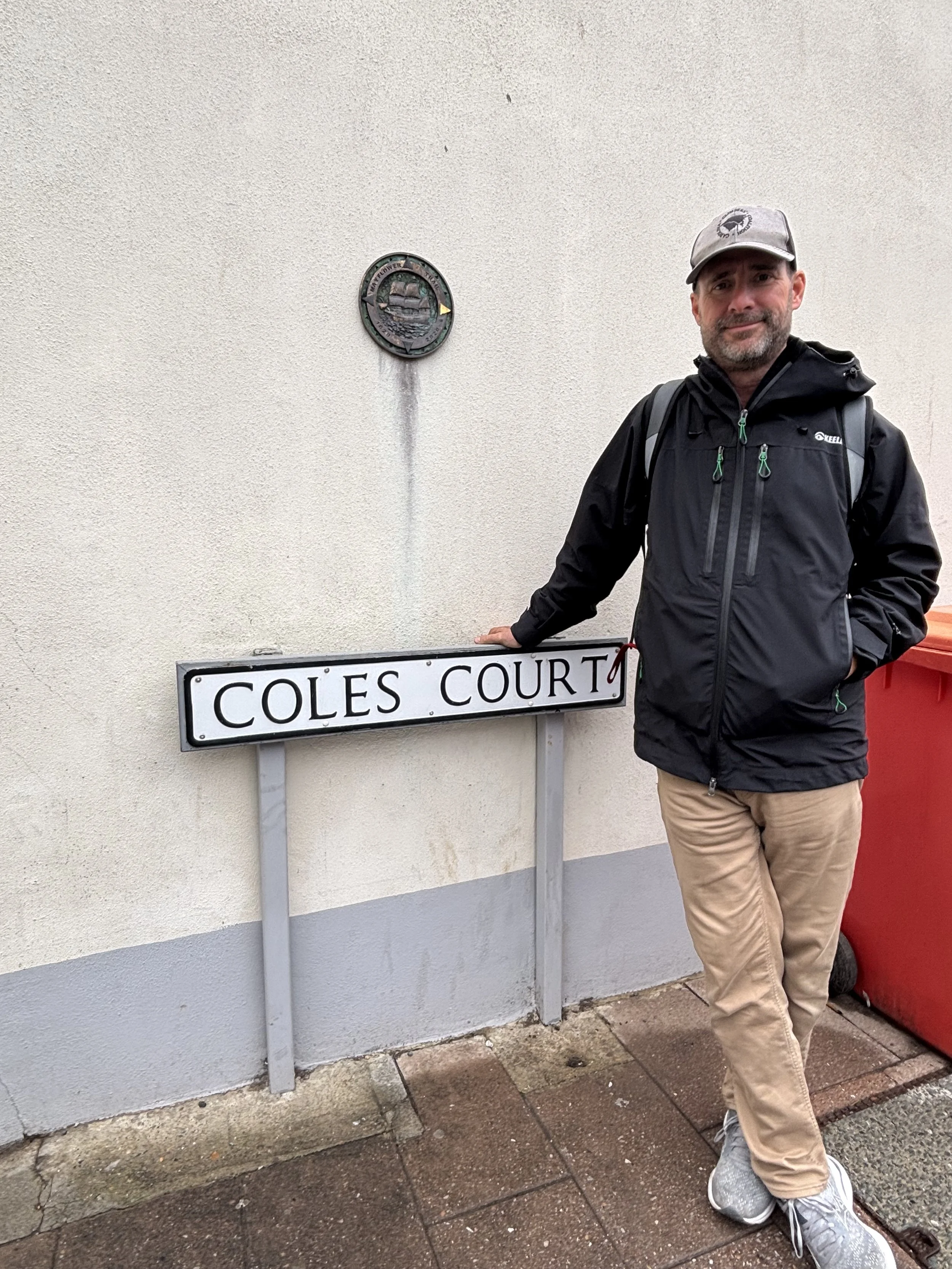
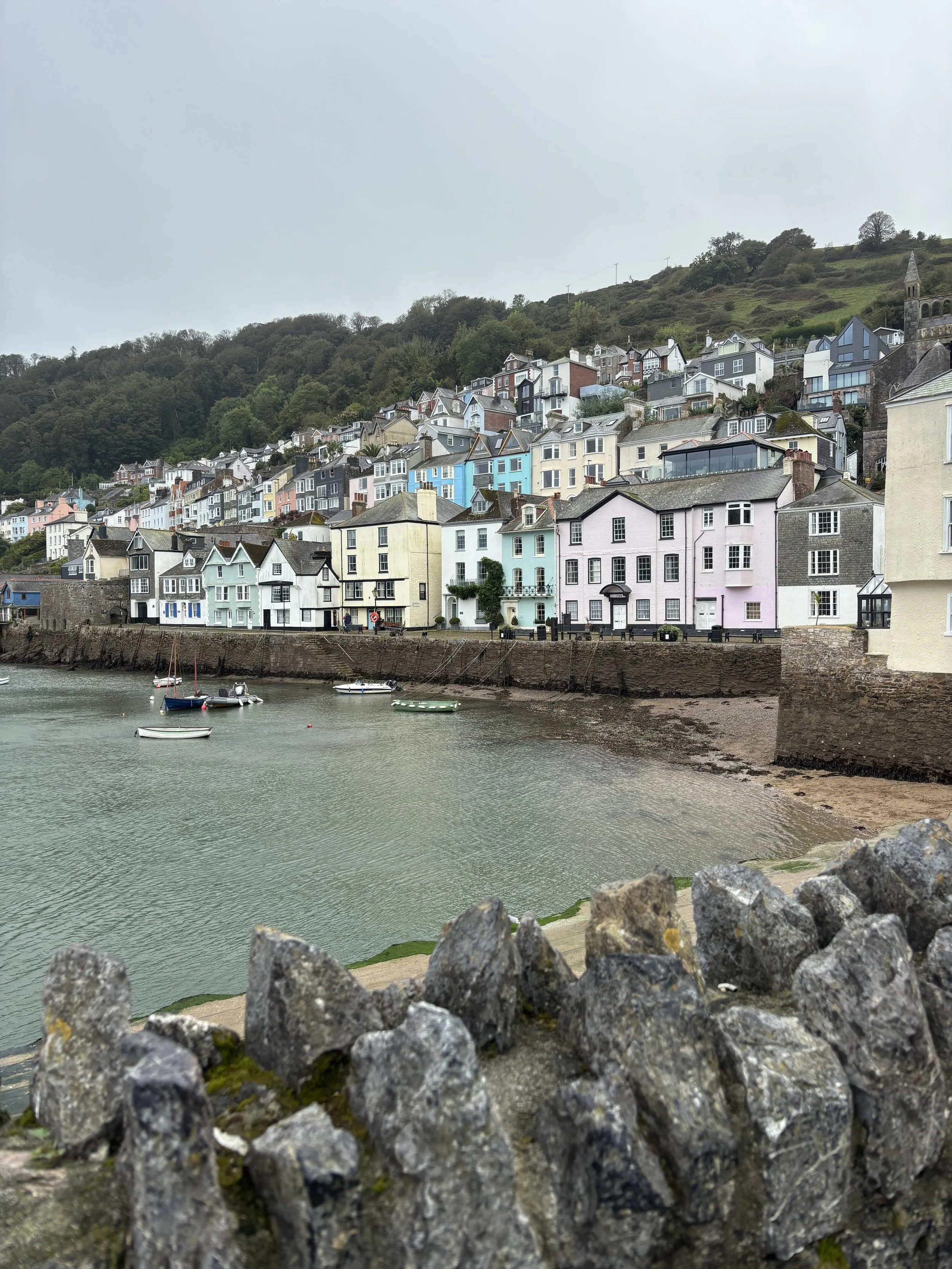
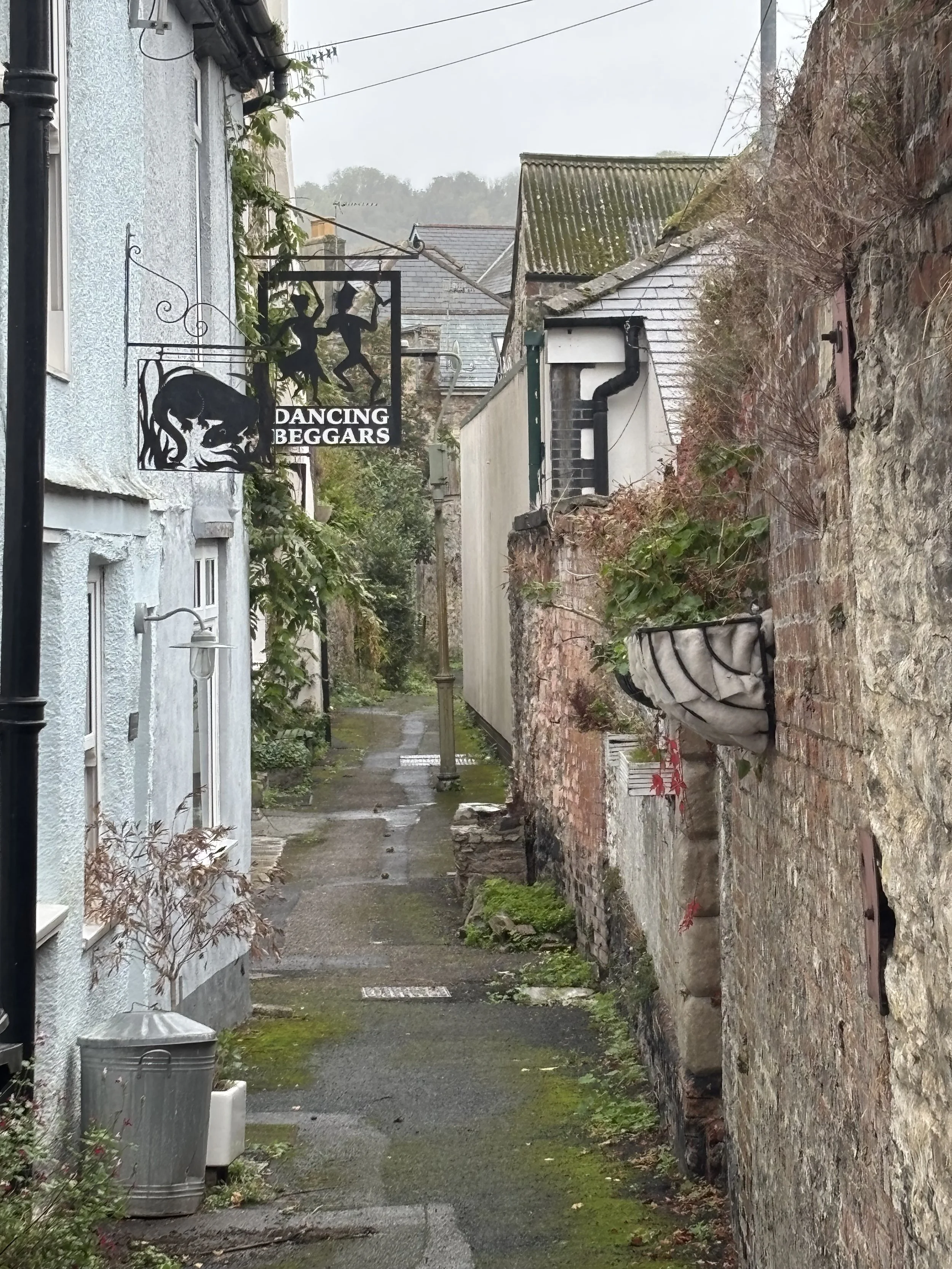
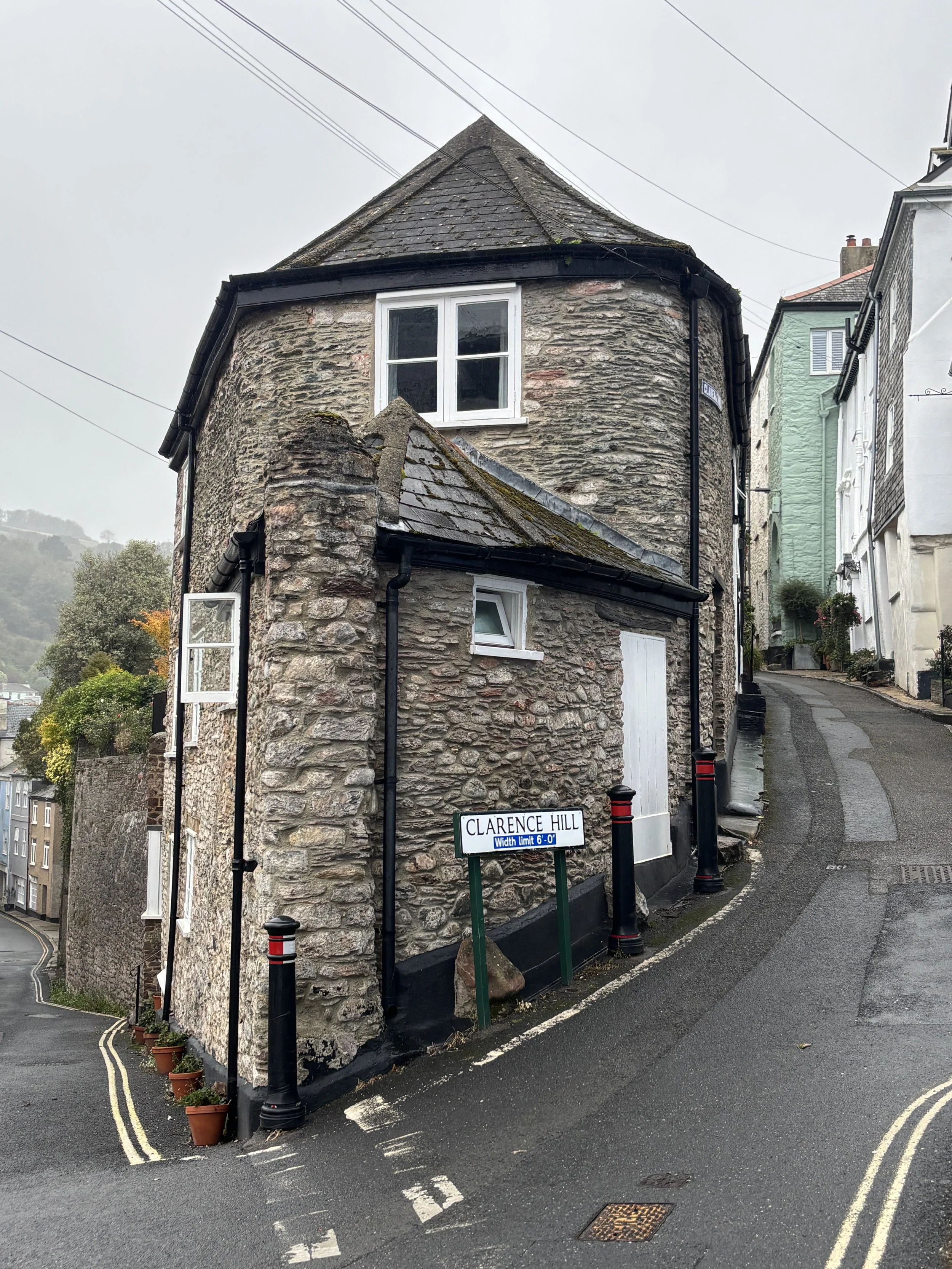
The town of Dartmouth is charming. The harbor is decorated with sailboats, the coastline is picturesque, and its streets are decorated with bunting. We only planned to be in Dartmouth for two days, so after arriving, we made haste and set about exploring the village—wandering up and down every street. We didn’t make it to the castle, but we did get to explore most of the town. We really wished we had more time to spend there, but we wanted to take advantage of every possible weather window to move toward London. So we departed the next morning for Southampton.
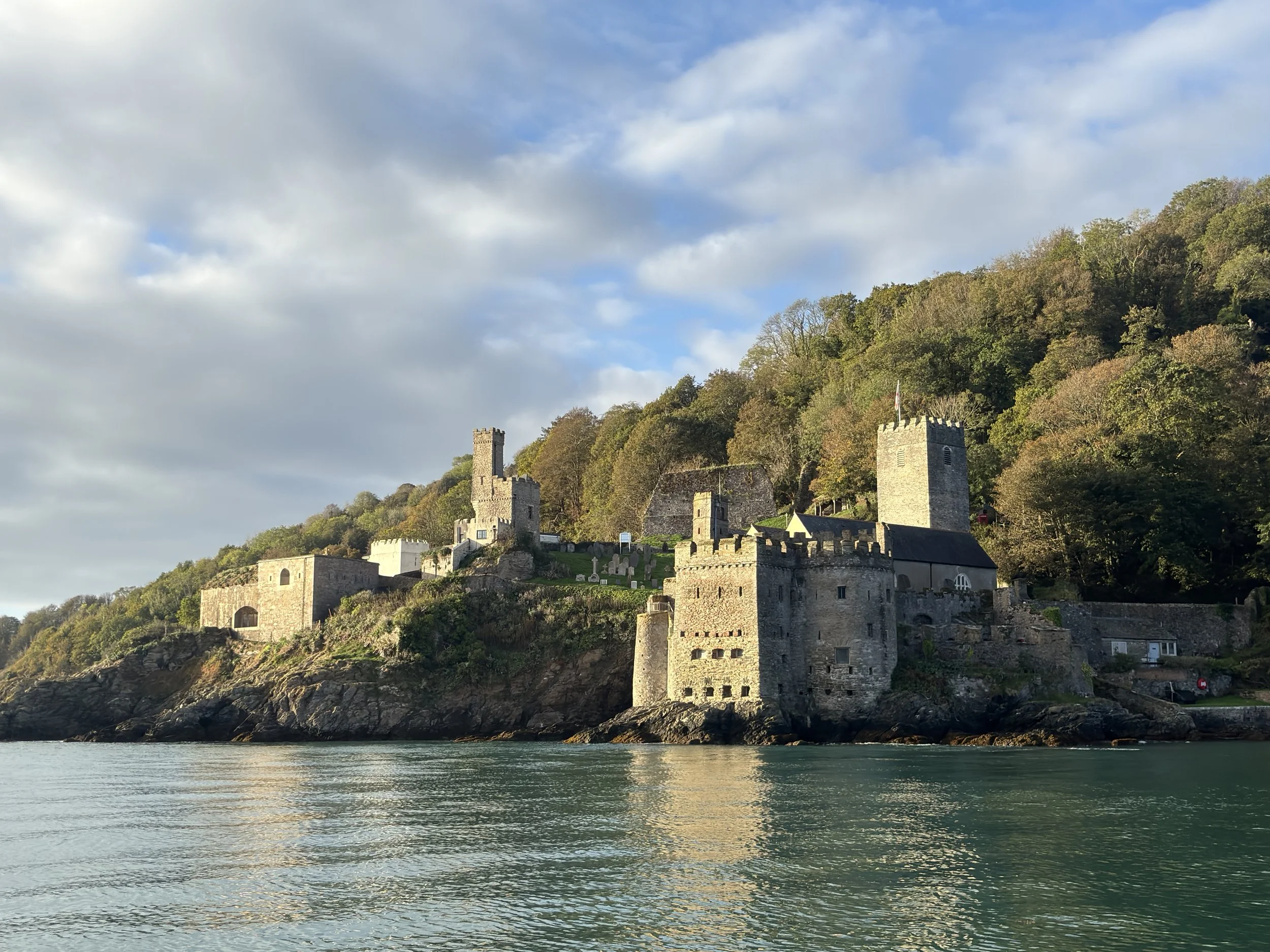
The castle guarding the entrance to Dartmouth harbor.
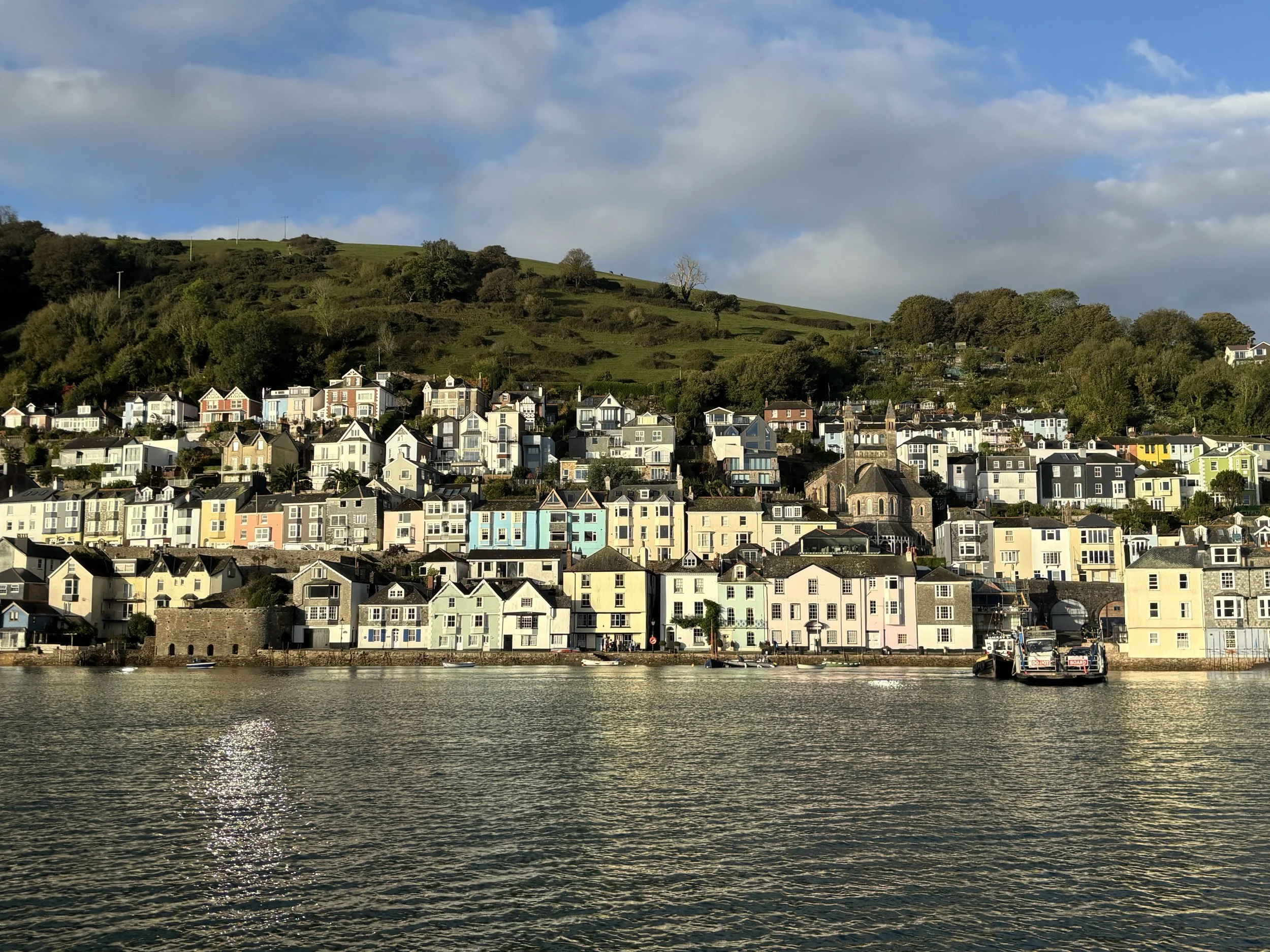
Dartmouth, UK
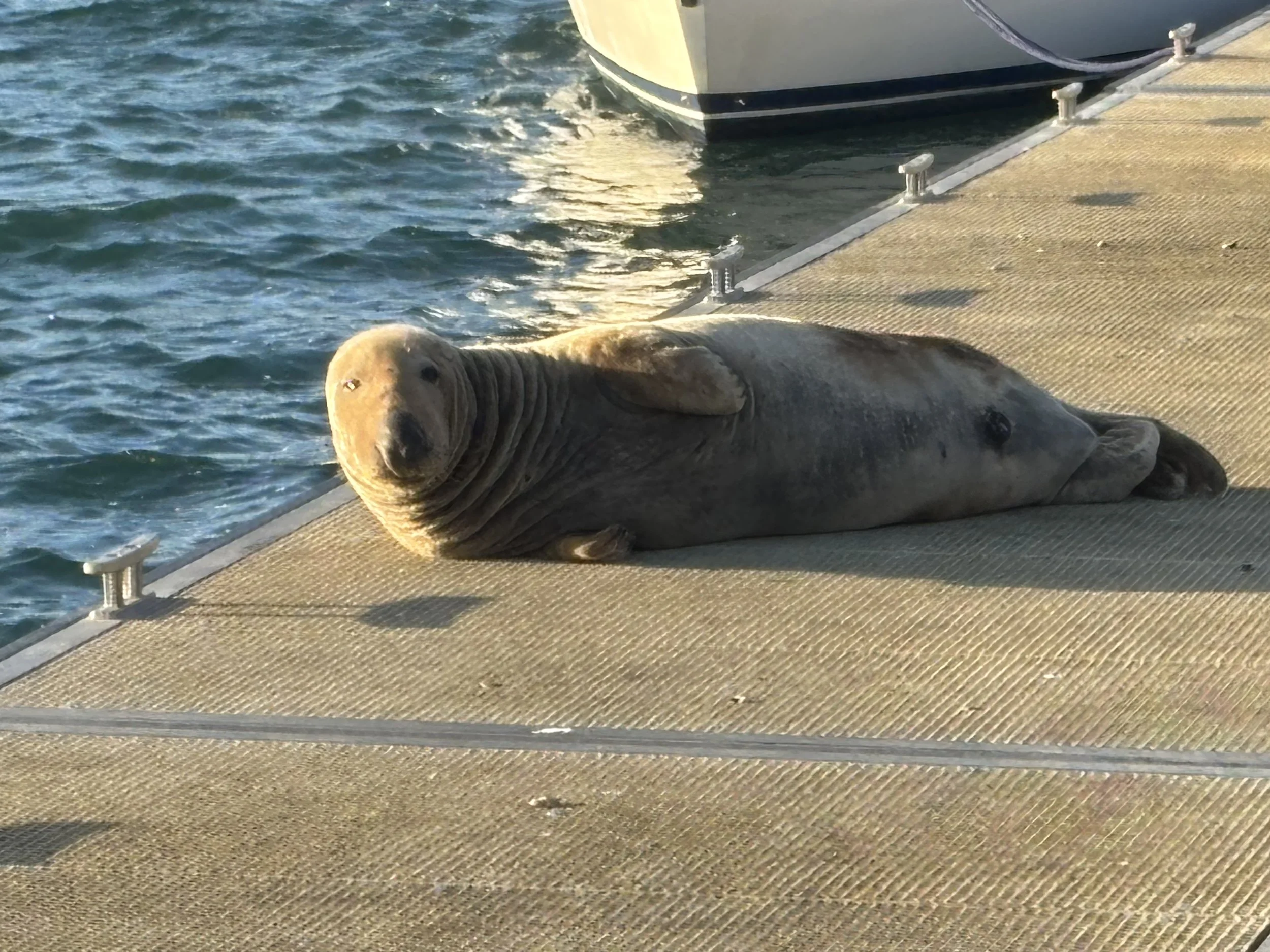
A seal decided to sun on the dock where Remedy was moored
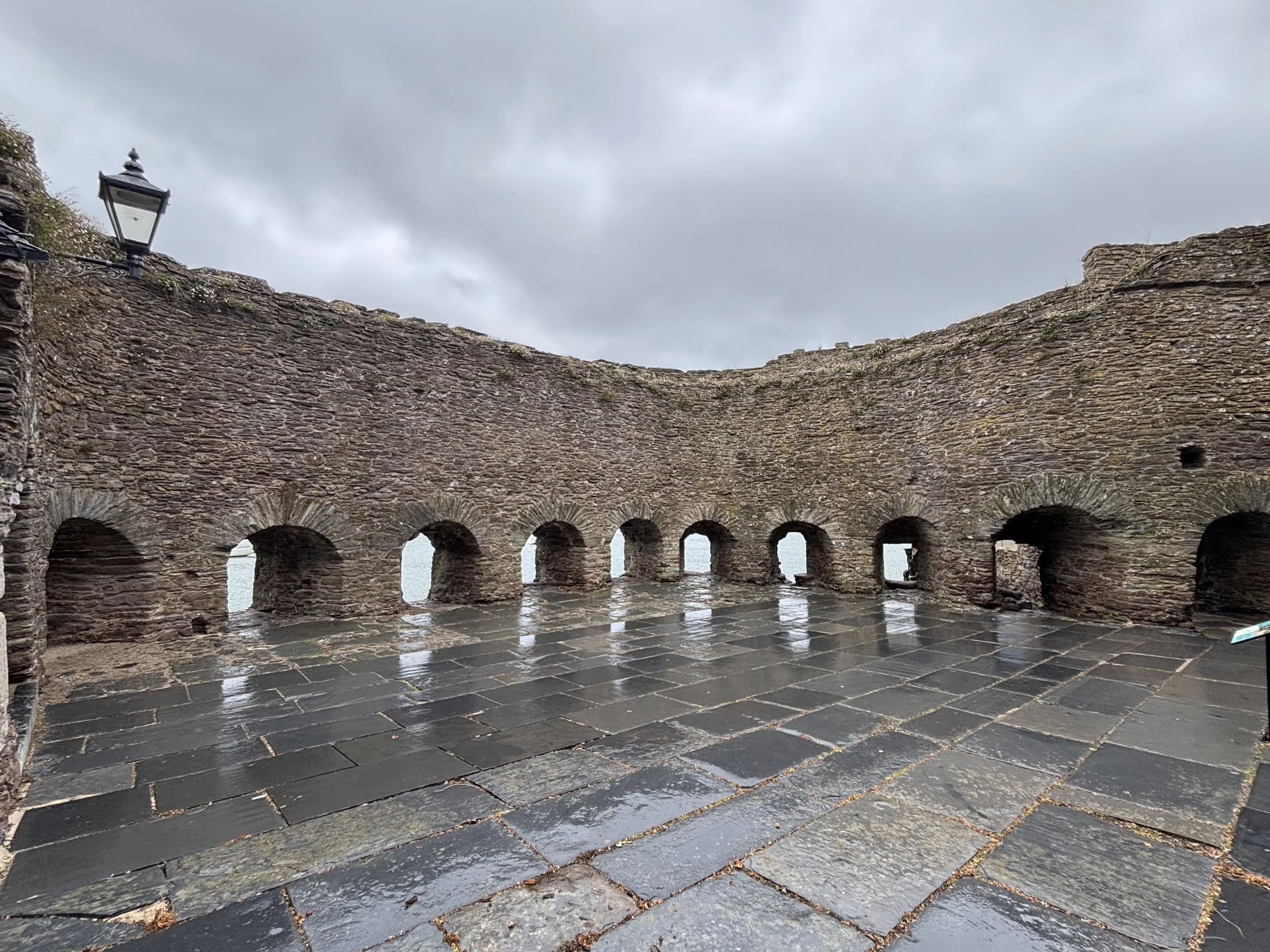
Bayard’s Cove Fort — a 16th-century fort that contained heavy guns to protect Dartmouth from enemy ships.
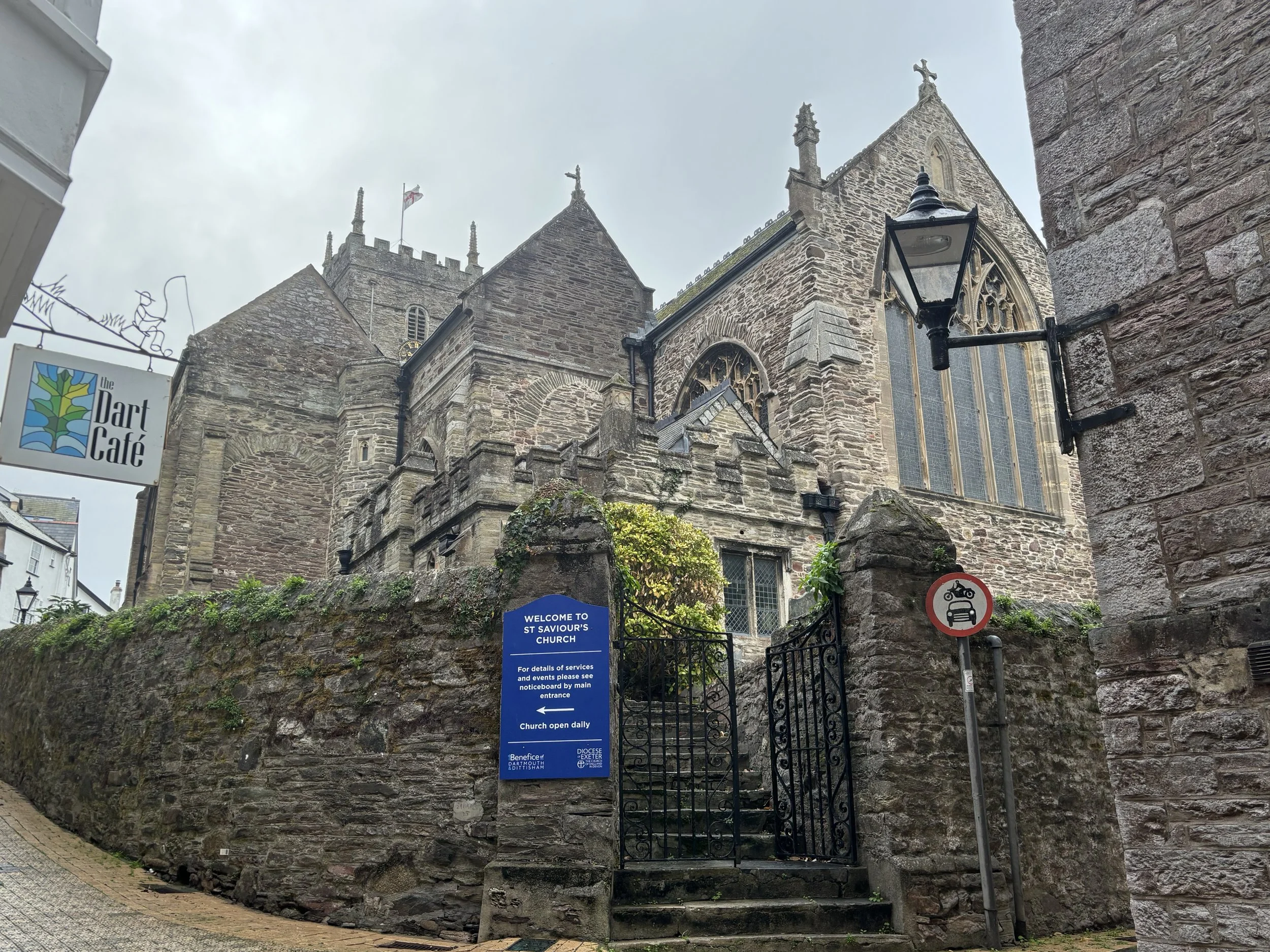
St. Saviour’s Church, a Middle-Ages church dating back as far as the 1300s.
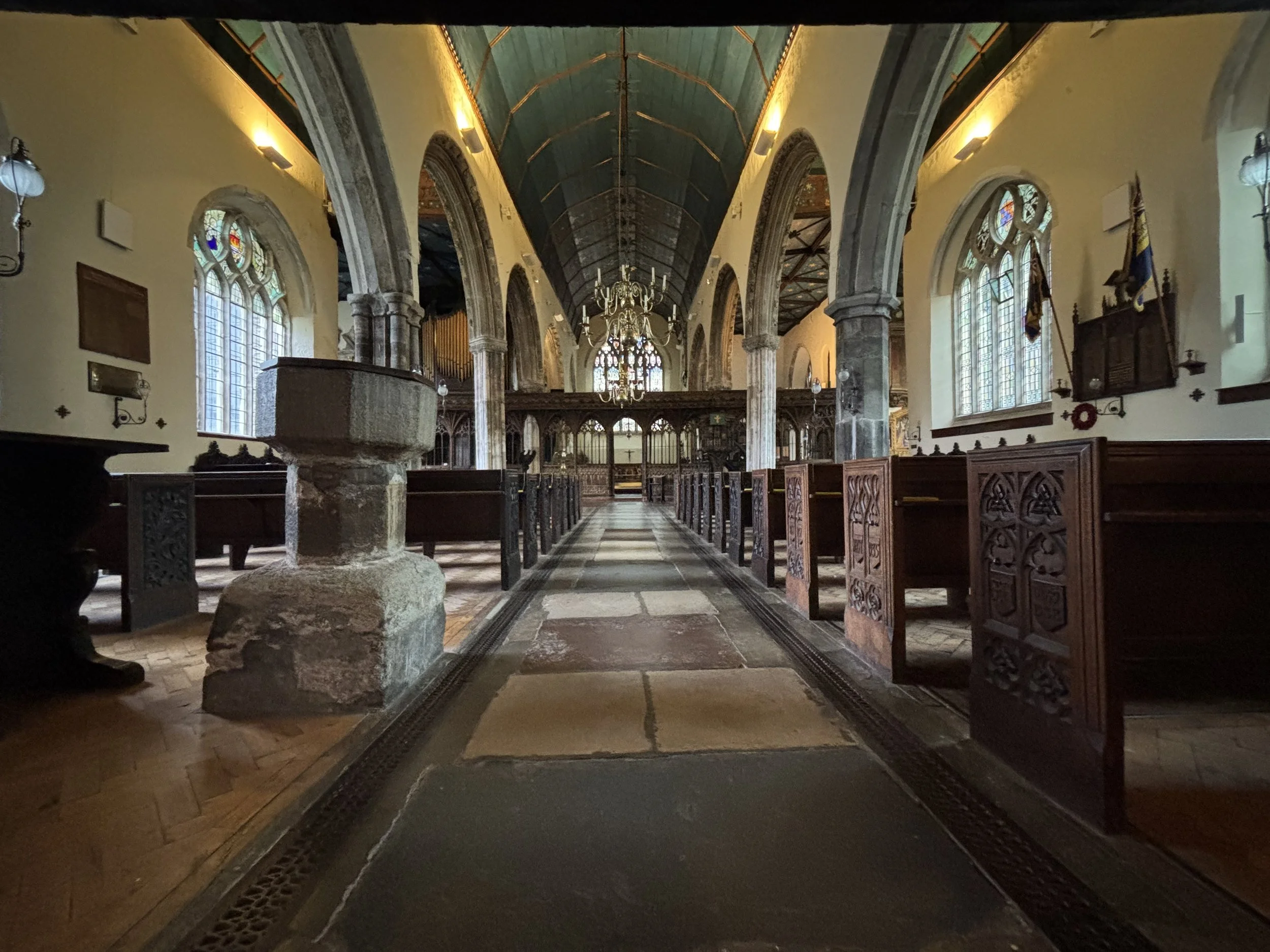
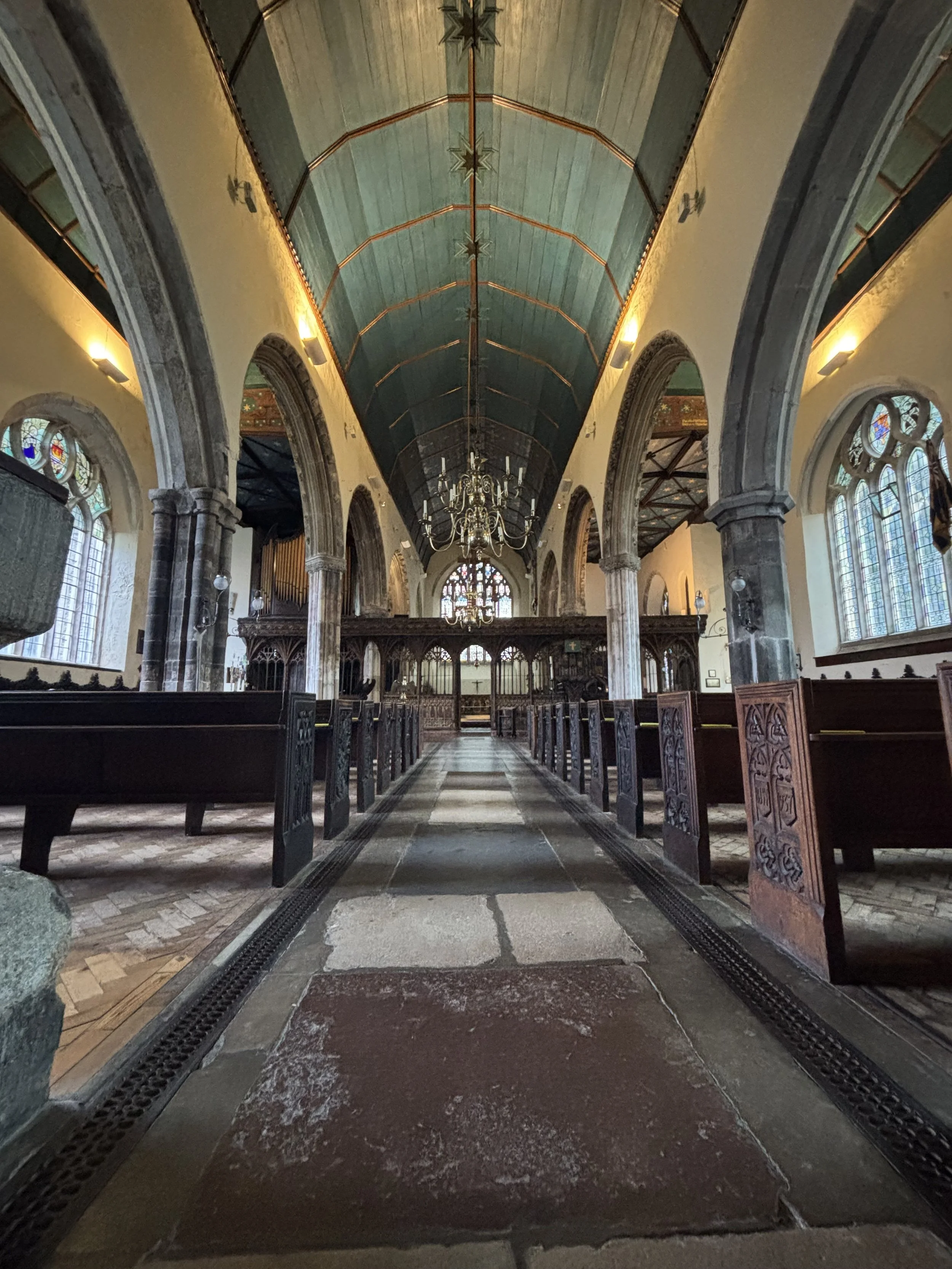
Inside St. Saviour’s Church
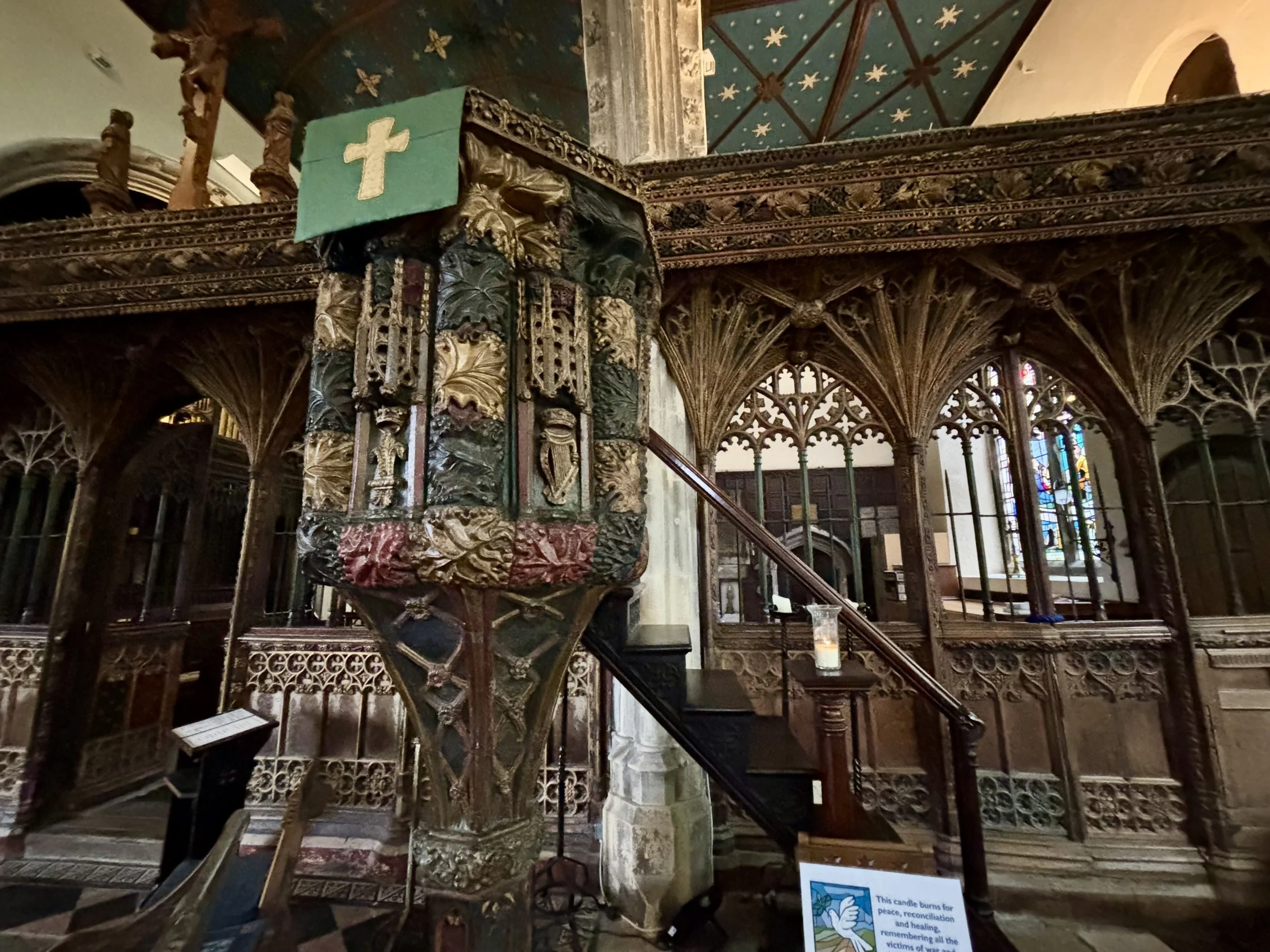
Elaborately carved oak rood screen, dated to 1496. A rood screen traditionally separated the nave, where the congregation gathered, from the chancel and sanctuary
The sail from Dartmouth to Southampton is quite technical, requiring us to go around Portland Bill, an infamous tidal race where currents can exceed 5 knots. It is a notorious sailing hazard where strong tidal currents meet around the headland and the Shambles sandbank. The opposing flows can create steep, confused seas, even when conditions elsewhere appear relatively calm.
Sailing around Portland Bill requires good timing, good weather conditions, and making good decisions. We charted our course so that we would be about 8 miles offshore when rounding the Bill. Even with a good weather window, we had winds ranging from 12 to 30 knots, and from deep downwind to too deep downwind. The confused seas and turbulent waters sometimes produced suddenly steep waves that would throw the butt of the boat around. But we were well-prepared, with our sails heavily reefed, and the conditions abated rapidly once we rounded to the east side of the Bill.
Once we rounded the Bill, we continued sailing until we reached our anchorage, sometime after 10 pm. This anchorage was two hours away from our next challenge: sailing through the Needles into the Solent. The Needles are another notoriously challenging passage with severe tidal streams and overfalls—steep, short, or overcurling waves that create turbulent waters. Timing going through the Needles is imperative. To hit it at the right time, we needed a 4 am start, which would allow us to approach the Needles at 6:30 am, when the tide would be more favorable.
One of the challenges of sailing this late in the season is having less daylight. Neither of us likes navigating harbors in the dark. It is disorienting. And you can’t see potential obstacles, like fishing floats, which can get tangled around your prop and disable your vessel. But timing both of these passages for the most favorable conditions meant navigating in the dark. Thankfully, we didn’t snag any fishing floats on arrival at our anchorage, and the channel through the Needles is well-lit.
We spent a few days in Southampton, where we picked up two parts for repairs: a new rod kicker (a device that helps support our boom), and a new alternator (ours stopped charging our batteries, an important part of our power independence—especially with less sunlight to charge our solar due to both more overcast conditions in the UK and waning daylight hours). Thankfully, the repairs have been made, not without a few obstacles and some MacGyvering by Ken.
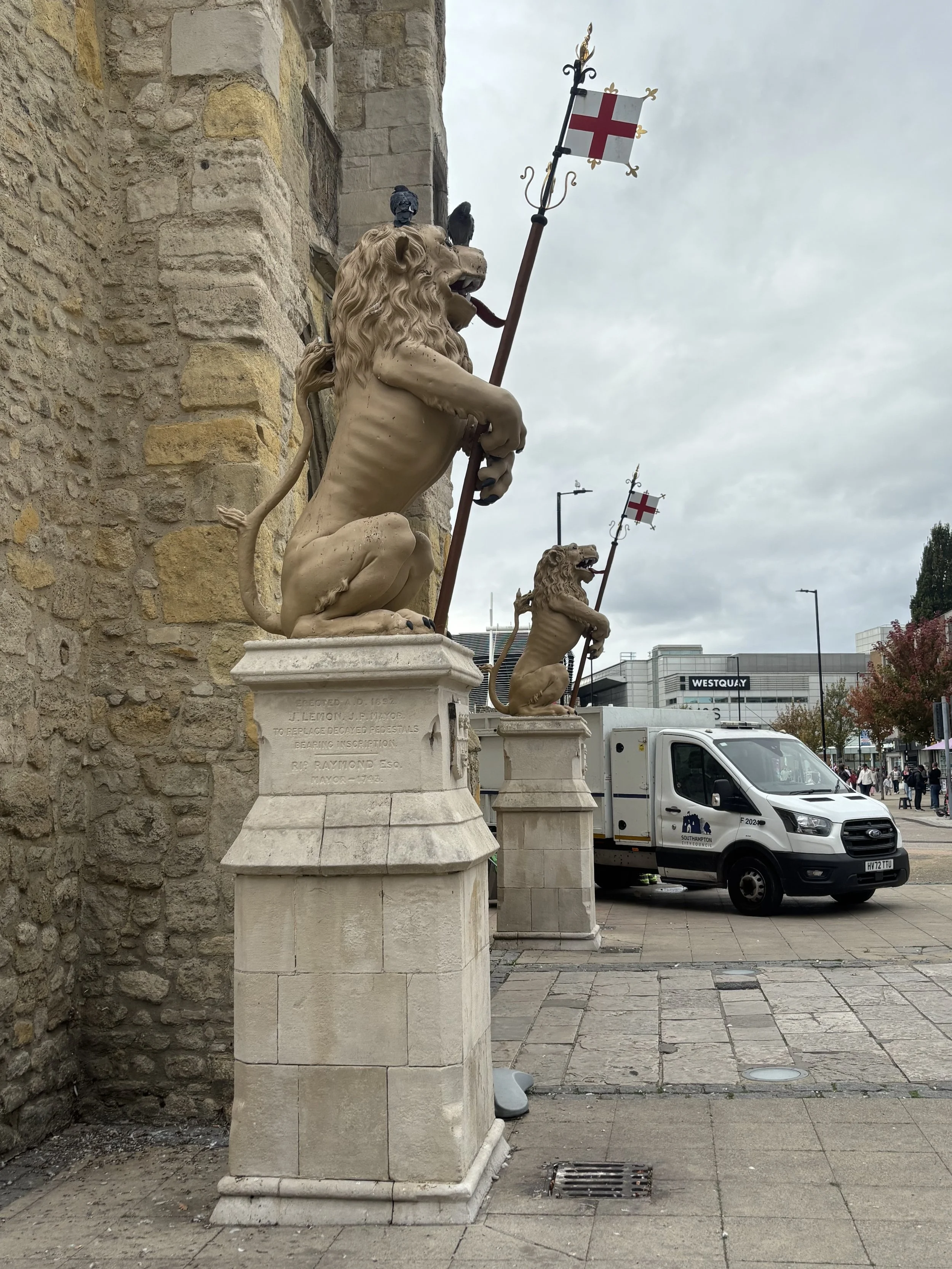
Of course, we did a little exploring while there as well. Southampton grew into an important port, especially after the Norman Conquest in 1066. Much of Southampton’s history was destroyed in WWII. But some things still stand. The Bargate, which dates back to 1180, once served as the grand entrance into the town.
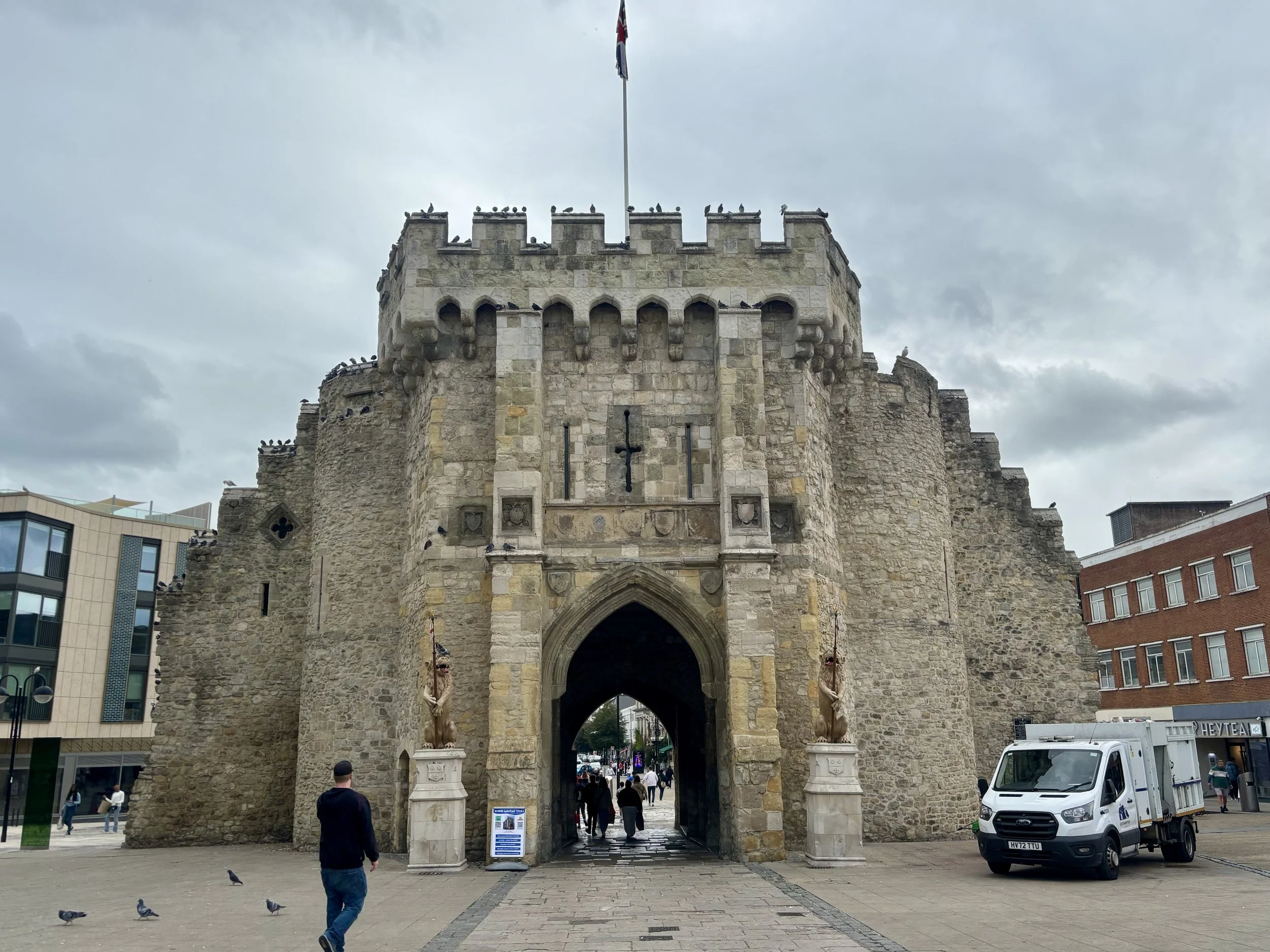
Remnants of the Bargate
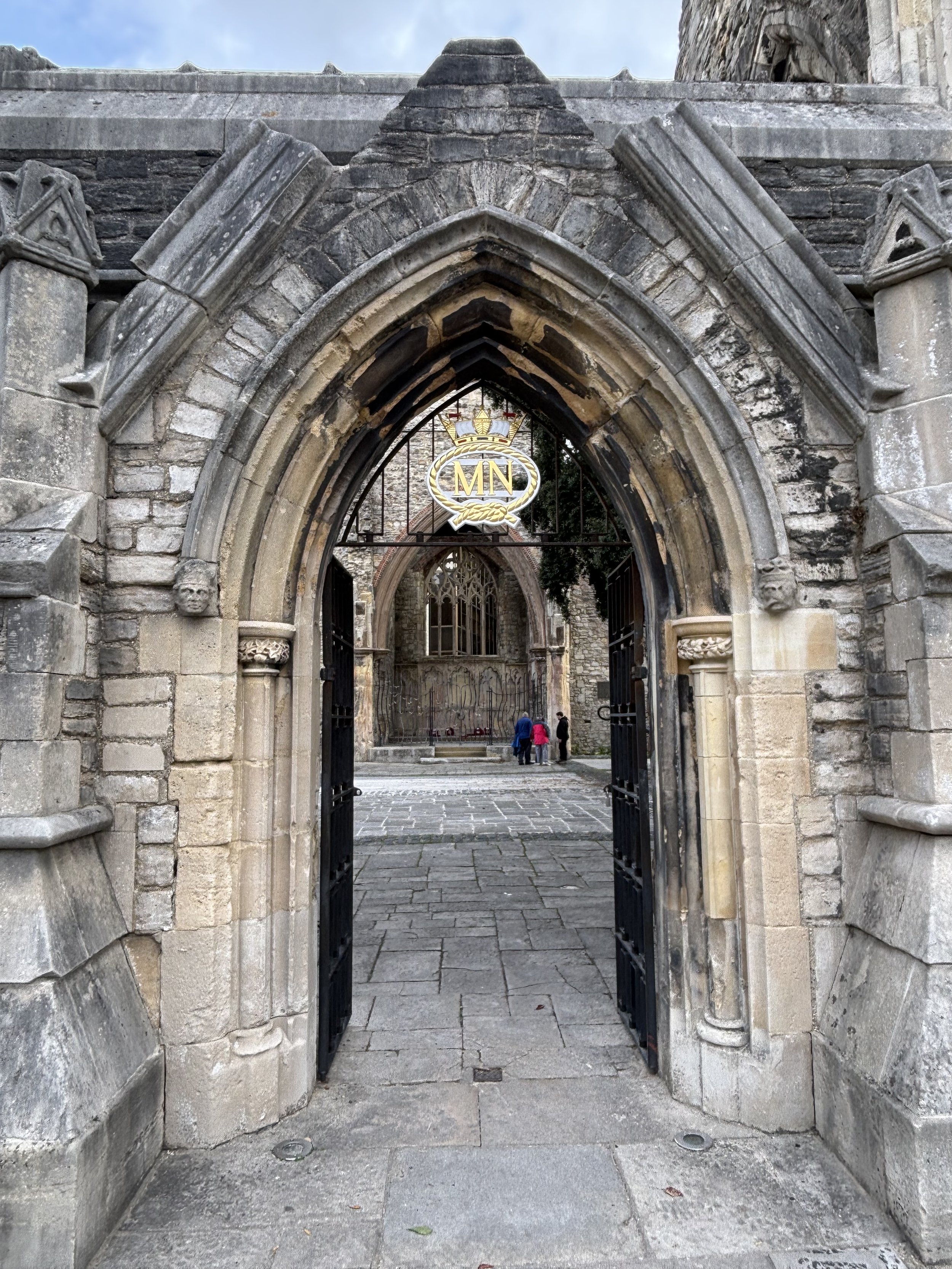
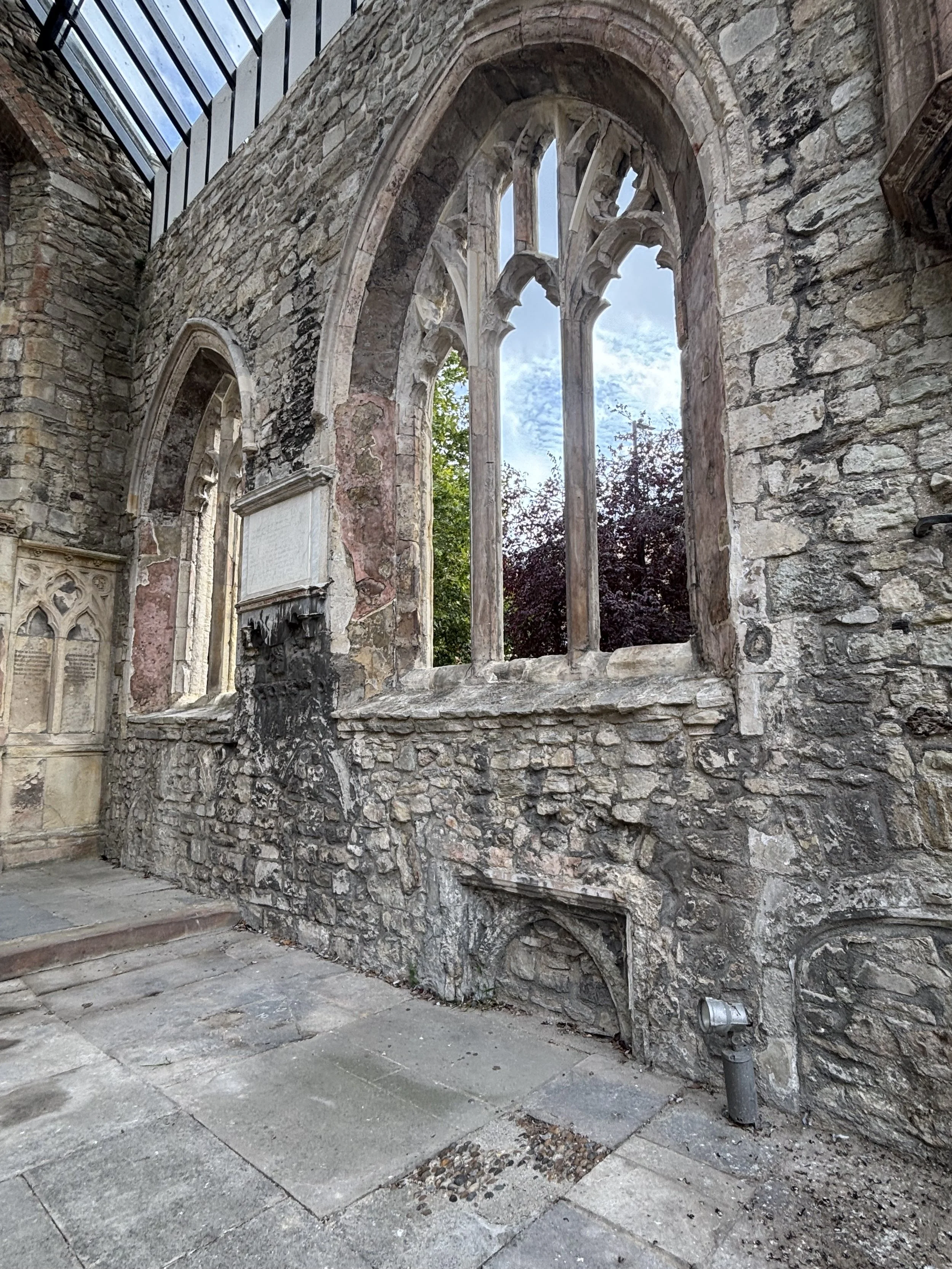
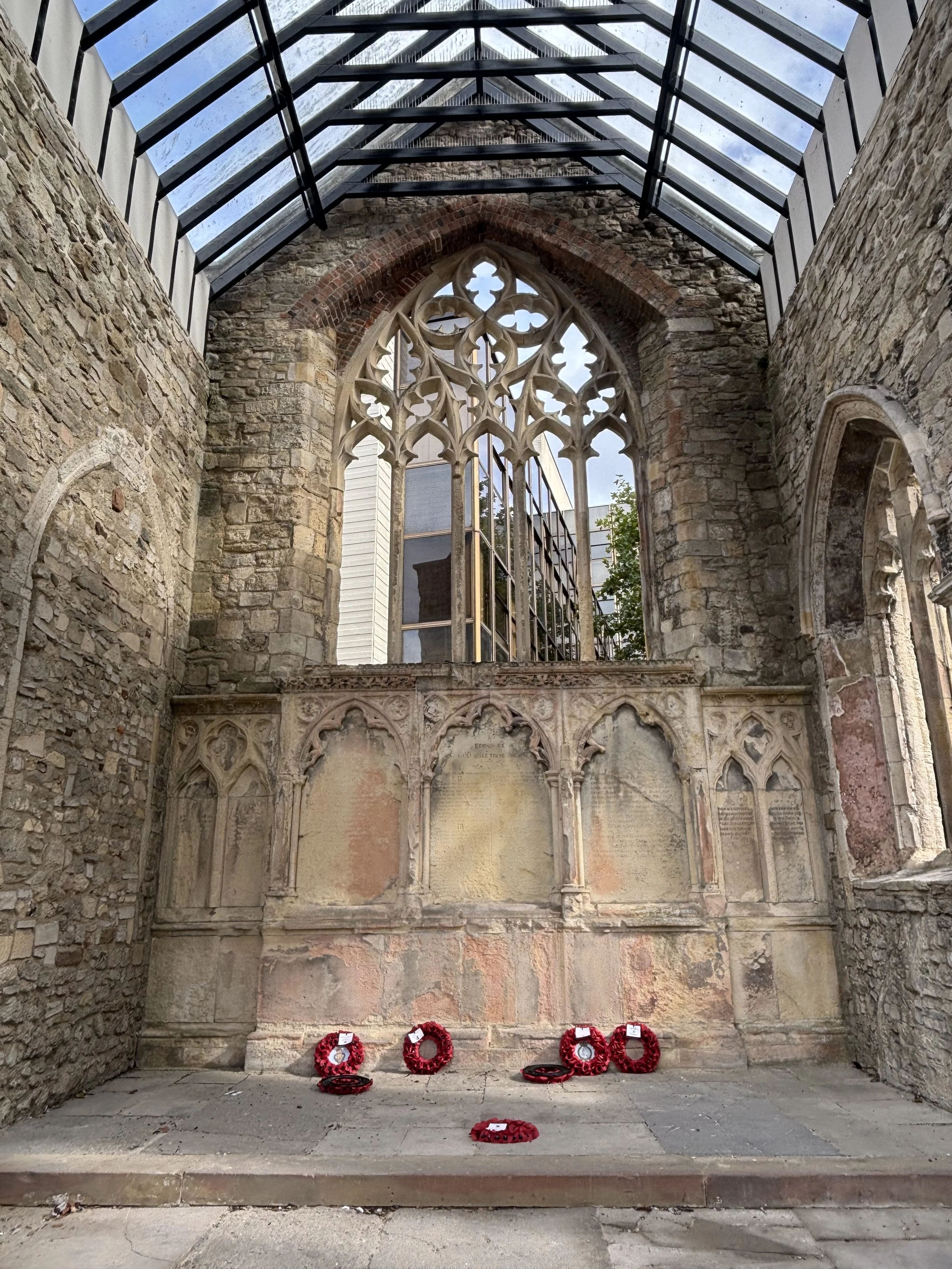
We saw the remnants of Holyrood Church—a church which became known as The Sailor’s Church. It was originally built in the 12th century, relocated stone by stone in 1320, and then rebuilt in 1849. But much of the church was destroyed during WWII.
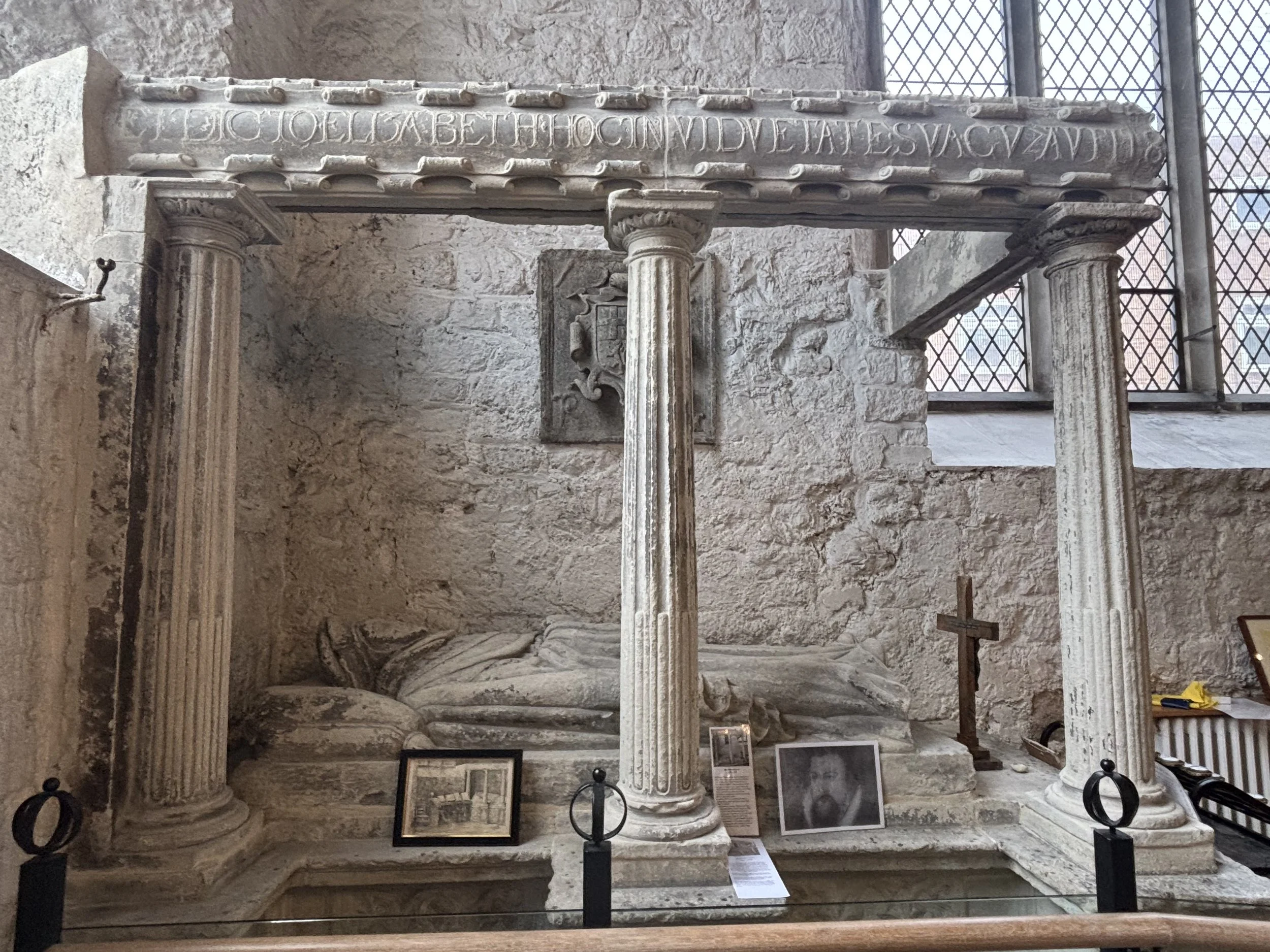
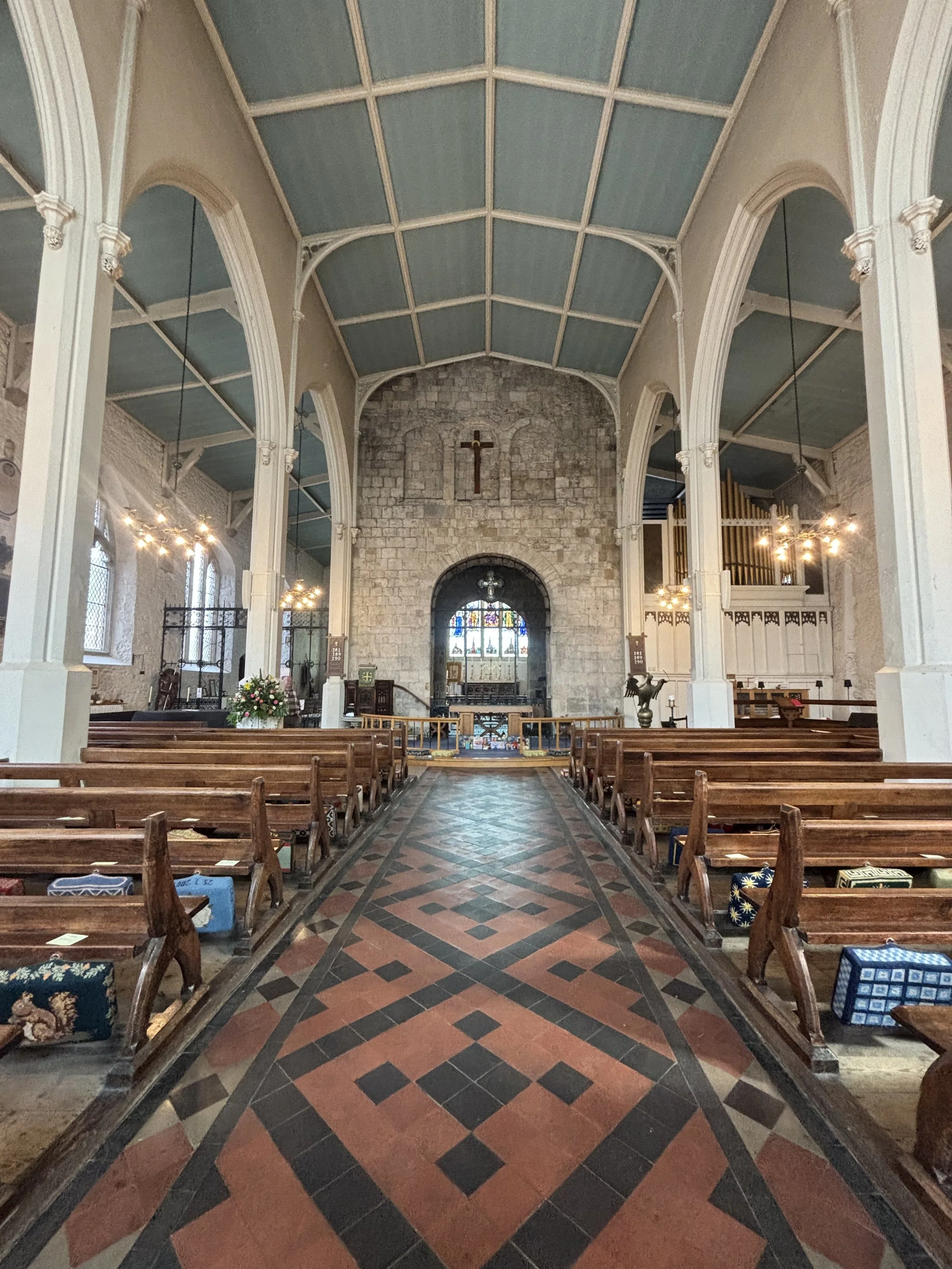
We visited St. Michael’s Church, which dates to around 1070, though only a few of the inner walls remain from the original building. Much of the church has been altered and expanded upon over the years. It also contains a black marble font from around 1170.
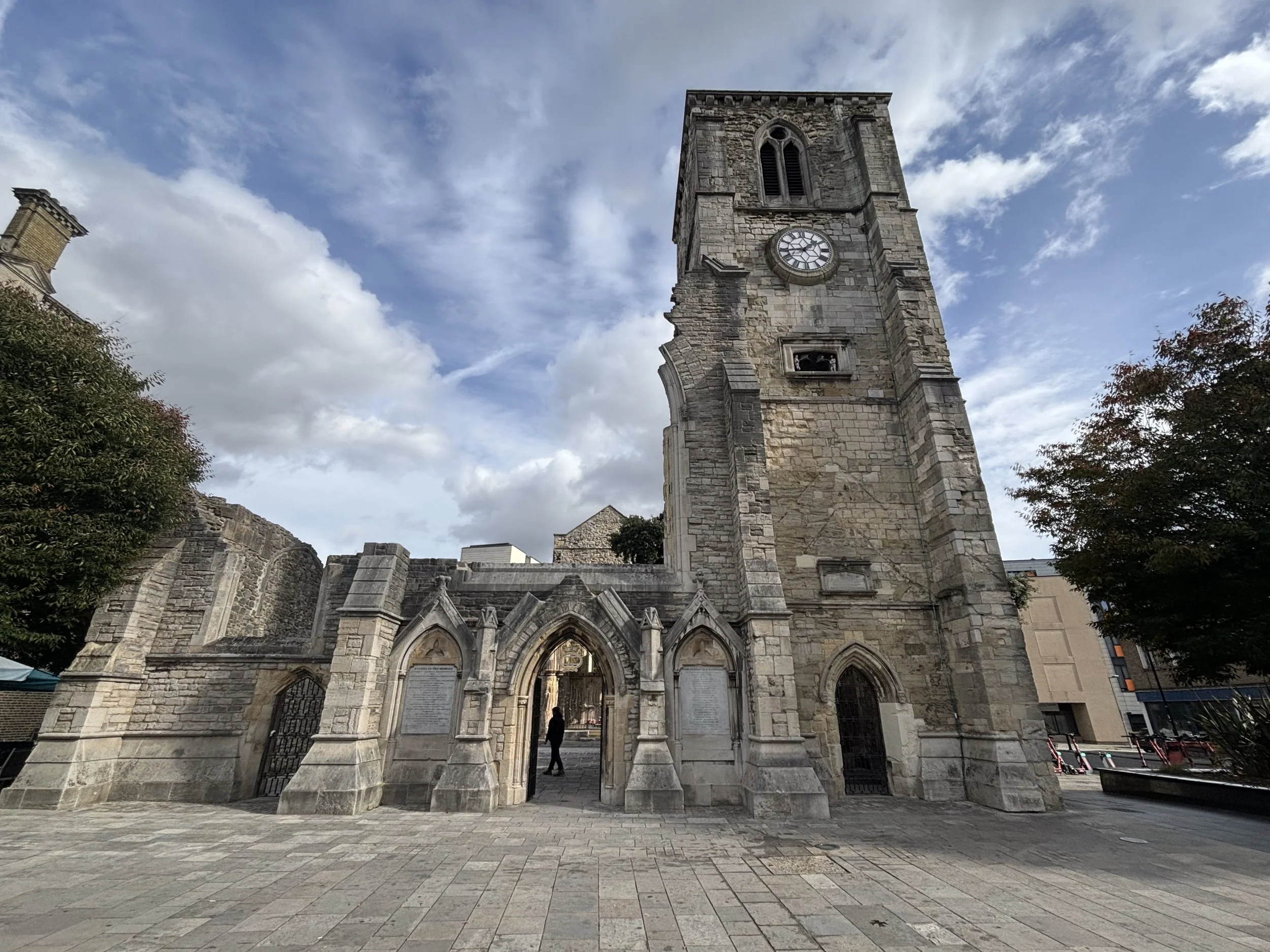
Remnants of Holyrood Church, Southampton UK
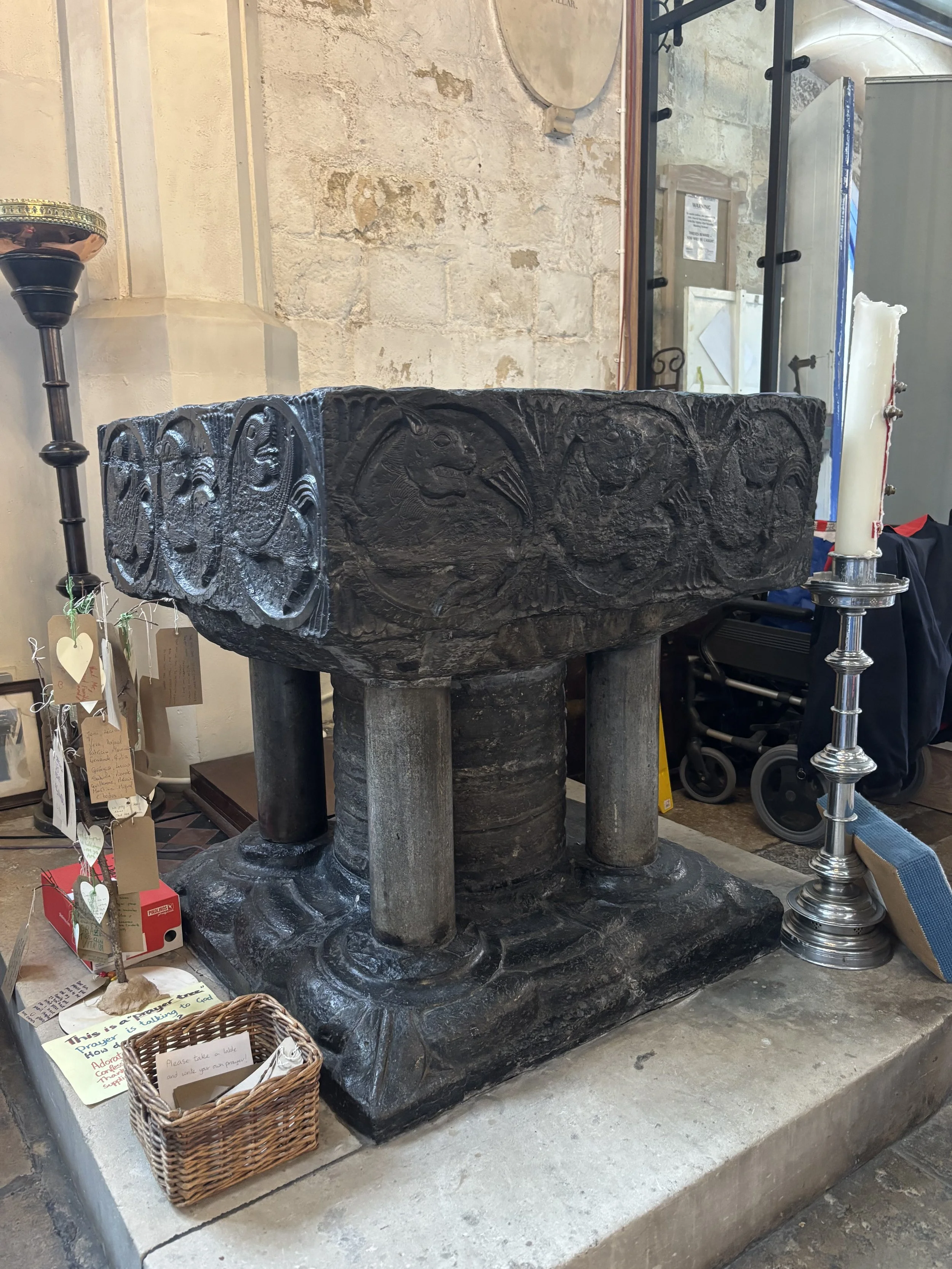
Marble baptismal font from 1170
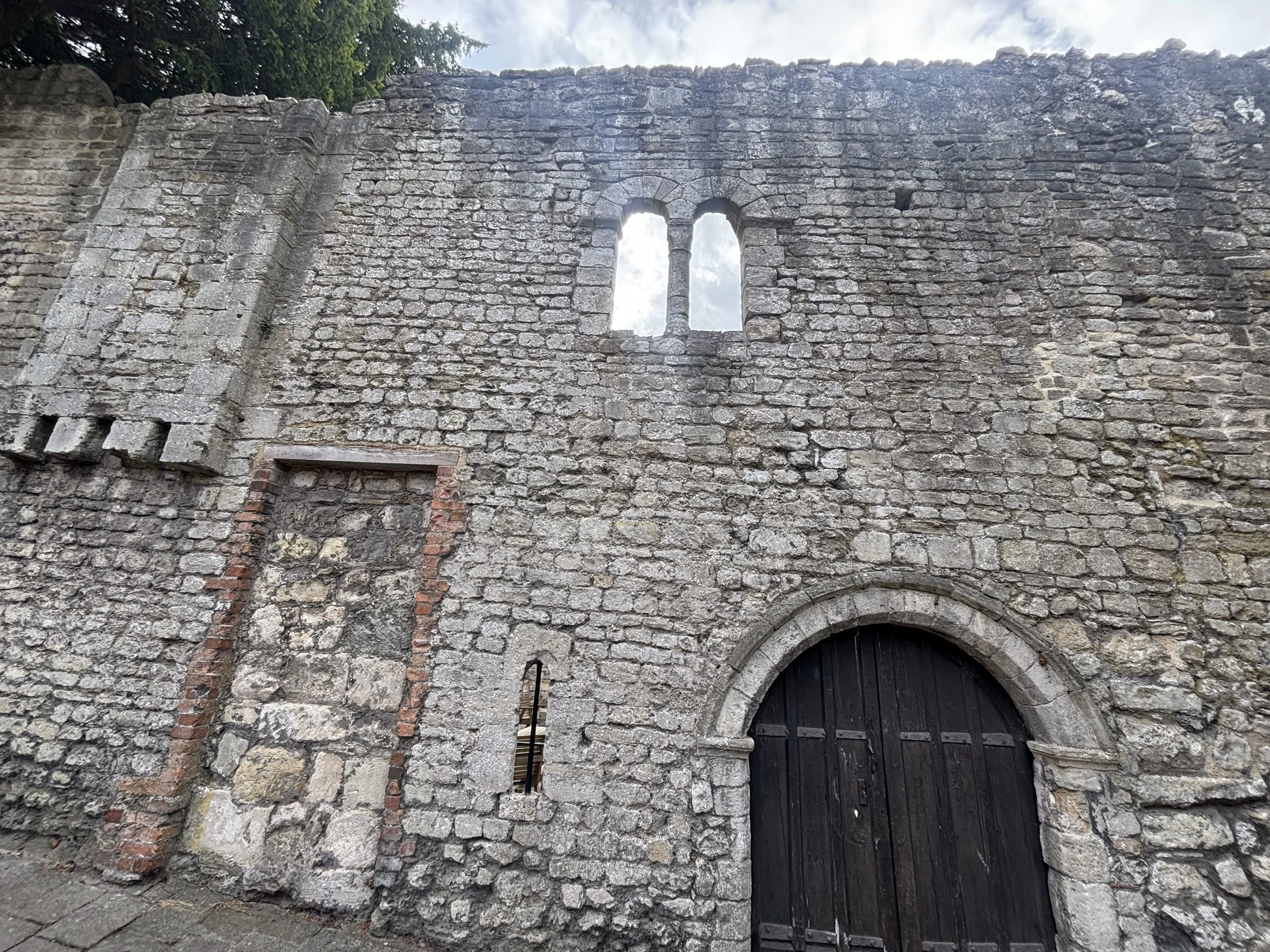
Remnant of a medieval town wall
A couple of interesting facts about Southampton: It was Titanic’s homeport. The Titanic departed Southampton on its maiden voyage on 10 April 1912. Hundreds of Southampton residents worked aboard the ship, and the disaster devastated local families. Another interesting tidbit is that Jane Austen lived in Southampton from 1807 to 1809, a period when she was developing her literary career. Though we were only in Southampton a couple of days, we made the most of our time there.
We are currently berthed in Cowes, on the Isle of Wight. The weather is proving challenging for travel, with several intense gales expected over the next two weeks. We are hoping to get a good weather window over the coming weeks to continue east around the Cliffs of Dover and eventually make our way into the Thames—assuming the bridge that allows us into London is repaired. If not, we will start looking for new winter accommodations. In the meantime, we keep enjoying the journey.
Living untethered, but held fast.
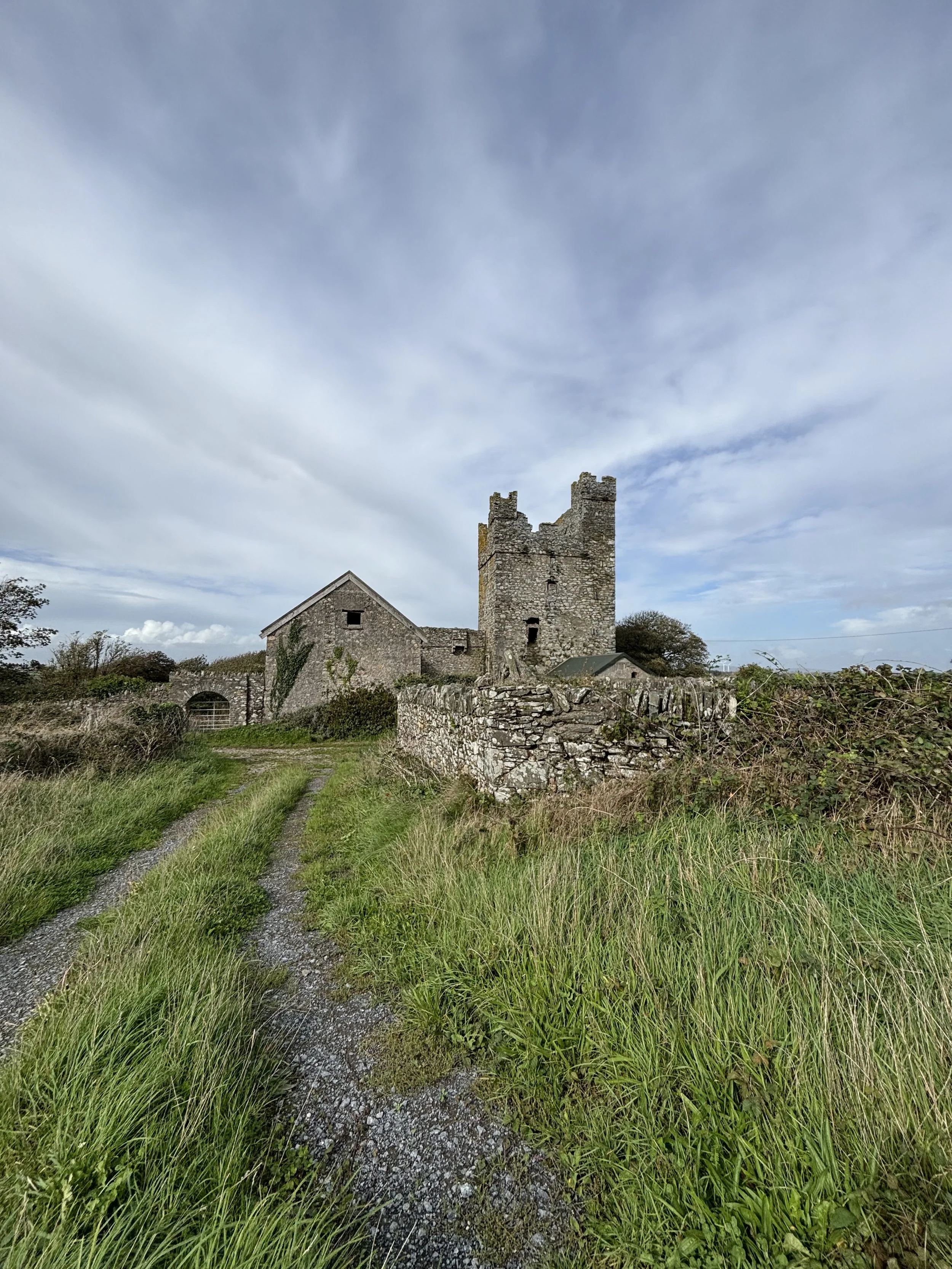
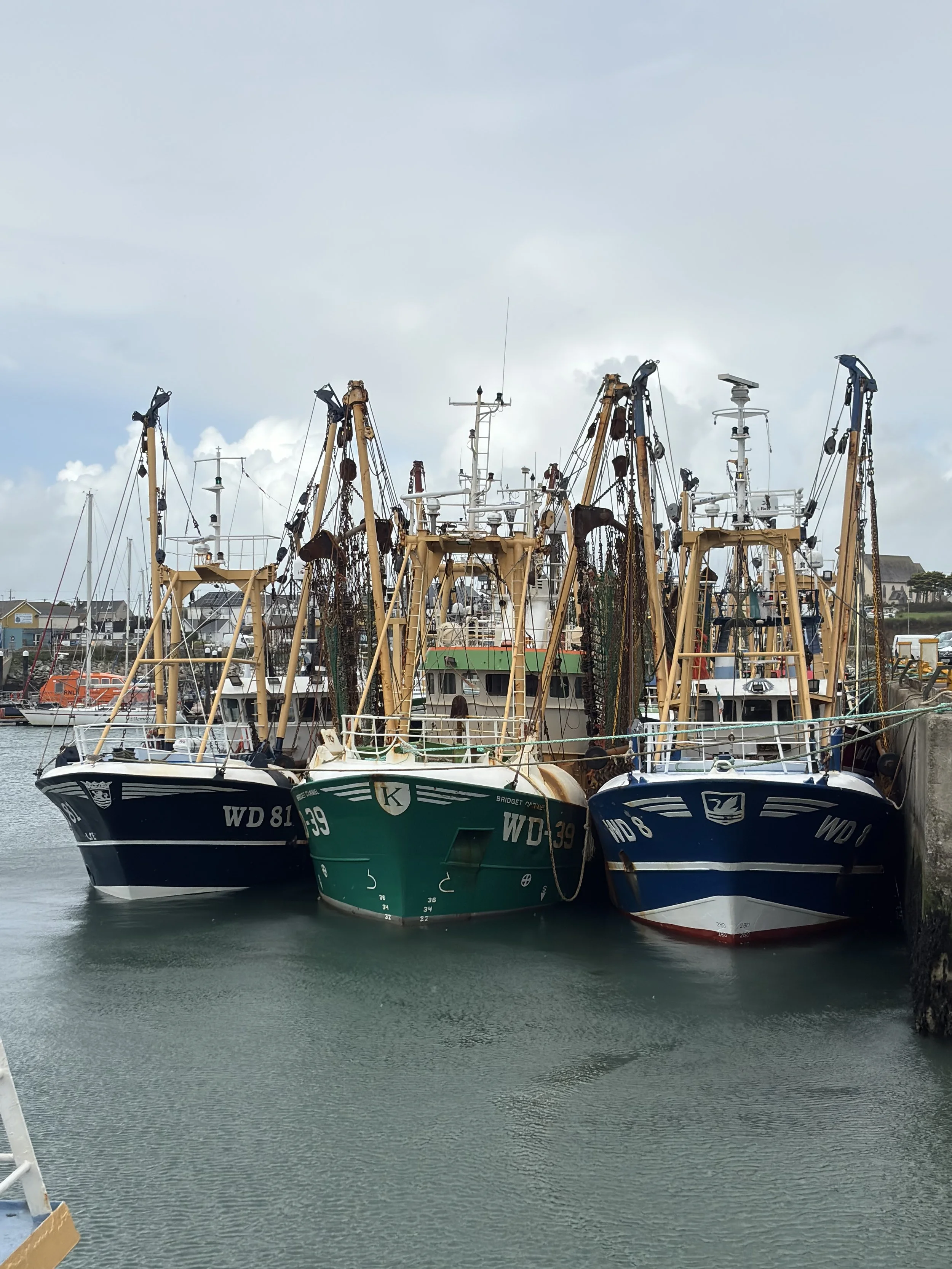
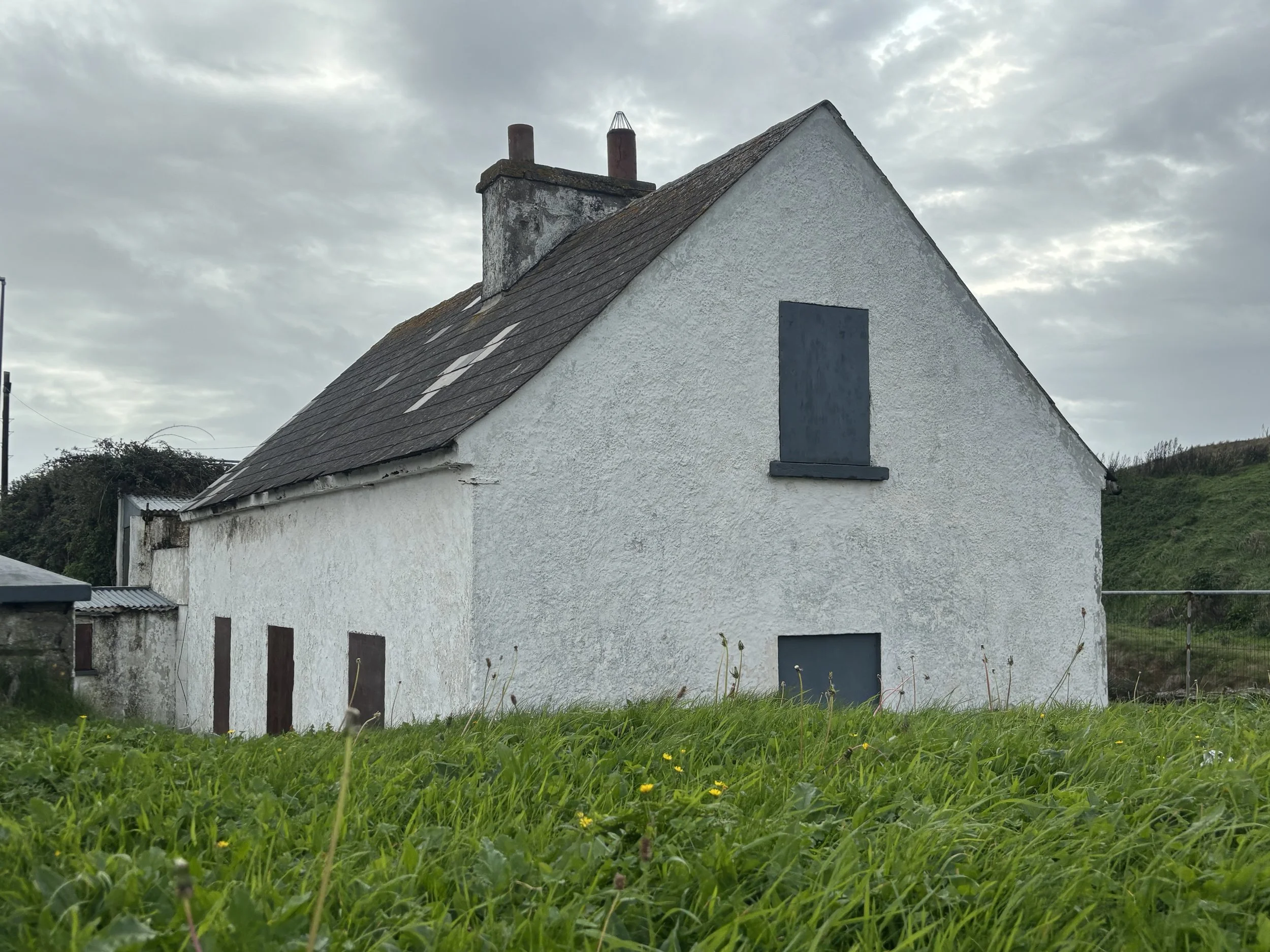
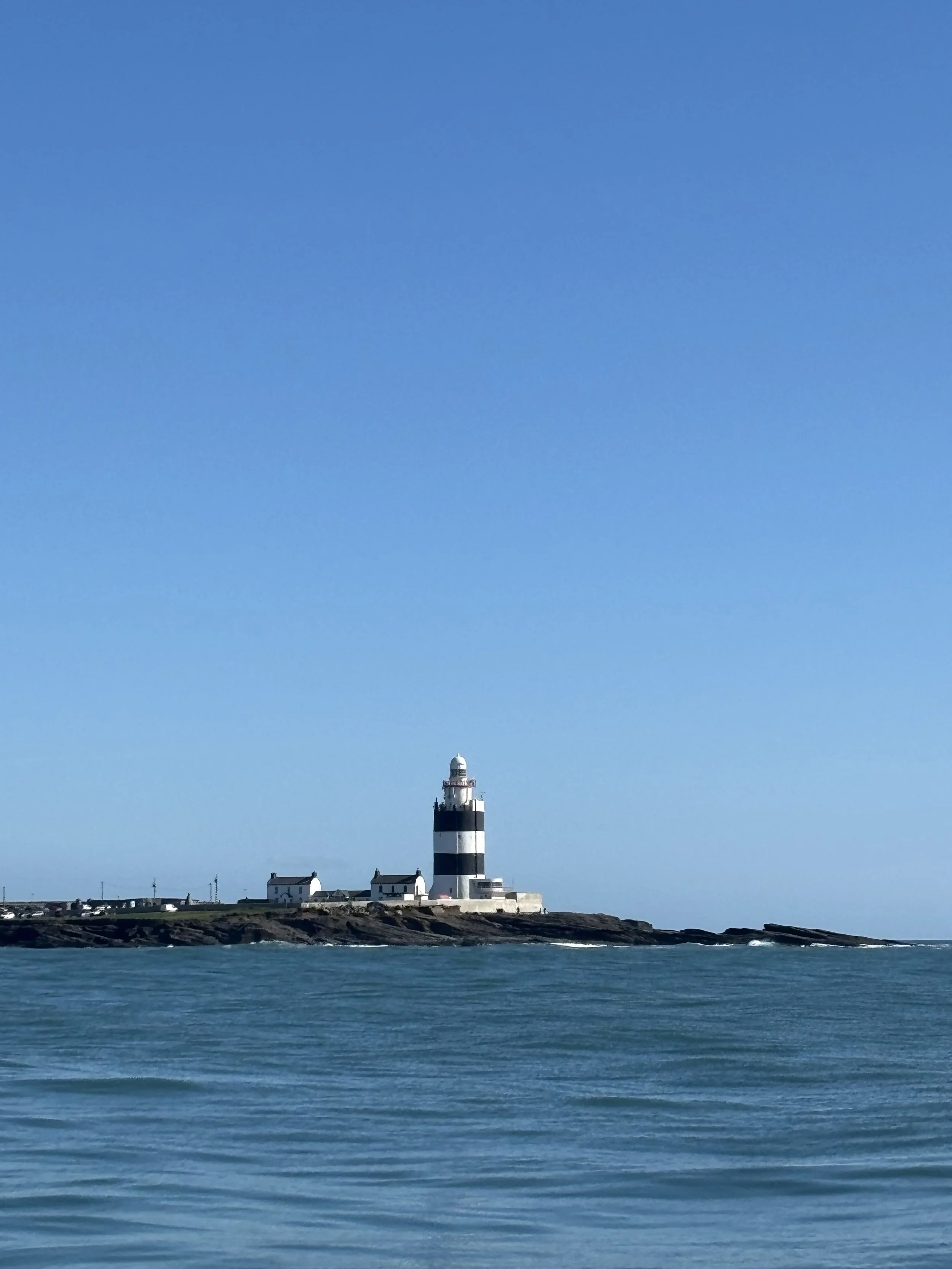
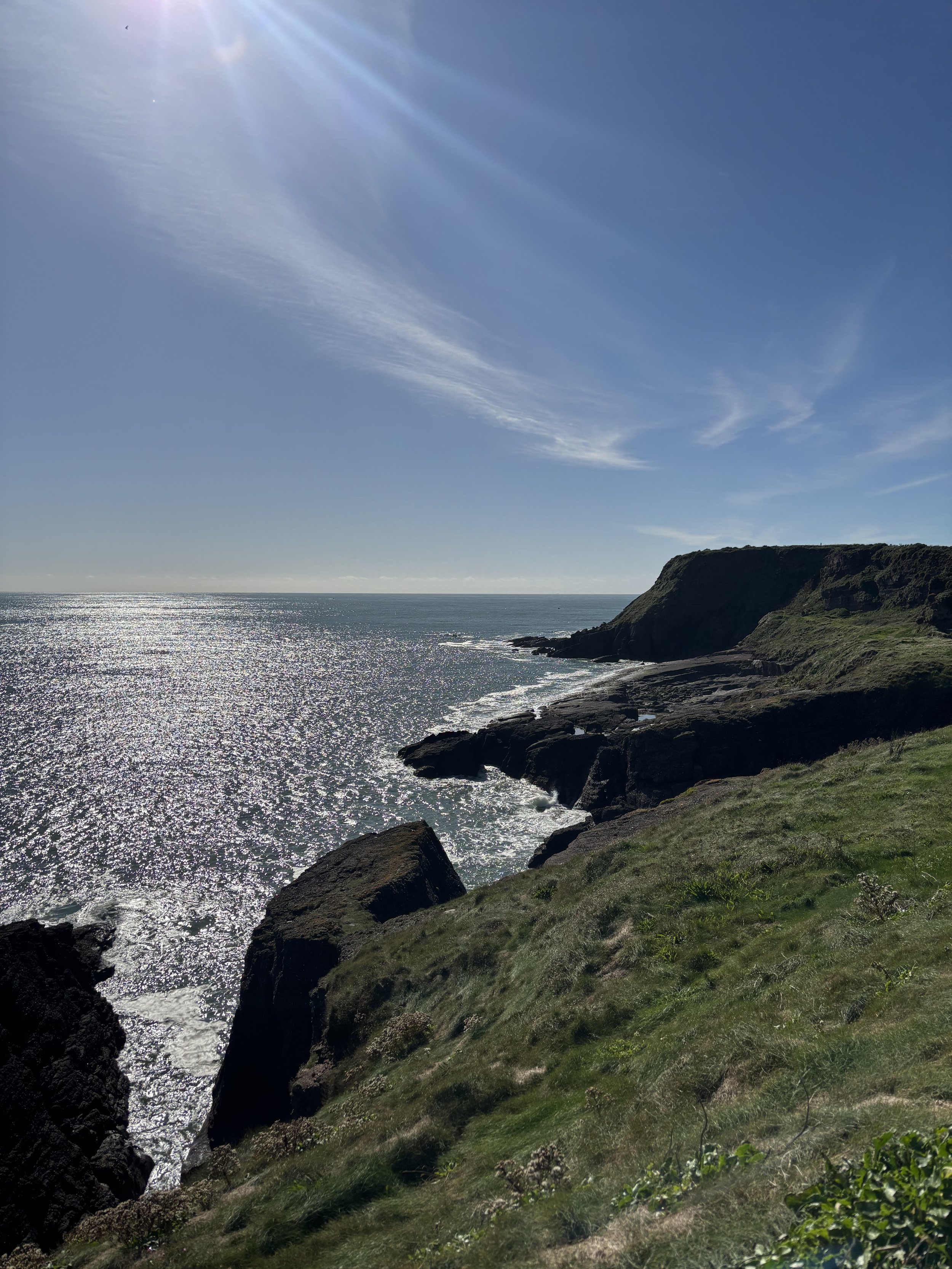
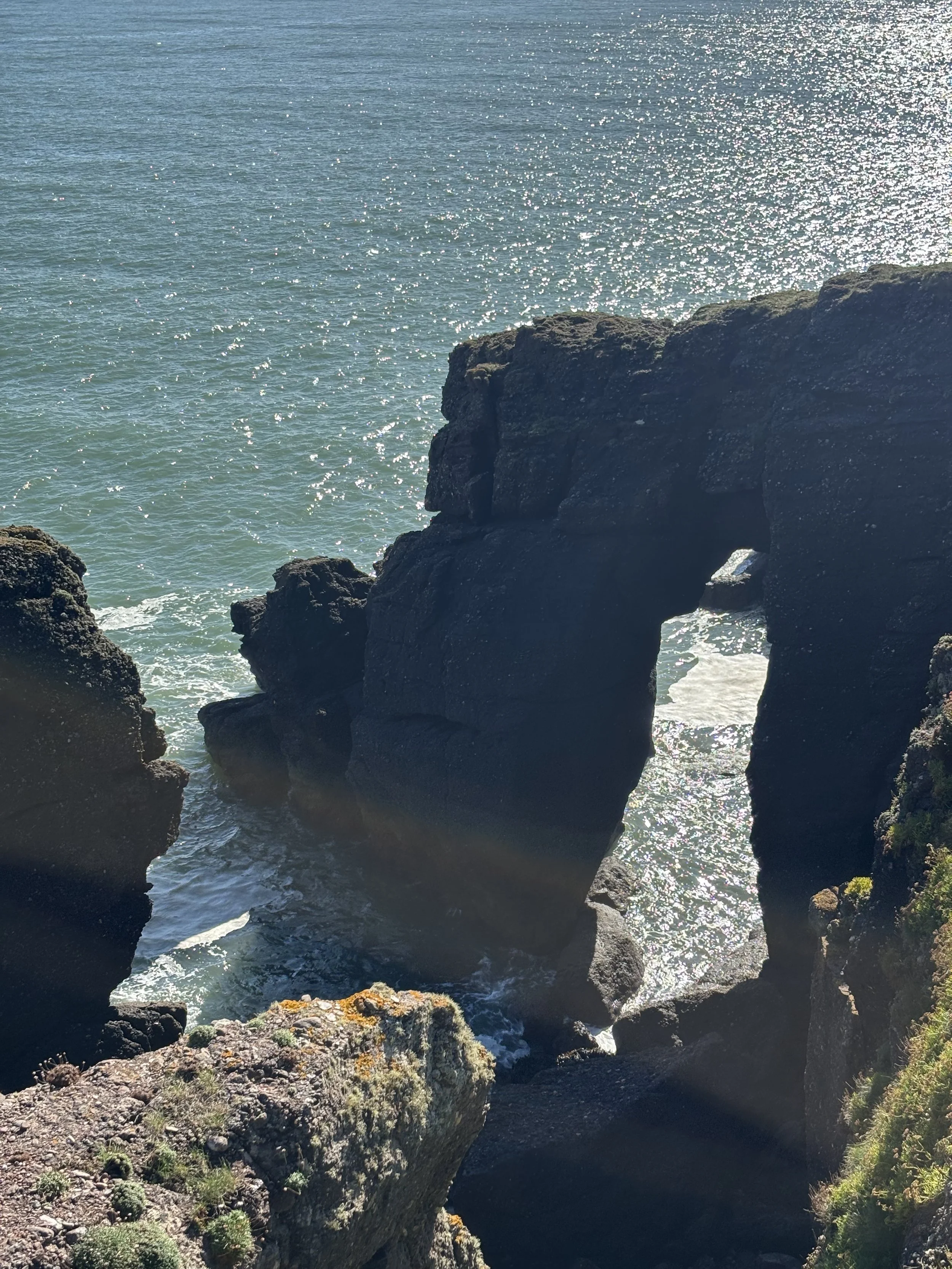
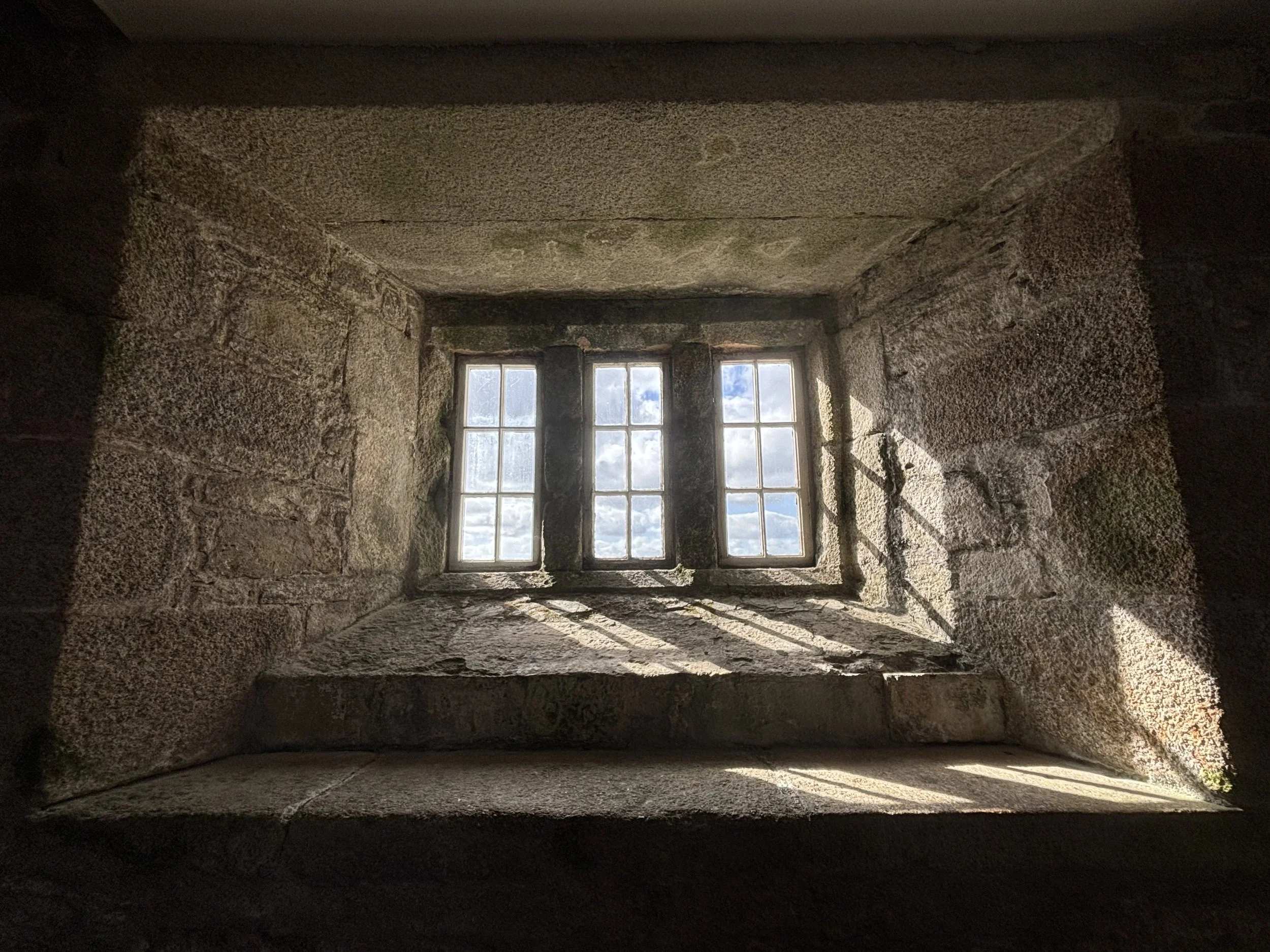
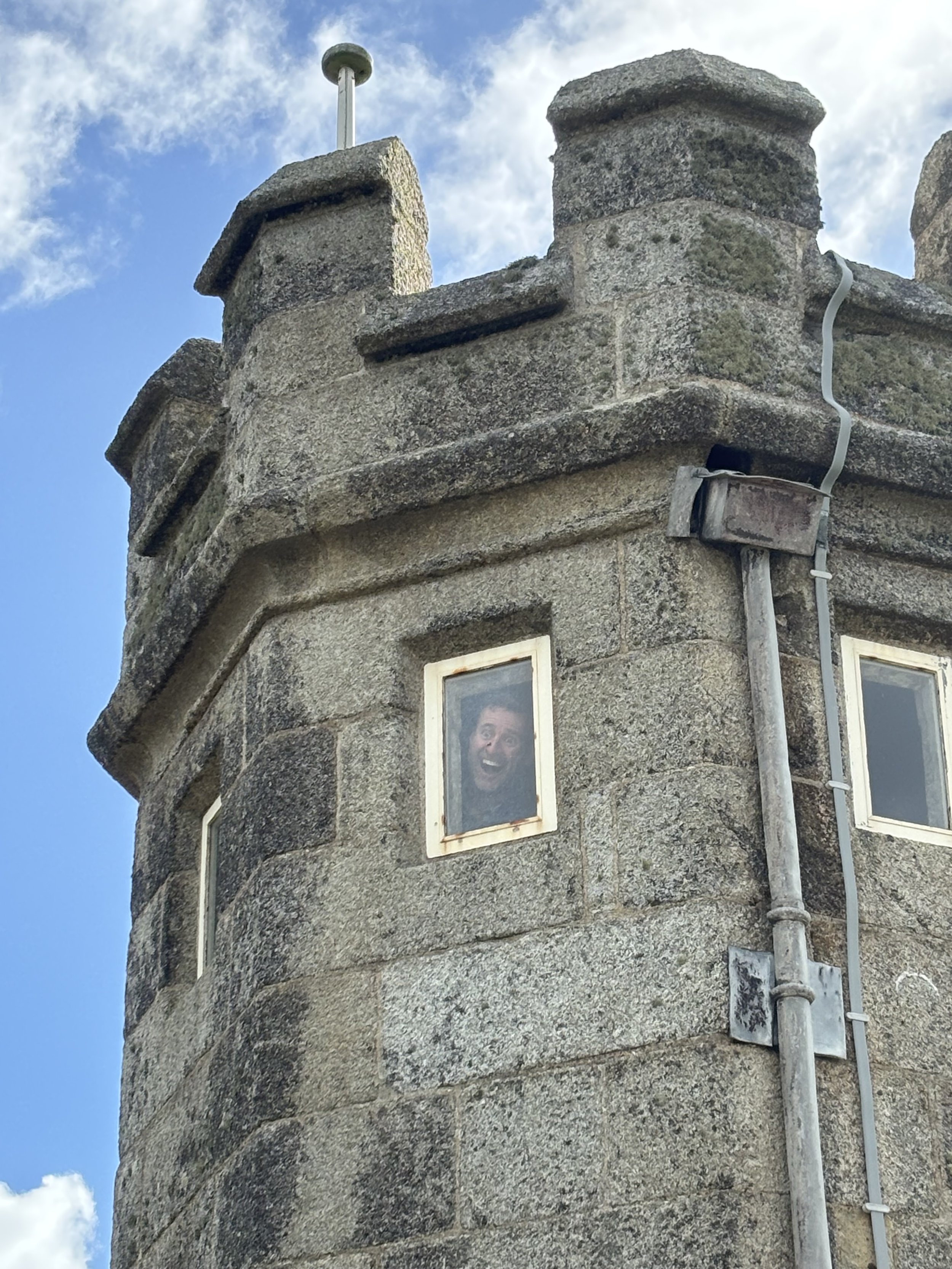
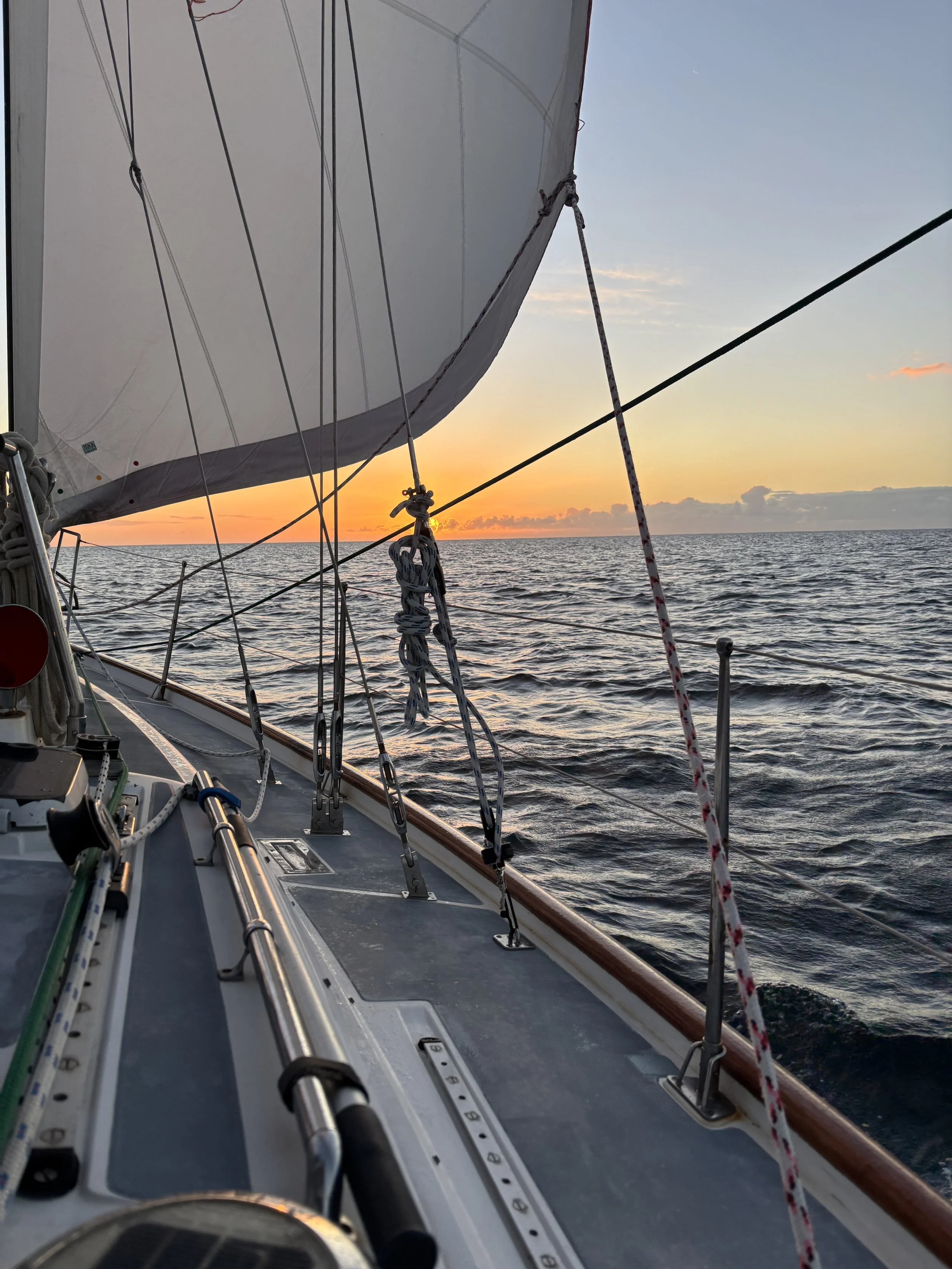
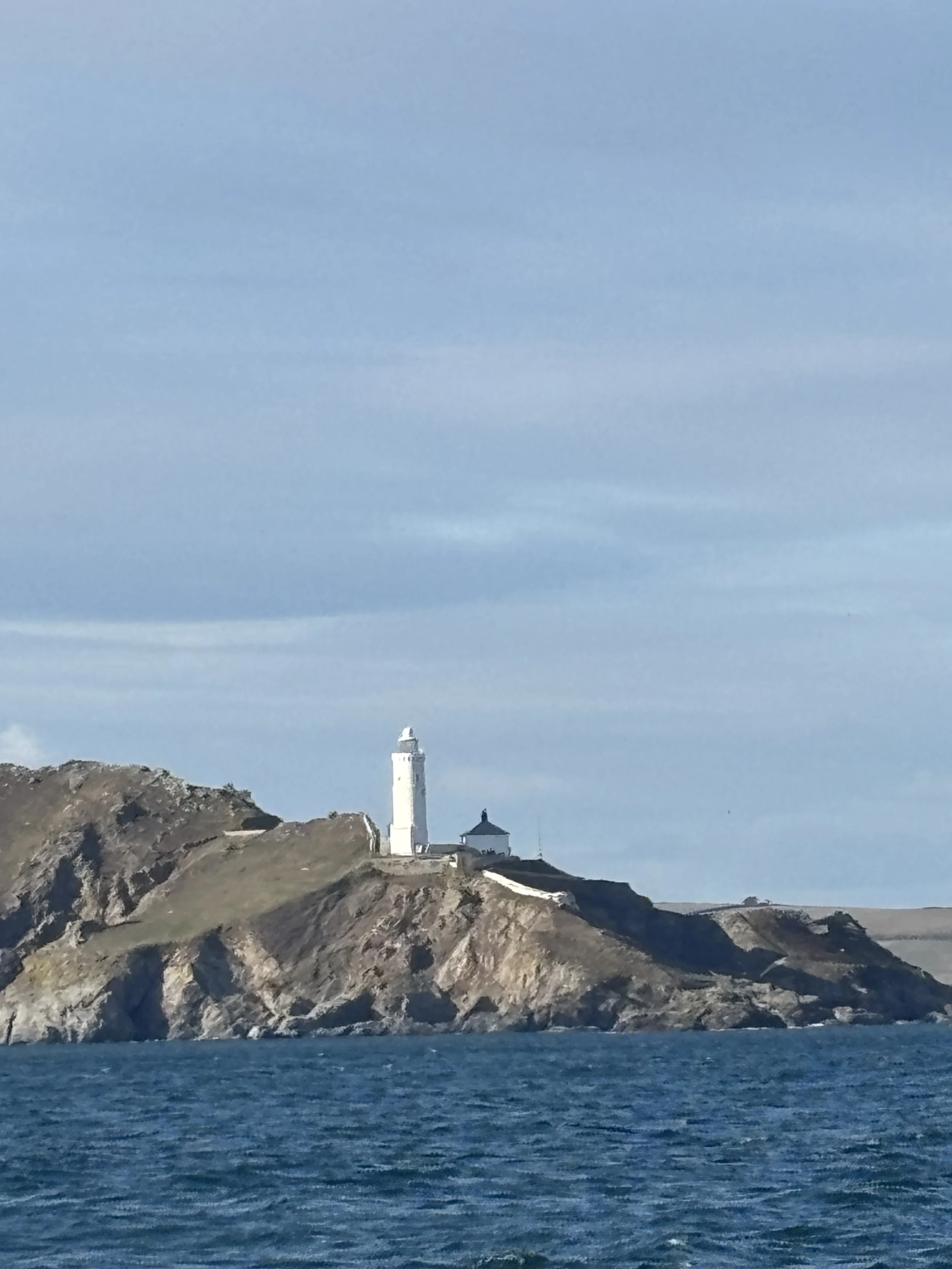
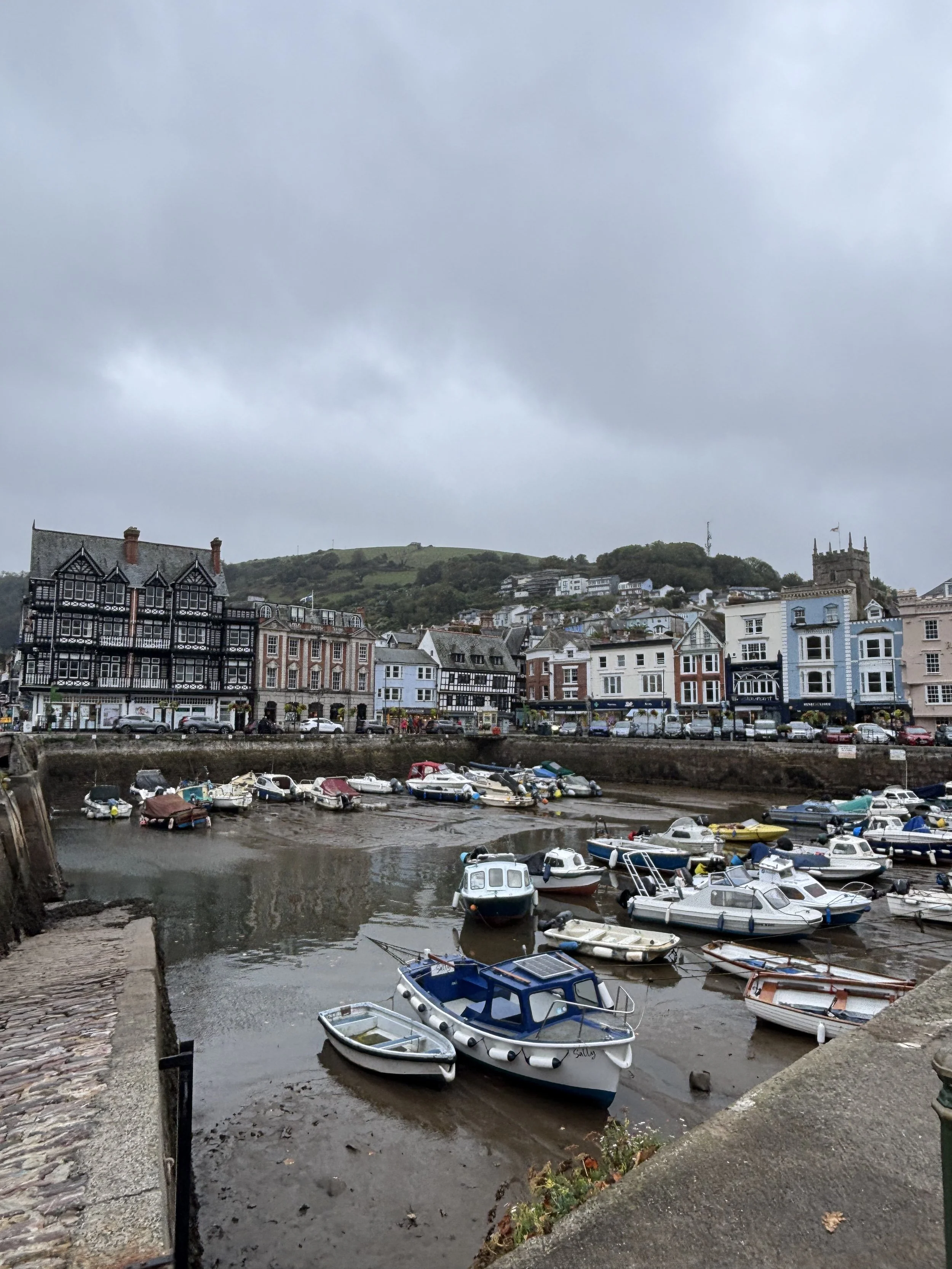
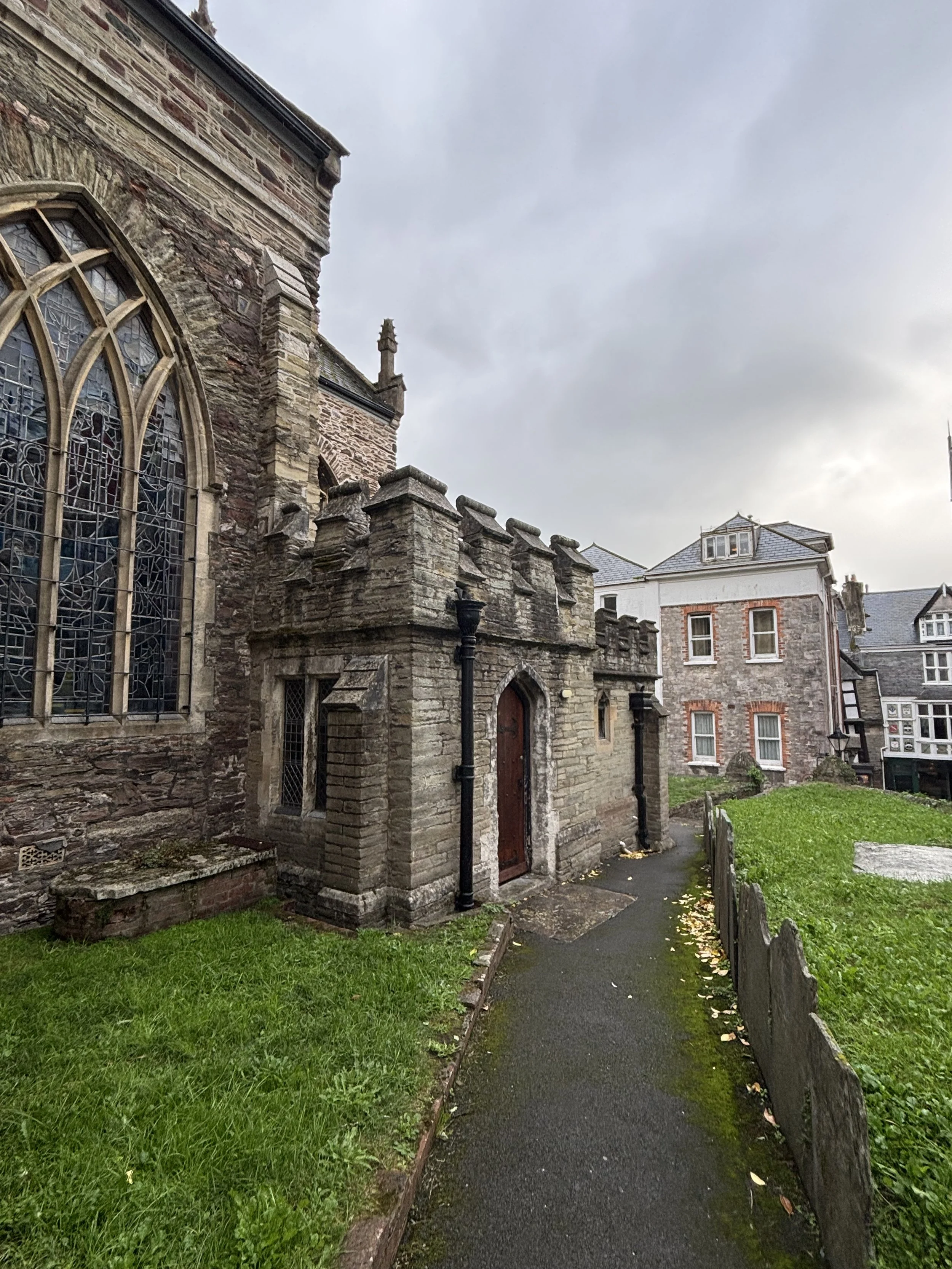
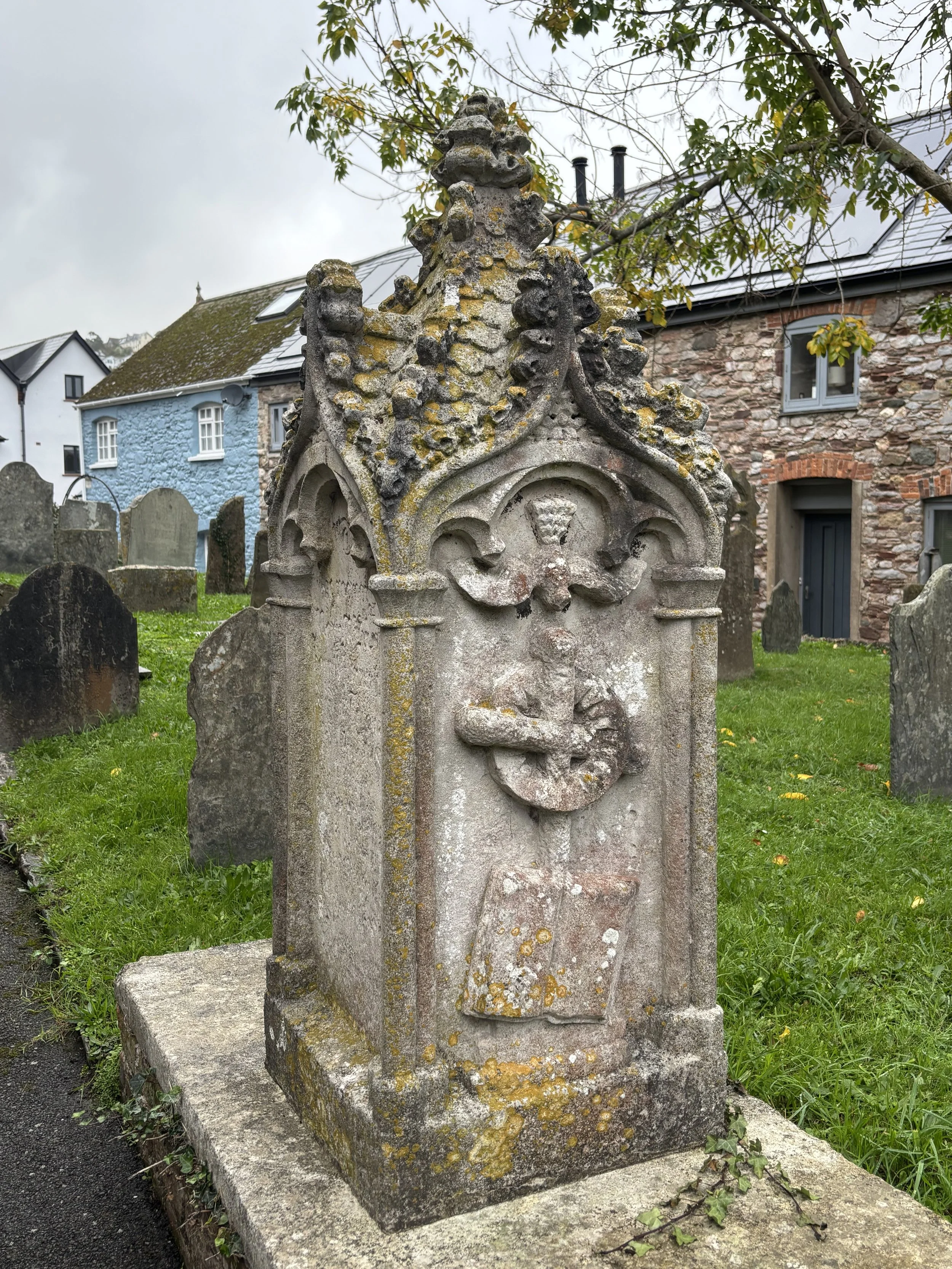
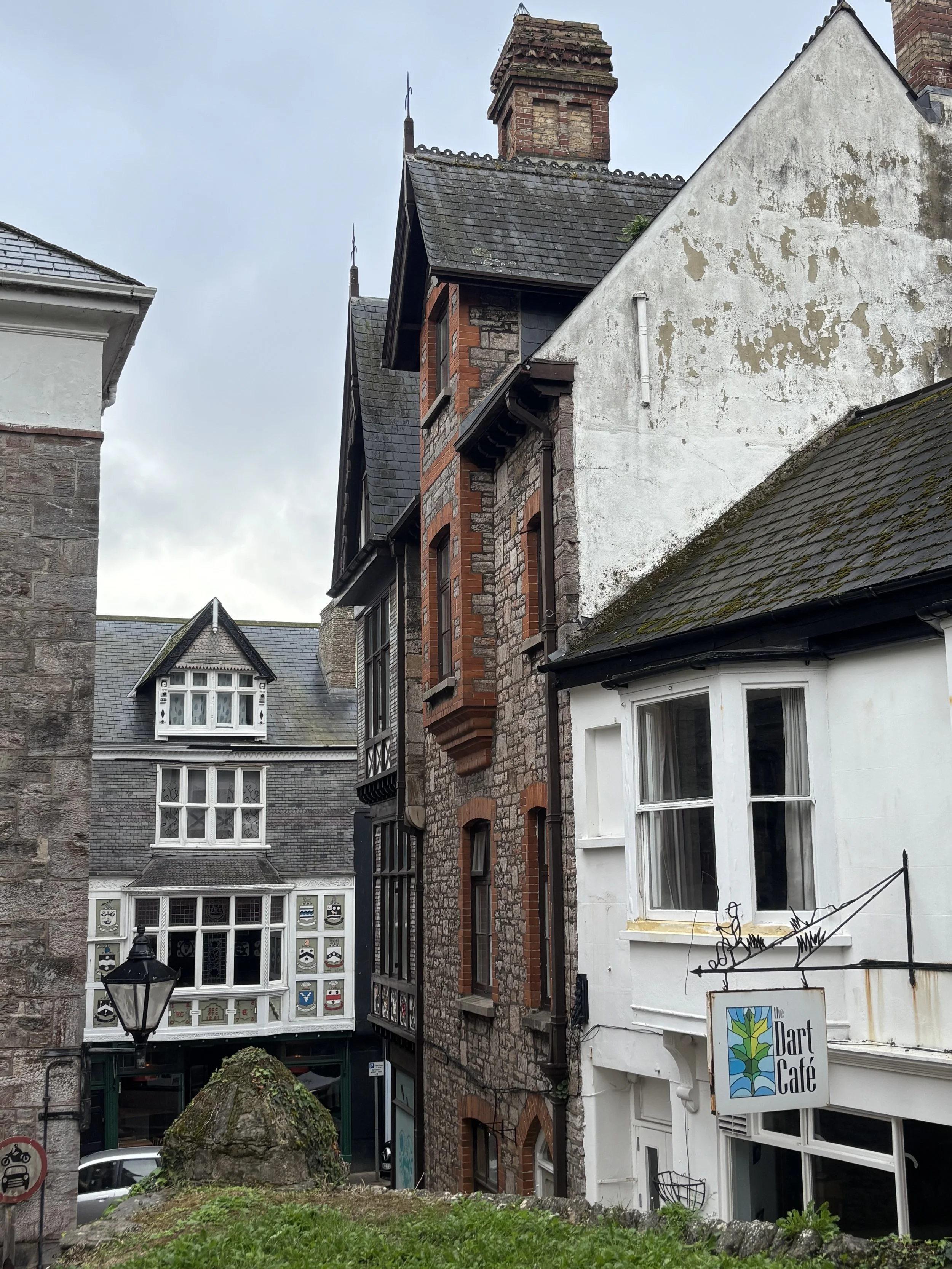
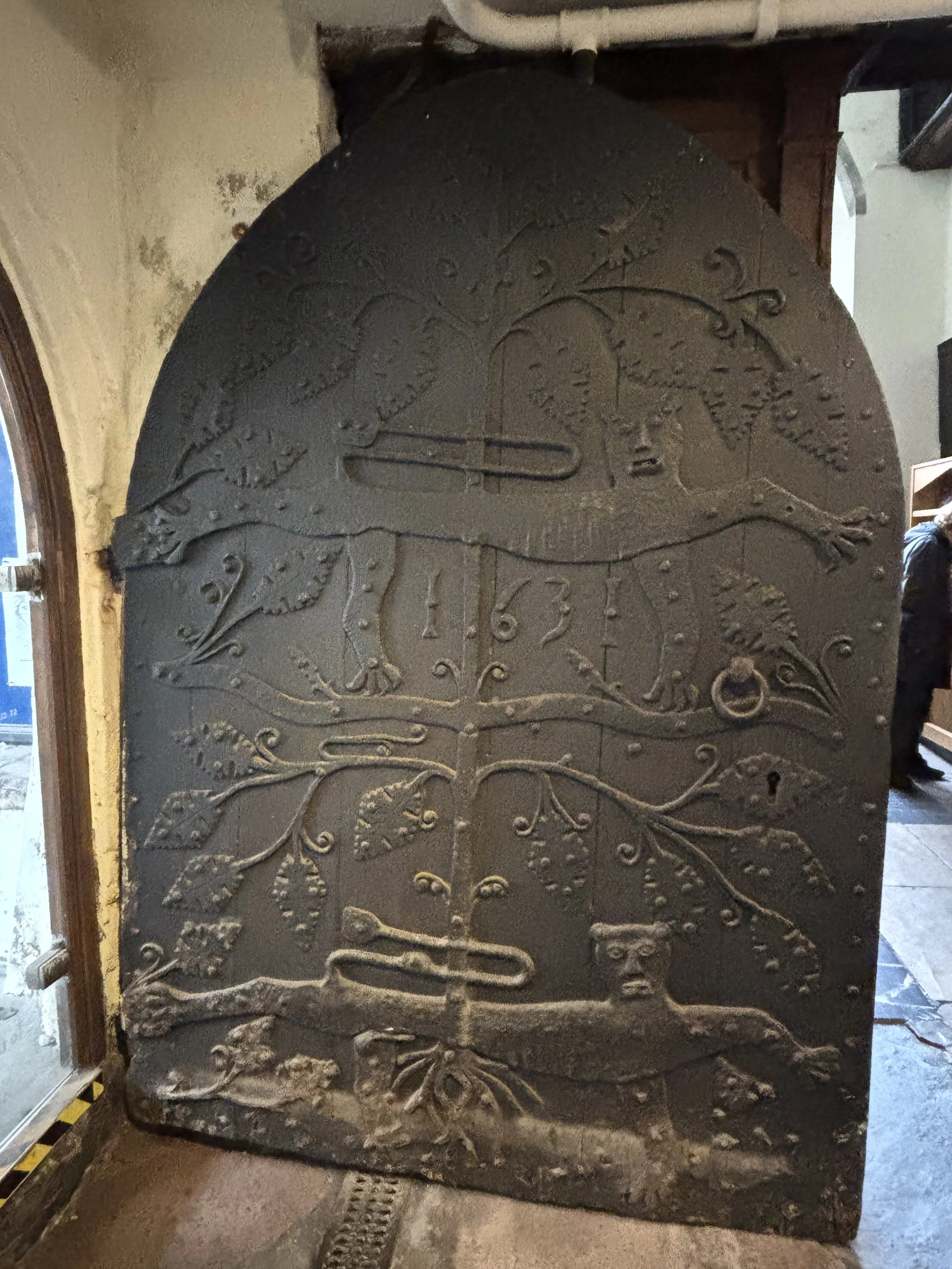
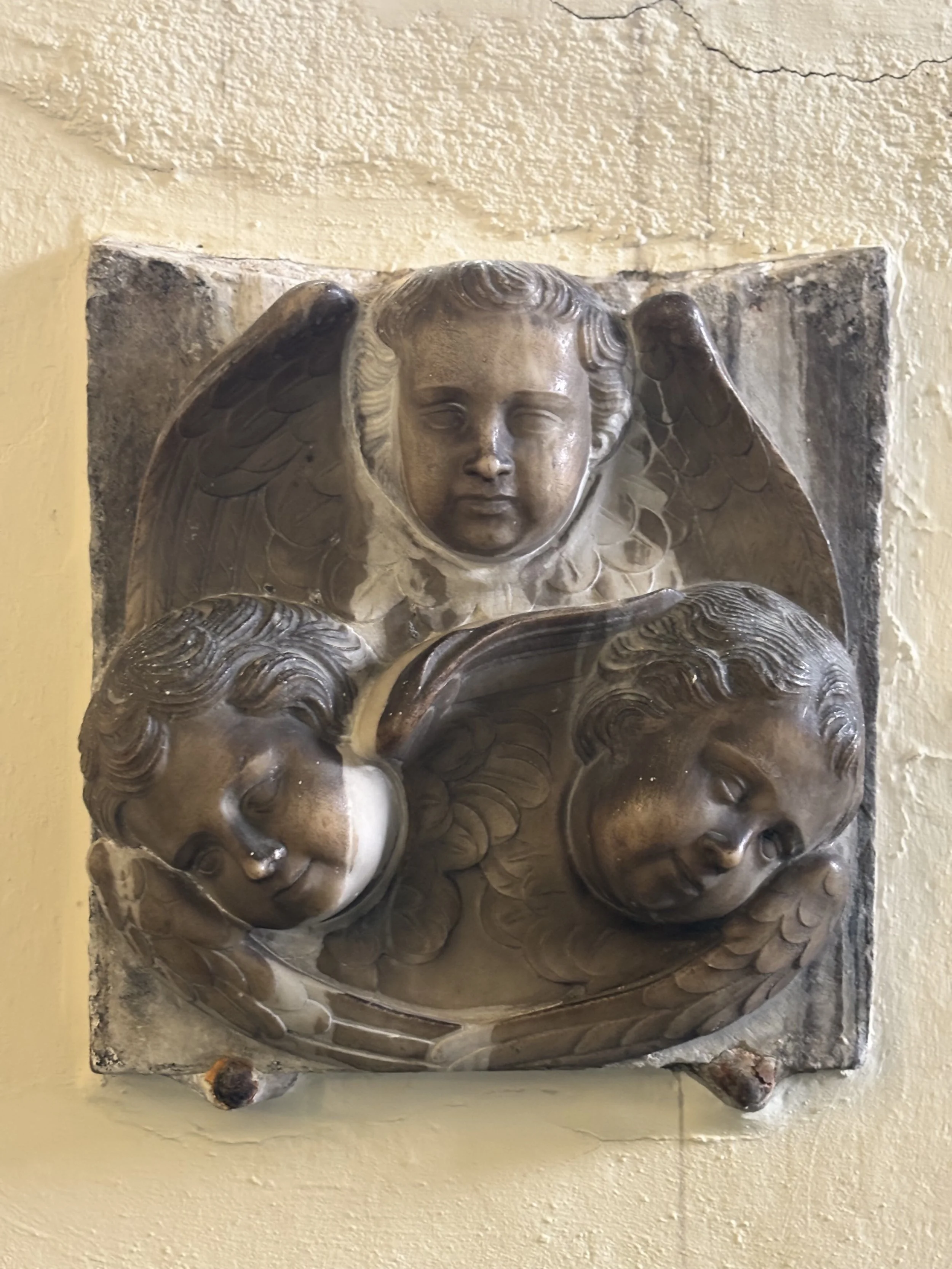
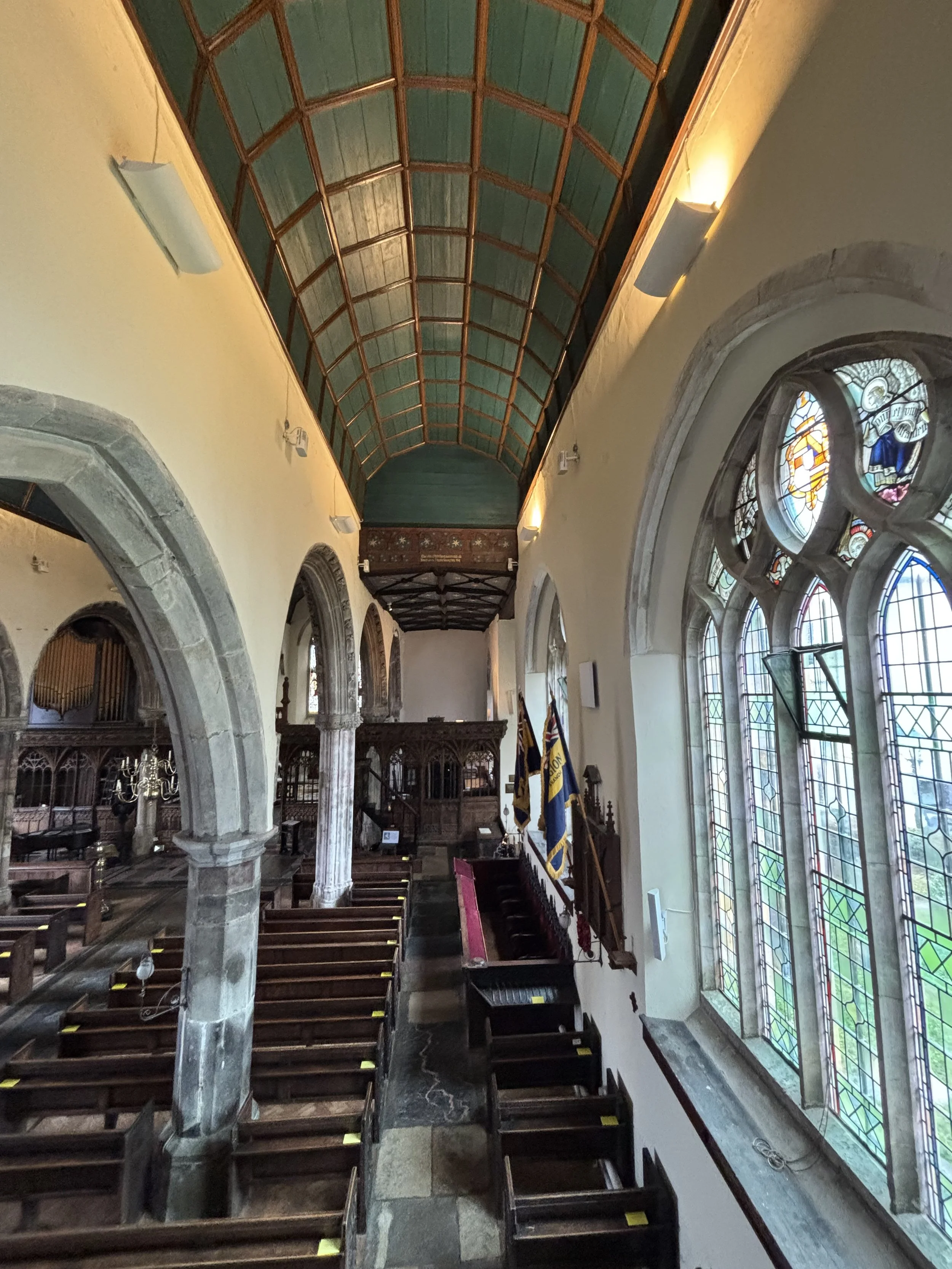
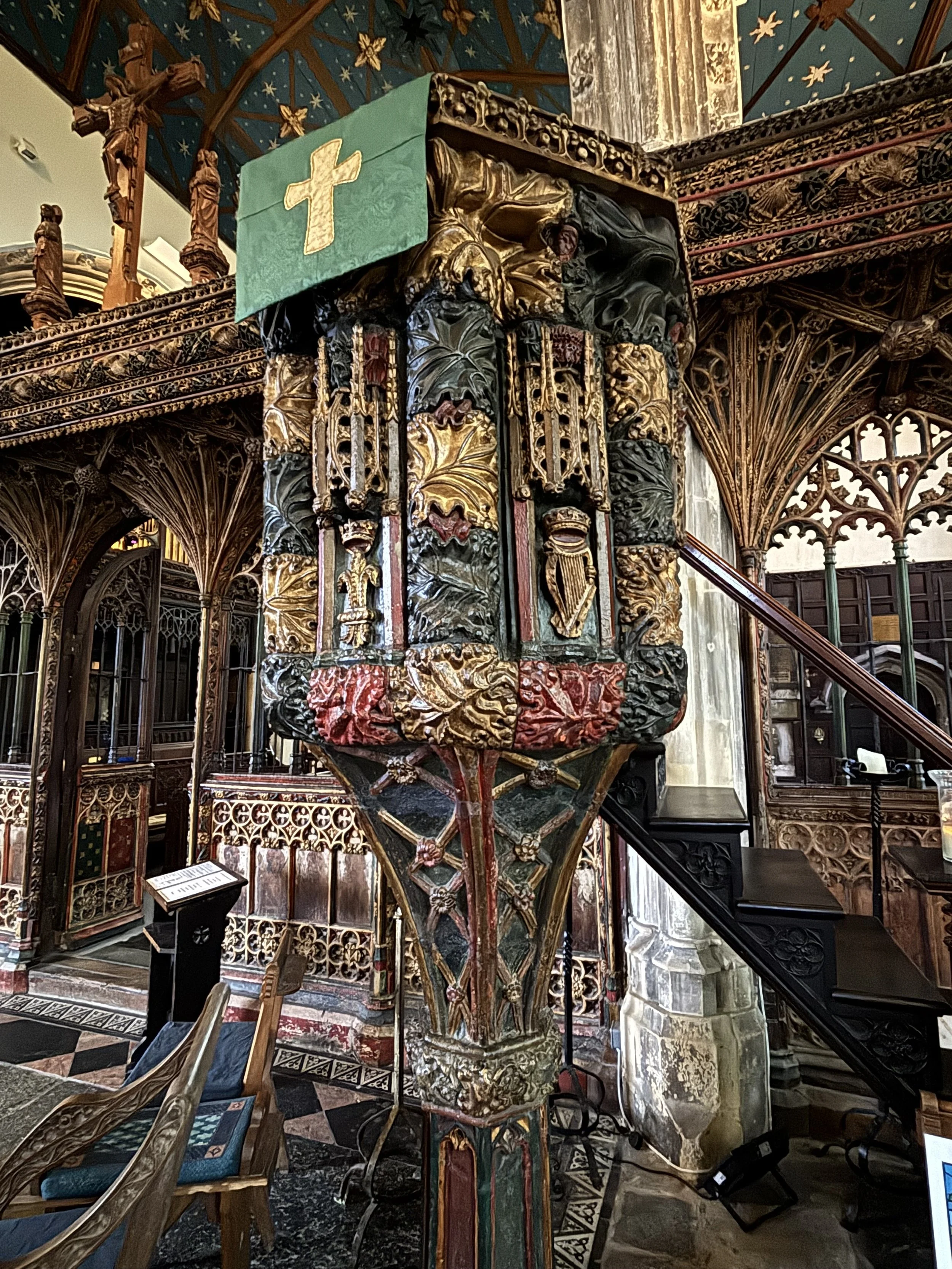
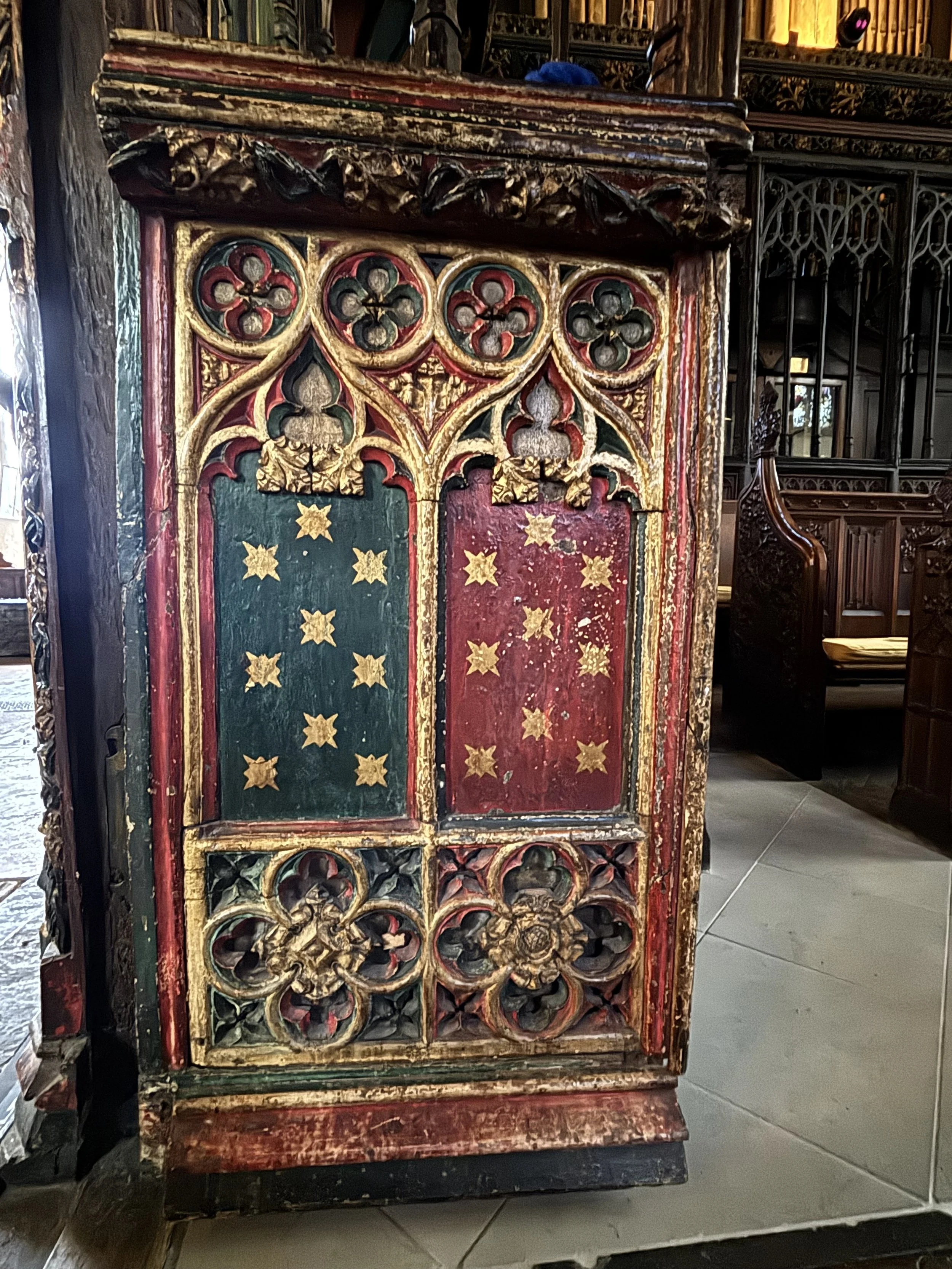
We have tons more photos from the last few weeks. As usual, if you are reading this in your email, you will need to click this link to view them.