Derrynane to Dingle
Ever since arriving in Ireland, we have debated two choices: explore the southern coast of Ireland or travel up the more challenging northwestern shores, much of which is exposed to the open Atlantic Ocean.
The southern coast would take us to places like Schull, Kinsale, Baltimore, and Crosshaven, where we could experience not only the beauty of Ireland but also its charming port towns. The southwest has forts, castles, old market towns, maritime history, and famine history.
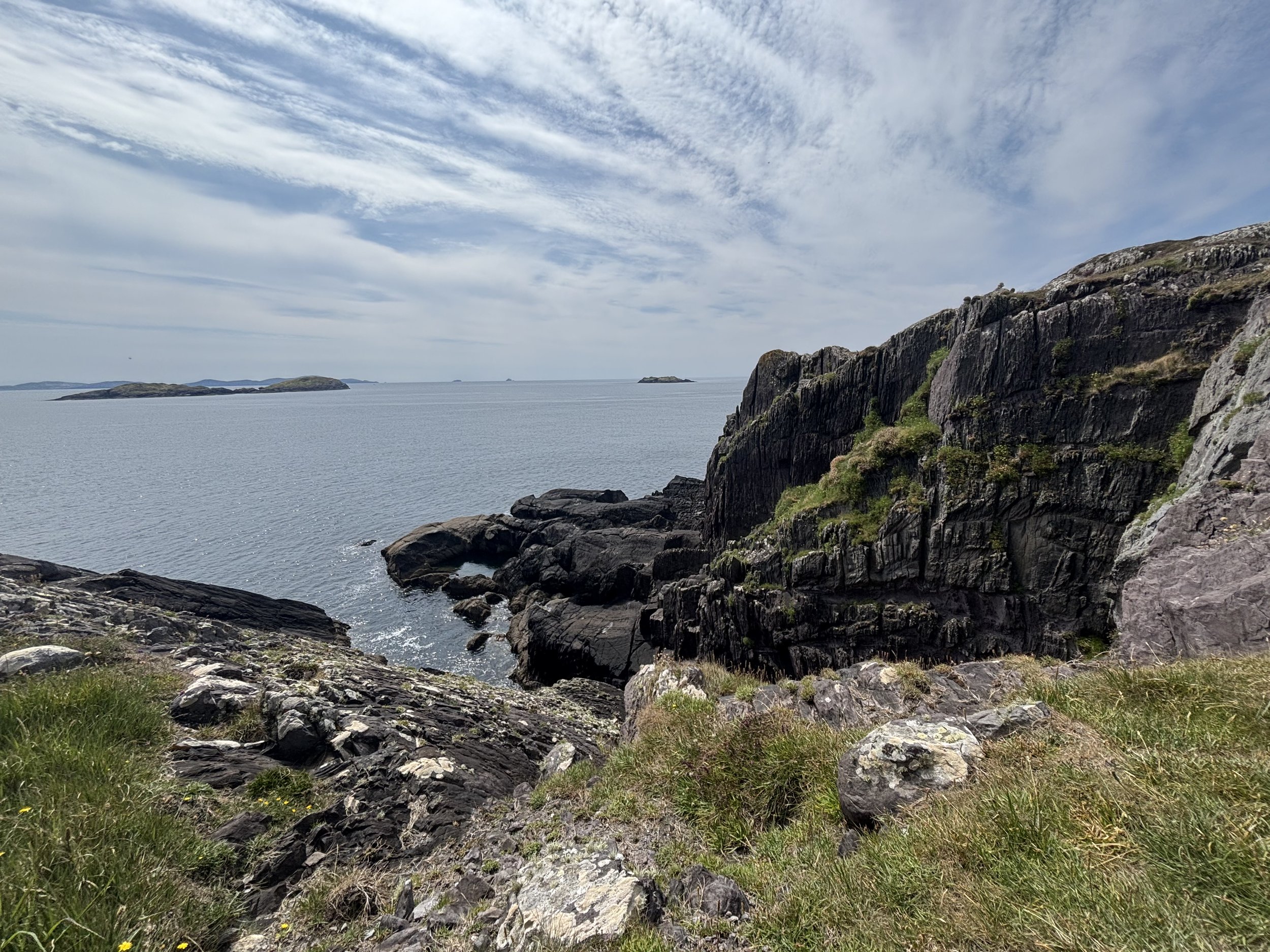
The northwestern coast would allow us to experience Ireland’s more rugged and dramatic shores, with enormous cliffs and mountains plunging into the sea. The northwest has less development, ancient monastic sites, Bronze Age remains, Neolithic monuments, and rich Gaelic history, with some of the islands still speaking Gaelic. Sailing this route would also be more challenging. There is less protection and fewer places to hide when bad weather arises.
Either way would offer incredible sites and adventures. We love exploring local towns, but we tend to favor more rugged, natural scenery. So we opted to go north up the west coast.
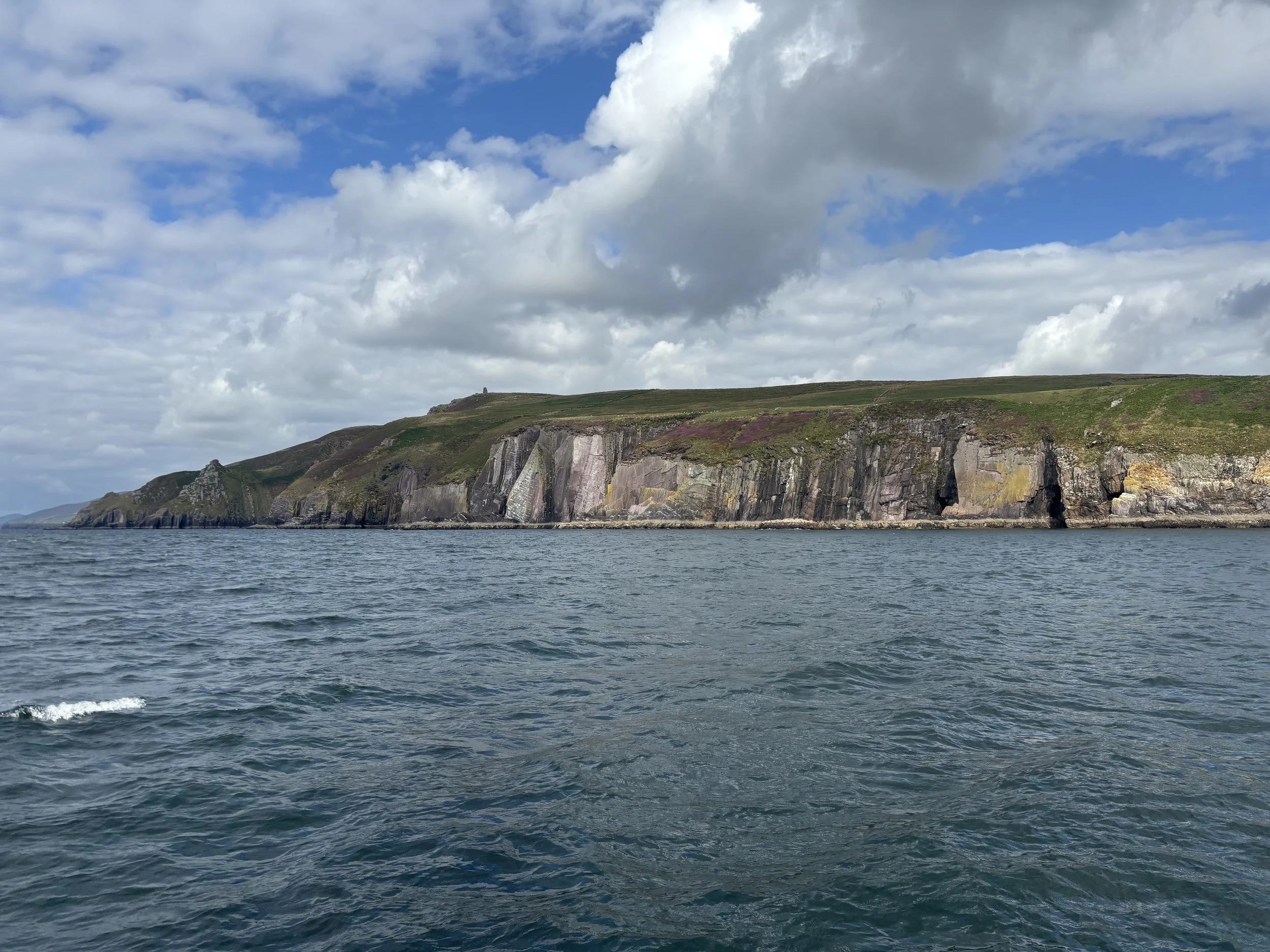
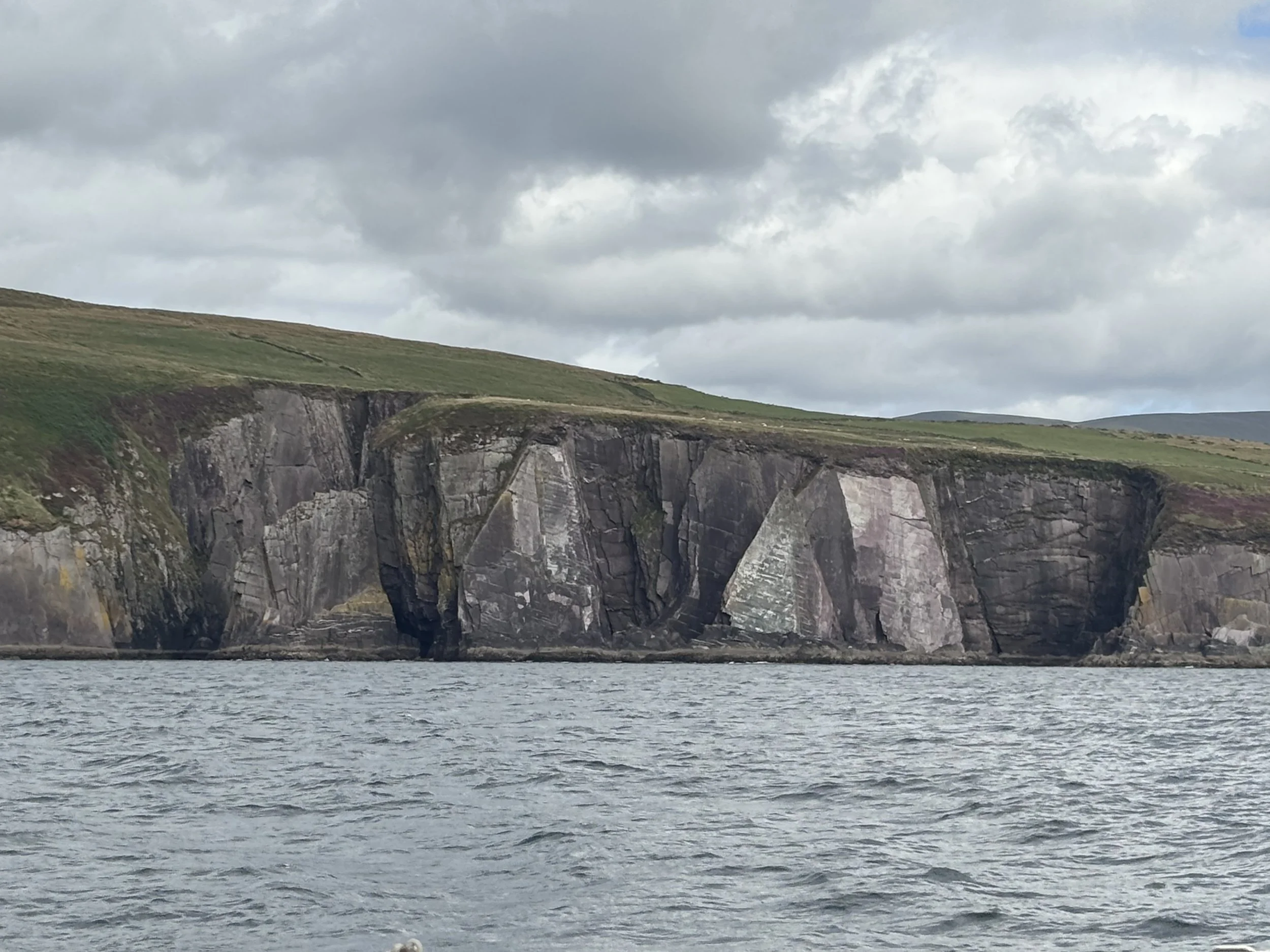
After leaving Castletownbere, we sailed to Derrynane. This leg offered wonderful sights. Calf and Cow Rocks jutted up out of the sea, carved by the elements over time. Dolphins played alongside us, weaving in and out of the surf at our bow.
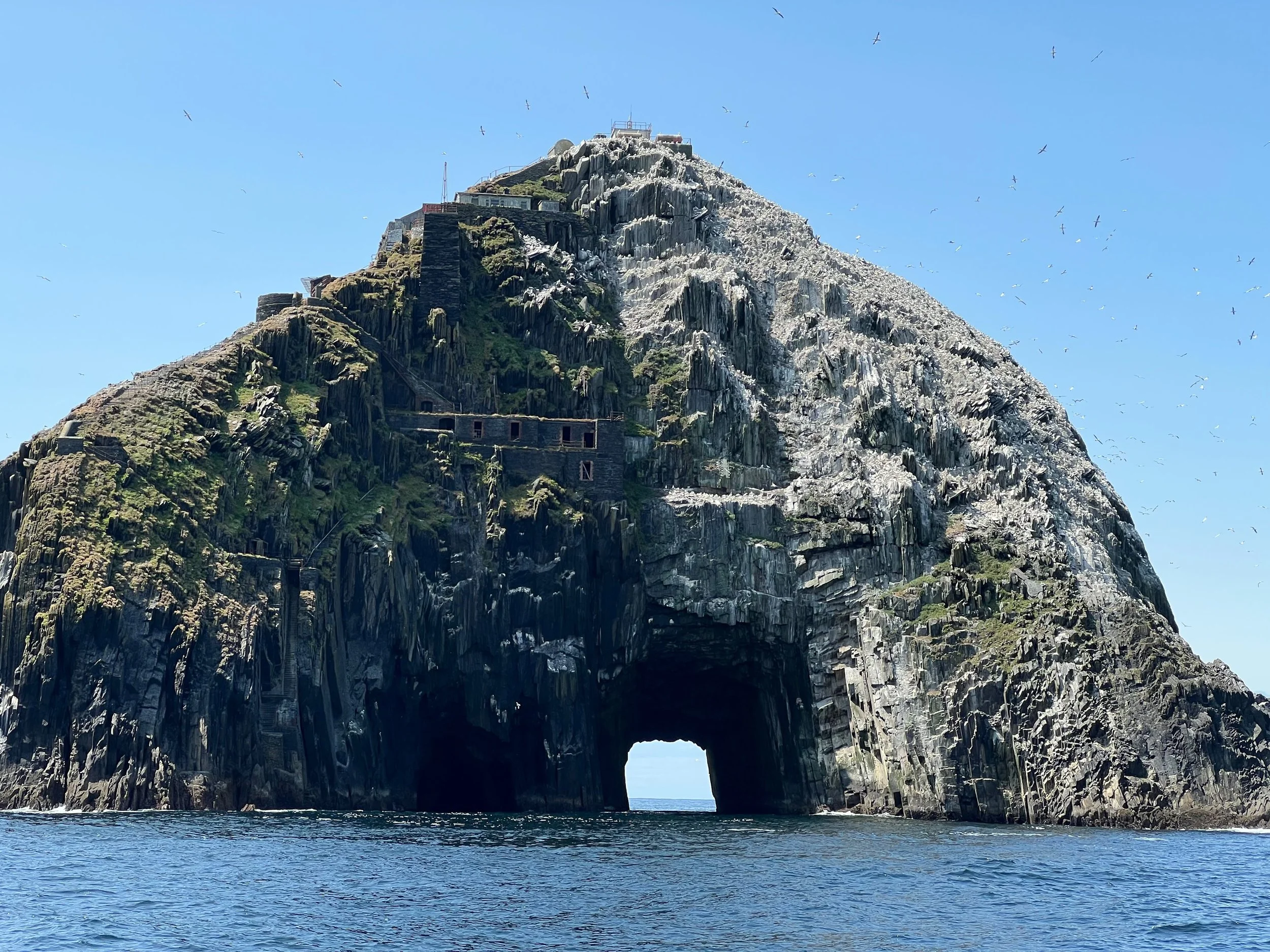
Bull Rock, photo courtesy of Helen on SV Helacious
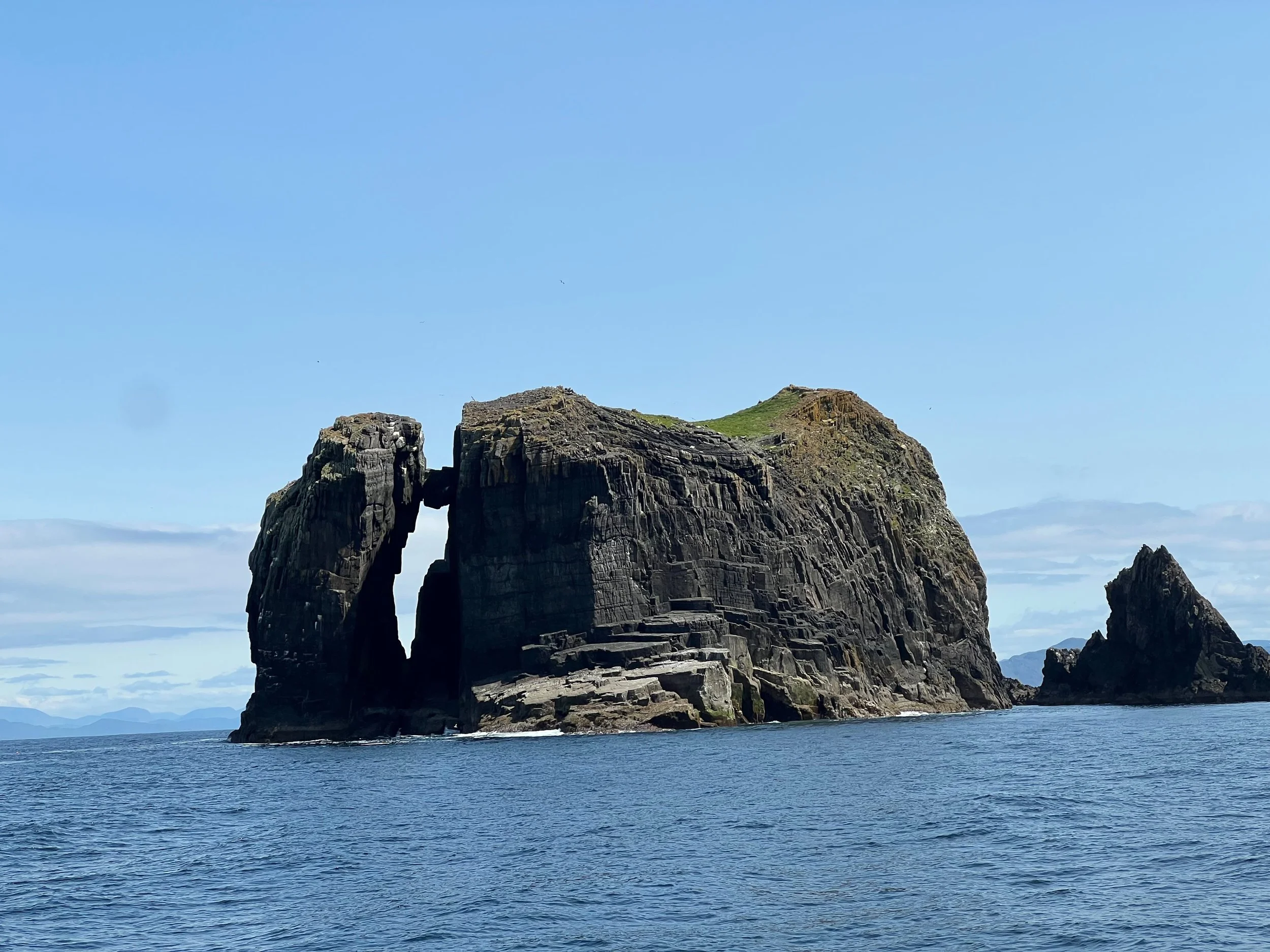
Cow Rock, photo courtesy of Helen on SV Helacious
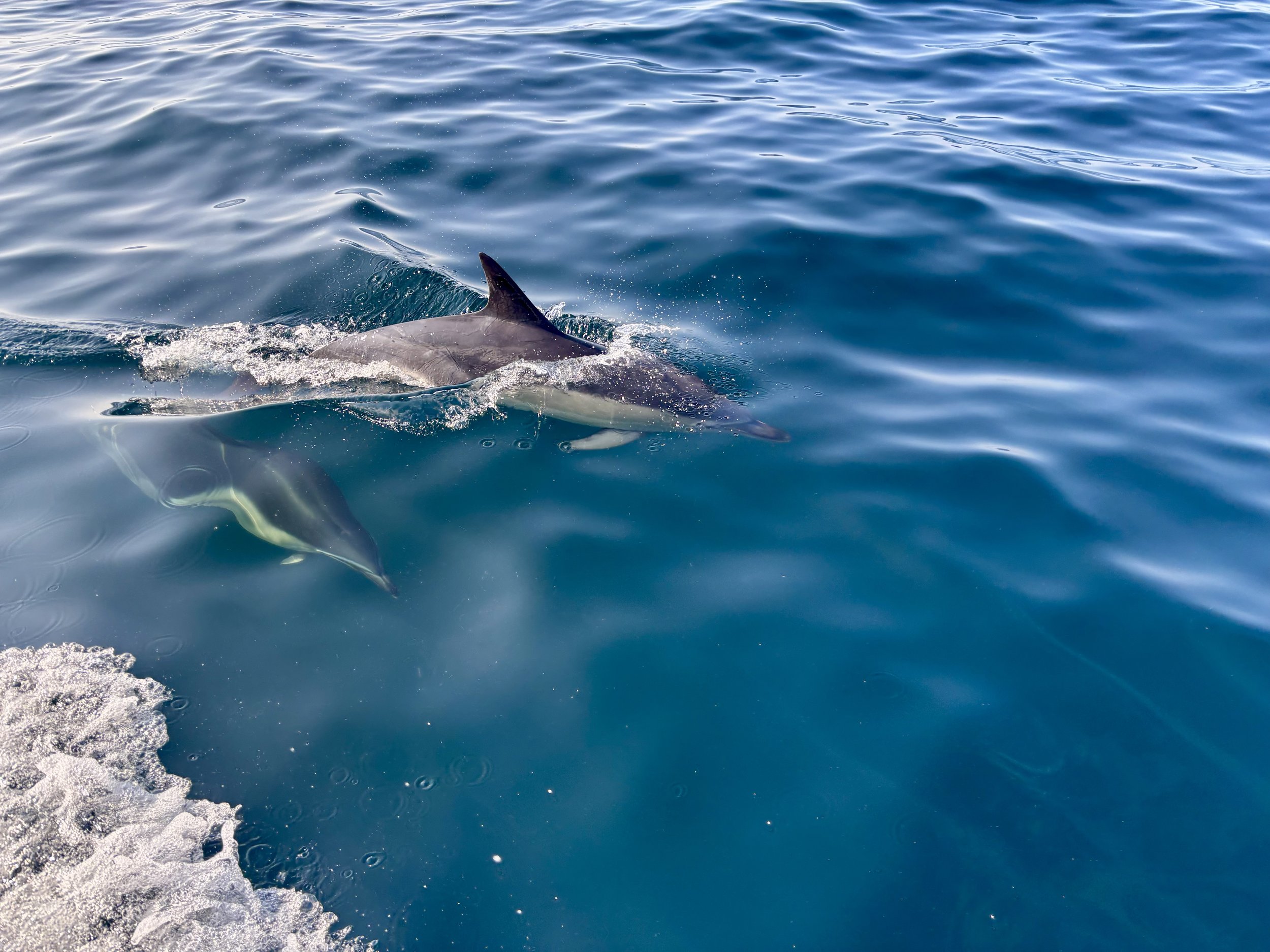
Dolphins once again surfing alongside Remedy
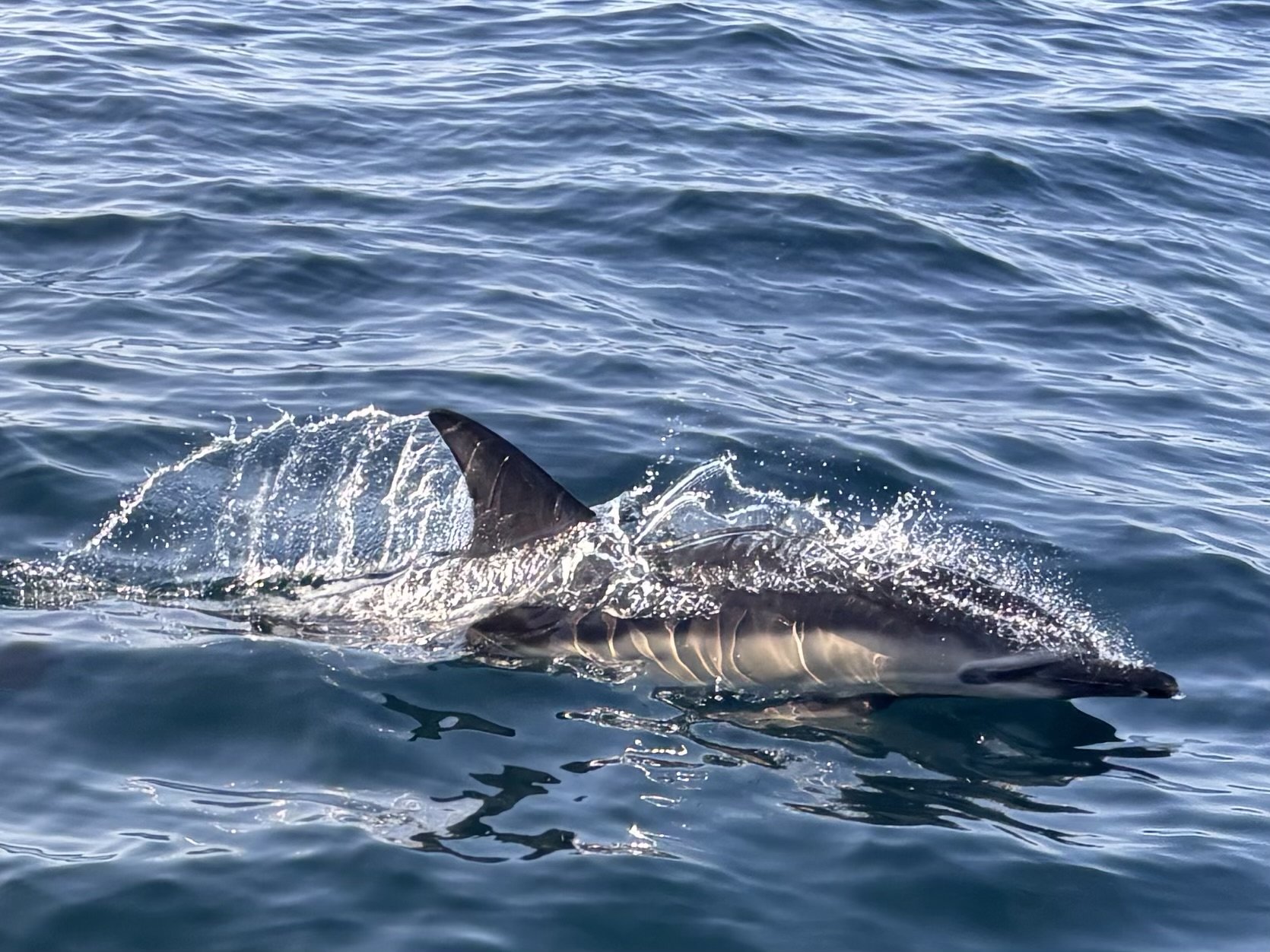
The gorgeous Common Dolphin
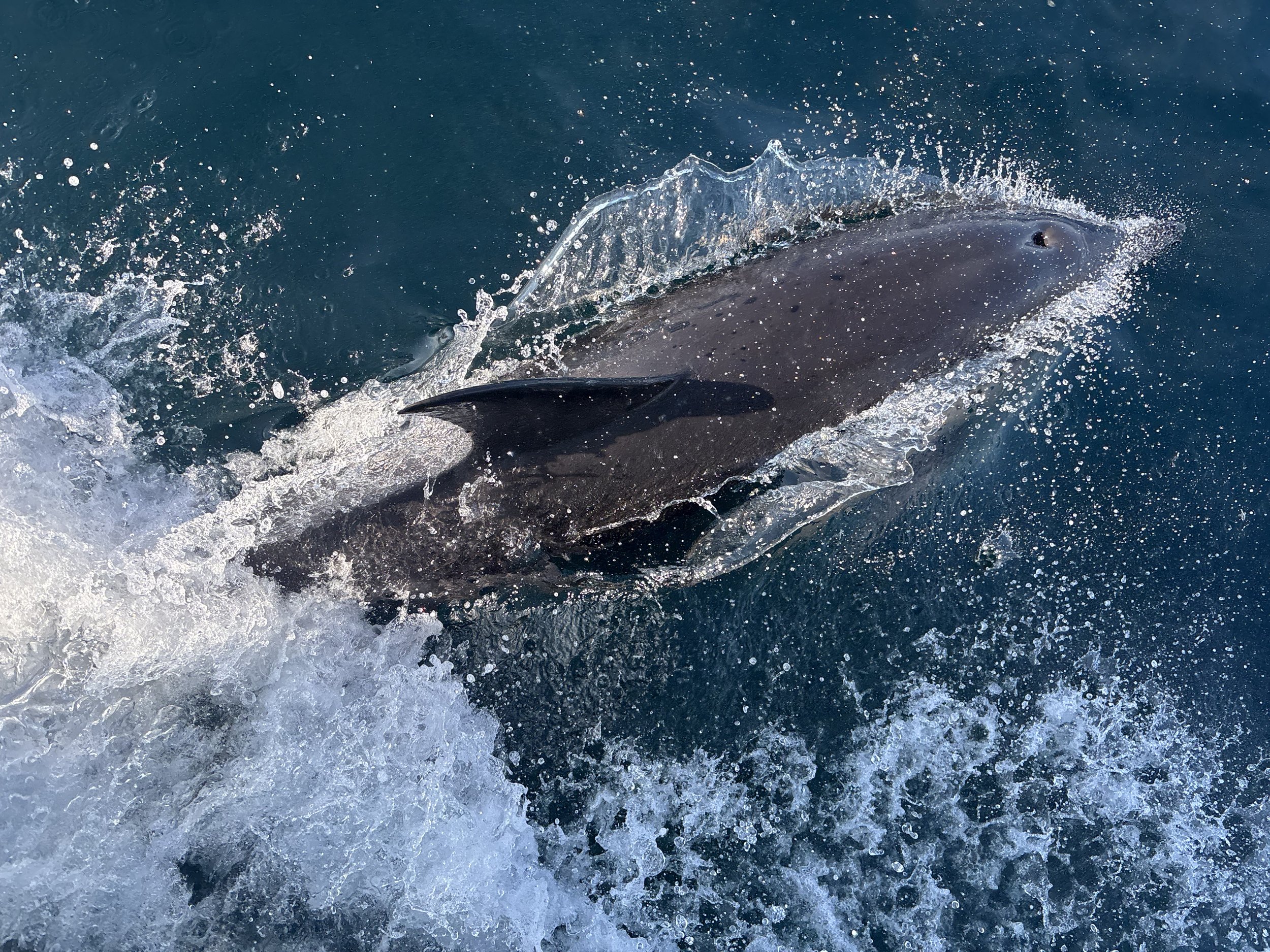
Dolphin never get old
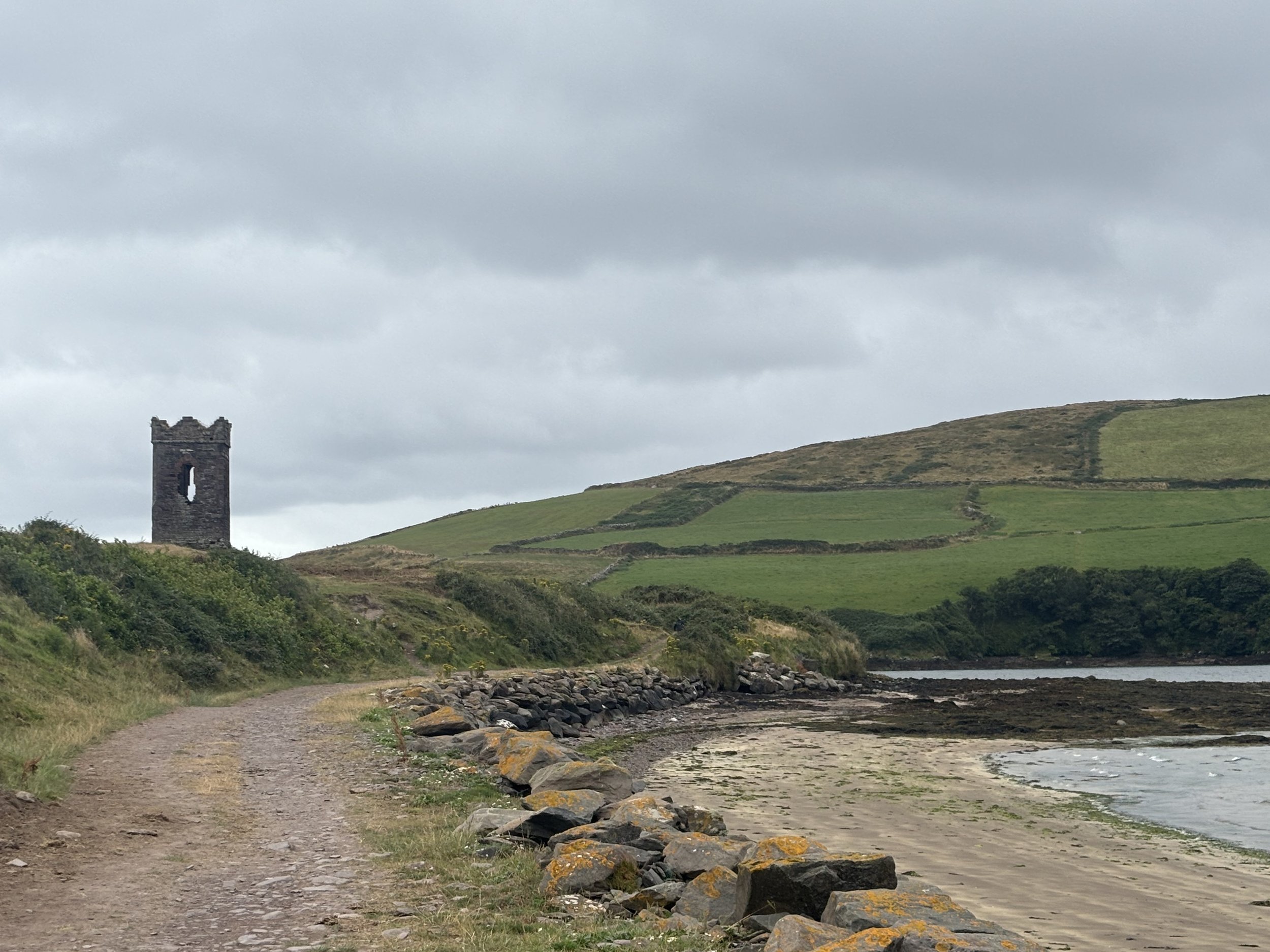
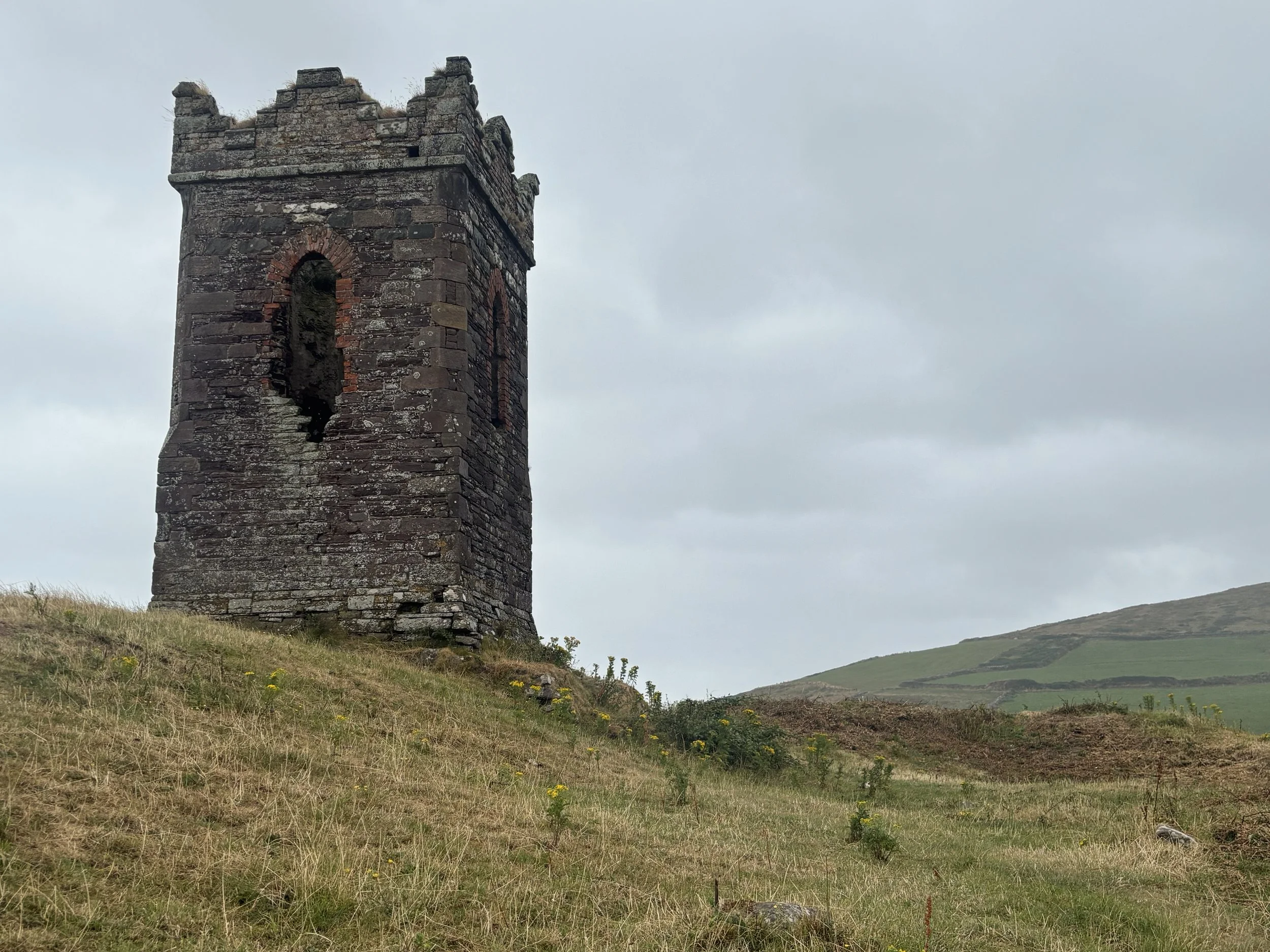
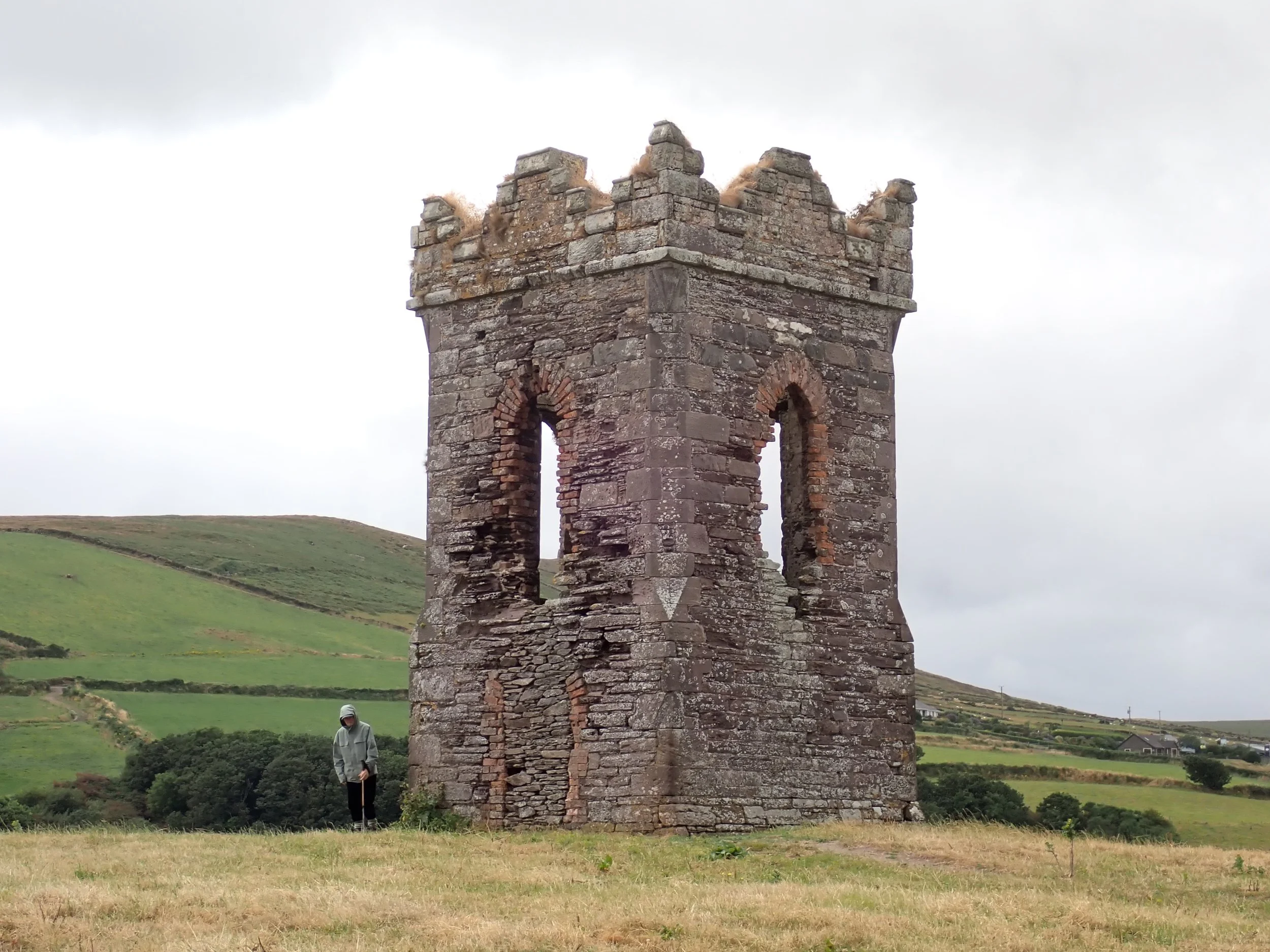
As we have sailed along the Irish coastline, signal towers and Martello towers have dotted various islands. These towers were erected around 1804–1805 during the Napoleonic era in response to the threat of a French invasion. There were 81 towers built, spanning 1,076 km of the Irish coastline. Each tower was built within visible range of the next station on either side. Crews used a combination of a large rectangular flag, a blue pendant, and four black balls hoisted on a wooden mast to send complex messages. On our passage to Derrynane, we passed one of these towers—the Dursey signal tower, located in the picture below.
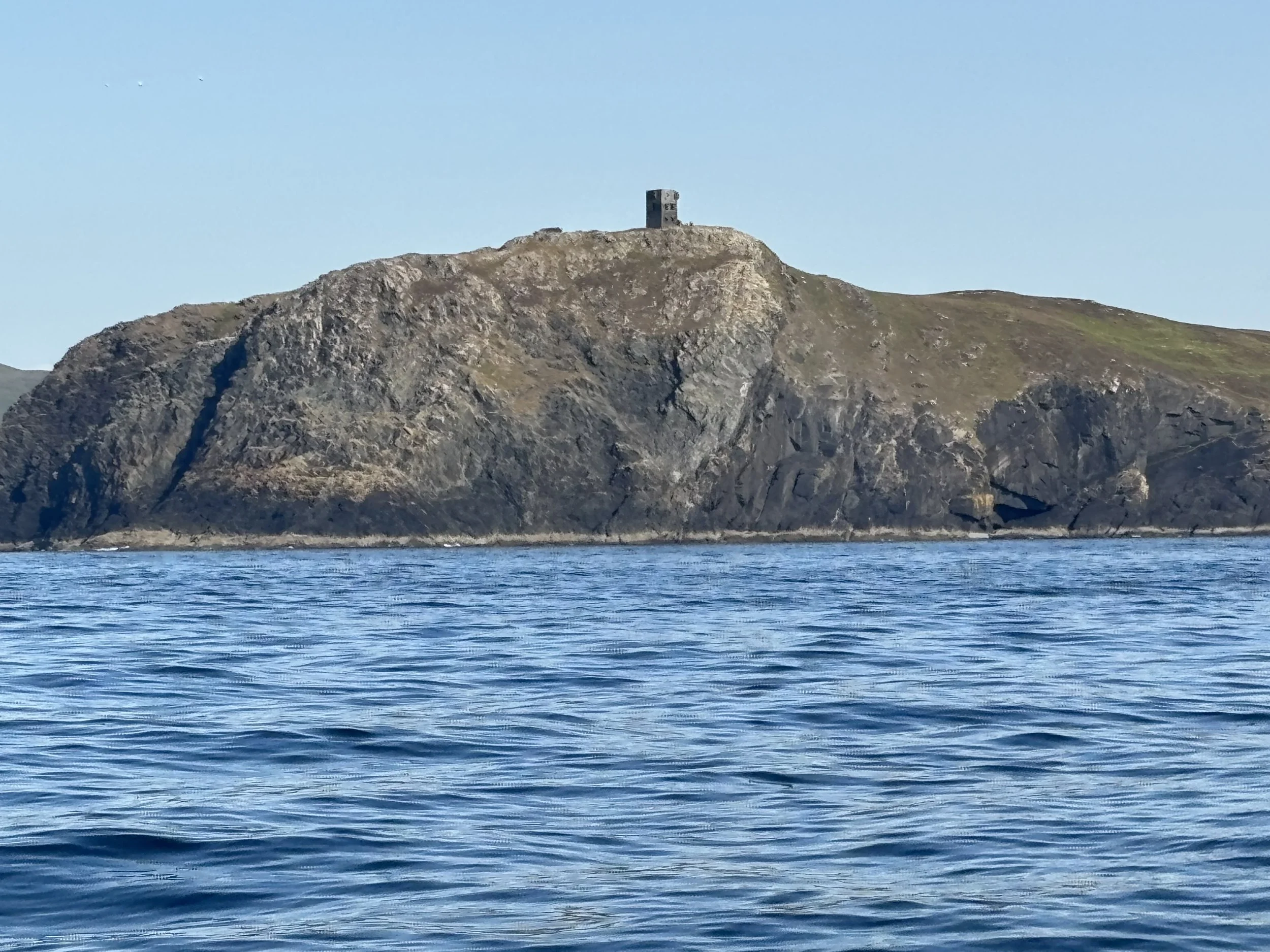
Napoleonic Signal Tower On Dursey Island
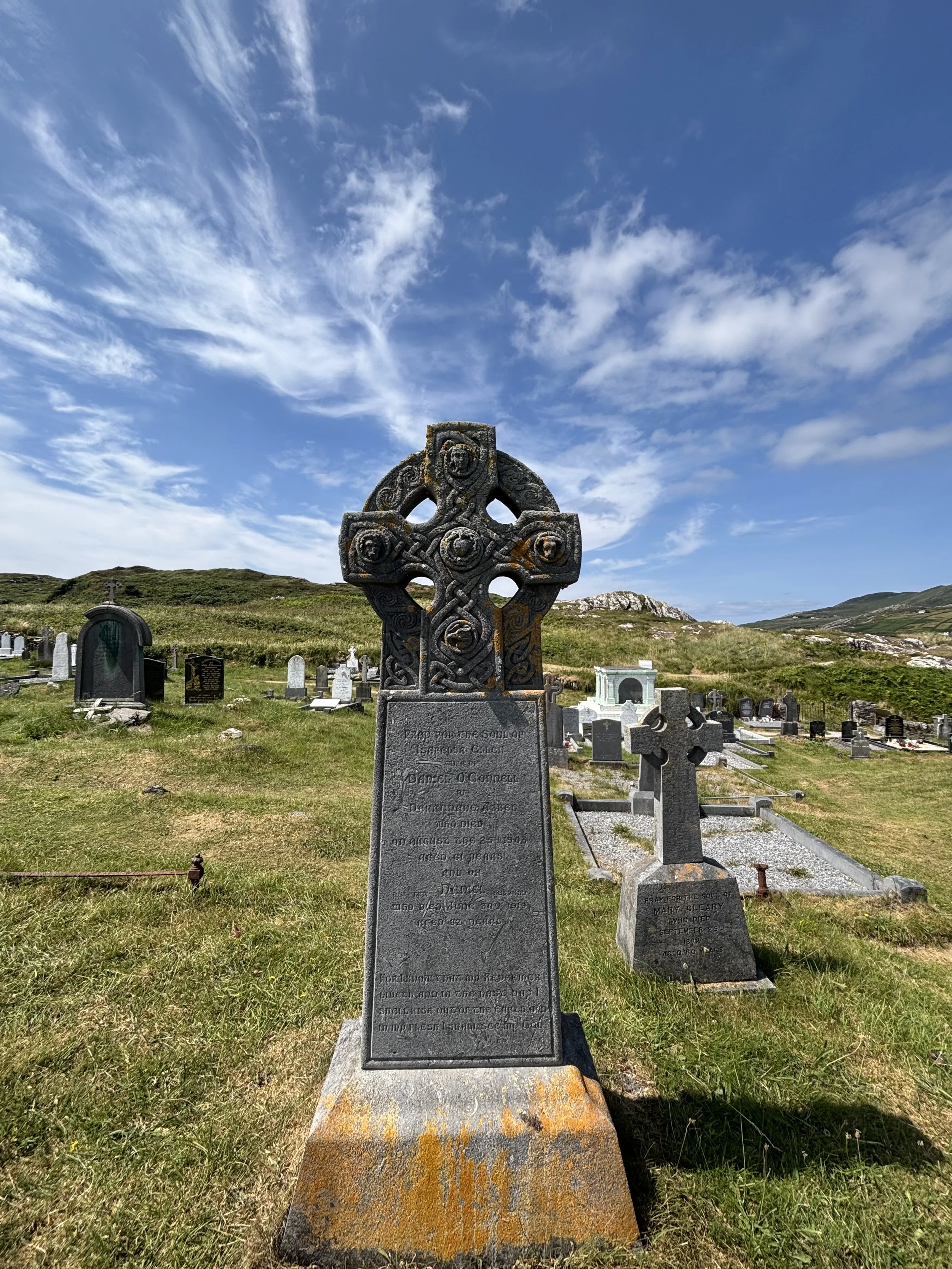
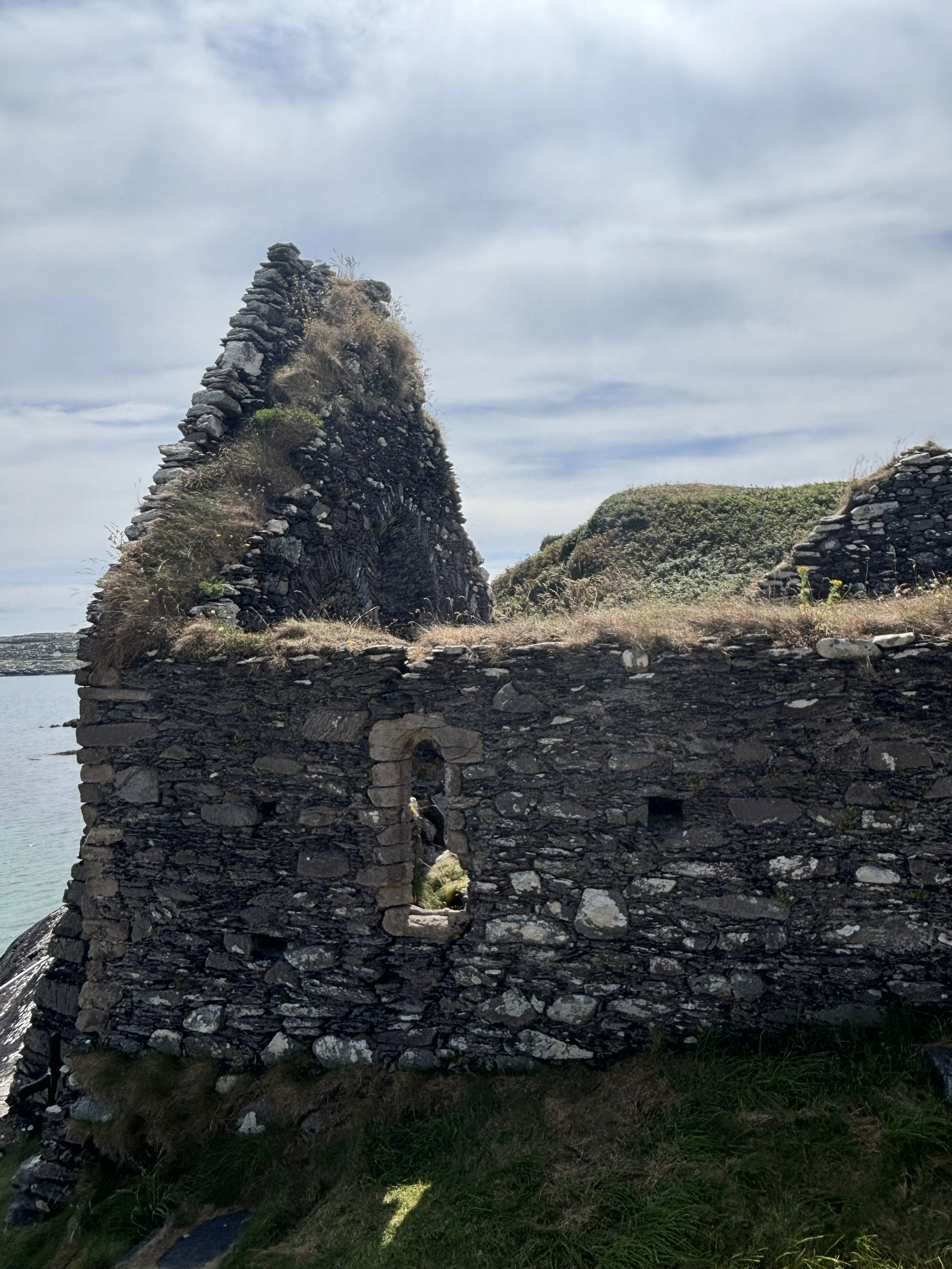
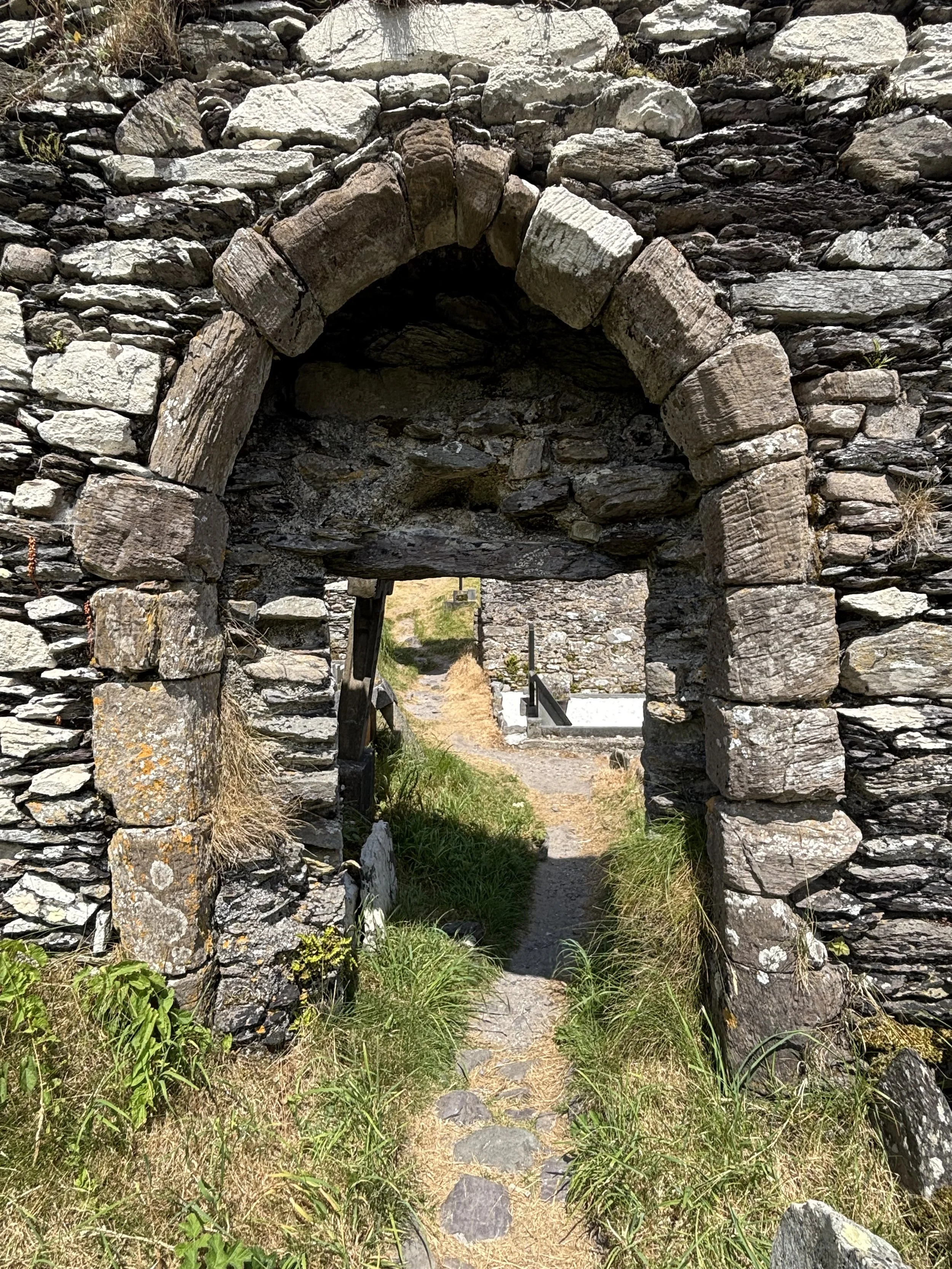
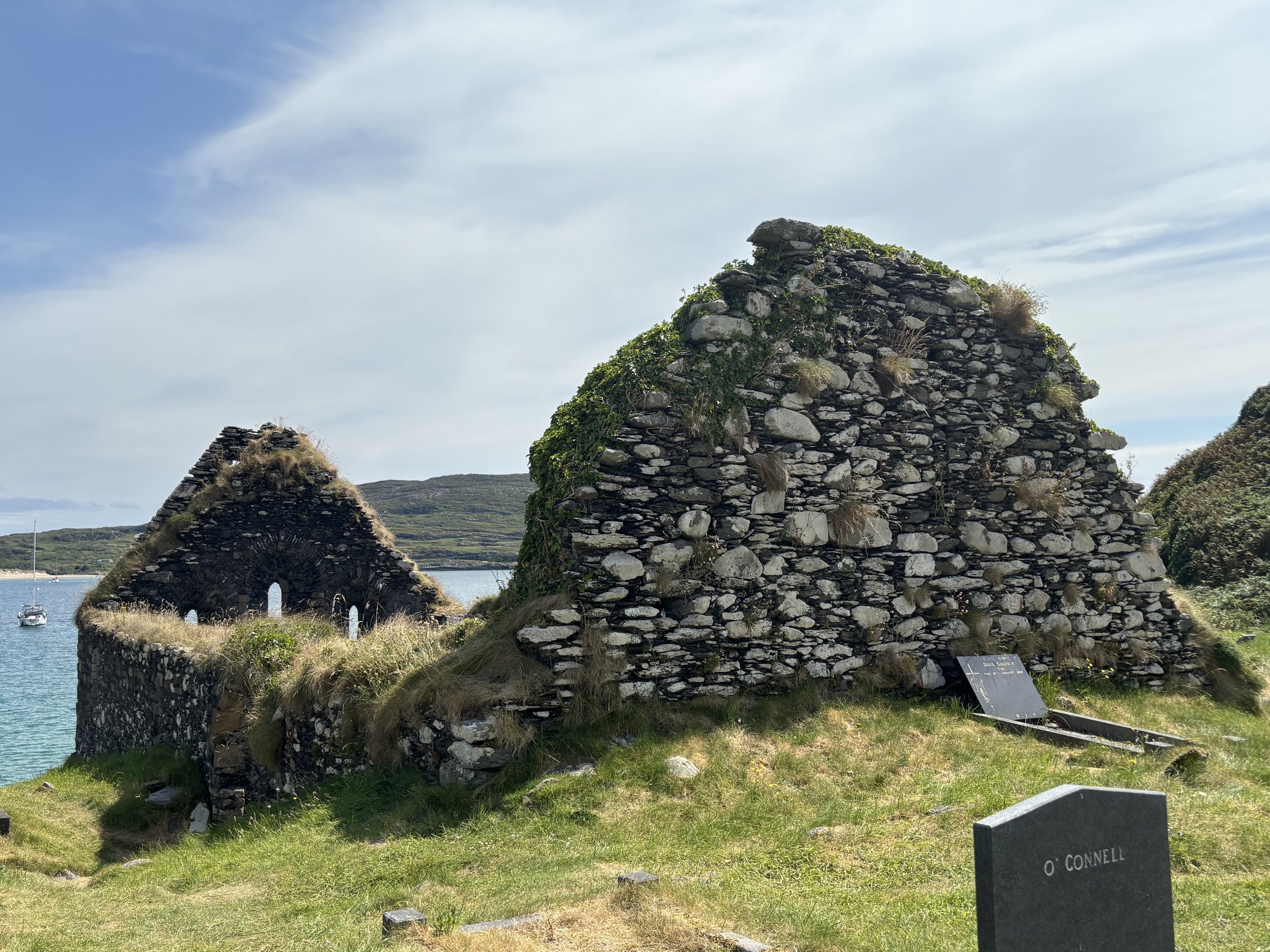
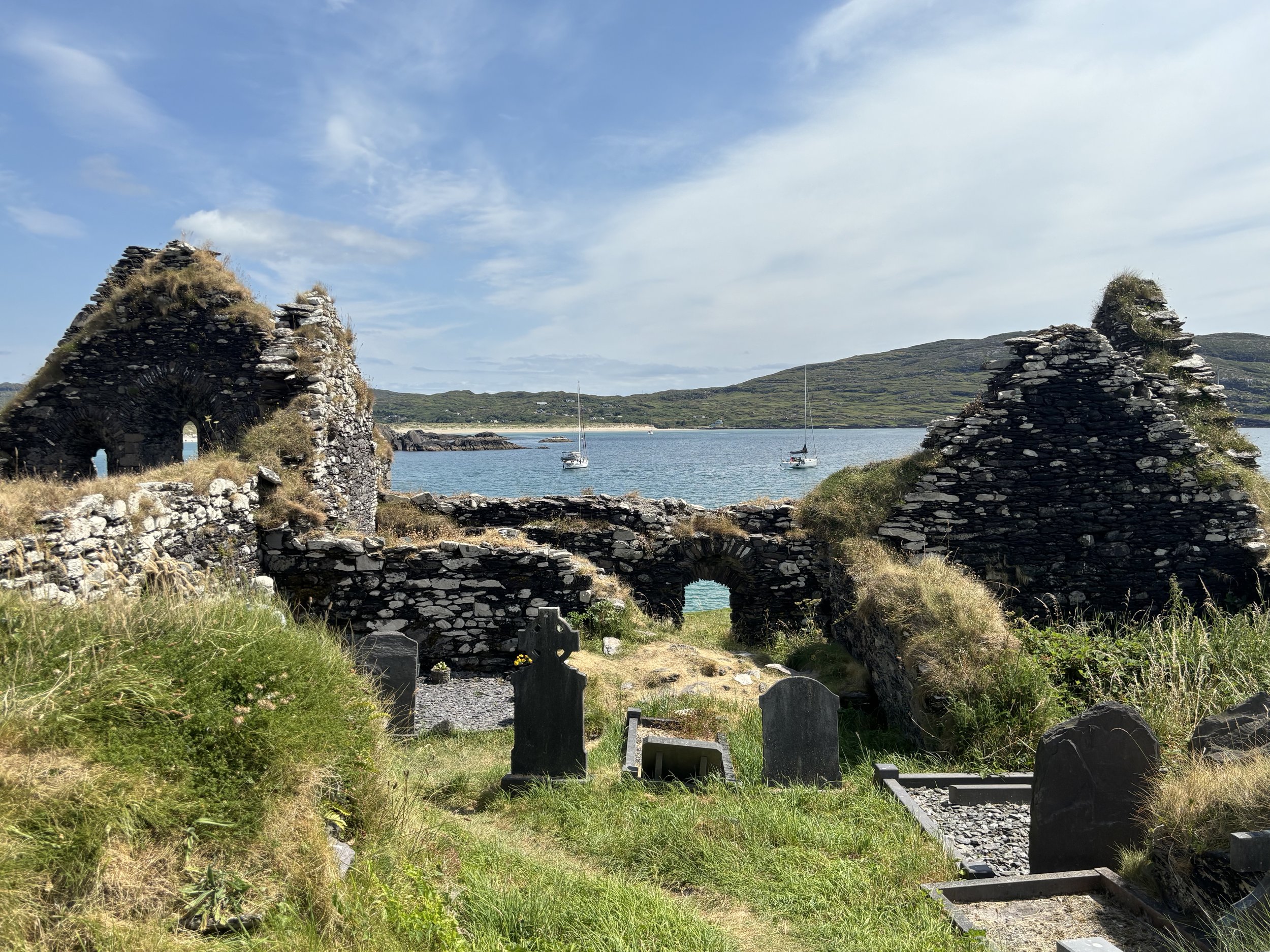
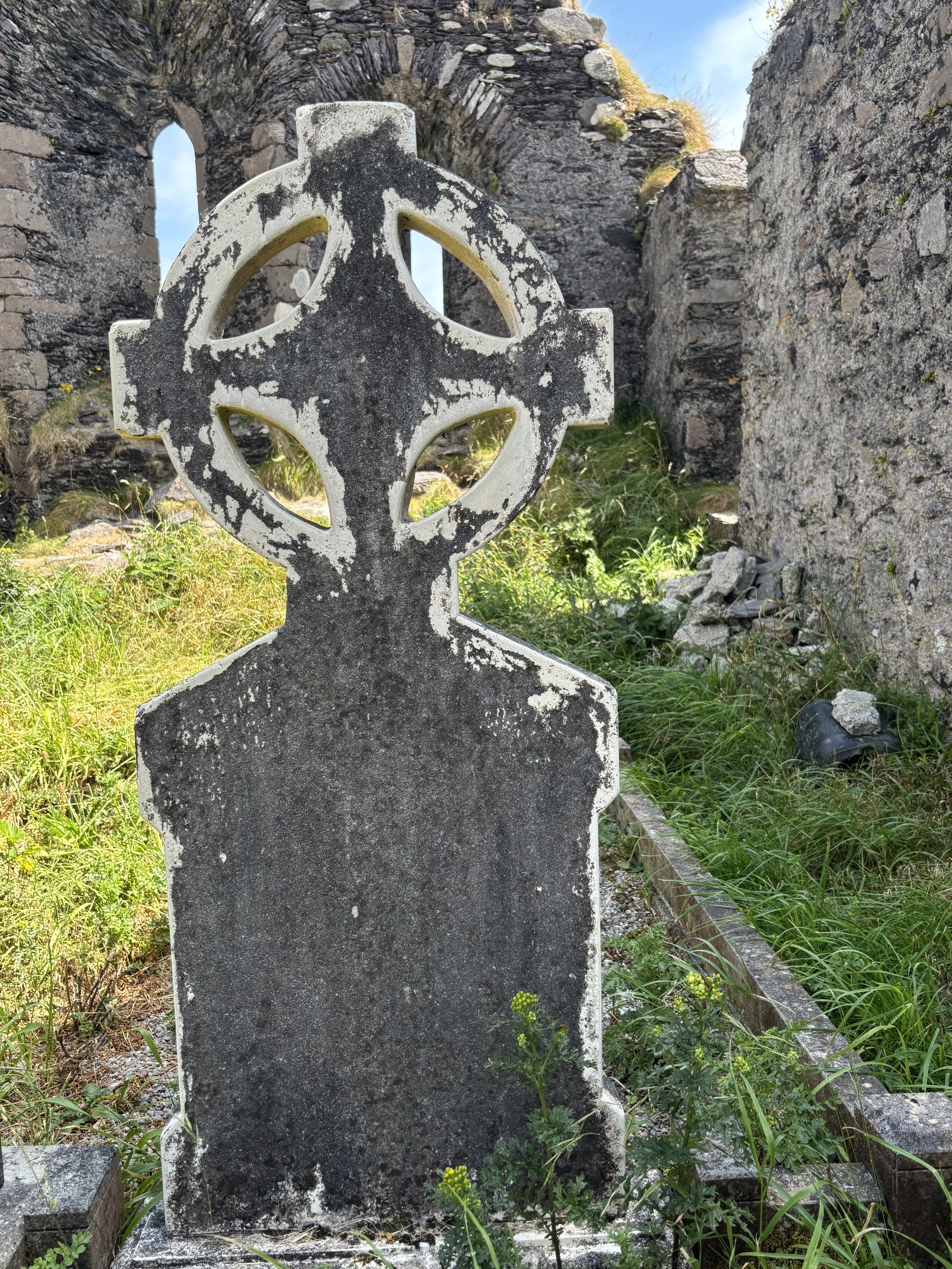
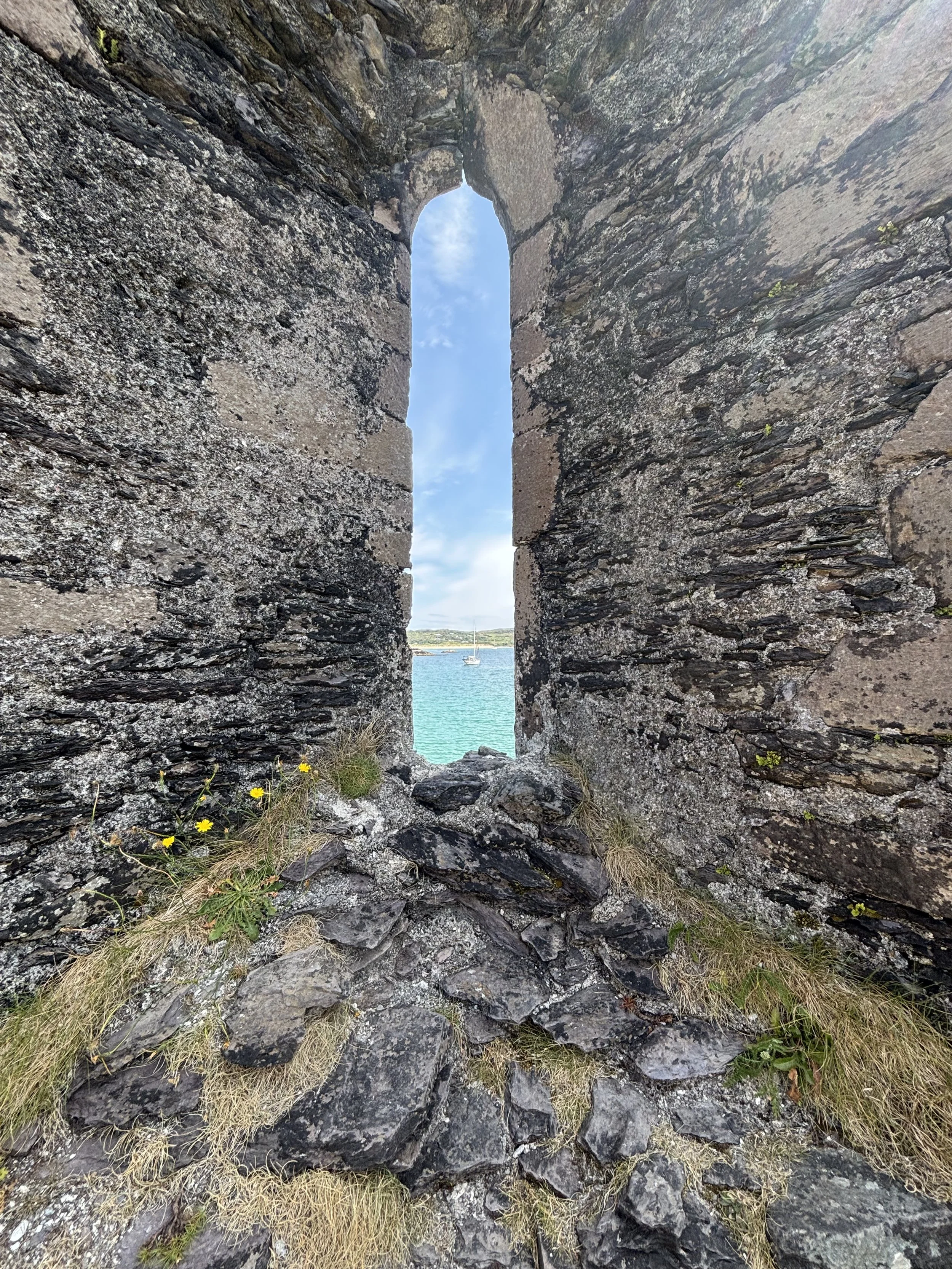
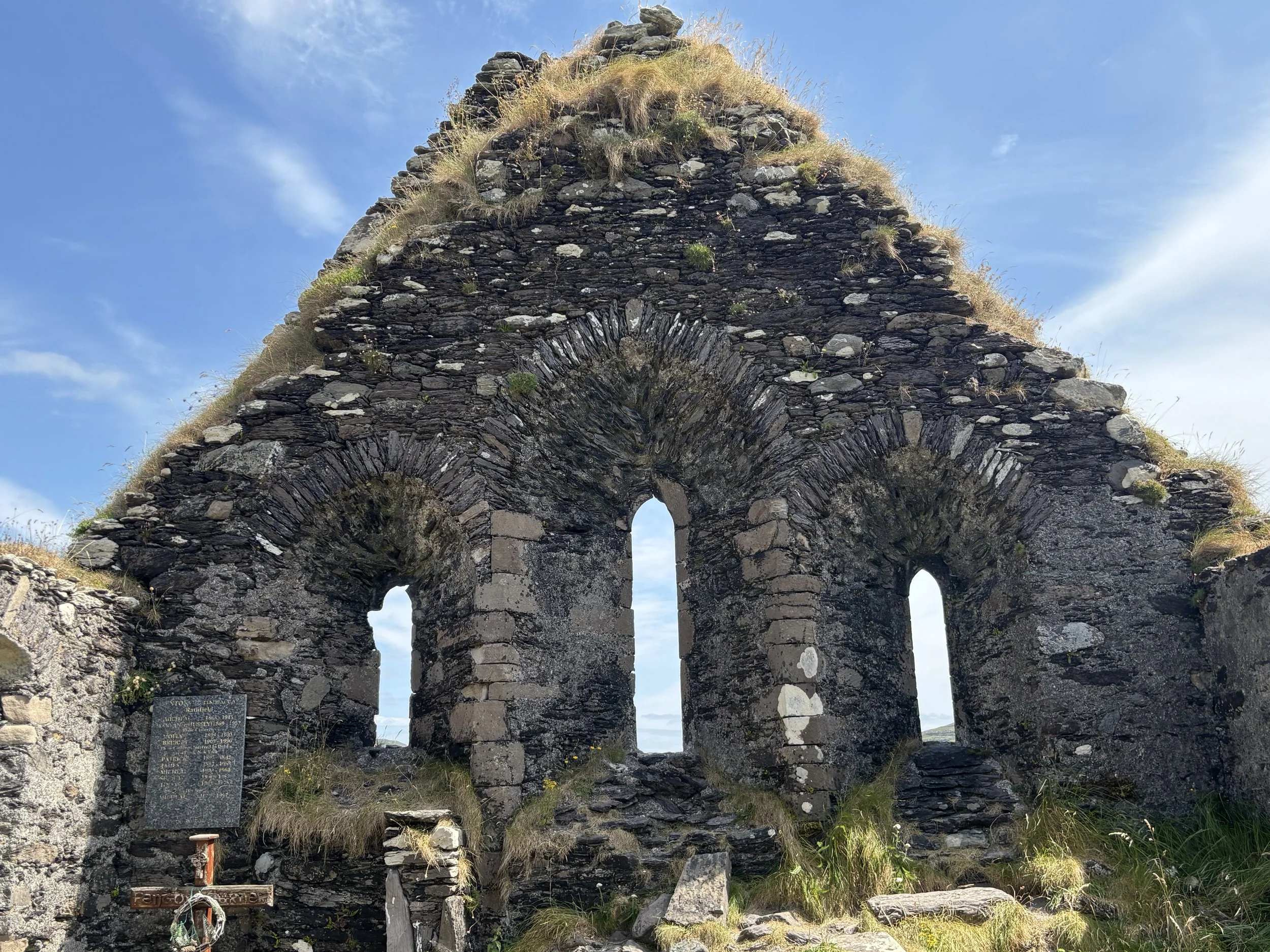
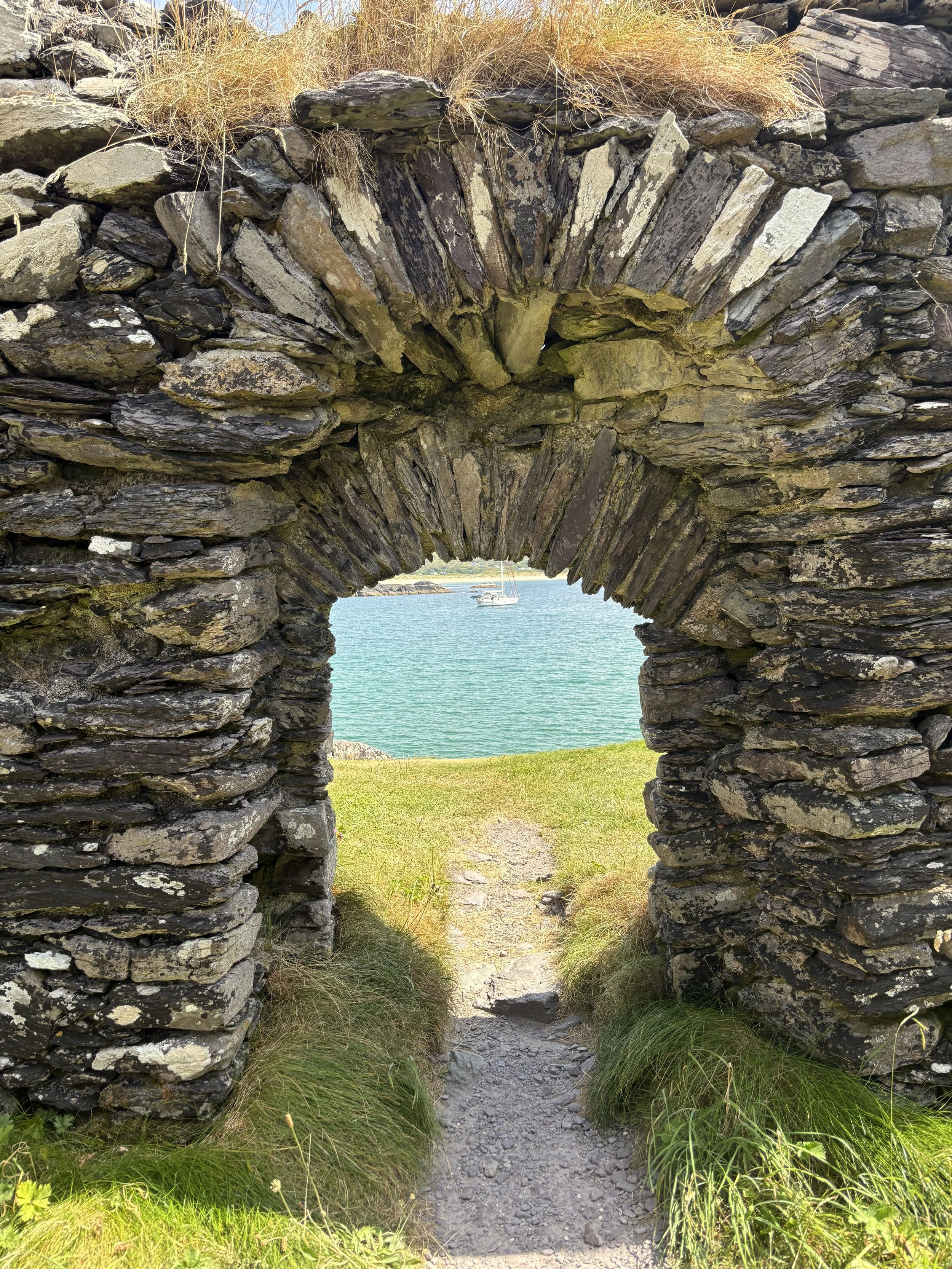
Derrynane was incredibly quaint. We anchored just off the ruins of Derrynane Abbey, believed to have been built in the 6th century. Having grown up in the States, which is still a fledgling nation by comparison, it’s surreal to be among these ancient ruins and ponder the people who walked here before me. I’m hoping to write more about what it’s been like over at WholeHearted Project in the coming weeks or months, but for now, I am just lingering with it.
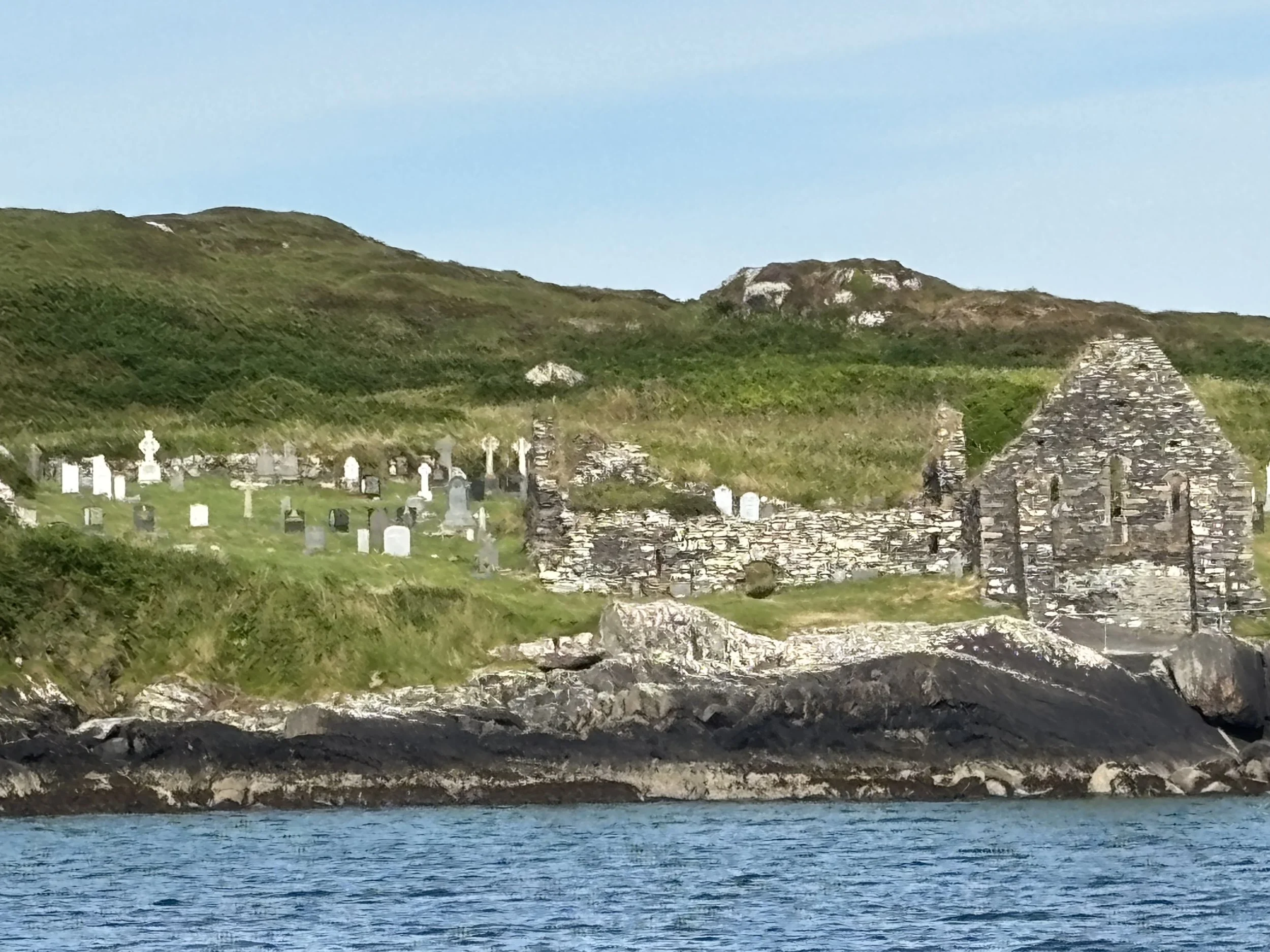
Derrynane Abbey ruins
While in Derrynane, we enjoyed a few hikes, spent time with our friends Helen and Brian from SV Helacious, and snorkeled an underwater nature trail. Even with my shorty wetsuit, the water was pretty cool. Though we didn’t see any fish, we enjoyed the unique marine flora and kelp forests.
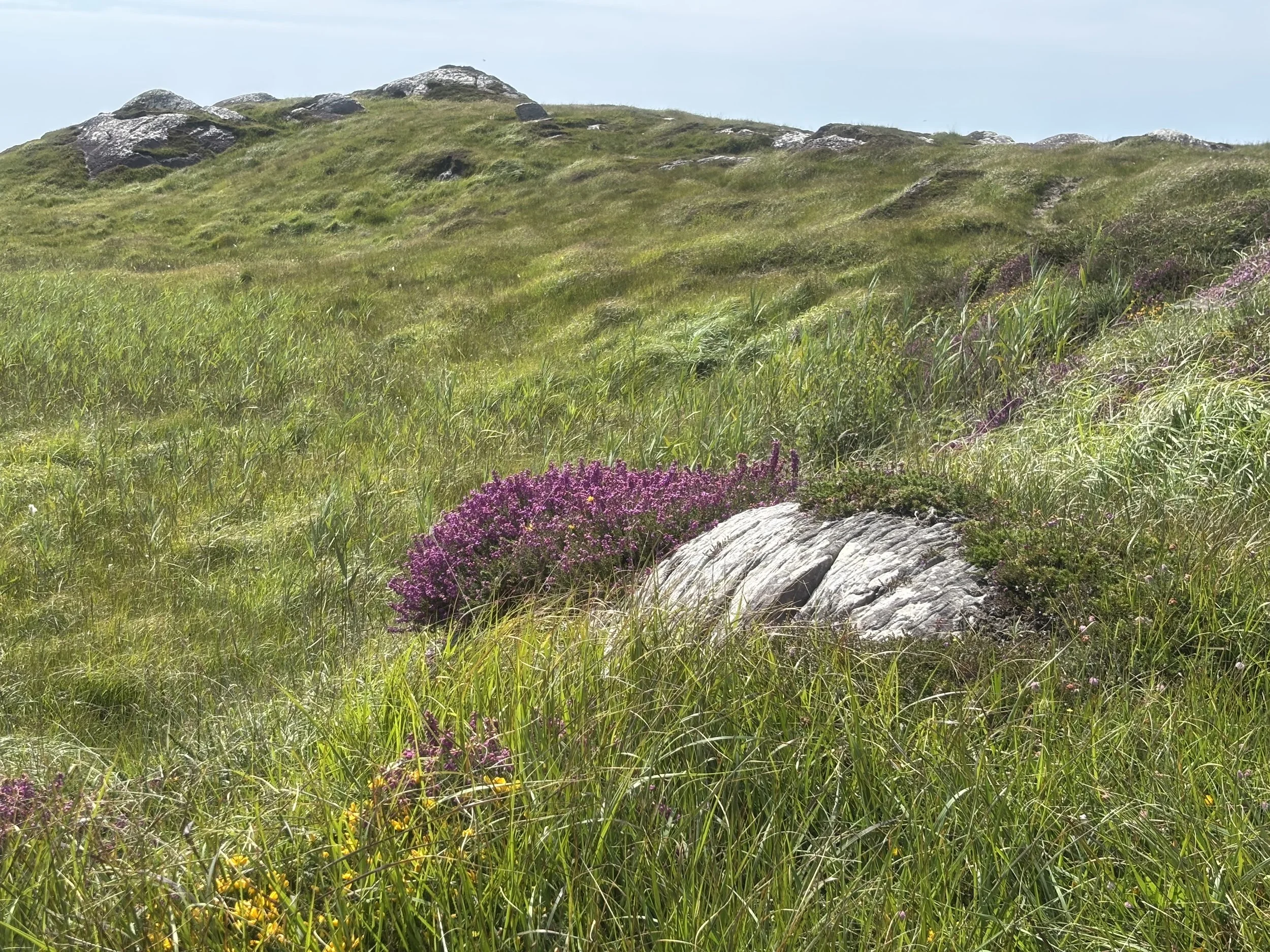
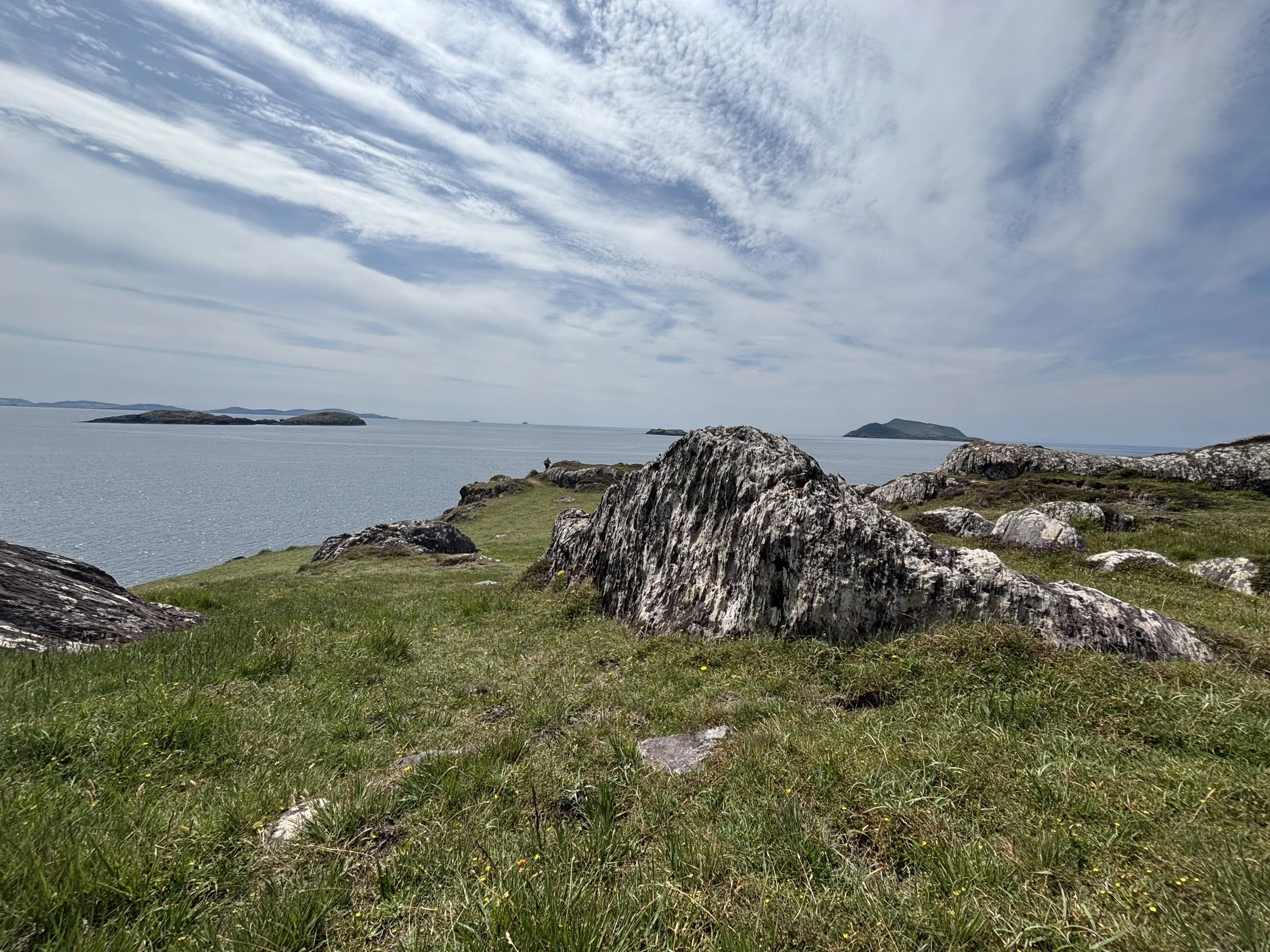
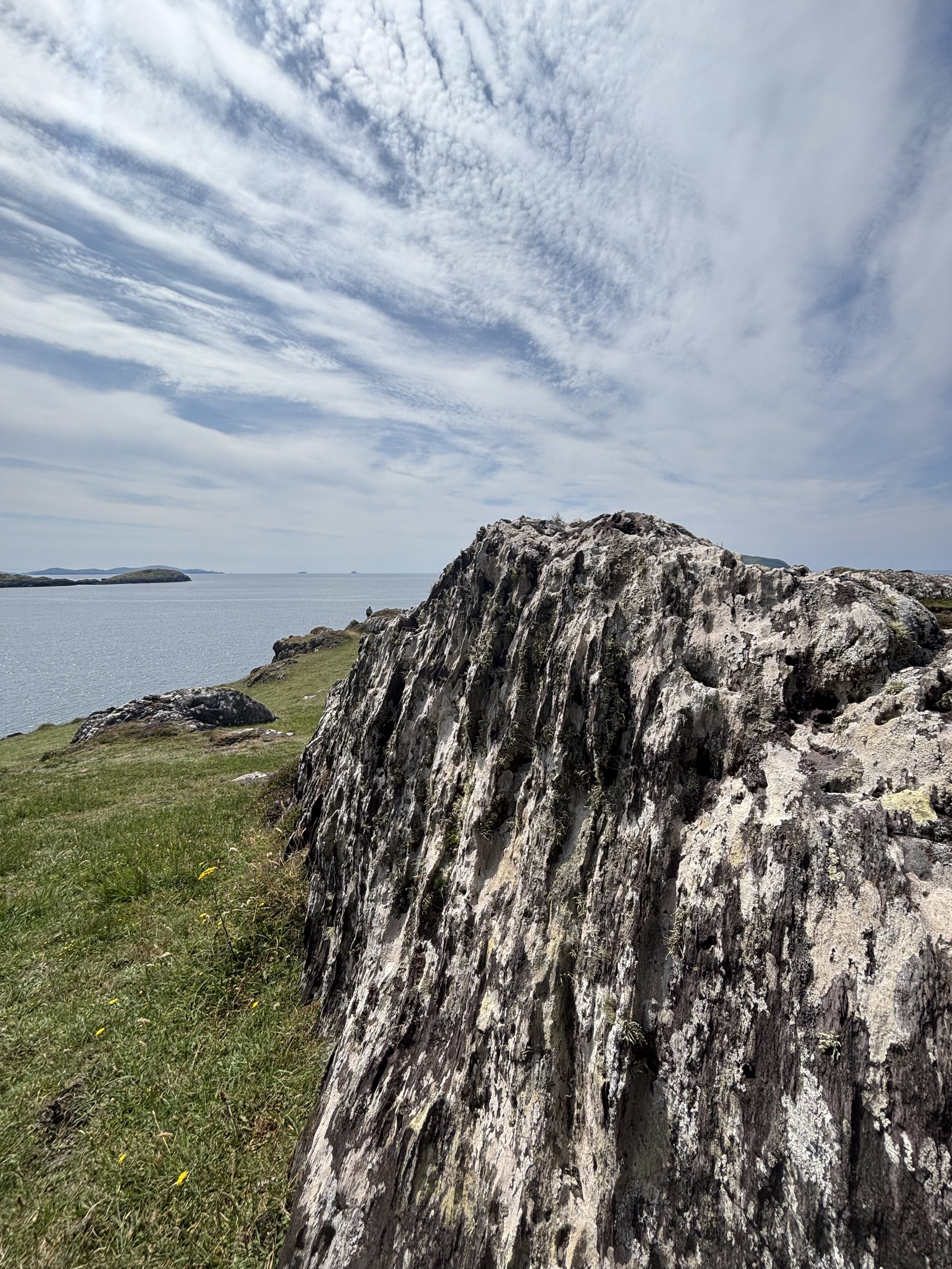
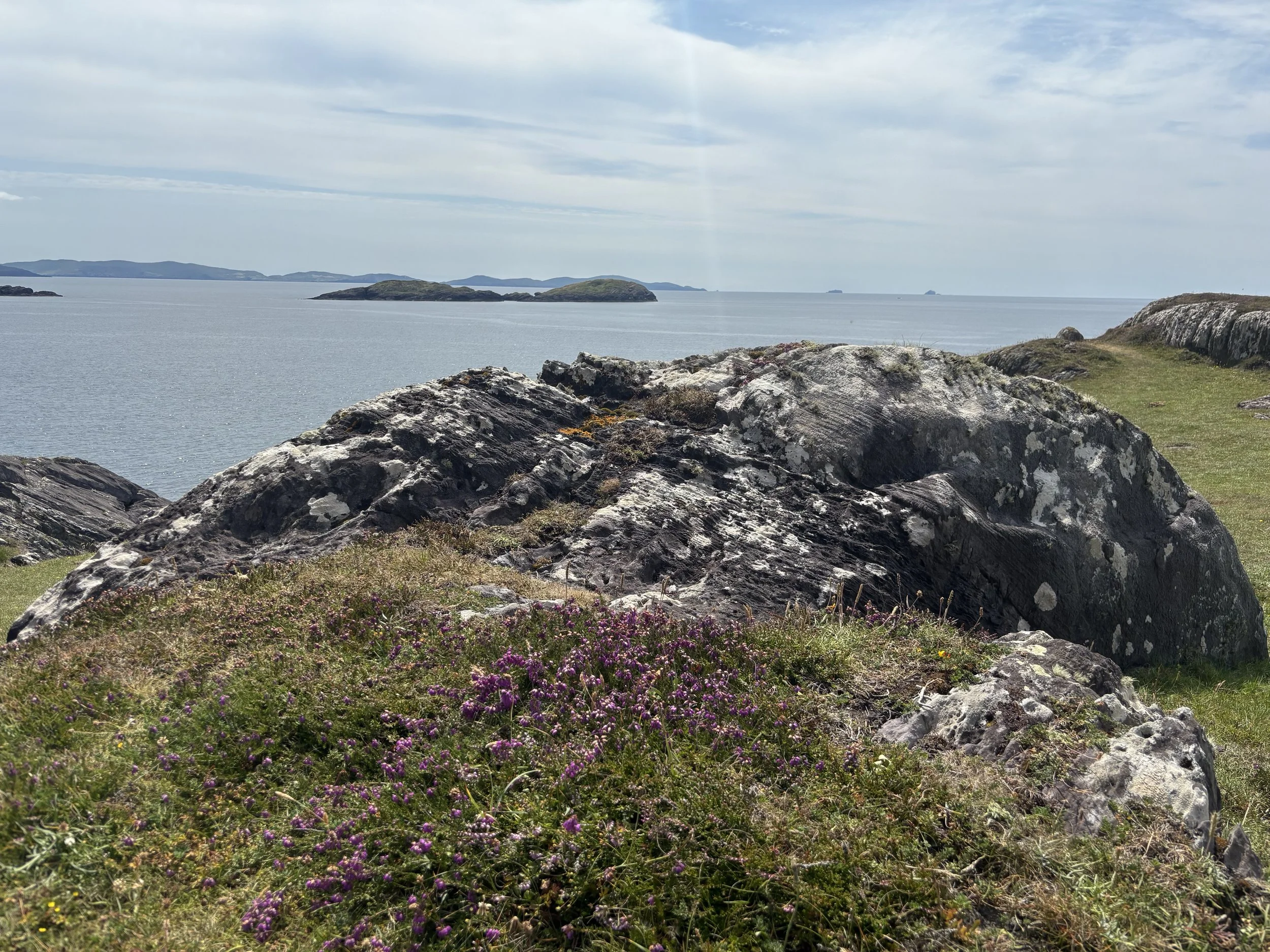
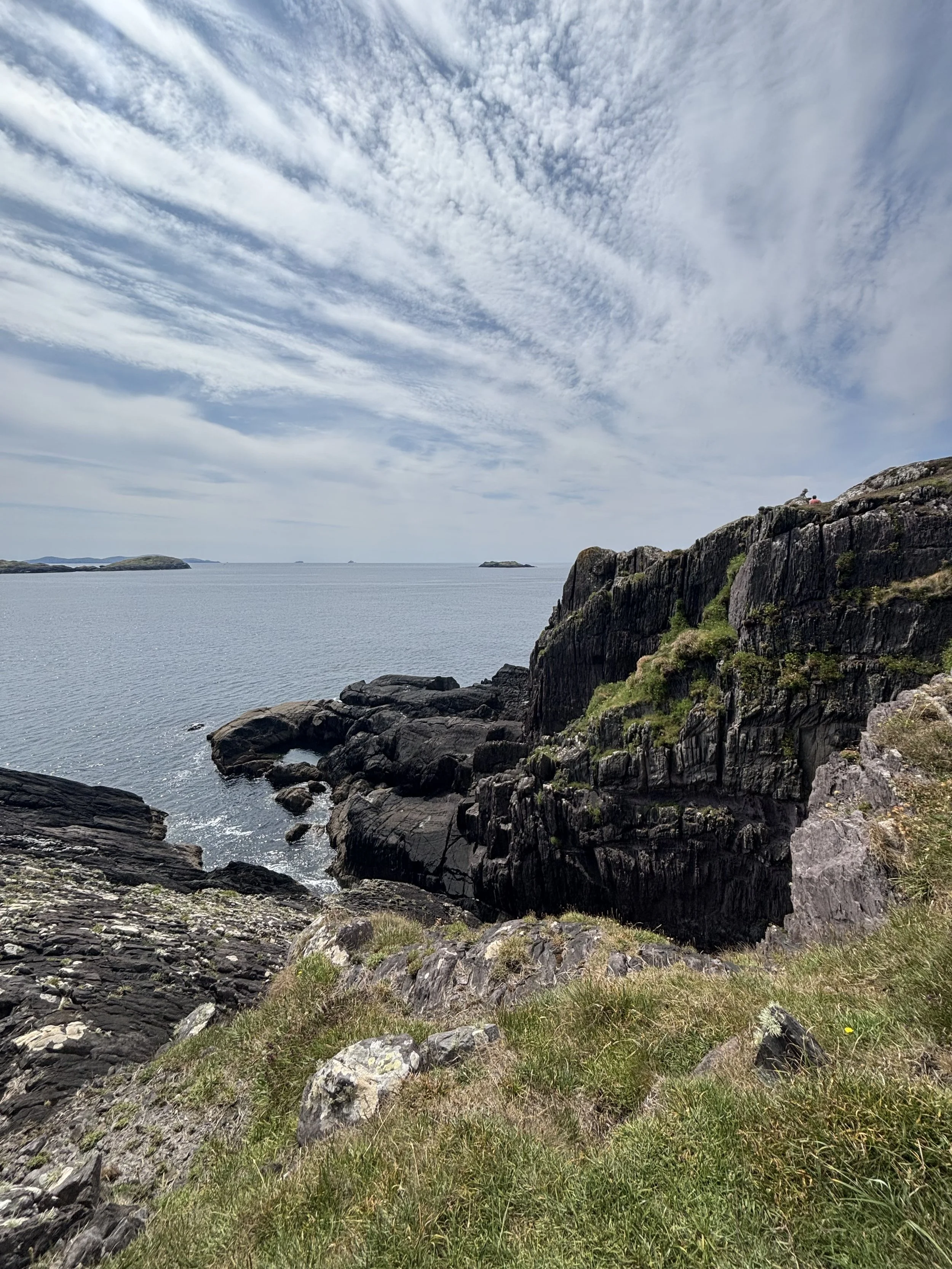
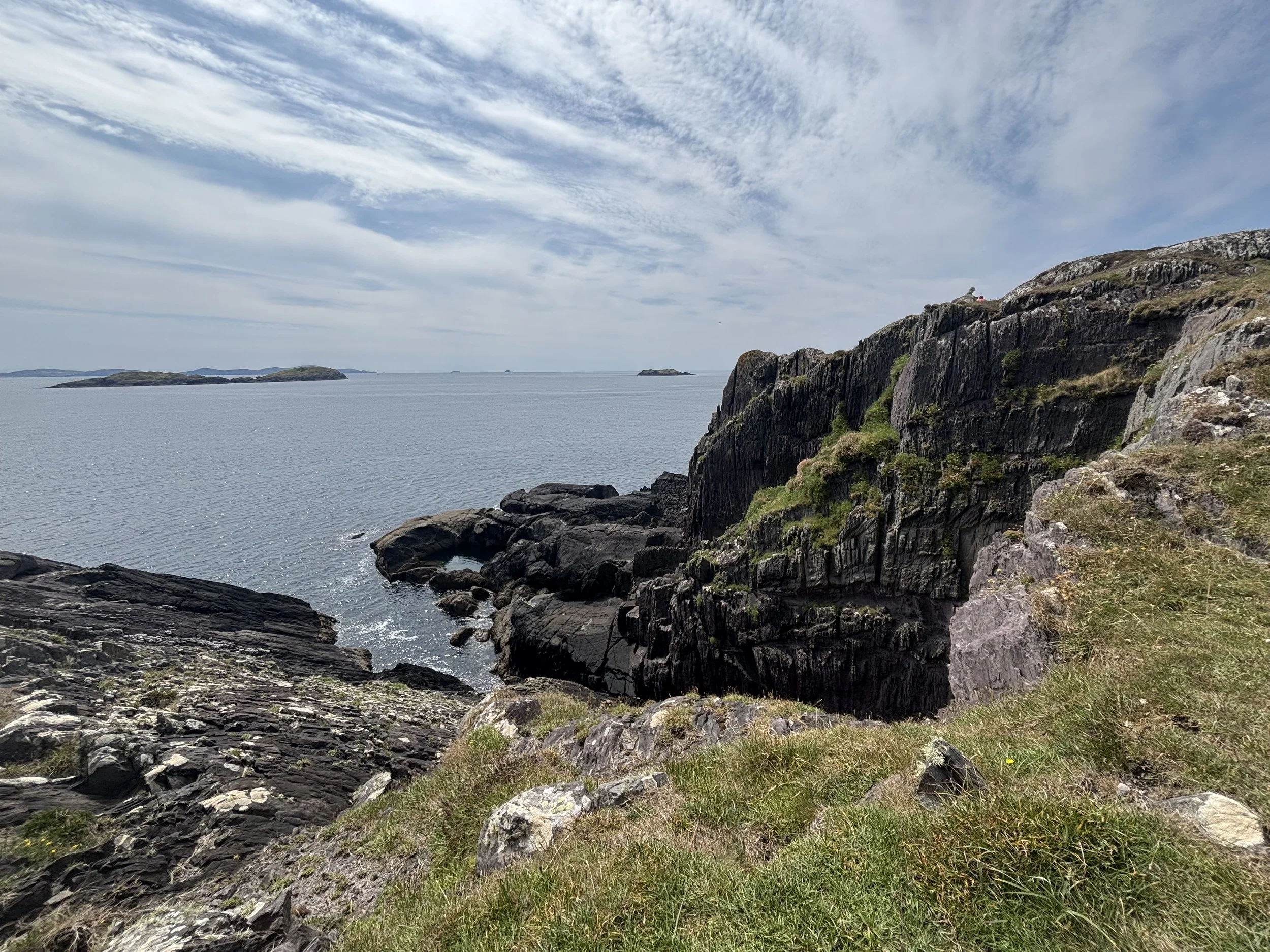
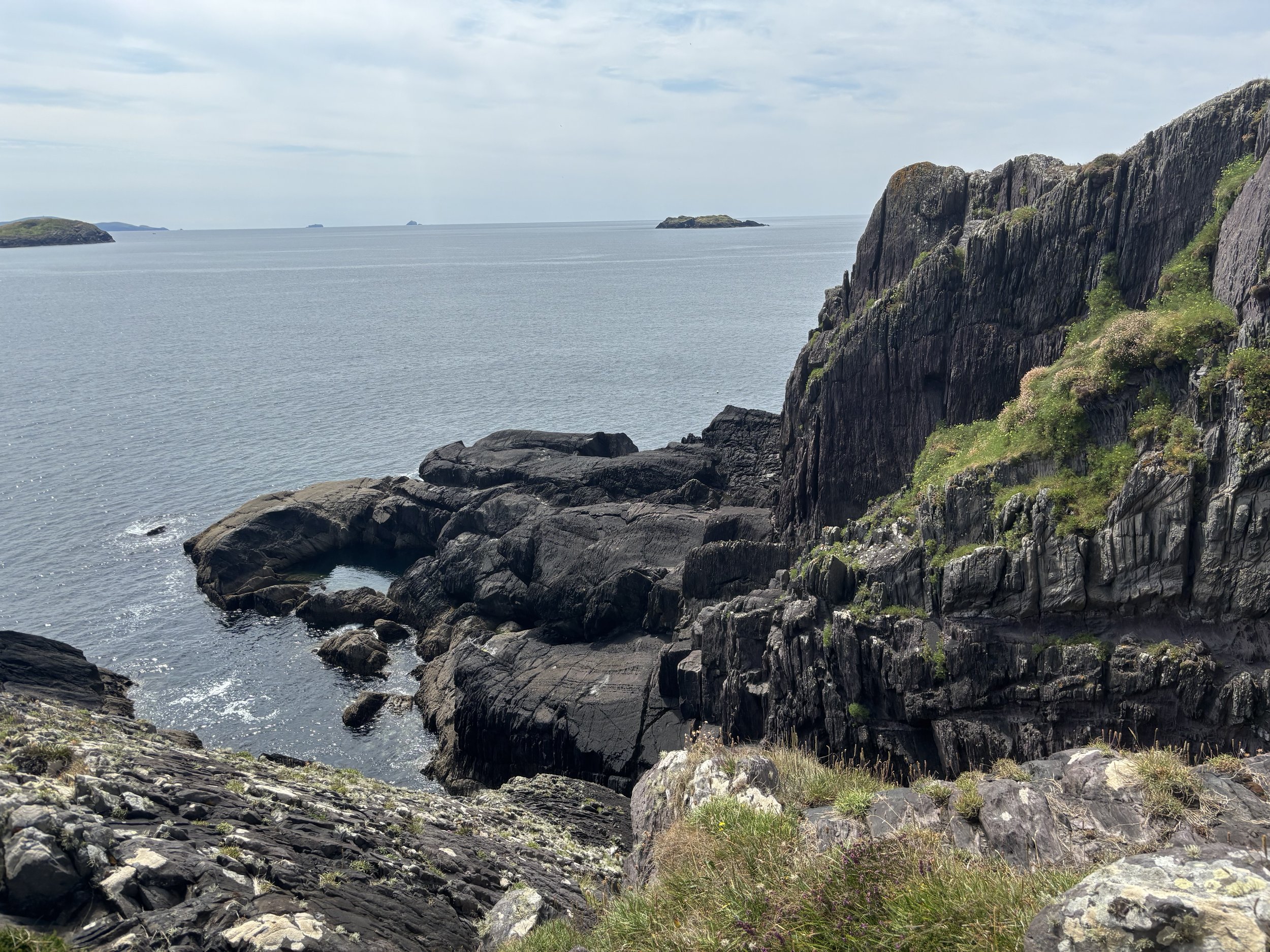
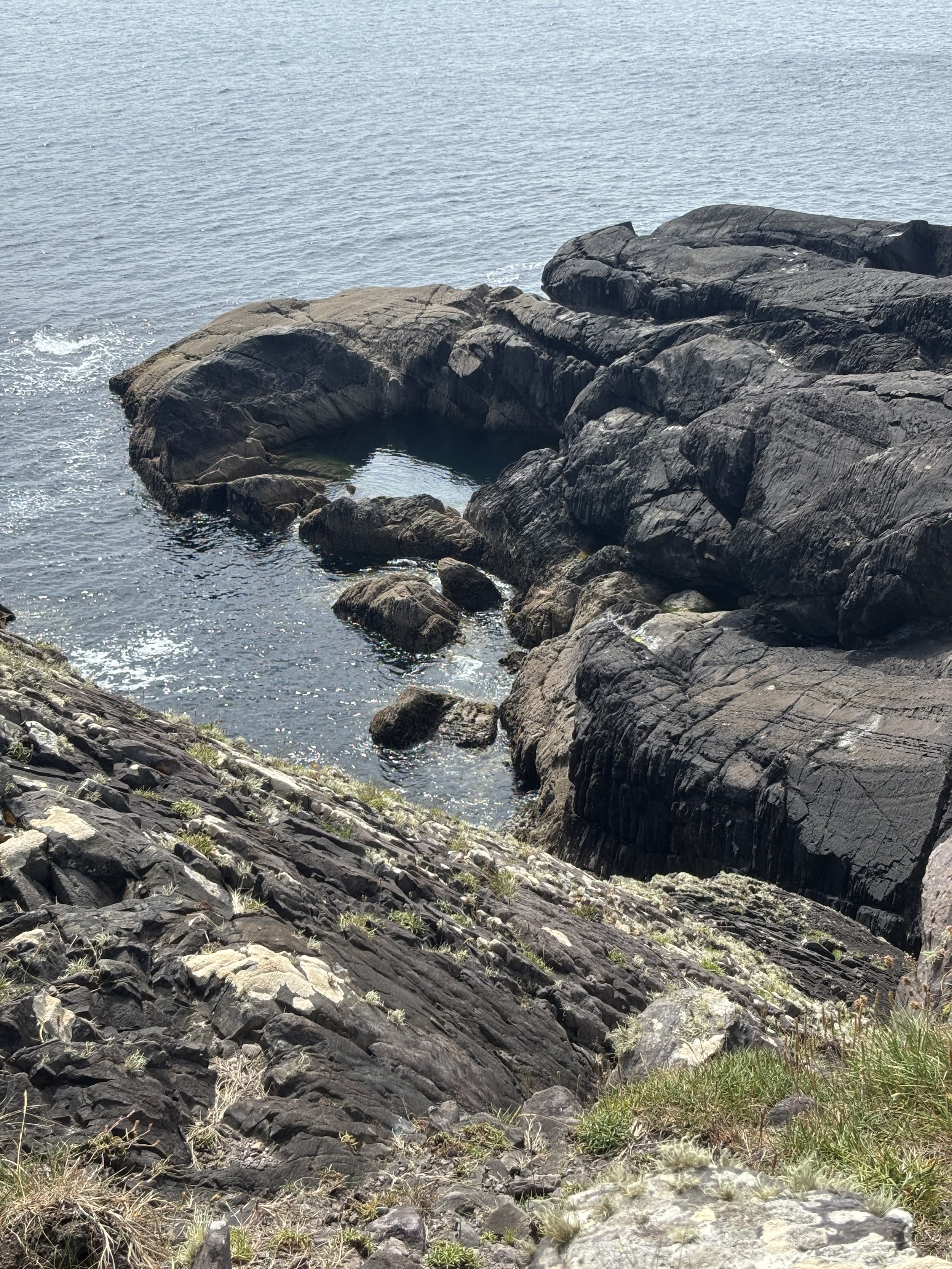
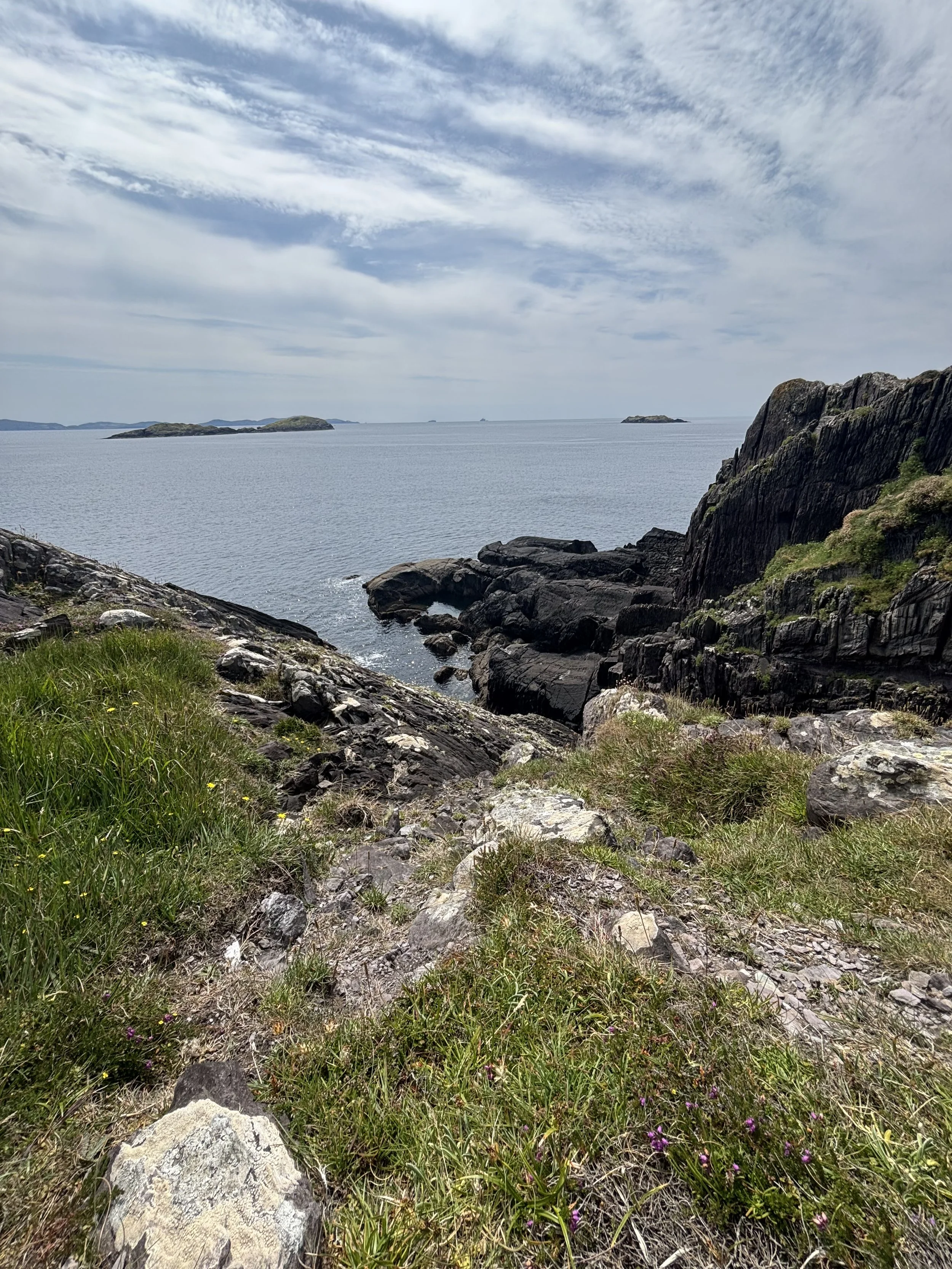
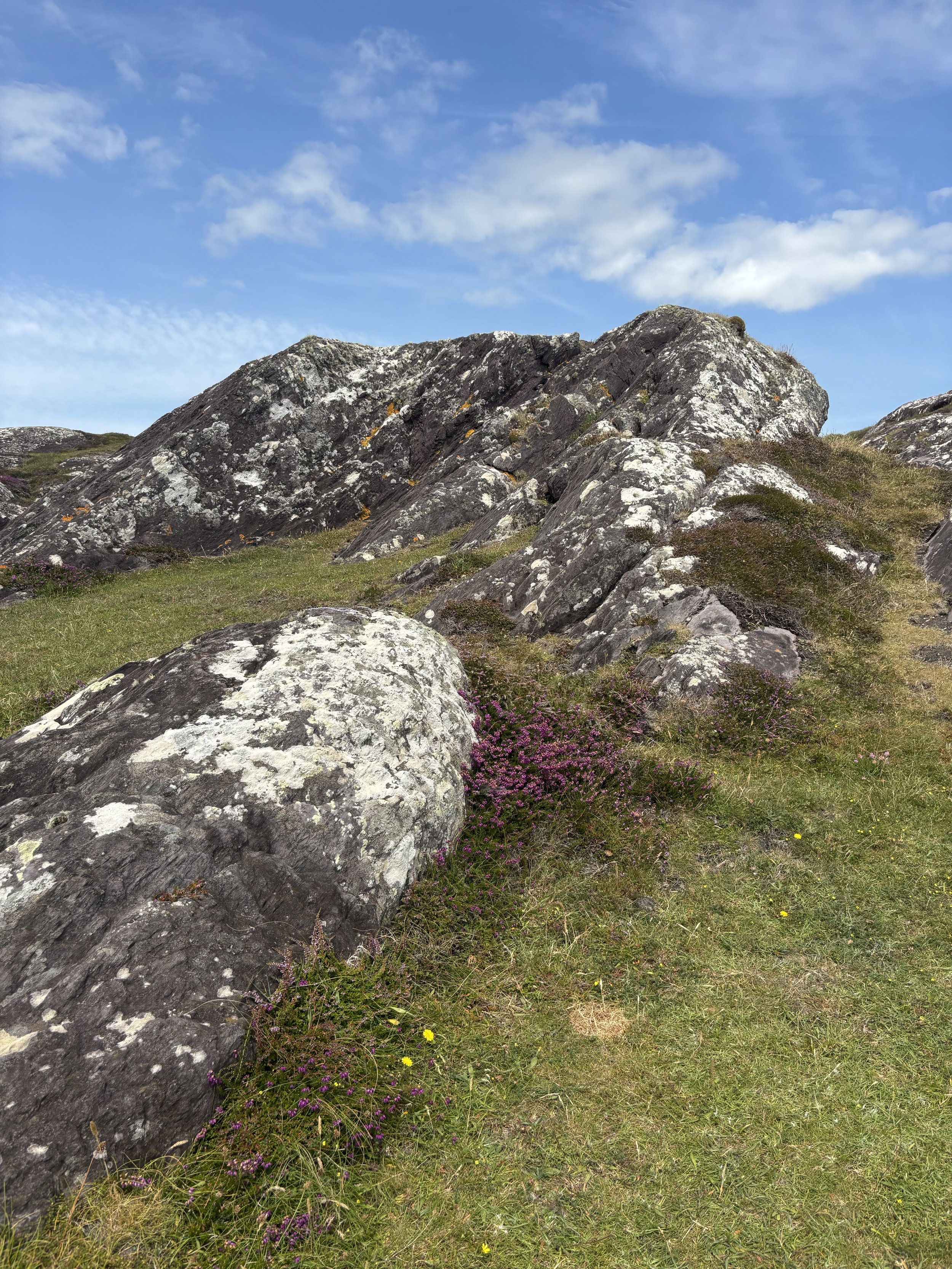
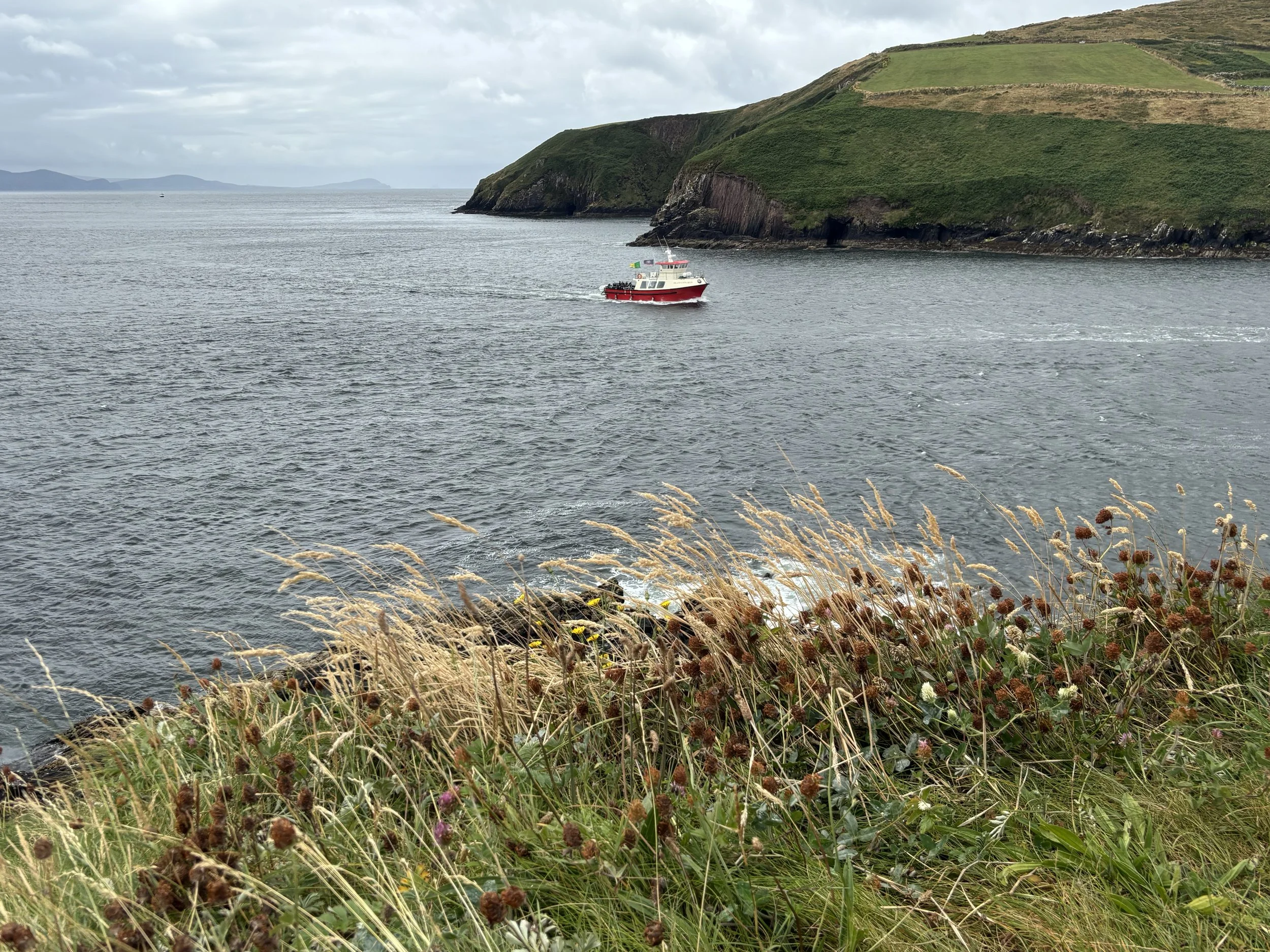
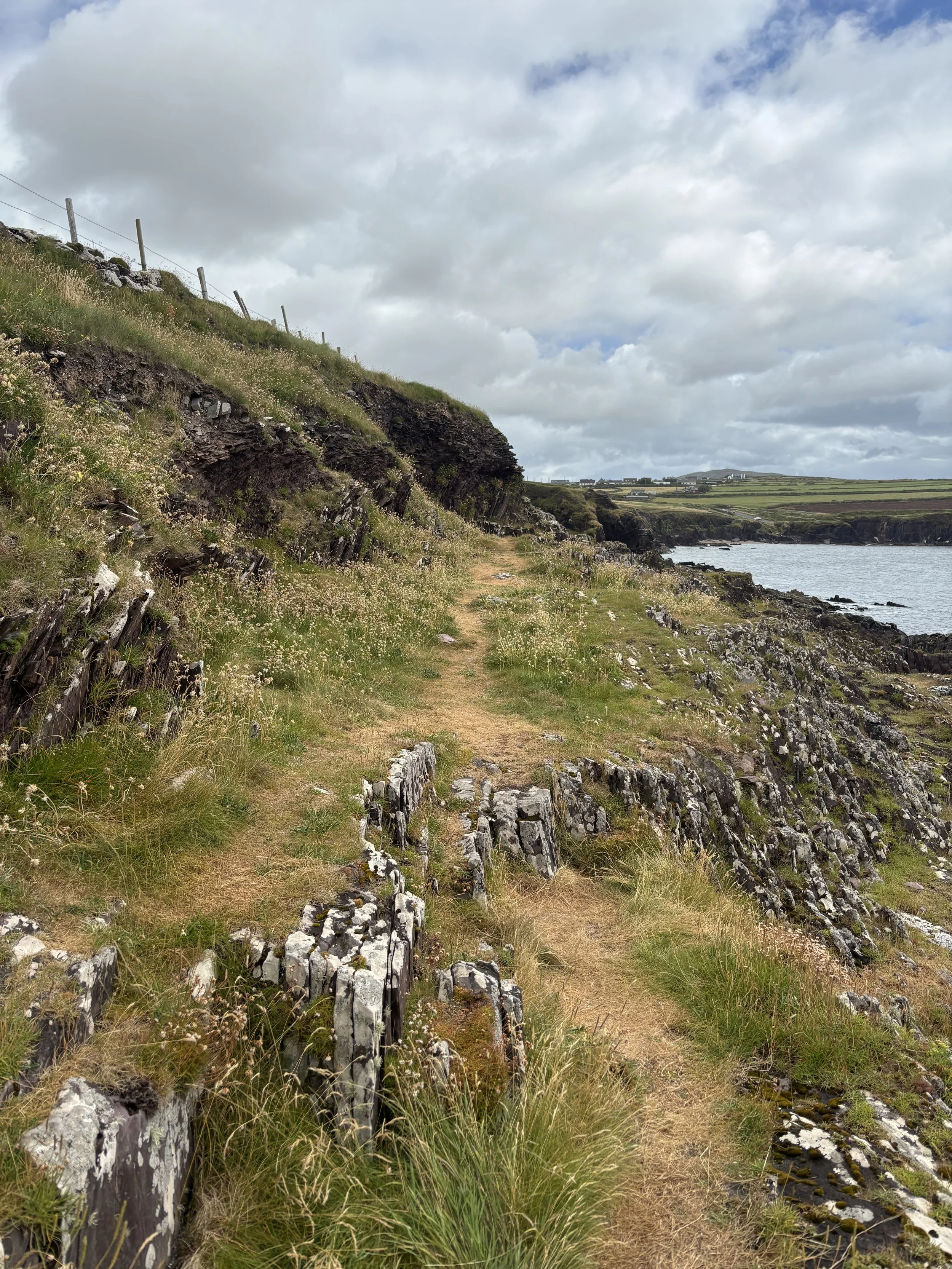
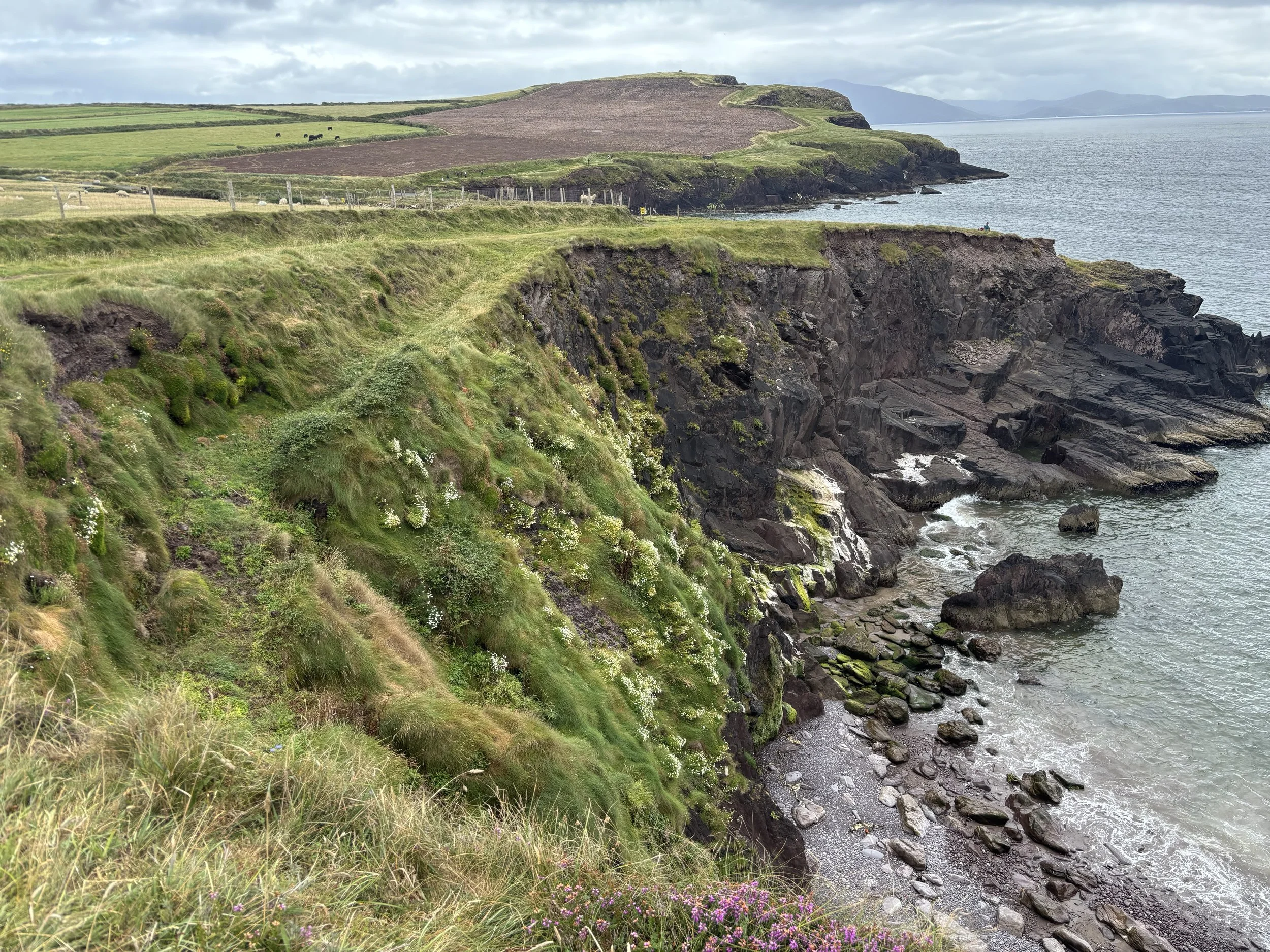
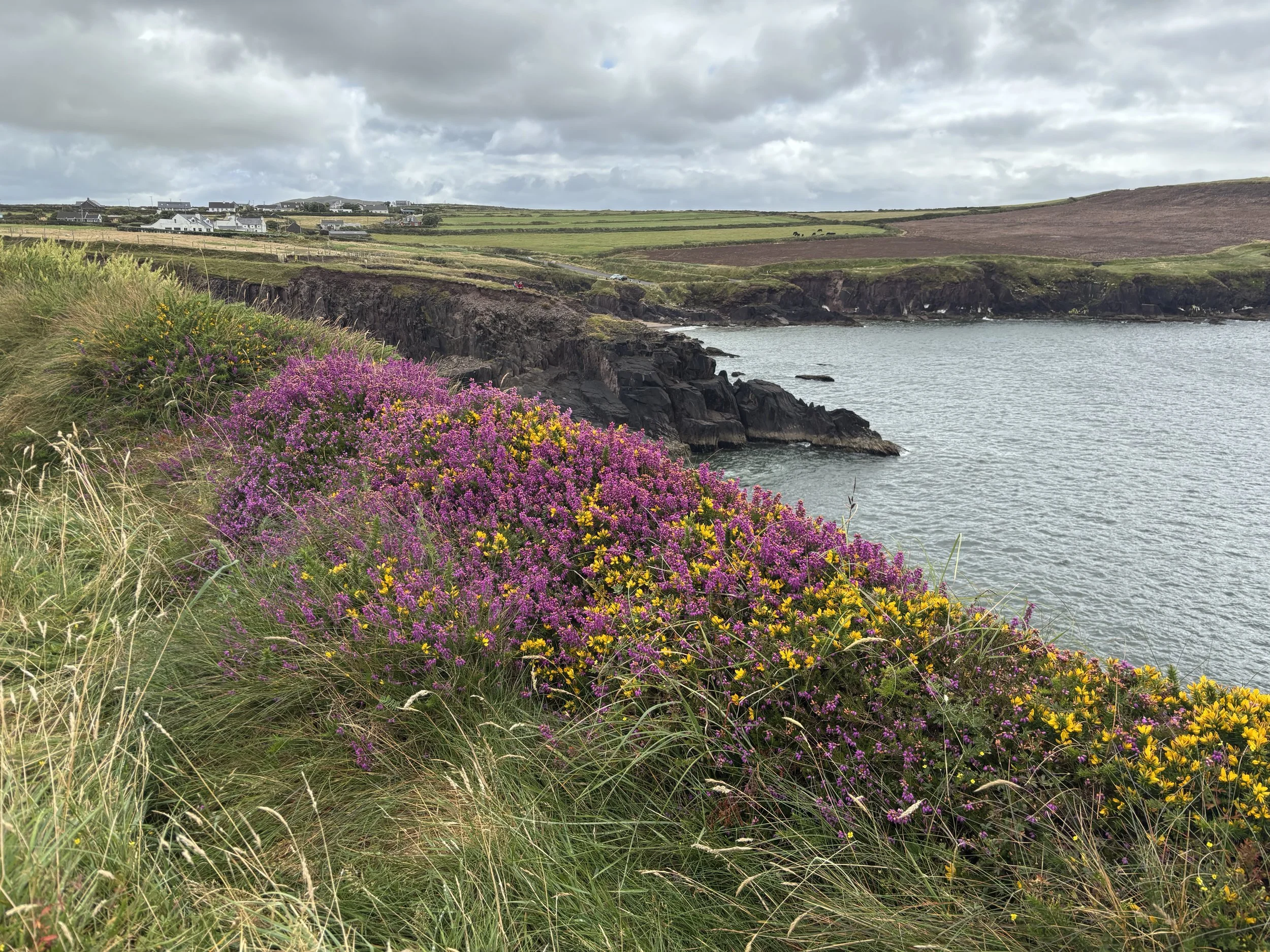
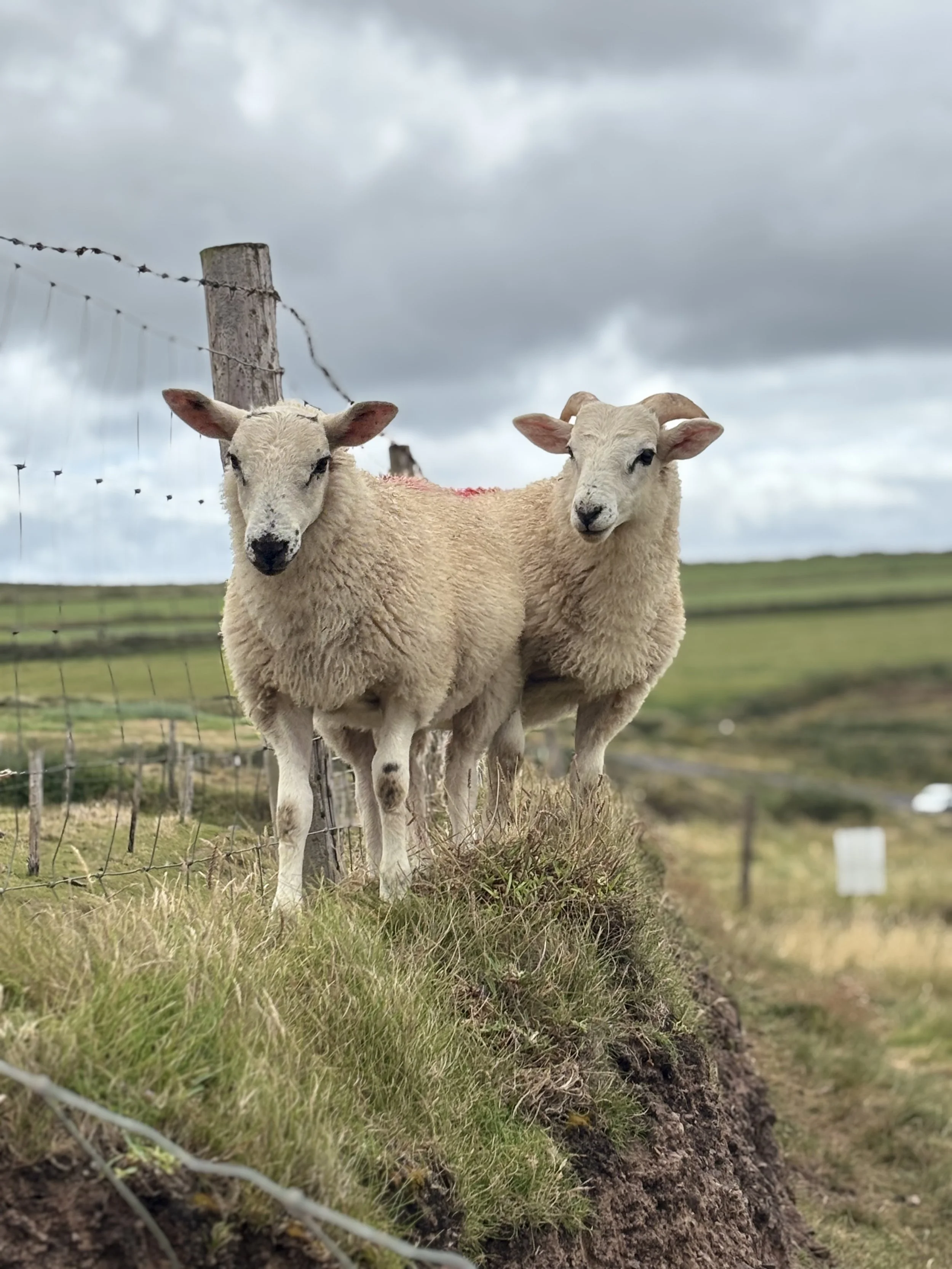
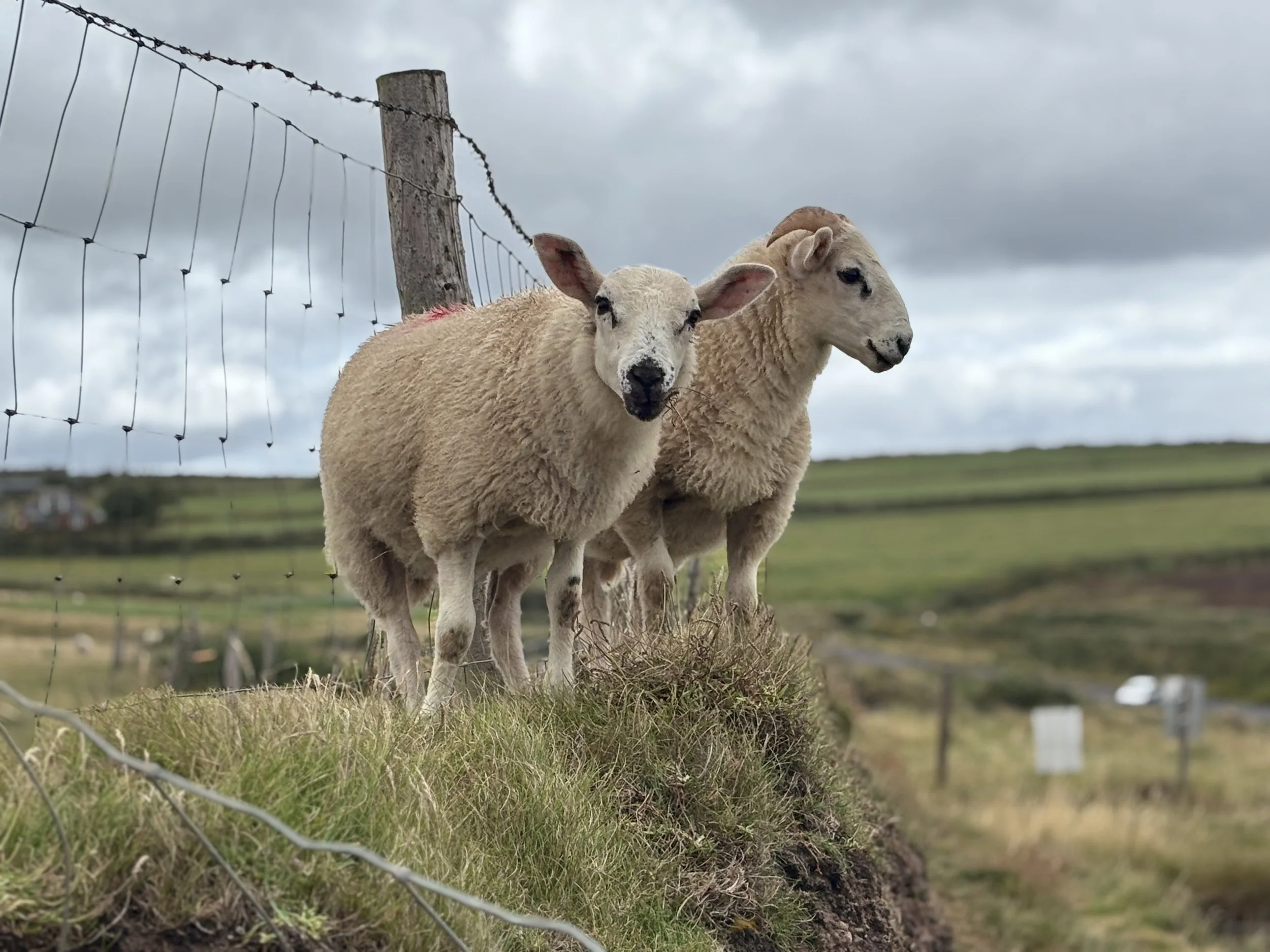
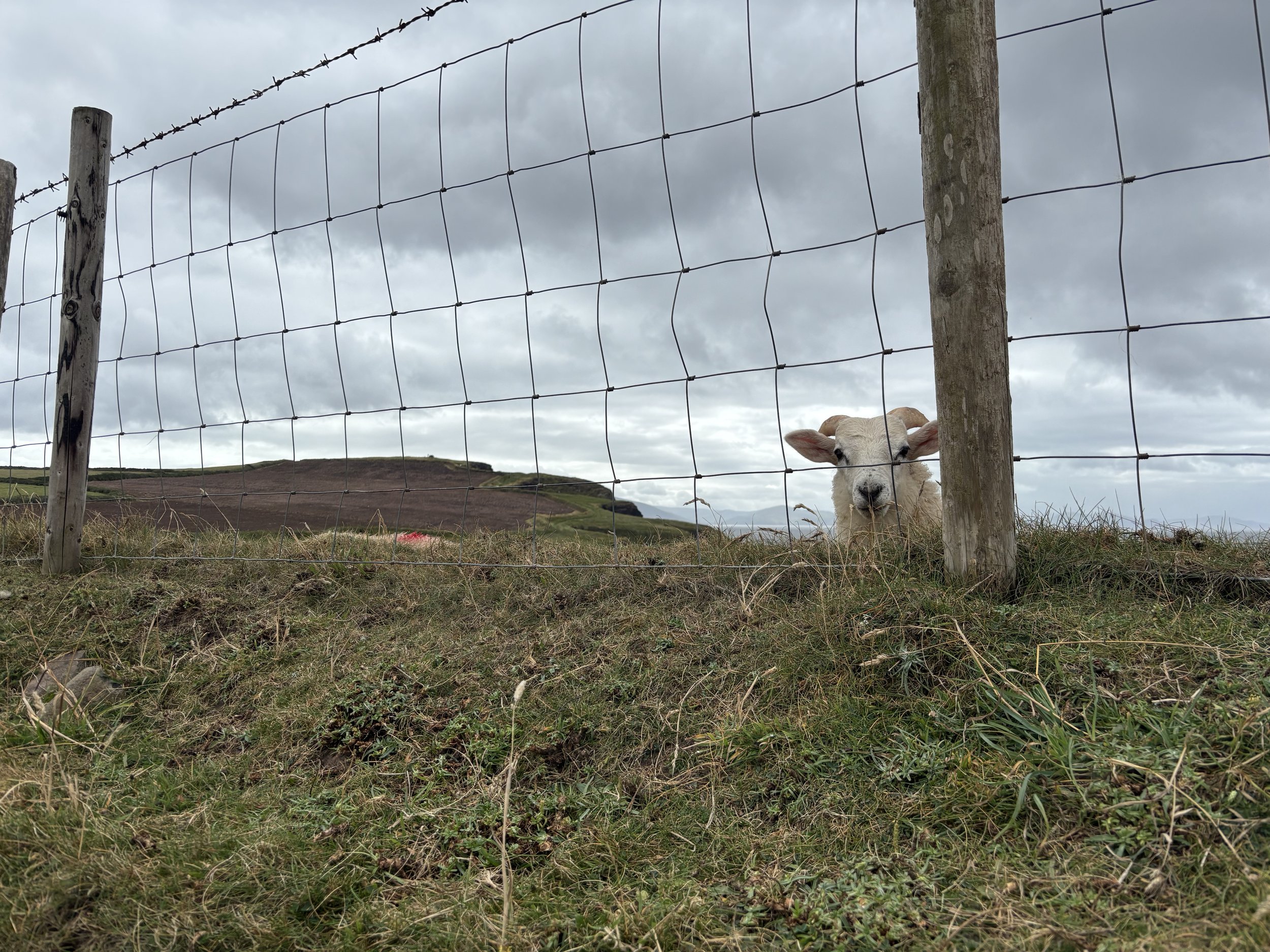
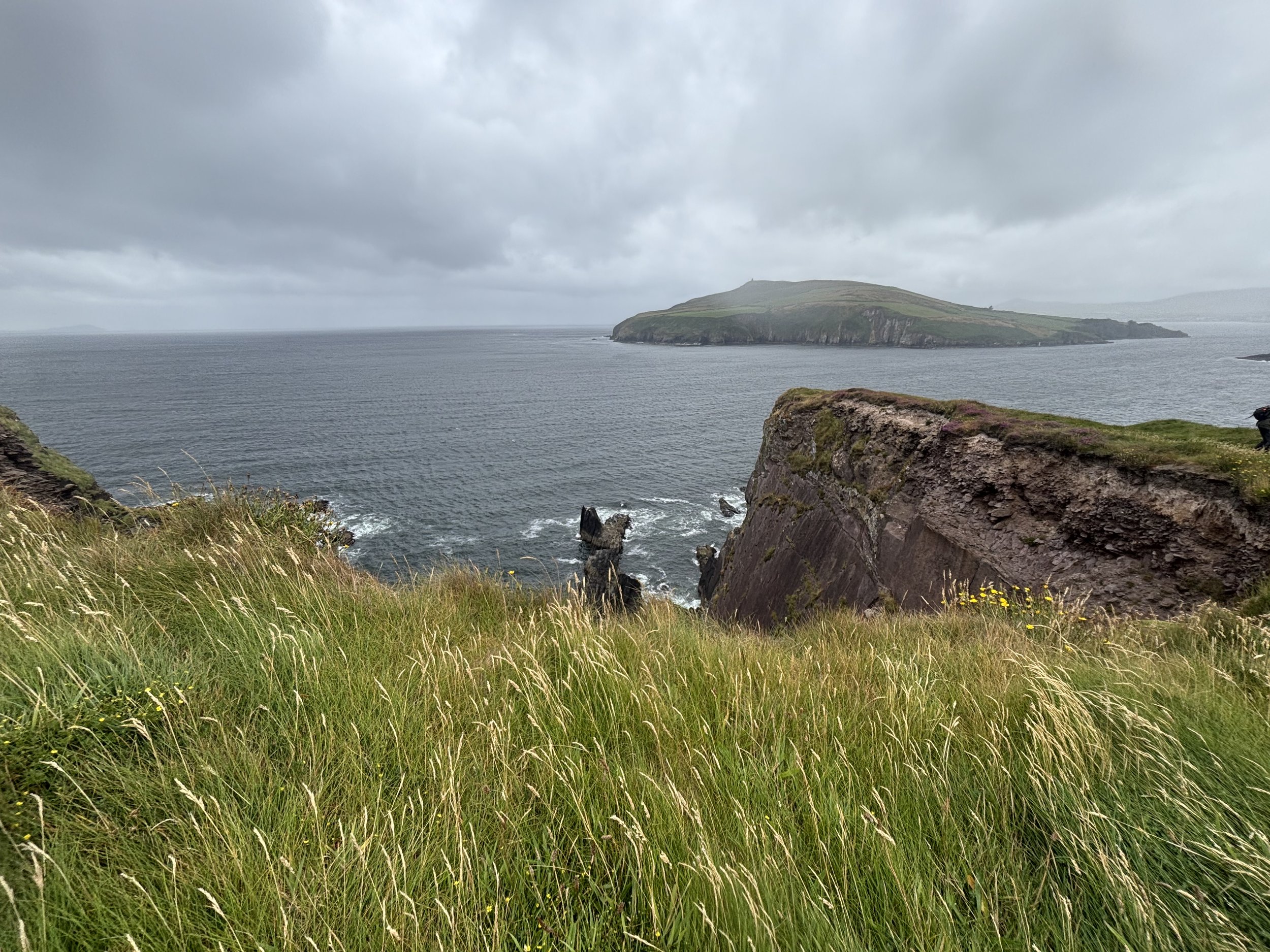
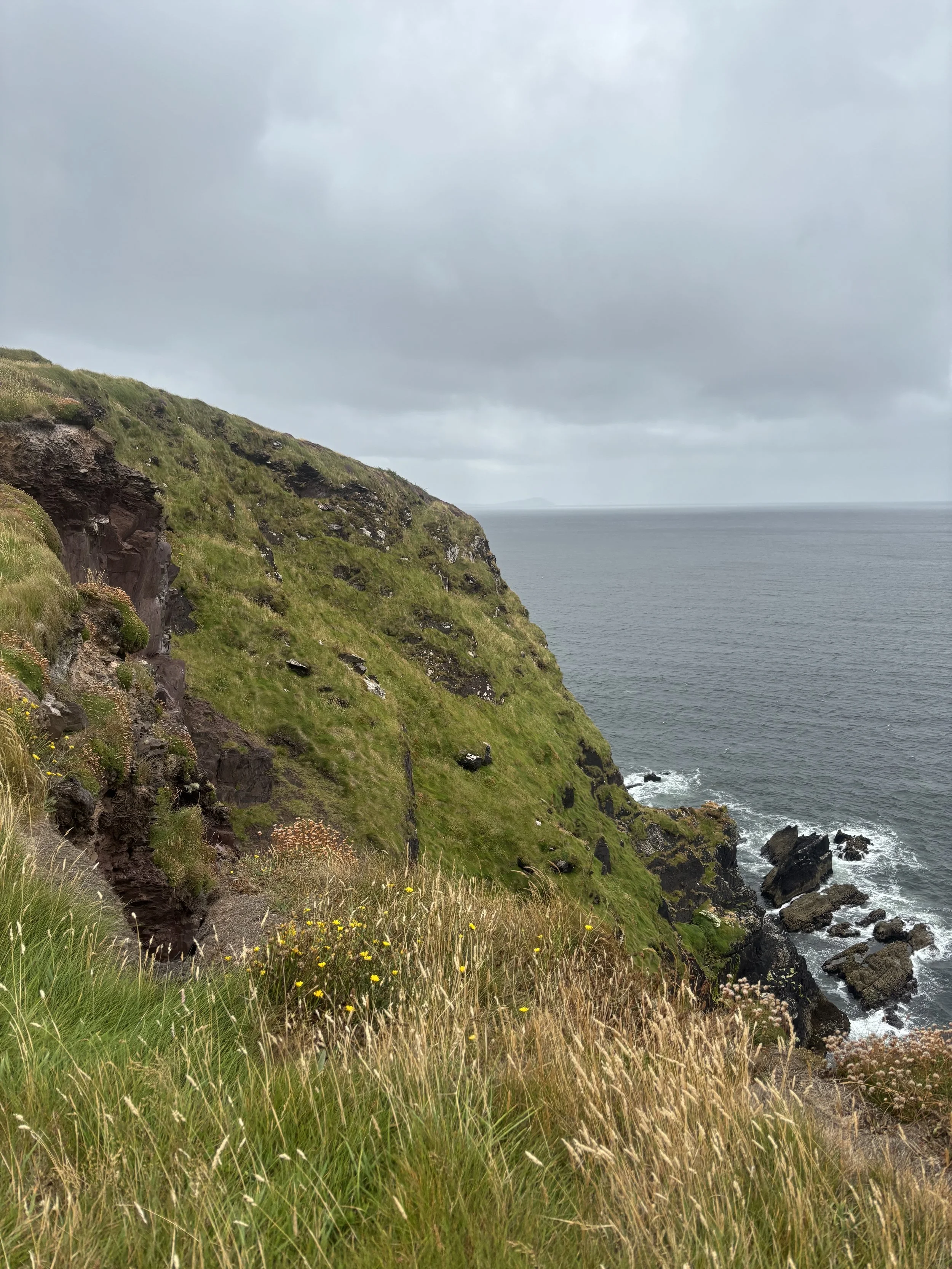
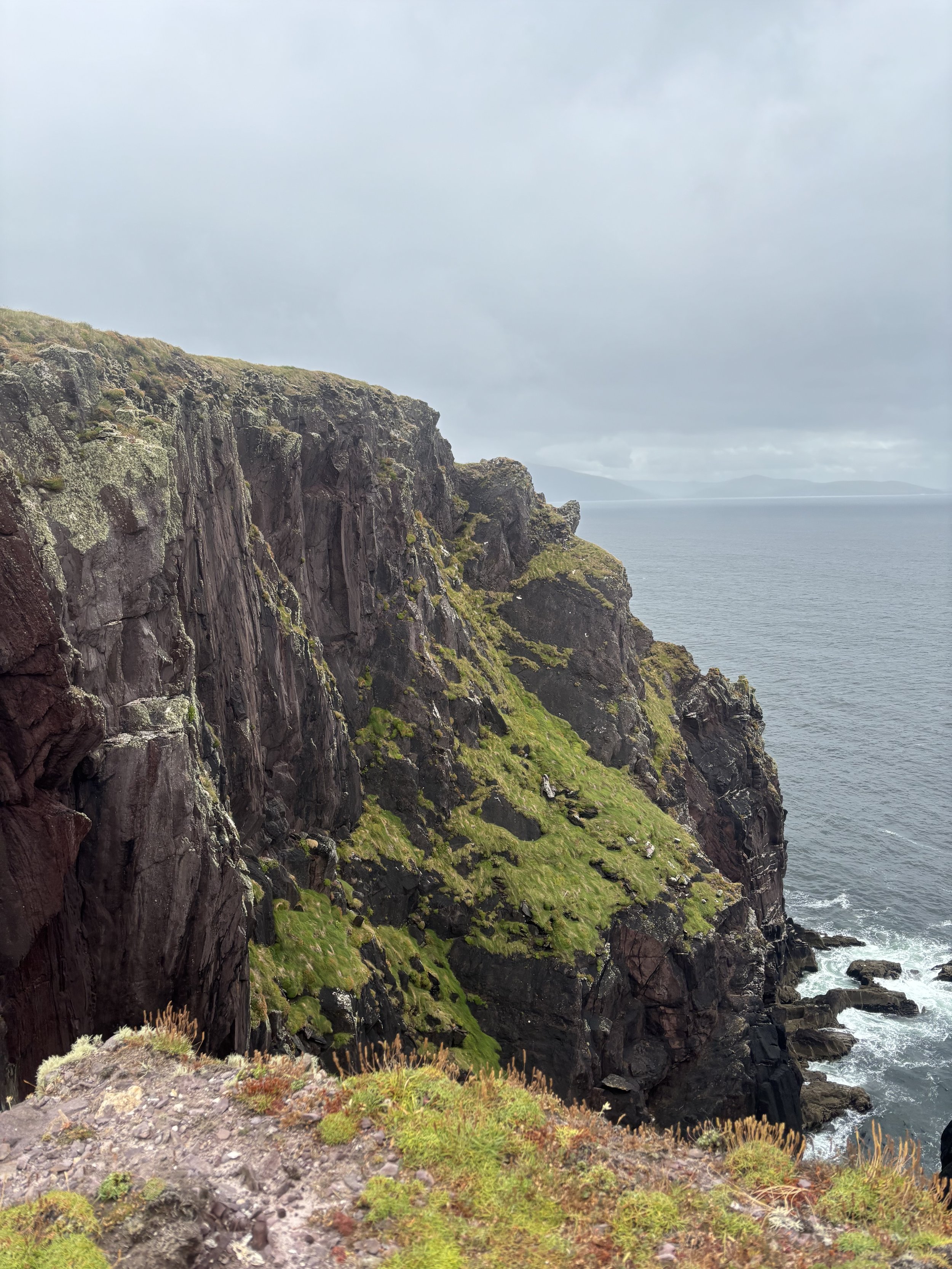
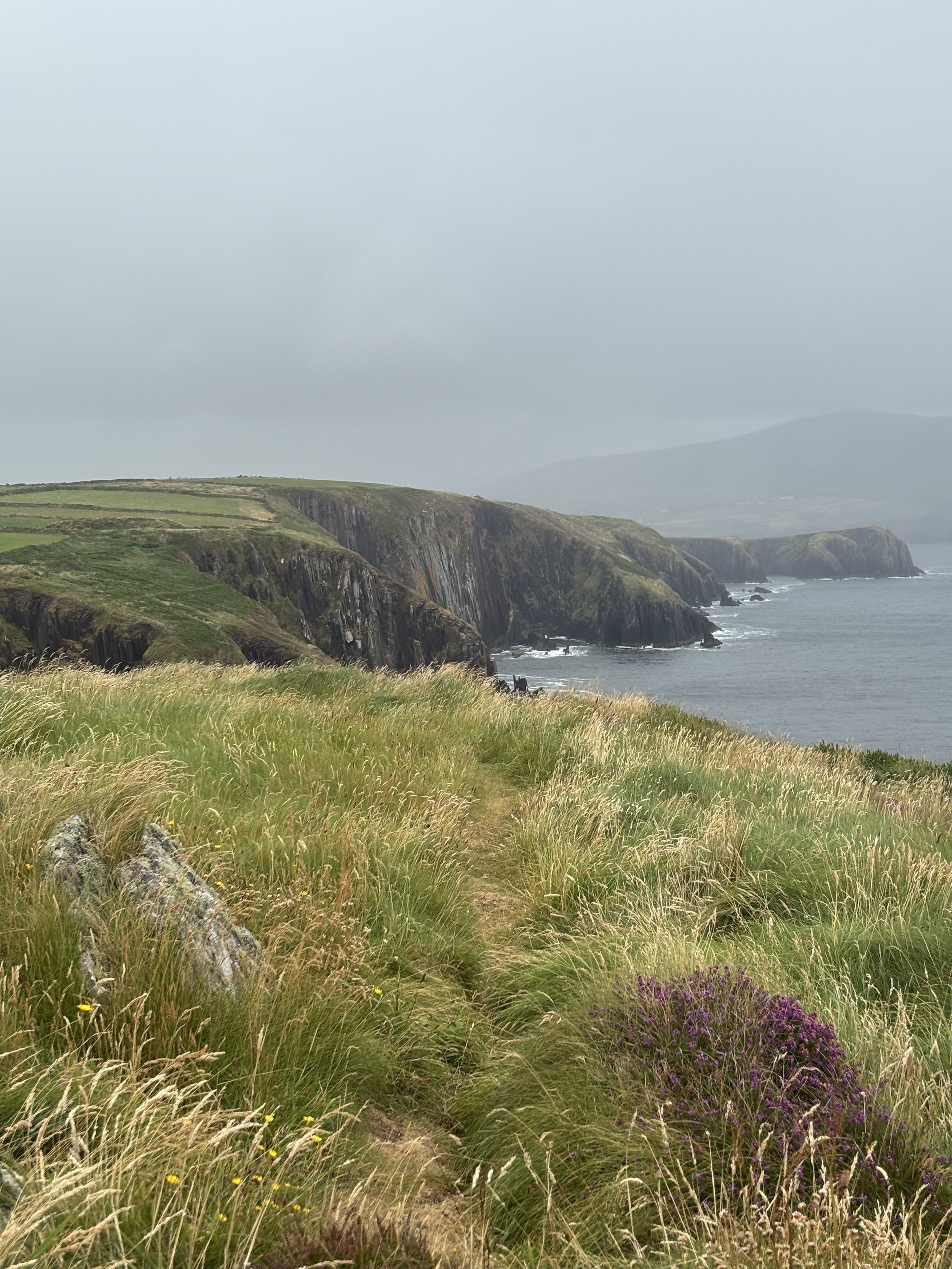
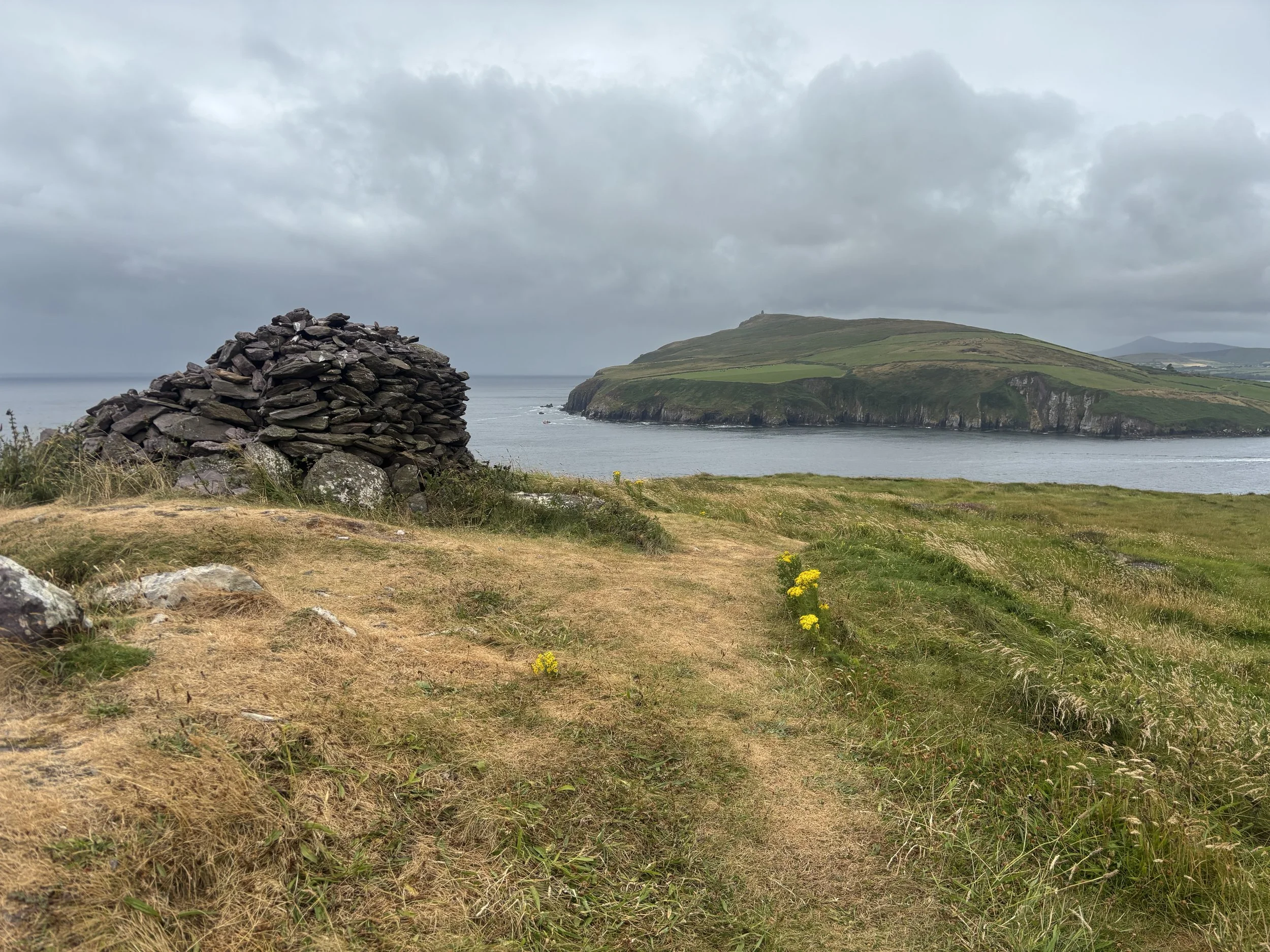
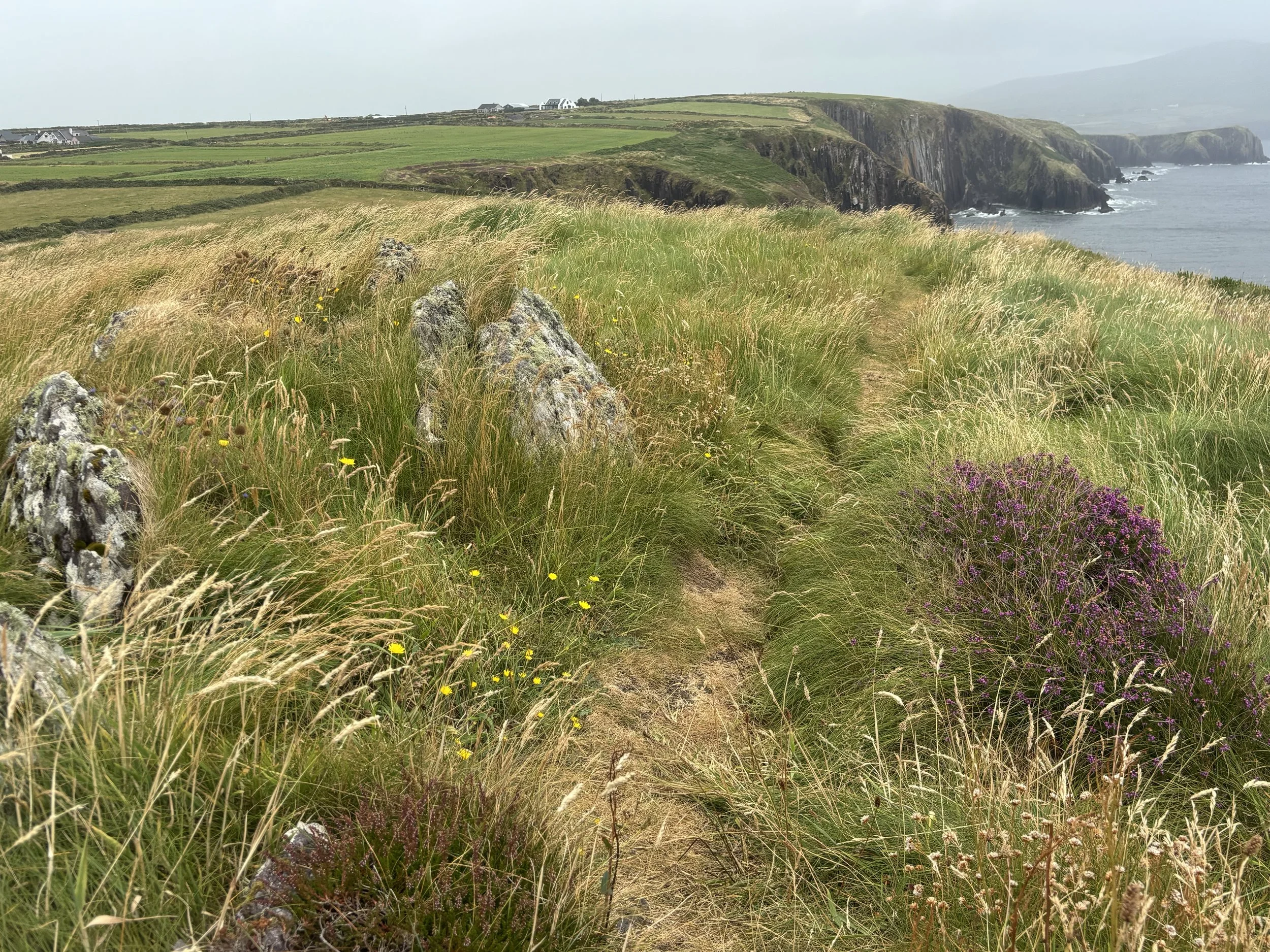
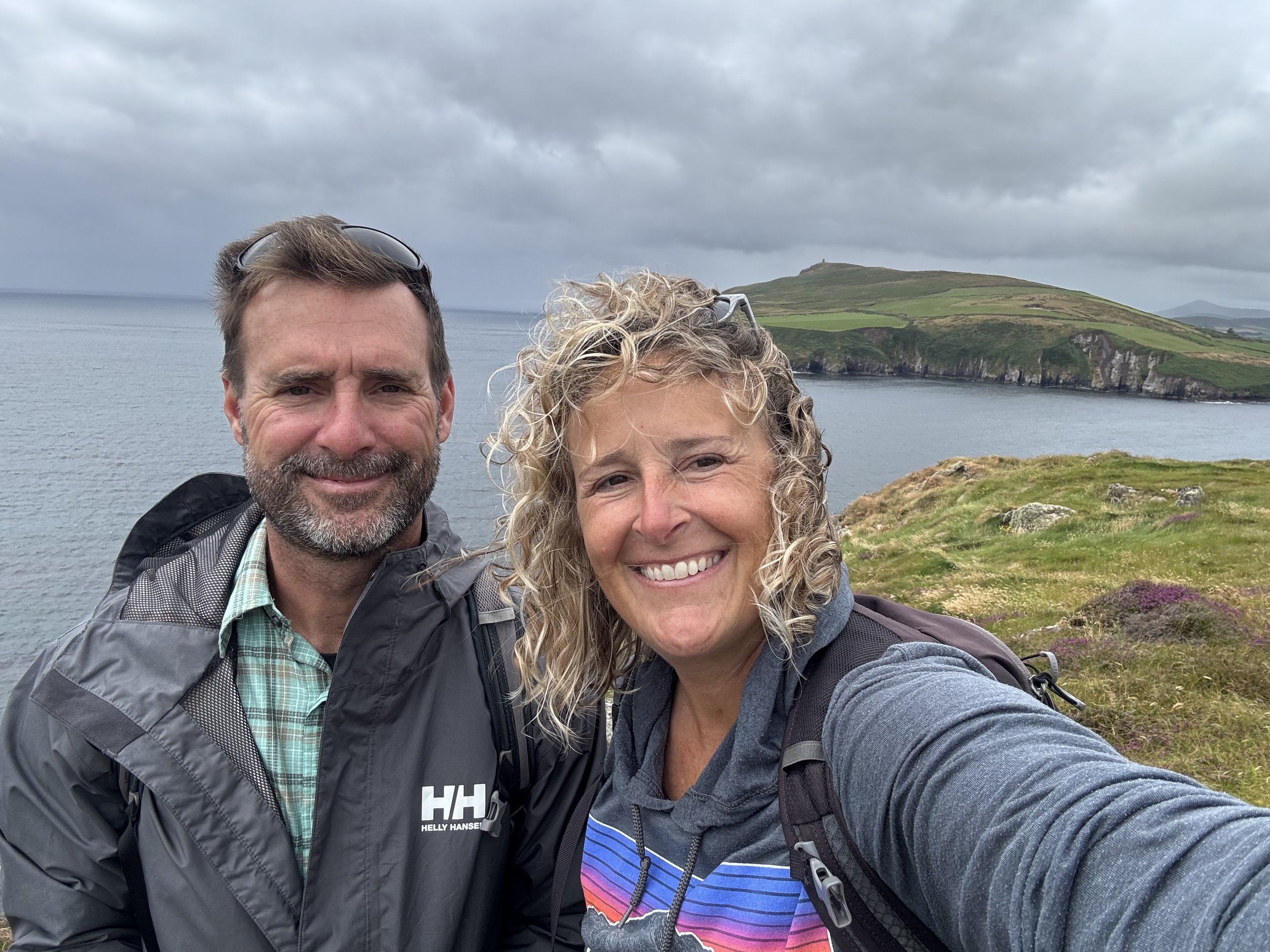
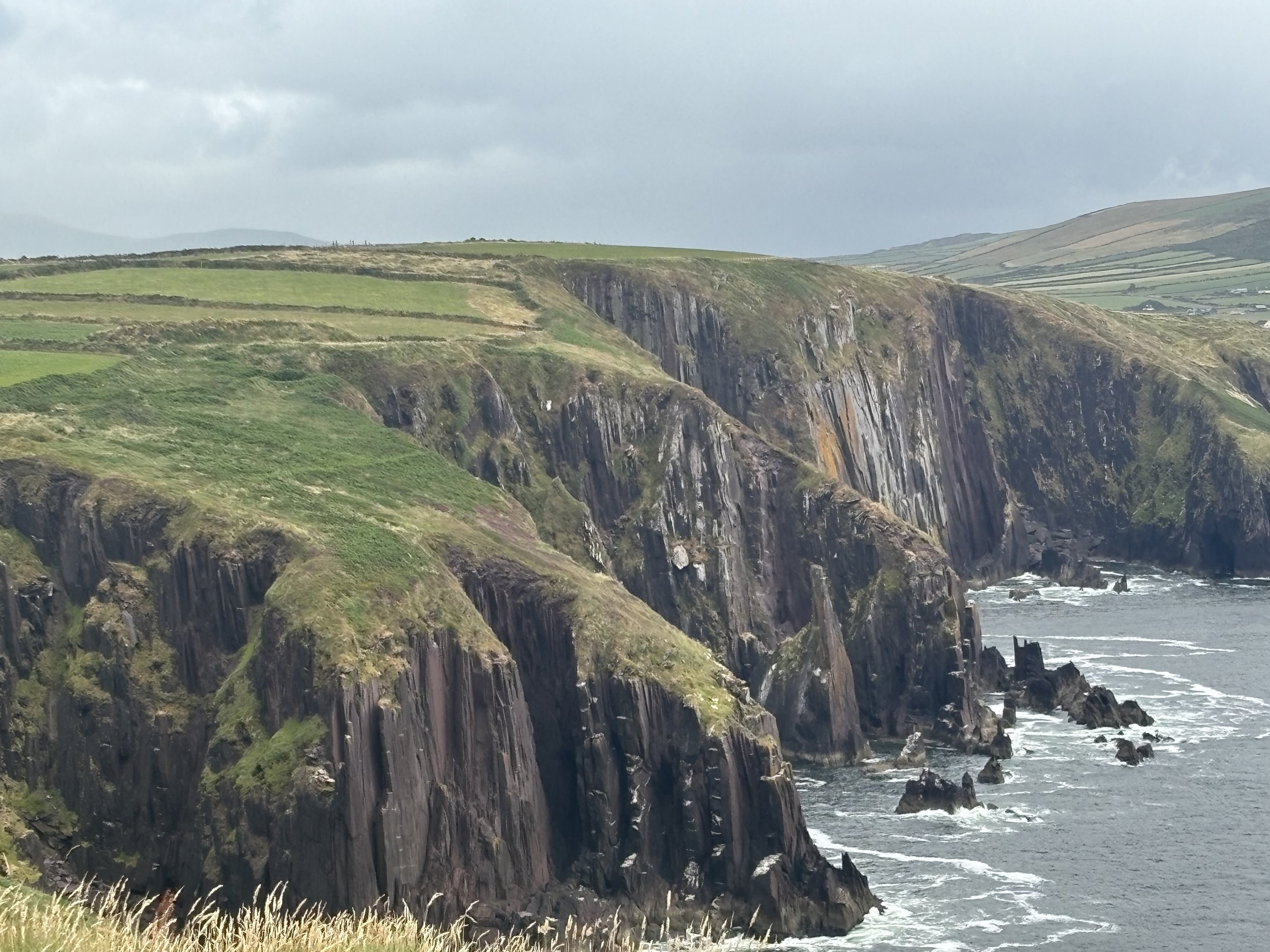
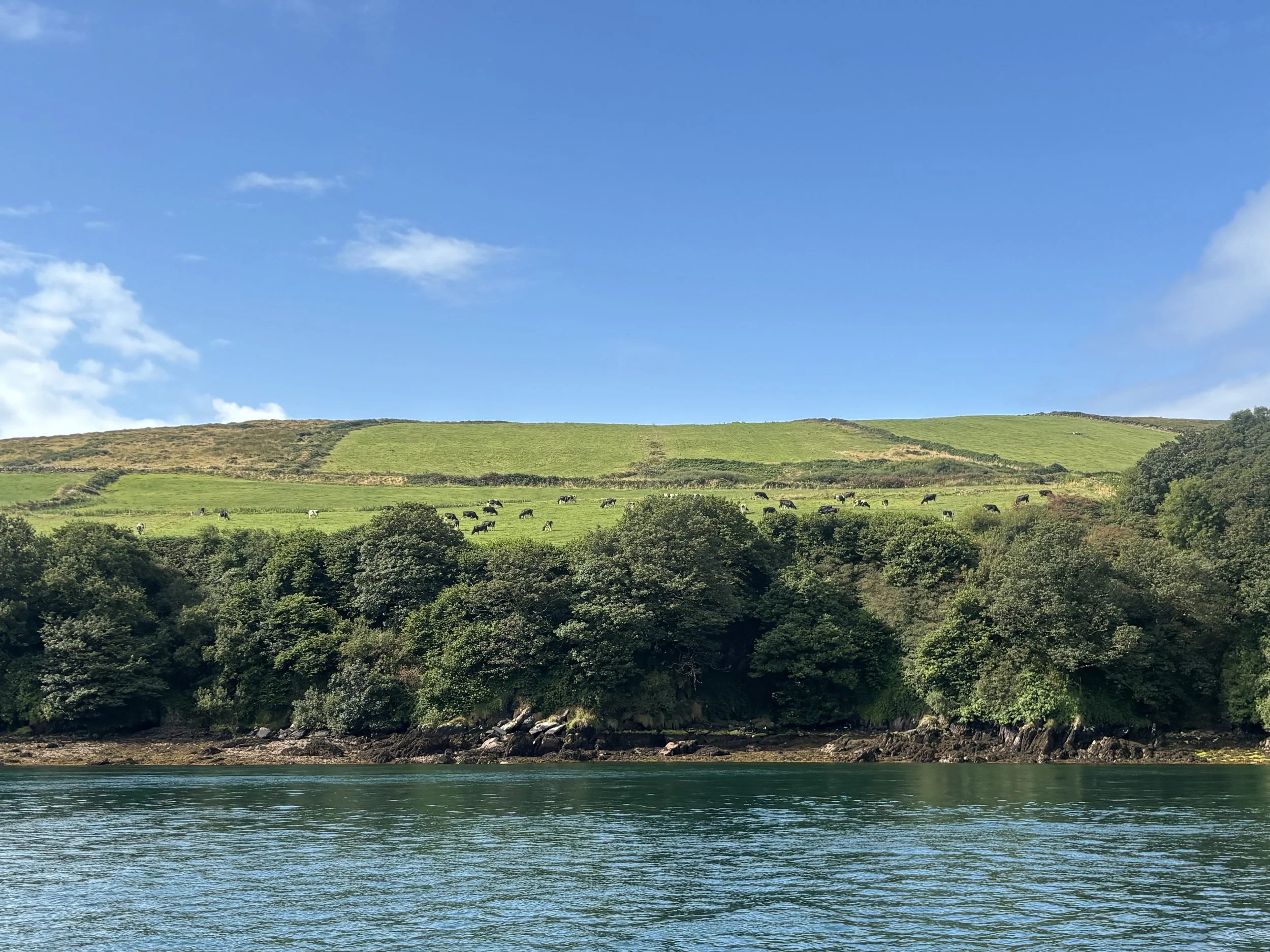
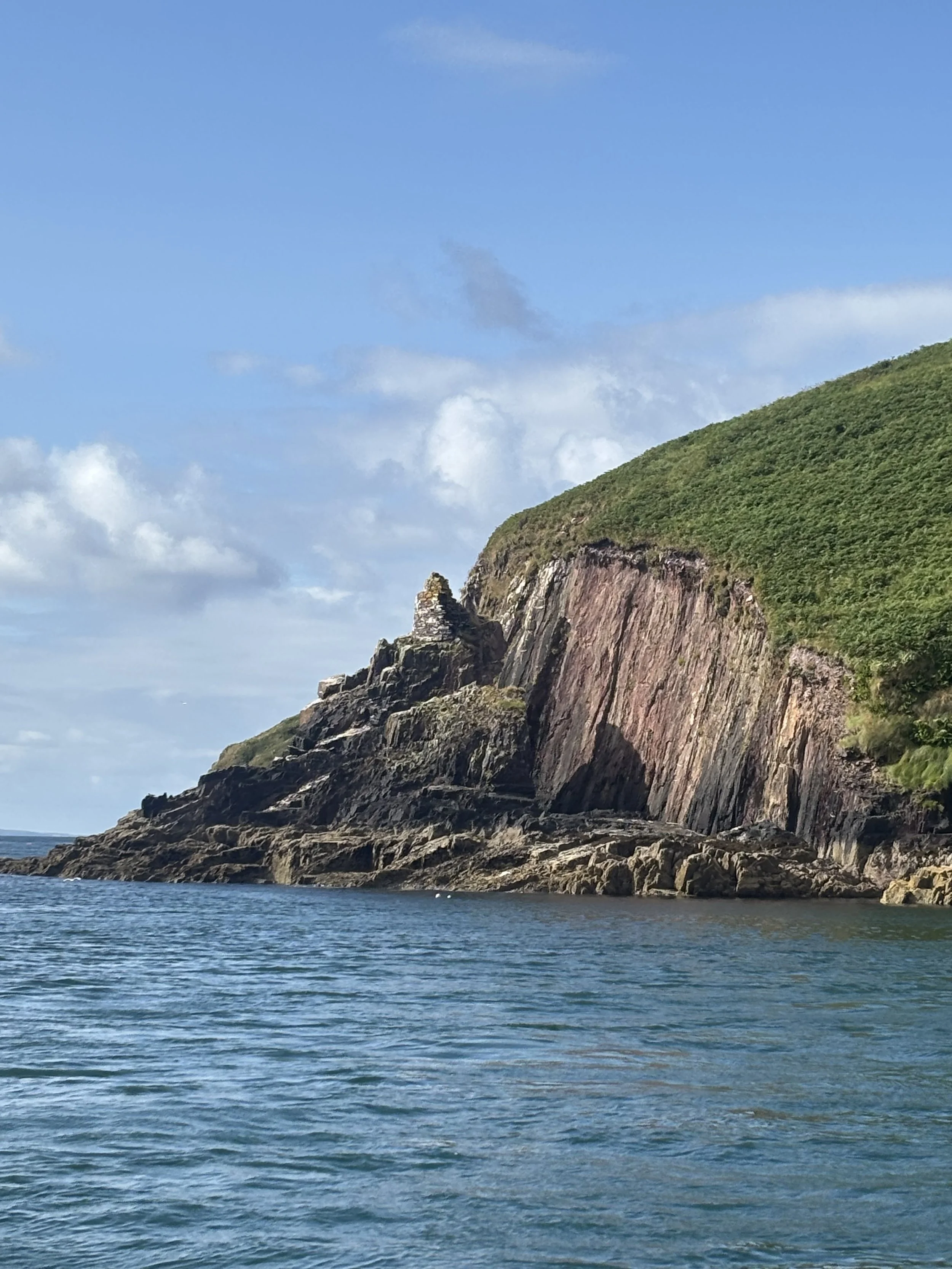
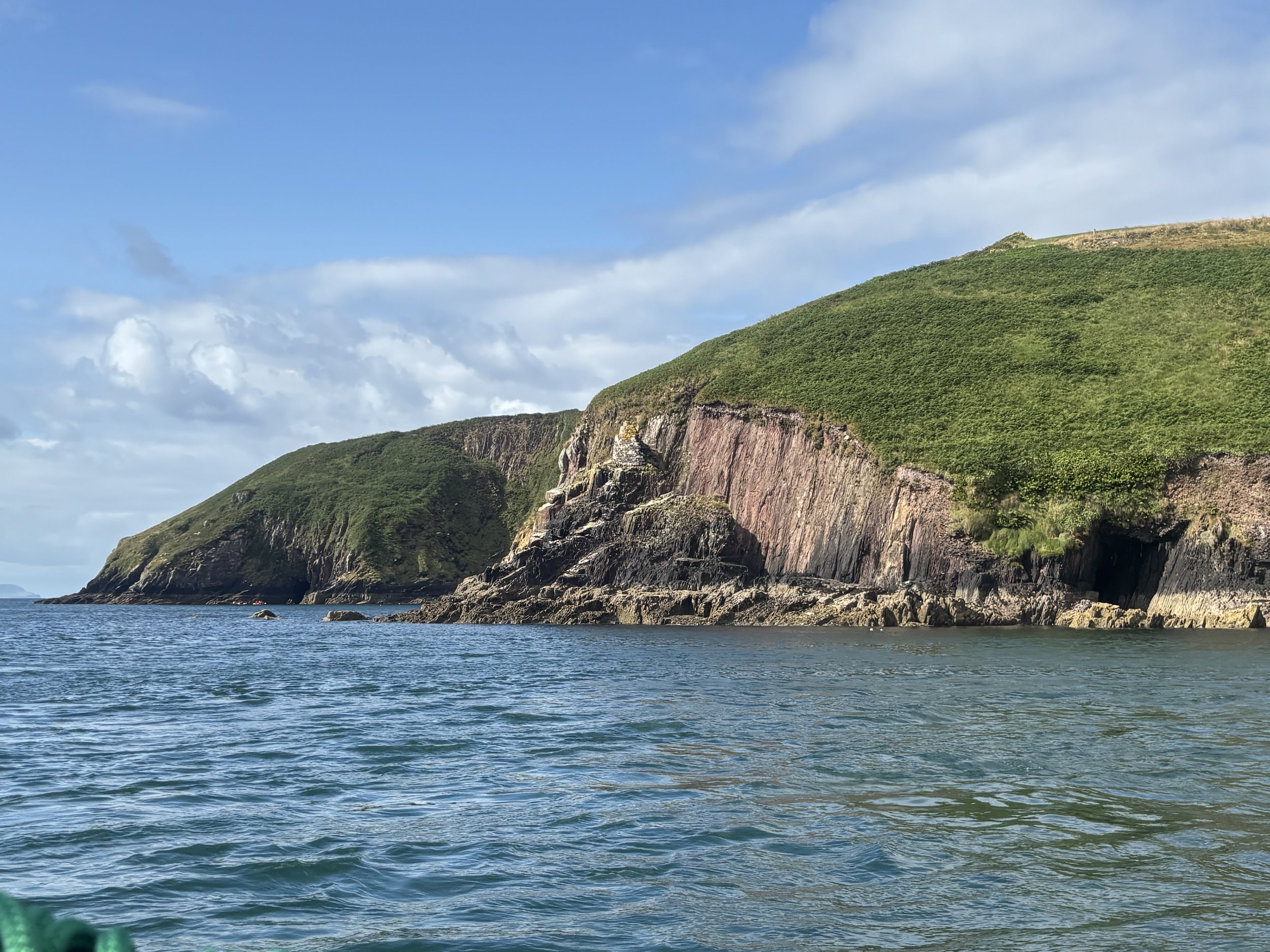
I really don’t have words to describe the beauty of Ireland’s landscape. The lush green hills and mountains, scarred by ancient rocks and decorated with heather. Every hill dotted with sheep, every trail leading straight through their grazing areas. The jagged cliff lines plunging straight into a jewel-toned blue-green sea. Ancient stones stacked on top of one another, creating miles and miles of hedgerows, old stone cottages, and churches. It is simply breathtaking. I find myself rounding each bend, slack-jawed and exclaiming, “Oh wow!”
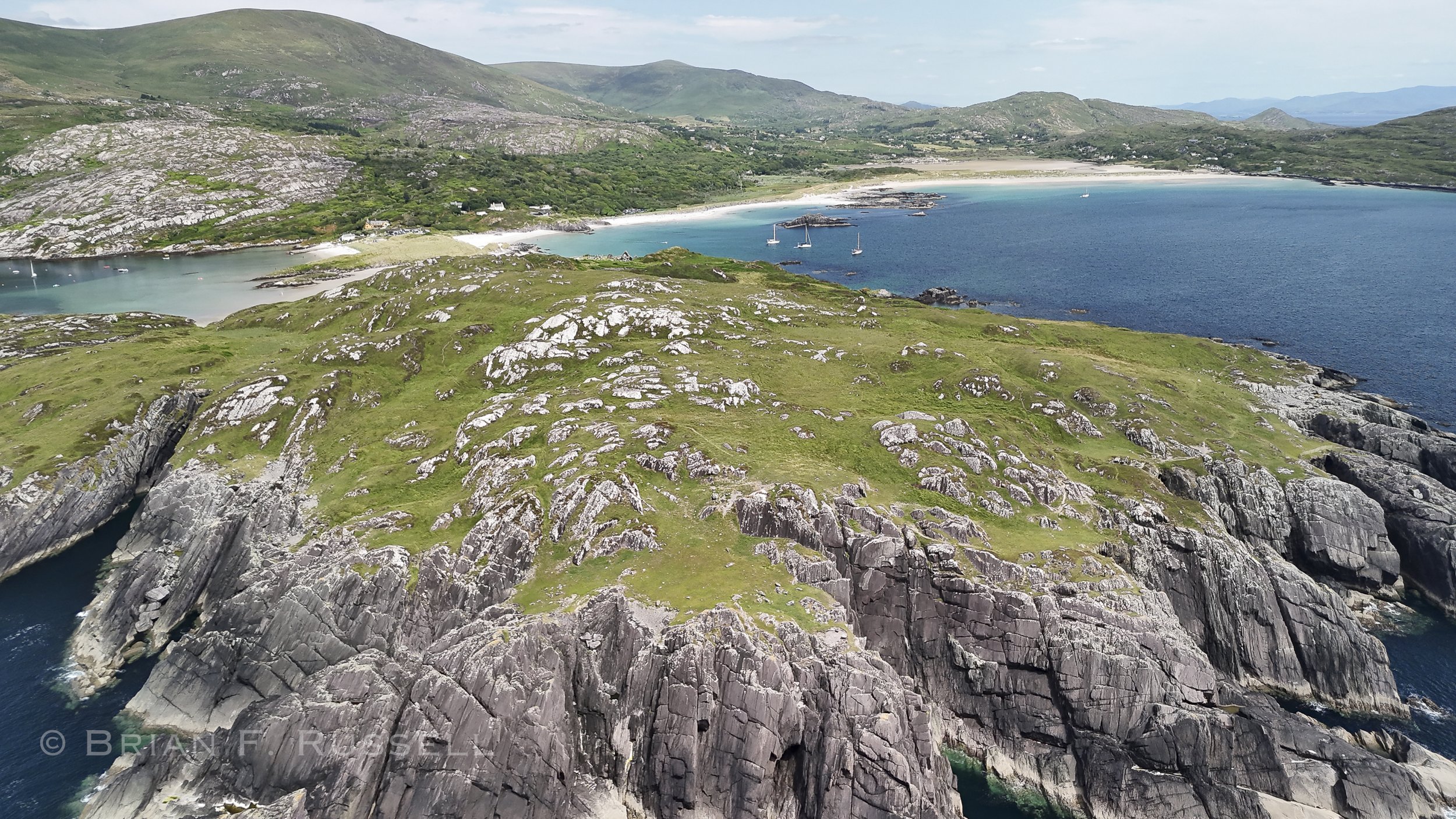
Drone photo from atop Derrynane, overlooking the anchorage where SV Remedy and SV Helacious are anchored. Photo courtesy of Brian Russell from SV Helacious.
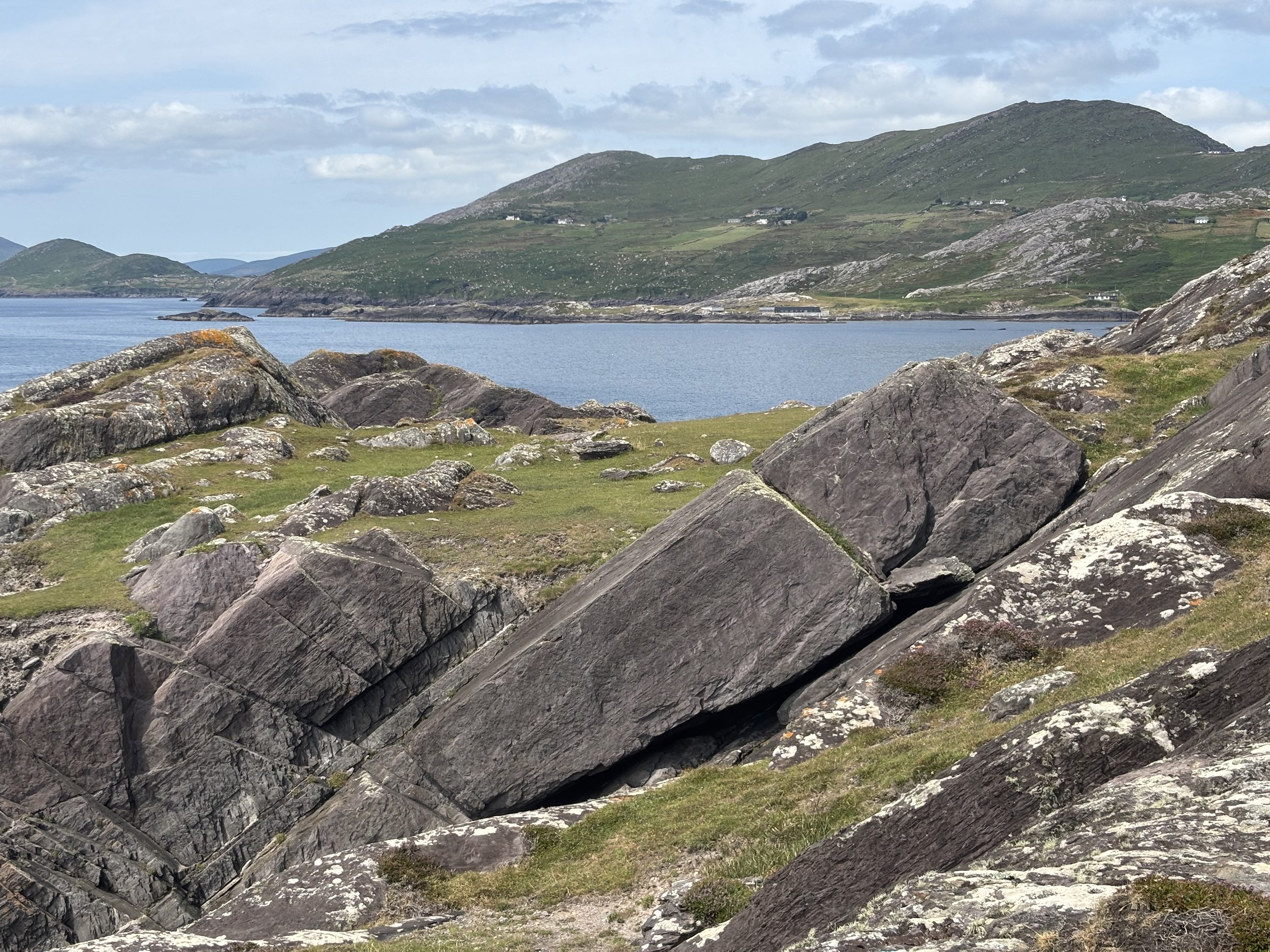
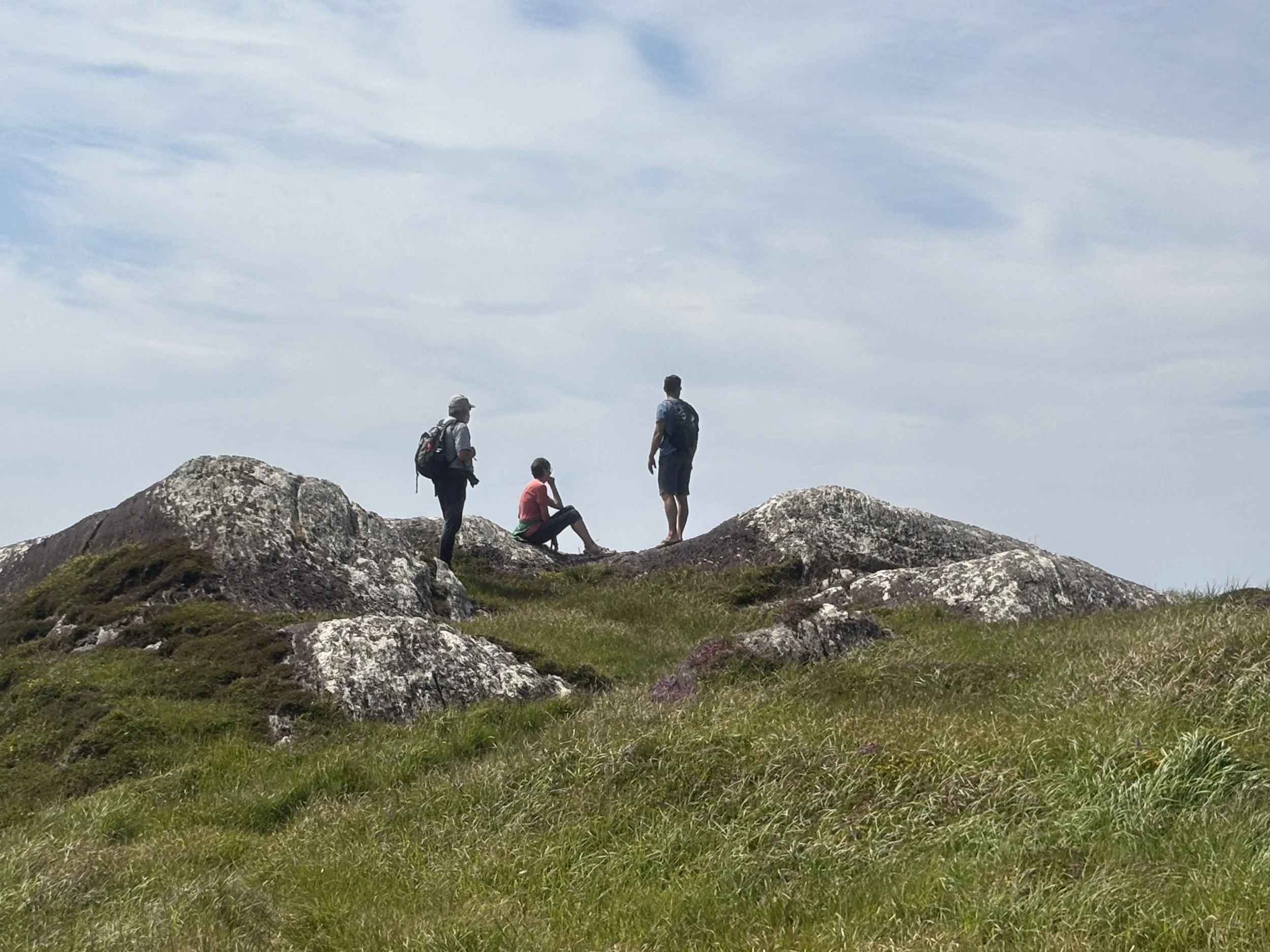
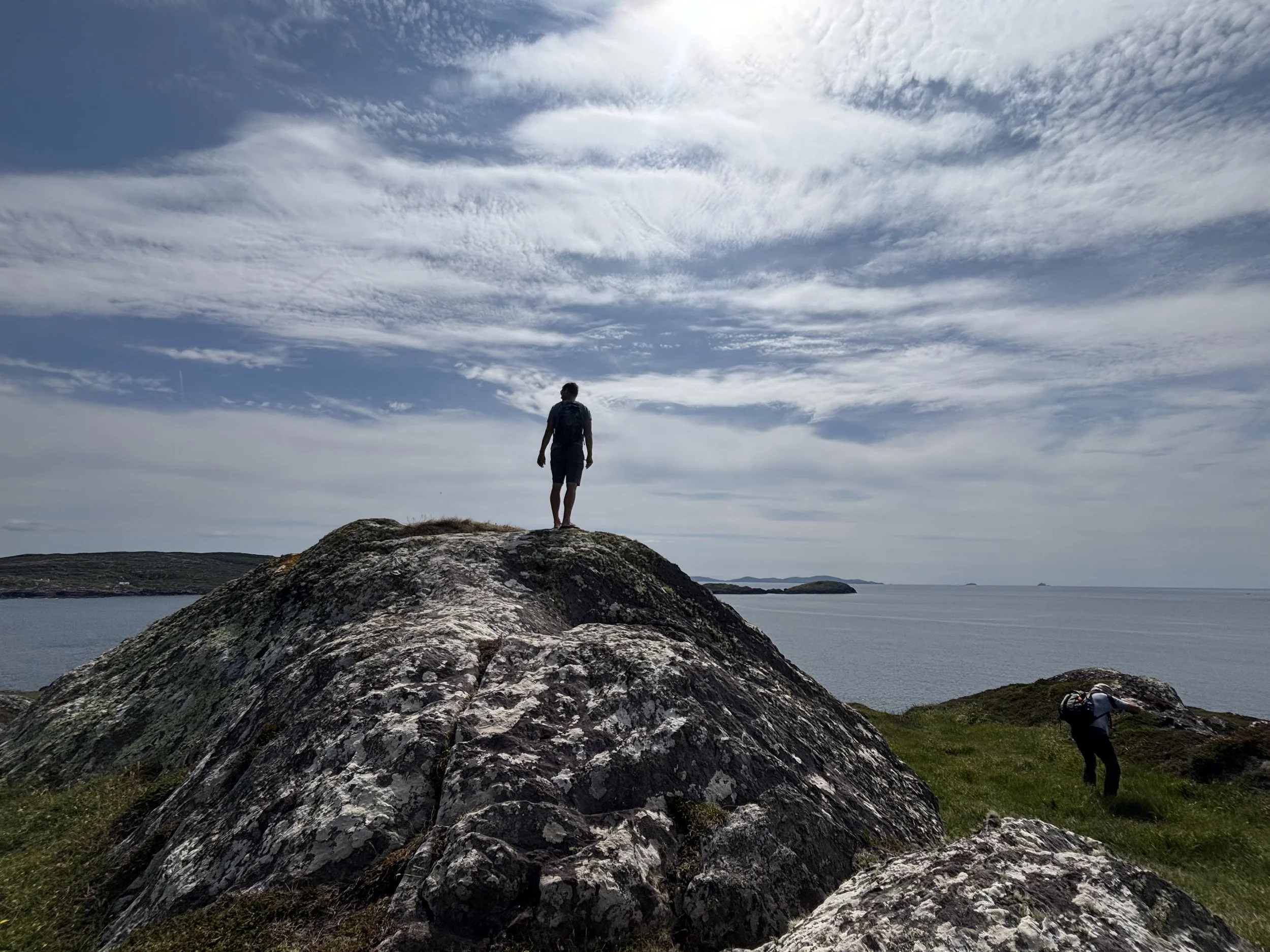
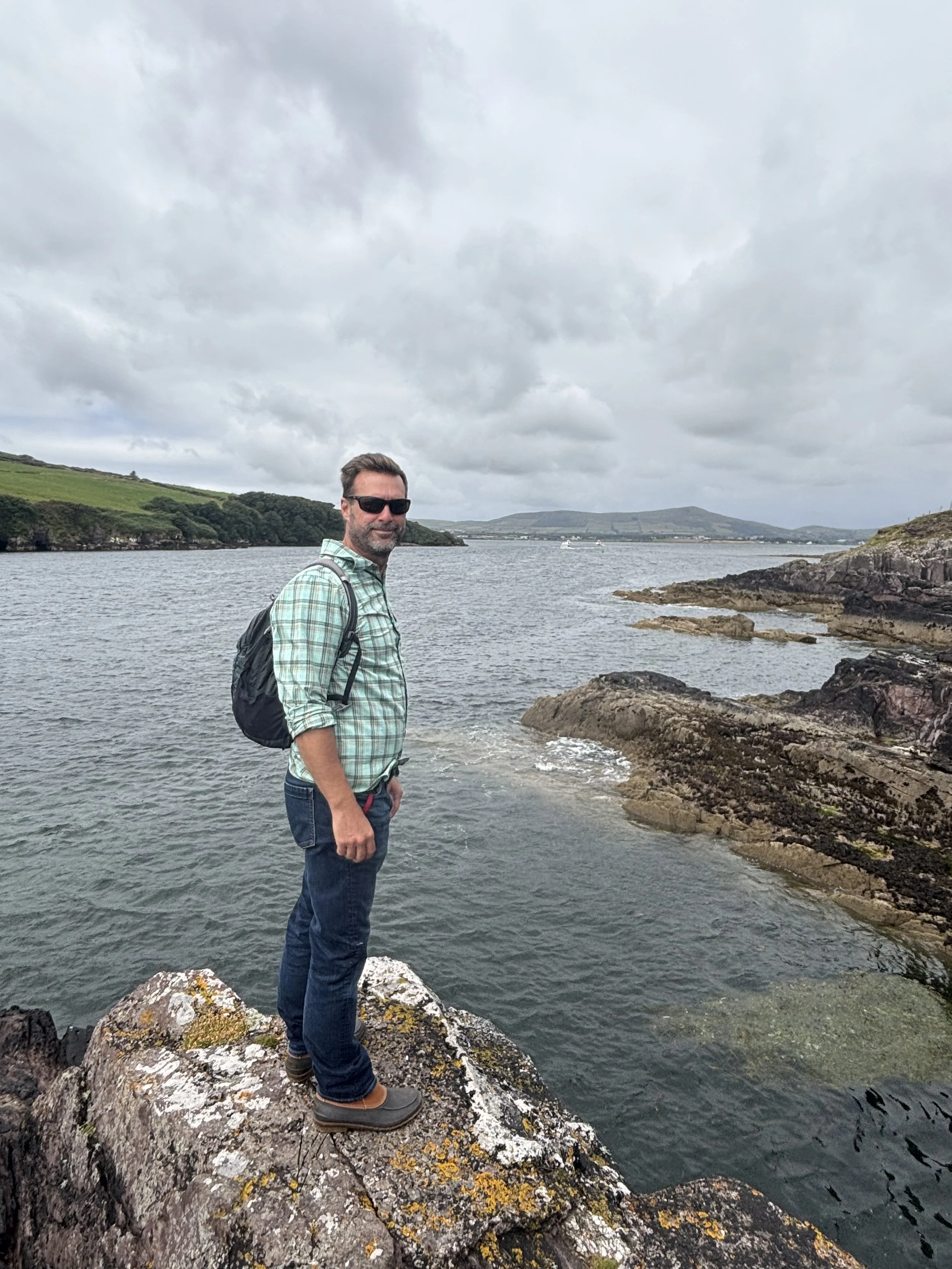
Hiking the rugged hillsides of Derrynane
Eventually, the time came to leave Derrynane. Very rarely are we in one place for more than a few days. It’s a life of almost constant motion. Our next stop was Dingle.
Our passage to Dingle was pleasant. But as we neared Dingle, it became epic. I was down below working on a Remedy update when I heard Ken say, “Dolphins.” Because we’d had such an incredible dolphin display while underway to Derrynane, I didn’t grab my phone. And boy, am I sorry?!
As soon as I got on deck, I saw a dolphin jump vertically 6-8 feet into the air. Unbelievable! But then, for the next 30 minutes, we just slowly drifted among tons of feeding dolphins, 5 or 6 minke whales surfacing and diving, and puffins! I have been on a quest to see puffins for over a year now. They spend only a few months per year on land while nesting. They spend the remaining 8 months out on the Atlantic Ocean. Helen from Helacious had told me that if I ever saw them out on the water, they are kind of shy and duck in the water when boats near. So most of what I saw was through our binoculars. But they lived up to every expectation. They are the cutest little birds I have ever seen. Ken managed to capture a picture of one by zooming in as far as his camera would go, then I edited it by zooming up some more (picture below).
I was as giddy as a schoolgirl. It was the trifecta—whales, dolphins, and puffins—all in one place for 30 glorious minutes!
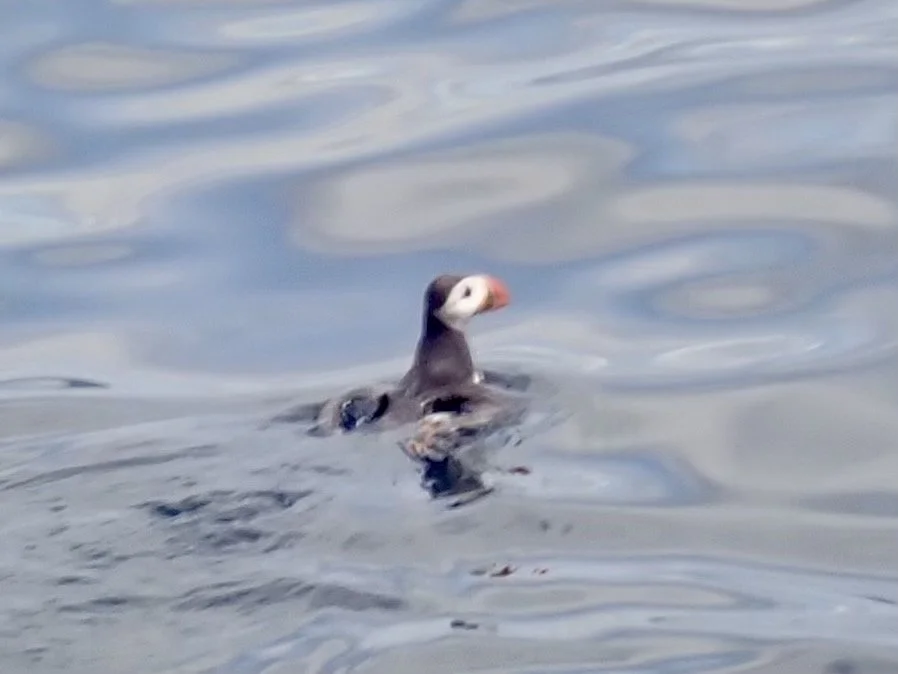
Puffin
Our time in Dingle was a departure from the more isolated anchorages. This time, we tied up to a dock in the marina for a few days. While I much prefer being at anchor, marina stays feel like a chance to catch your breath. You have easier access to land, water, and amenities. Staying at the marina also gave us an opportunity to get some packages mailed to us—some spare and repair parts.
Dingle is a bustling tourist town with many Americans and other international tourists. We even met some from the Carolinas. Until this point, we had not interacted with another American in any of the villages we had visited, aside from a couple of other boaters.
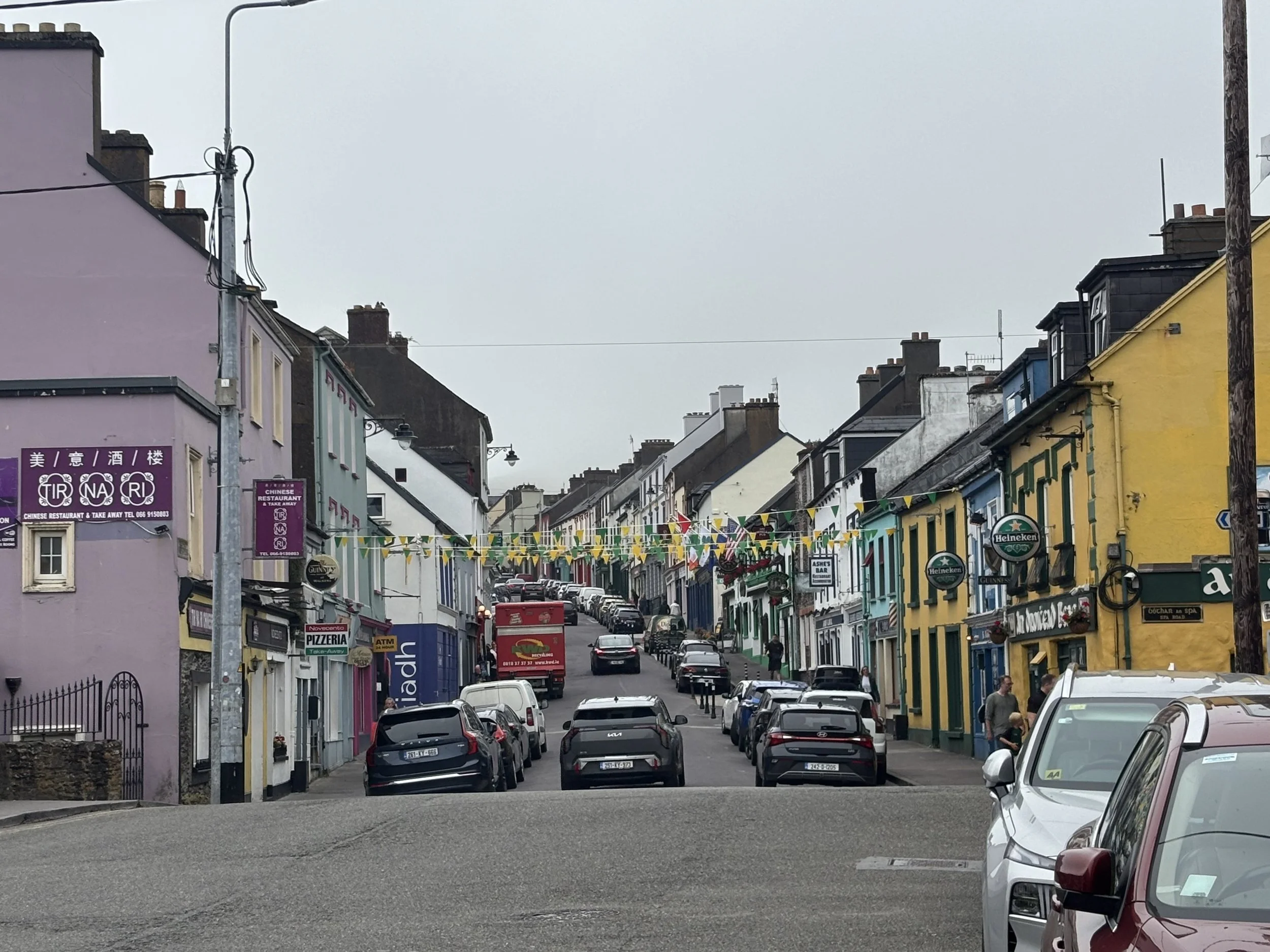
One of the bustling streets in Dingle
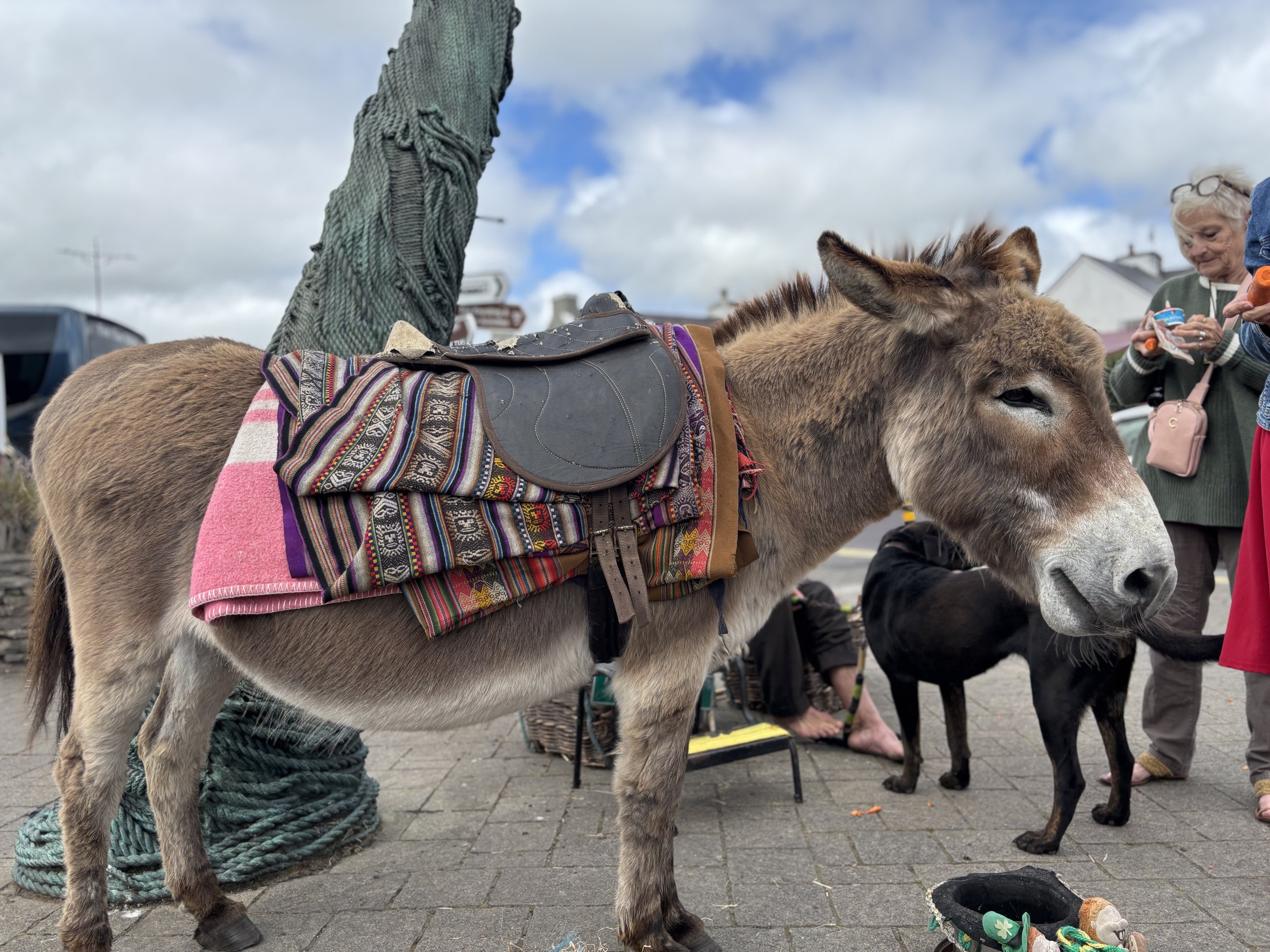
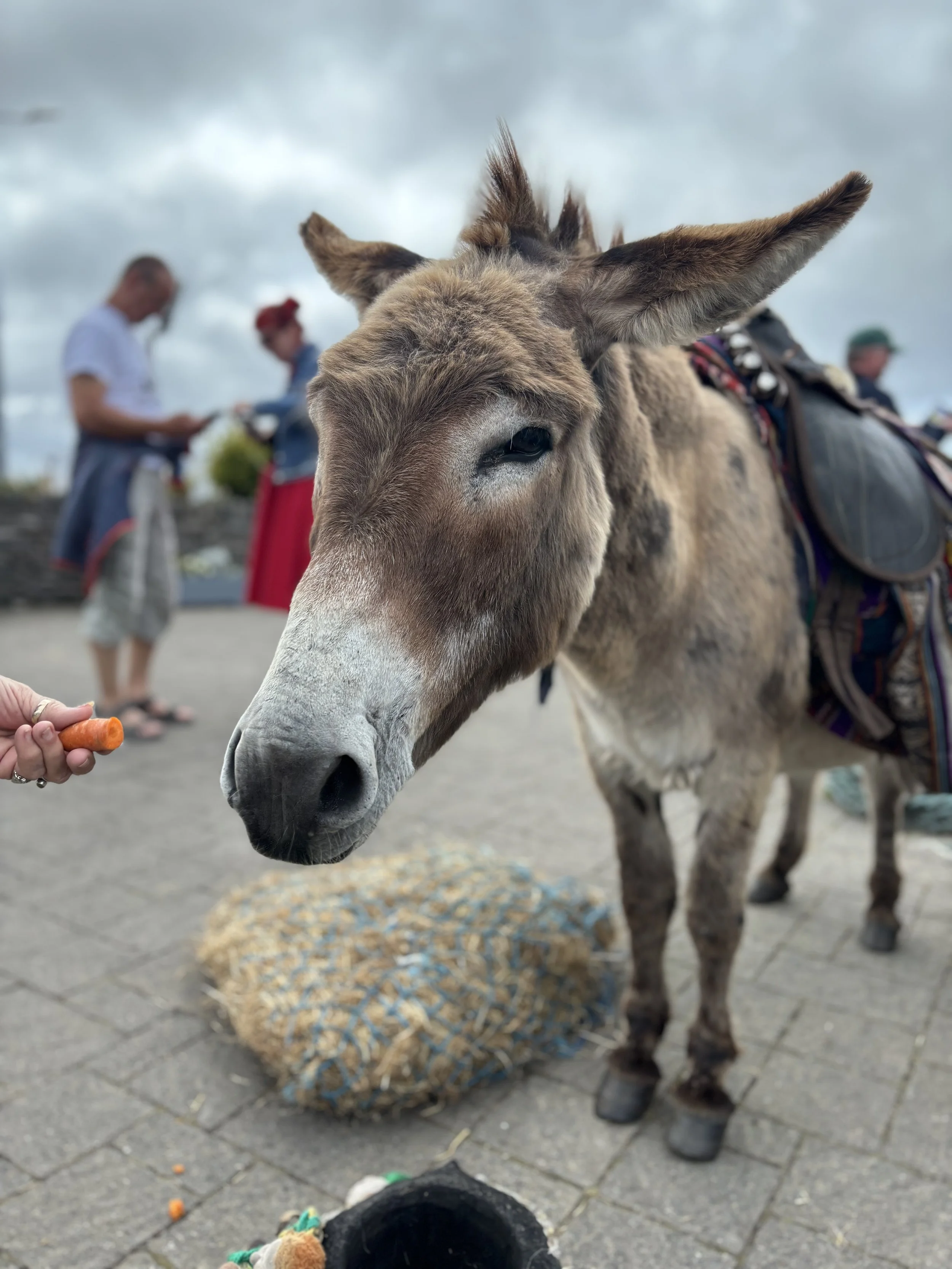
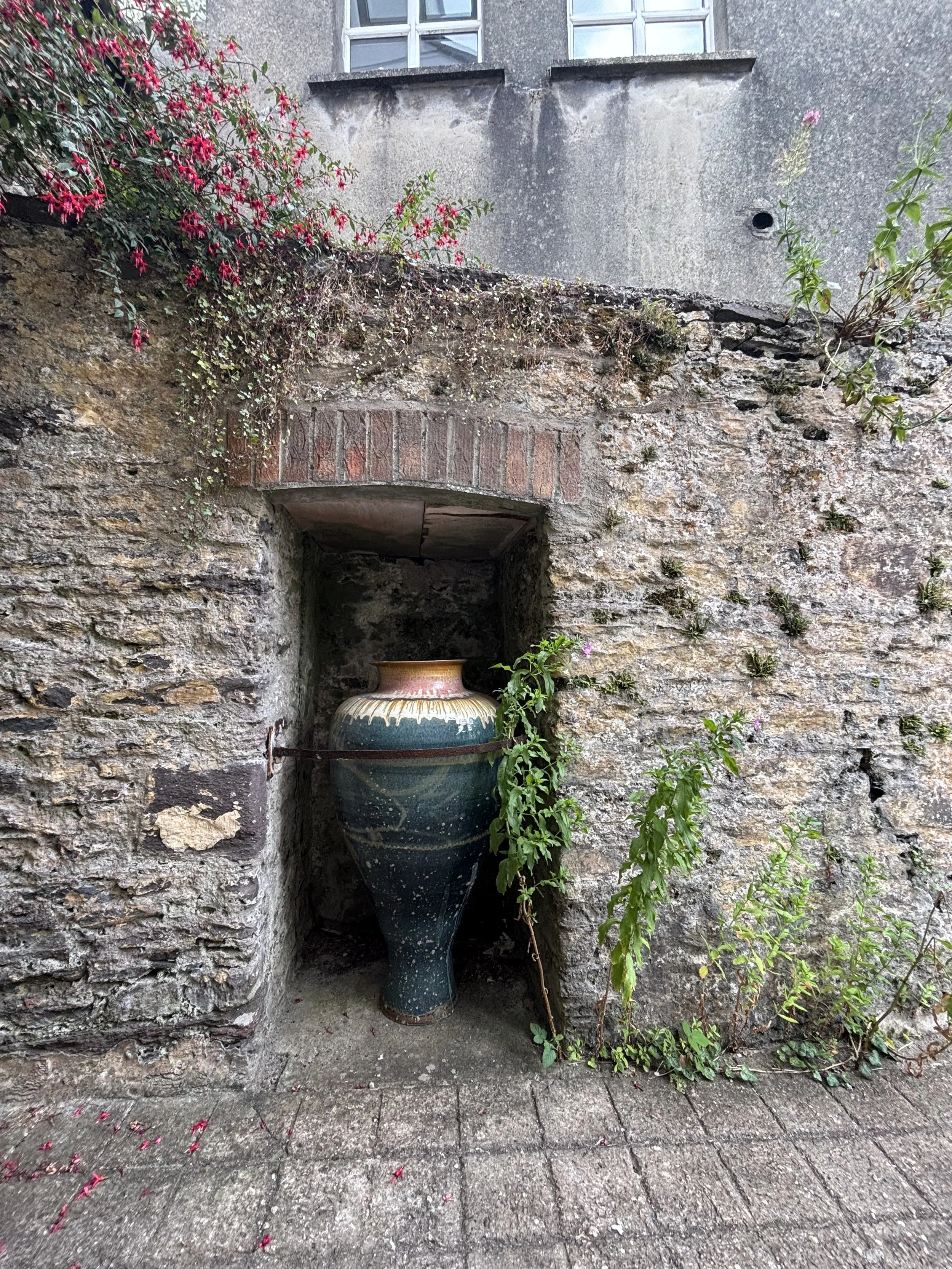
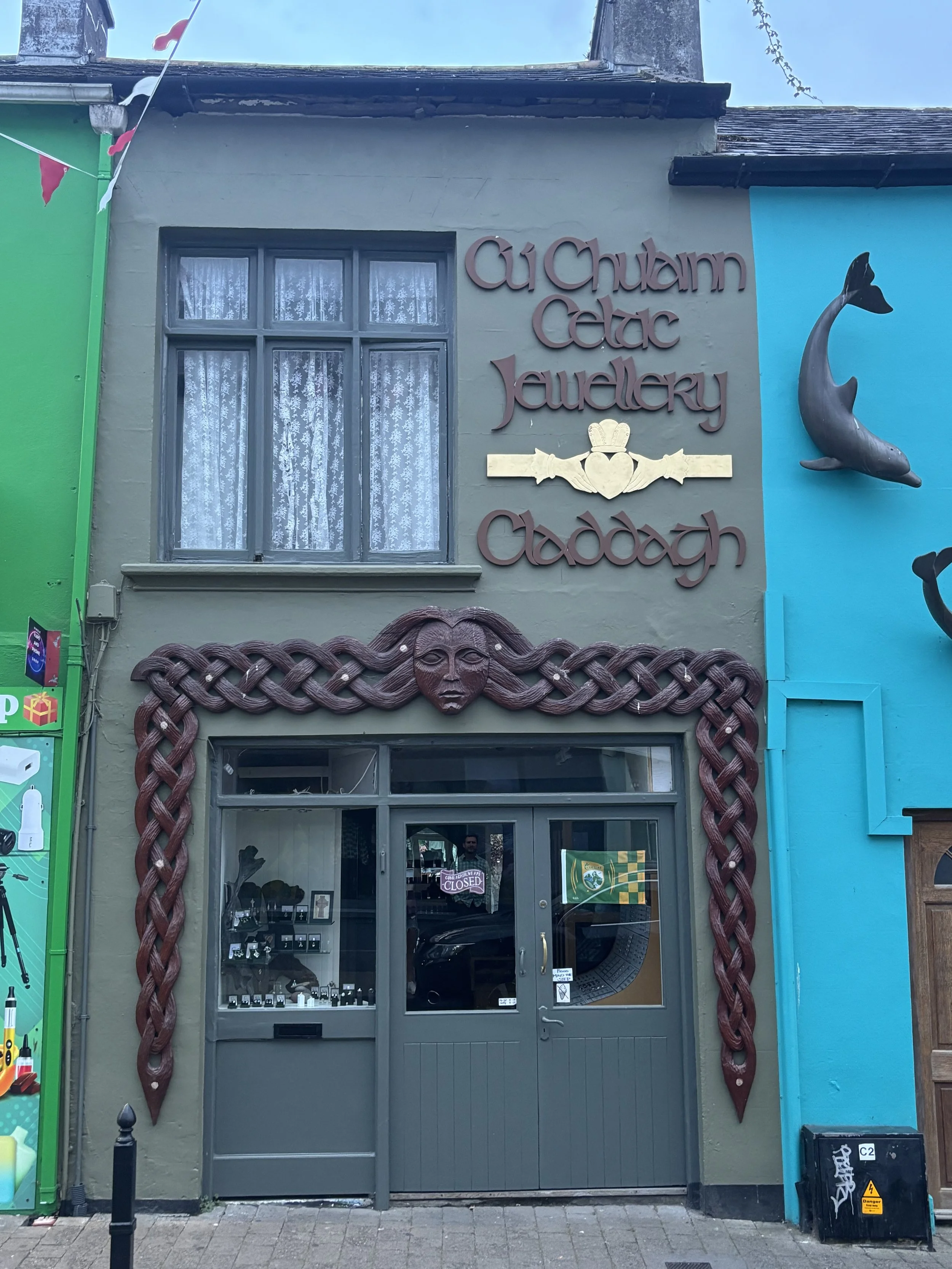
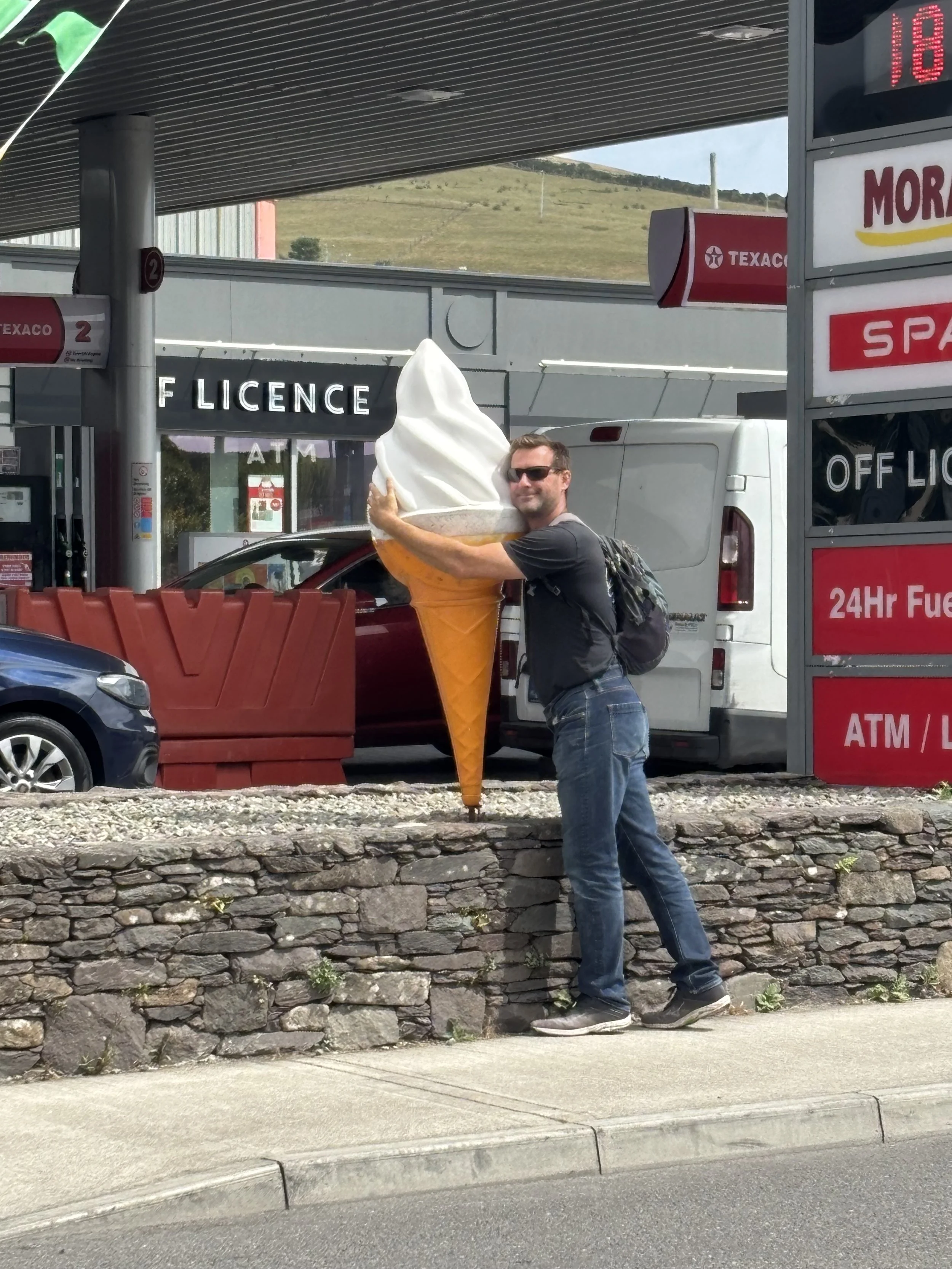
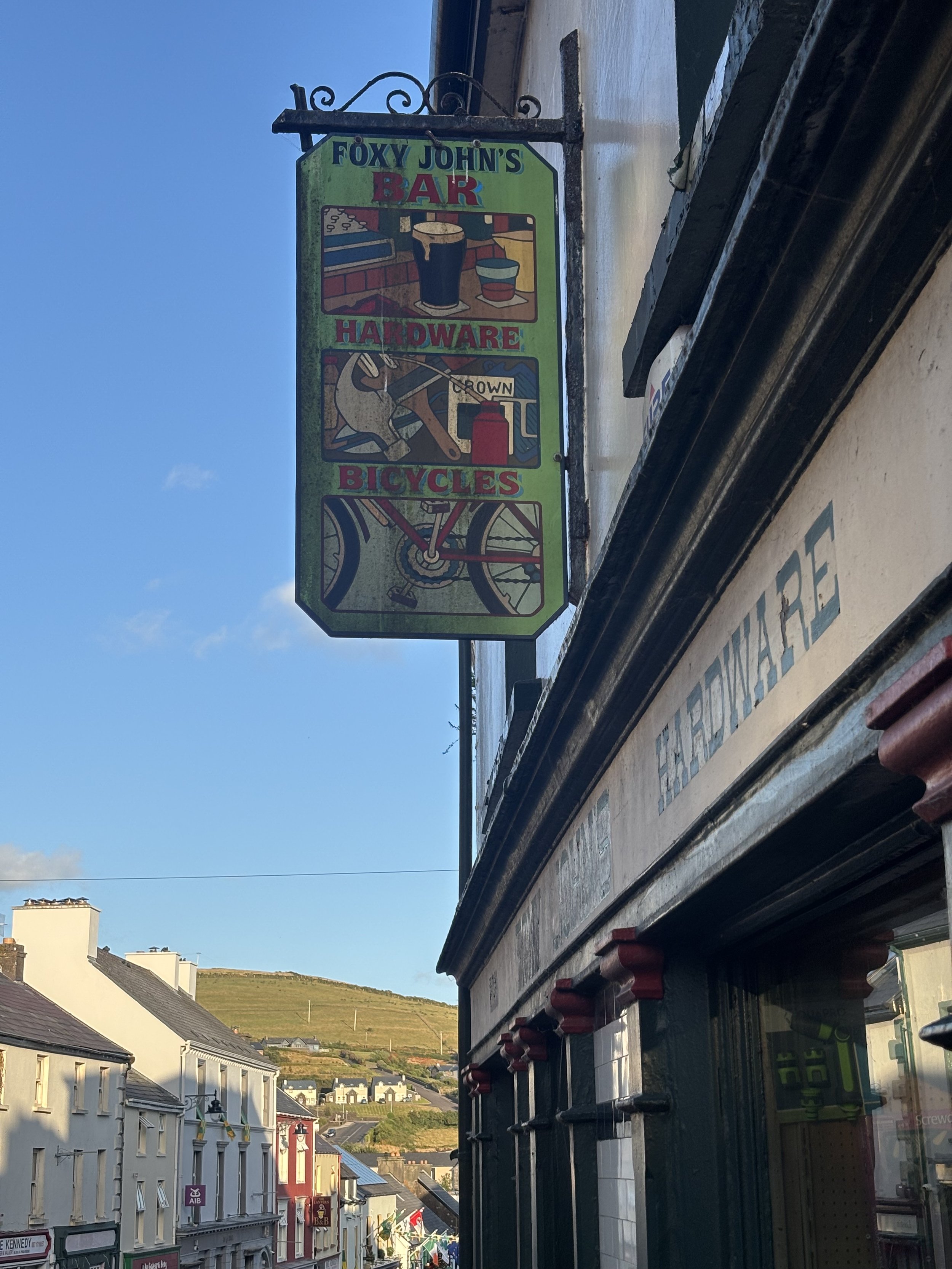
Dingle has many shops, restaurants, and pubs to visit. And it won’t surprise many of you that our first stop in Dingle was the local ice cream shop. We enjoyed wandering through the streets and just seeing where we ended up—a back-alley bookshop offering books in Gaelic, a garden oasis, or a pub where lively music drew us in. We also enjoyed our first traditional full Irish breakfast—so much so that we went back a second time.
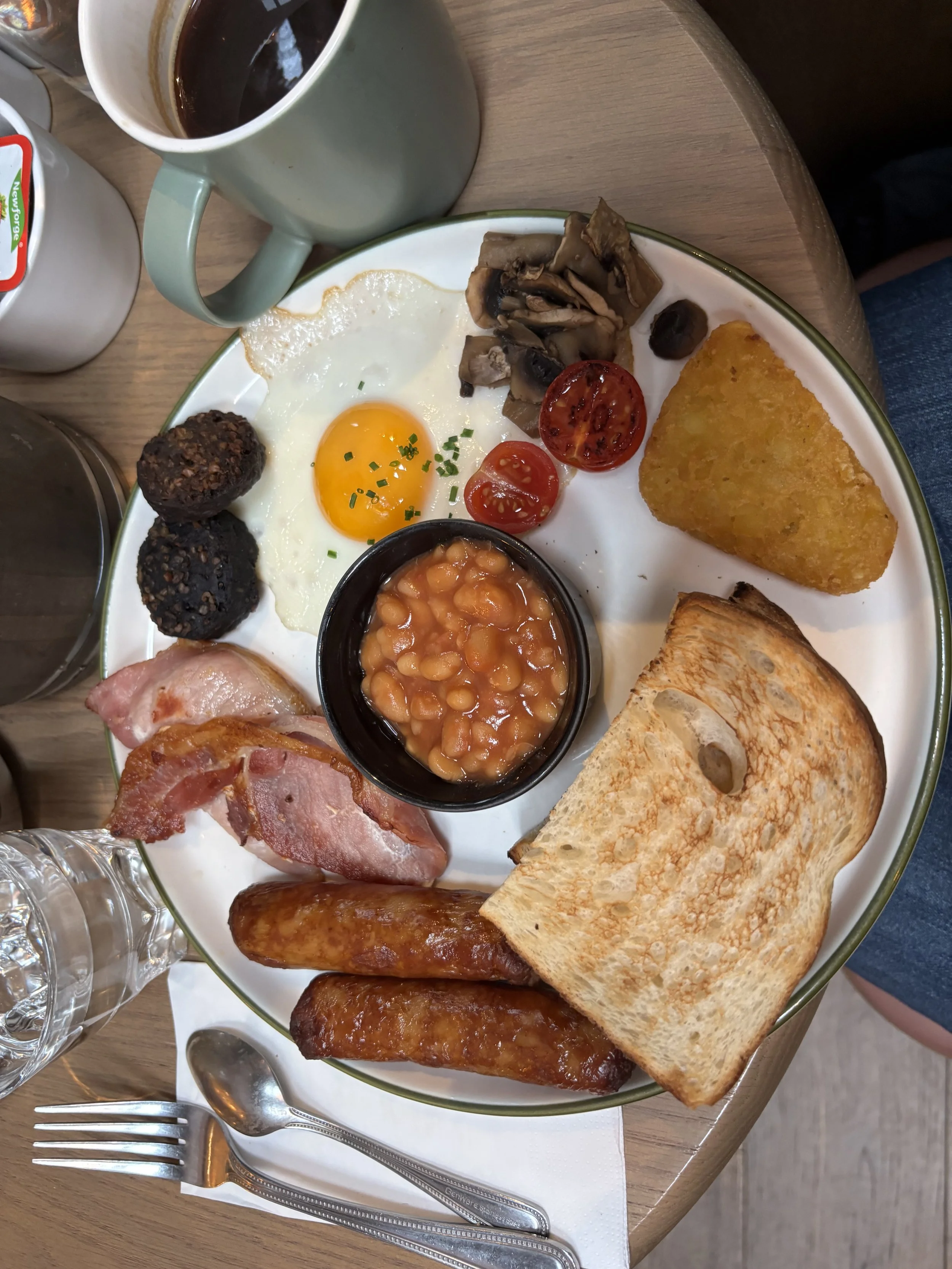
A traditional full Irish breakfast
We caught back up with our friends Brian and Helen from SV Helacious and enjoyed a night out with them listening to traditional Irish music at St. James Church, followed by another wonderful hike along Ireland’s shoreline.
We also finally got to spend some time with new friends Travis and Mary from SV Devona, who had arrived in Dingle from the Azores. Ken first connected with Travis online through the OCC (Ocean Cruising Club), but it turns out we are both from the Carolinas and have been members of the Keowee Sailing Club. We enjoyed meeting up with them and some of their Salty Dog rally friends, some of whom we will reconnect with later this fall when we all converge in London for the winter.
Listening to traditional Irish music at St. James Anglican Church in Dingle, Ireland (Instruments in this video: Irish Uillean Pipes, accordion, and a Bouzouki, I think).
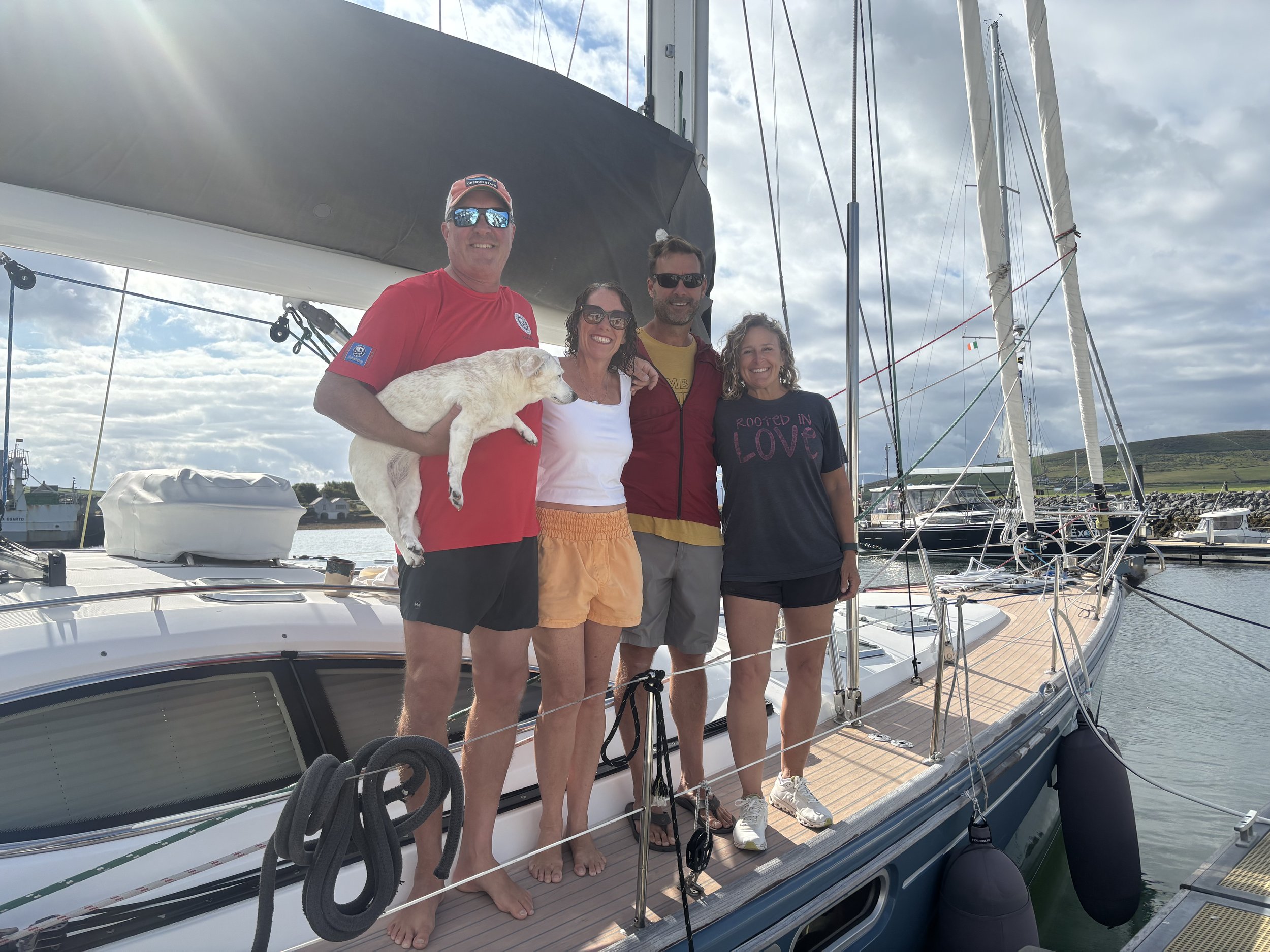
Us with Travis and Mary of SV Devona at Dingle Marina.
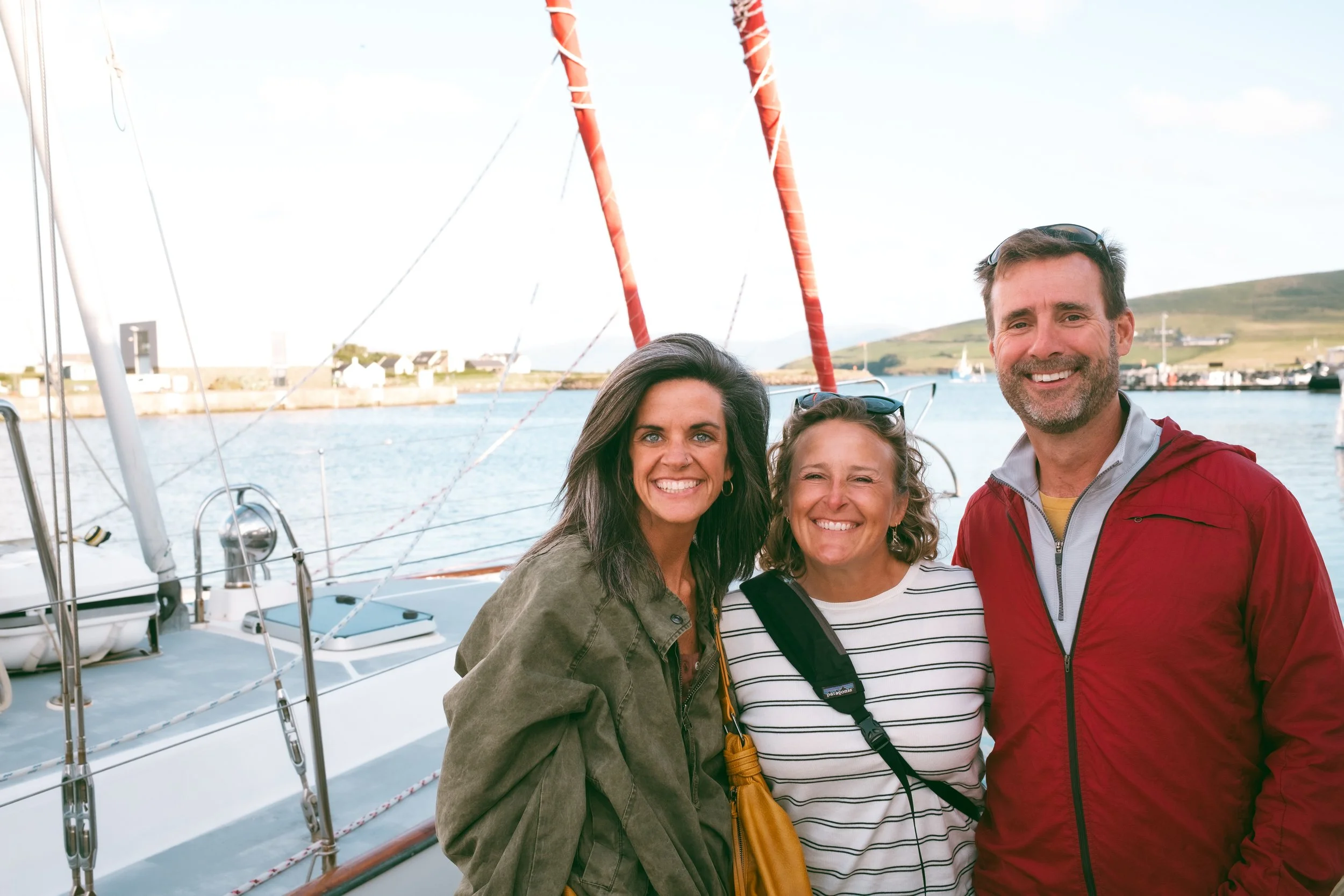
With our friend Kat
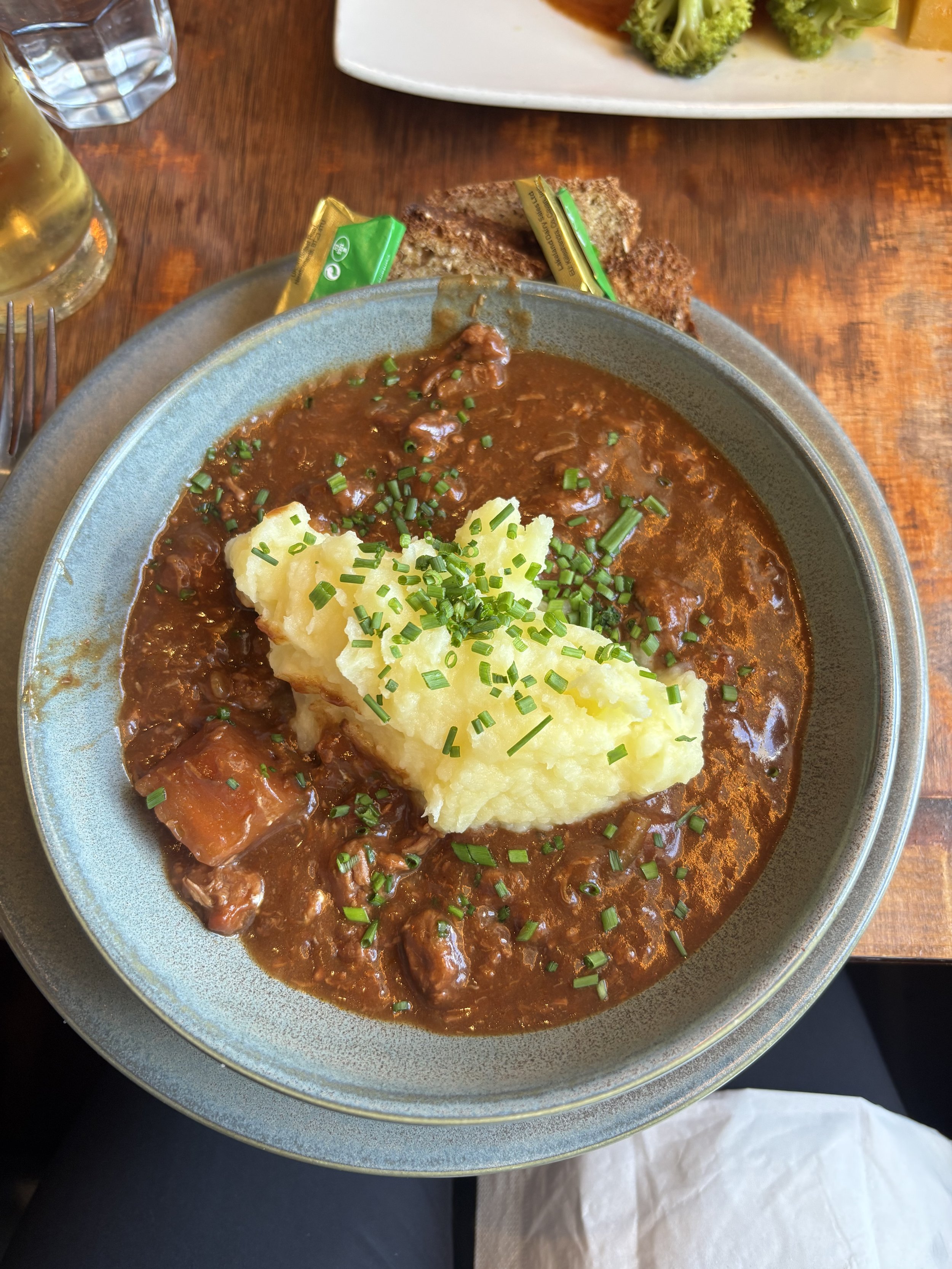
On our final day and night in Dingle, our friend Kat from our hometown in Greenville, SC came for a quick visit. She was touring around Ireland with some friends, so we all met for dinner. I ate an incredible Guinness beef stew, and we, of course, had to get one more ice cream since we were leaving Dingle the next morning.
She even managed to capture an epic shot of Dunquin pier, and then one of us as we sailed by on our way out of Dingle.
Next stop: the Aran Islands.
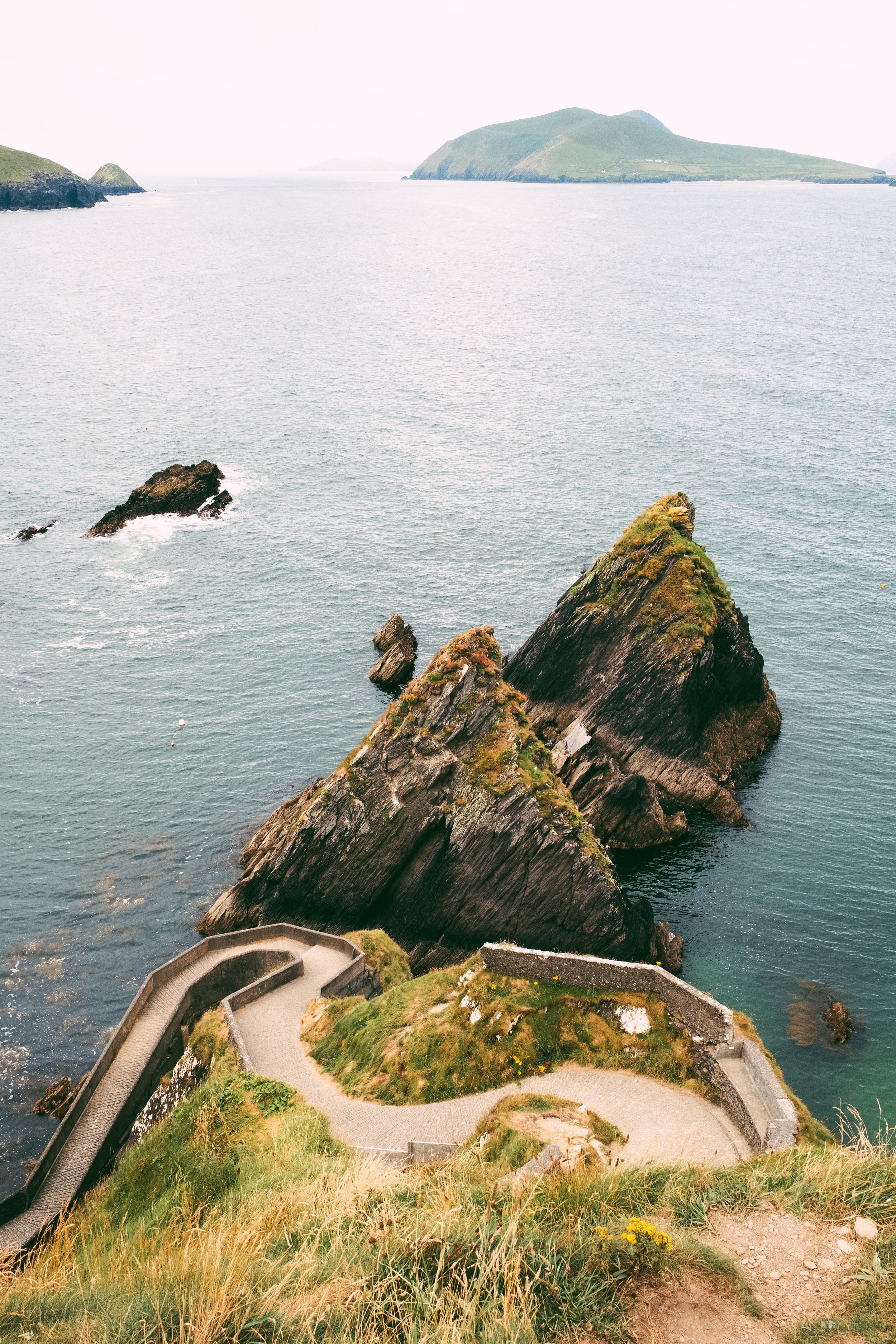
View from Dunquin pier, photo by Kat Joseph Photography
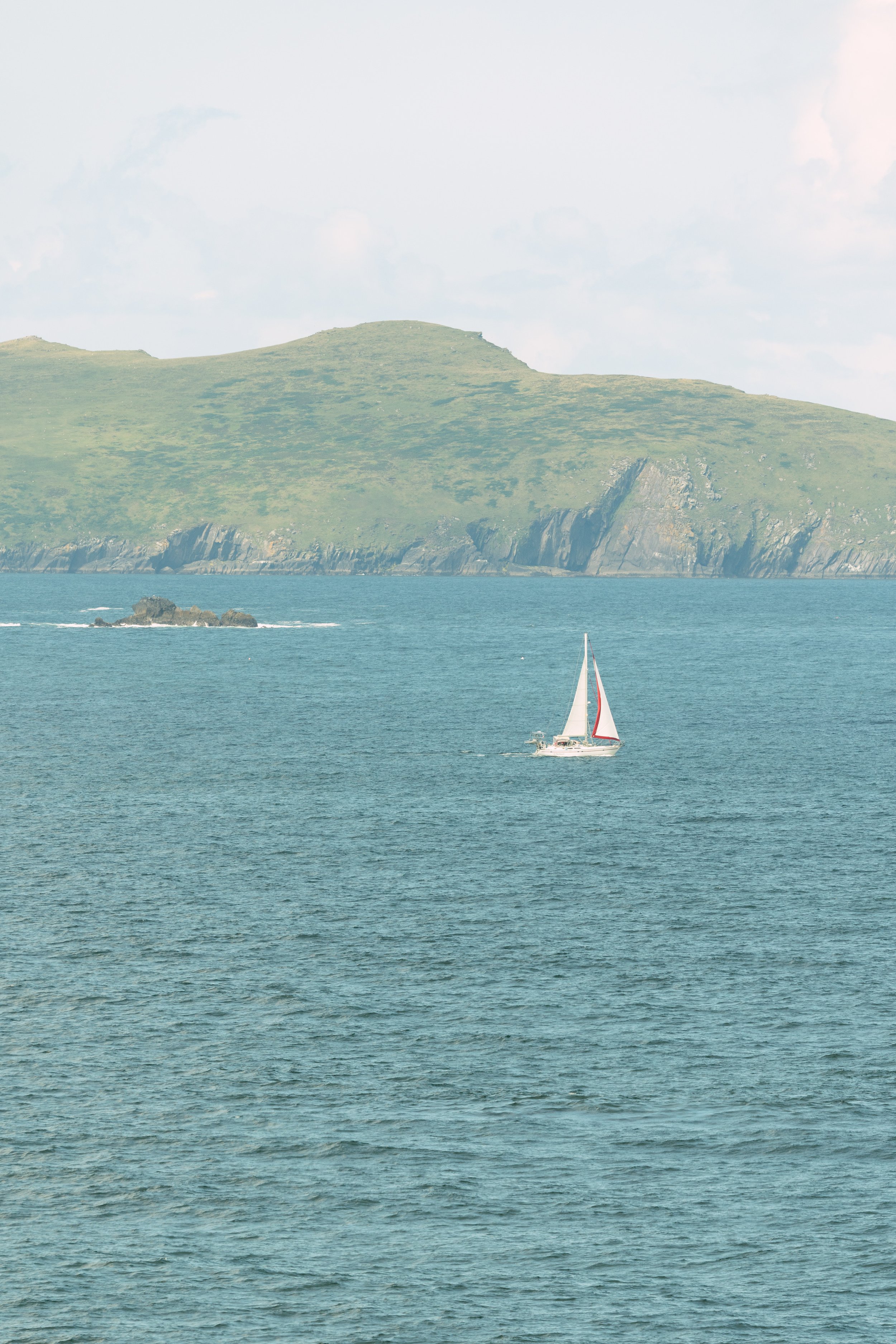
Remedy underway rounding Sley Head and crossing Blasket Sound, photo courtesy of Kat Joseph
We have so many incredible photos. Here is a gallery of photos from our time in Derrynane and Dingle. If you are reading this in your email, you will need to click this link to view them.