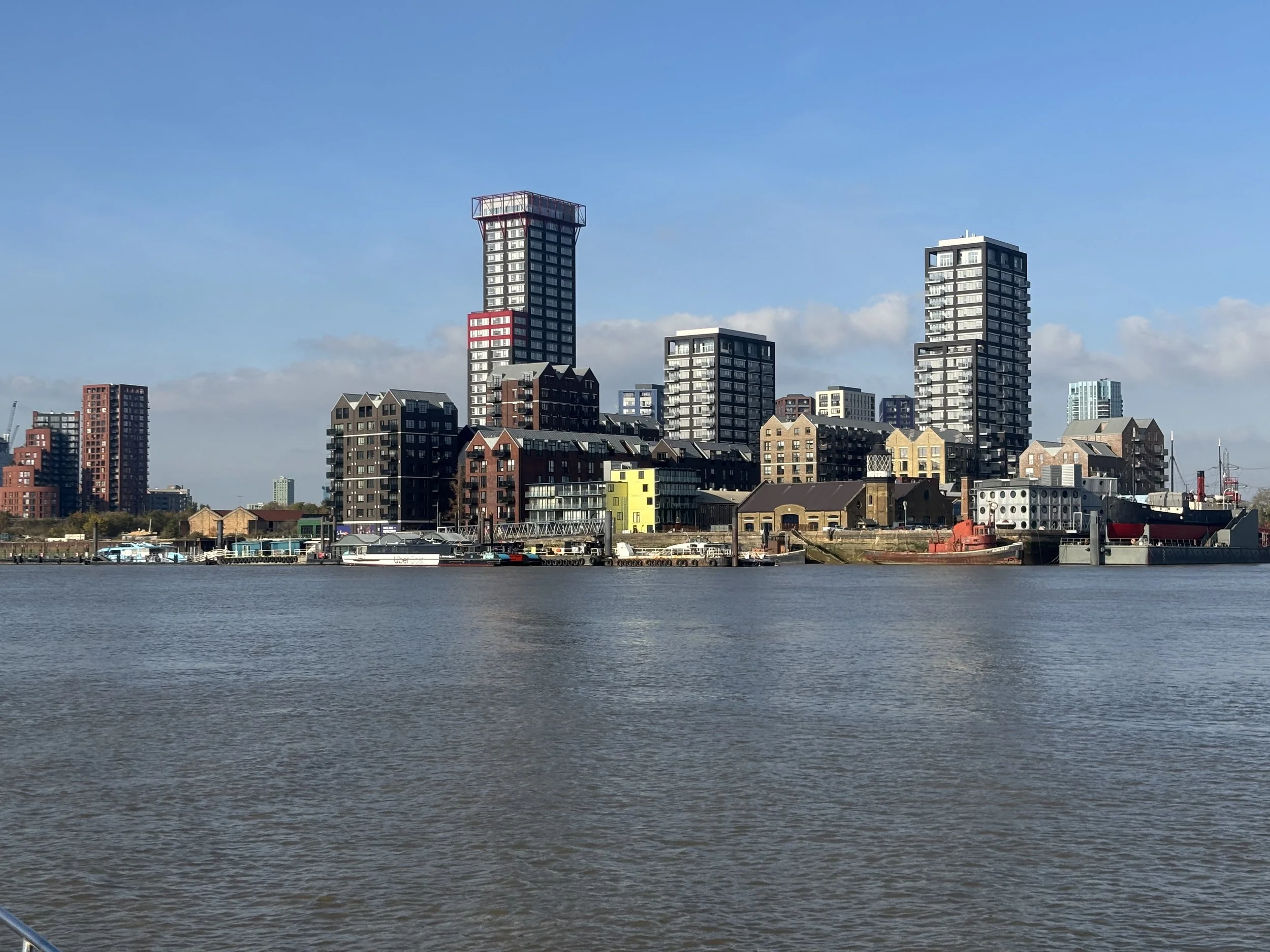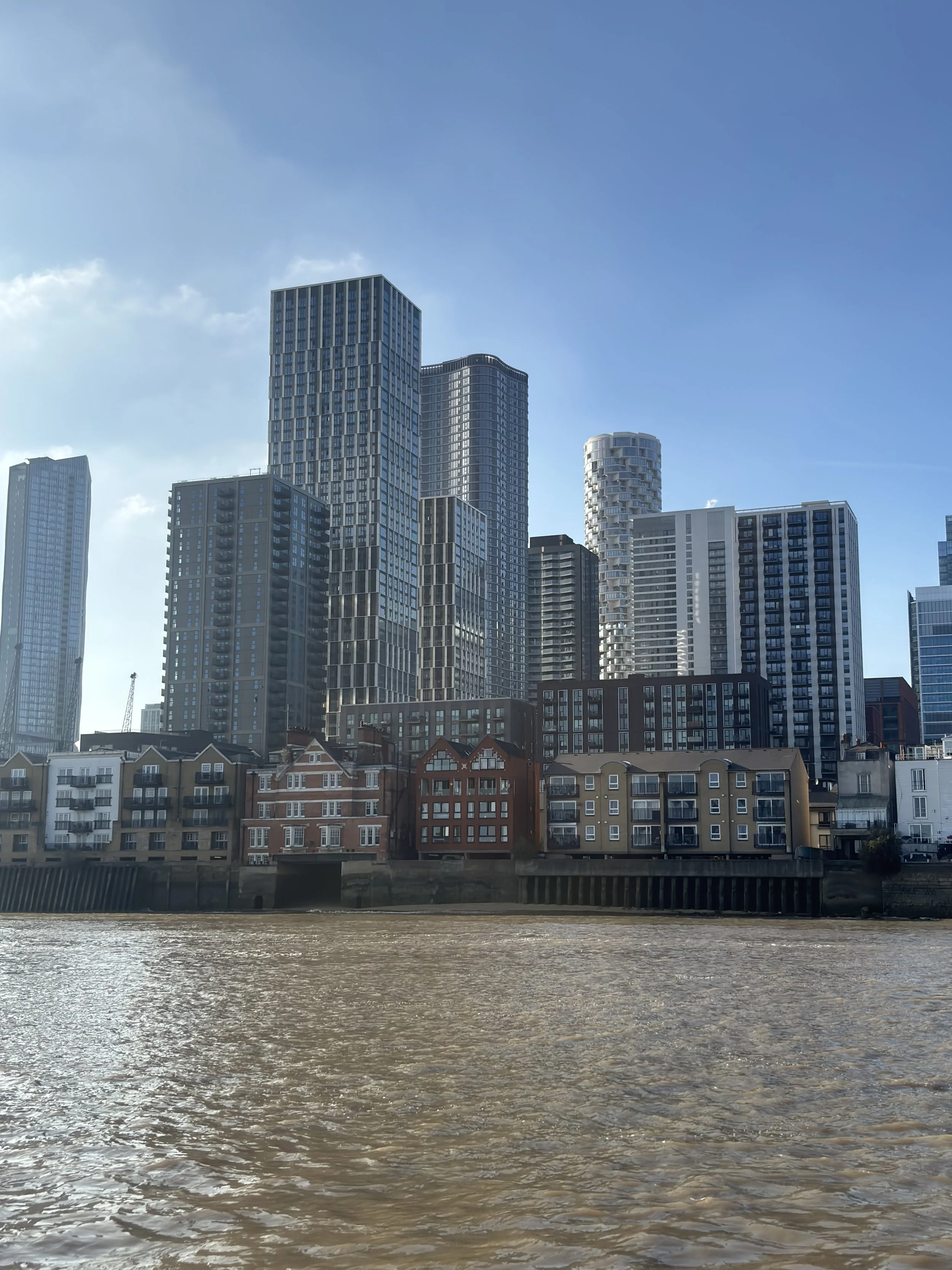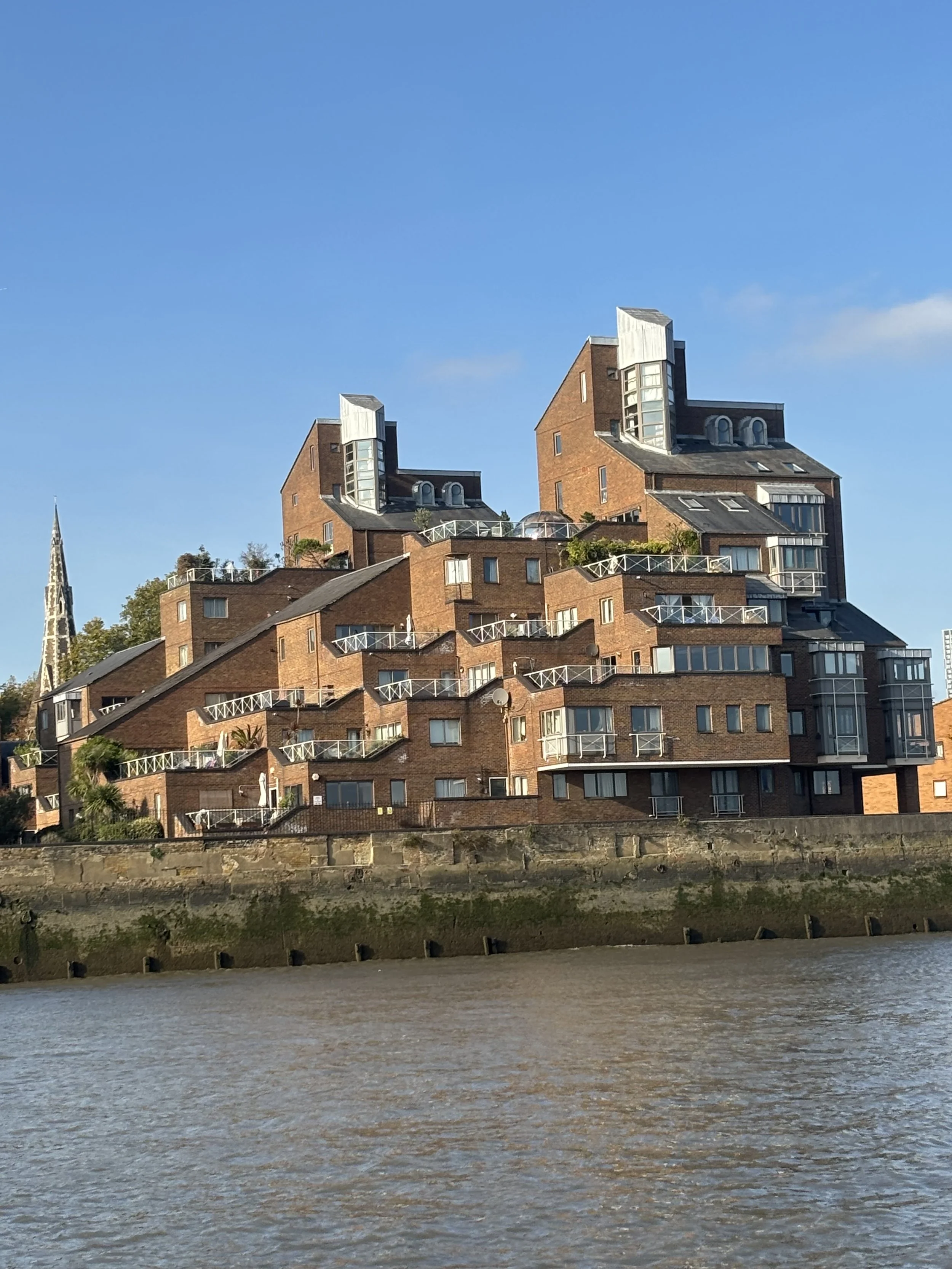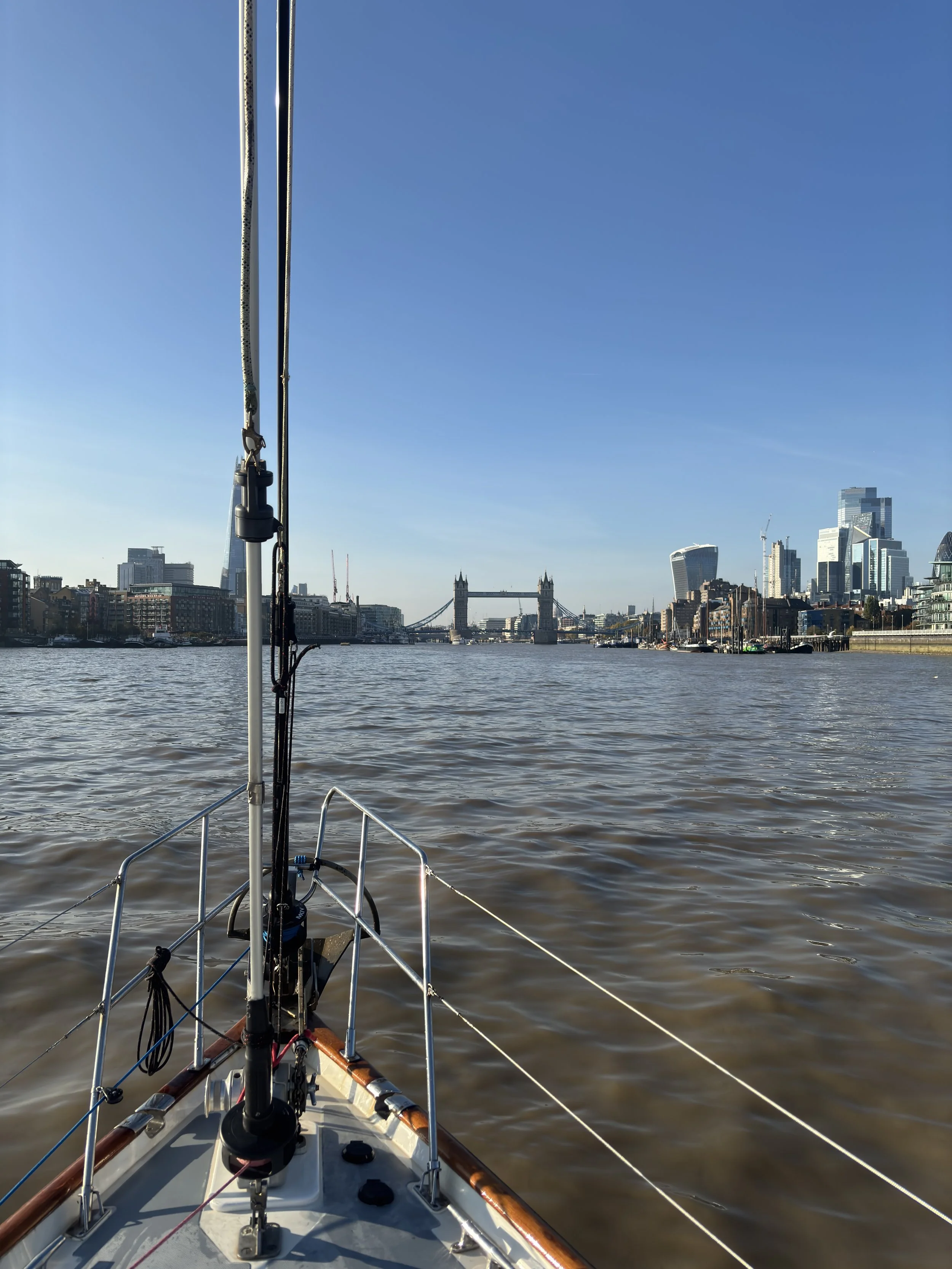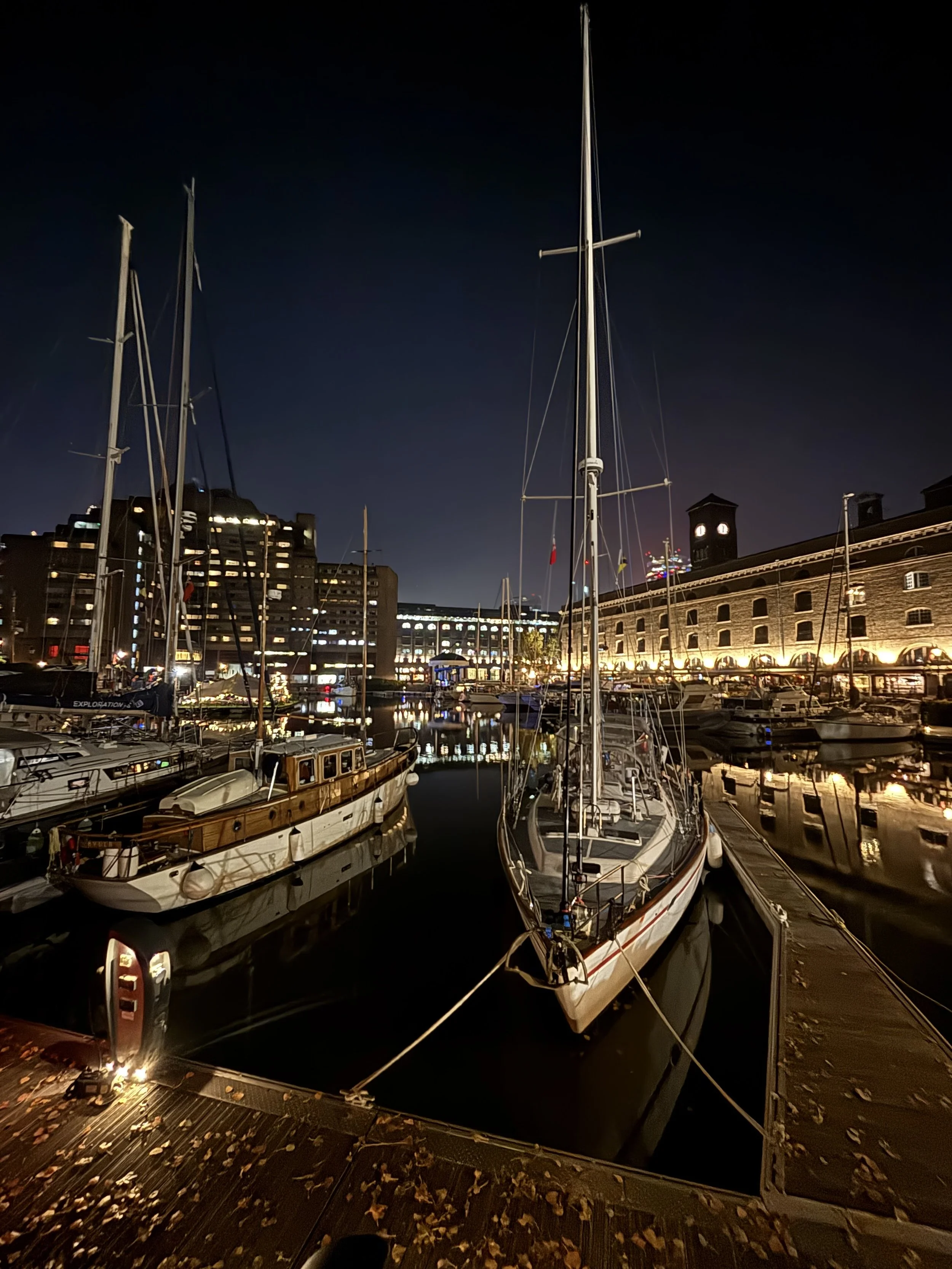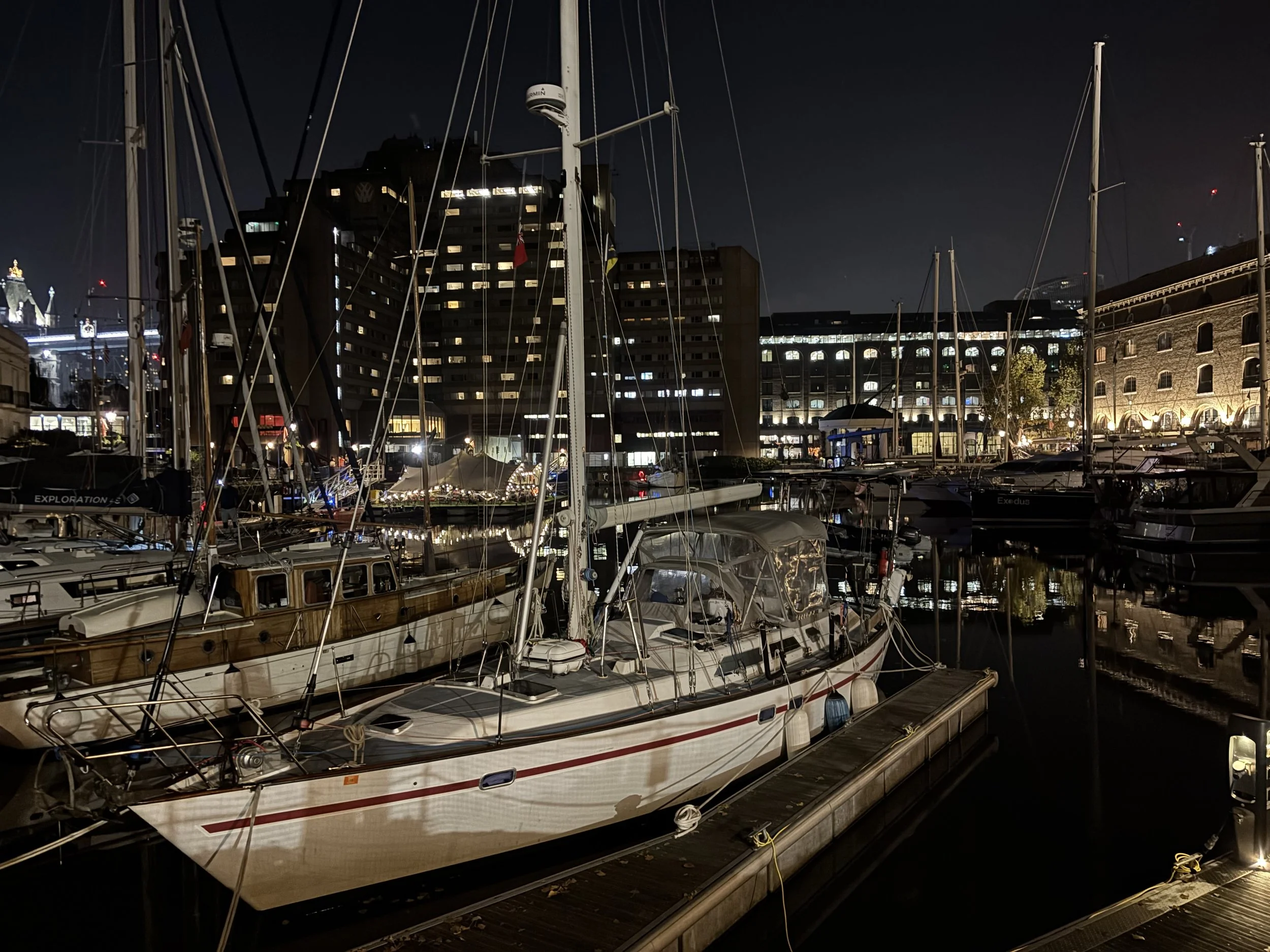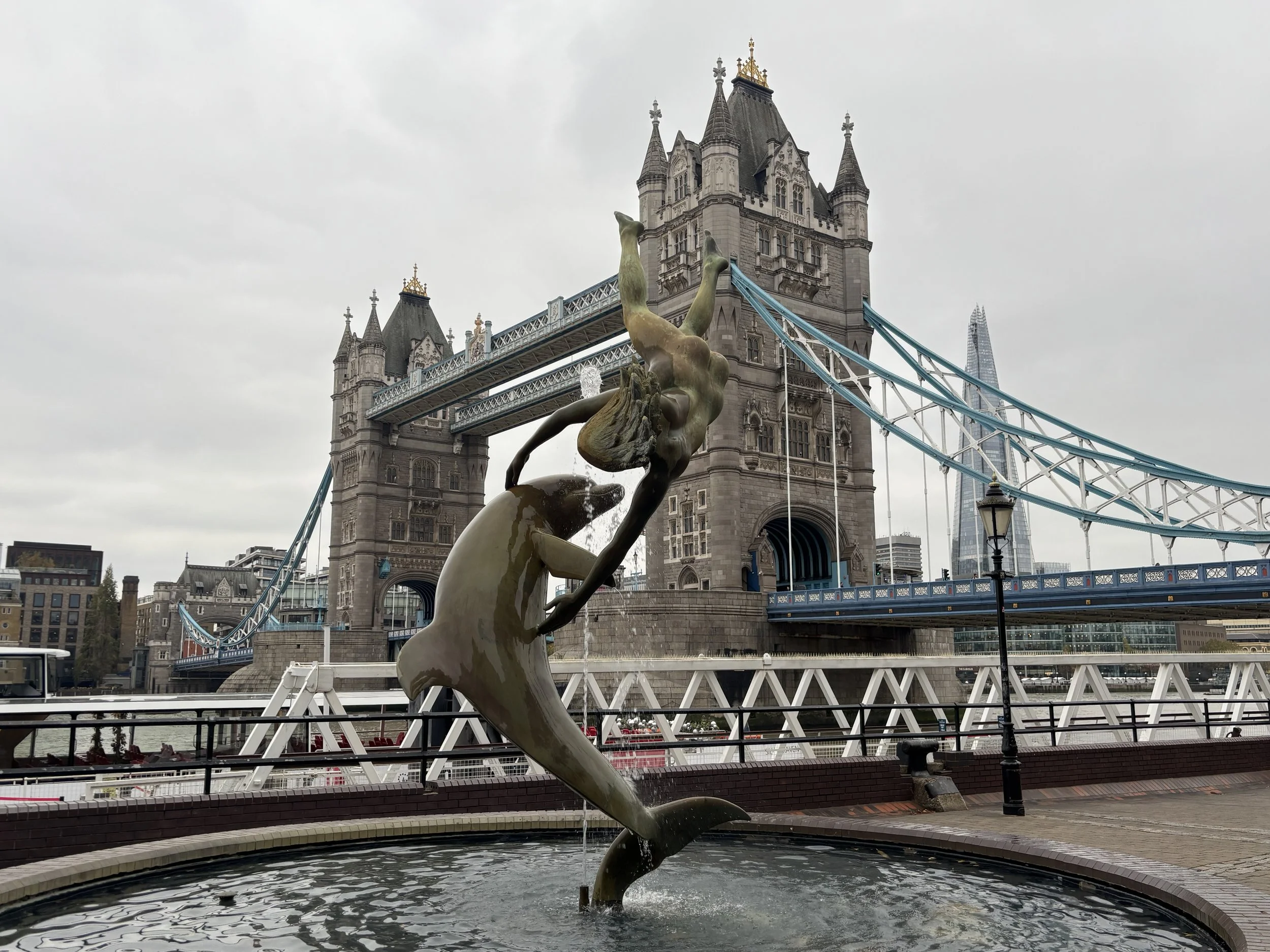
We made it to London, finally! Whew. What a journey. We had quite the push this last month, but we are here, and London is fabulous. It’s been my dream to visit London for as long as I can remember. My nana was born in England (Sunderland), and I have always wanted to visit her homeland. She was a British war bride who met my grandfather, an American soldier stationed here during WWII. I may not get the details right, but as best I remember, the first time he saw her, he told her he was going to marry her, but she laughed him off. Spoiler alert: they did, in fact, marry. However, she could not join him in America for another year. She entered New York’s Ellis Island as one of the many immigrants who passed through.
They settled in Charlotte, NC, where they spent the rest of their lives. Nana had the funniest accent—British with a splash of Southern sprinkled in. I grew up hearing all the stories about the royals and seeing pictures and memorabilia from London. She loved the Royals, and we all stayed up into the wee hours of the morning to watch Princess Diana marry Prince Charles. So it feels a bit surreal to finally be here, exploring the land she grew up in and loved. I was really hoping I could find and connect with my extended family who still live here—my cousin Phillip and Aunt Anne. The last time I saw them, I was 7 or 8 years old. But I can’t remember their last names, and Ancestry.com hasn’t really helped me track them down either.
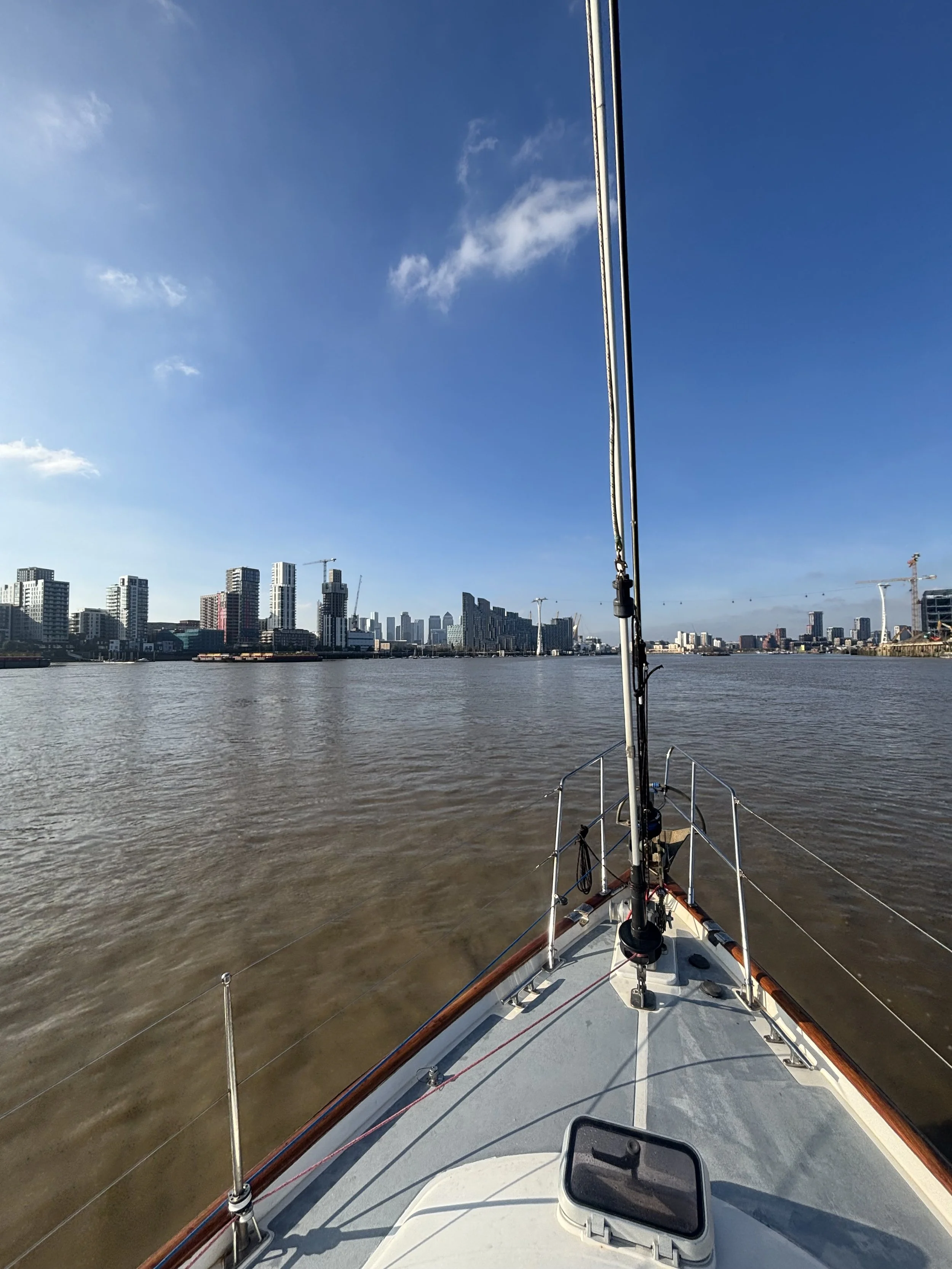
Making our way down the Thames into London, then seeing the famous Tower Bridge (often mistaken as London Bridge) come into view was a surreal moment. I got a bit emotional thinking about finally being in the land where my nana grew up!
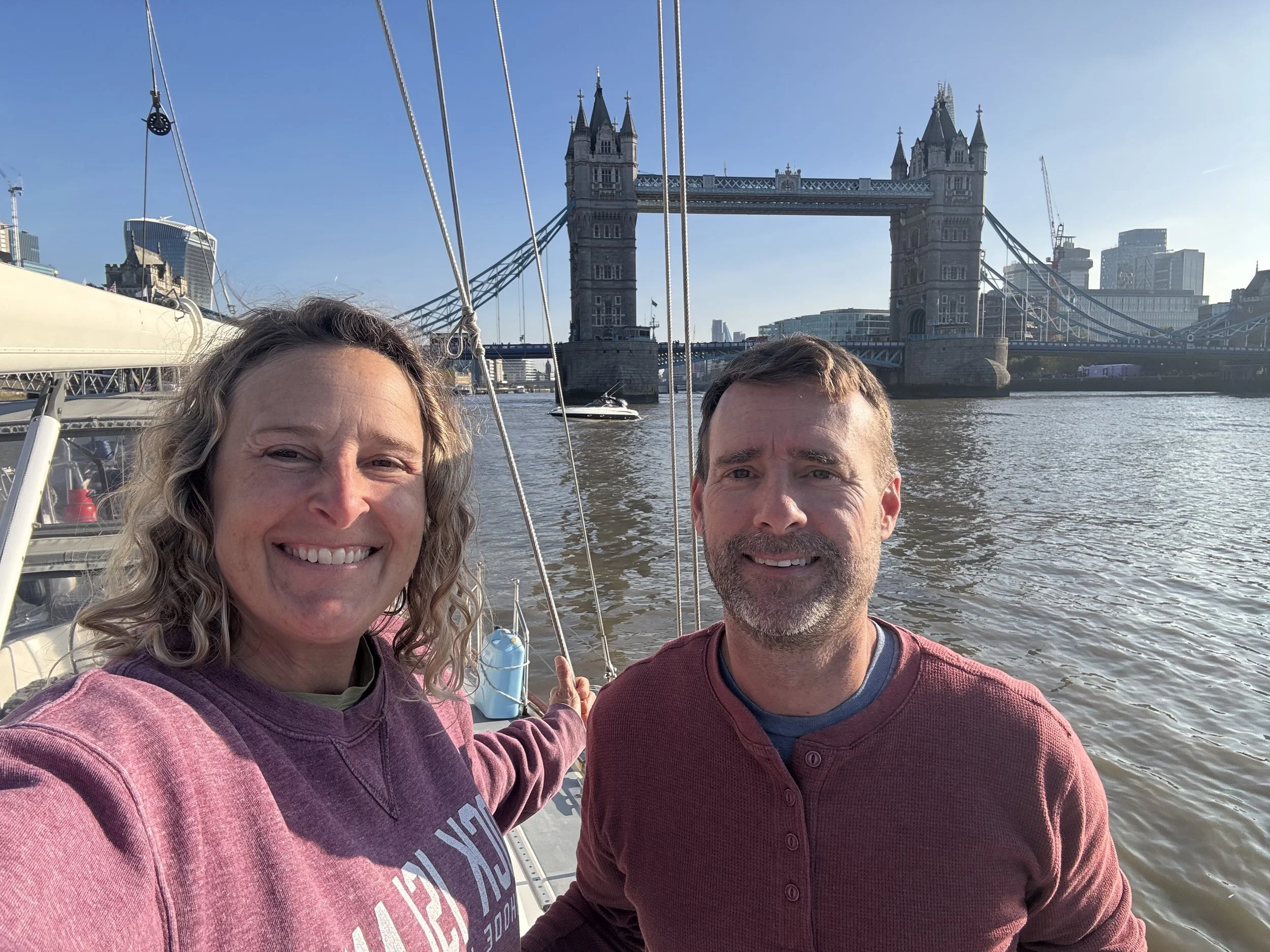
Our arrival in London. Here we are moored while waiting for the bridge to open and allow us entry to our marina. Tower Bridge in the background!
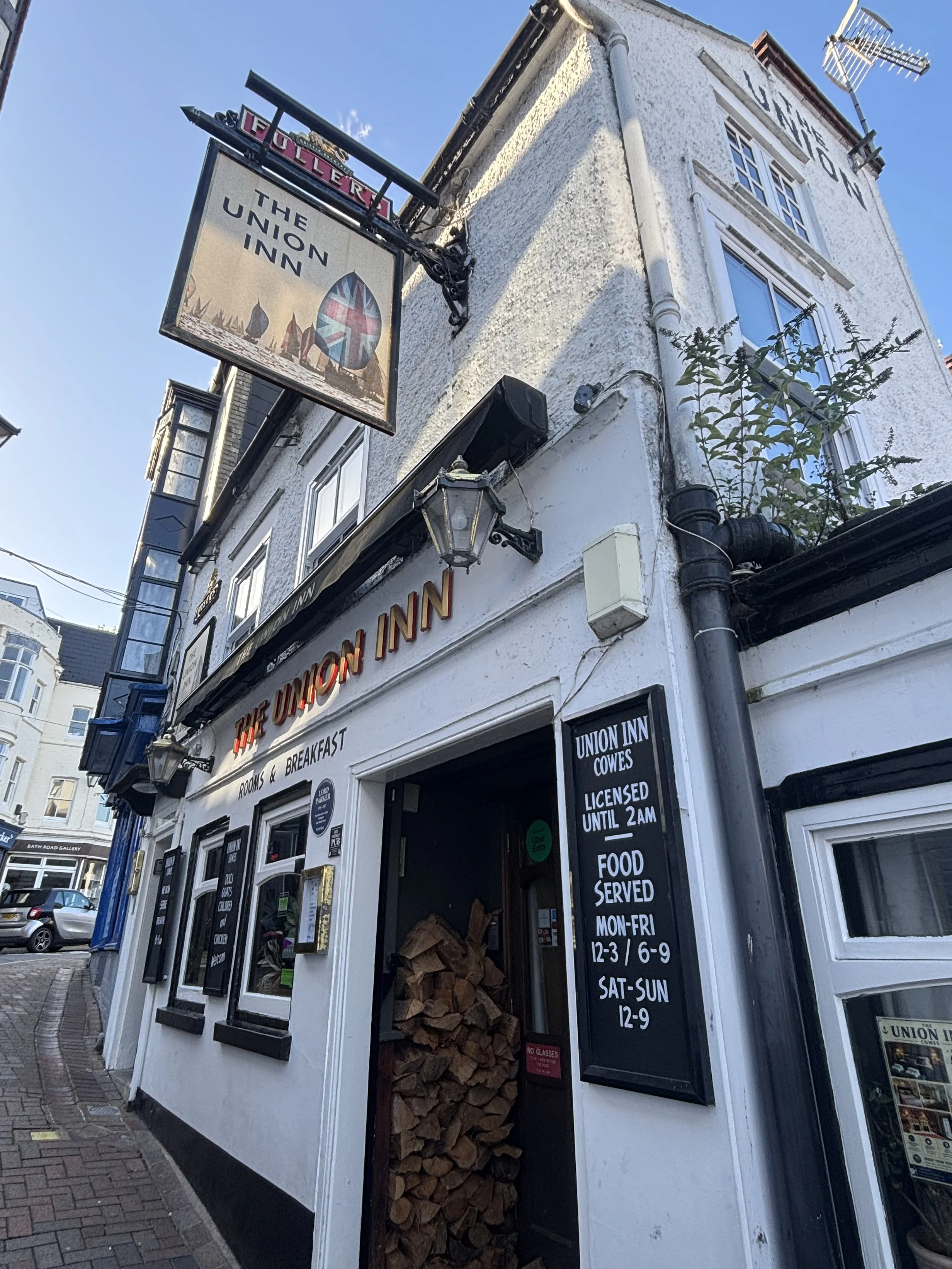
But I am getting a bit ahead of myself (more about London in future posts). We had to cover a good bit of ground to get here. So, our last post left us in Cowes on the Isle of Wight. We spent two weeks there, the longest we’ve stayed in one spot since we left the States in April. We typically move pretty quickly, but weather events kept us in Cowes longer.
To be honest, I didn’t mind. I was ready for a bit of a rest. We’ve covered a lot of ground over the last eight months. Since leaving Annapolis at the end of February, we have sailed 6,135 nautical miles. We’ve spent 87 days moving; 32 of those were overnight. That averages to moving around every 3 days. We’ve been to 55 different anchorages and marinas. The highest wind we’ve sailed in was 42kts (almost 50mph), and the biggest seas we’ve seen were 18 feet. It’s been a lot.
Our friend Brian from Hellacious once said that you don’t realize how much of a toll this life takes on you. You’re constantly on—hyperaware of every new or different noise, constantly checking the weather, fixing broken things, maintaining other things before they break, trying to find the resources you need in new areas, and attempting to move you and your home to new locations without incident. So, slowing down in Cowes, even if it wasn’t by choice, was a nice reprieve. And I couldn’t think of a more quaint spot to be “stuck” for a bit.
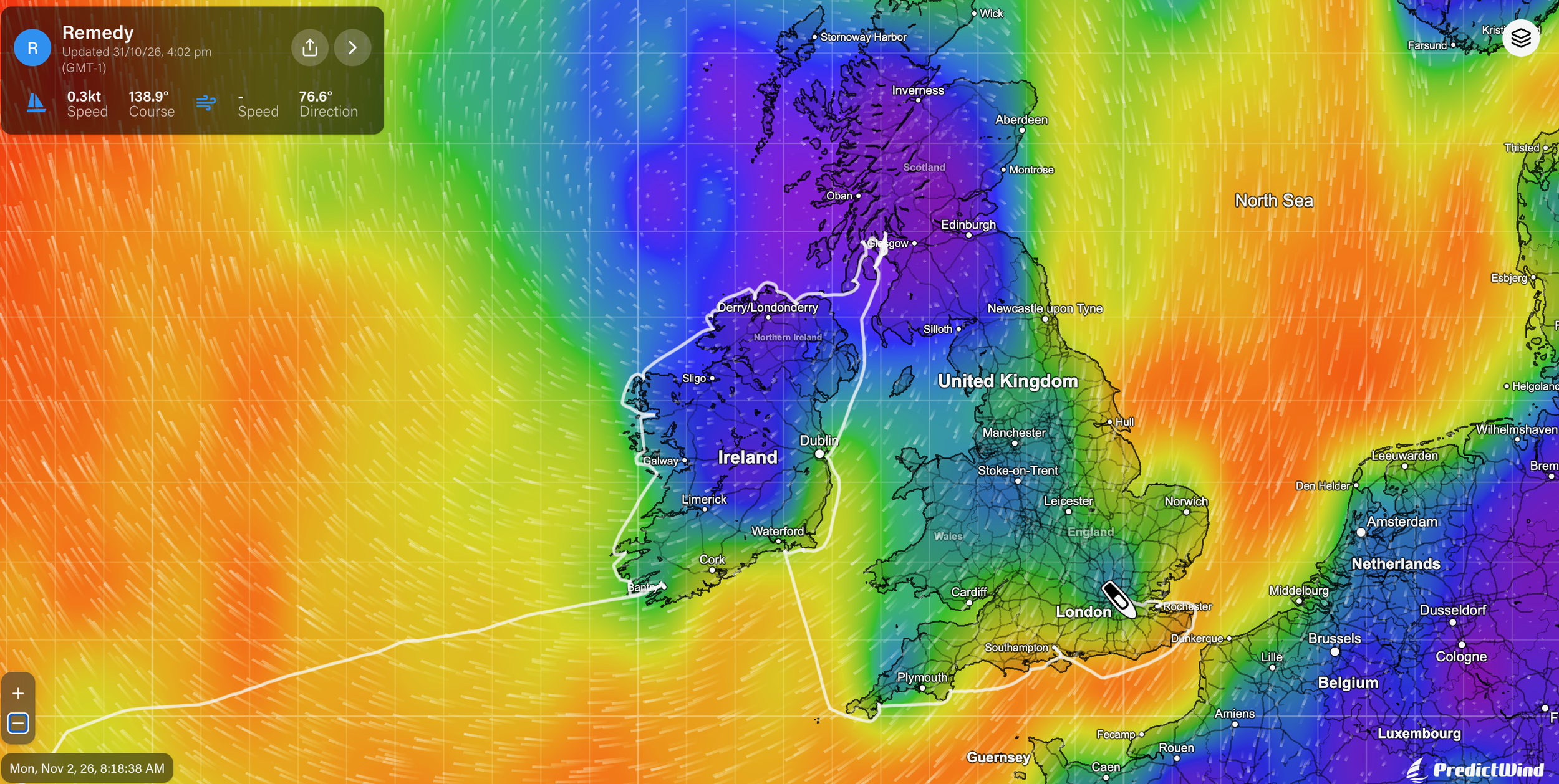
Our journey since leaving the Azores in early July.
Life aboard Remedy is, in some ways, similar to life on land. We have chores and work to tend to. One main difference, though, is that on land, when something breaks, you tend to call a repairman—a plumber, an electrician, a mechanic, etc. But aboard Remedy, we are the plumber, electrician, or mechanic. While in Cowes, we had to replace the blackwater hose to the head (toilet). This is probably Ken’s most dreaded kind of work. The blackwater hose is the hose used to discharge bathroom waste overboard or into a holding tank. So it is a gross job. But it had to be done. So, we rolled up our sleeves, donned some latex gloves, and got to work.
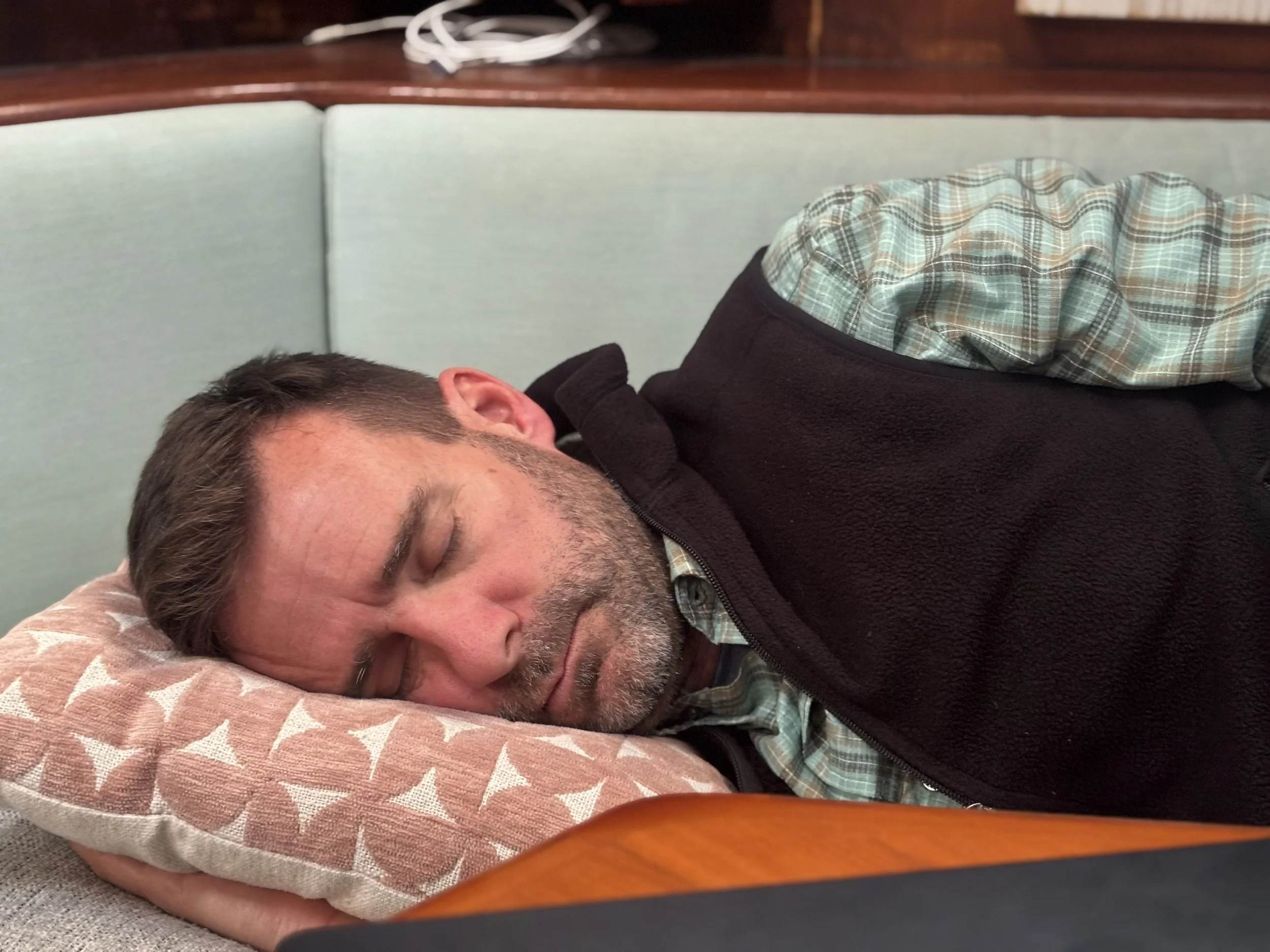
Nothing about boat projects is easy. It is a compact space that forces you to contort your body into very unnatural positions for long periods. The project took us about two days, but we thankfully got it done, and it should be good for the duration of our ownership of Remedy. We also had to replace a chafed furling line—the line we use to furl and unfurl our headsail. Chafing can cause lines to break, which can cause sails to flog wildly and create dangerous conditions when attempting to secure them. So that was a high priority. But in the process, we discovered we also had to repair the furler itself, which may have been the culprit behind the chafing. That took a bit of time and a few different attempts, but all is well now. We also had to repair one of our stanchions, a vertical stainless steel pole on your deck that supports your lifelines. It was already severely rusted and cracked, but when I was securing the dockline in Cowes, the line caught it and bent the stanchion, effectively breaking it. Thankfully, we found a metal fabricator just a few blocks away who helped us, so now it is good as new.
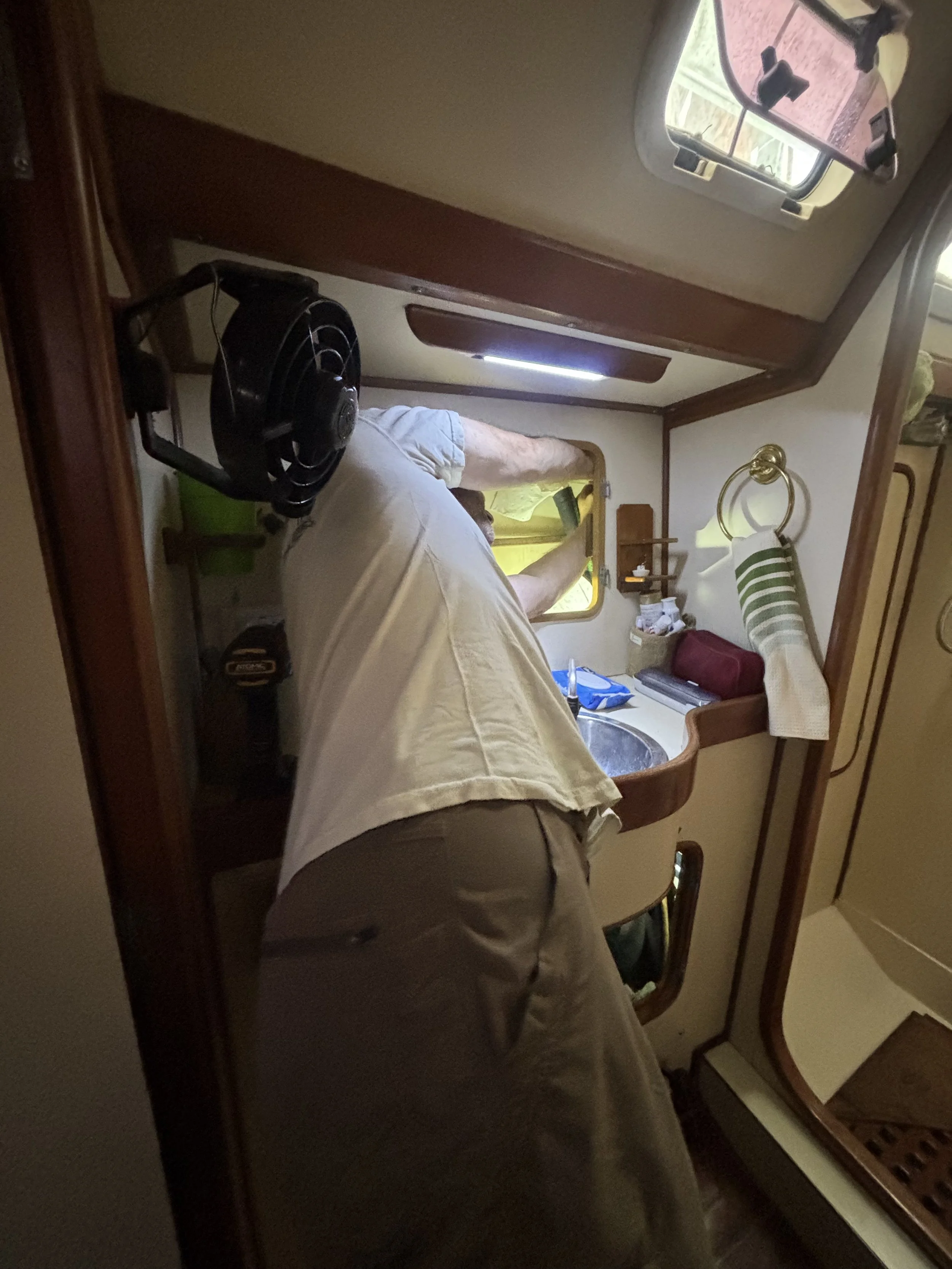
Ken’s contorted body for two days while we replaced the blackwater hose for our toilet.
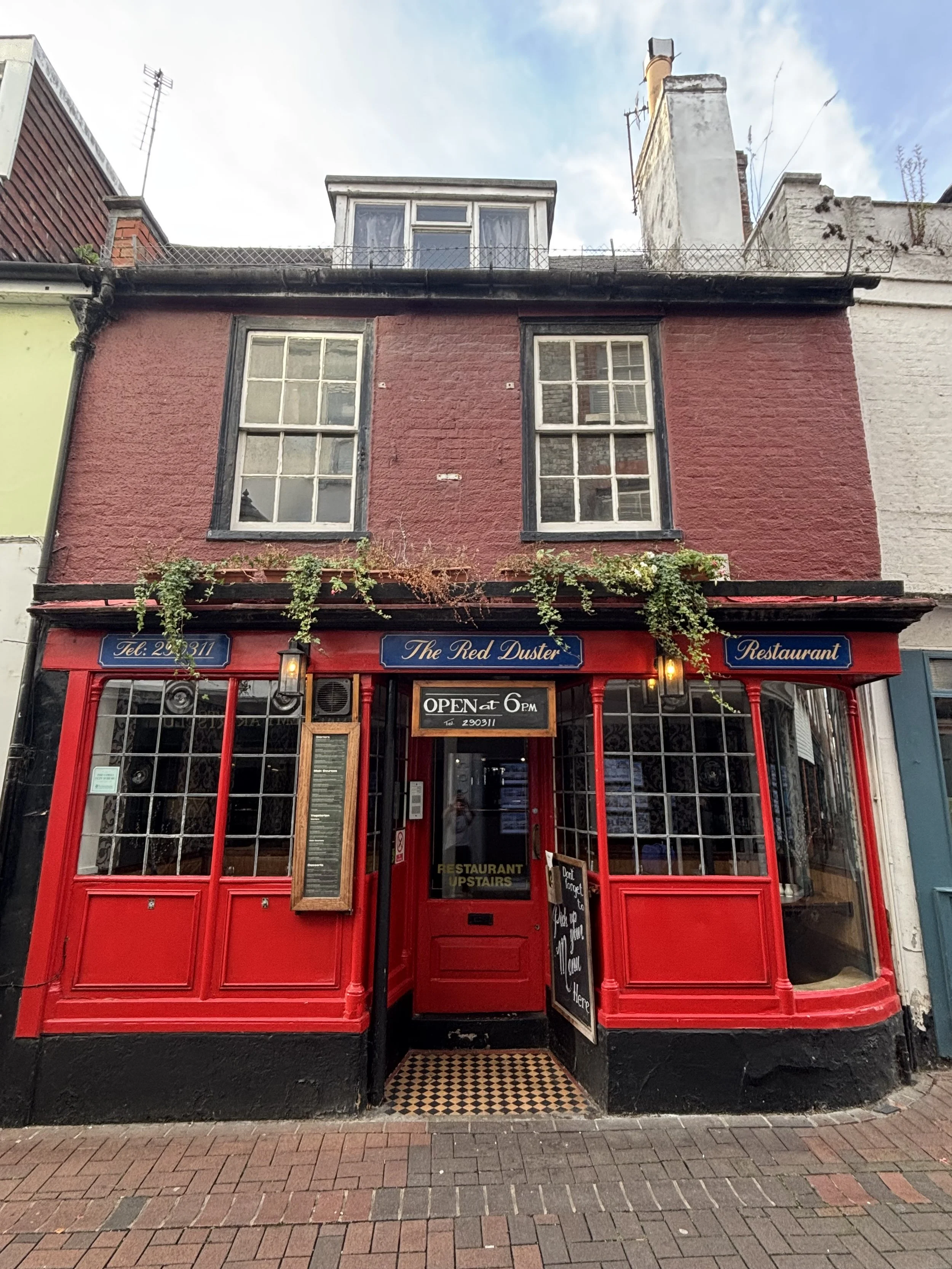
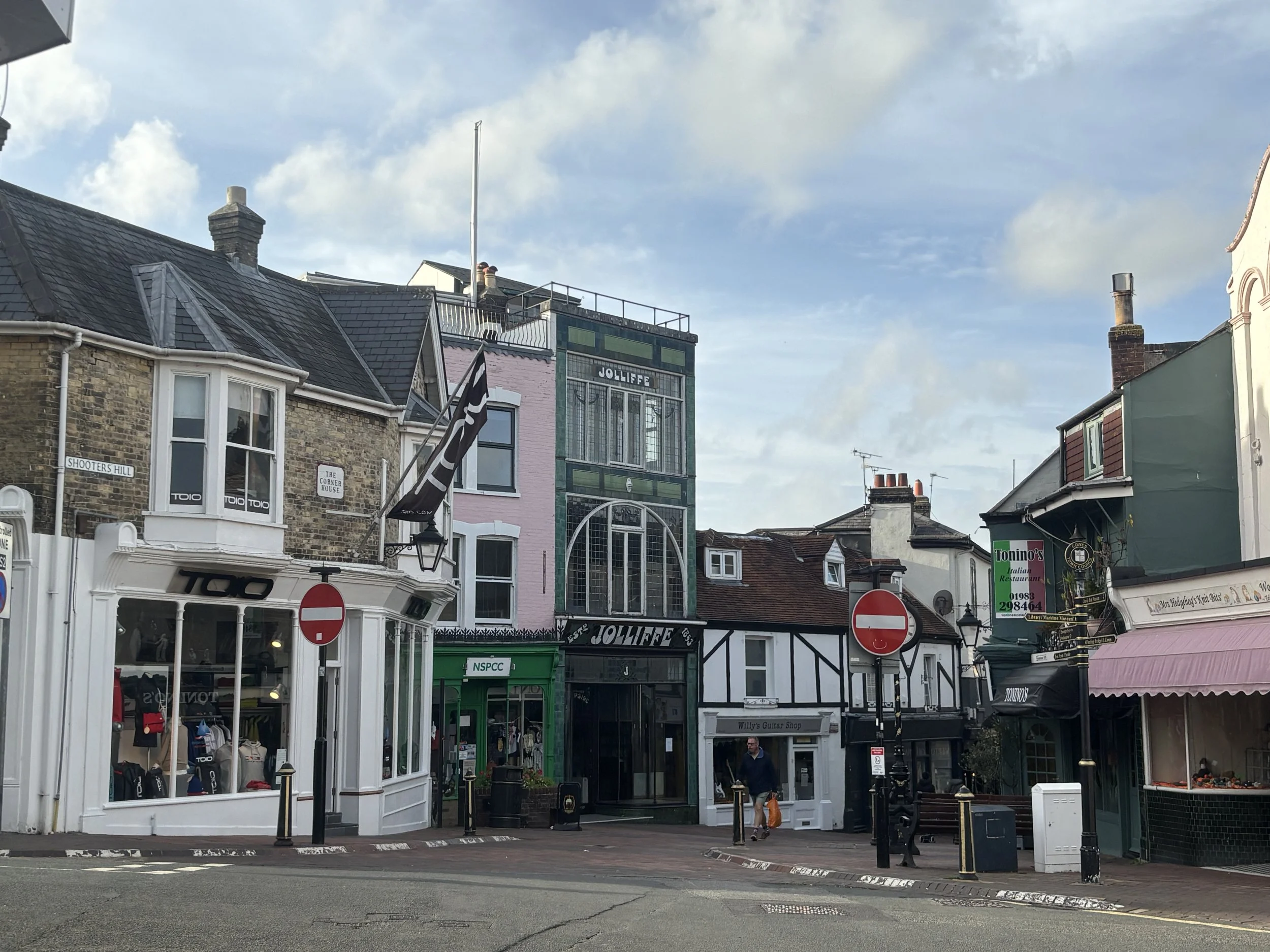
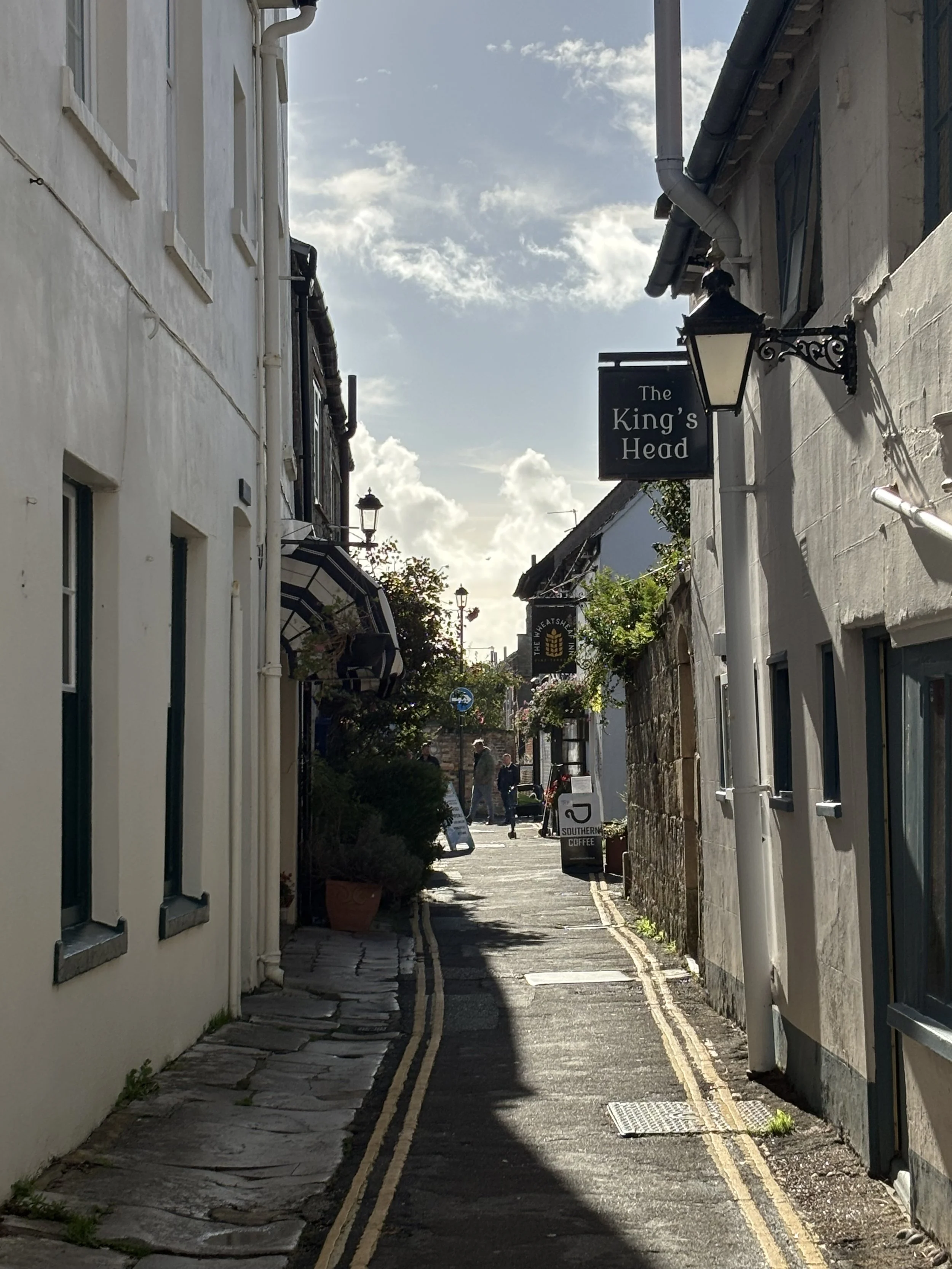
We didn’t know when our next weather window would present itself, so these projects were our top priority. But with all of them completed, we were able to spend some time exploring. Cowes is located in the Solent and is Britain's sailing capital, so it is usually quite busy. But we were there during the off-season, so it wasn’t crowded at all. We were in a marina in West Cowes, which is quite lovely. We strolled through the quaint cobblestone streets and visited local shops and pubs. And I, of course, did a bit of beachcombing for seaglass.
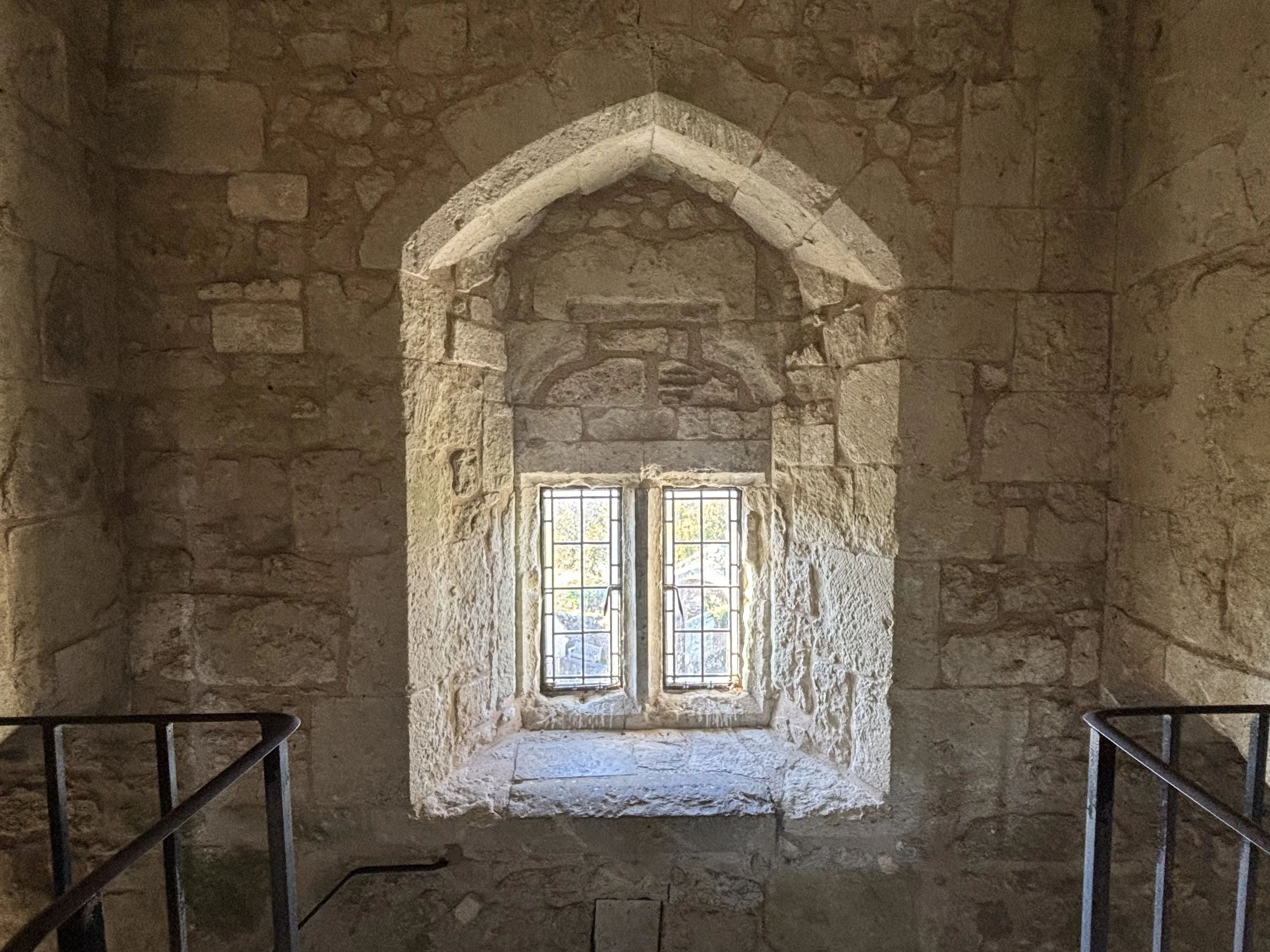
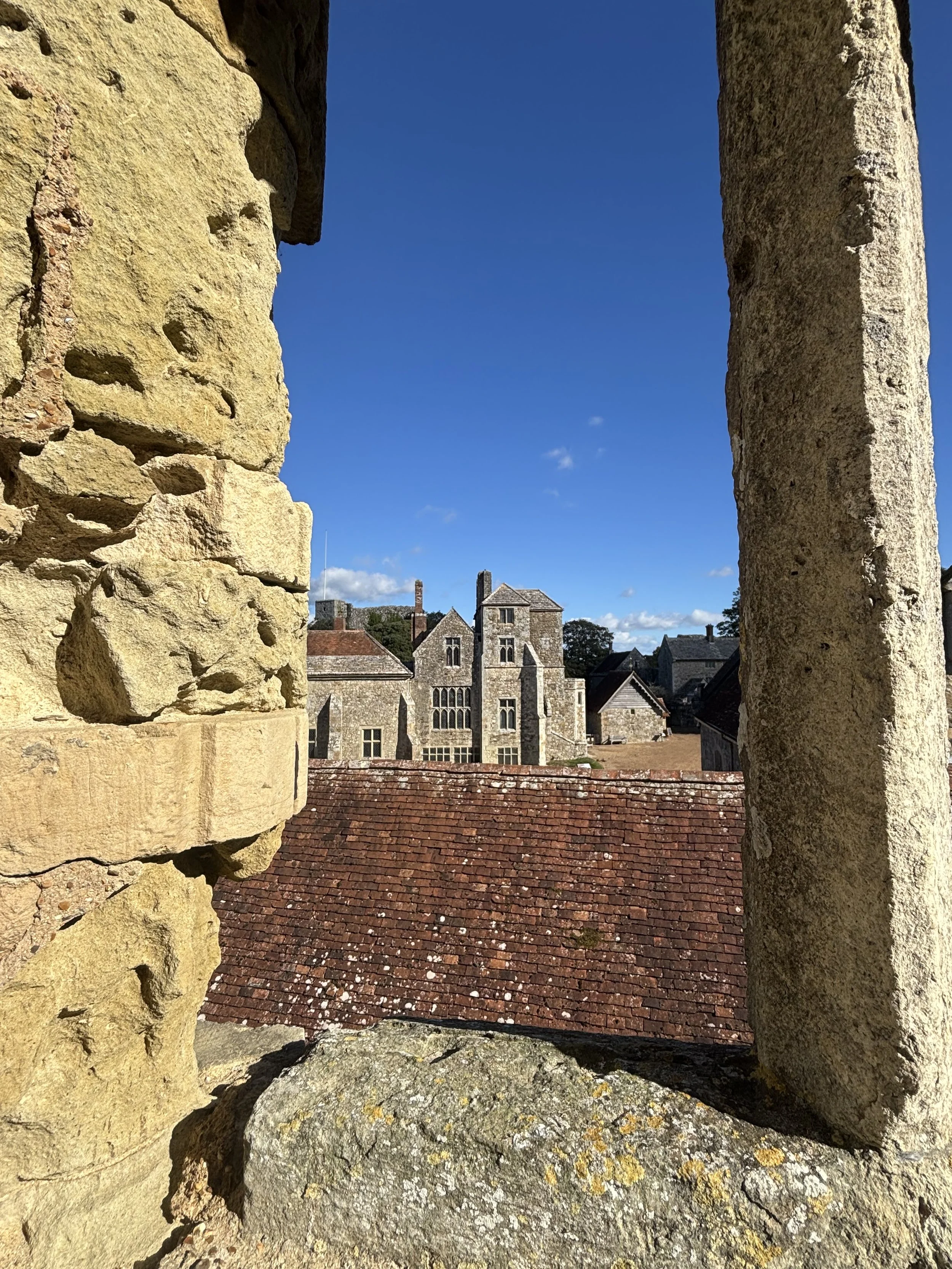
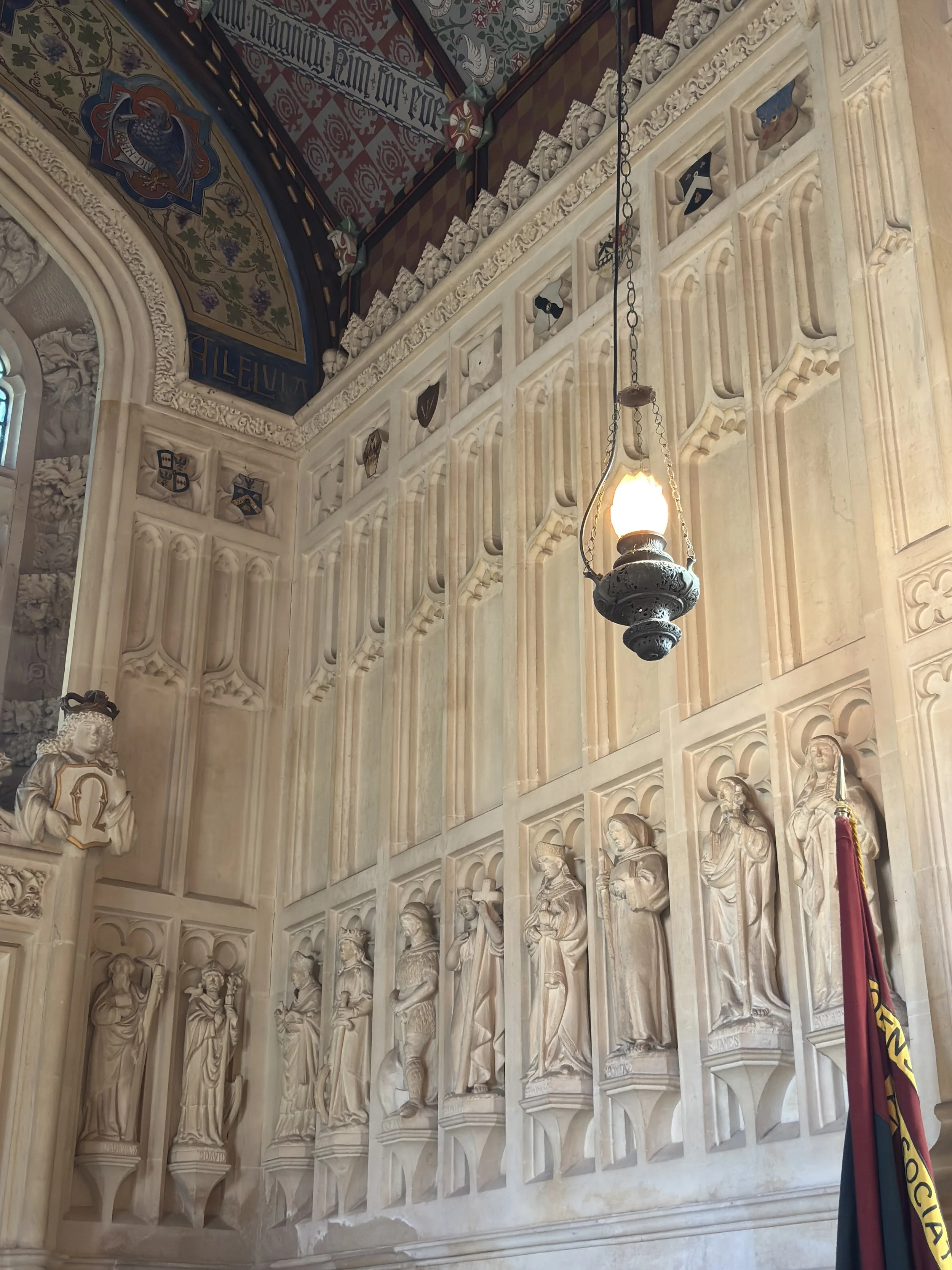
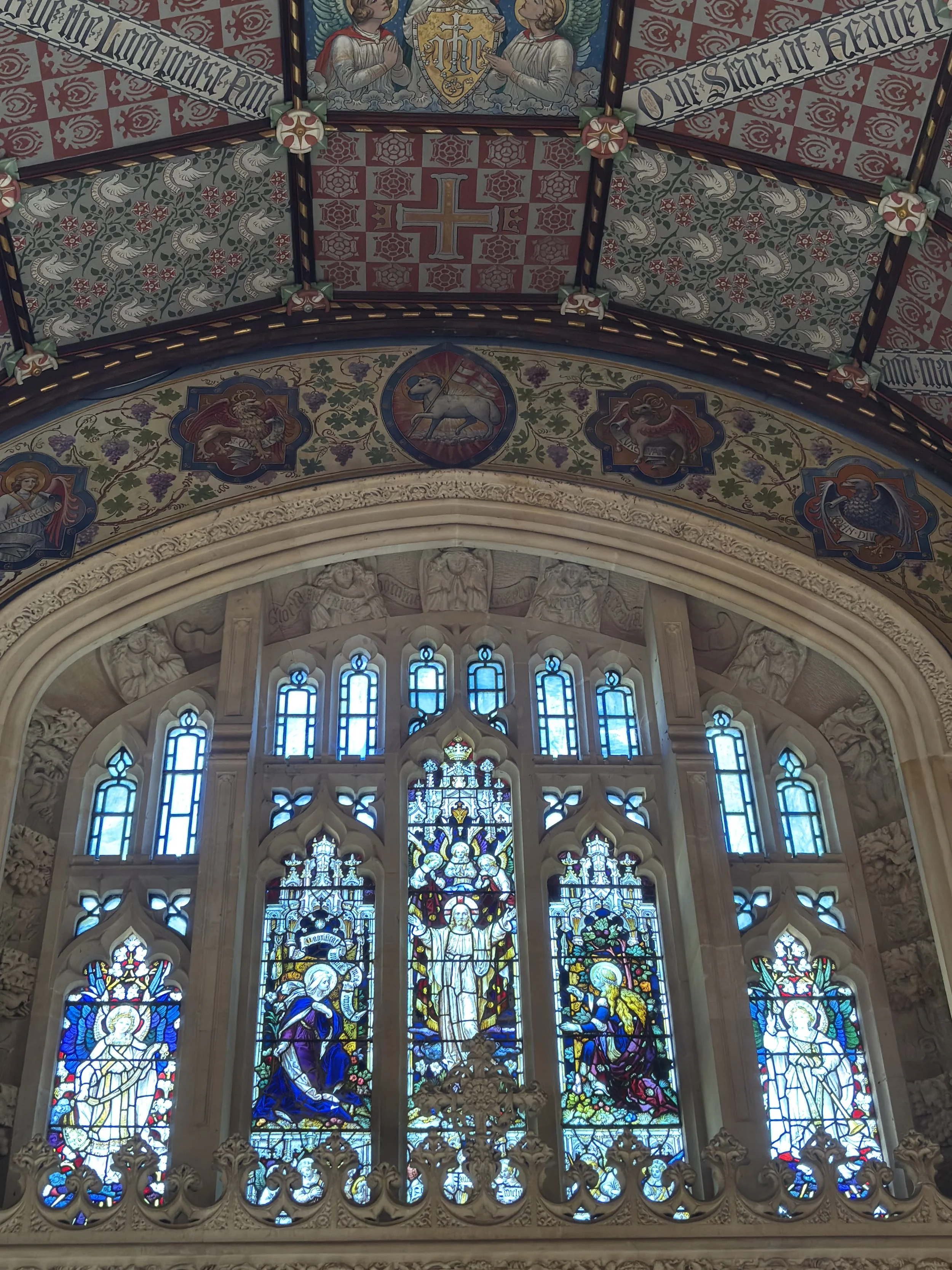
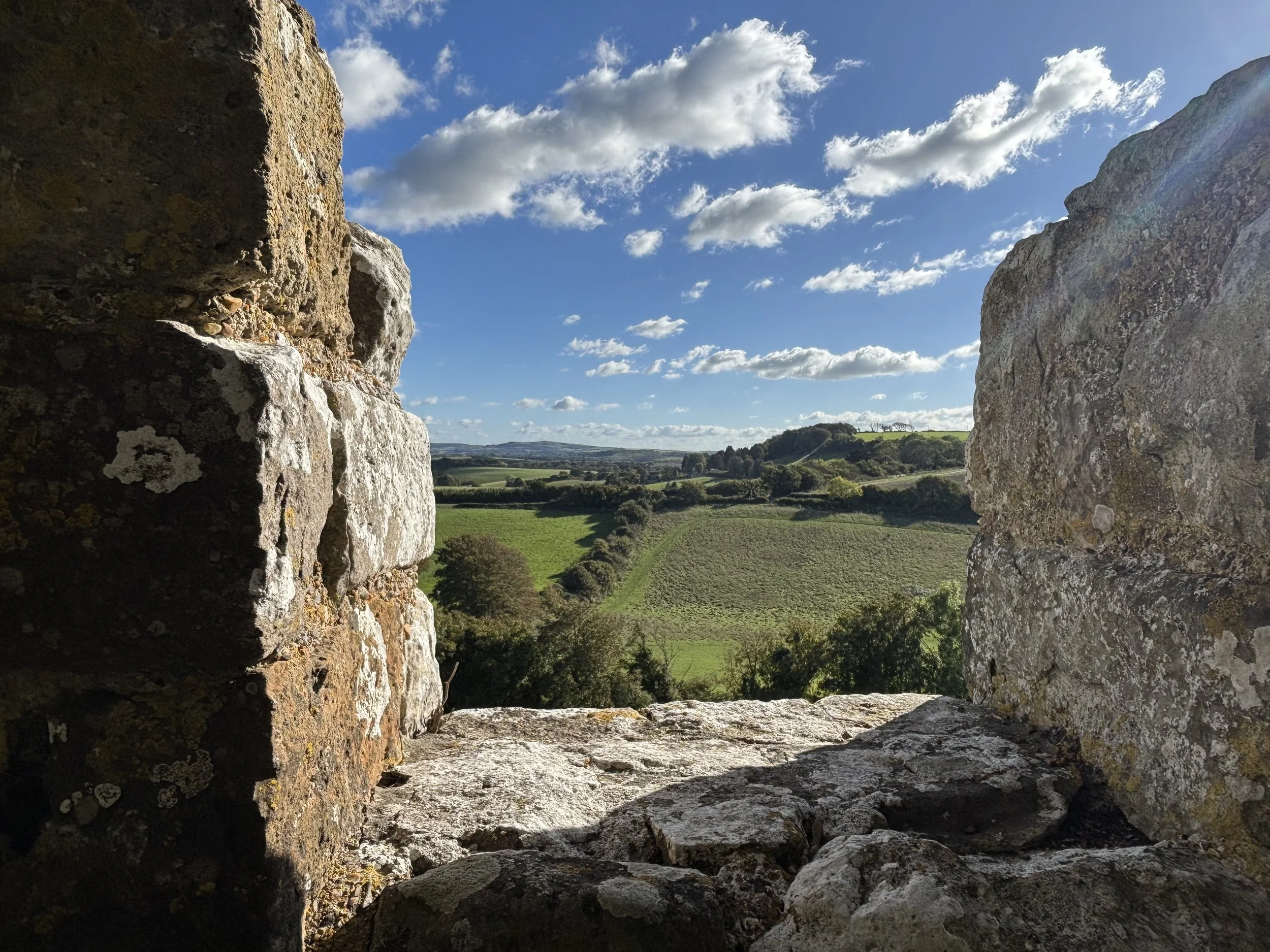
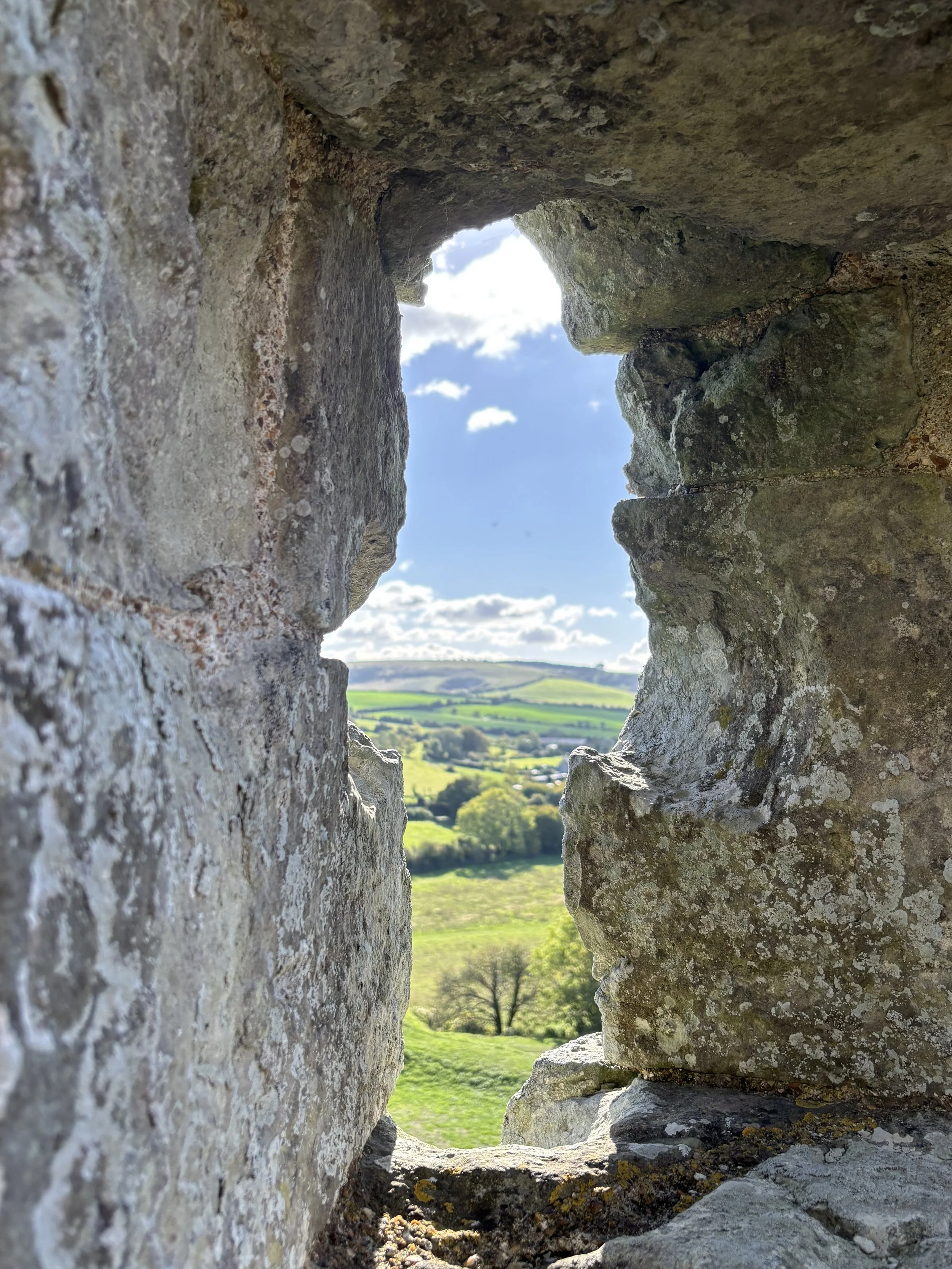
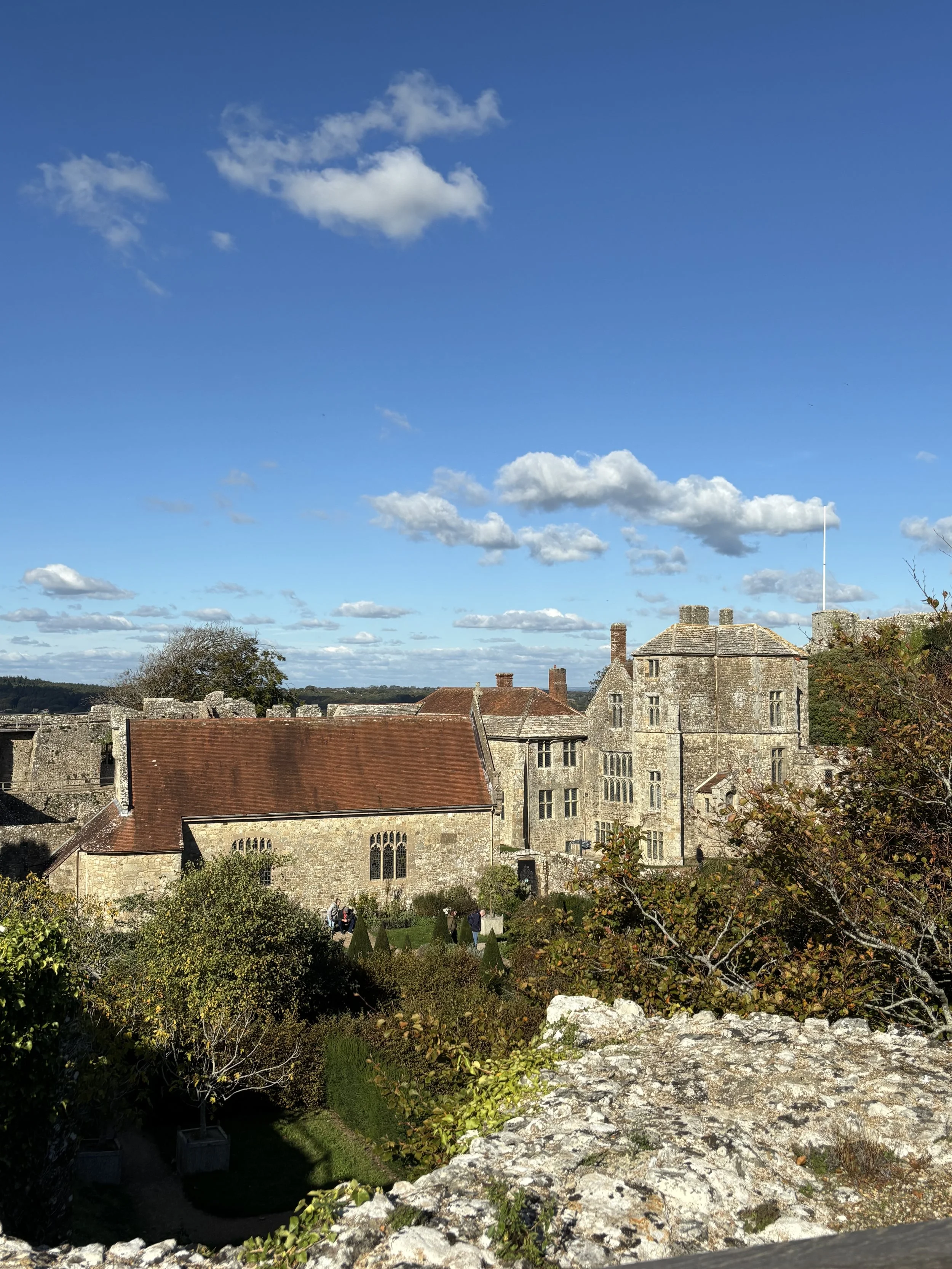
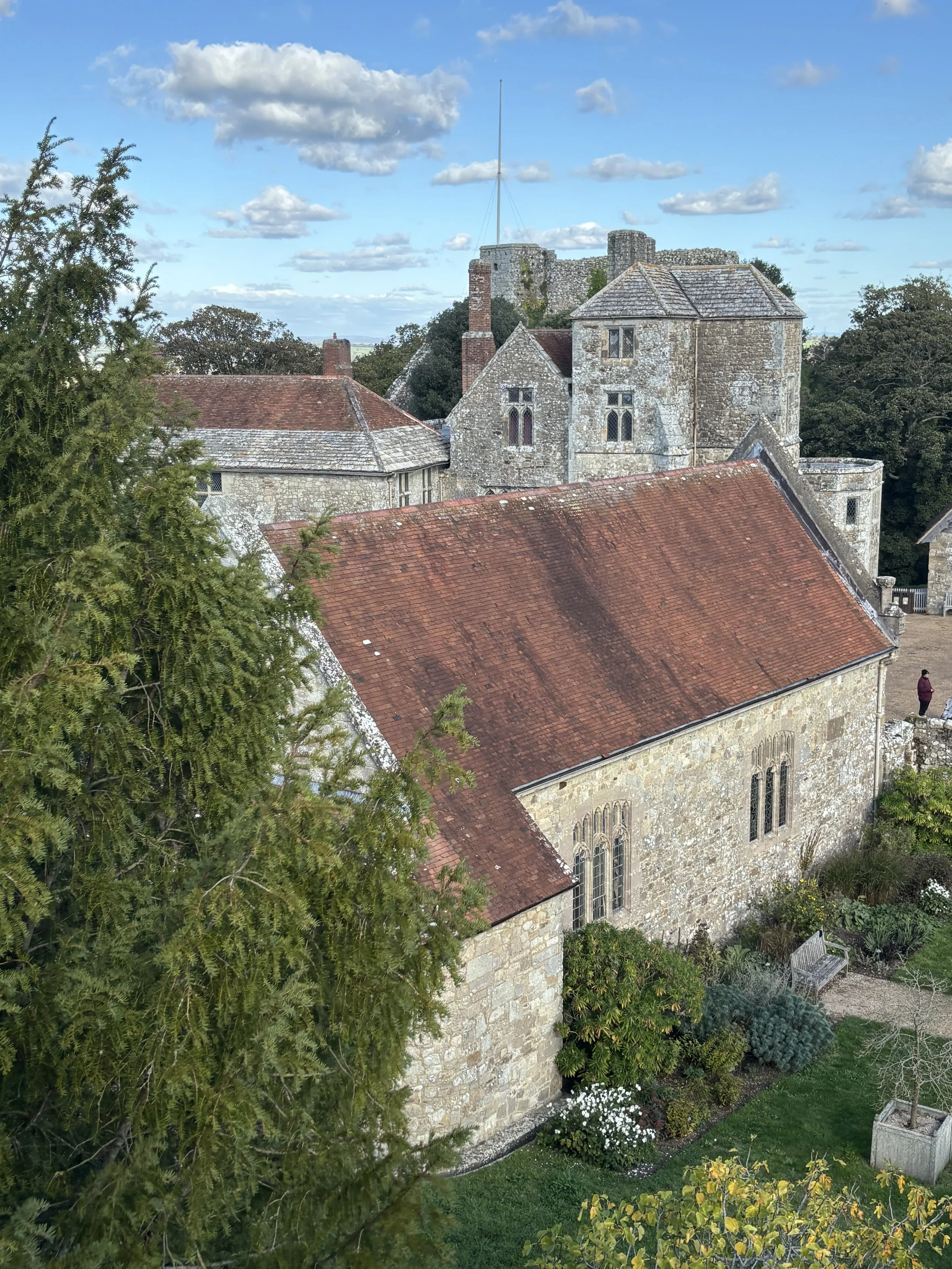
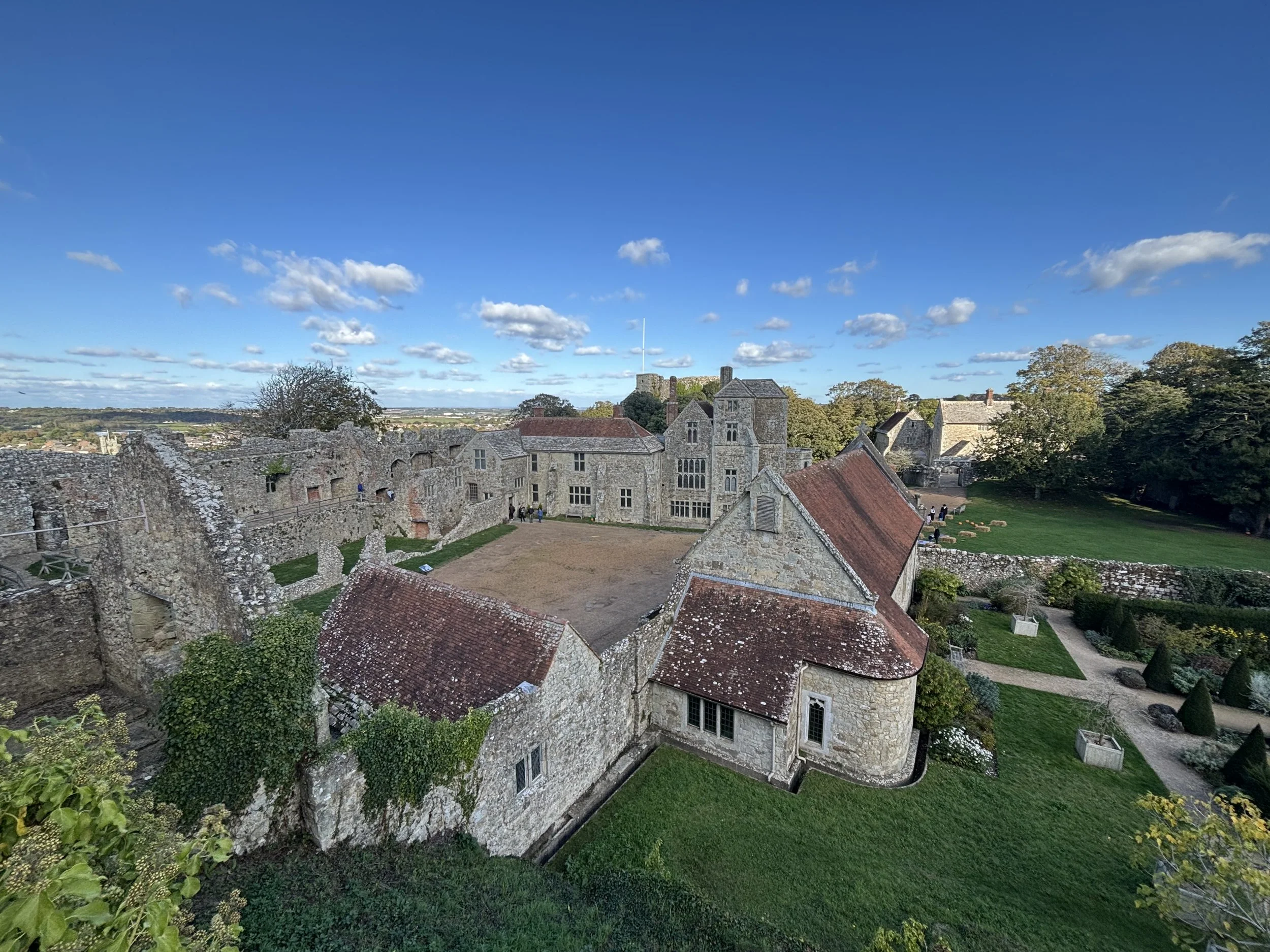
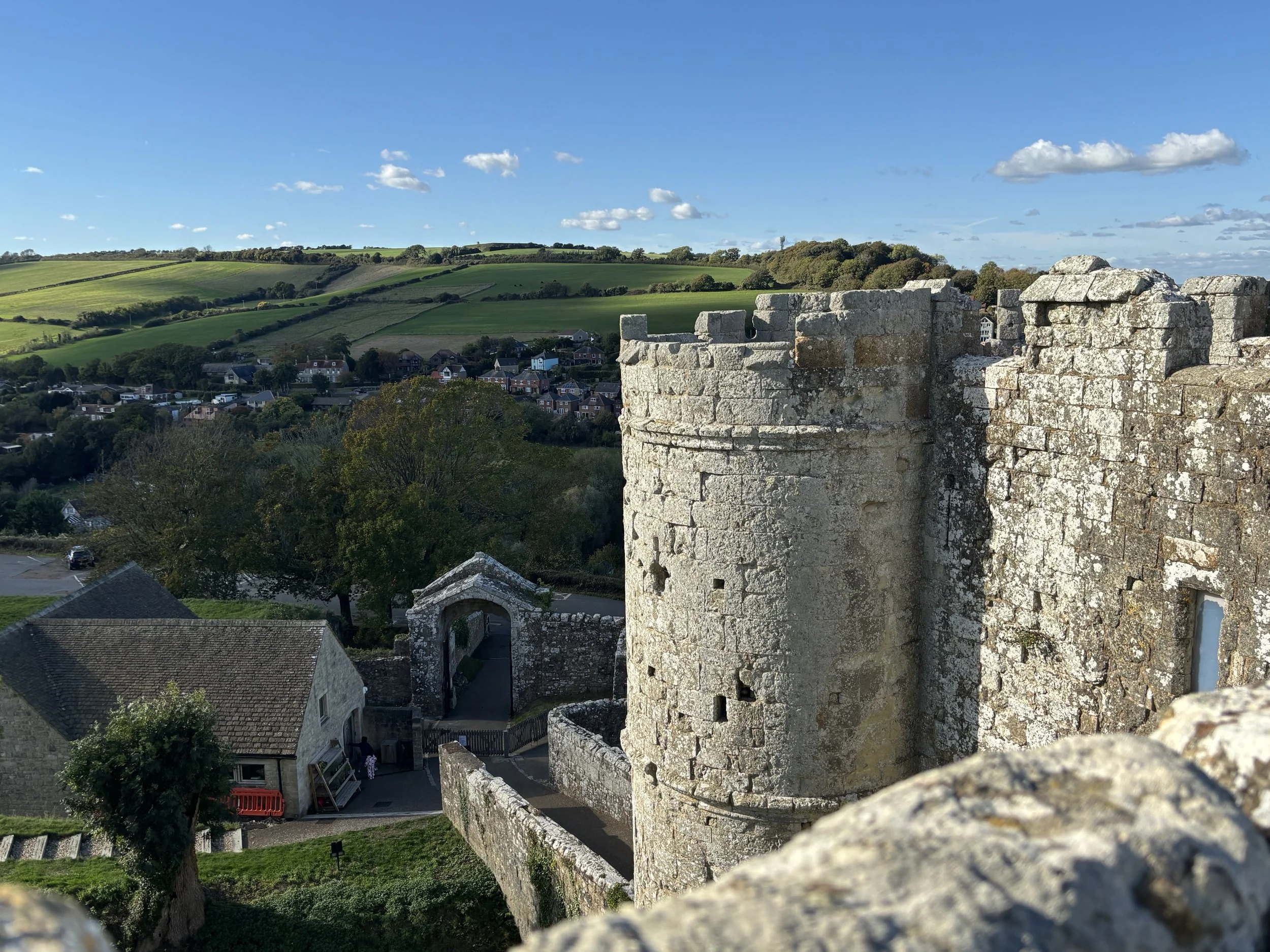
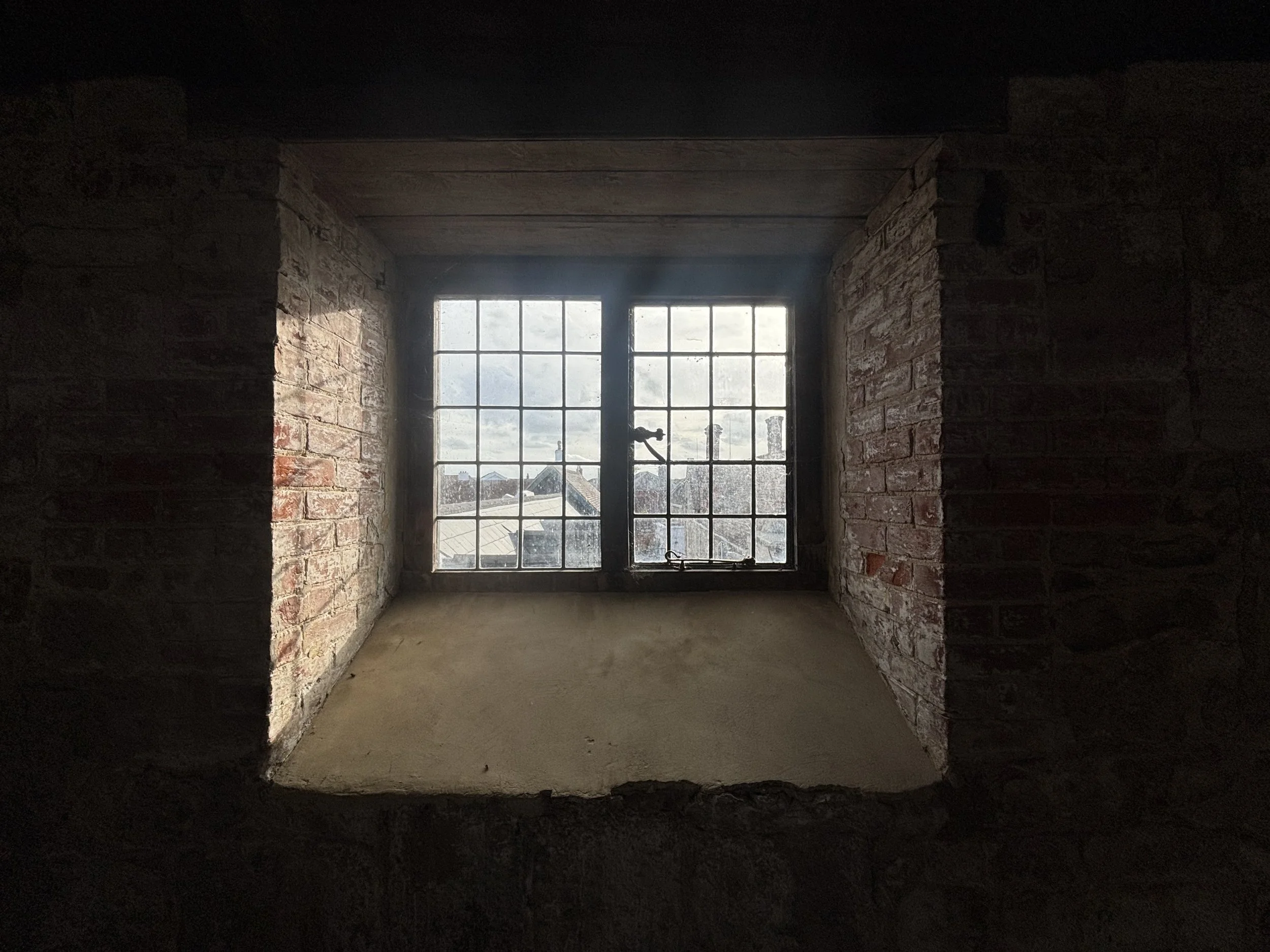
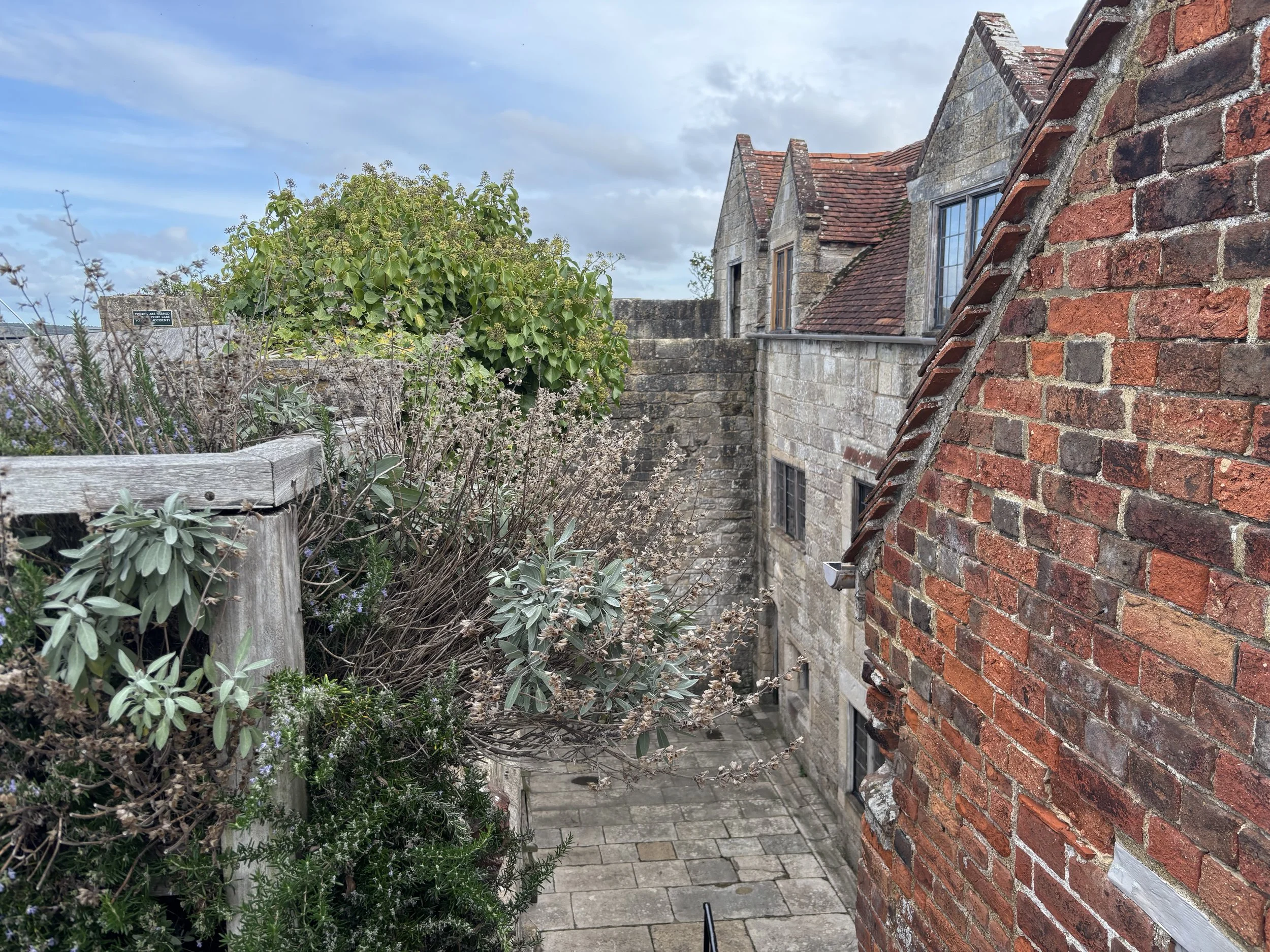
Public transit in Europe has been fantastic. Between ferries, trains, and buses, we have been able to fairly easily explore beyond where our feet can carry us. While in Cowes, we took the bus to Carisbrooke Castle, a thousand-year-old fortress. It was originally built as an Anglo-Saxon stronghold around 1000 AD to defend against Viking raids, but it was later developed into a Norman castle. The castle's defensive walls were strengthened in anticipation of a Spanish invasion following the Spanish Armada in 1588. Later, Queen Victoria's youngest daughter, Princess Beatrice, made the castle her summer residence. This may be one of my favorite castles we’ve seen so far—and we have seen a ton of them. The castle complex is large, like Edinburgh Castle, but it wasn’t overrun by tourists.
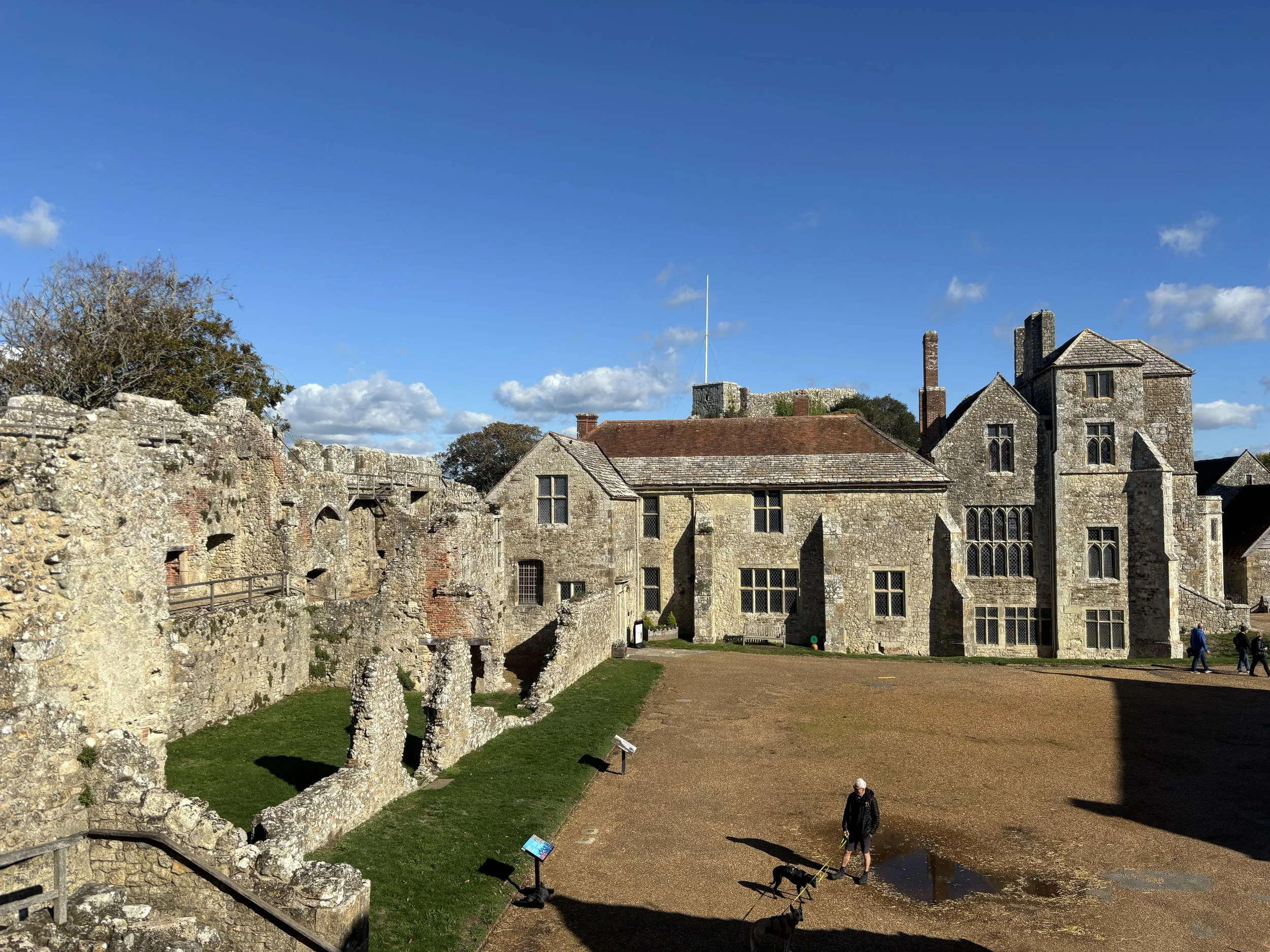
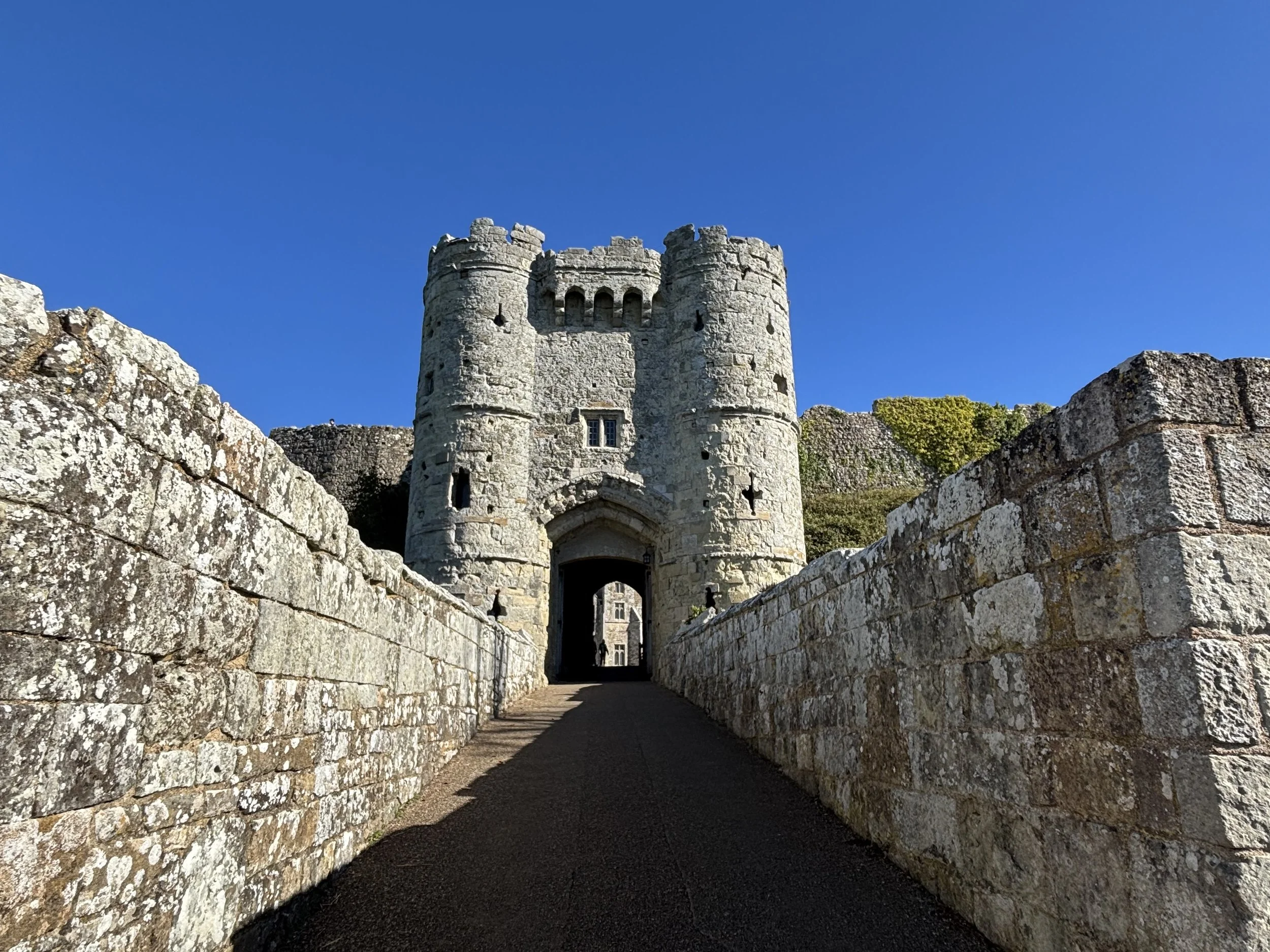
Carisbrooke Castle
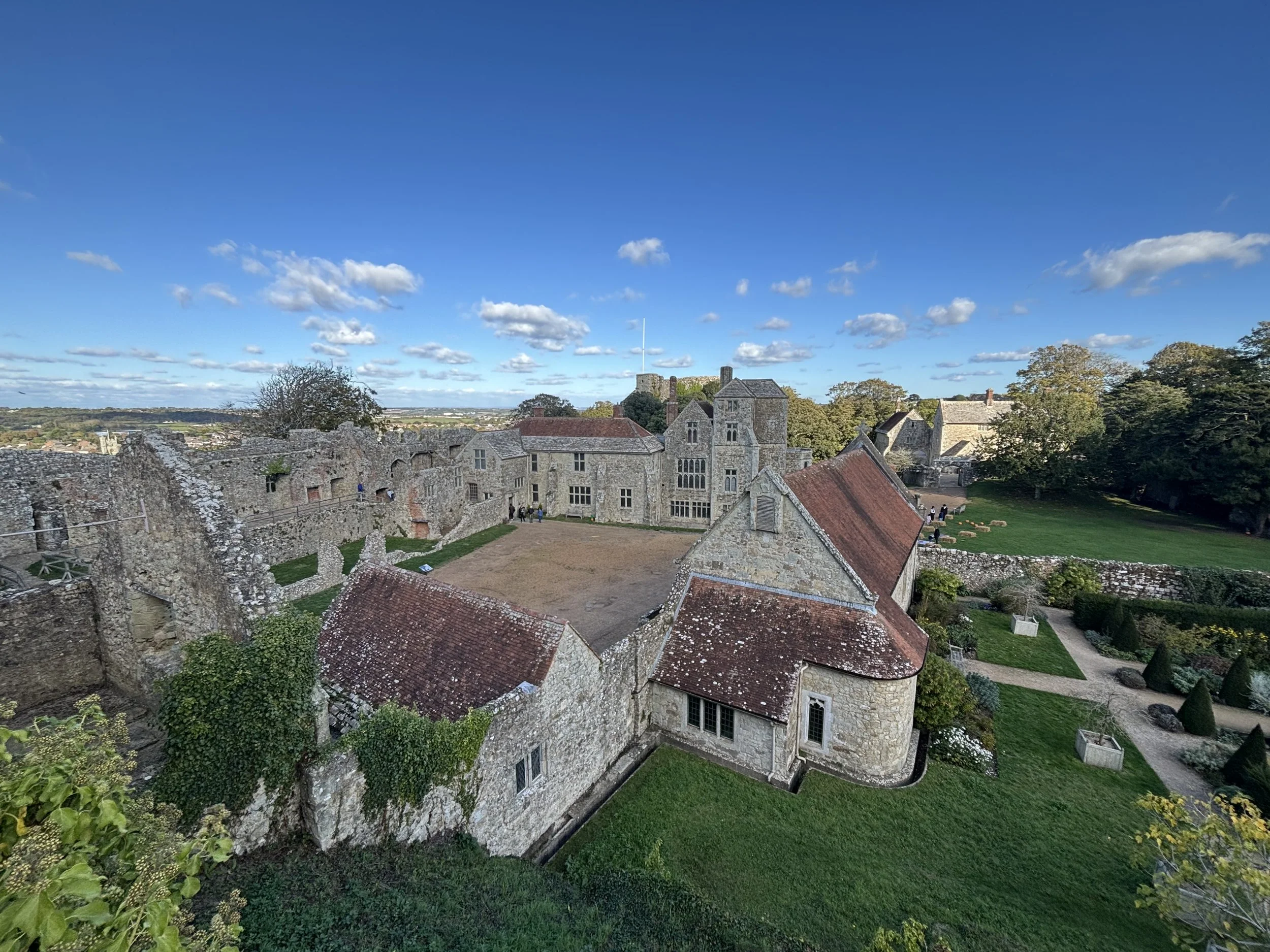
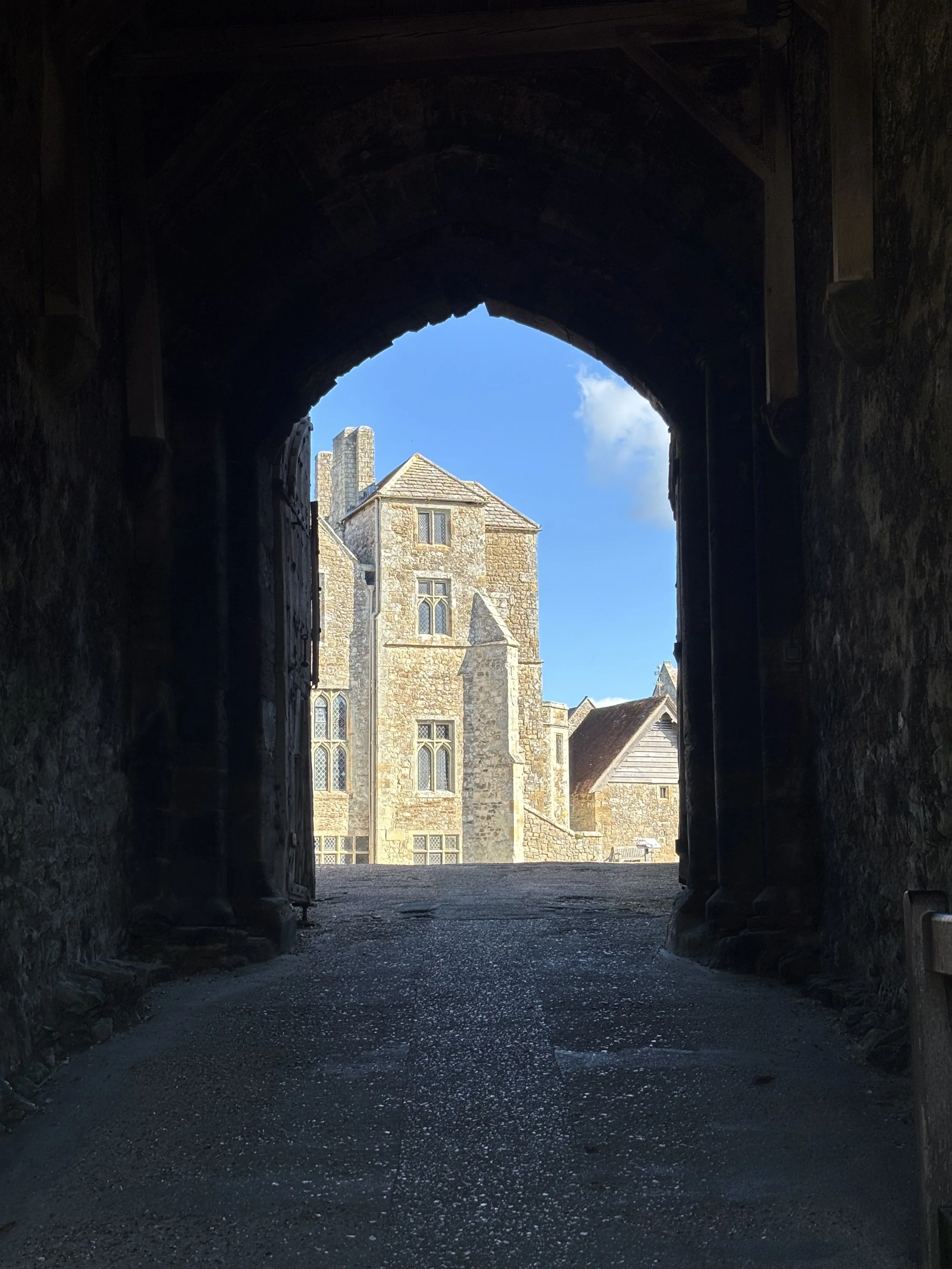
Another view of Carisbrooke Castle
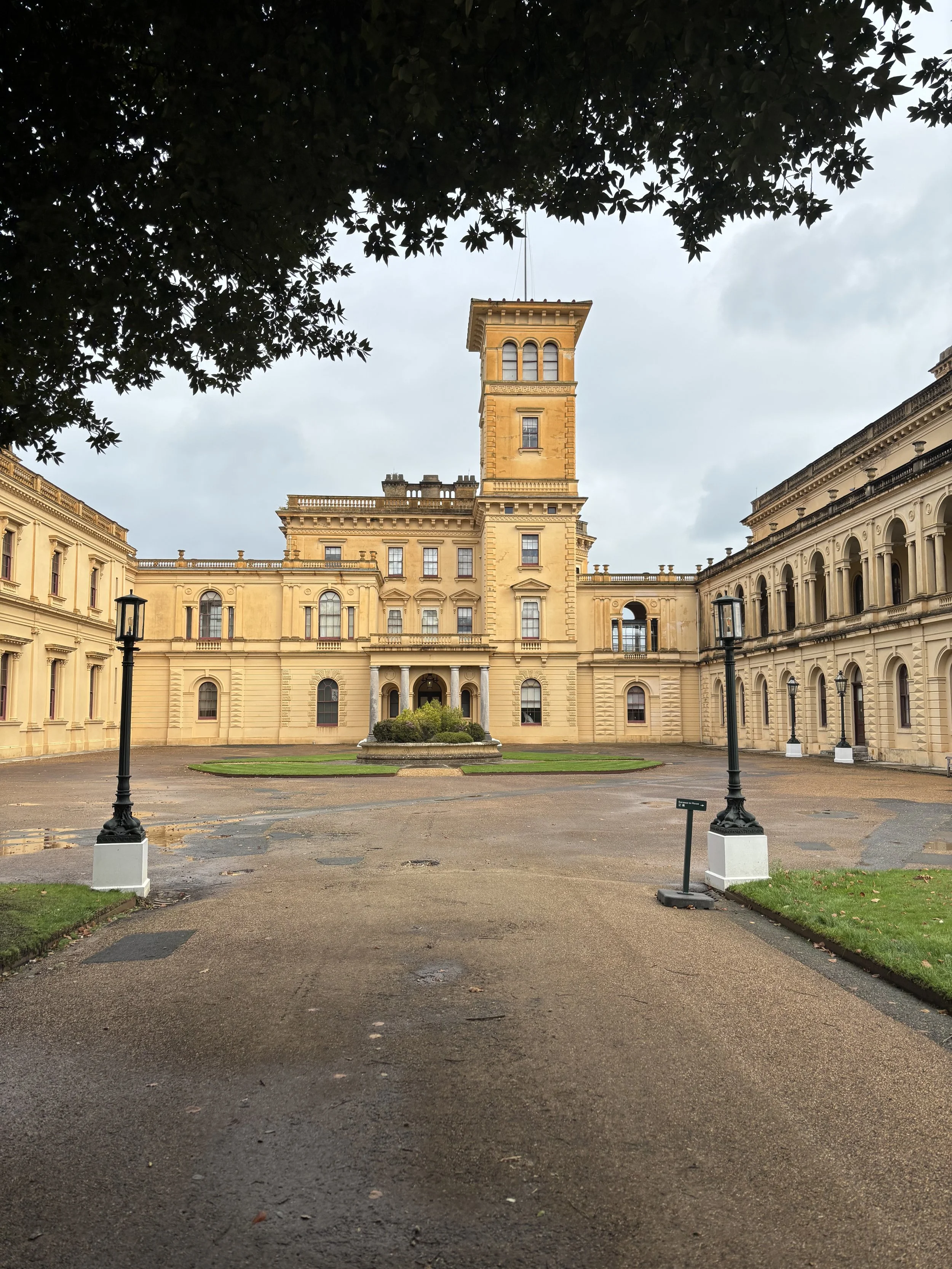
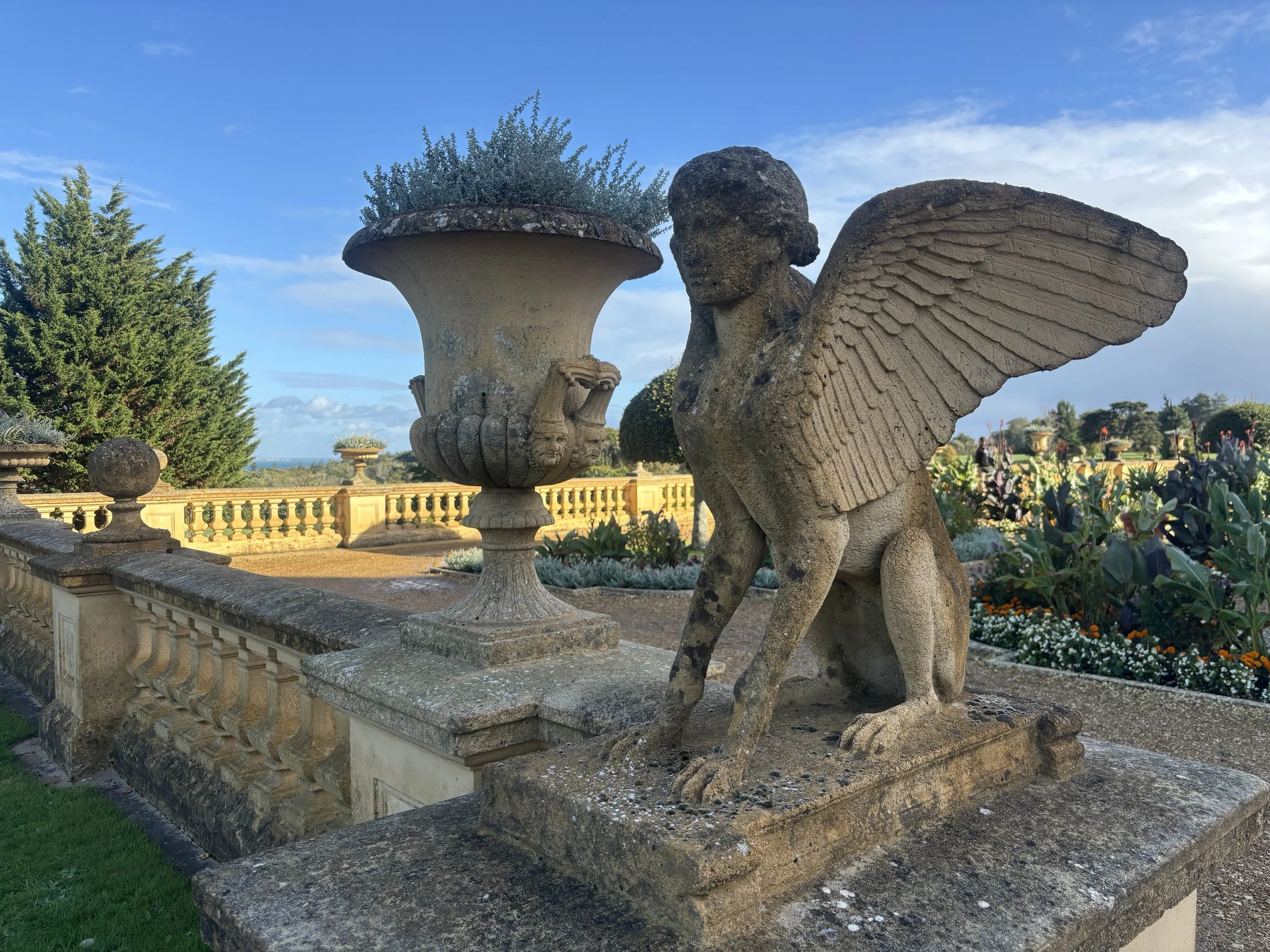
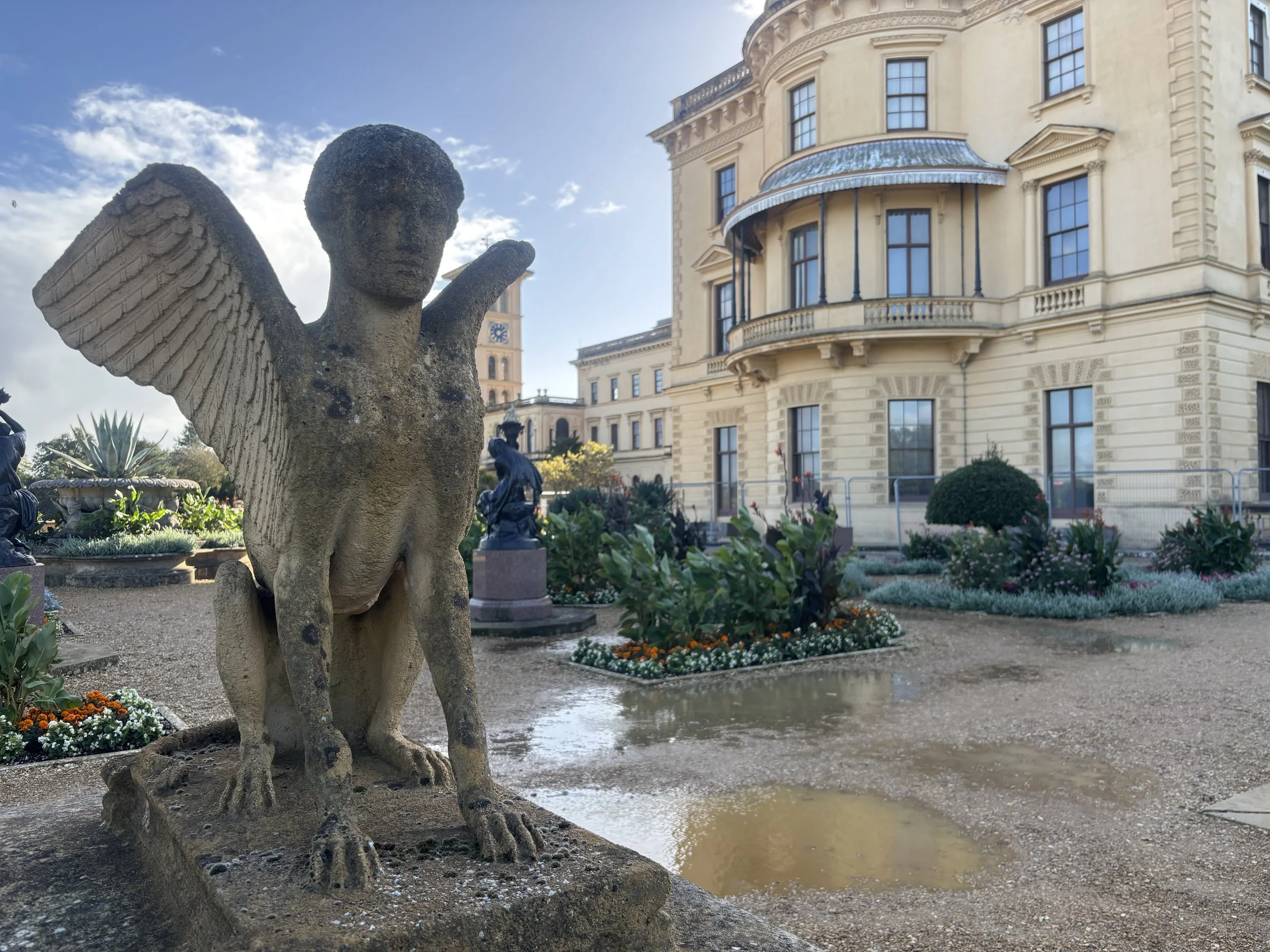
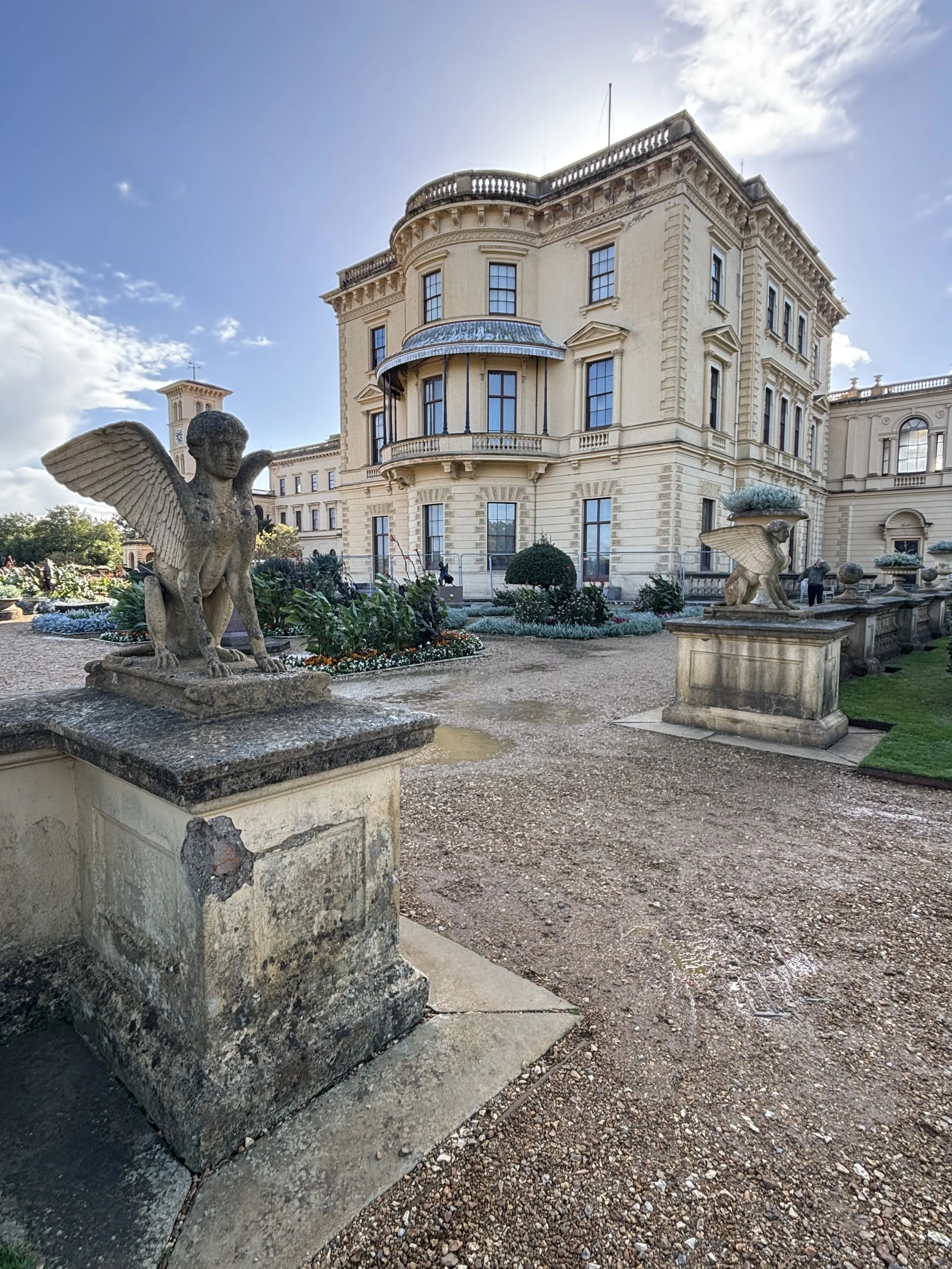
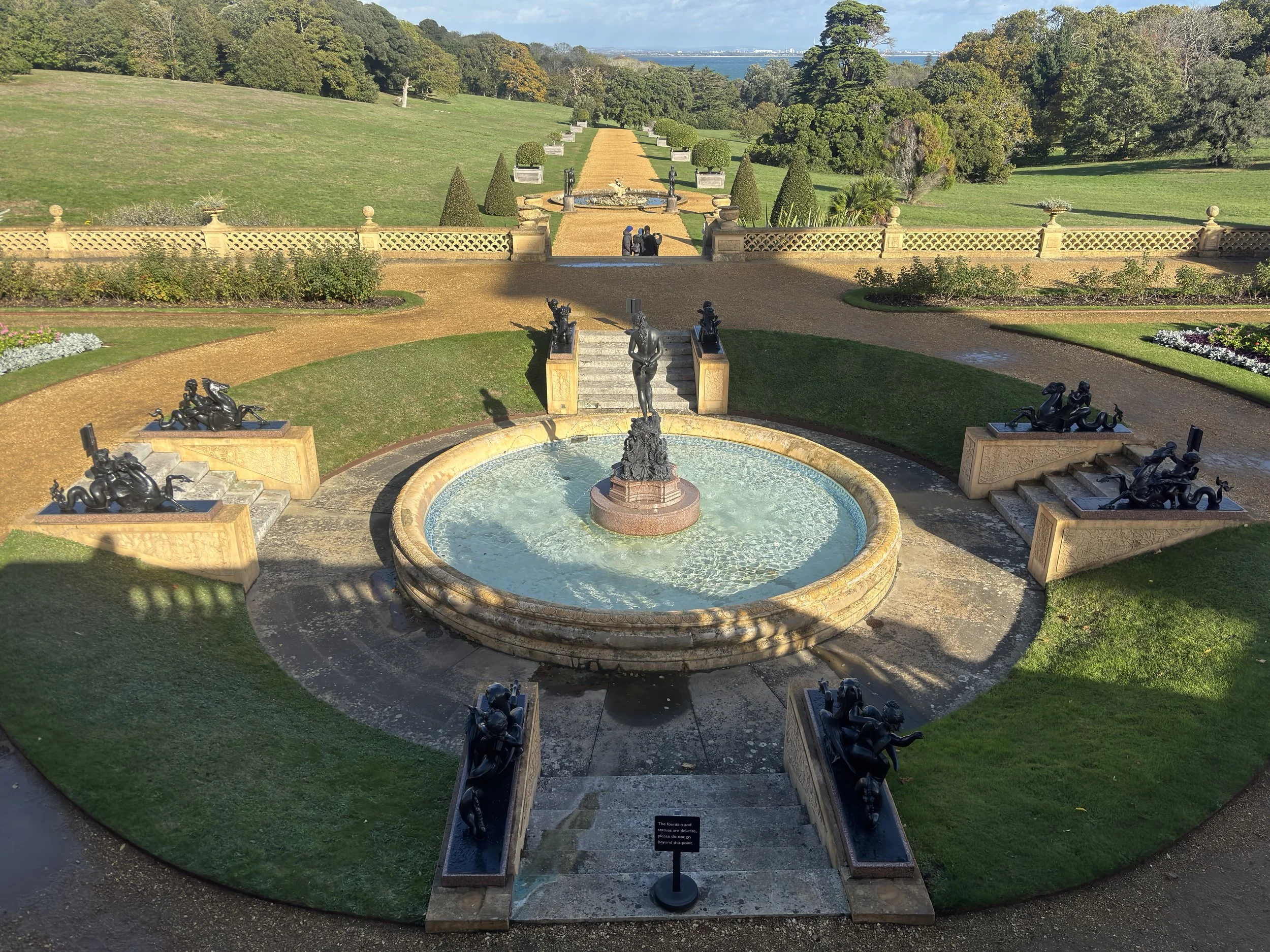
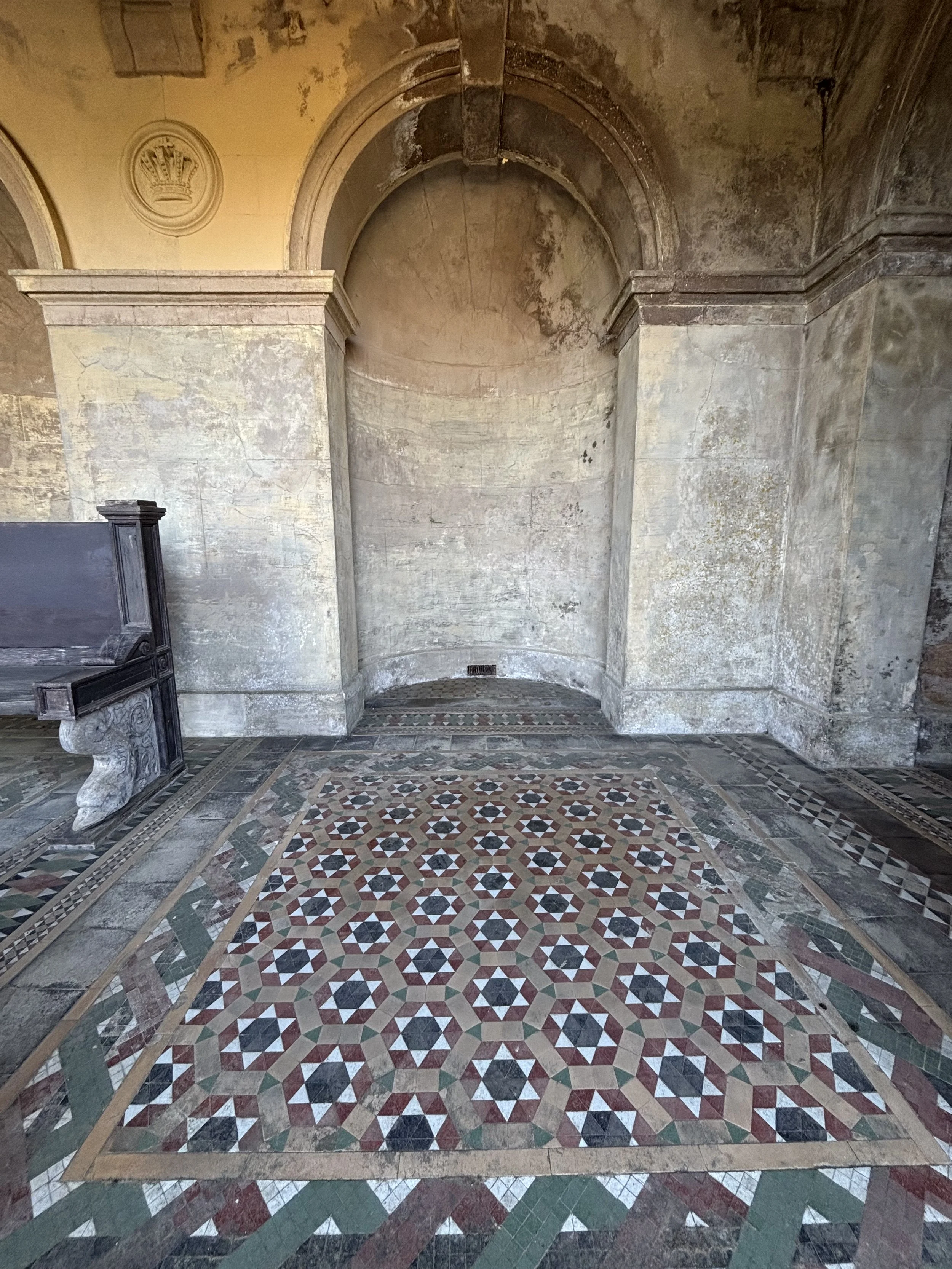
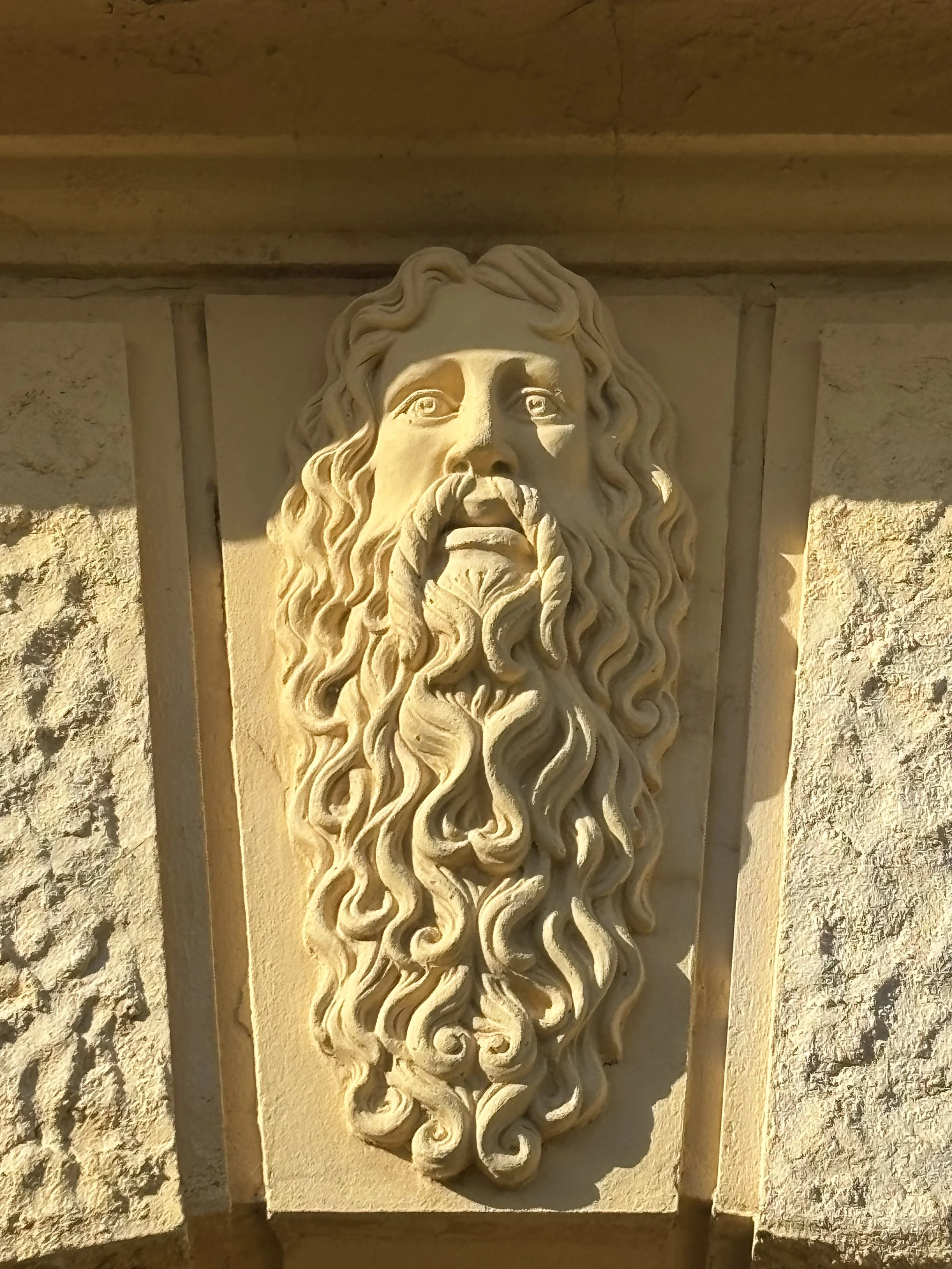
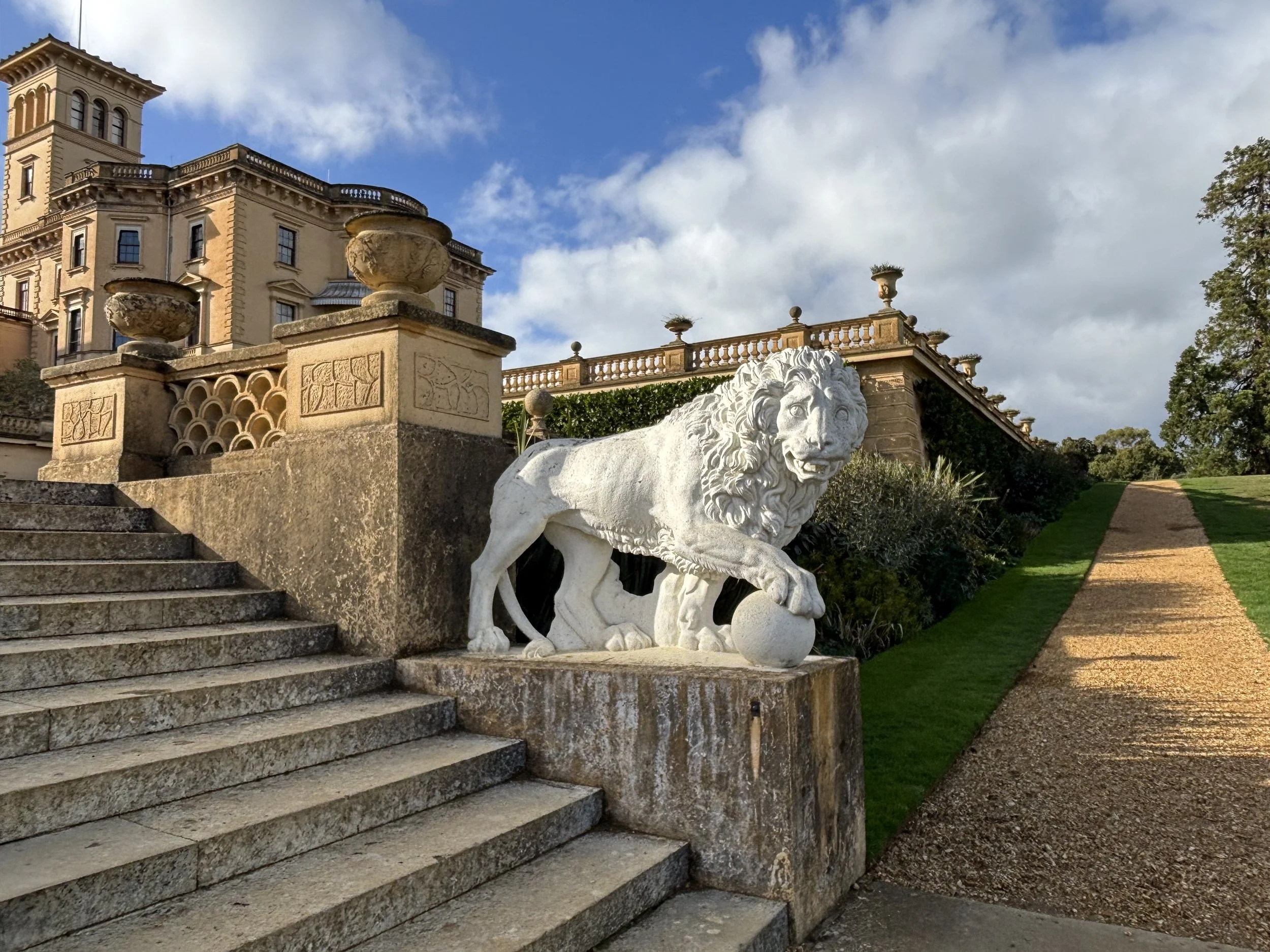
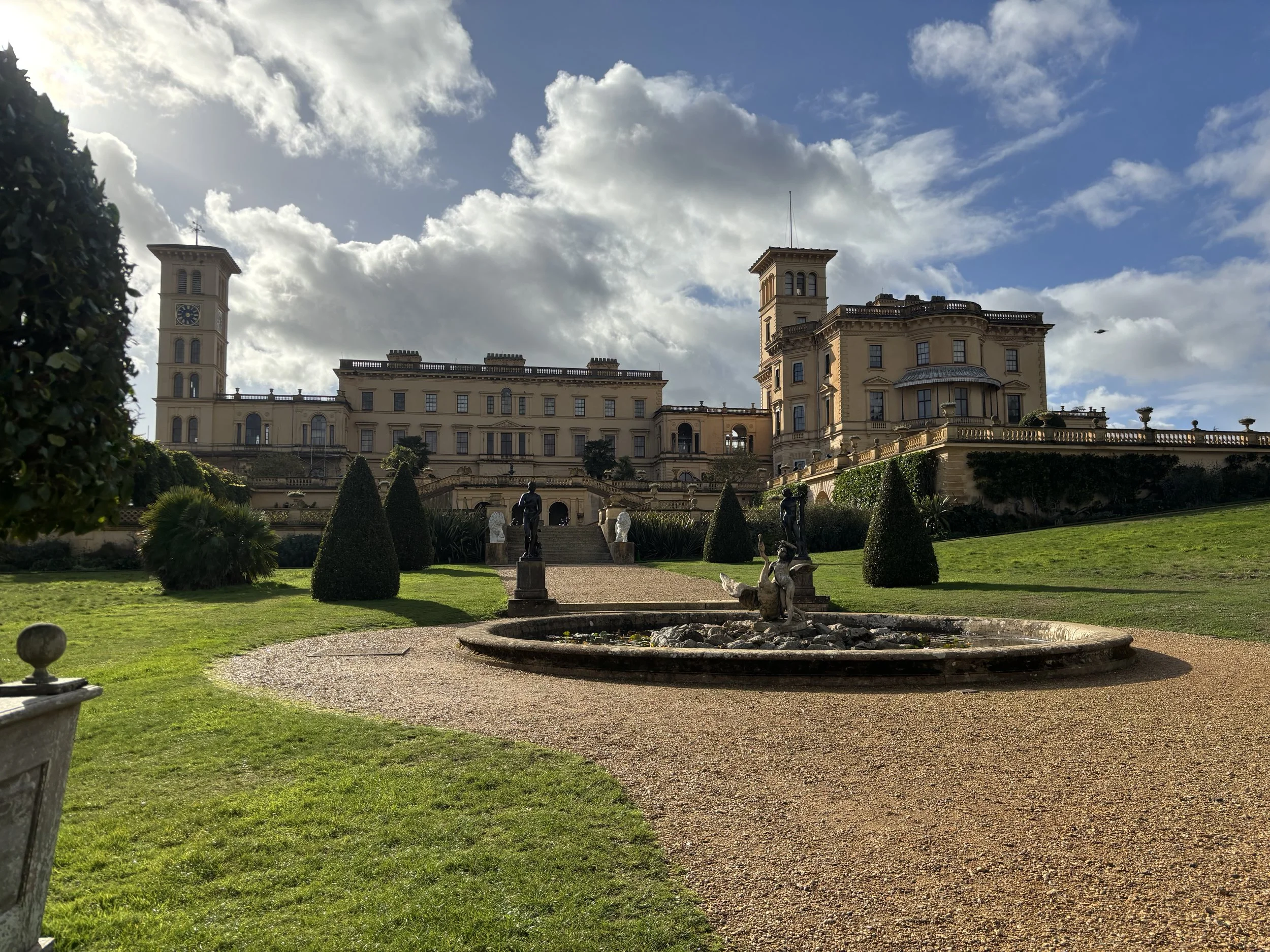
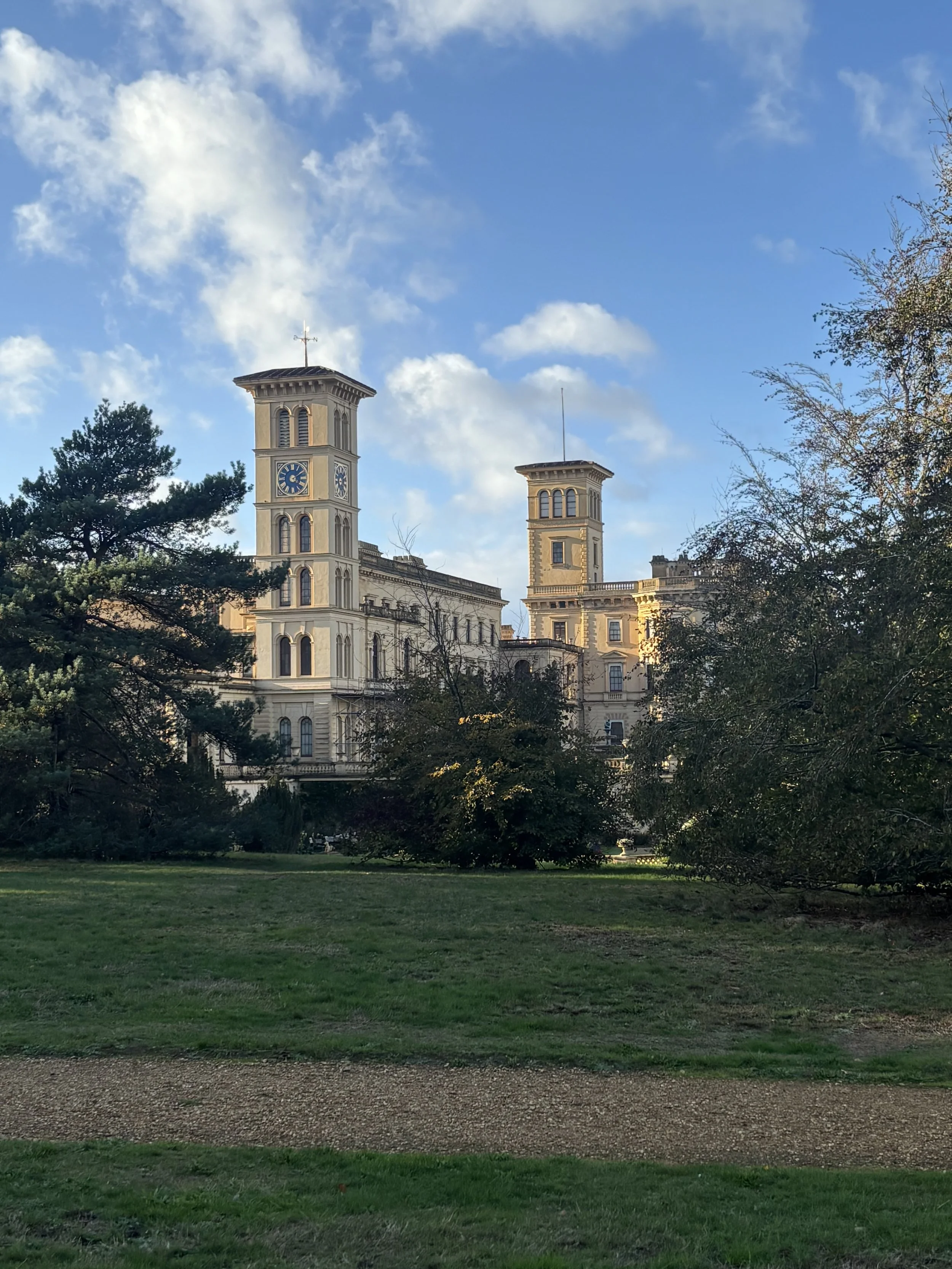
We also went over to East Cowes via the floating bridge—a ferry in operation since 1859 that pulls itself along on two submerged chains that connect East and West Cowes. Once in East Cowes, we made our way to Osborne House, the seaside retreat of Queen Victoria and Prince Albert, purchased in 1845 as a private escape from the demands of royal life in London.
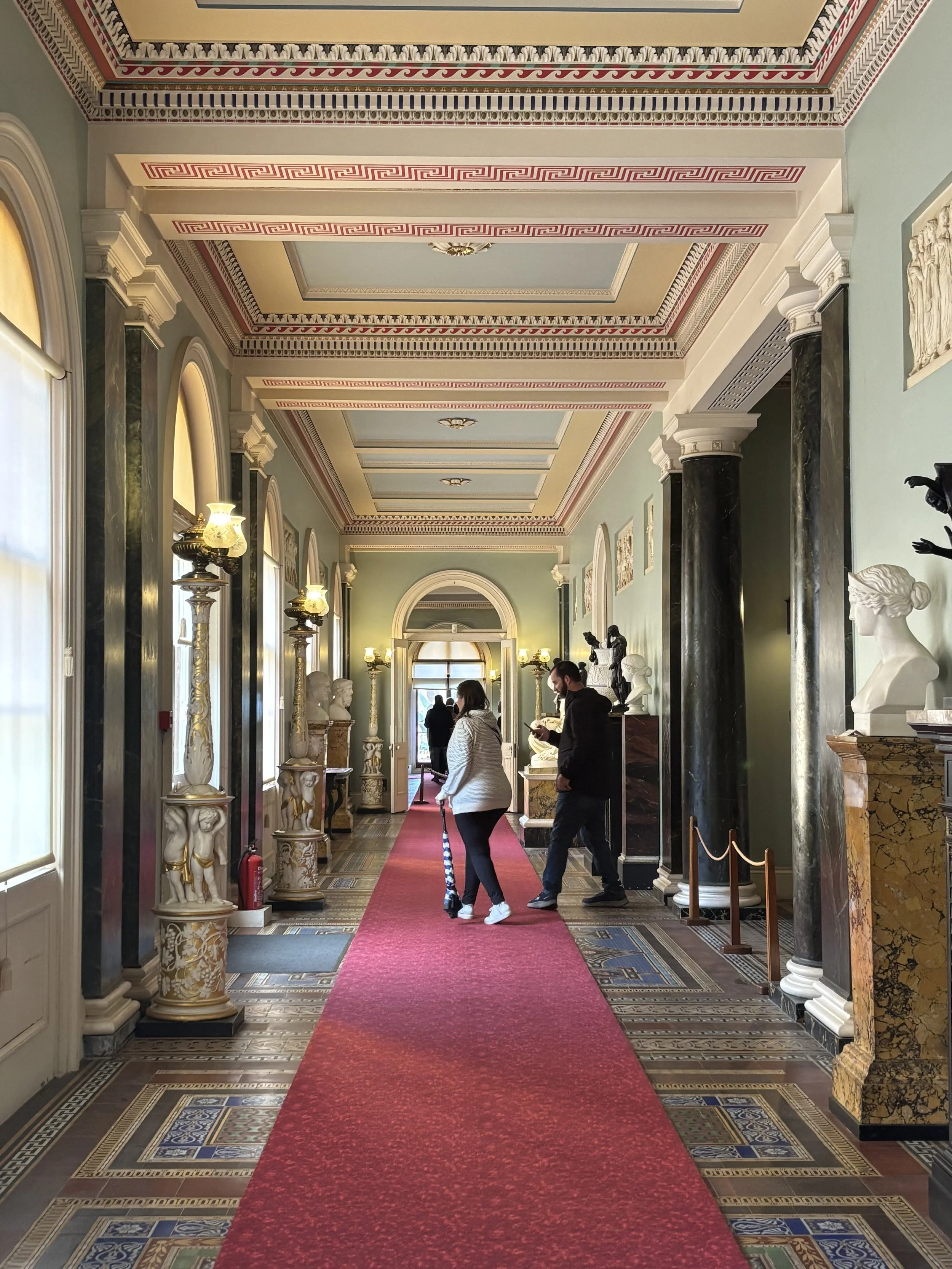
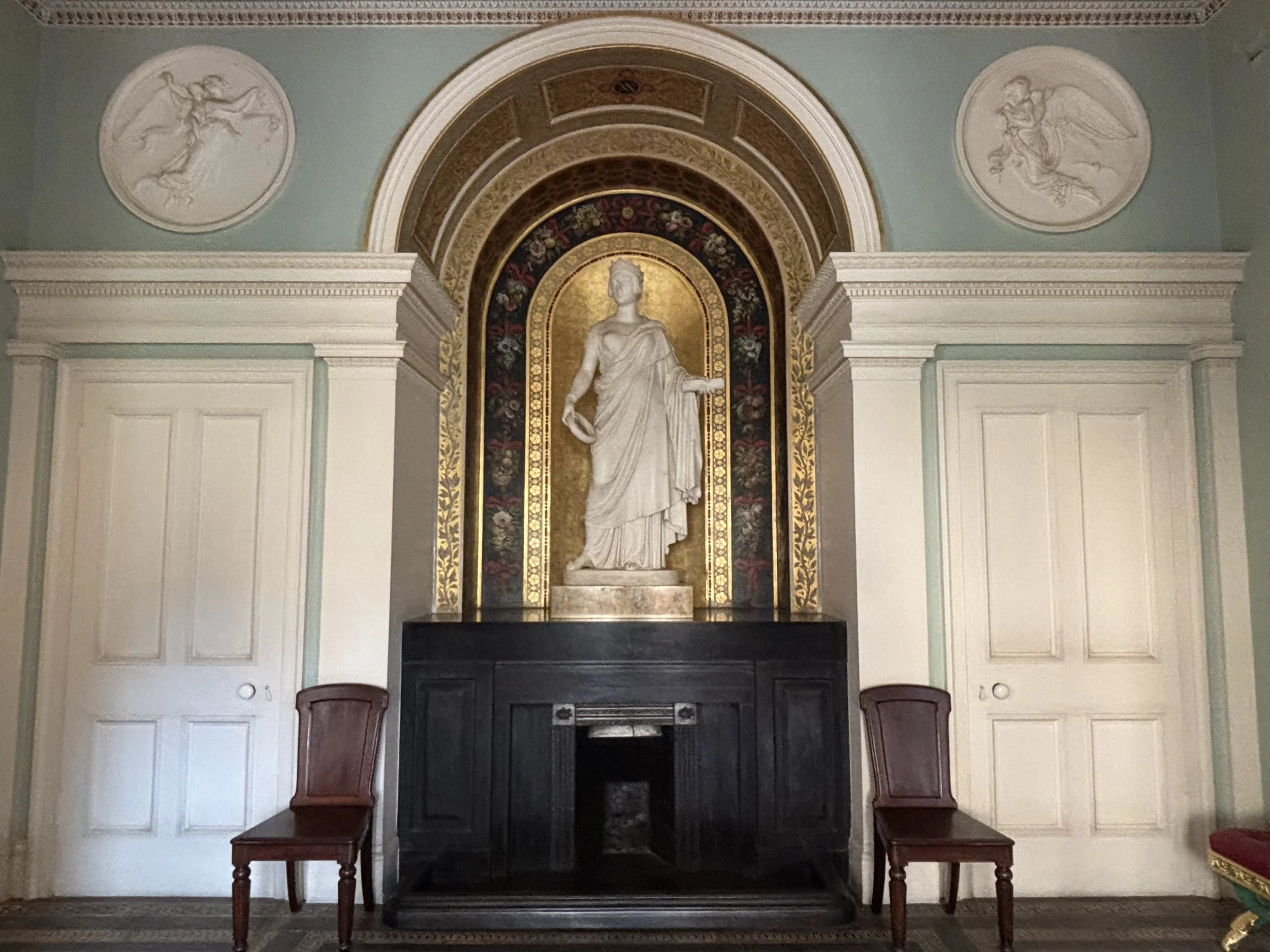
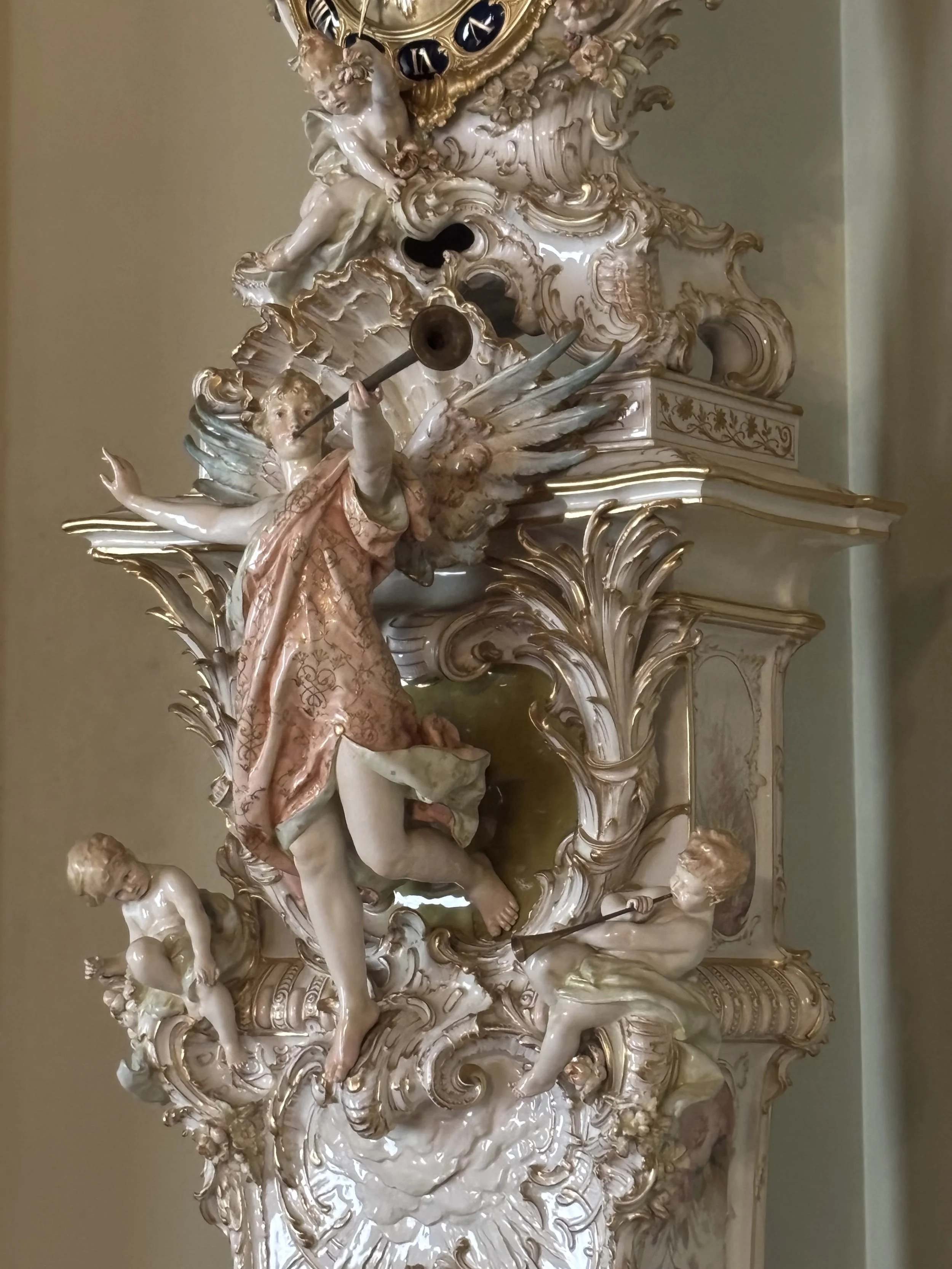
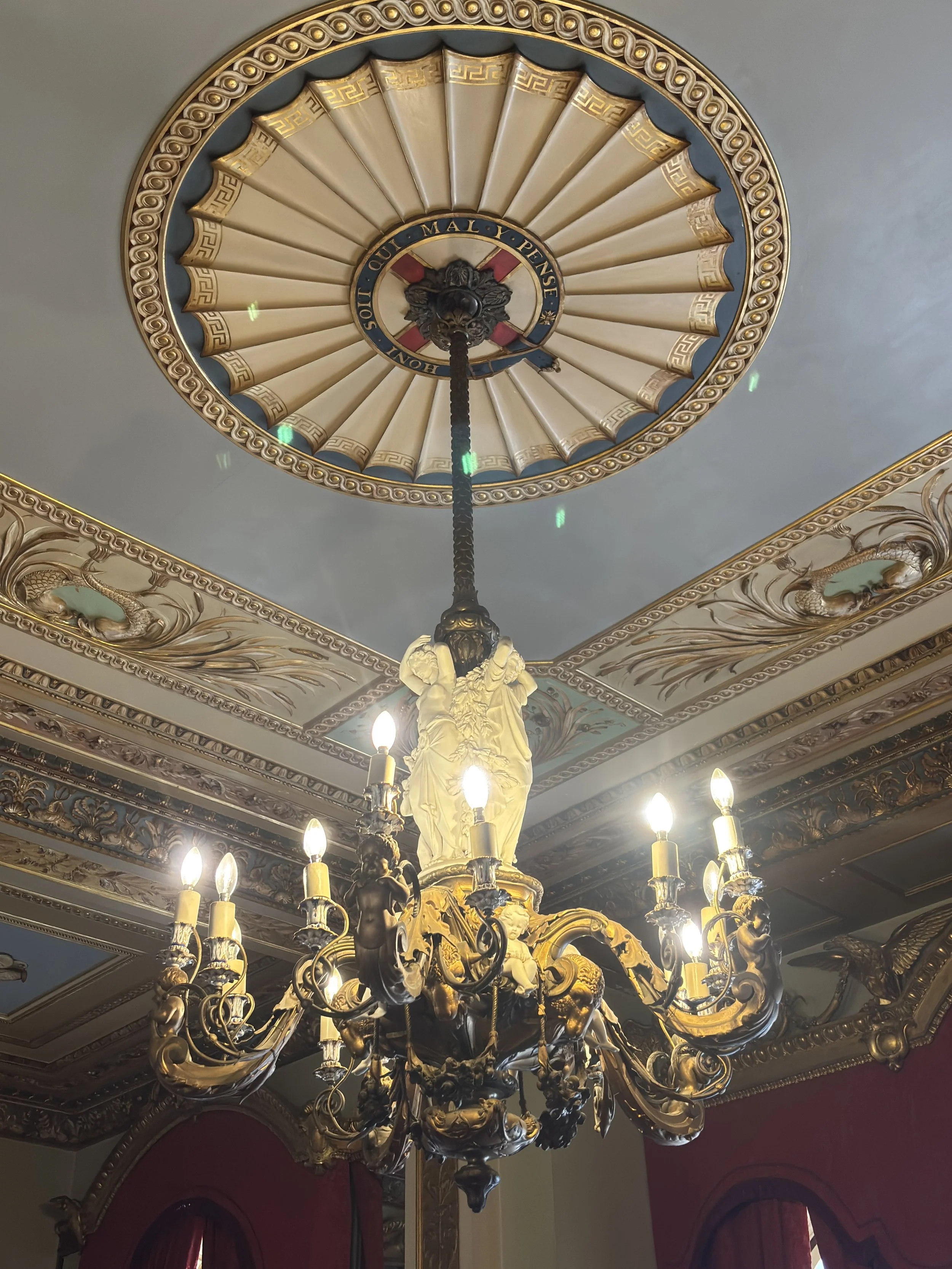
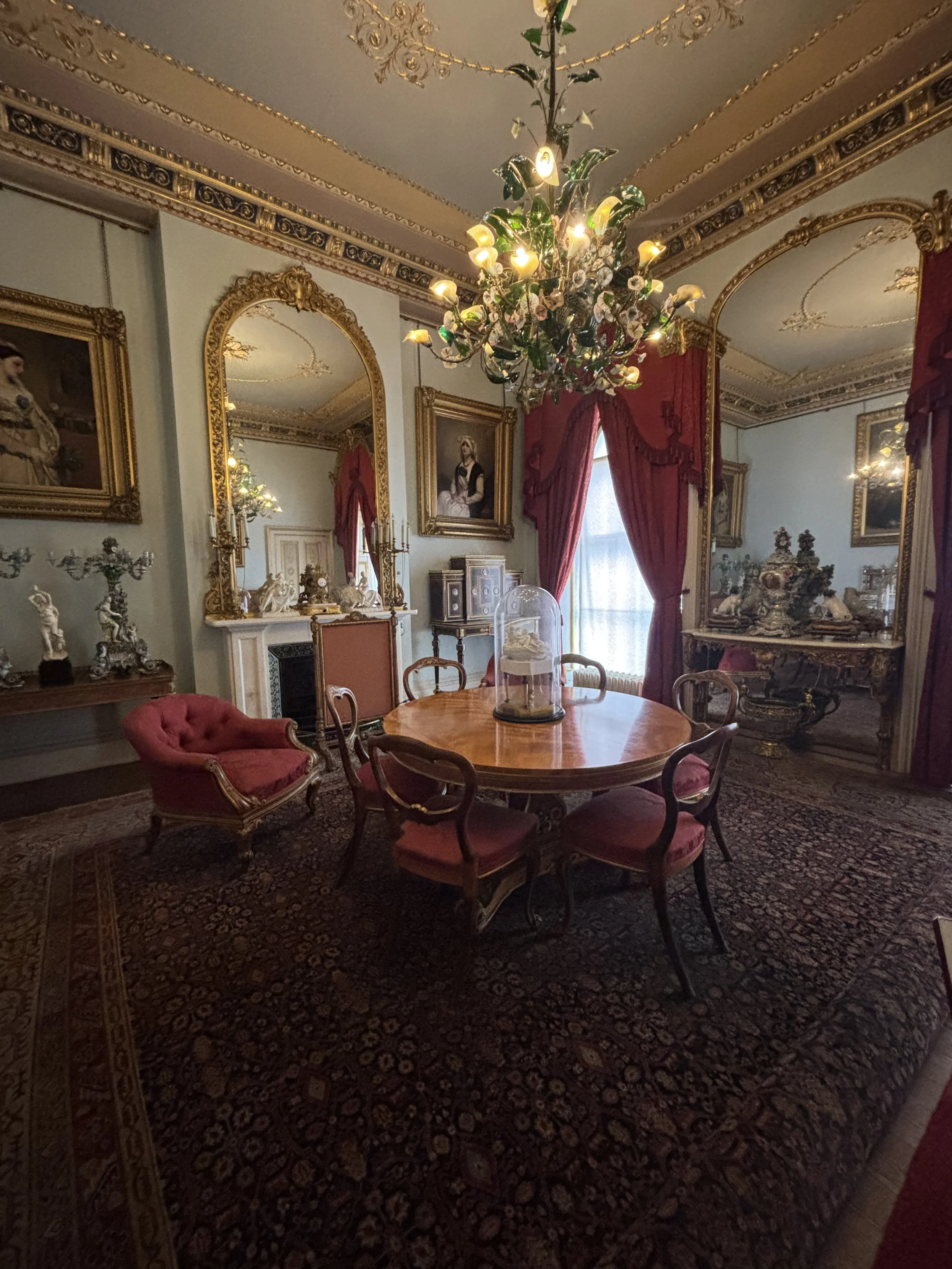
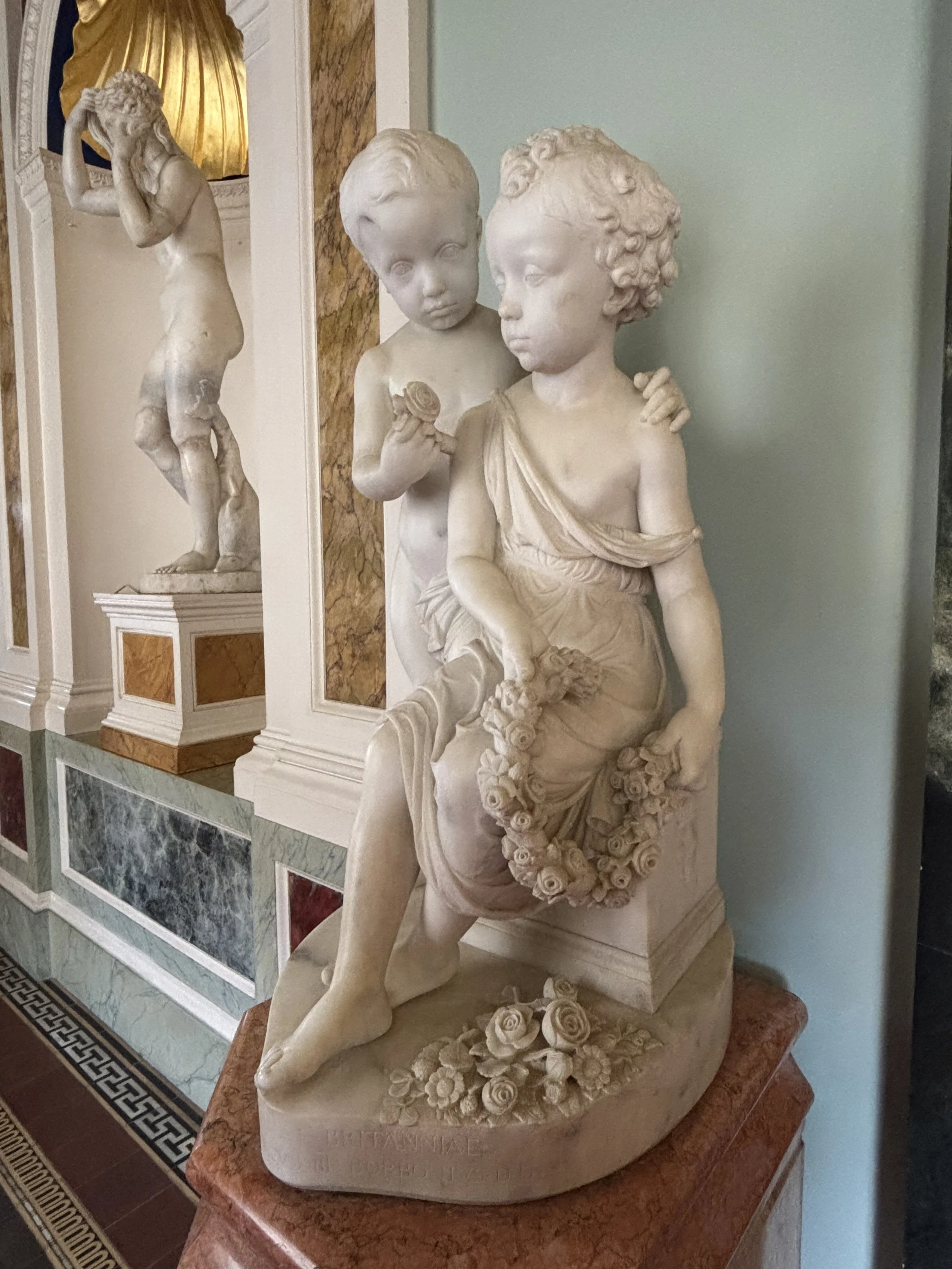
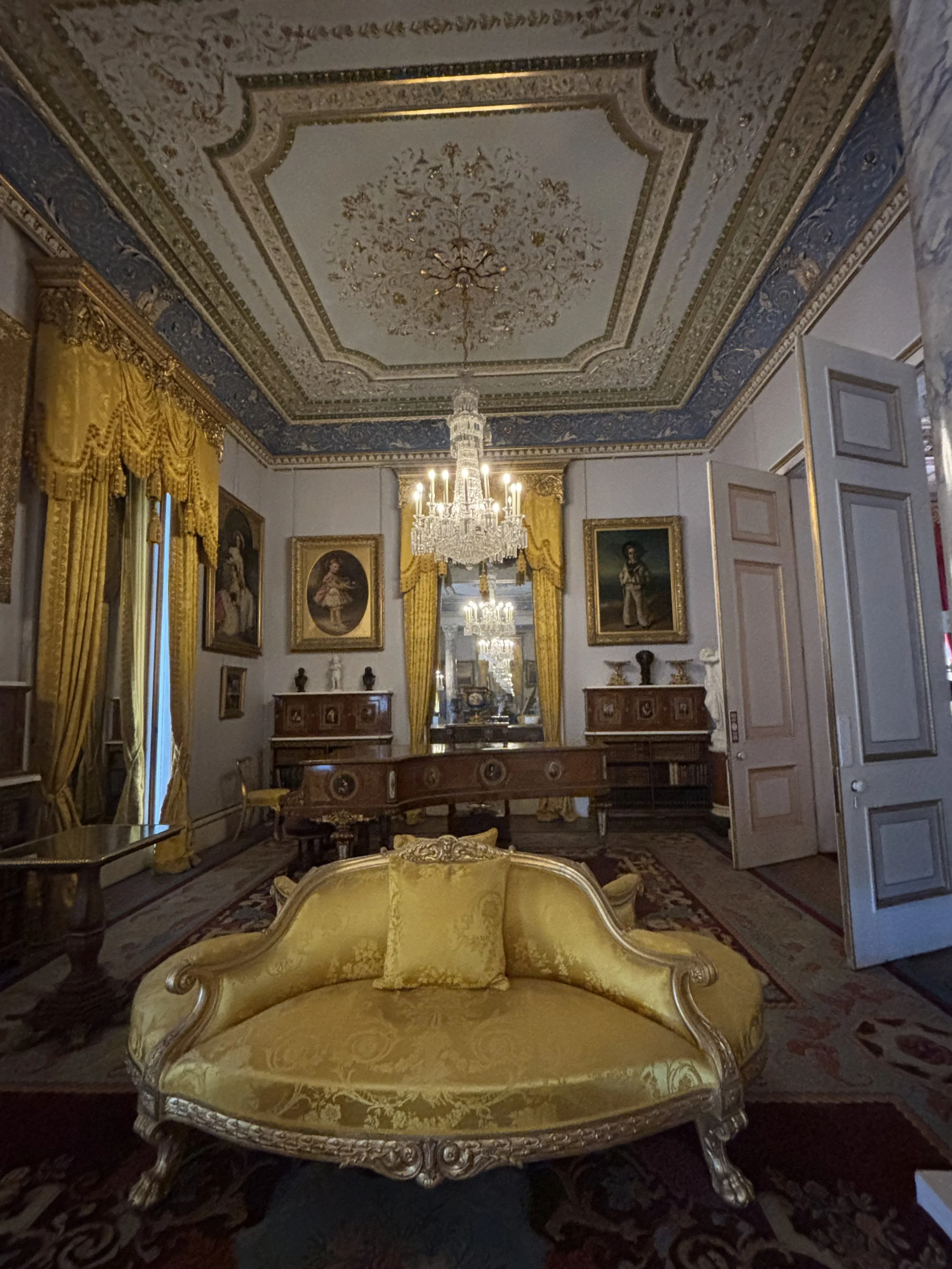
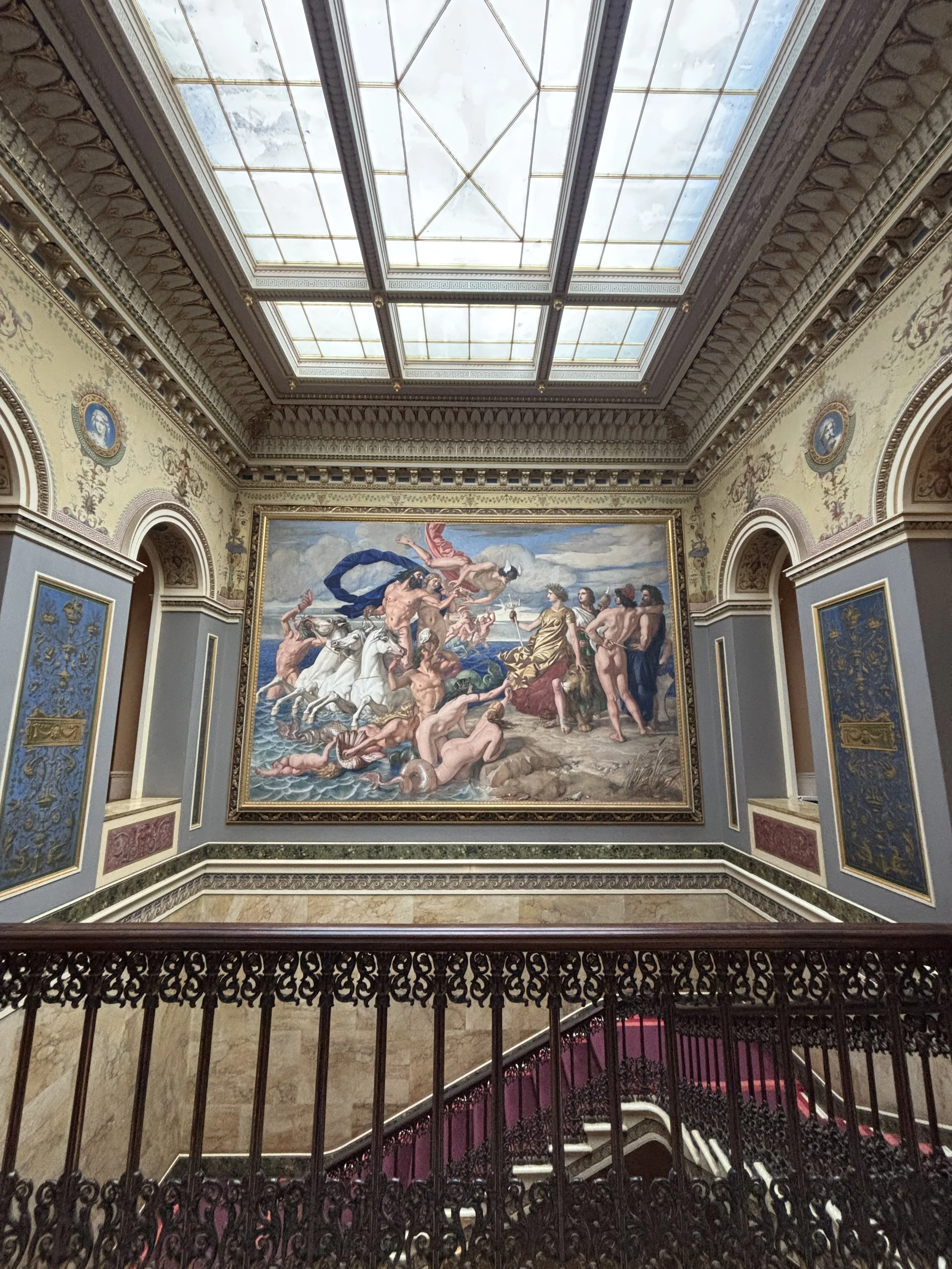
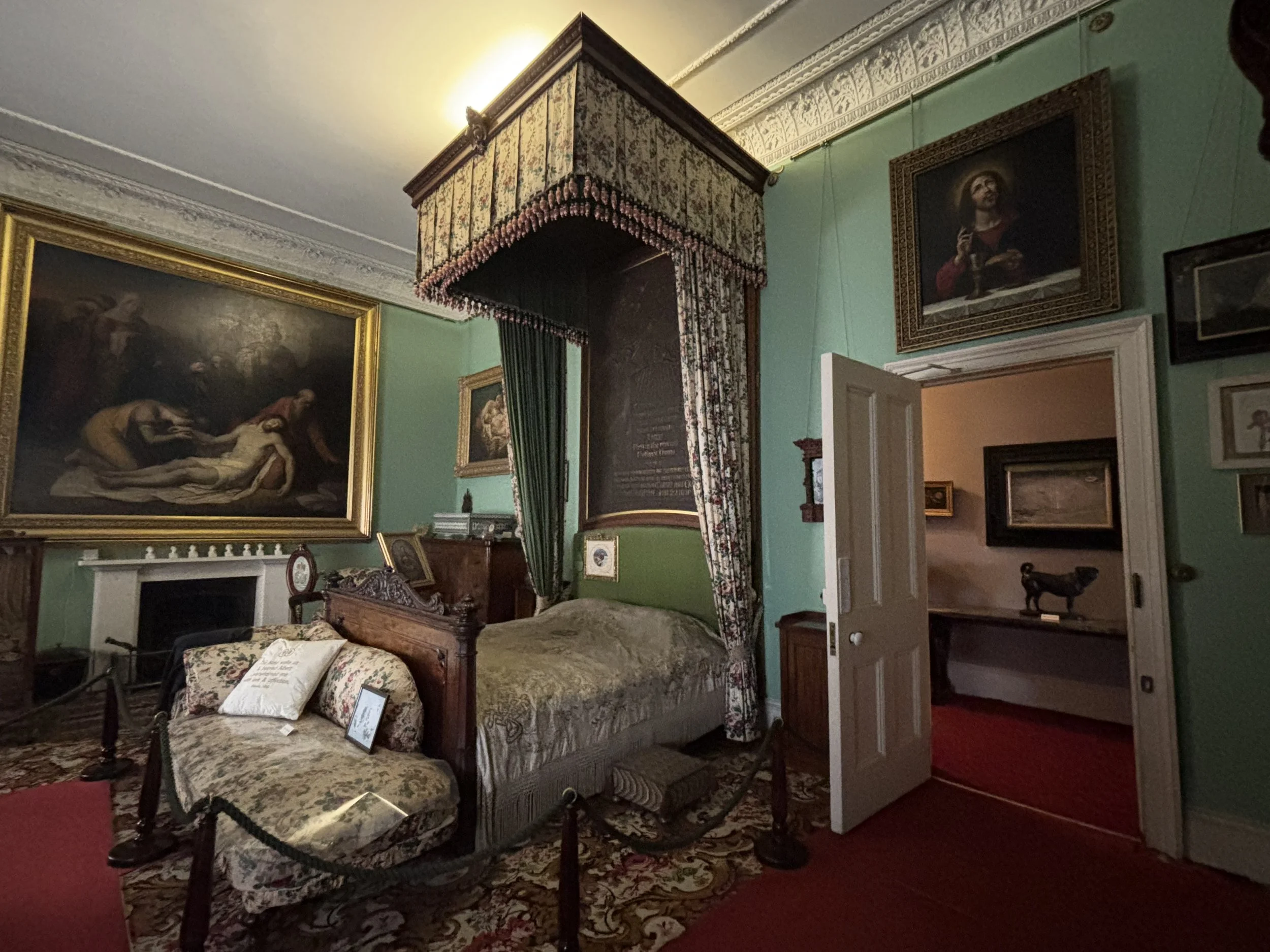
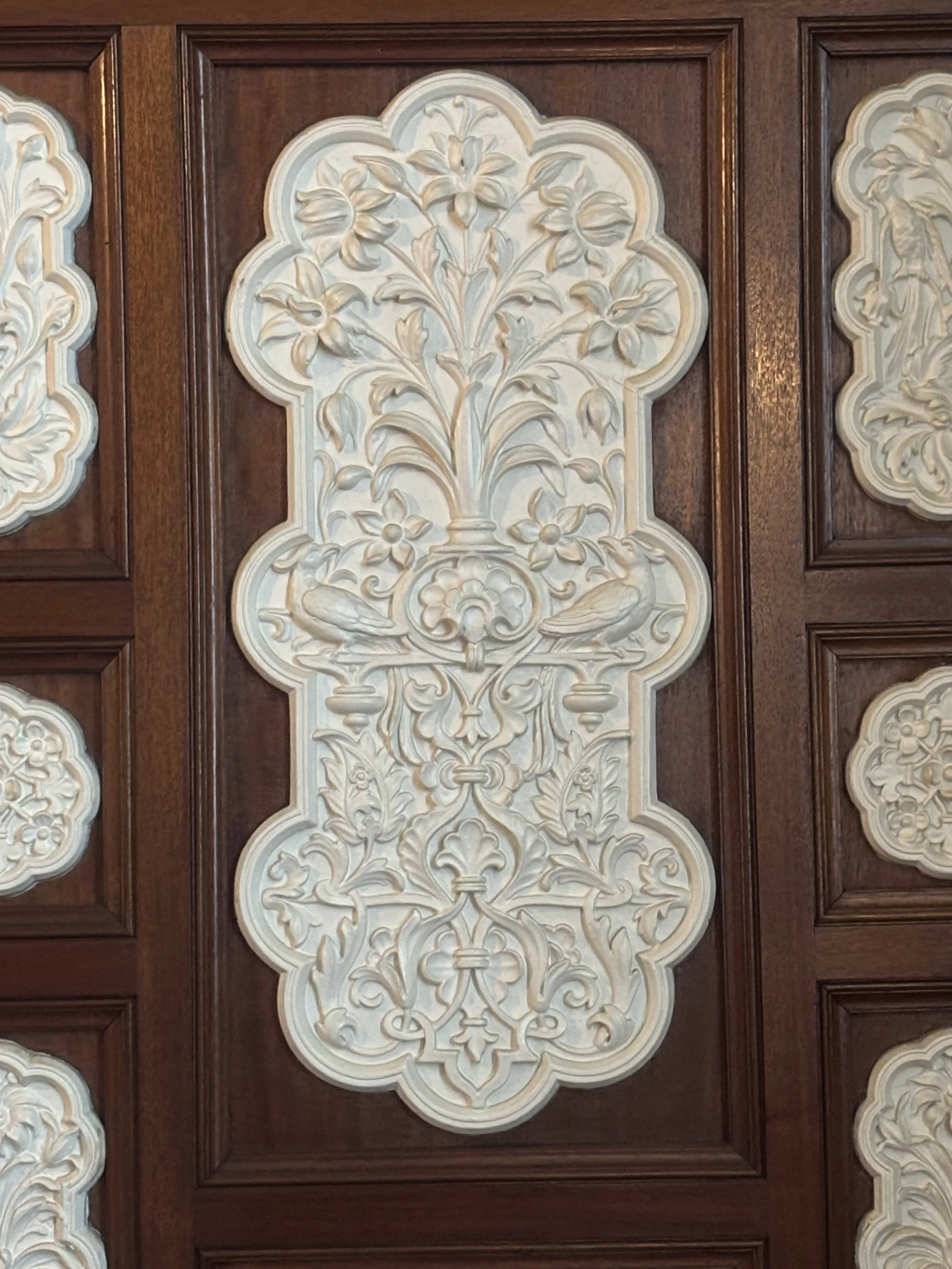
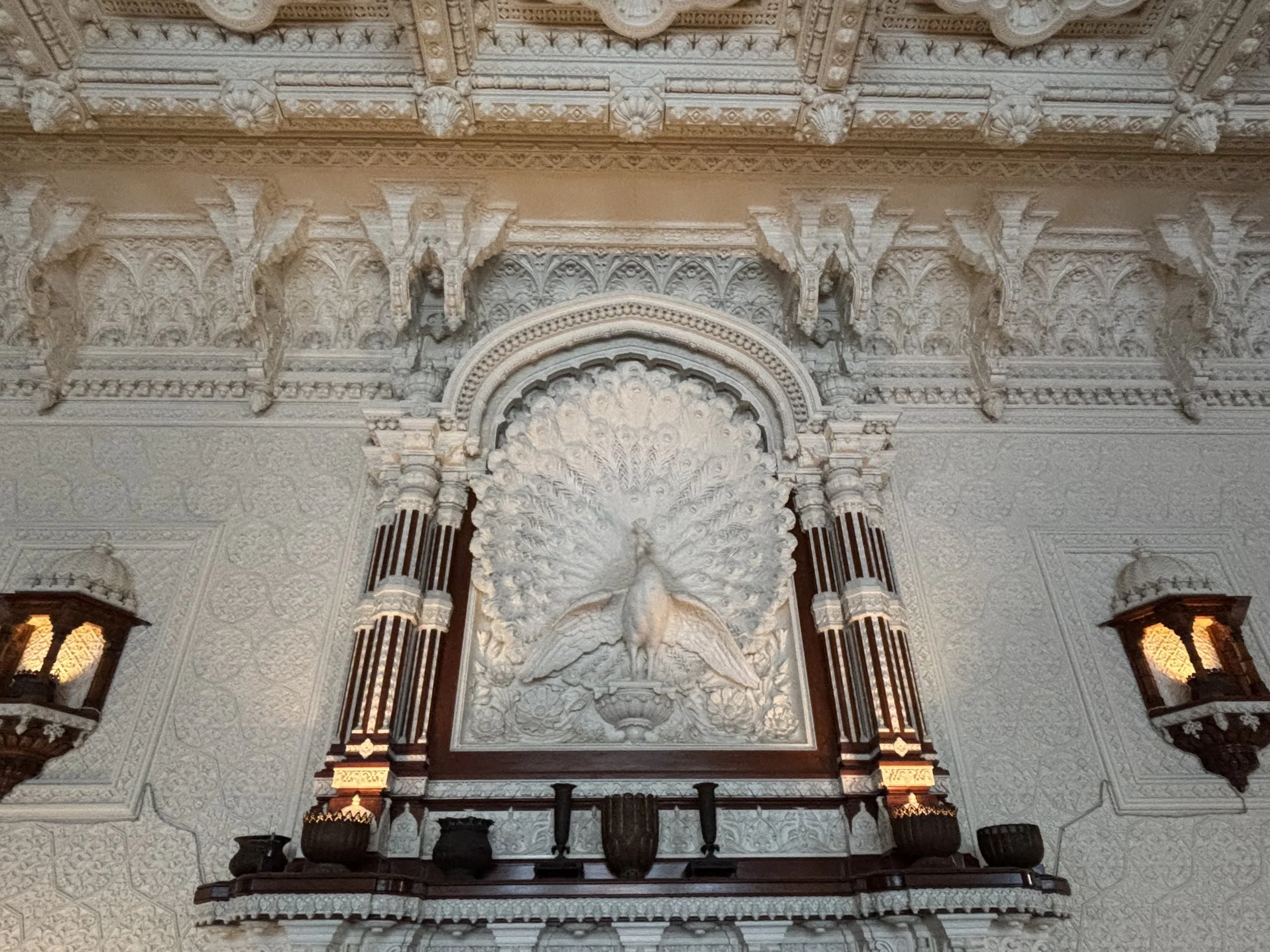
Osborne House was something! Incredible art decorated the halls and walls of every room, including beautifully painted portraits of her staff. We saw the room where Queen Victoria received official visitors, the room and desk where she conducted her official duties, and the bedroom she and Albert shared, which was highly unusual for royals in her day. As the Empress of India, Queen Victoria had visited and enjoyed the Indian culture. So one room, the most elaborate of them all, had a uniquely Indian flair, with the walls and ceiling covered in intricately carved wood by a master Indian craftsman.
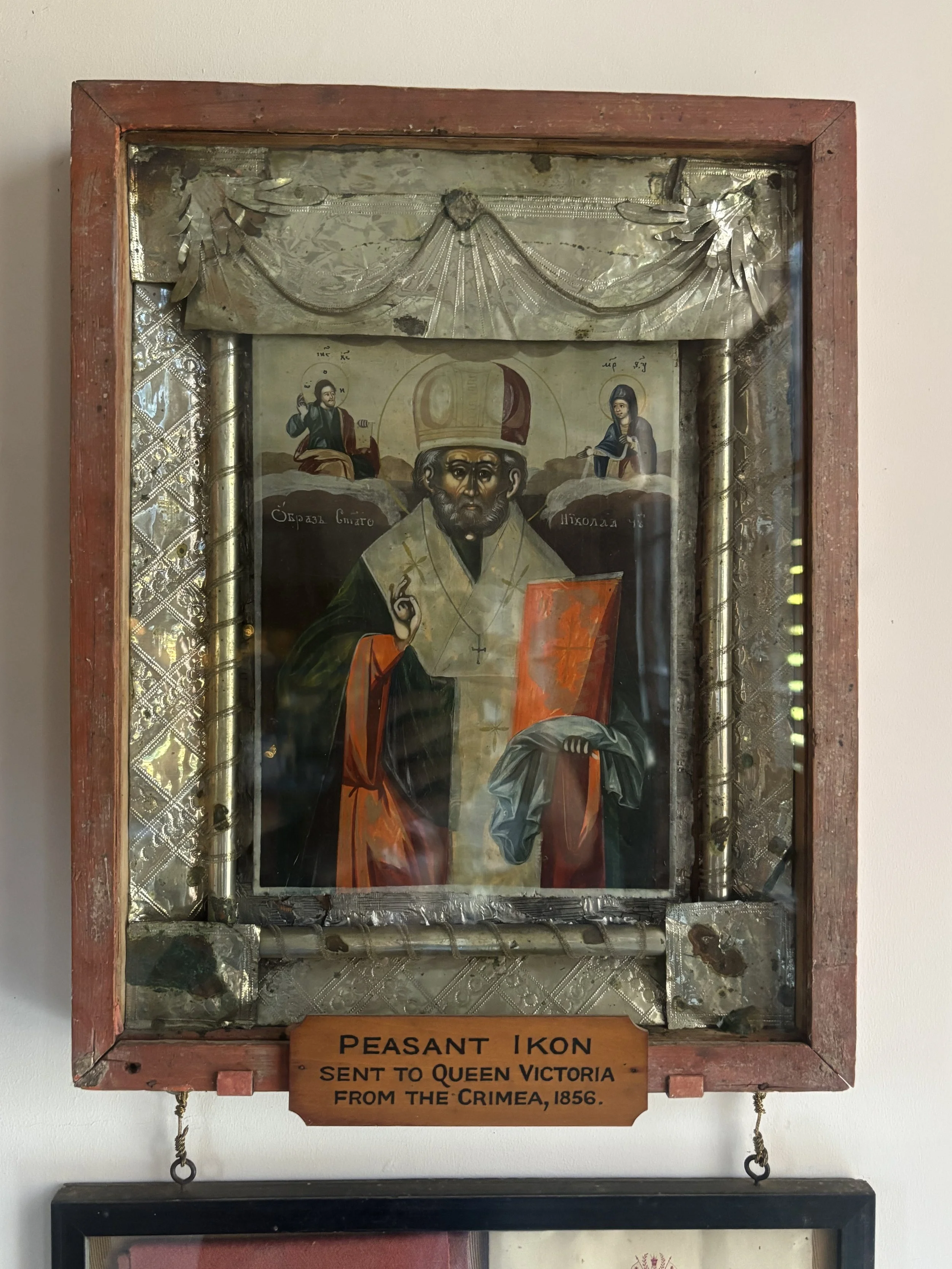
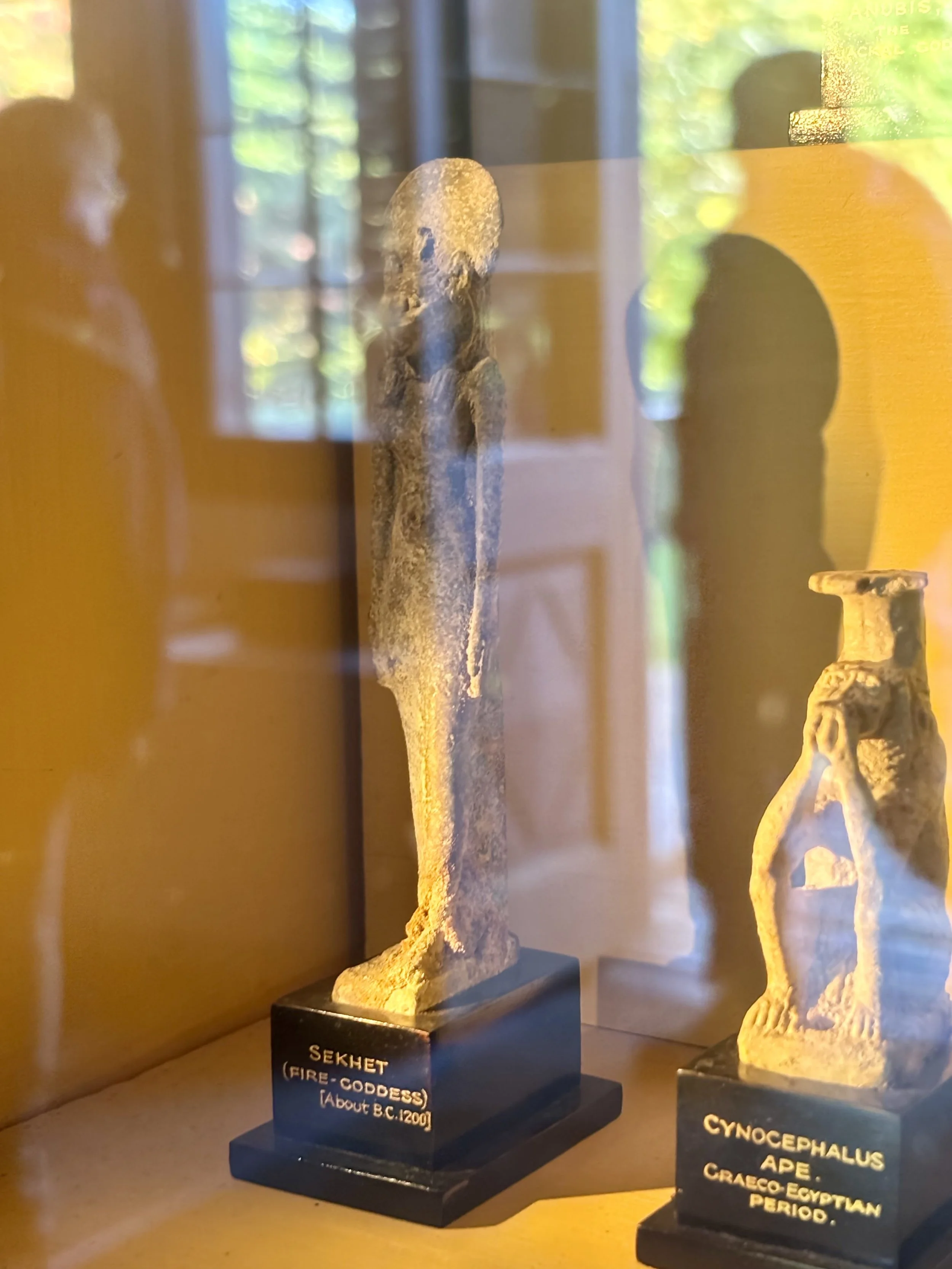
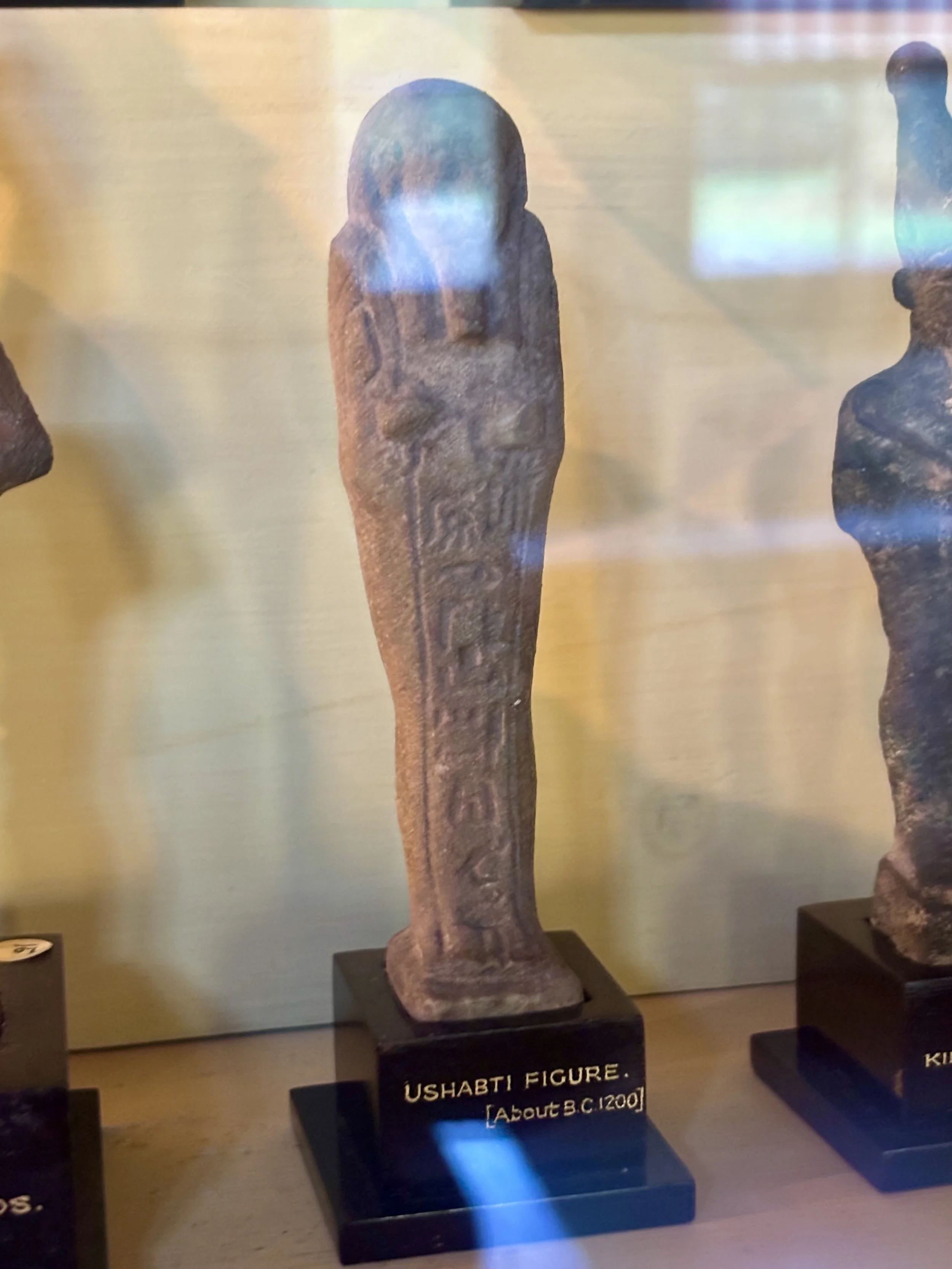
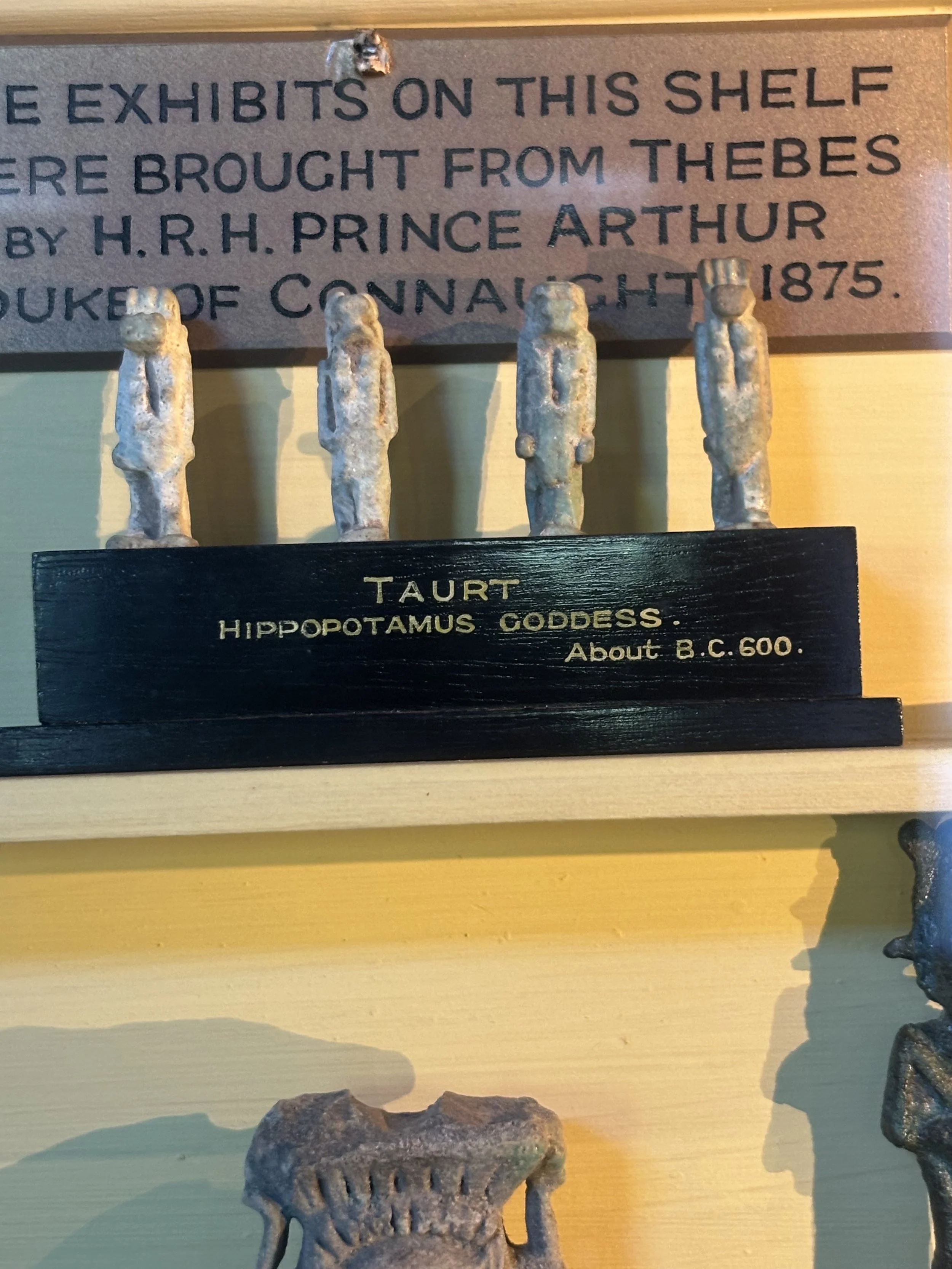
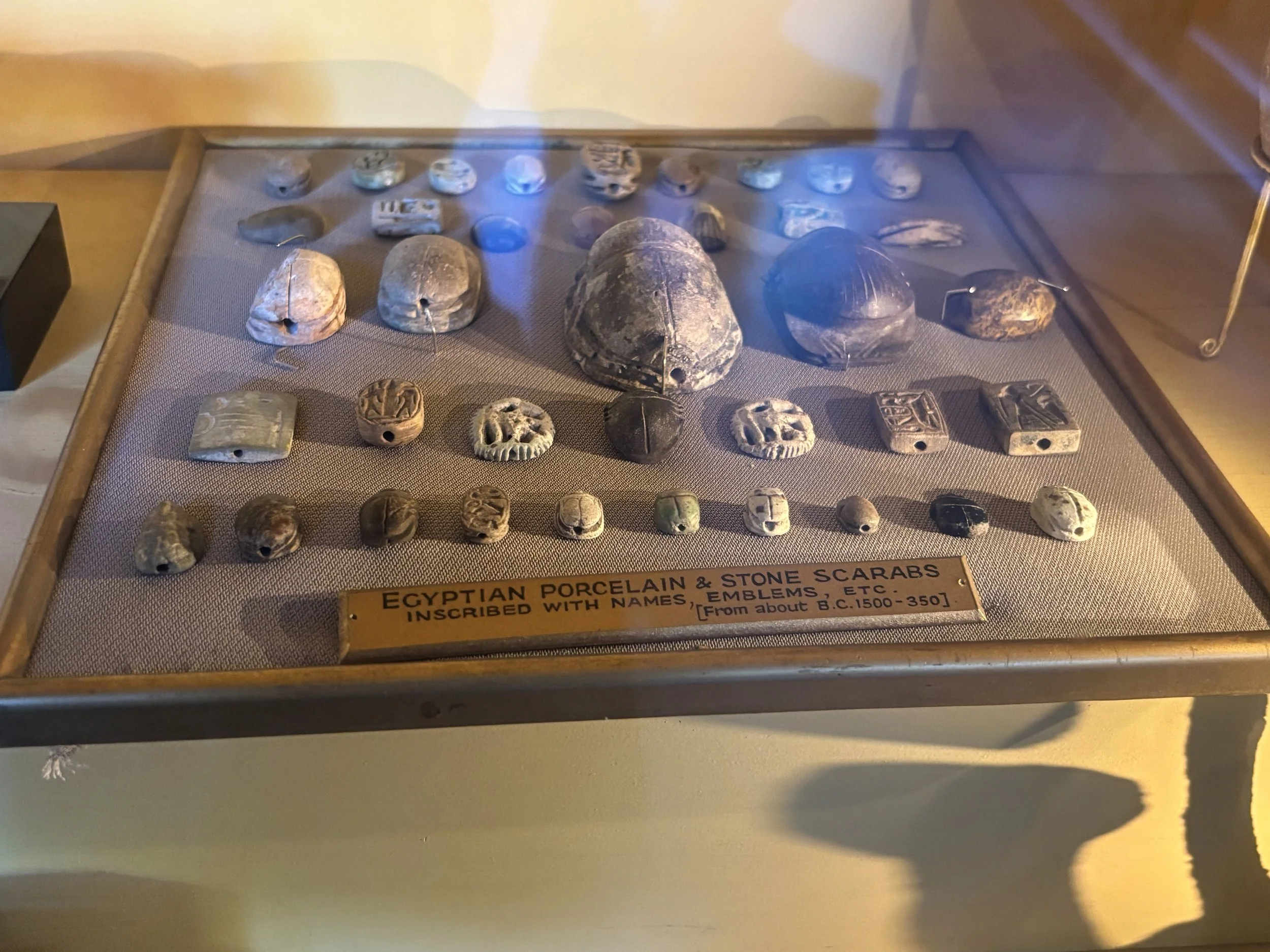
The property also included beautifully crafted landscapes, a Swiss chalet where the royal children played, and a Swiss cottage museum which housed artifacts they'd collected or been gifted through the years—everything from an Egyptian mummy shroud to fossils. The museum holds thousands of items, some dating back as far as 4000 years. I was most fascinated by all of the items from ancient Egypt!
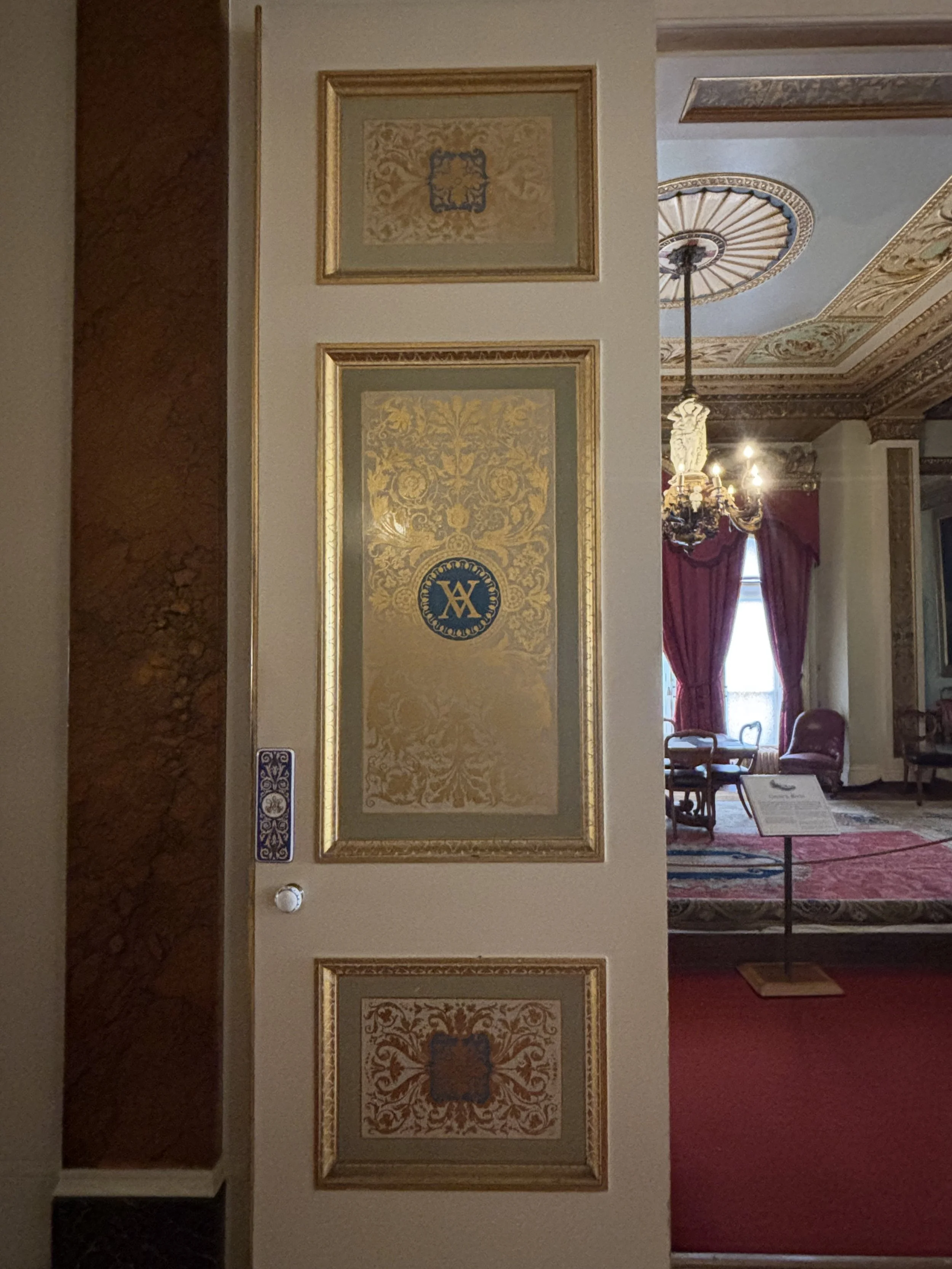
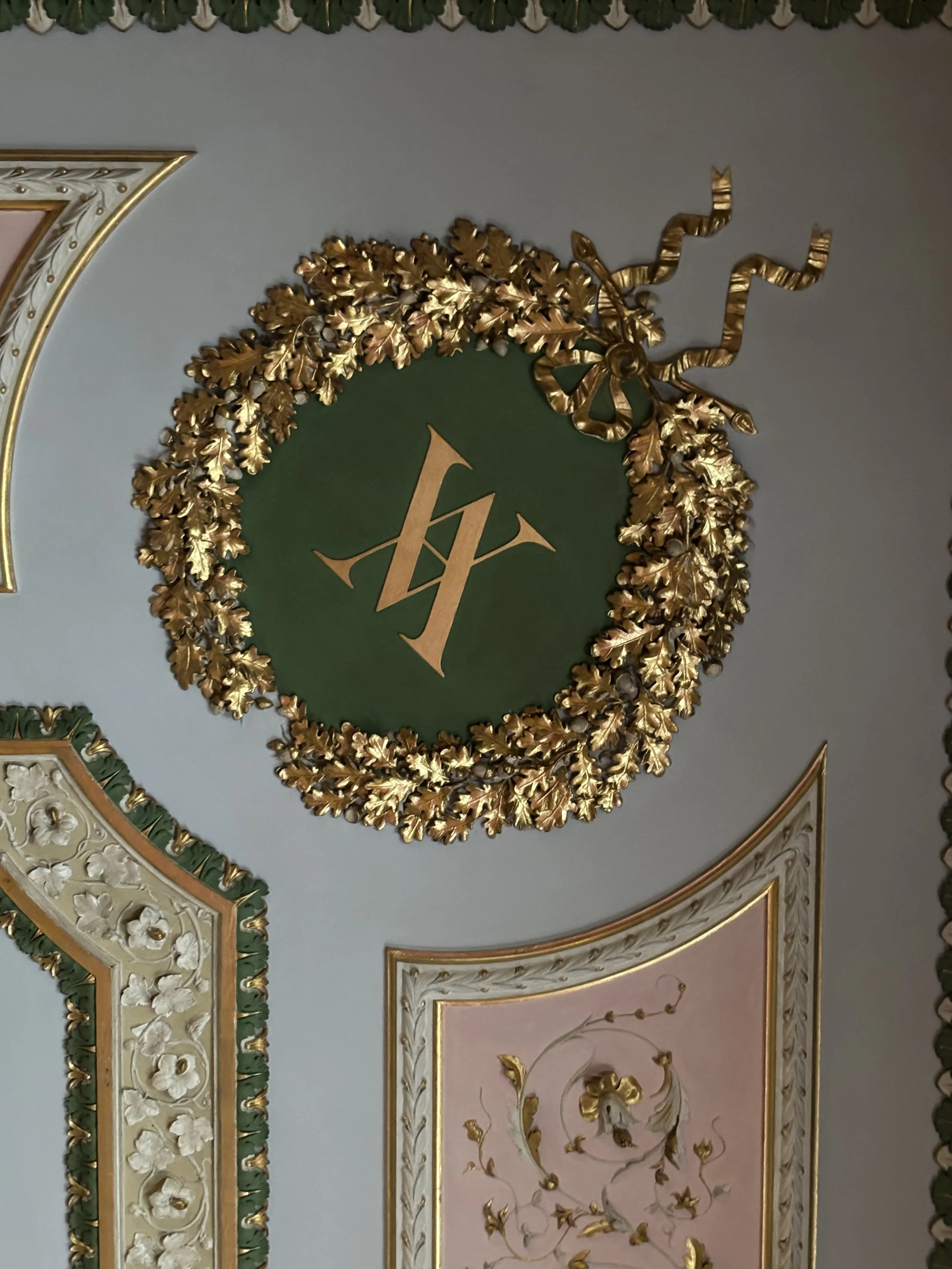
Throughout the house, you could find the letters V and A intertwined to form a type of joint monogram or symbol. One of the staff told us to note that the letters were exactly the same size because, even though Victoria was the queen, it was very important to her that she and Albert operated as equals. We loved learning about Queen Victoria and Prince Albert from the staff and exploring their beloved home.
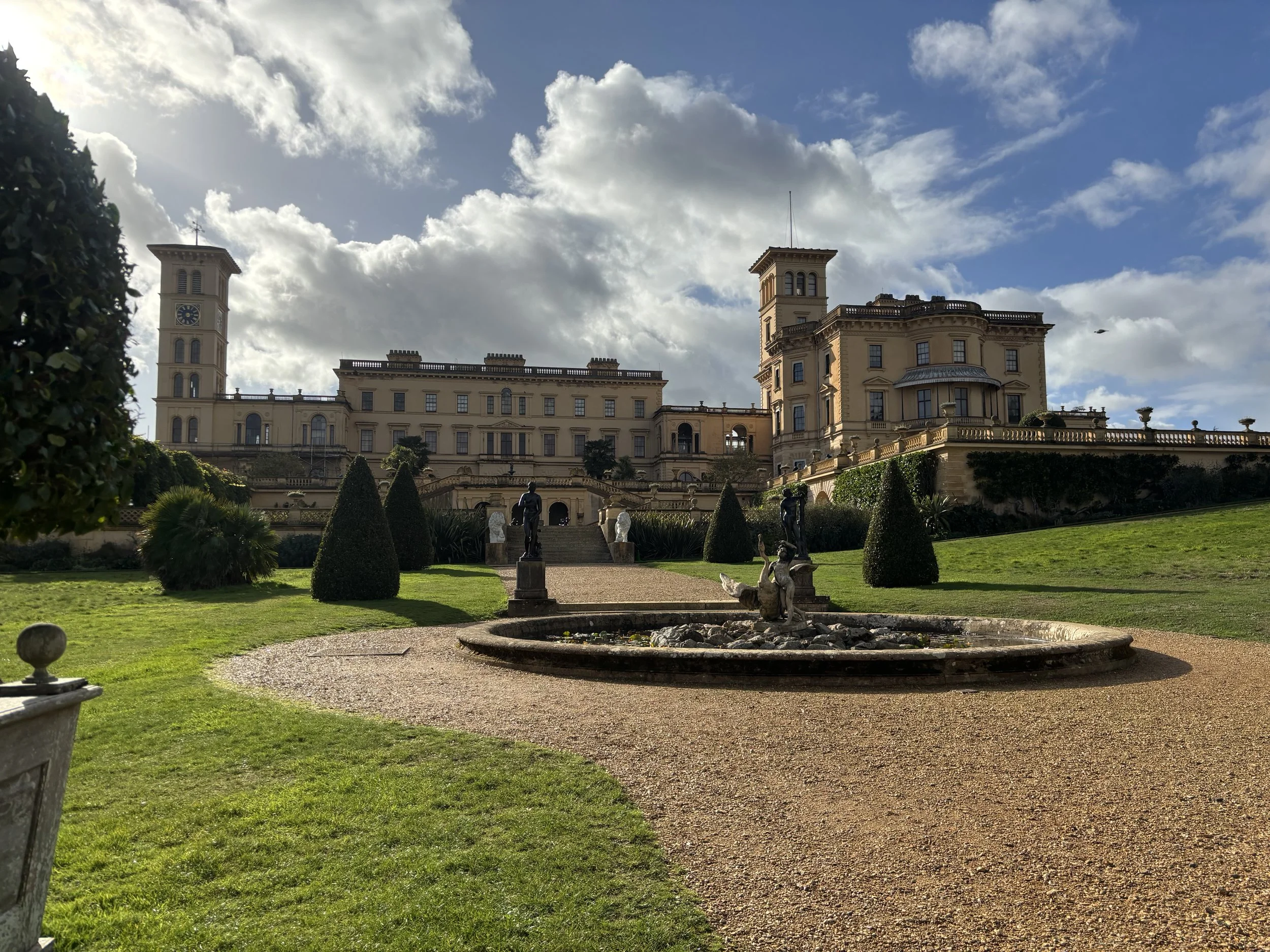
Osborne House
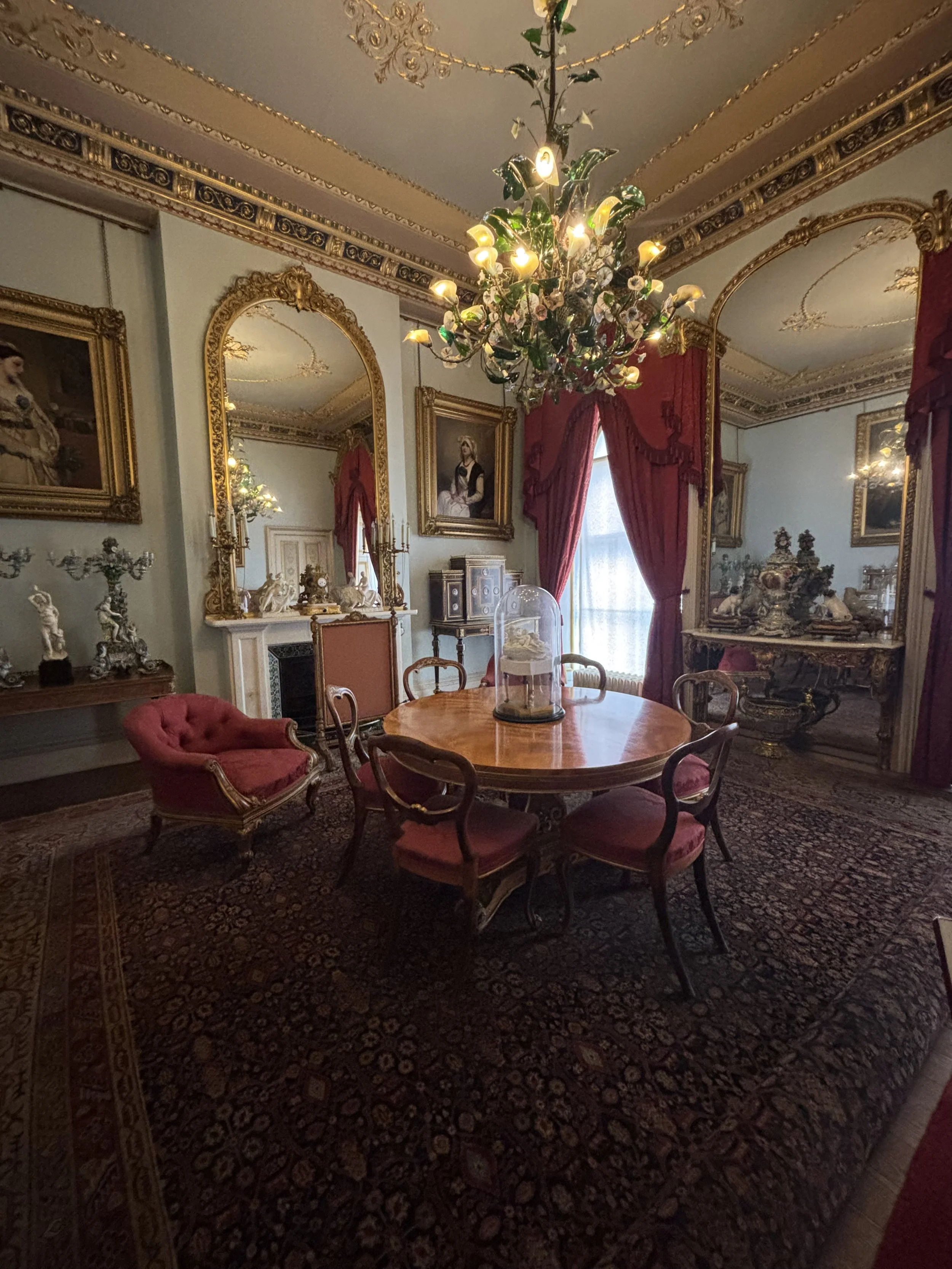
Queen Victoria’s Audience Room where she received dignitaries and statesmen
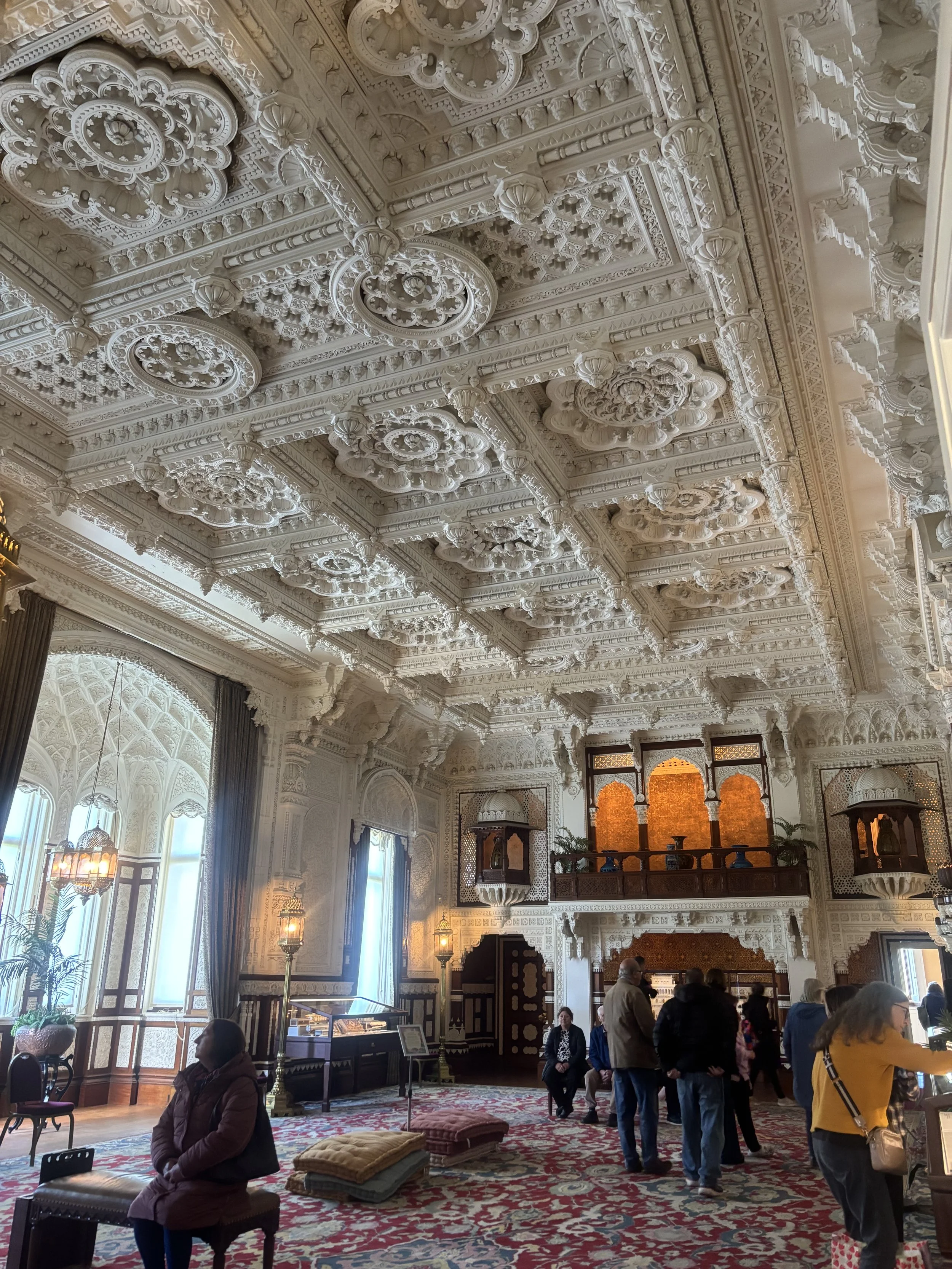
The Durbar Room, where the Queen entertained. The room was decorated in an elaborate Indian style to bring a touch of India into her home.
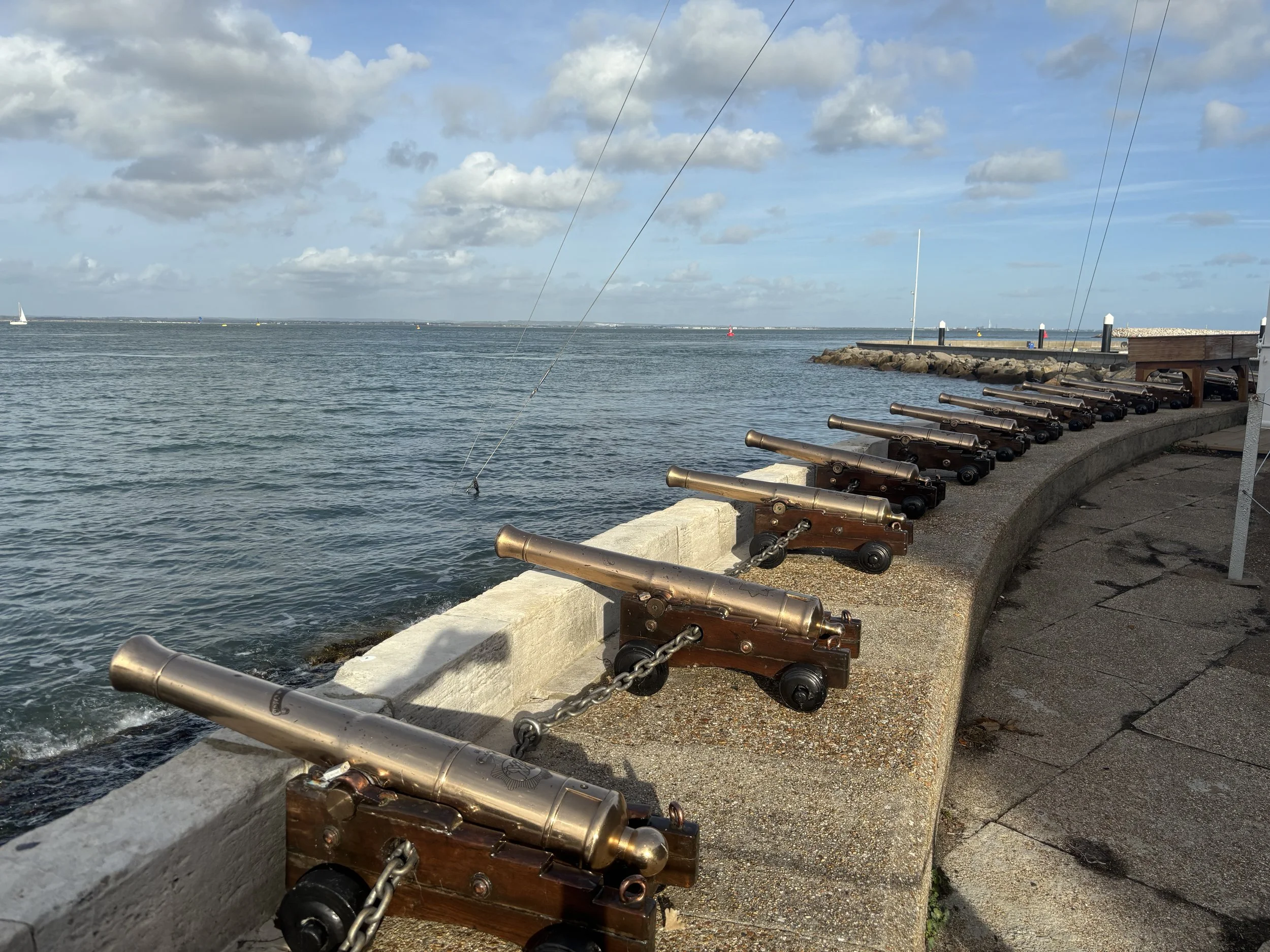
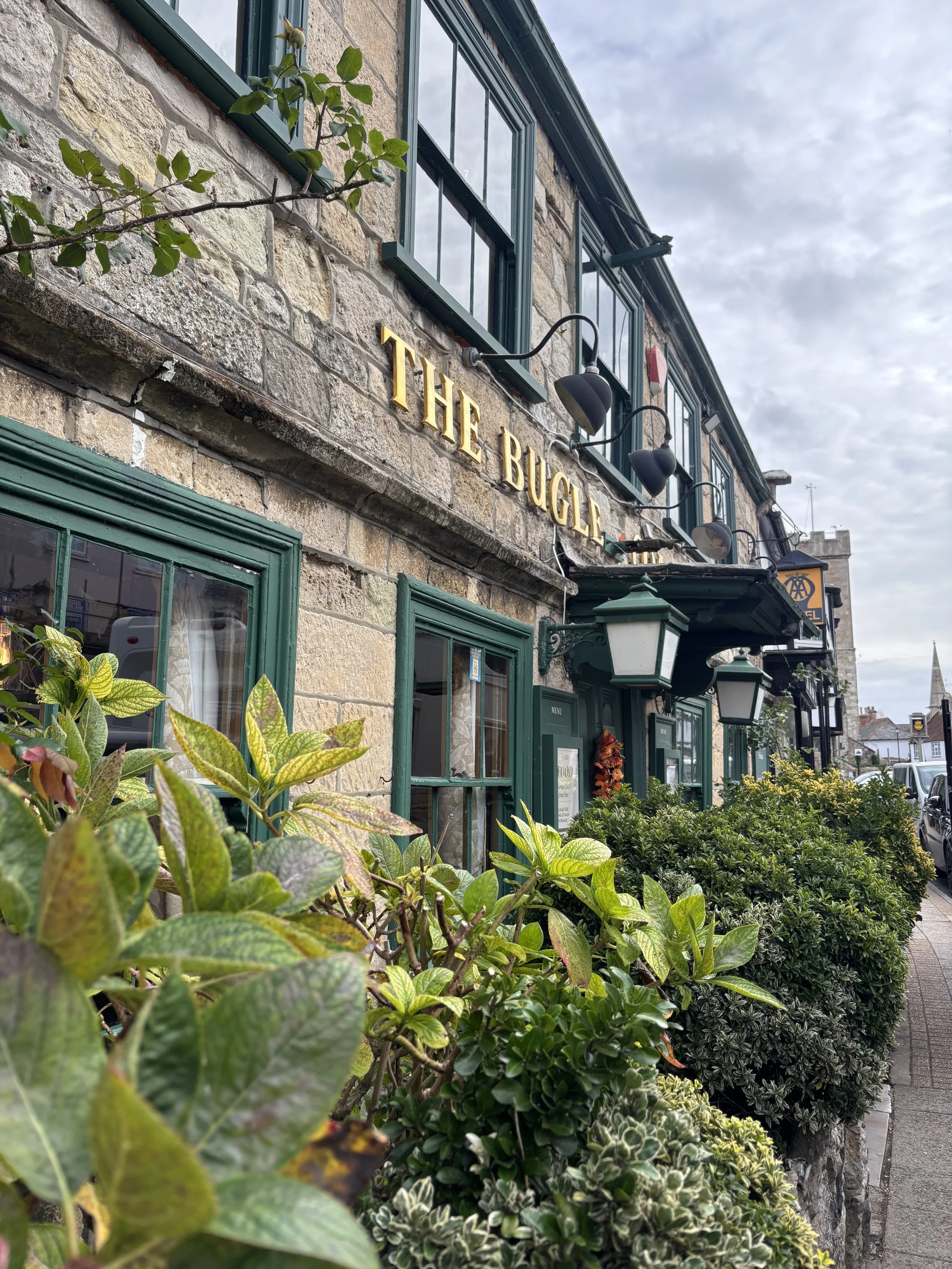
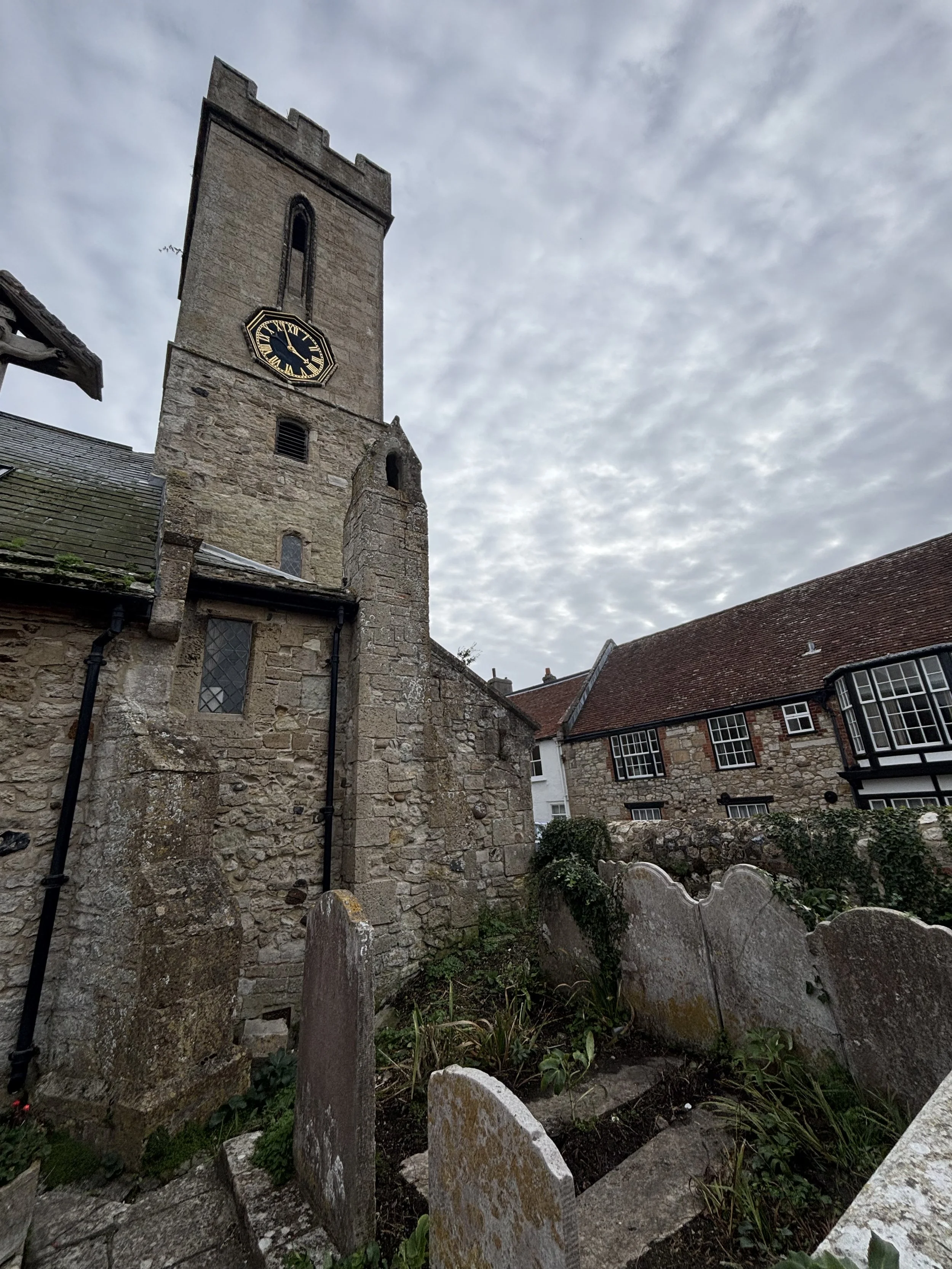
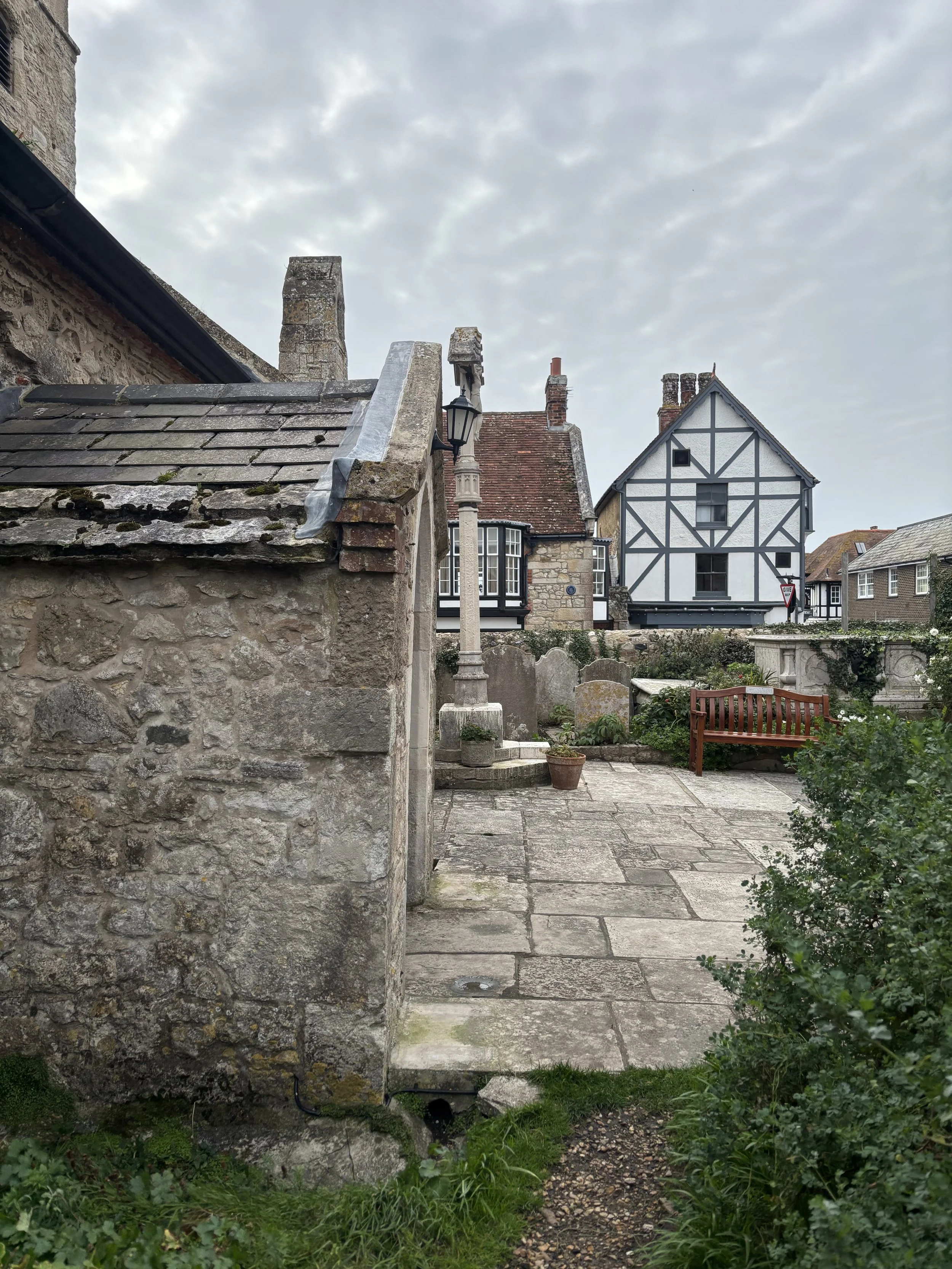
We also took the bus to Yarmouth, another town on the Isle of Wight, where we once again connected with our friends on SV Devona. Yarmouth was a small but quaint town. While there, we explored a few of the shops and toured Yarmouth Castle. Yarmouth Castle was built by King Henry VIII in 1546. Its strategic position was intended to guard the western entrance to the Solent, working alongside Hurst Castle on the mainland to prevent enemy ships from entering the Solent. After divorcing Katherine of Aragon, Henry VIII had strife with the Pope and the Emperor. After France signed a truce with Rome, Henry VIII became alarmed that France would soon invade with the Pope’s support. Yarmouth was part of Henry VIII’s line of defense against an invasion that would never come. The castle was redesigned during the reign of Queen Elizabeth I to create a large gun platform facing the sea.
All in all, we spent two weeks in Cowes. We met fantastic locals. In fact, one day while out for a wee walk, I stood admiring a precious home when the owners pulled up in their car. I commented on how much I loved their home, and we were promptly invited in for a tour and a chat. I cannot imagine that happening in the States. Perhaps there are places, but we have found the friendliness and hospitality of our UK neighbors to be fantastic! The news and social media can make the state of humanity feel quite bleak, but this reminds me that there is still much good in the world at home and abroad.
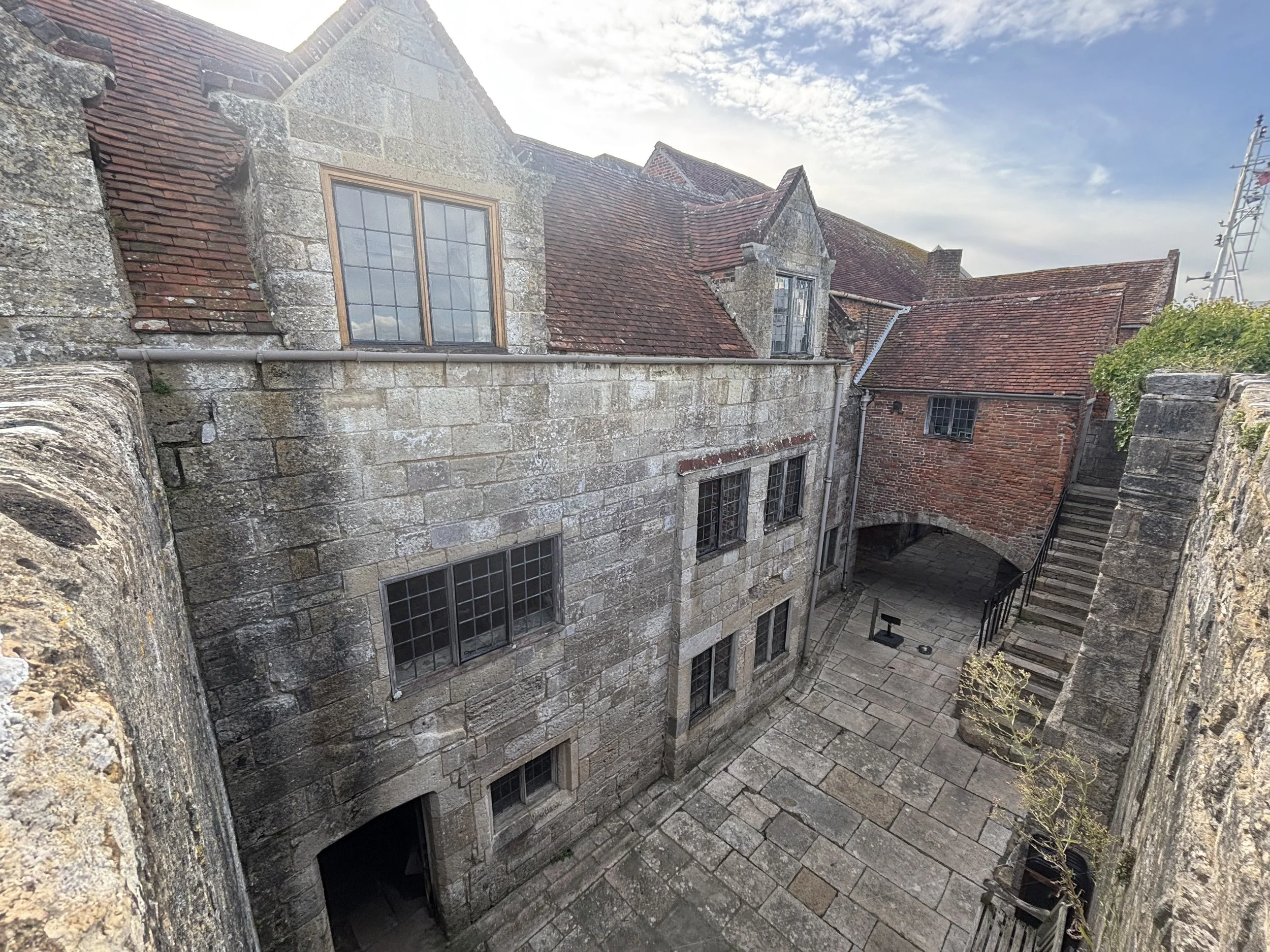
Yarmouth Castle in Yarmouth, Isle of Wight
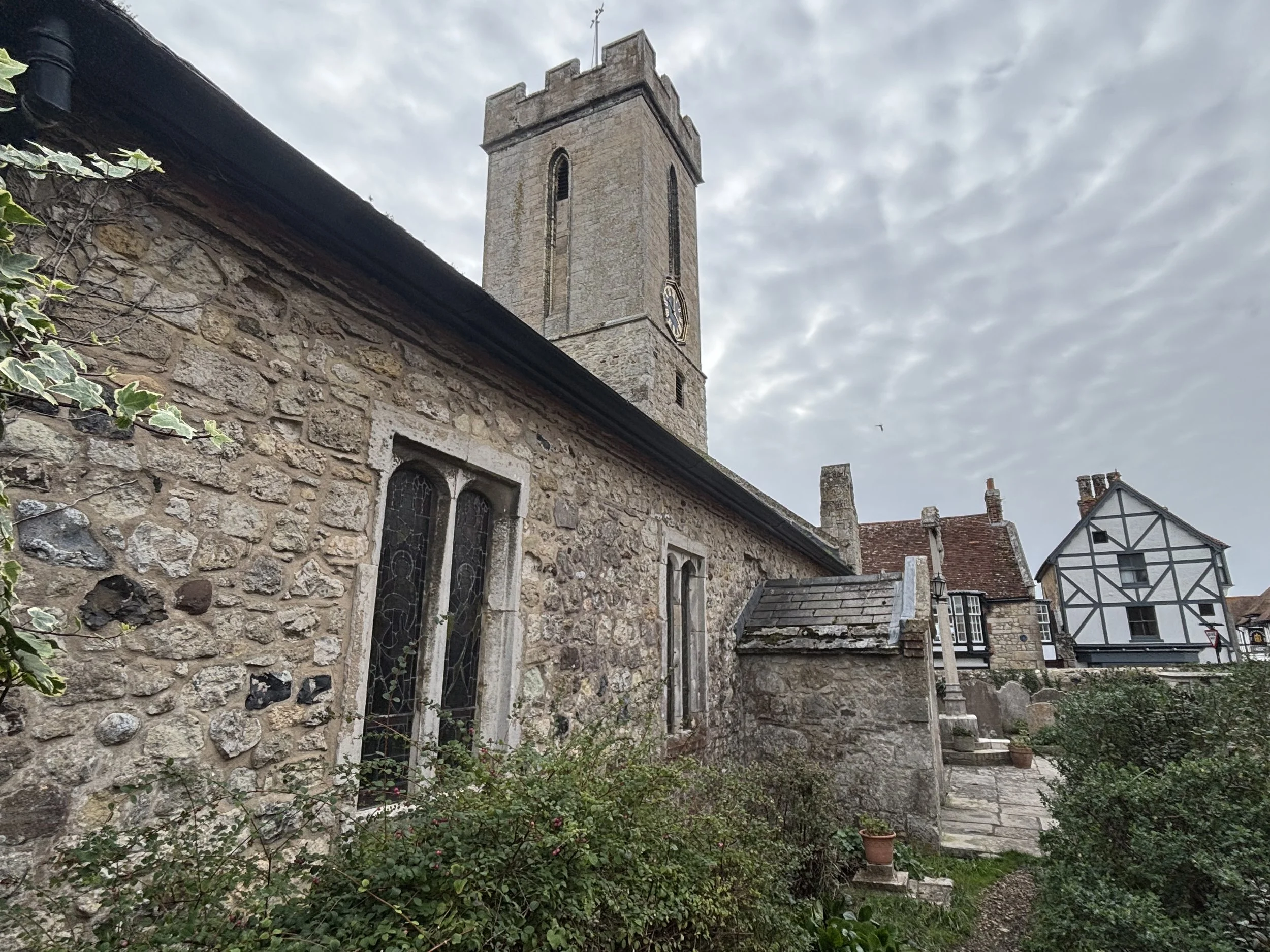
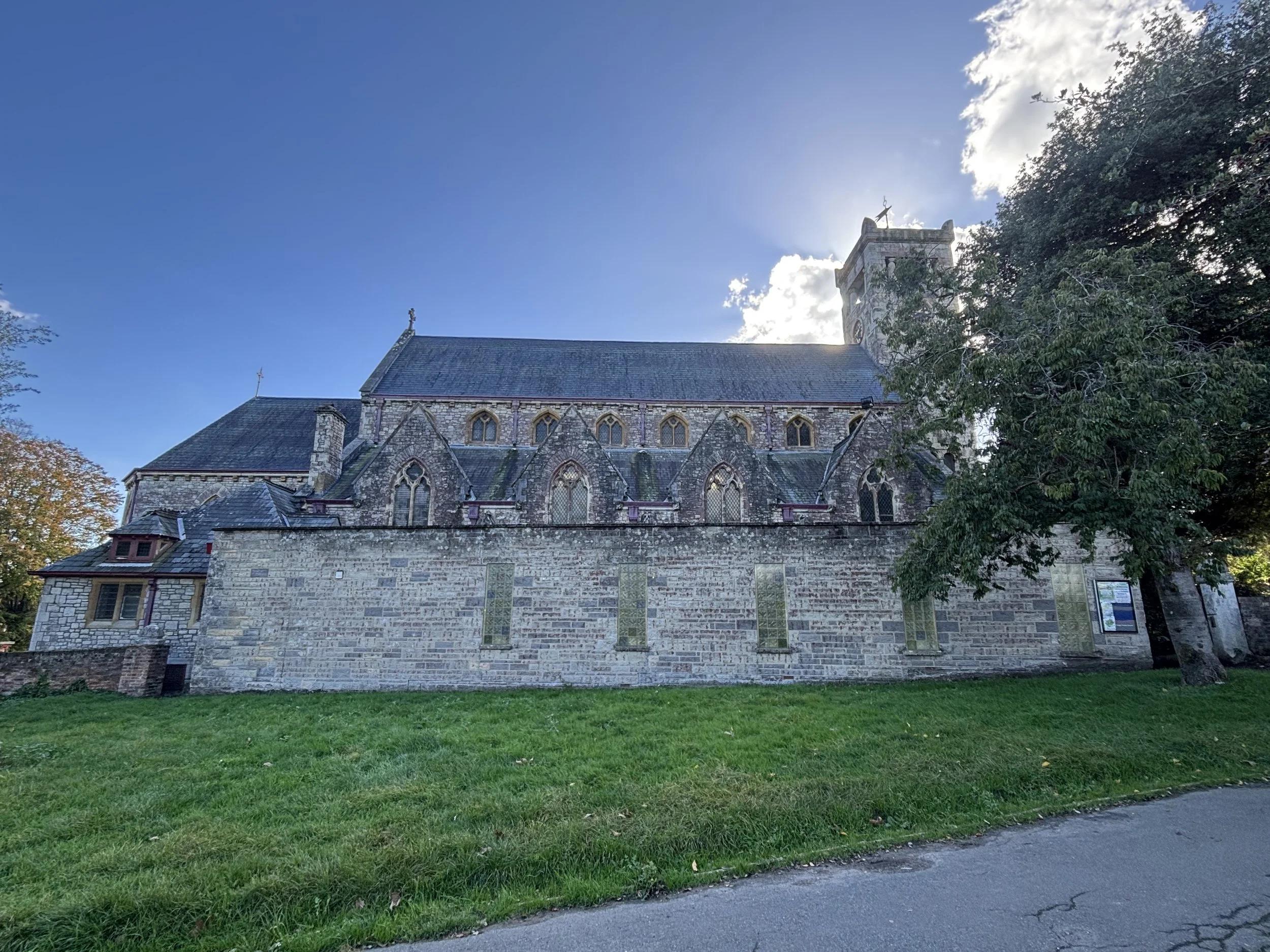
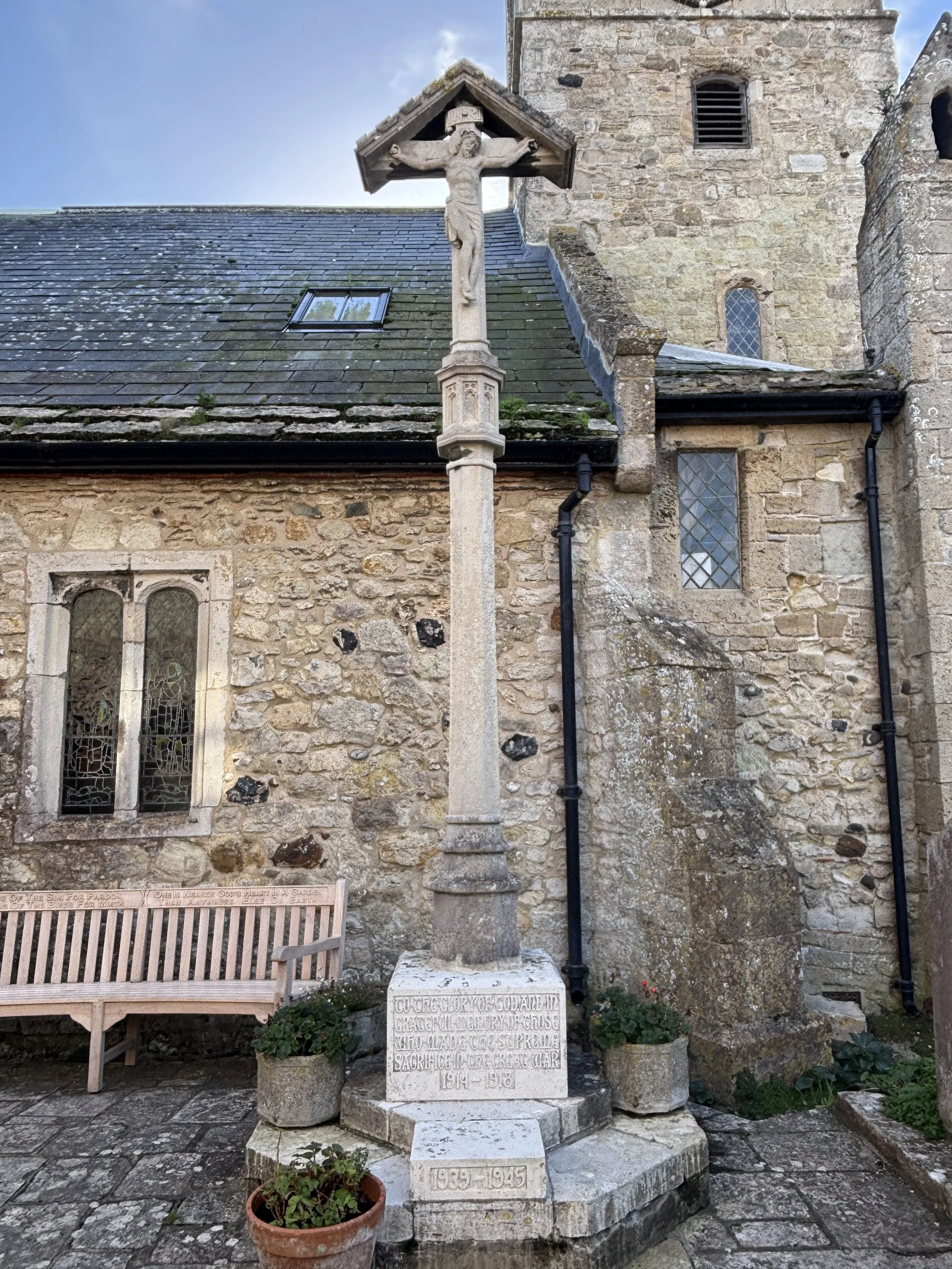
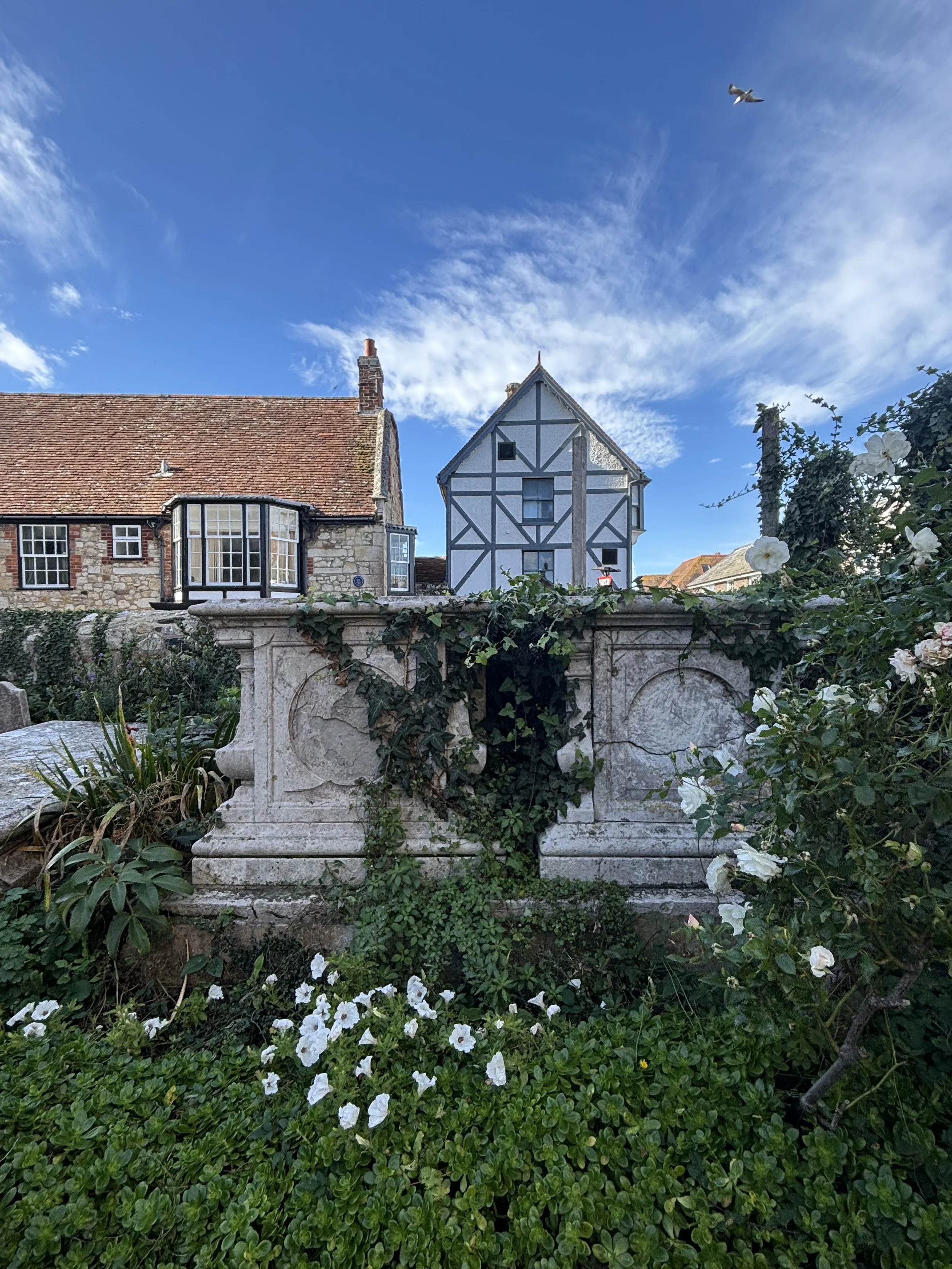
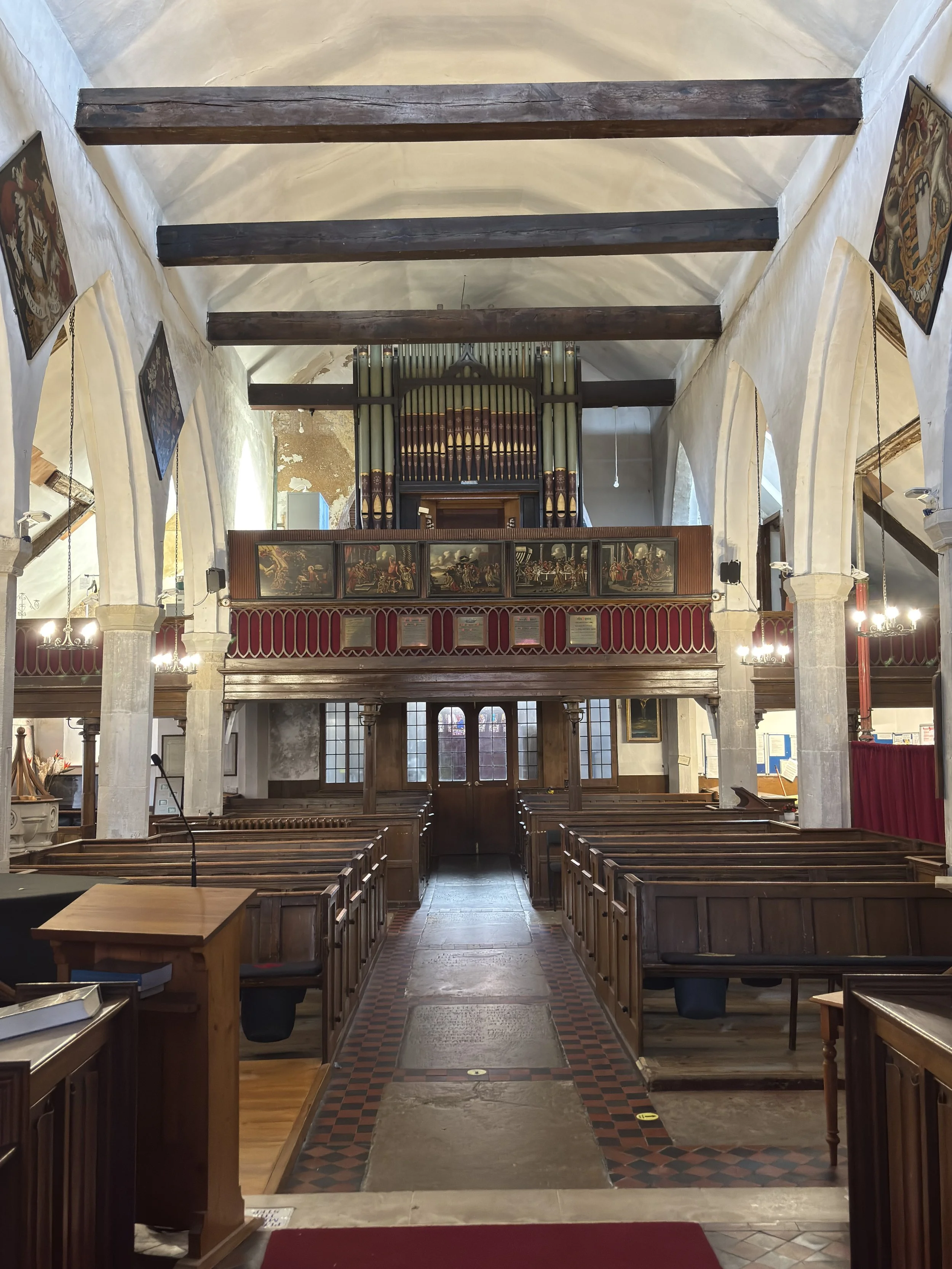
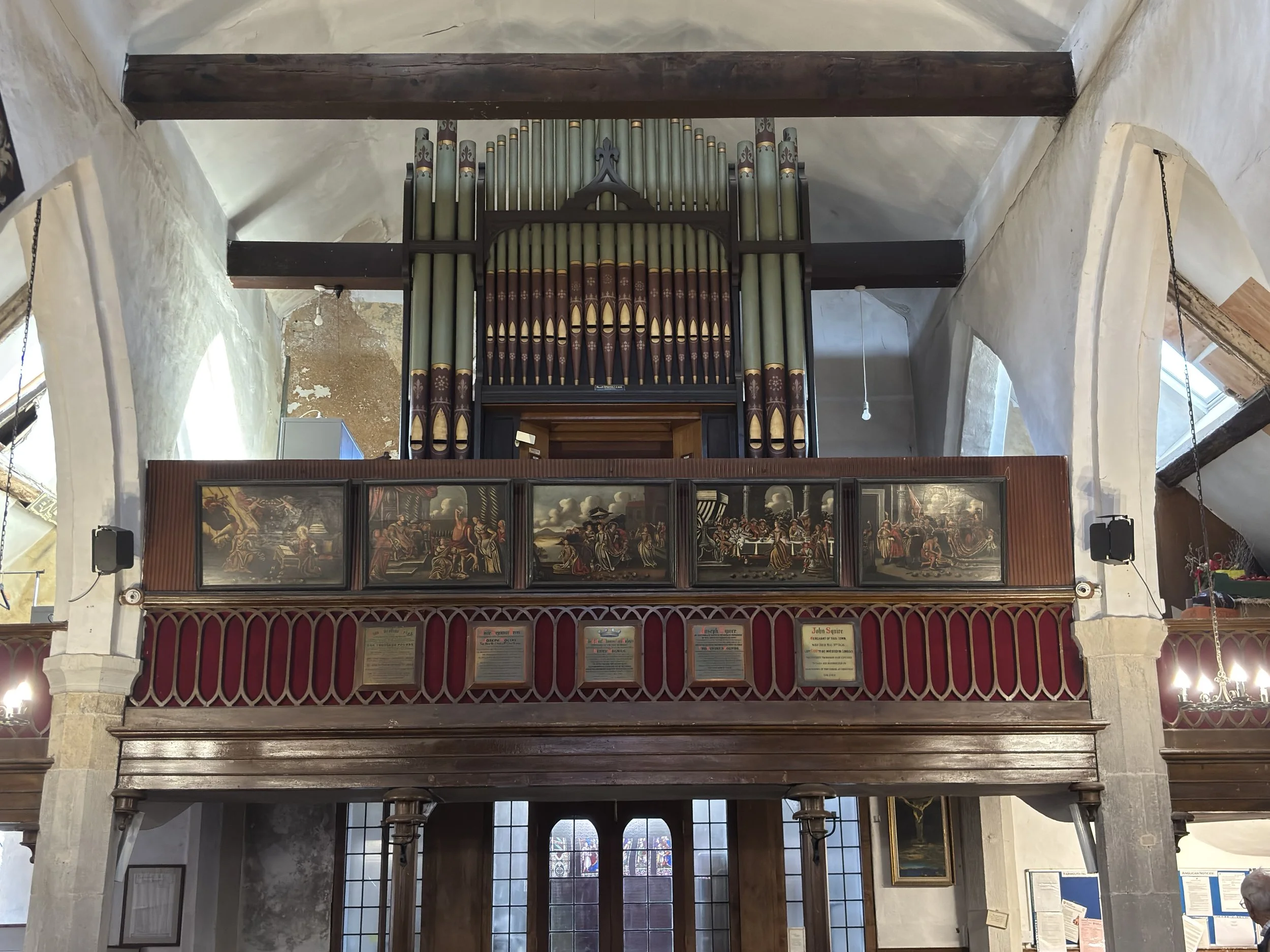
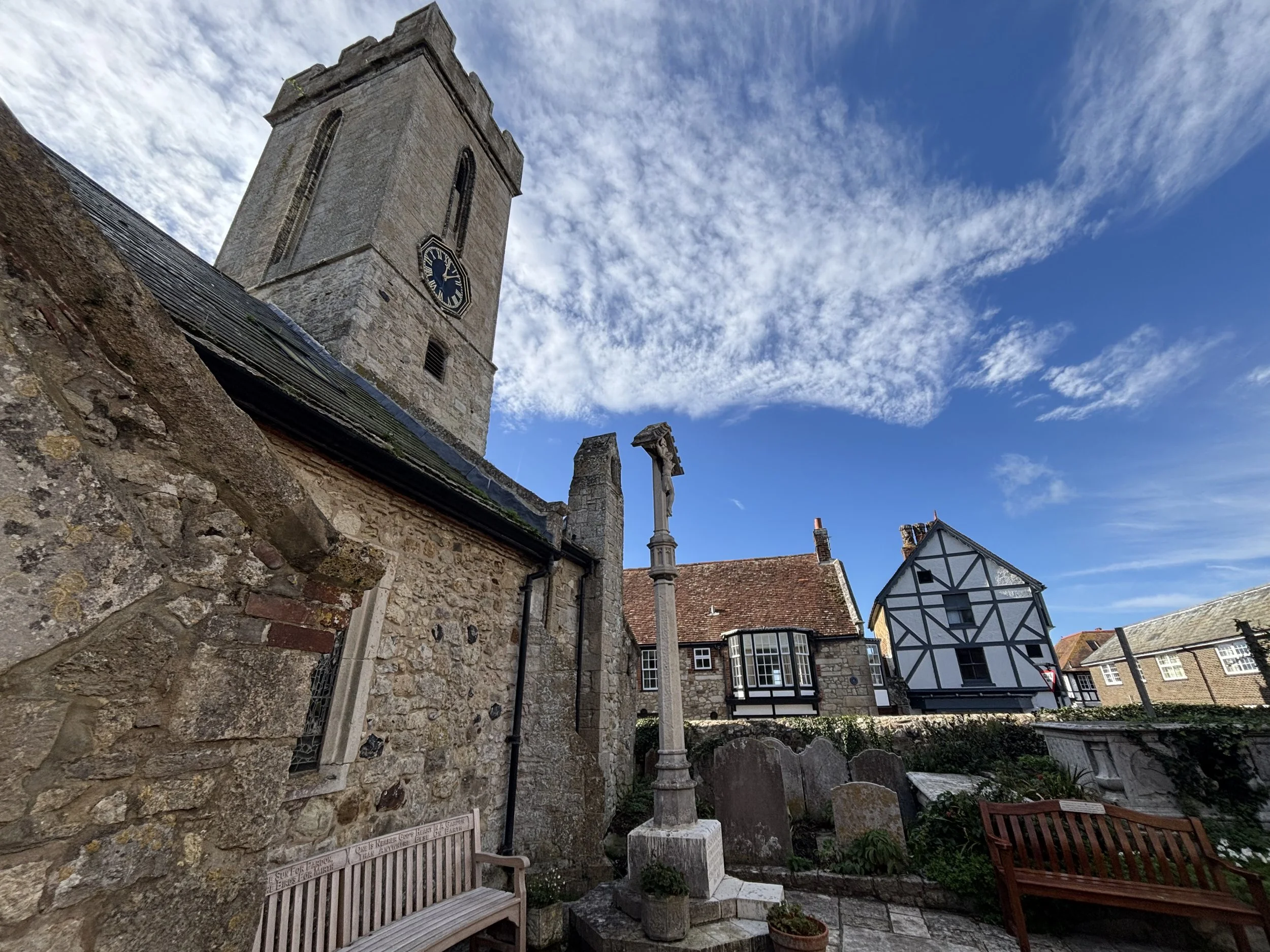
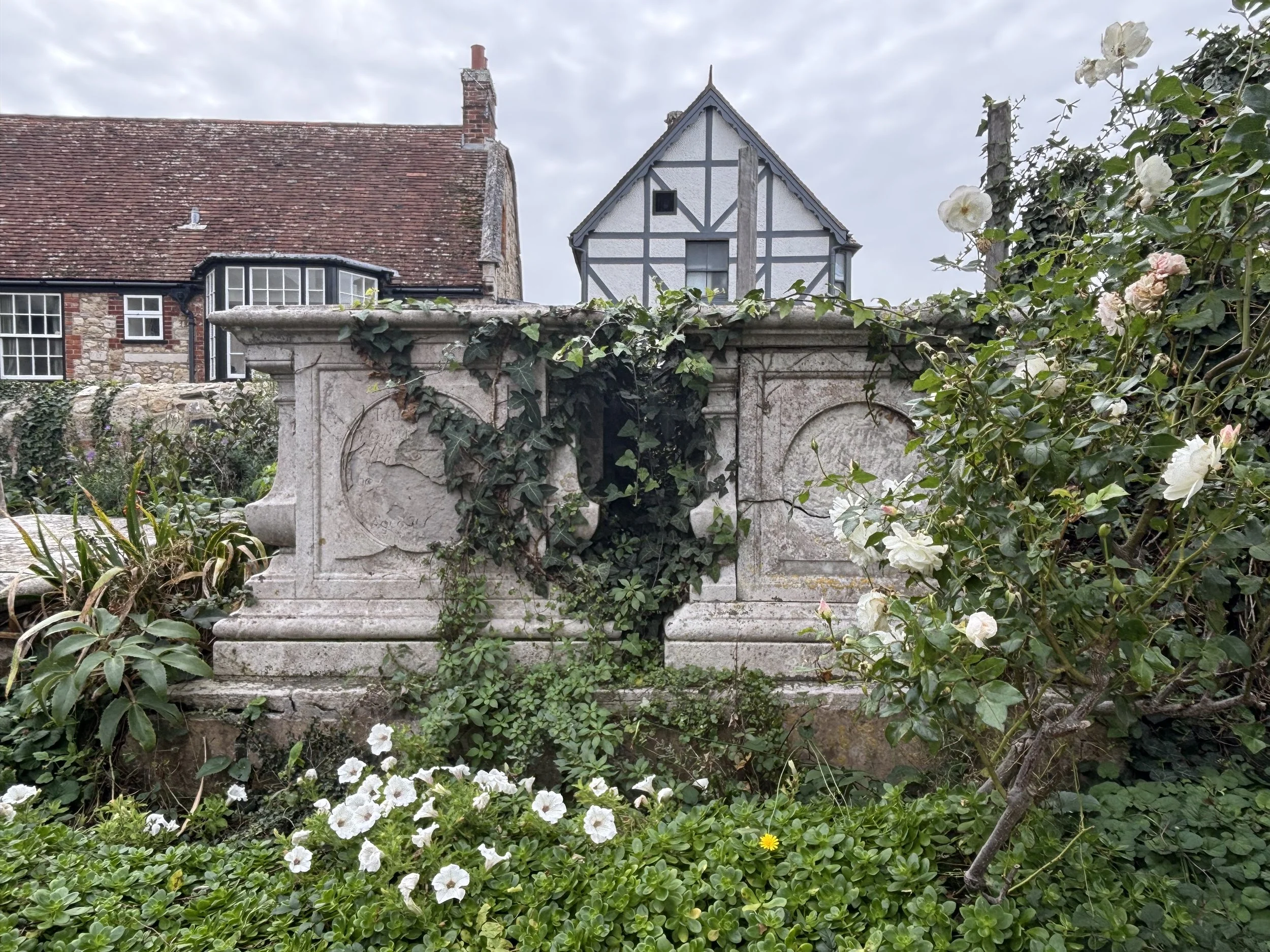
Yarmouth Church in Yarmouth, Isle of Wight
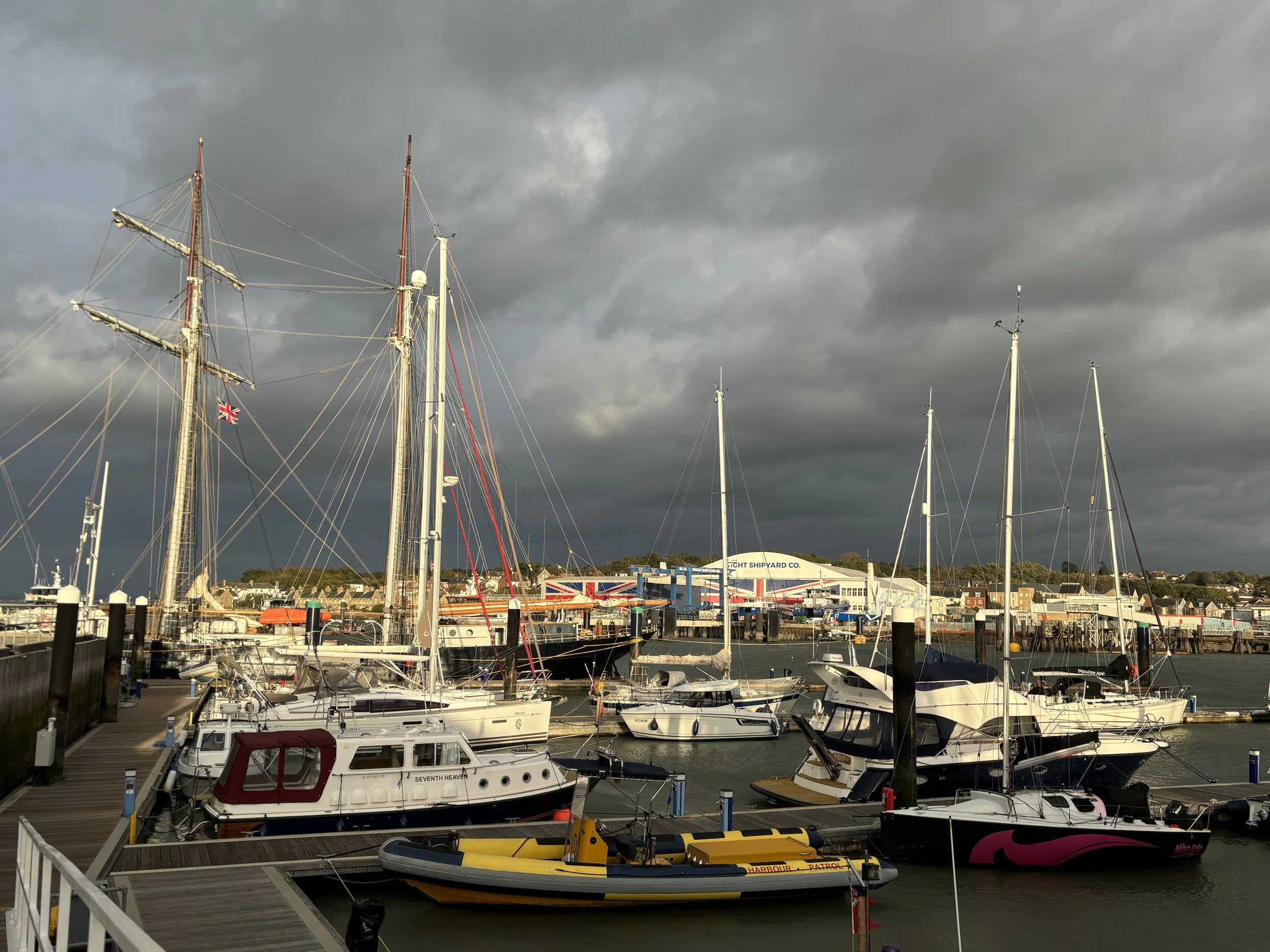
Marina in Cowes where Remedy spent two weeks
After two weeks and two gales, we finally had a weather window to make our next big boy sail—this time to Dover. This section, like a few others along the English Channel, required paying special attention to the timing of the tides around the notorious Selsey Bill and Beachy Head area. Tidal flows in this area can reach up to 2-3 knots. If you catch that on a spring tide, which occurs twice per month between the new and full moon cycle, it can be even faster. You also want to make sure that the wind does not oppose the tidal race. When wind and current oppose one another, waves can become quite steep, and seas can become very uncomfortable. To catch the tide at a favorable time, we left Cowes around 5 pm and sailed overnight.
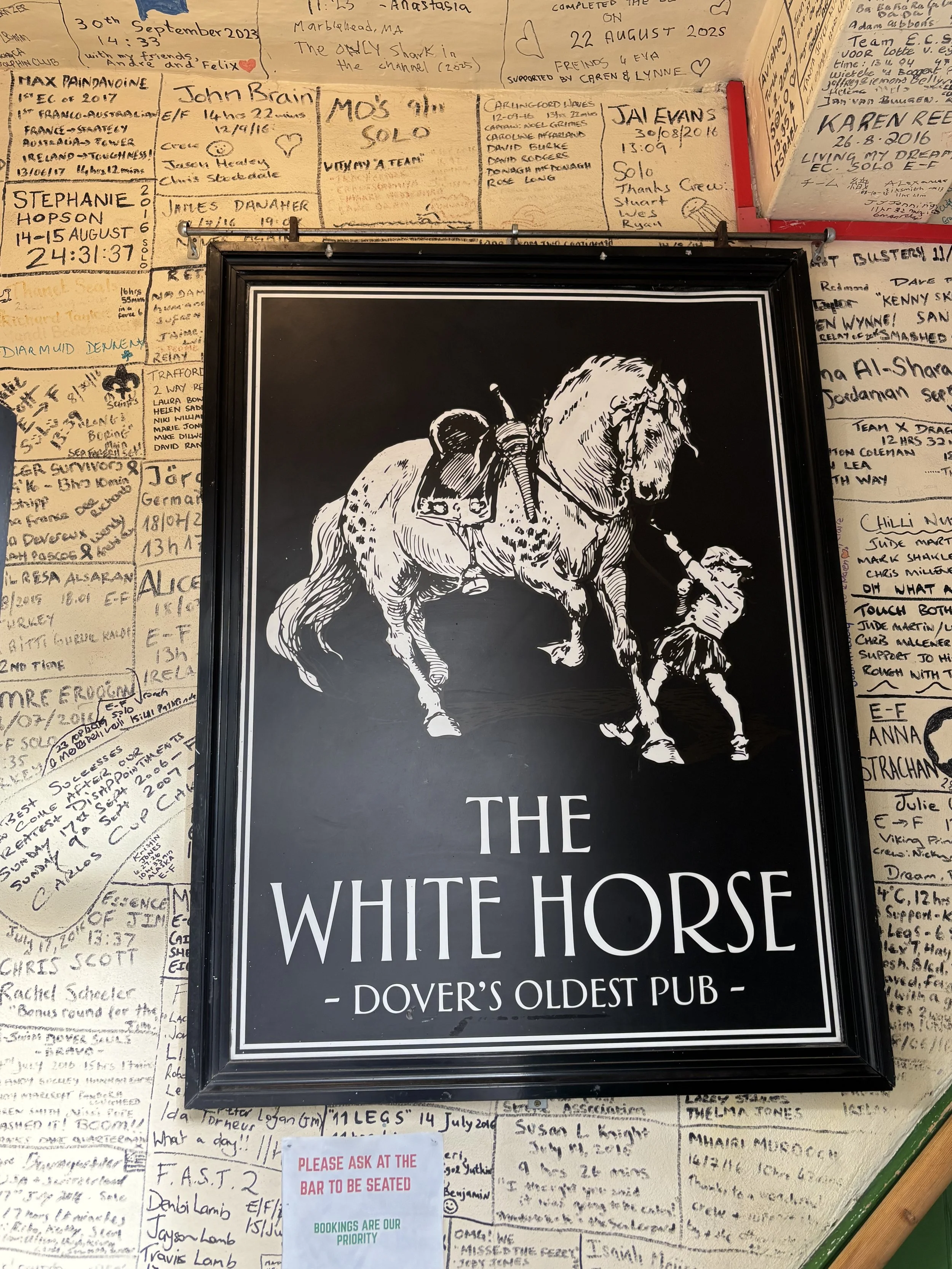
The sail to Dover was fine, but entering the west entrance of the Dover harbor was something I will never forget. Our friends aboard Devona, whose motoring speed is typically 7 kts, found themselves against the current and, at max RPMs, were traveling at under 1 kt. With their warning, we stayed farther west, but we, too, were caught up in the washing machine of the currents and cross-currents at the entrance. The entrance is narrow, with breakwater walls on either side. We aimed the bow dead center of the left breakwater wall, with our engine at high RPMs. It looked as if we were driving the boat dead into the breakwater wall. But the force of the water was pushing us so hard to the right that we had to do so to avoid getting slammed into the right breakwater wall. Later on, some of our British friends told us they hate going into Dover for that very reason and always avoid it if possible. Whew!
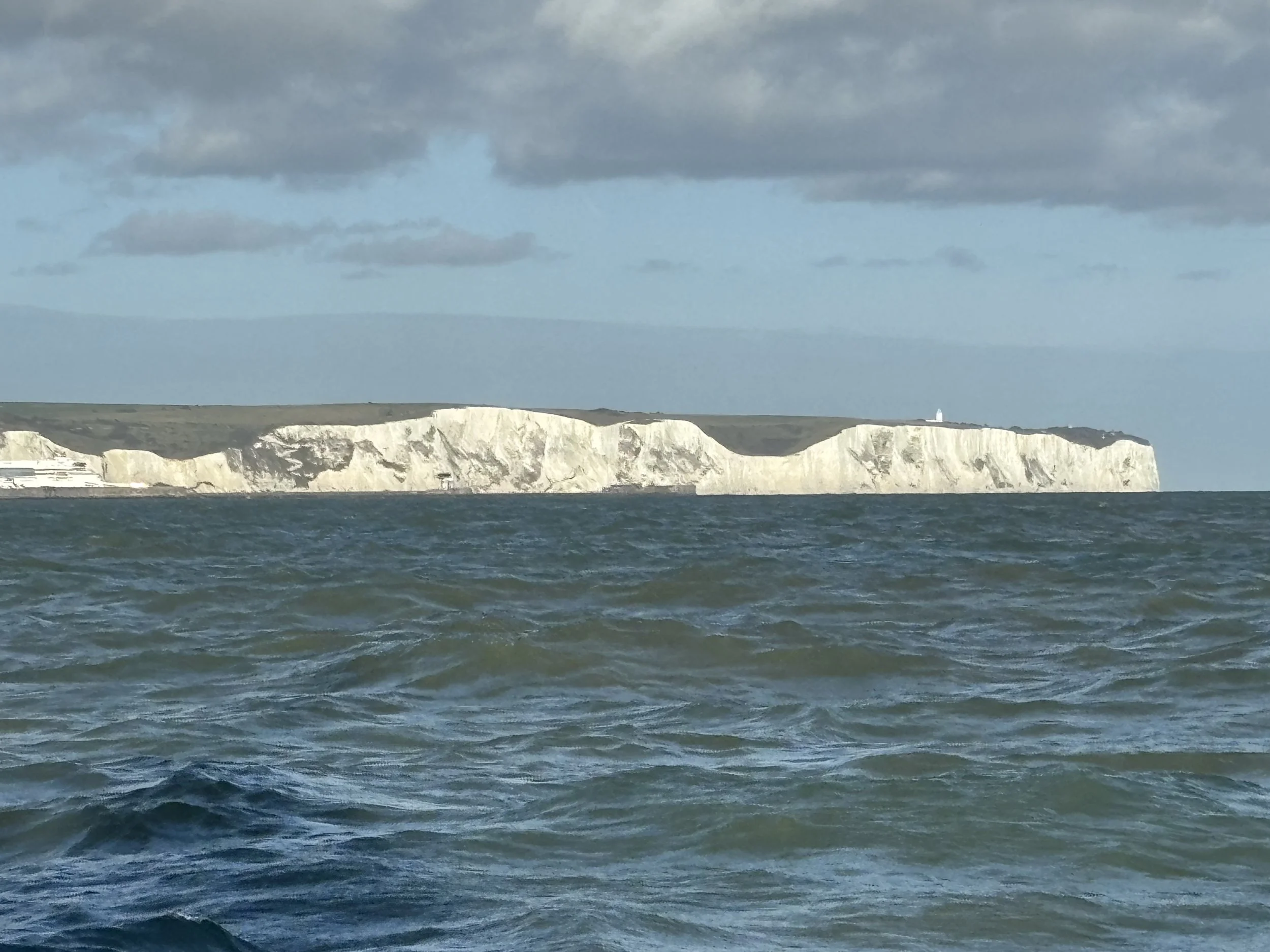
Best picture I could get of the white cliffs of Dover
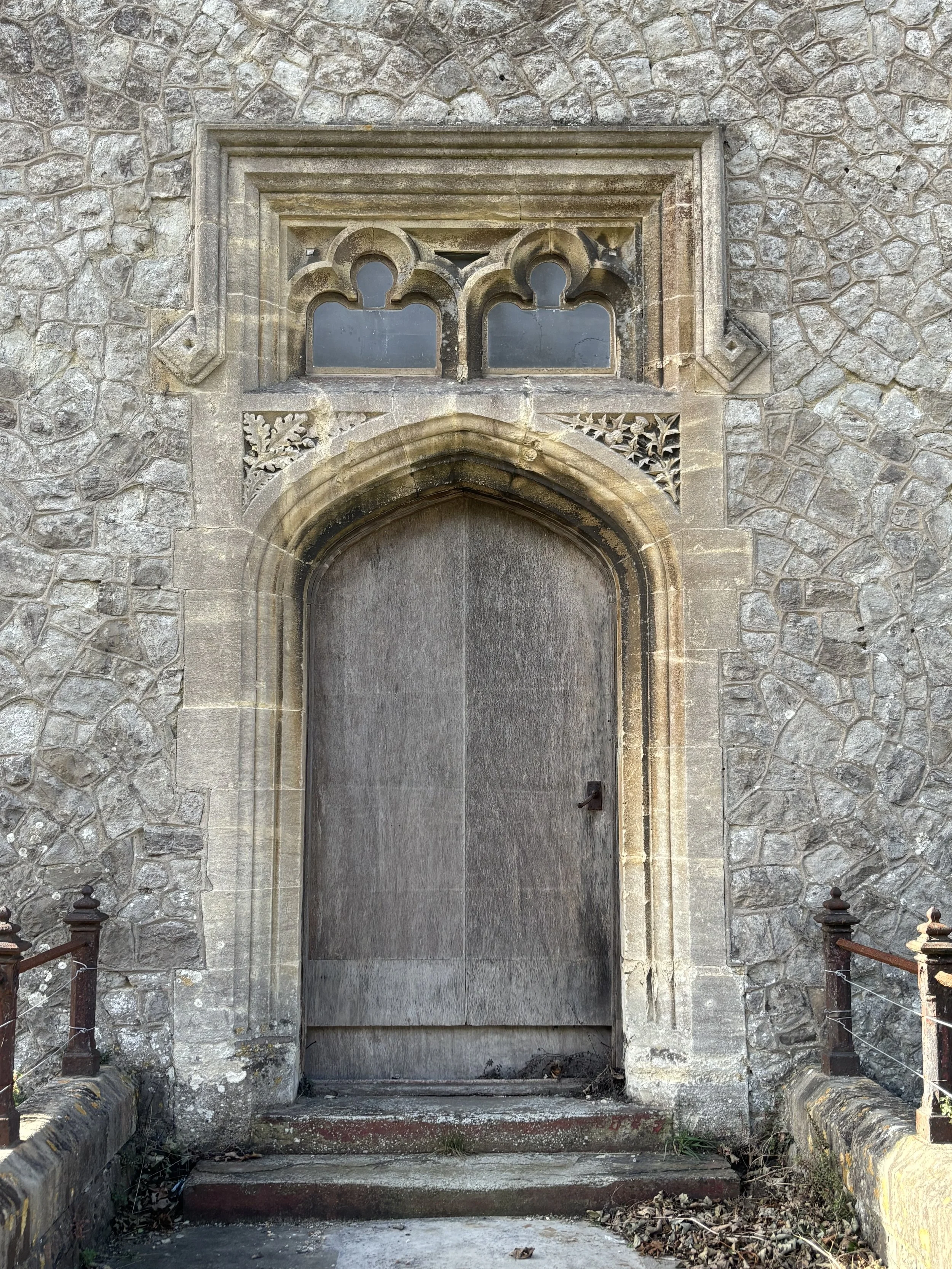
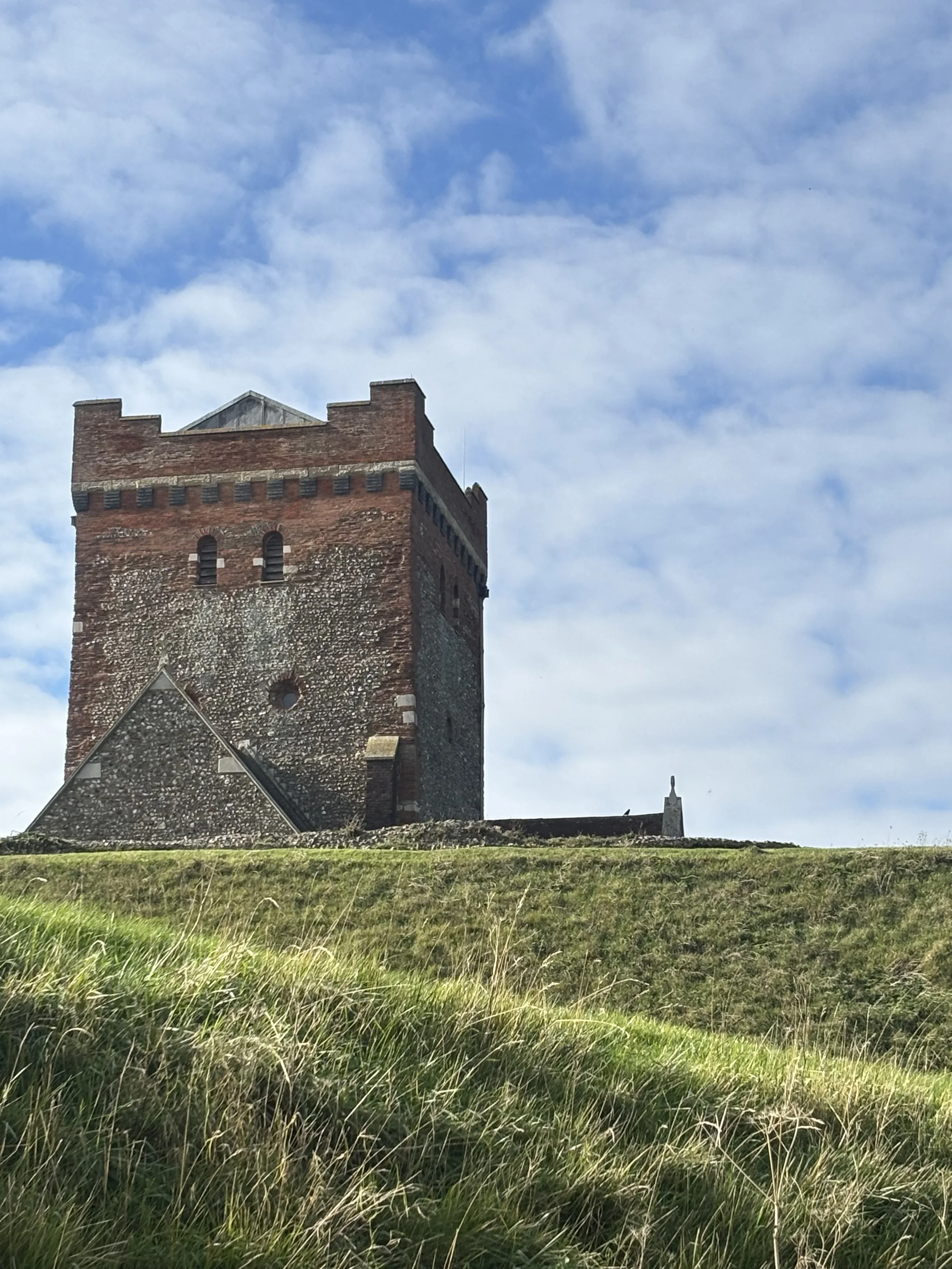
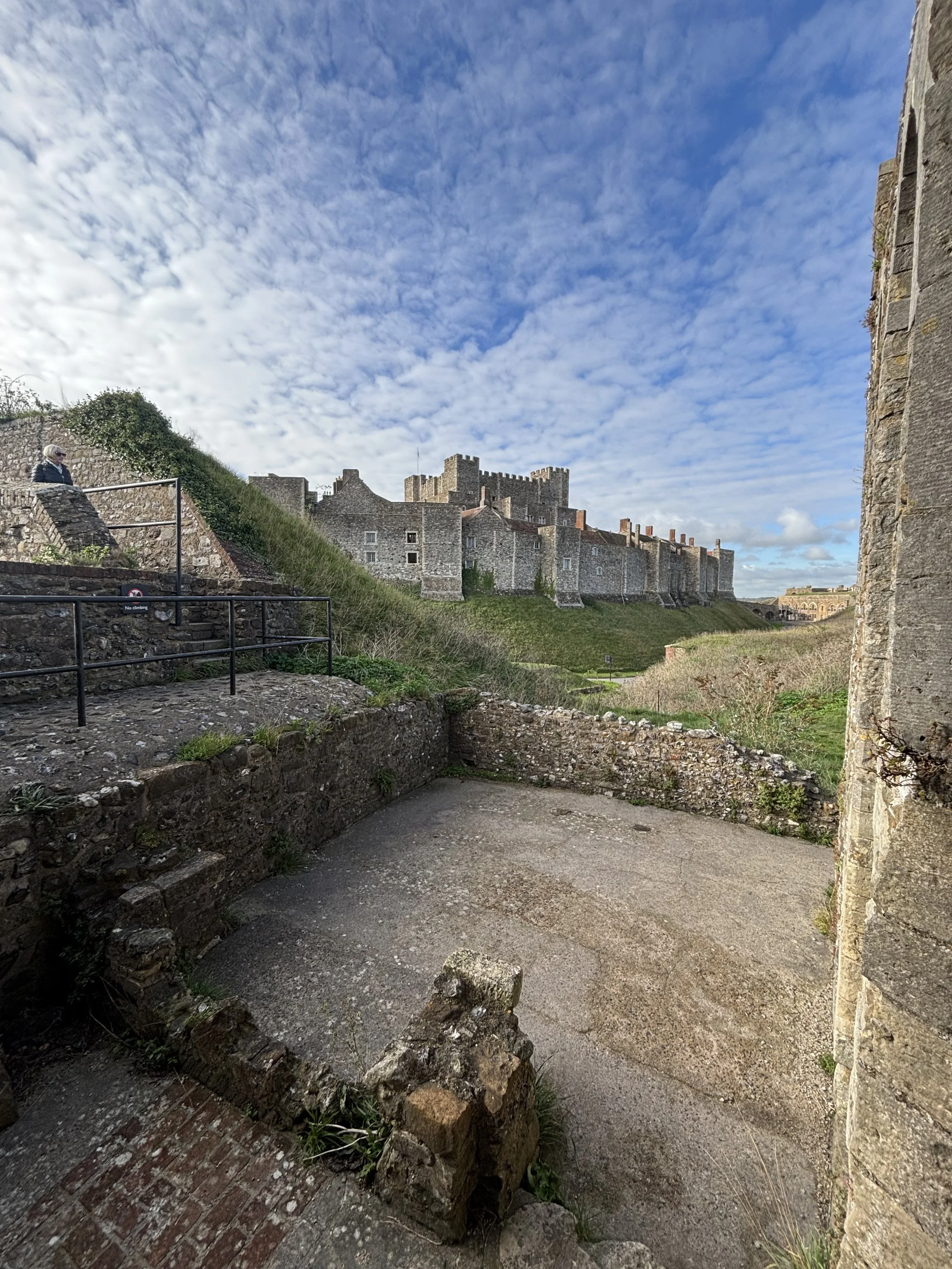
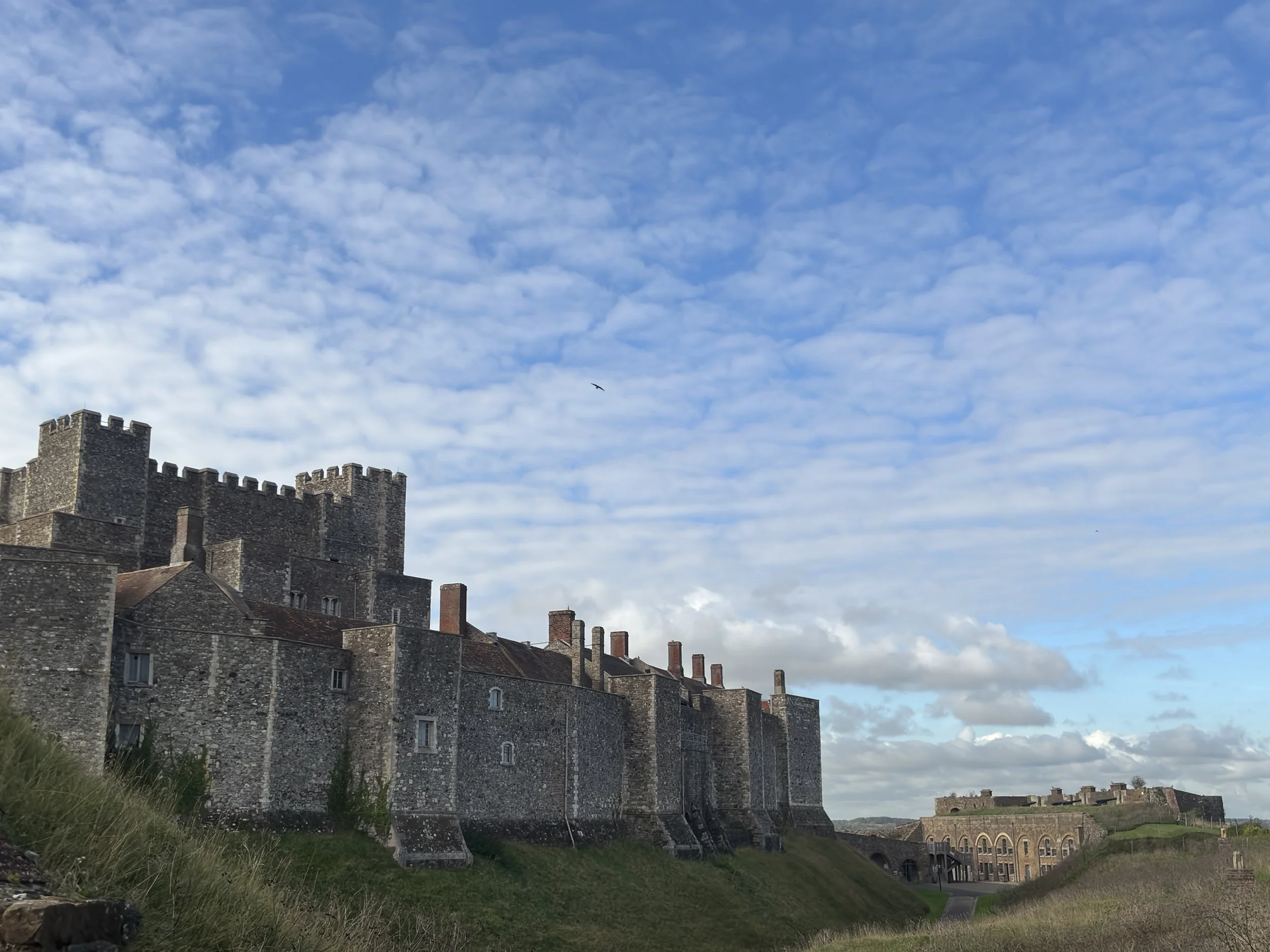
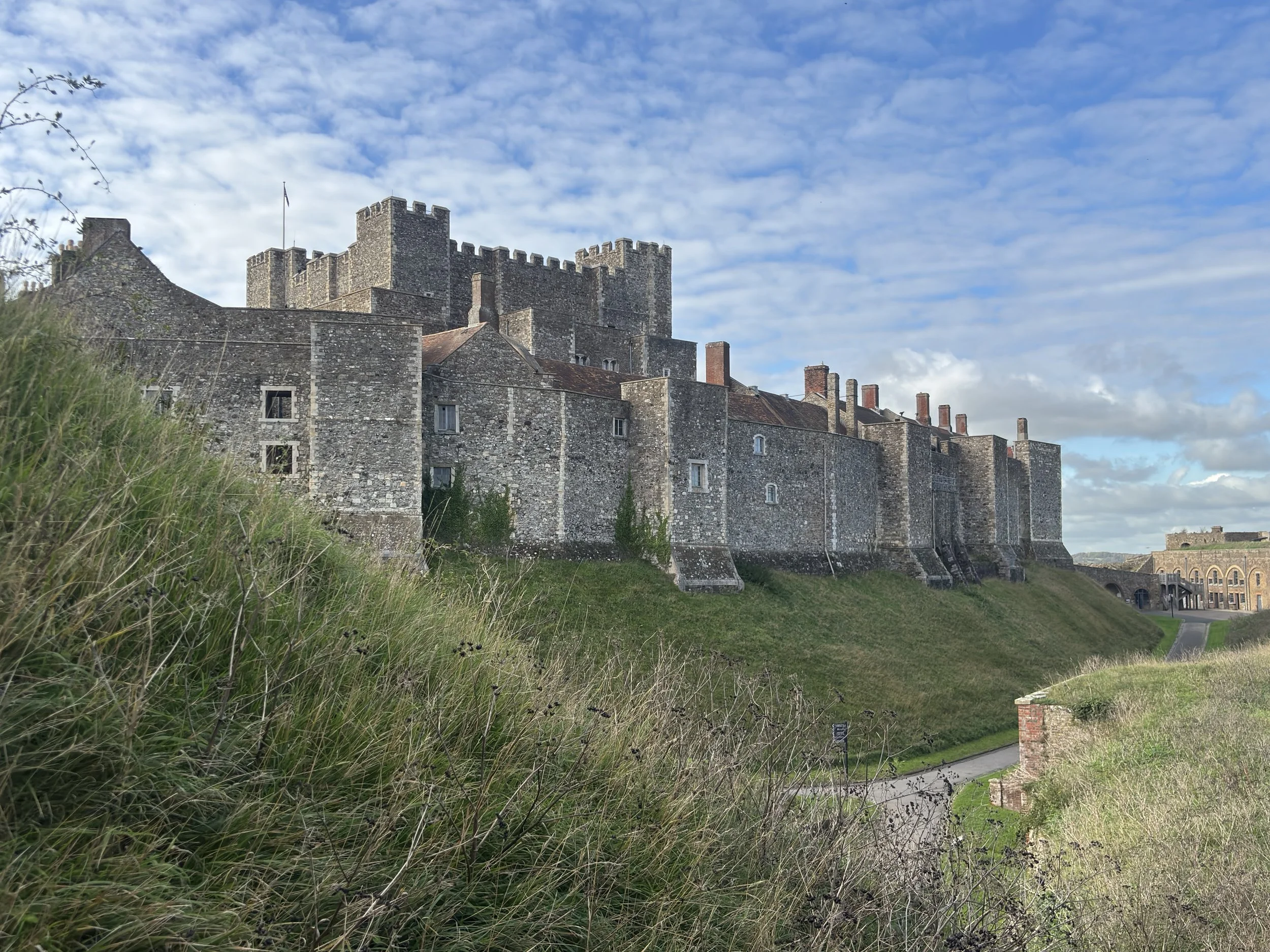
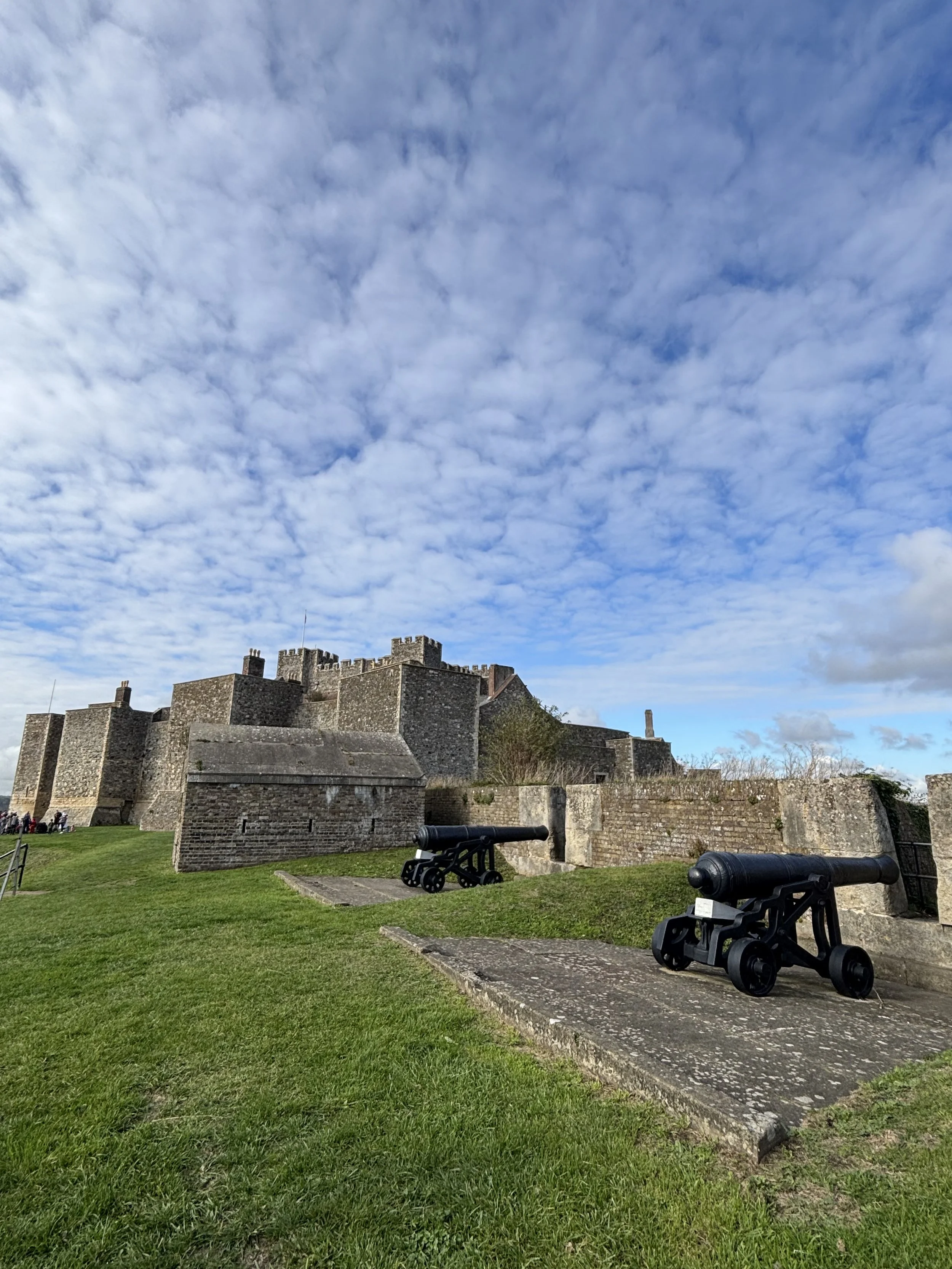
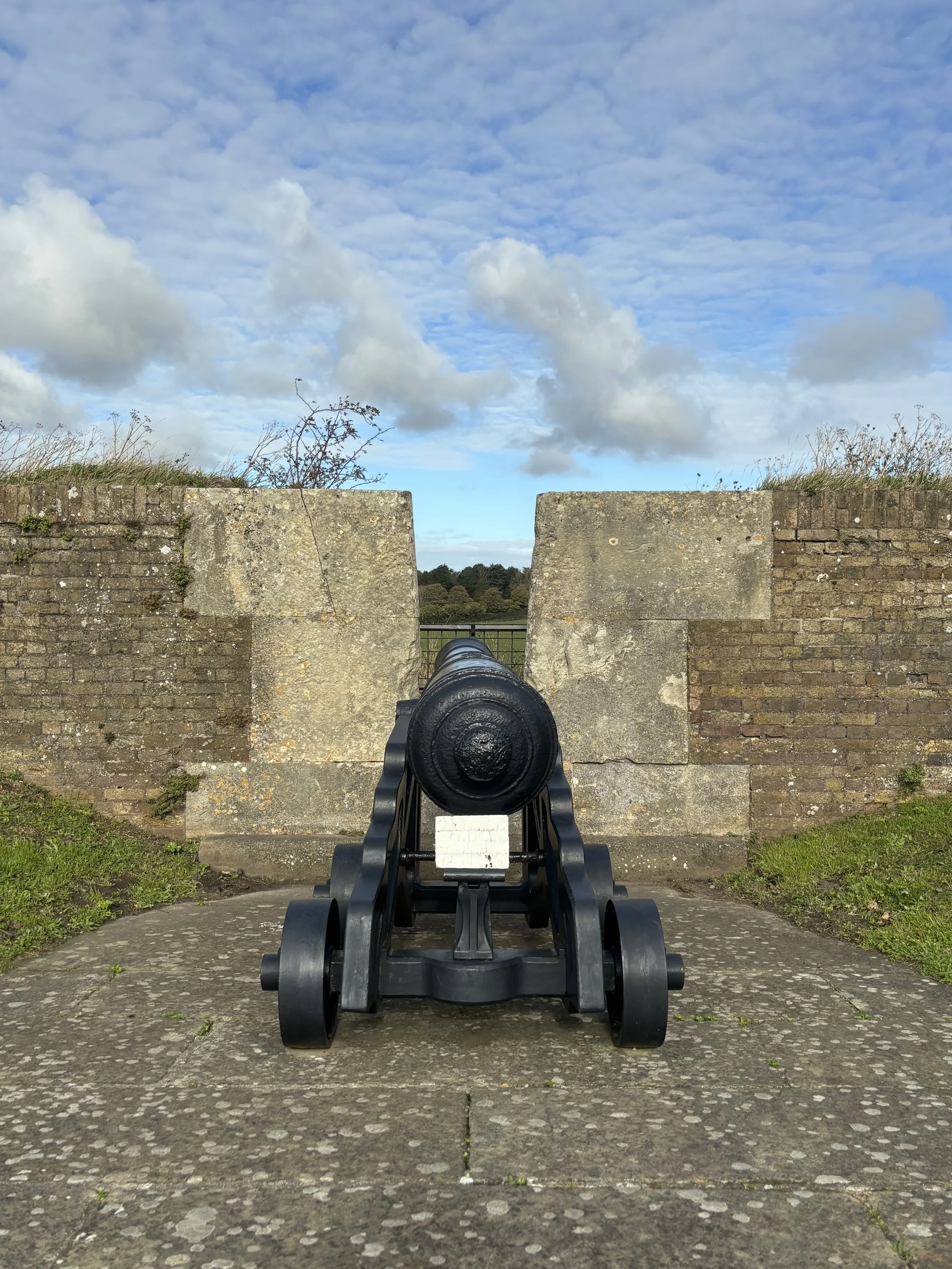
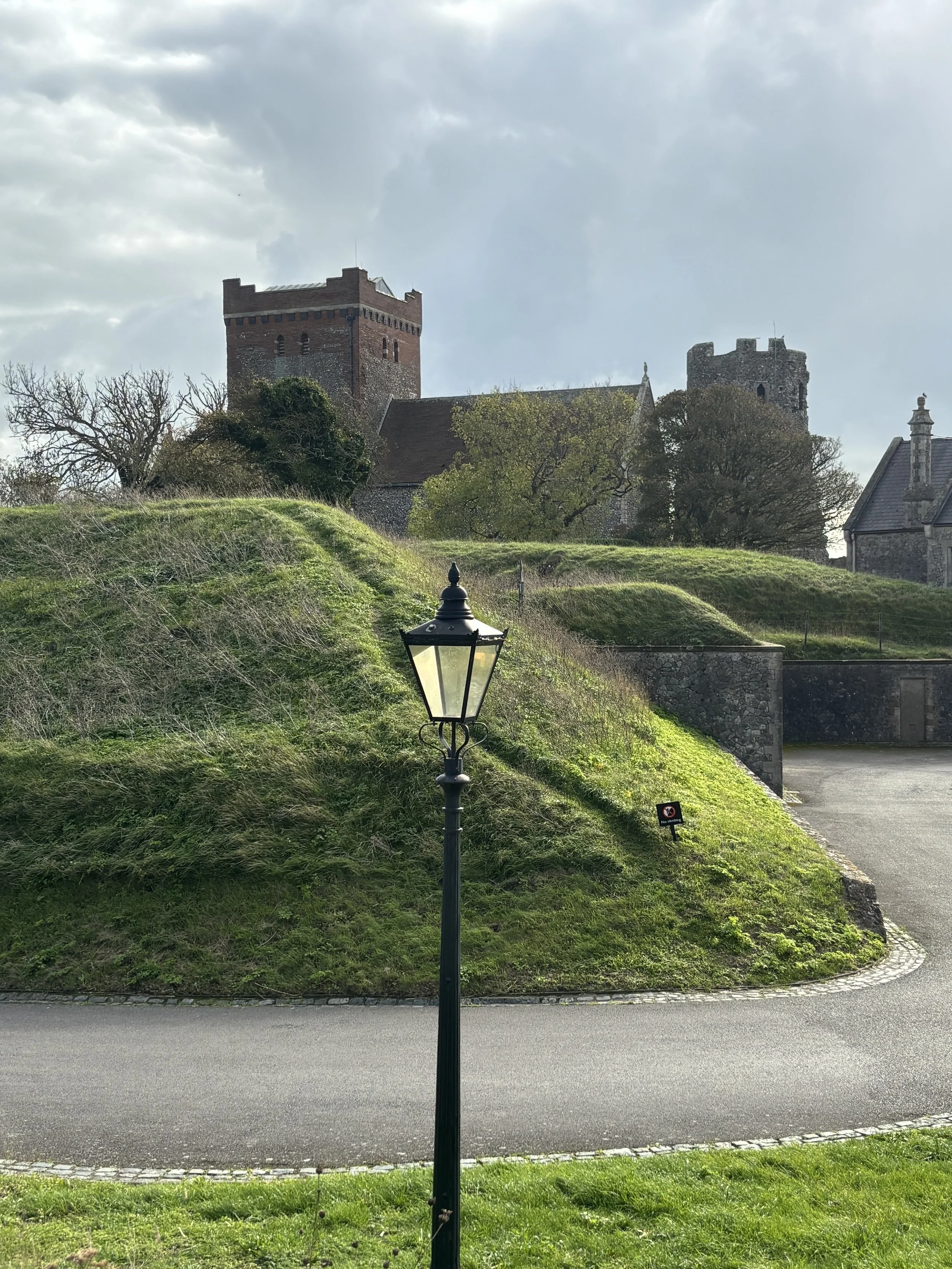
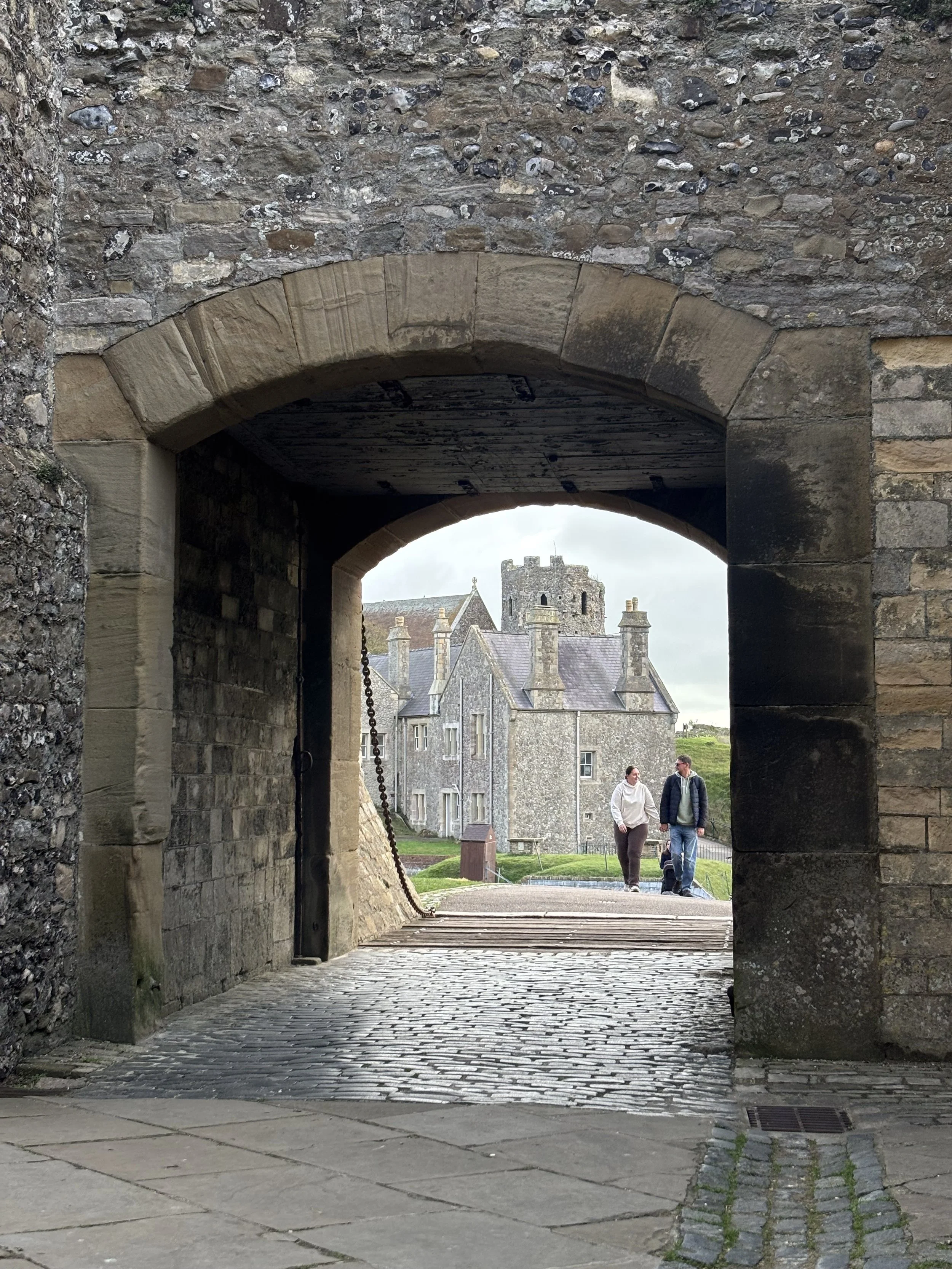
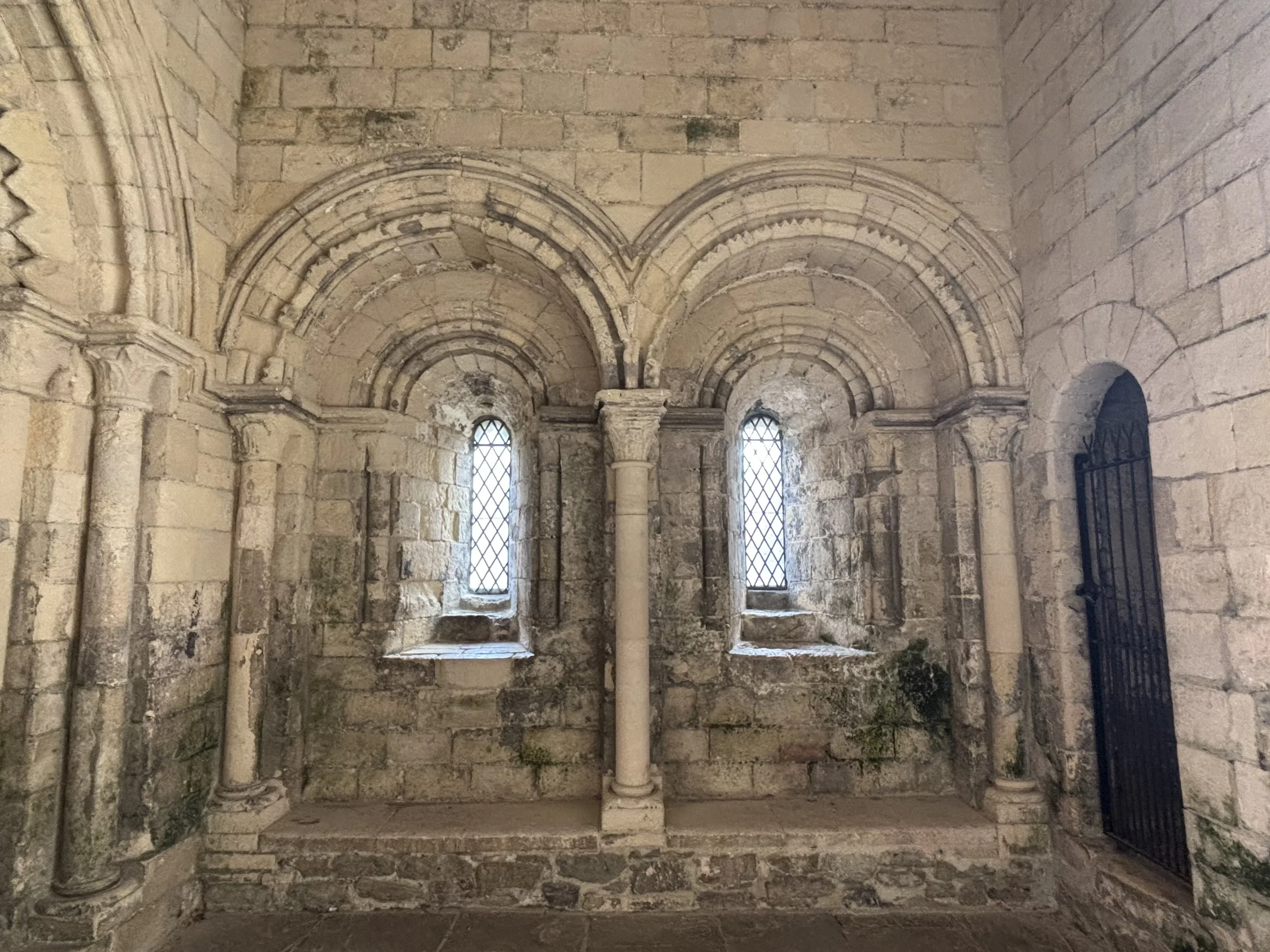
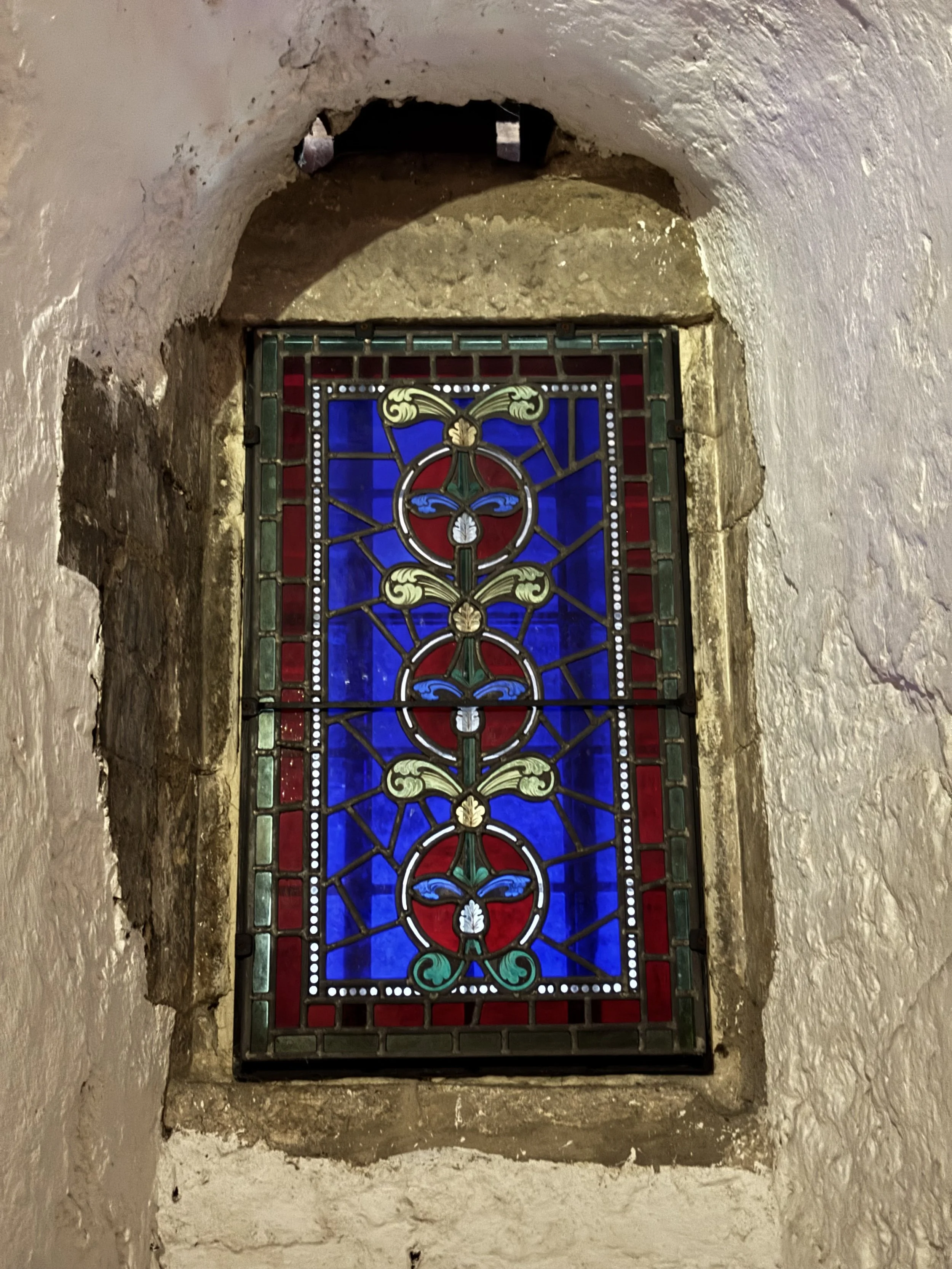
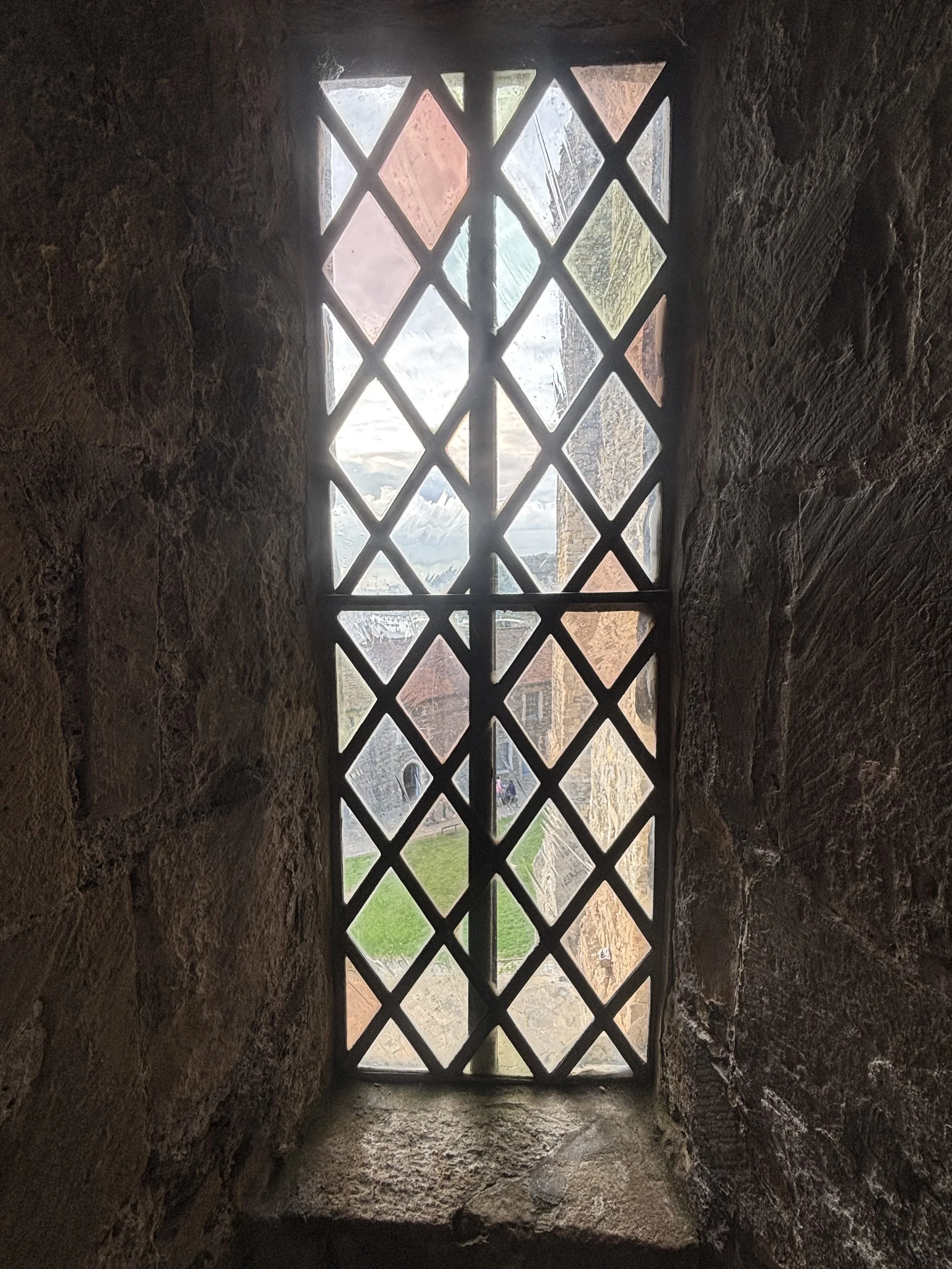
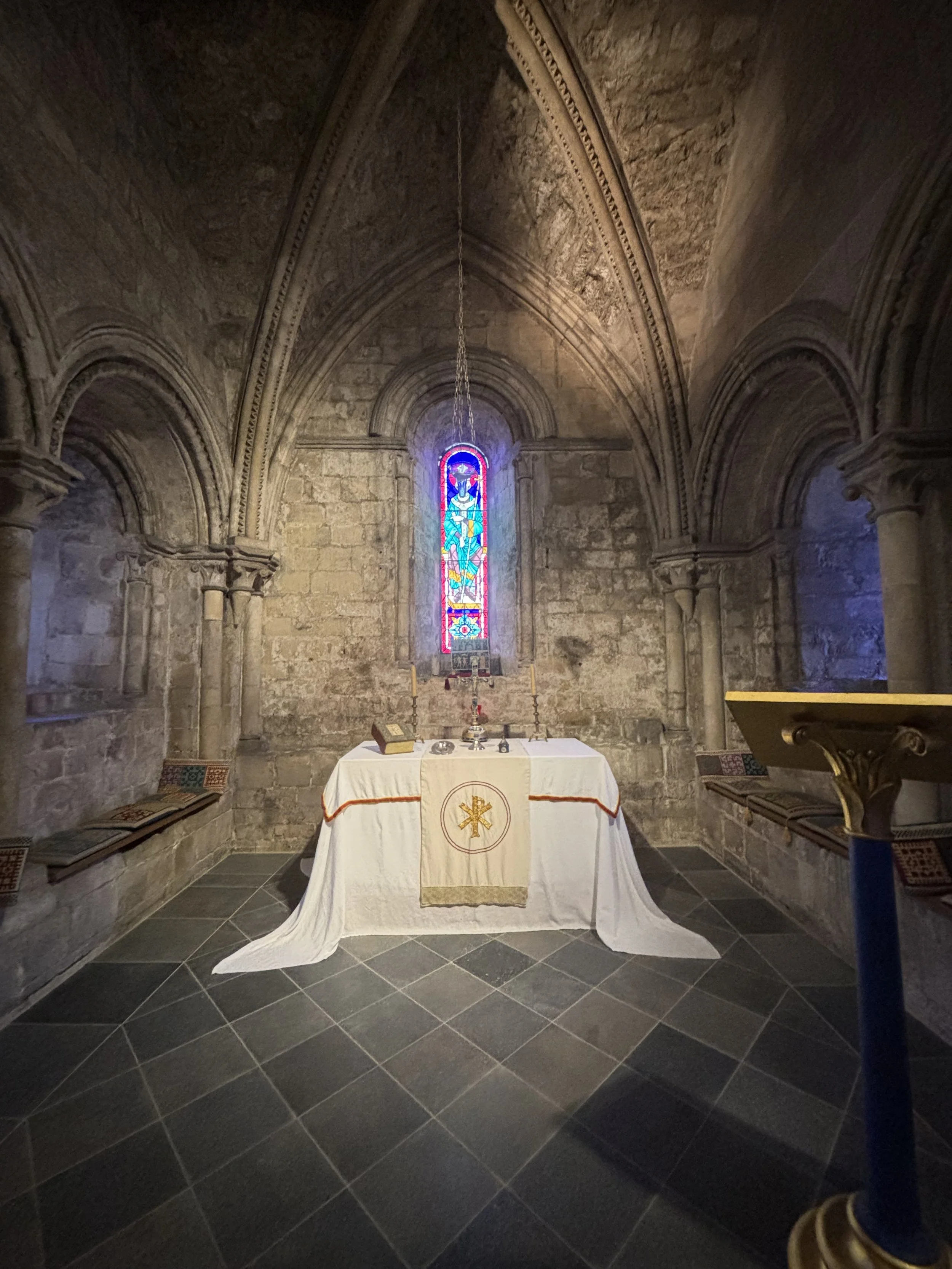
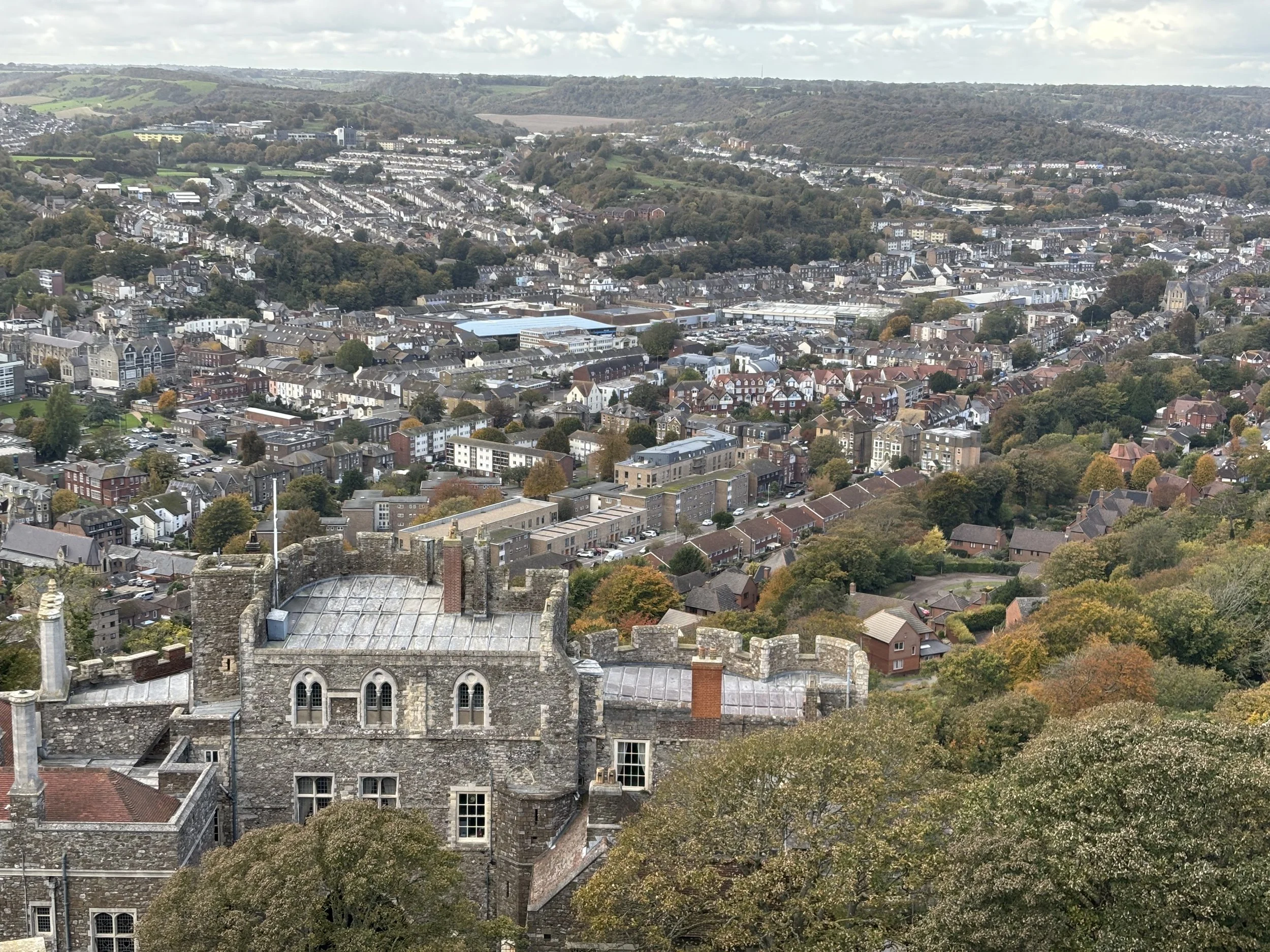
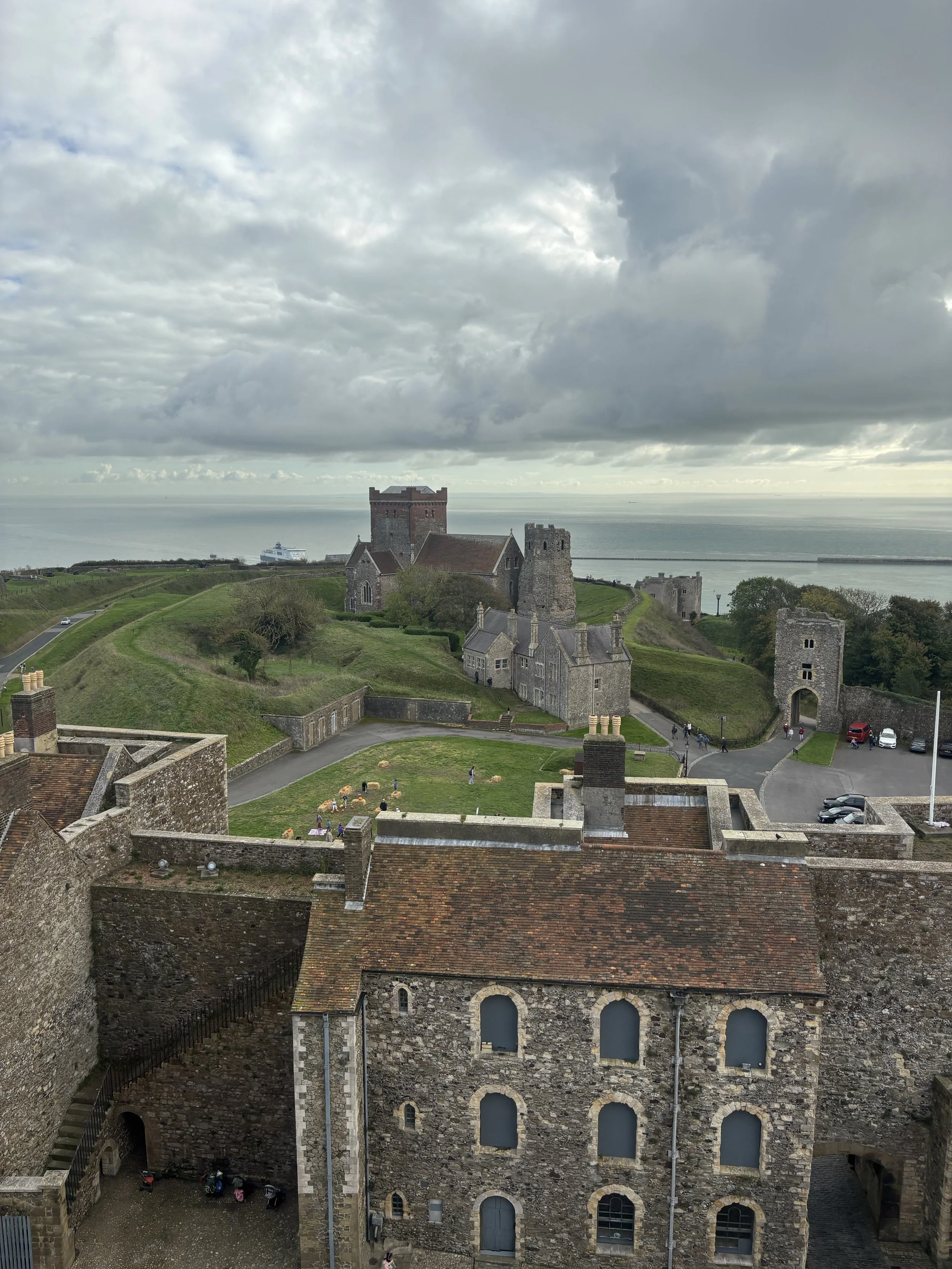
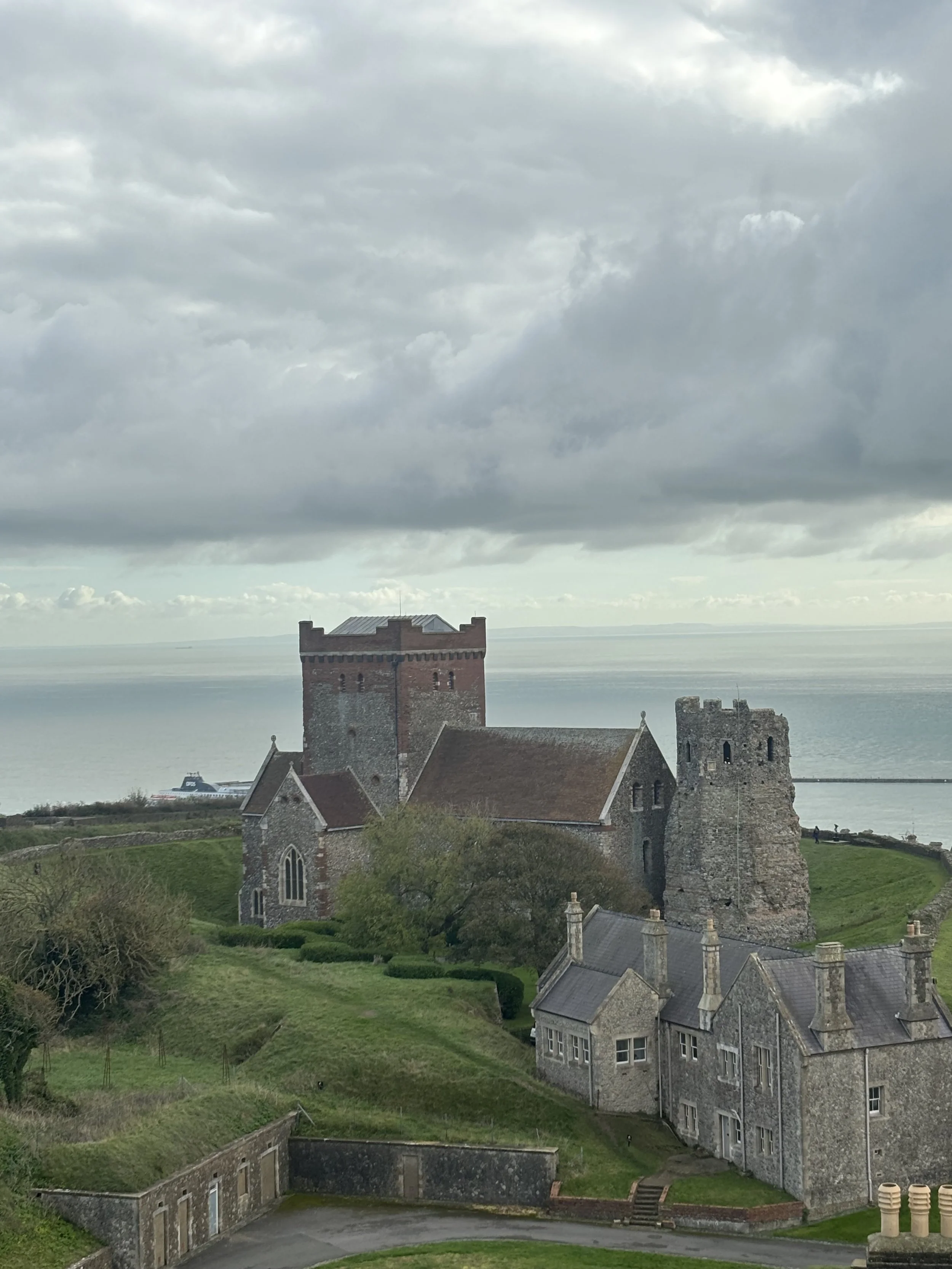
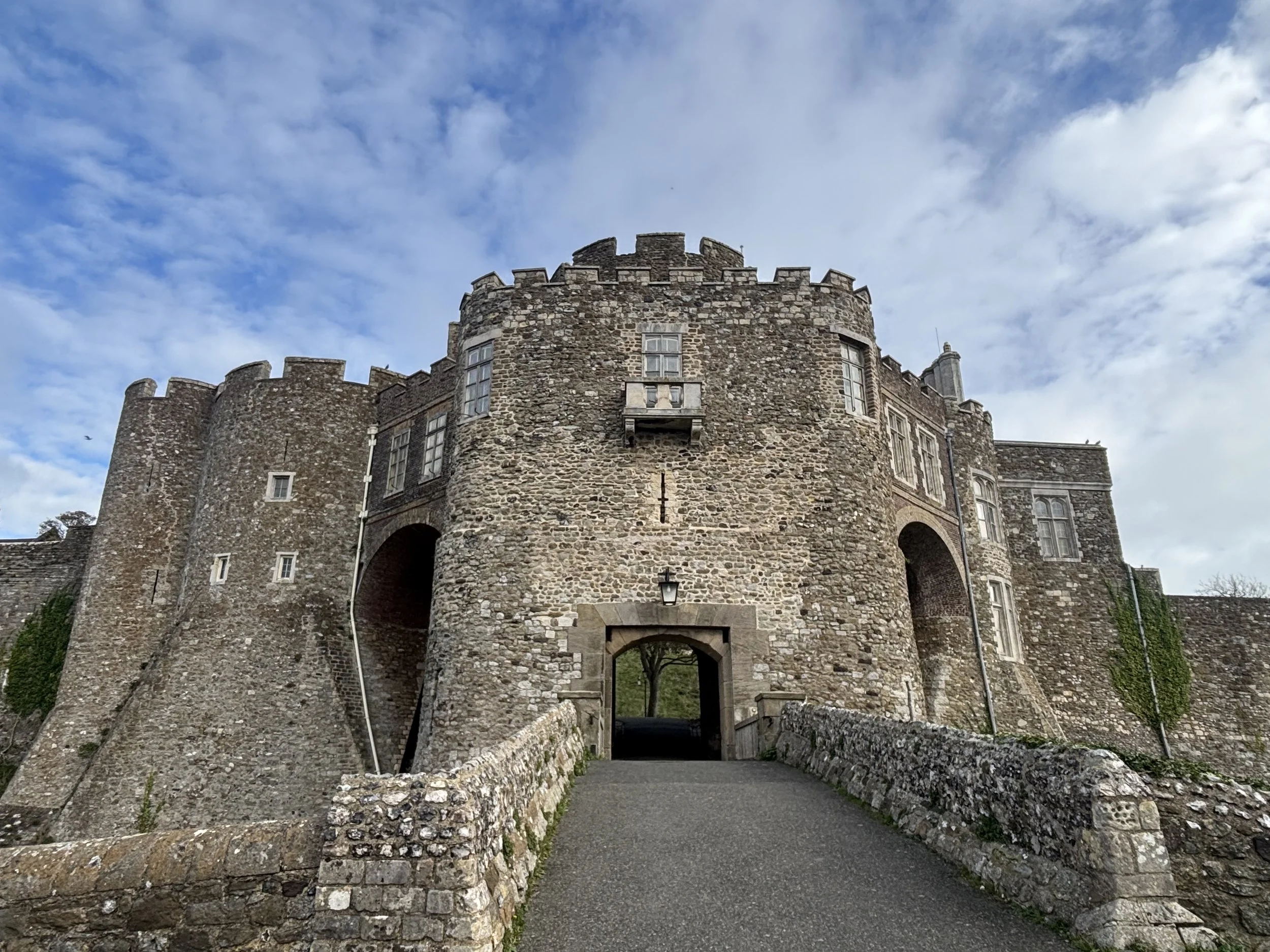
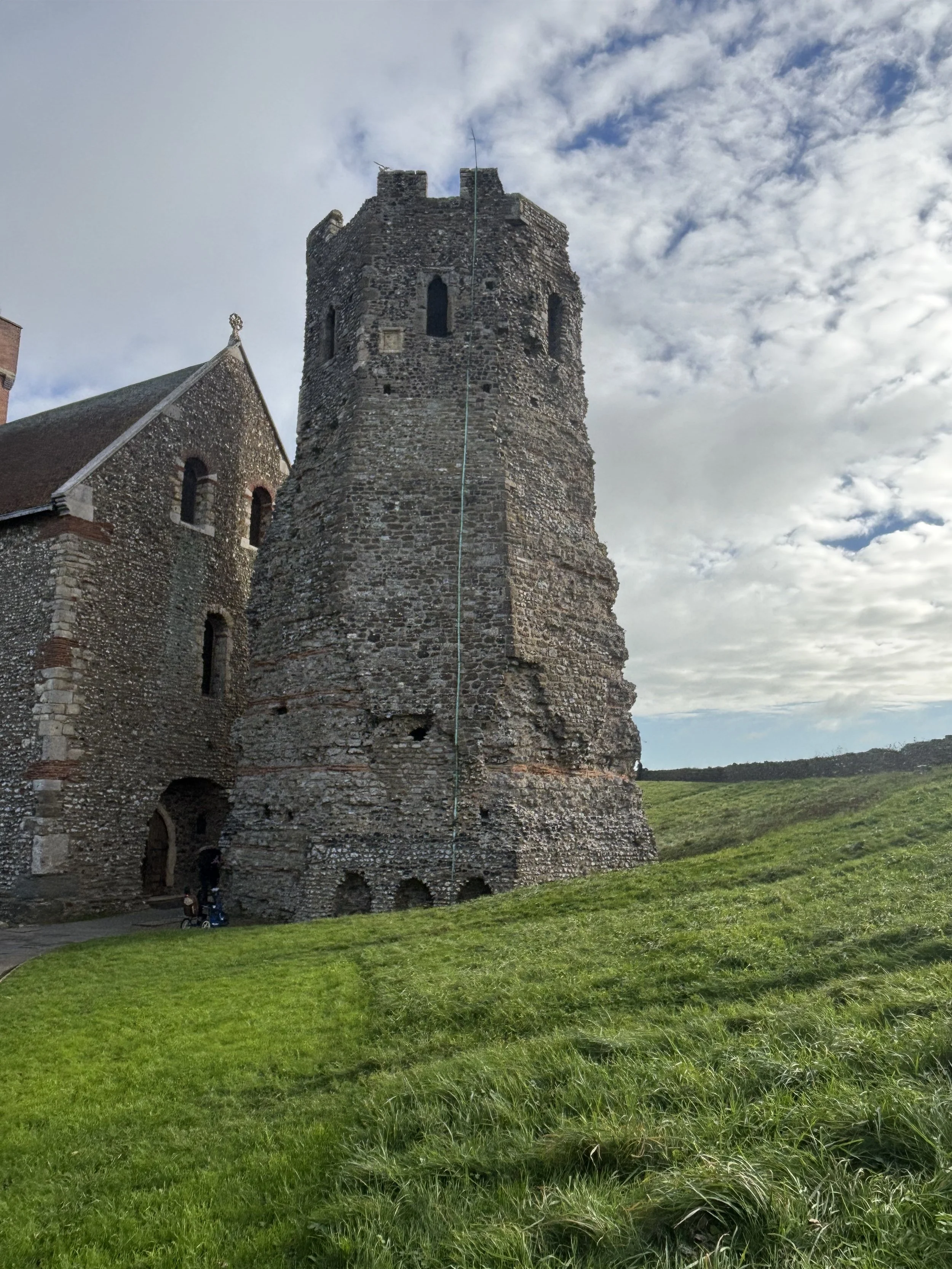
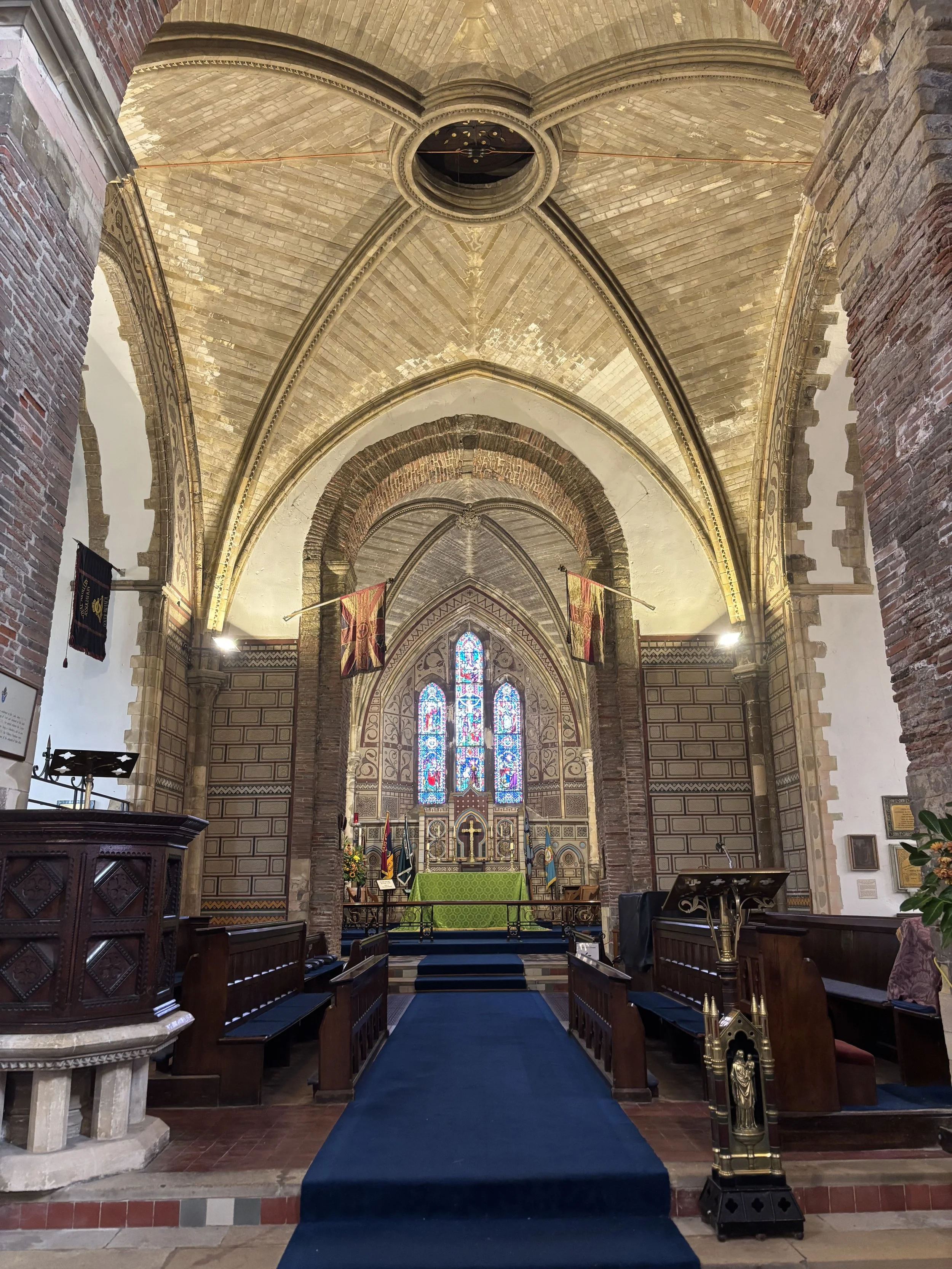
Thankfully, we made it into Dover with no issues. We only had two nights in Dover before making our final jump into the Thames River, so we set out to explore Dover Castle. The place where Dover Castle sits has over 2000 years of history. The Romans first built a lighthouse there in 130 AD to safely guide ships into the harbor. It is one of the best-preserved Roman lighthouses in the world and still stands today.
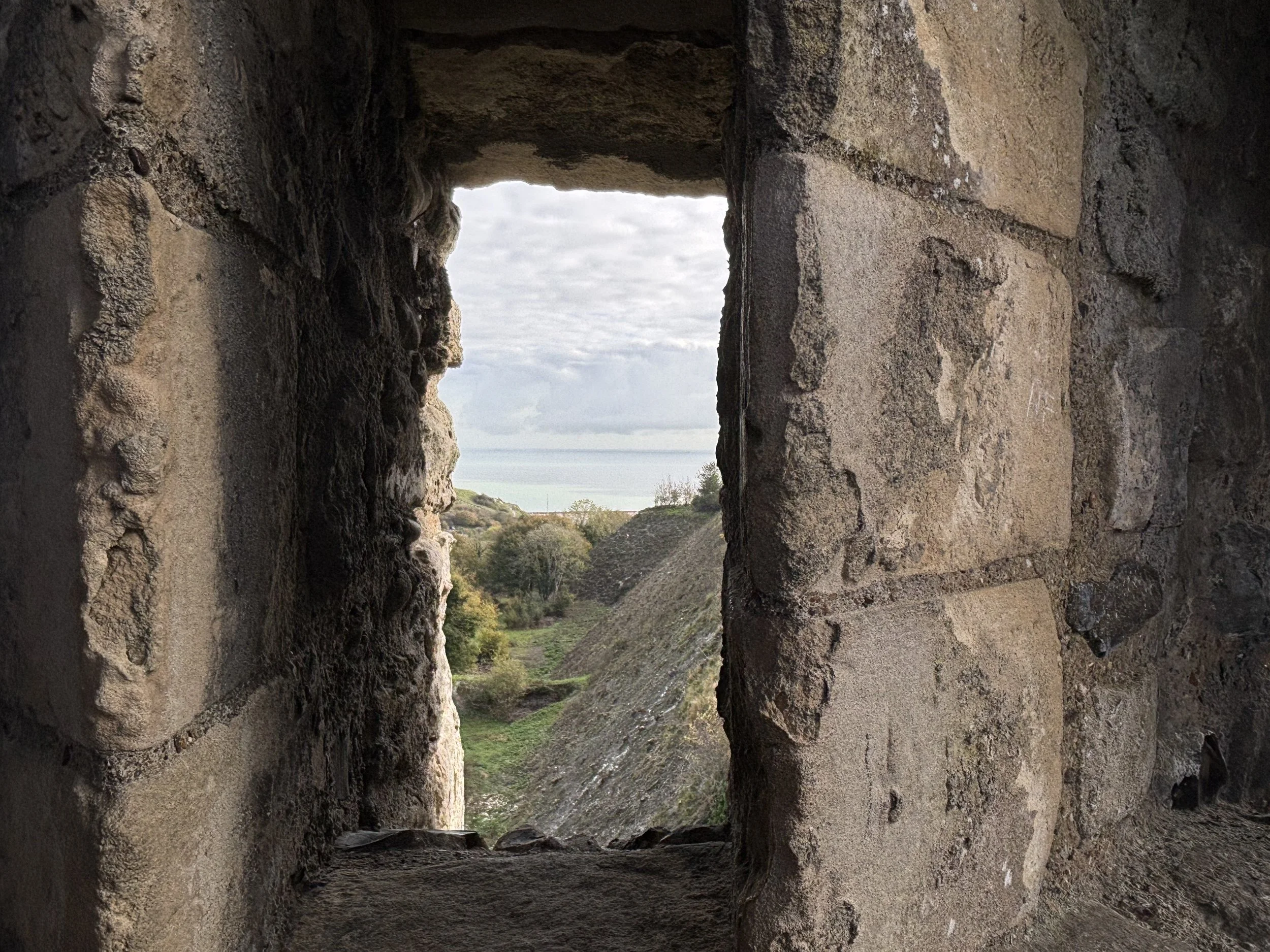
The castle was built by Henry II between 1179 and 1189 and withstood two major sieges by French forces in 1216–1217, when the French Prince Louis attempted to claim the English throne. It also played a crucial role in WWII, when tunnels beneath the castle were used as a secret military headquarters. And from the top of the castle, you can look across the English Channel and see the shores of France. Dover Castle is definitely another favorite!
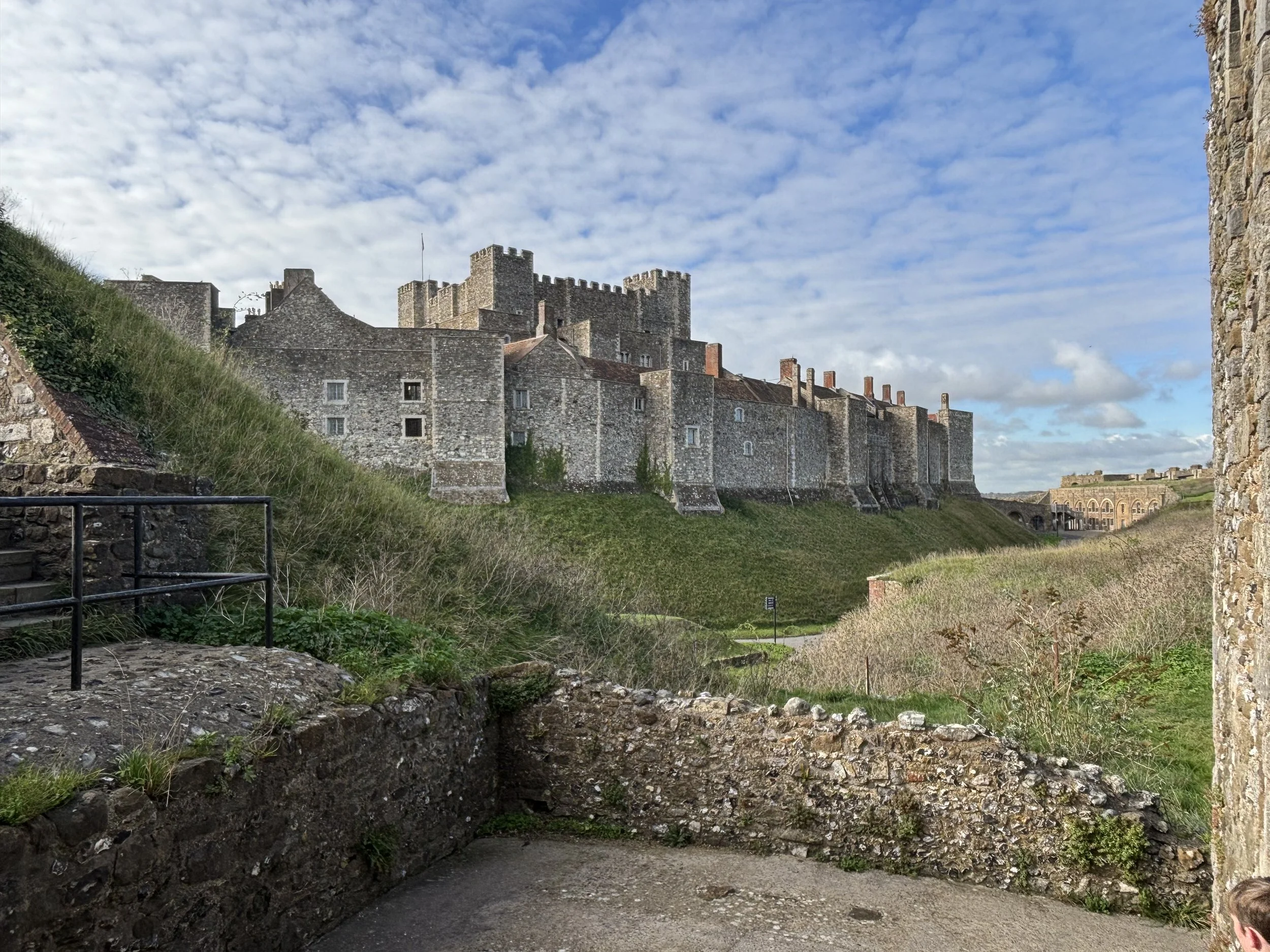
Dover Castle in Dover
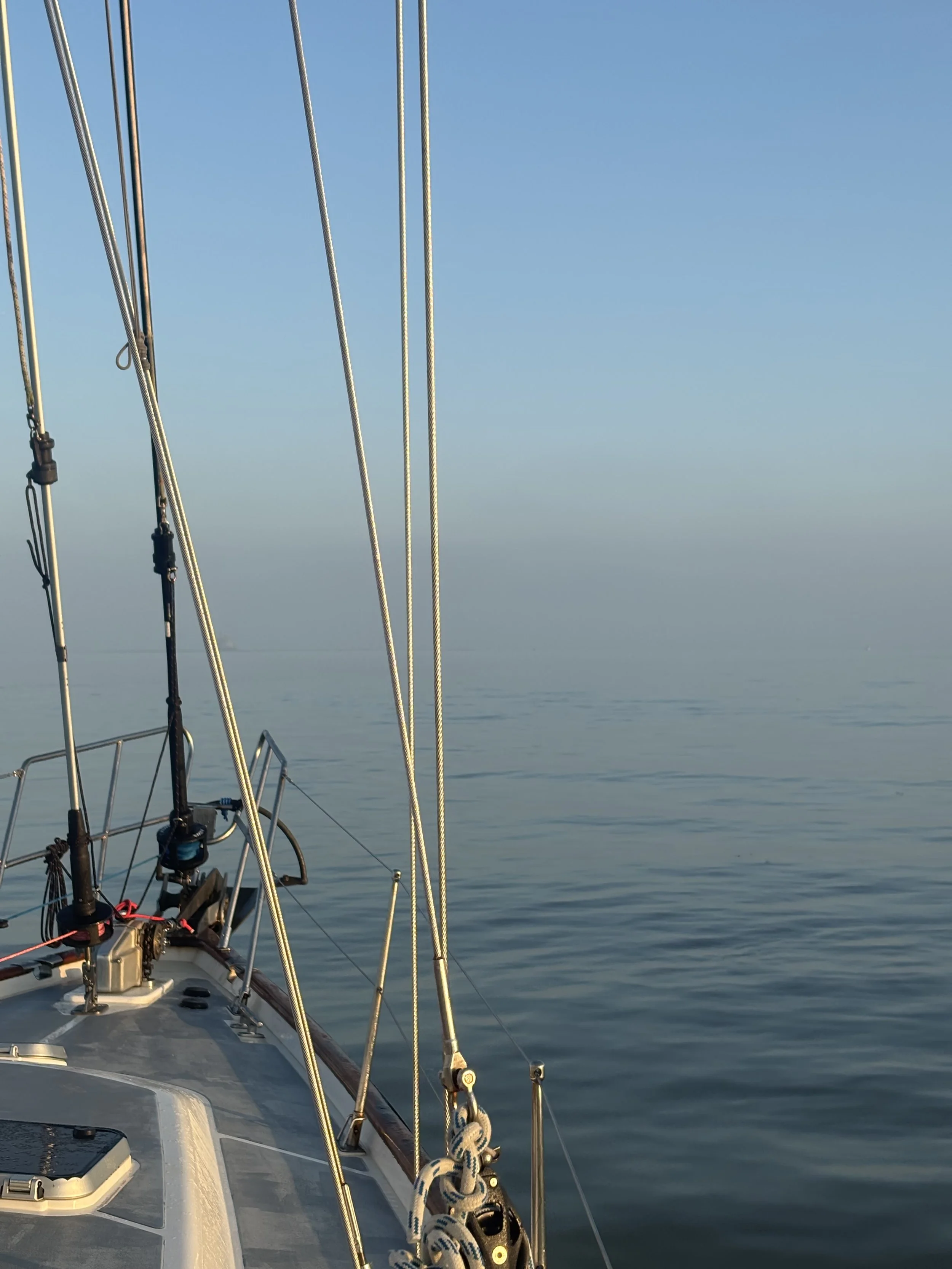
We wanted to do the cliff walk along the white cliffs of Dover, but we needed to be in London by Saturday at 3 pm to enter the marina—the only bridge opening for a week. So, we departed Dover at 2 am the following morning, arriving in our staging spot of Queensborough by early afternoon. While underway toward Queensborough, we saw these unique structures standing in the middle of the Thames estuary.
With a little research, we discovered they were the Red Sands Towers and the Shifting Sands Towers. These were clusters of rusting metal towers standing on concrete legs. They looked like the large mechanical walking machines known as walkers in the Star Wars movies. But these structures were crucial defense sites built in 1943 as anti-aircraft towers during WWII to help protect London from German air attacks.
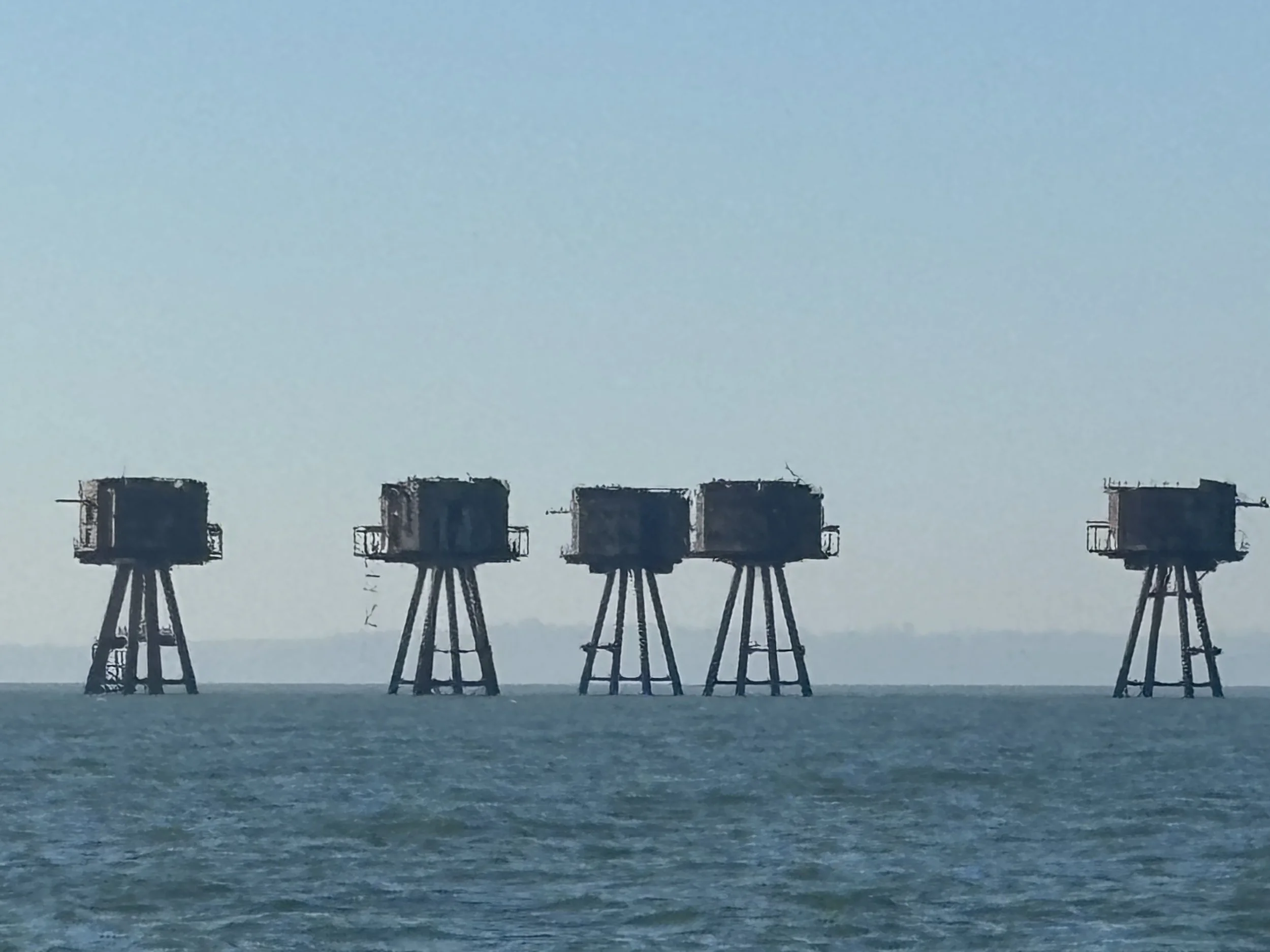
Red Sands Towers in the Thames Estuary
I think this is one of the most fascinating aspects of being in England. I have long been fascinated by WWII. For those of us in the United States, we may be familiar with WWII, but we are far removed from it since most of the fighting took place across the Atlantic. Here in England, we walk through places whose stories still bear the scars of the war—cities that were entirely destroyed by bombs and churches and other buildings with one or two original walls that remained standing after being hit by bombs. The effects of the wars remain visible and are still discussed.
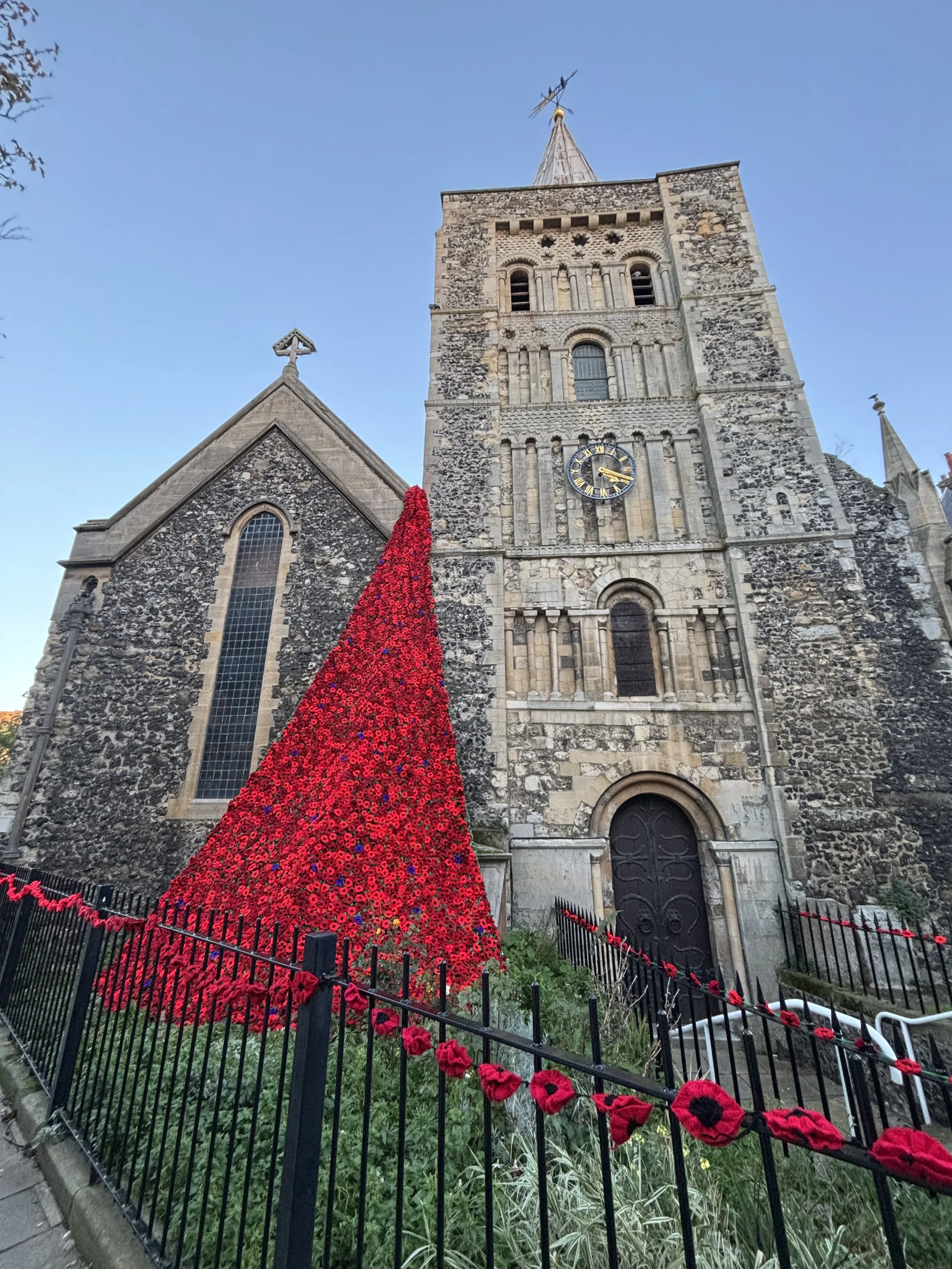
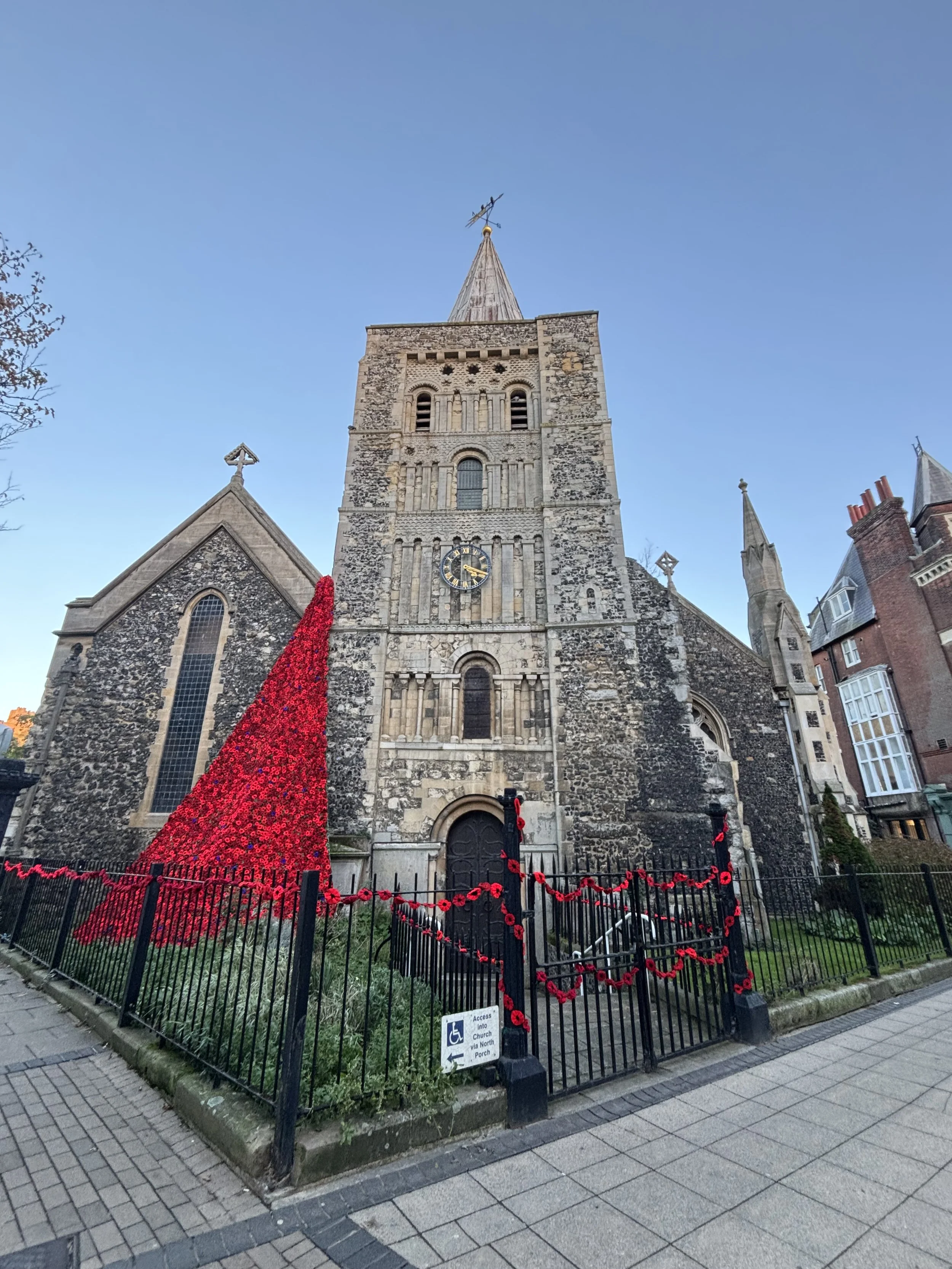
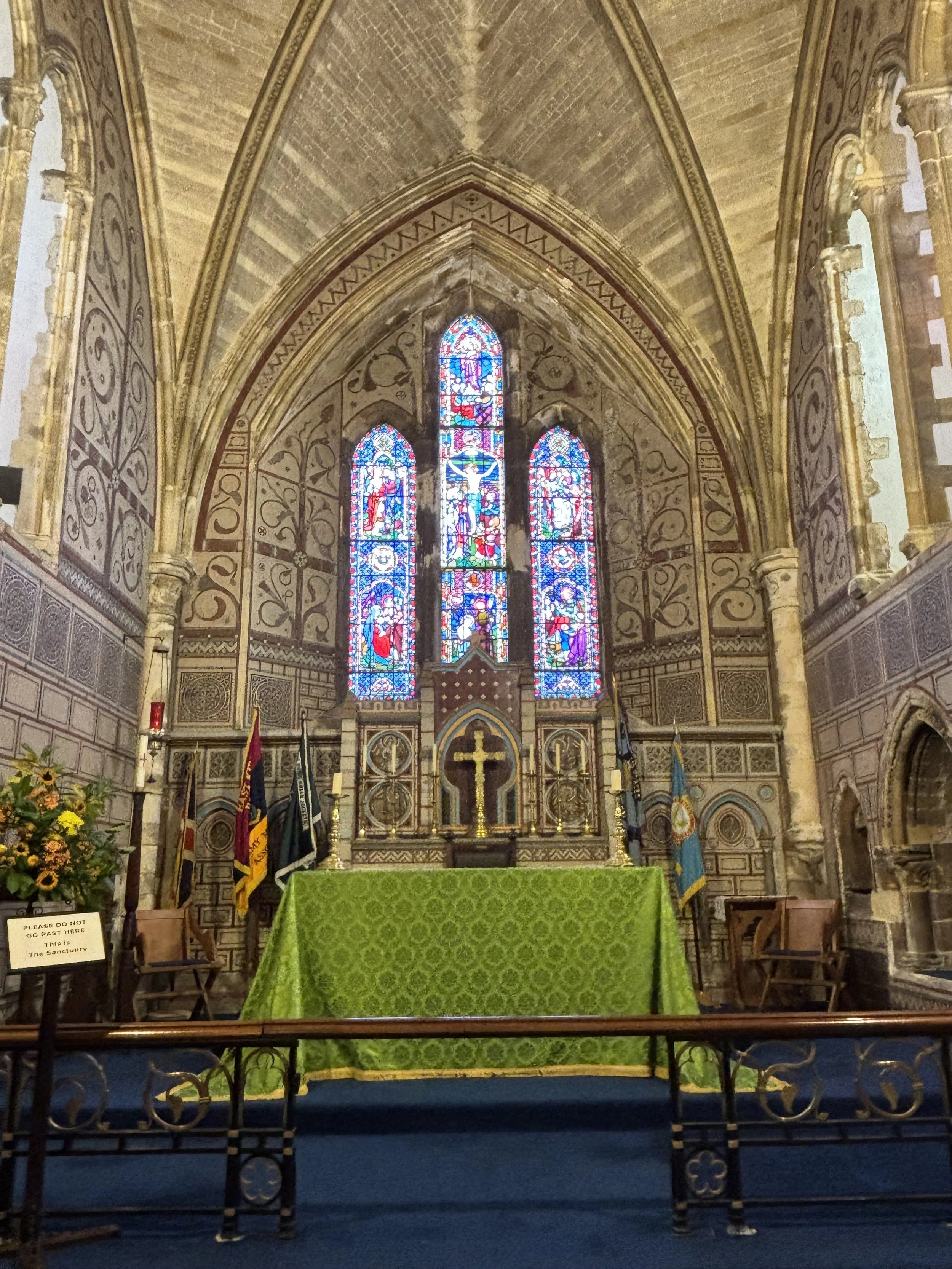
One of the churches decorated with red poppies for Remembrance Day
We happen to be here before Armistice Day—November 11th, a date that commemorates the end of WWI. Similar to our Veterans Day, this is a day of remembrance for all those who died in both world wars. People here walk the streets wearing red poppy pins, and red poppies adorn buildings. At 11 am on November 11th, a 2-minute silence will be observed in the country, the time when the guns finally fell silent in 1918.
Many of the locals we’ve talked to have been our age, so I am not sure how, or whether, it is discussed in the same way among younger generations here. But among those we’ve interacted with, we have found that they speak of the world wars here with both deep knowledge of their history and great solemnity about their devastation. It seems the effects are still very much felt, even among those who were not alive at the time. I’ve found that incredibly humbling and admirable.
Living untethered, but held fast.
We have tons more photos from the last few weeks. As usual, if you are reading this in your email, you will need to click this link to view them.