Terceira Recap
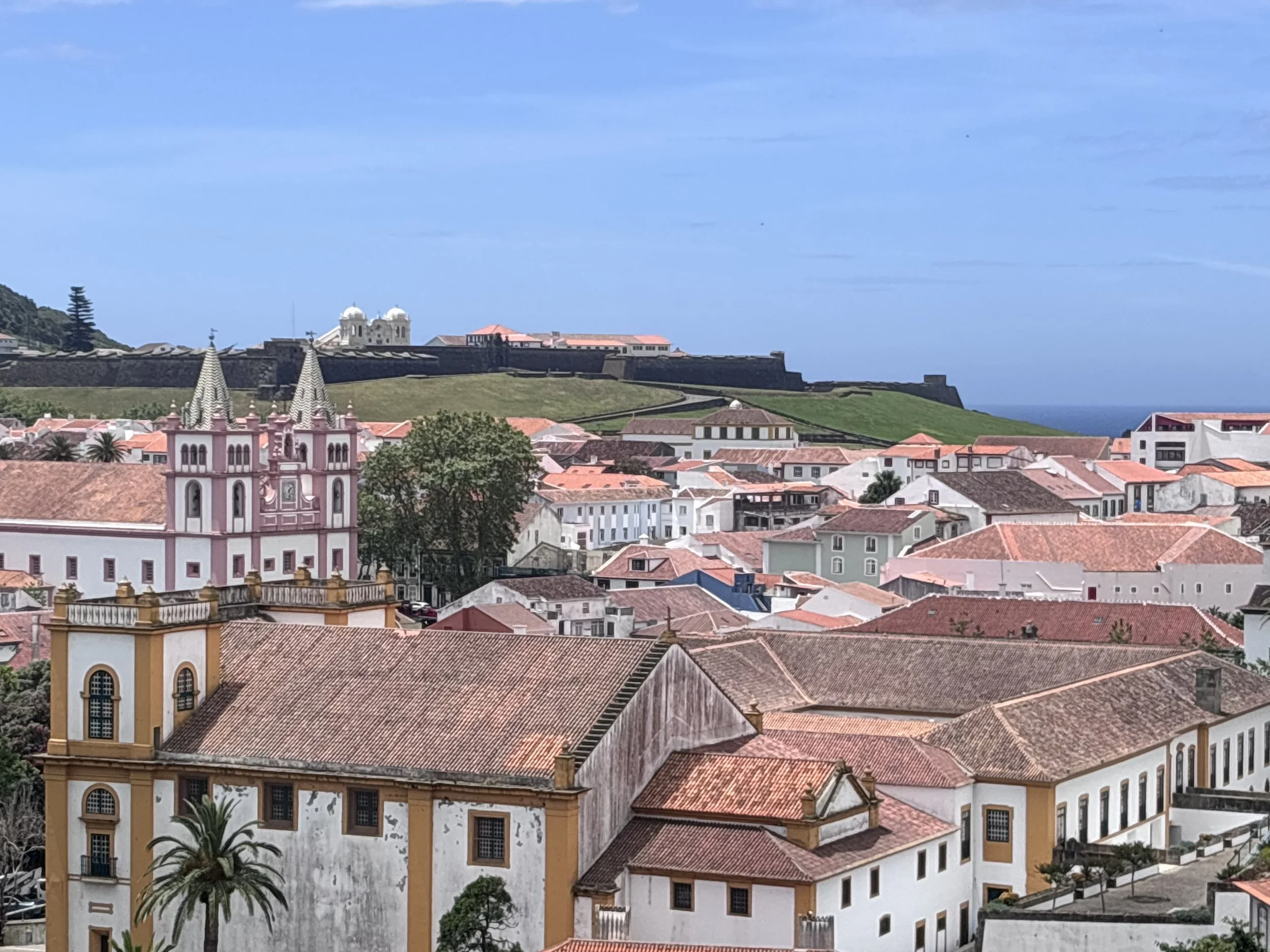
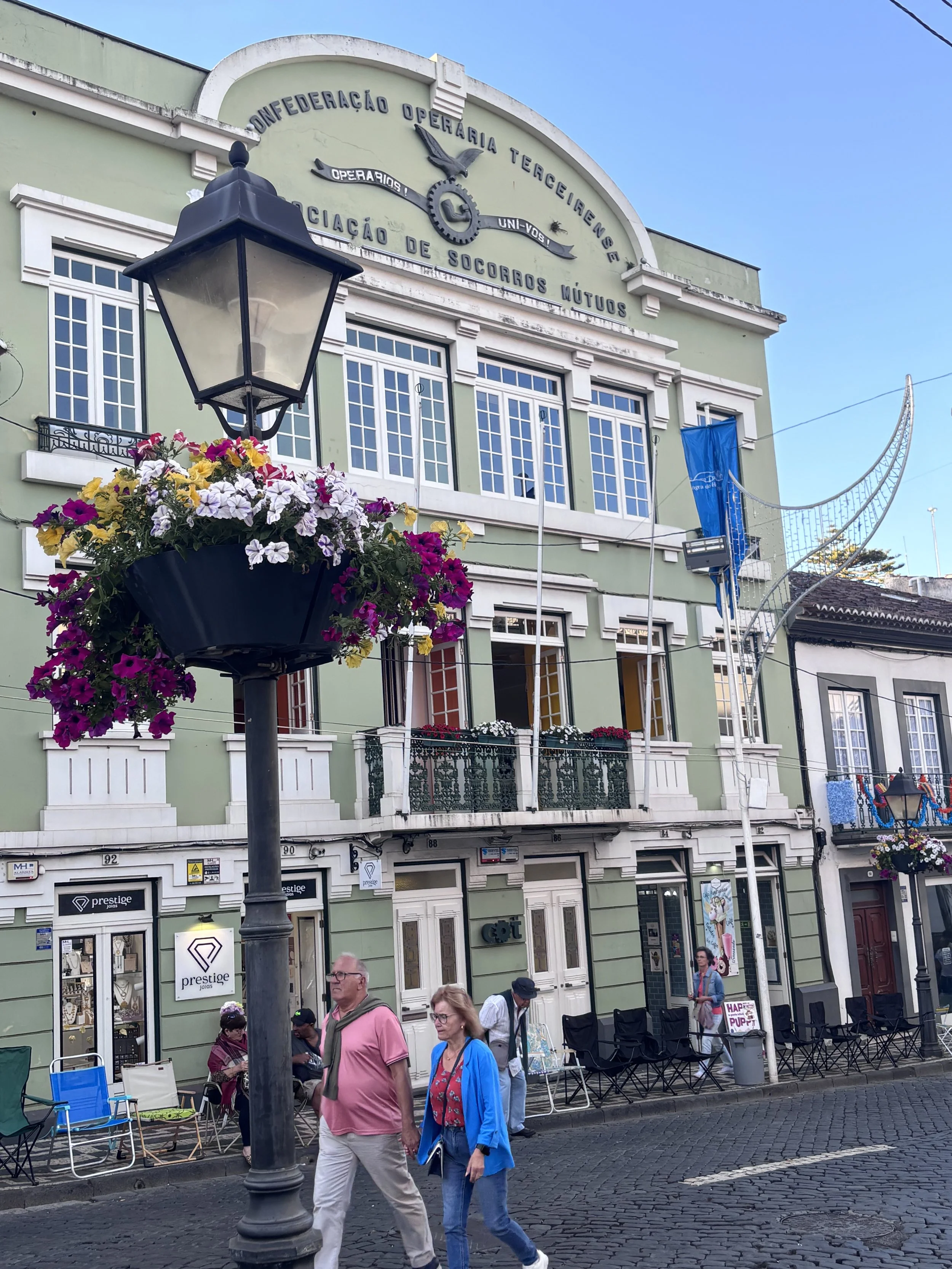
We have been on the island of Terceira for over a week. We began our adventure here in the city of Angra do Heroísmo. The afternoon we arrived, we learned there would be a traditional bull run in just over an hour. After checking in with the harbormaster, we hurriedly grabbed some dinner—because I was closing in on hangry—and then we rushed to find the street where the bull run would take place.
A bull run here is not like the Running of the Bulls in Spain or a traditional bullfight in a ring. A mature bull is released onto a village street, but it is restrained by a long rope around its neck. A team of handlers controls the rope, preventing the animal from running too far or escaping the designated route. Unlike Spanish bullfighting, the bull is not killed, and there are no swords or spears. Instead, locals tease, dodge, and challenge the bull, often using umbrellas or cloths.
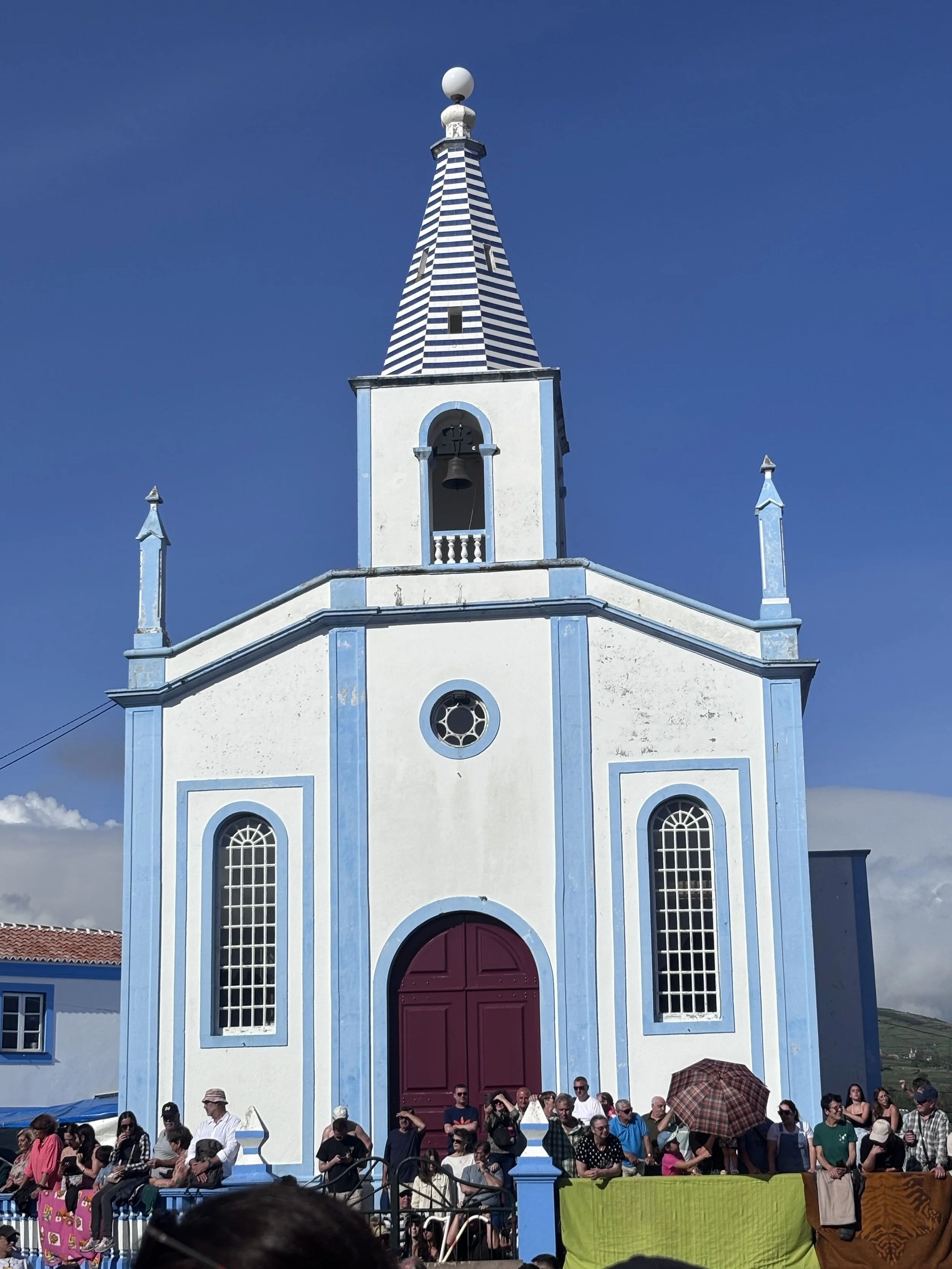
People watched from rooftops, balconies, and barricaded storefronts. The air was electric—just as I would have expected. Some in the crowd chanted and cheered while waiting for the run to begin. We enjoyed watching the bravado of young men trying to outmaneuver the bull, and the crowd definitely had a favorite: a young man in a green shirt and loafers. Each time he circled the bull, the crowd erupted in applause and cheers. It was certainly a fun way to experience some of the island's historic culture.
After the bull run, we, of course, found the local gelato shop, where I enjoyed a delicious fig gelato while Ken opted for his traditional chocolate.
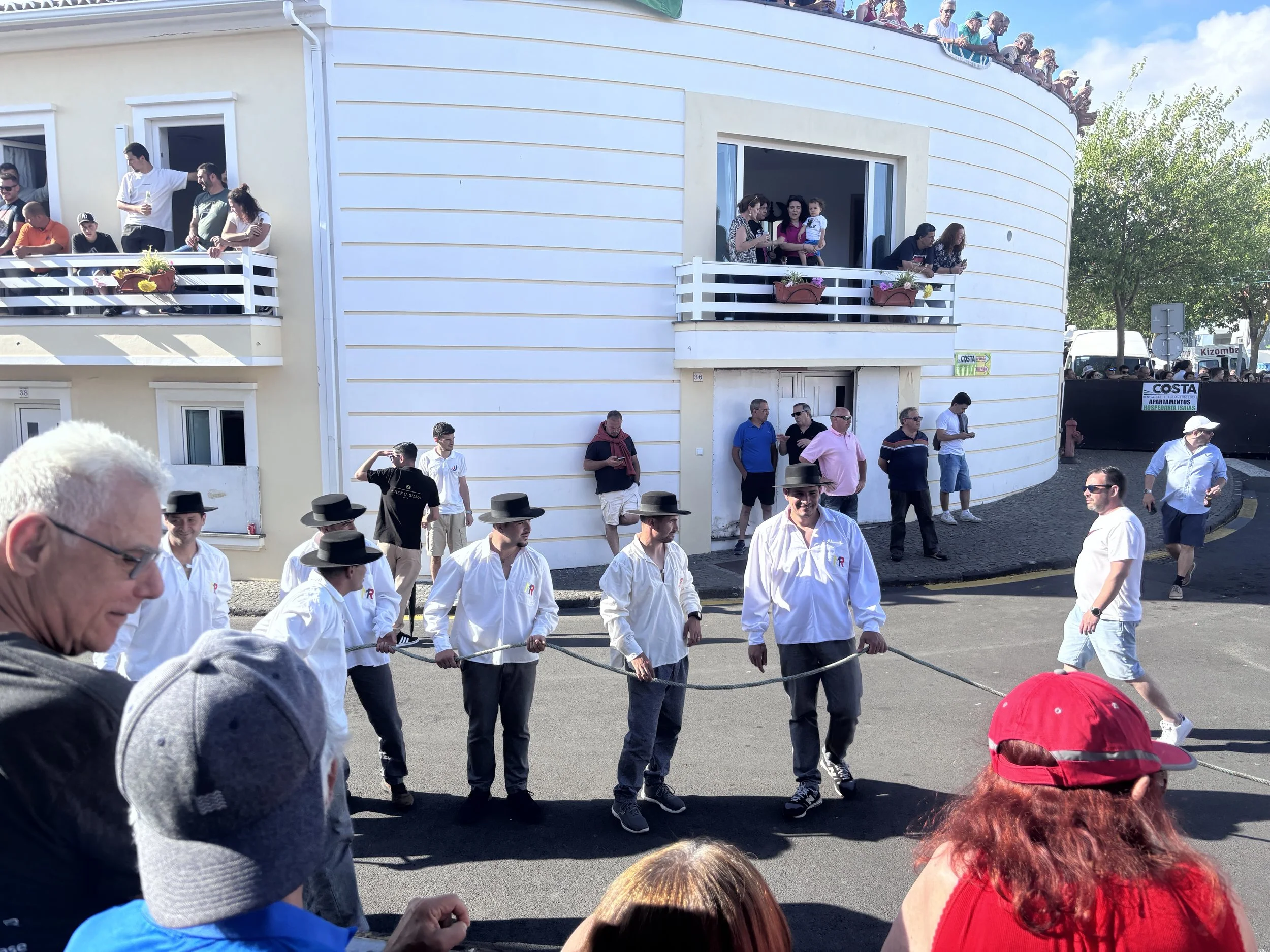
Traditional bullrun with the bull handlers
And here is a short video of the bull run with the young man in the green shirt and loafers! If you are reading this recap in your email, you will need to click this link to view it on our website.
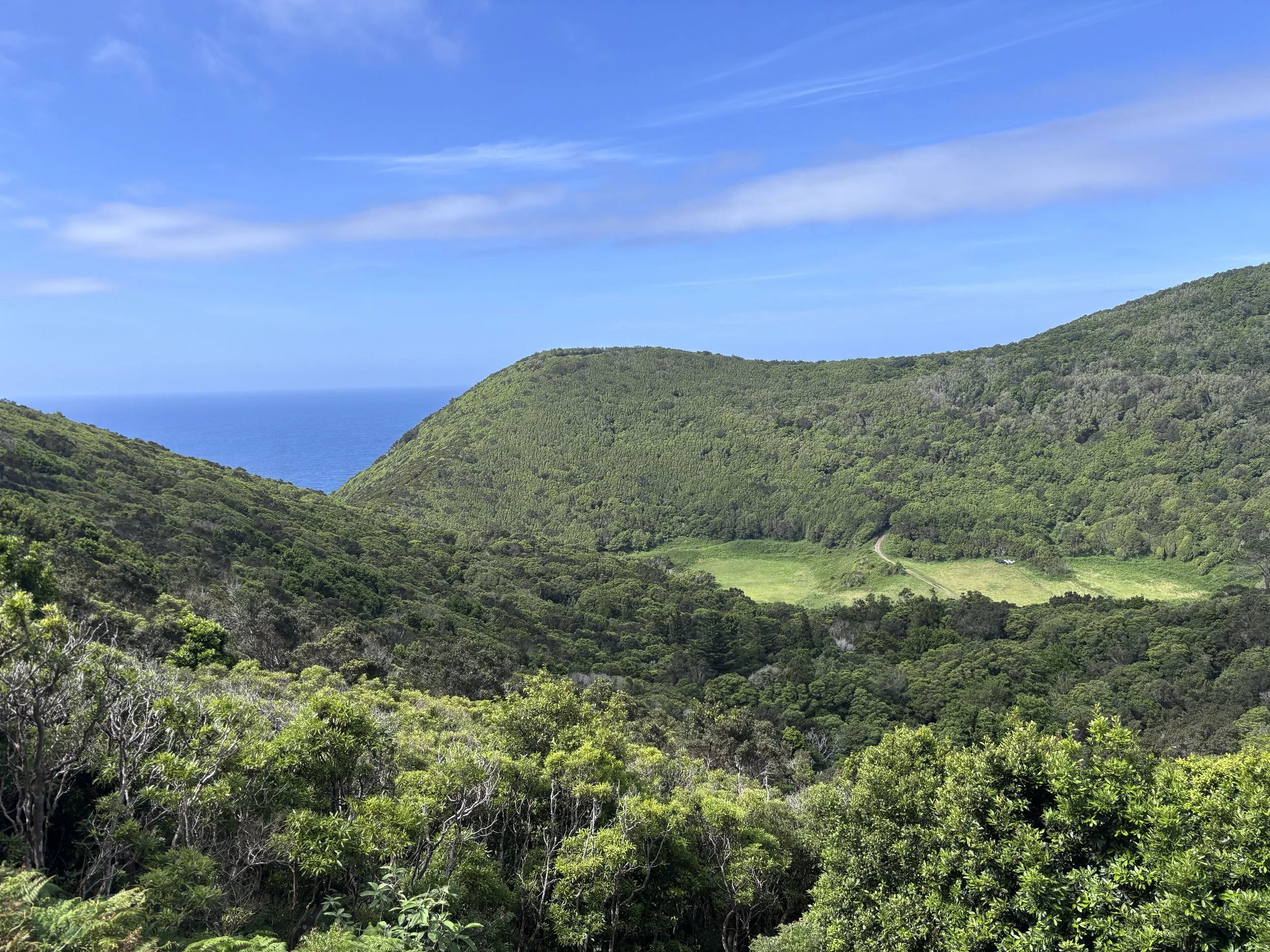
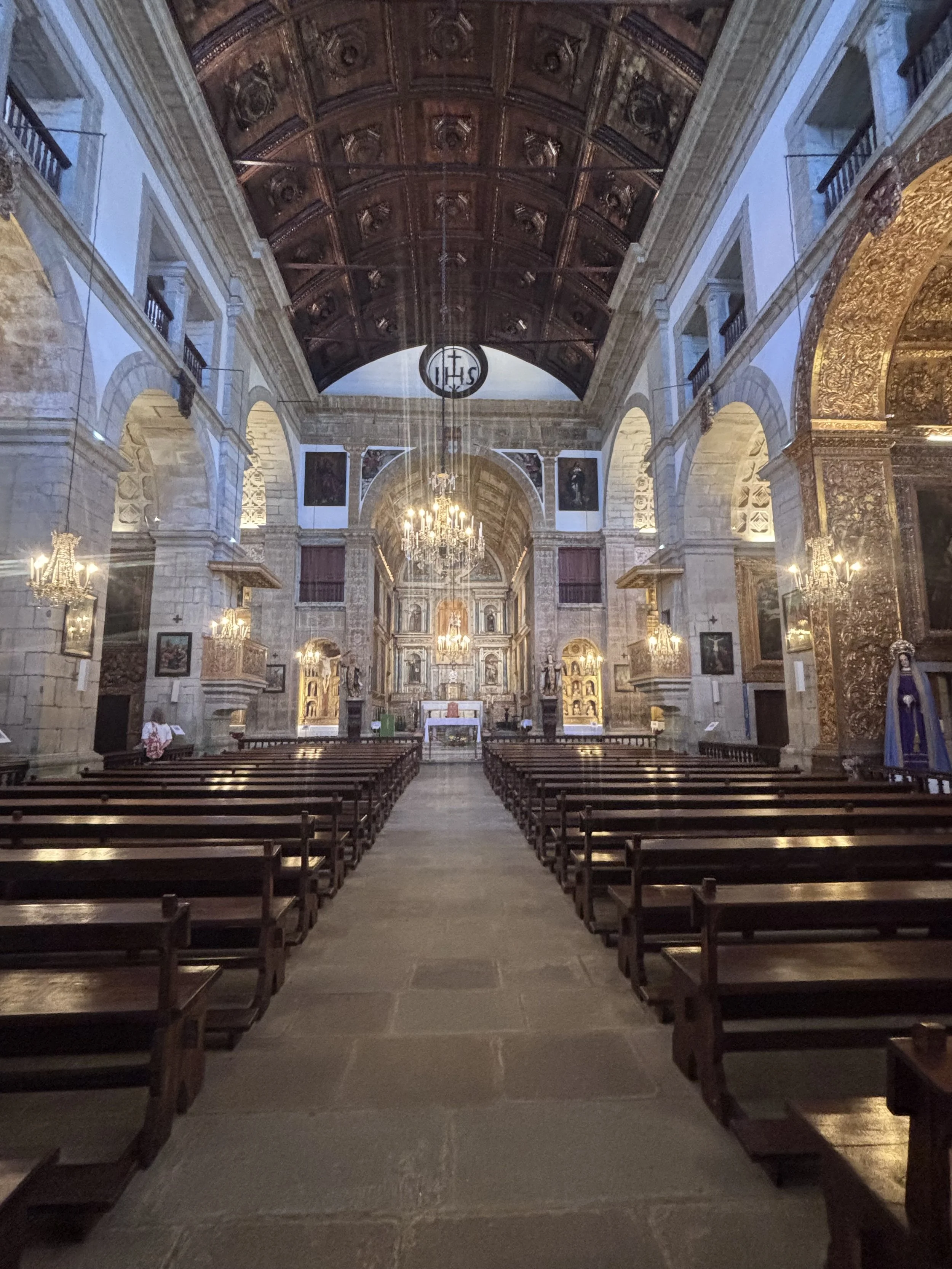
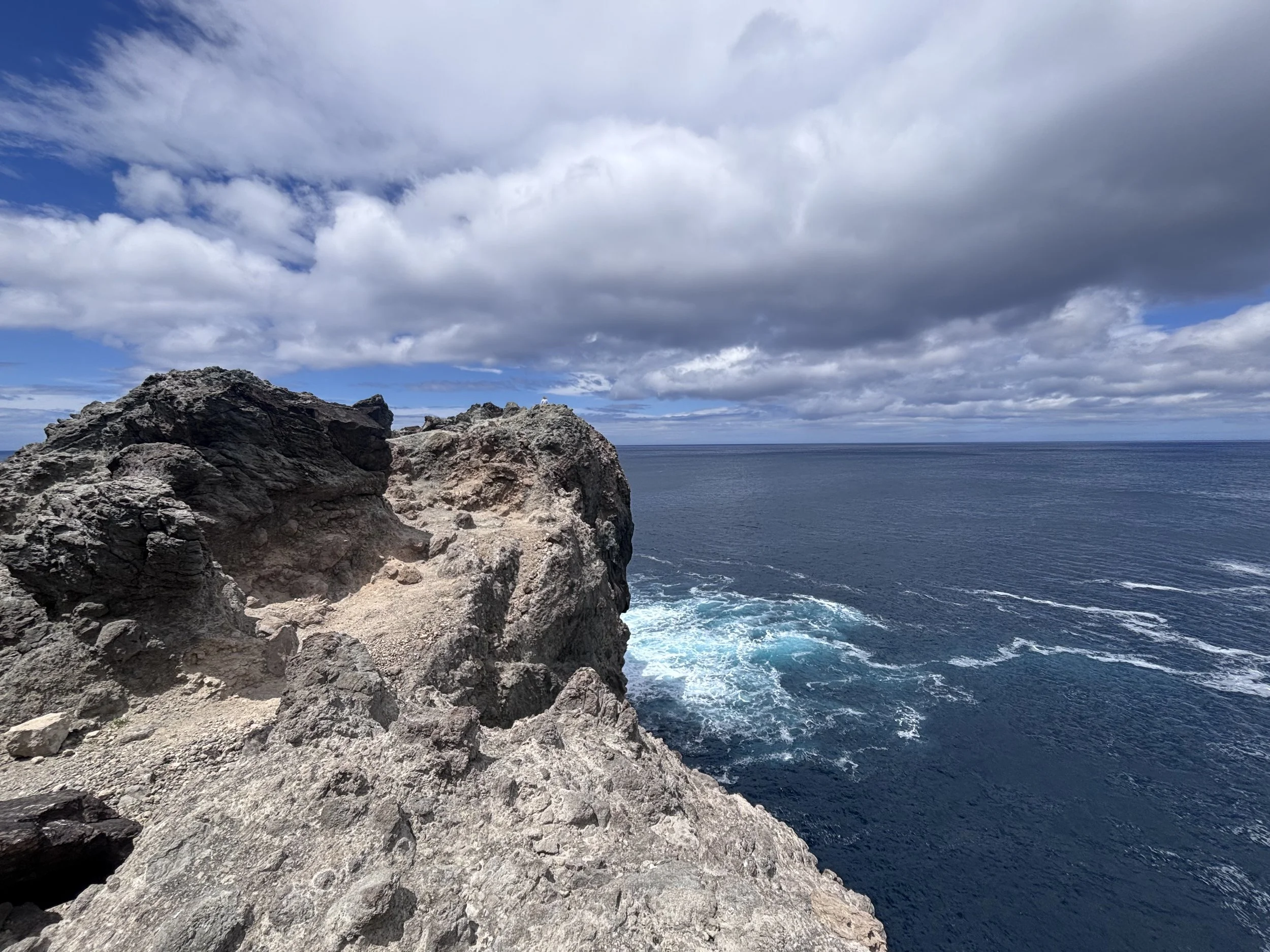
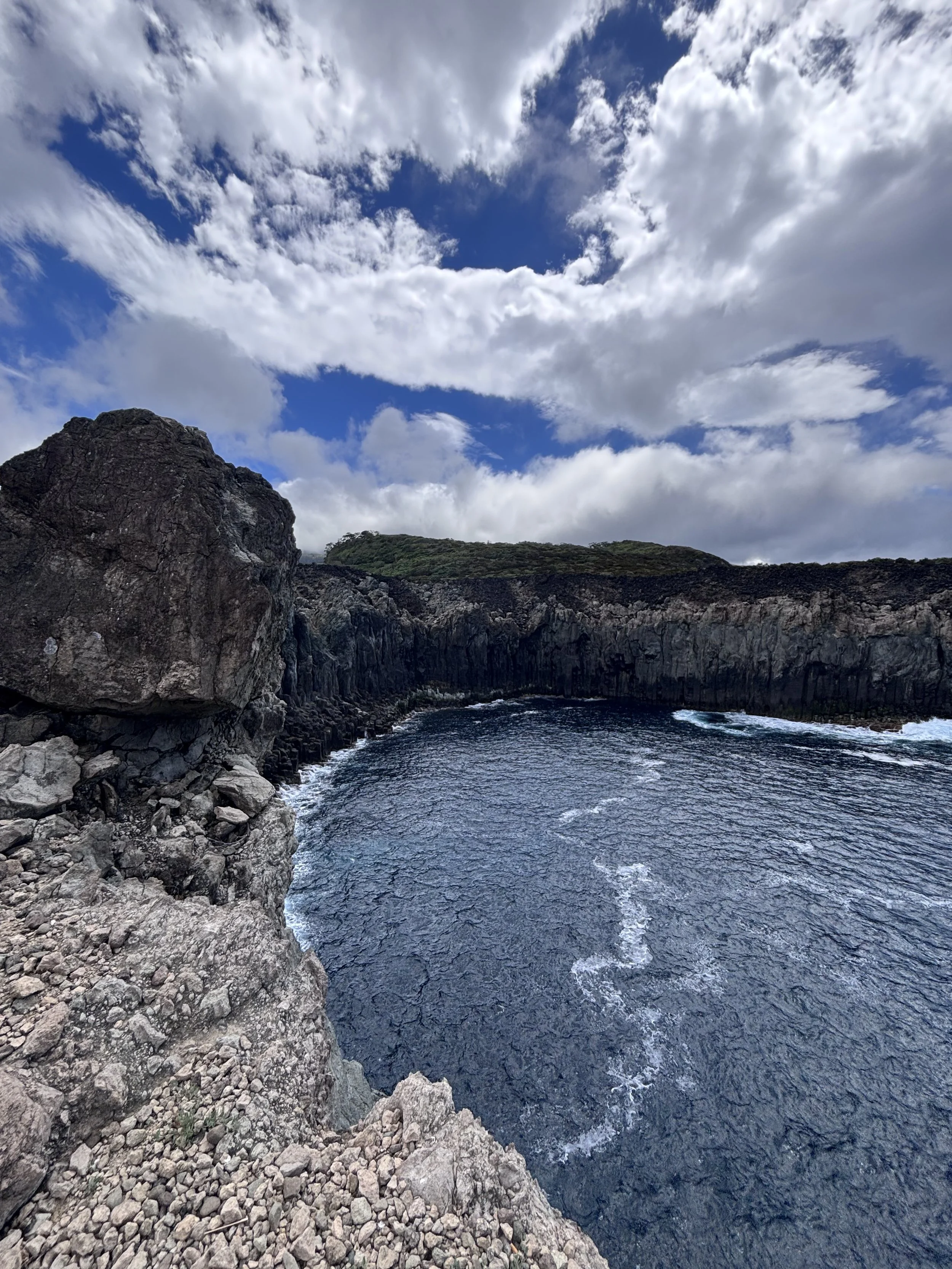
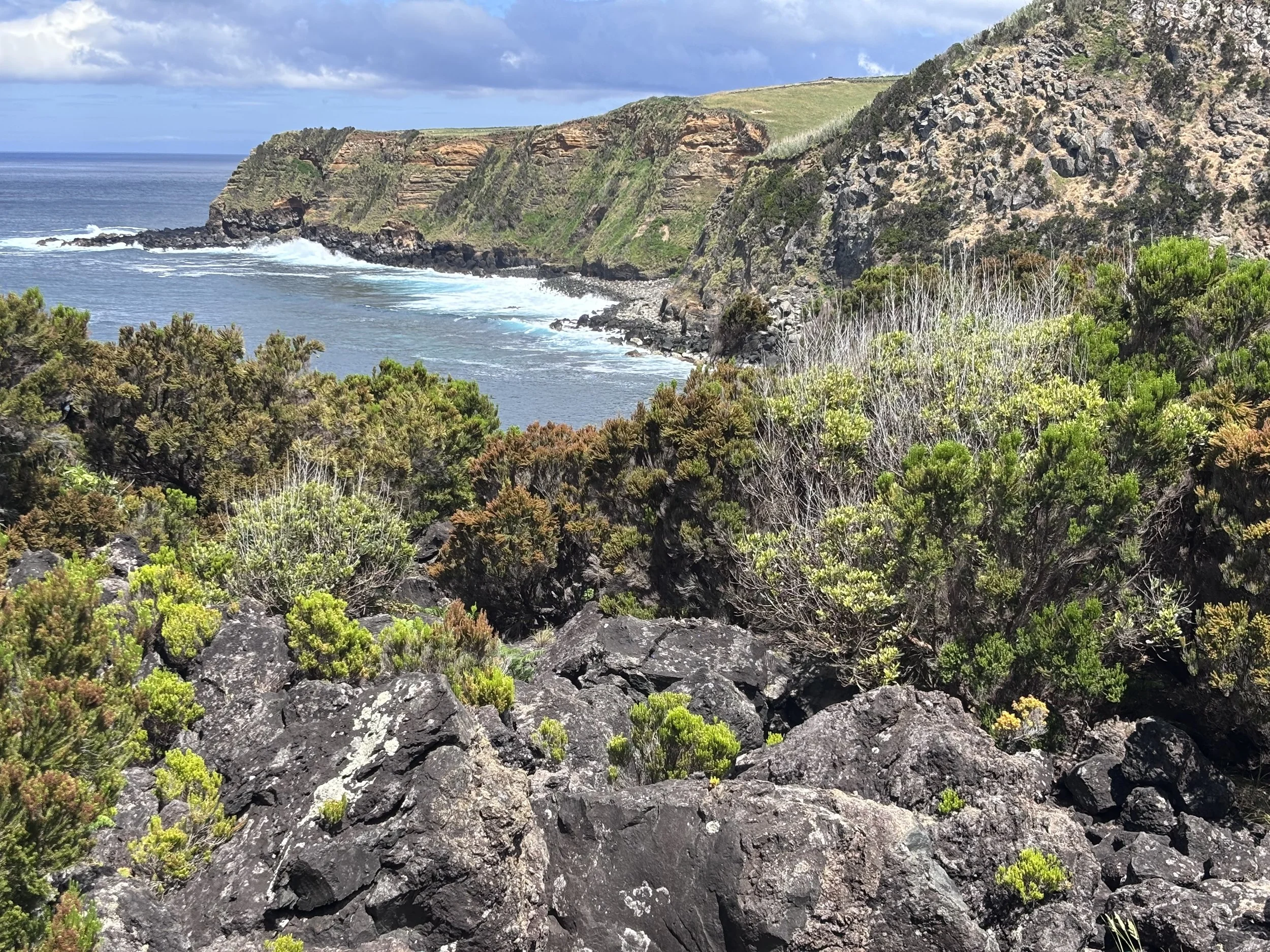
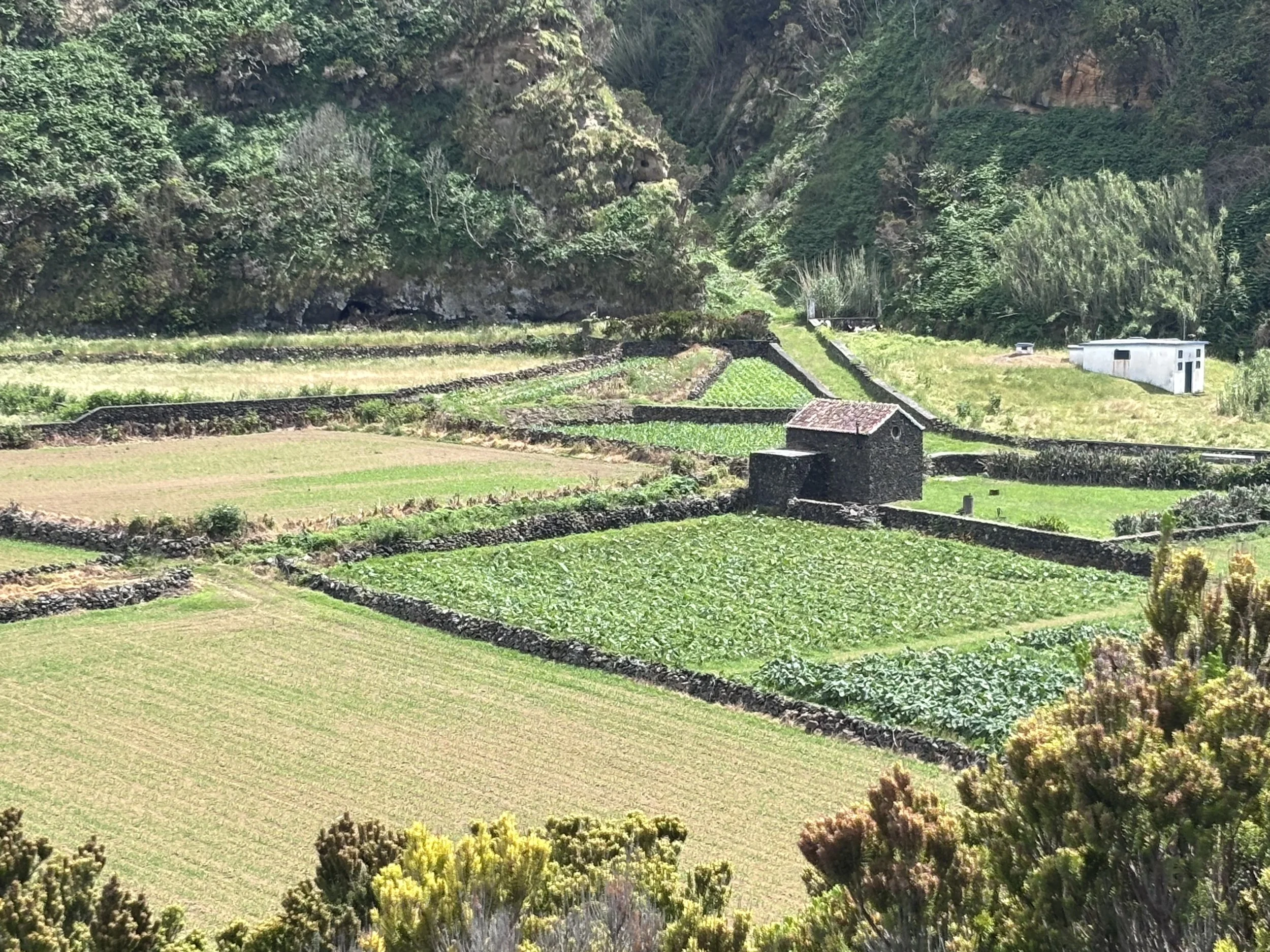
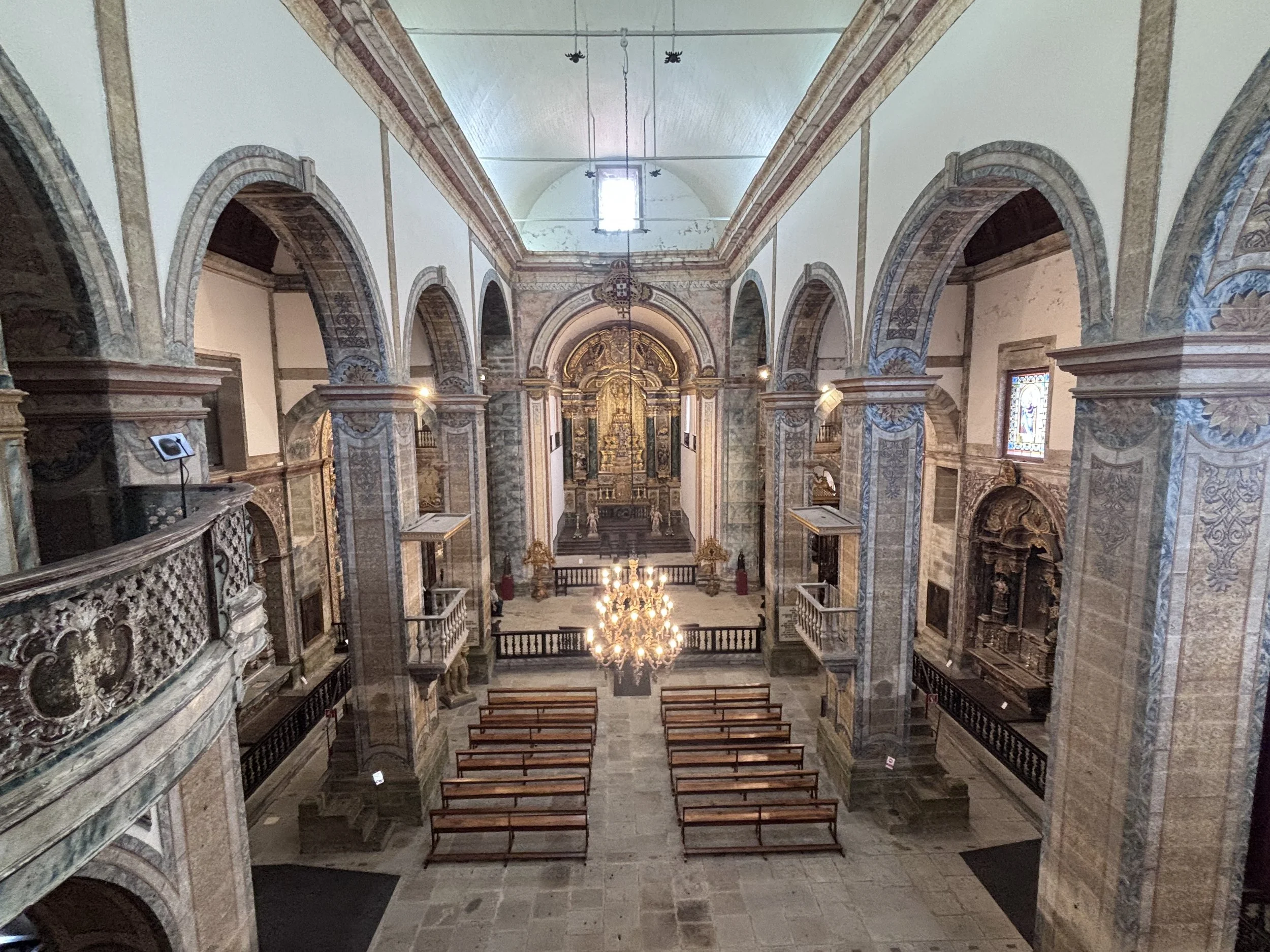
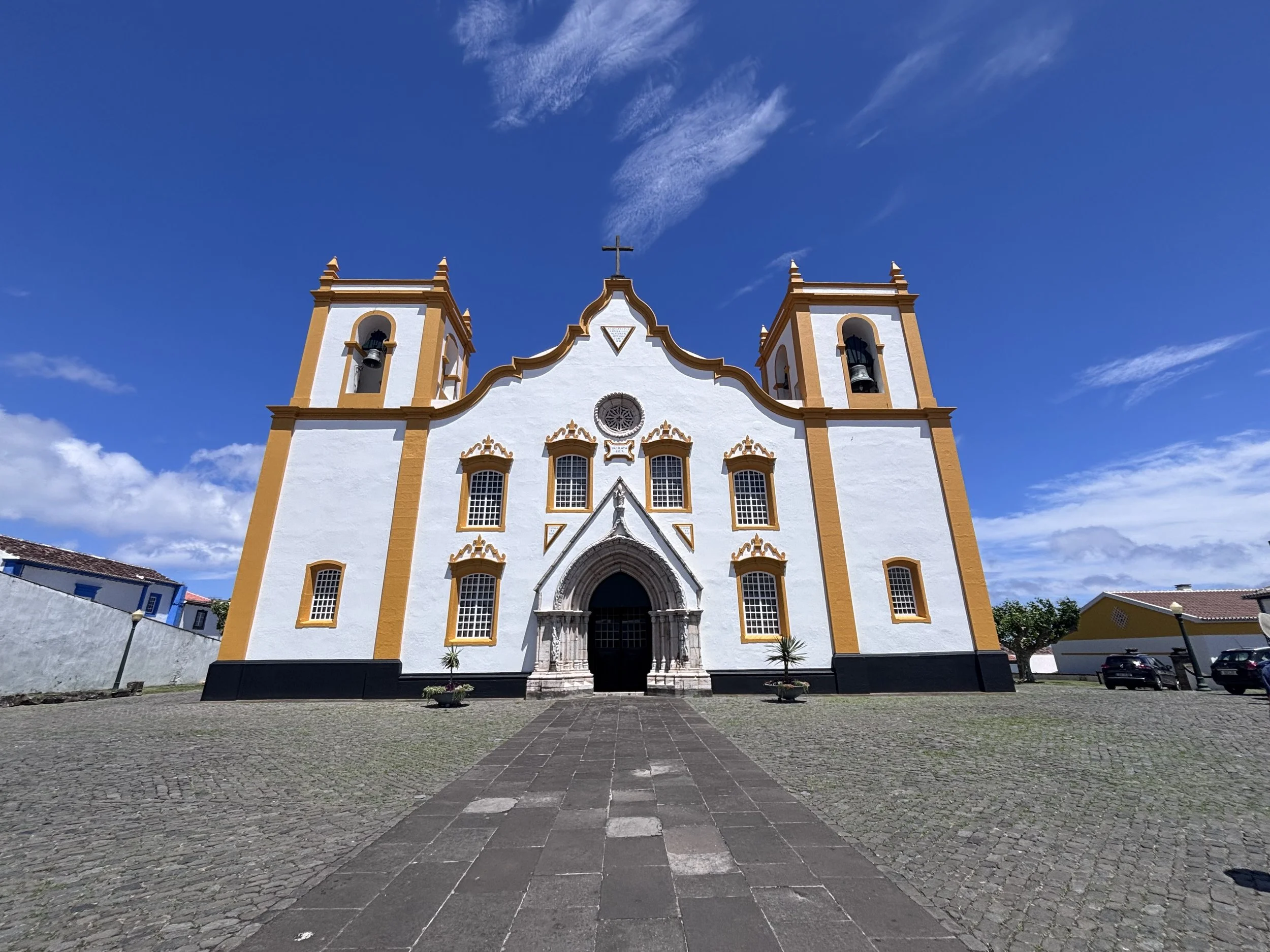
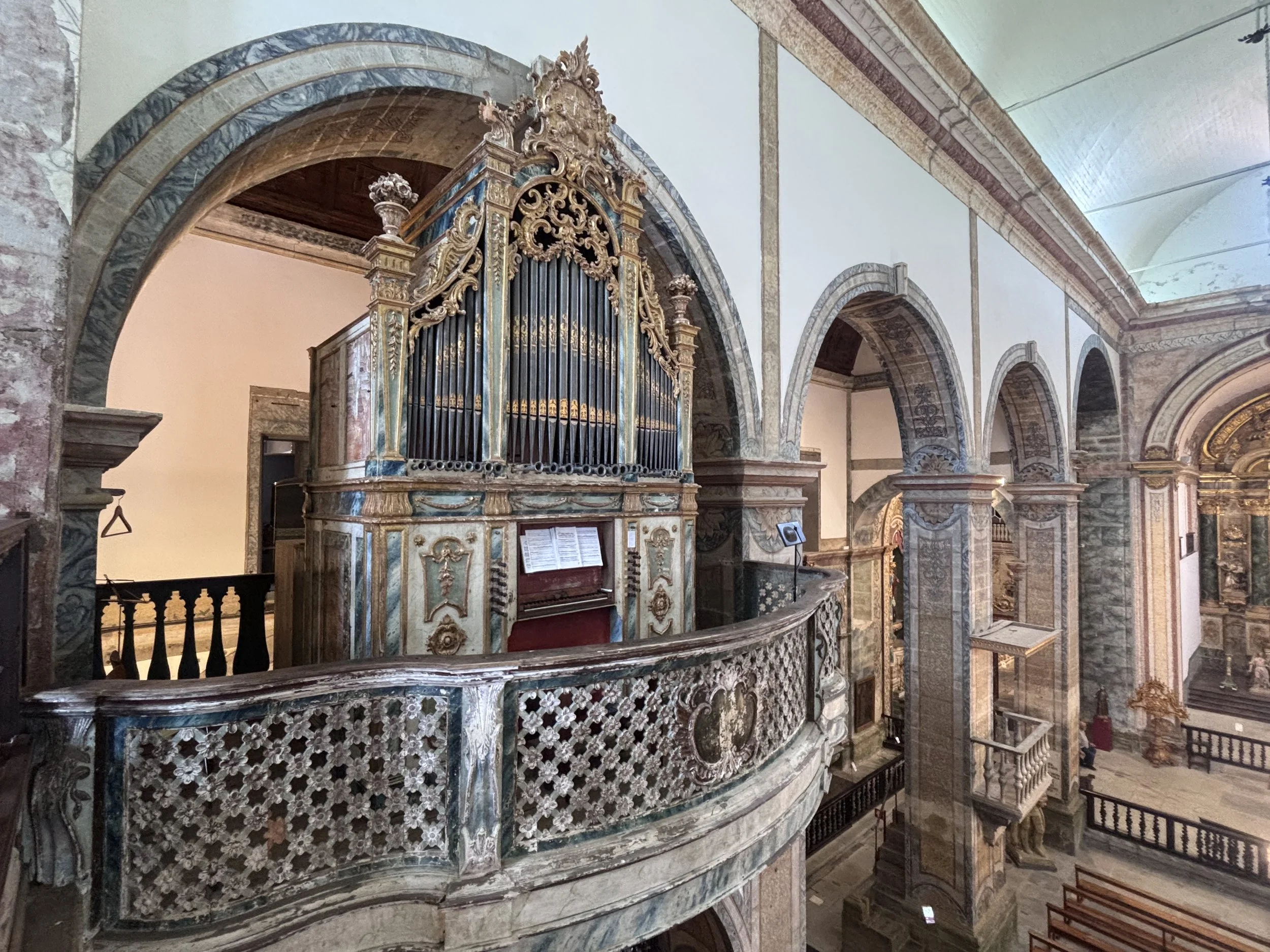
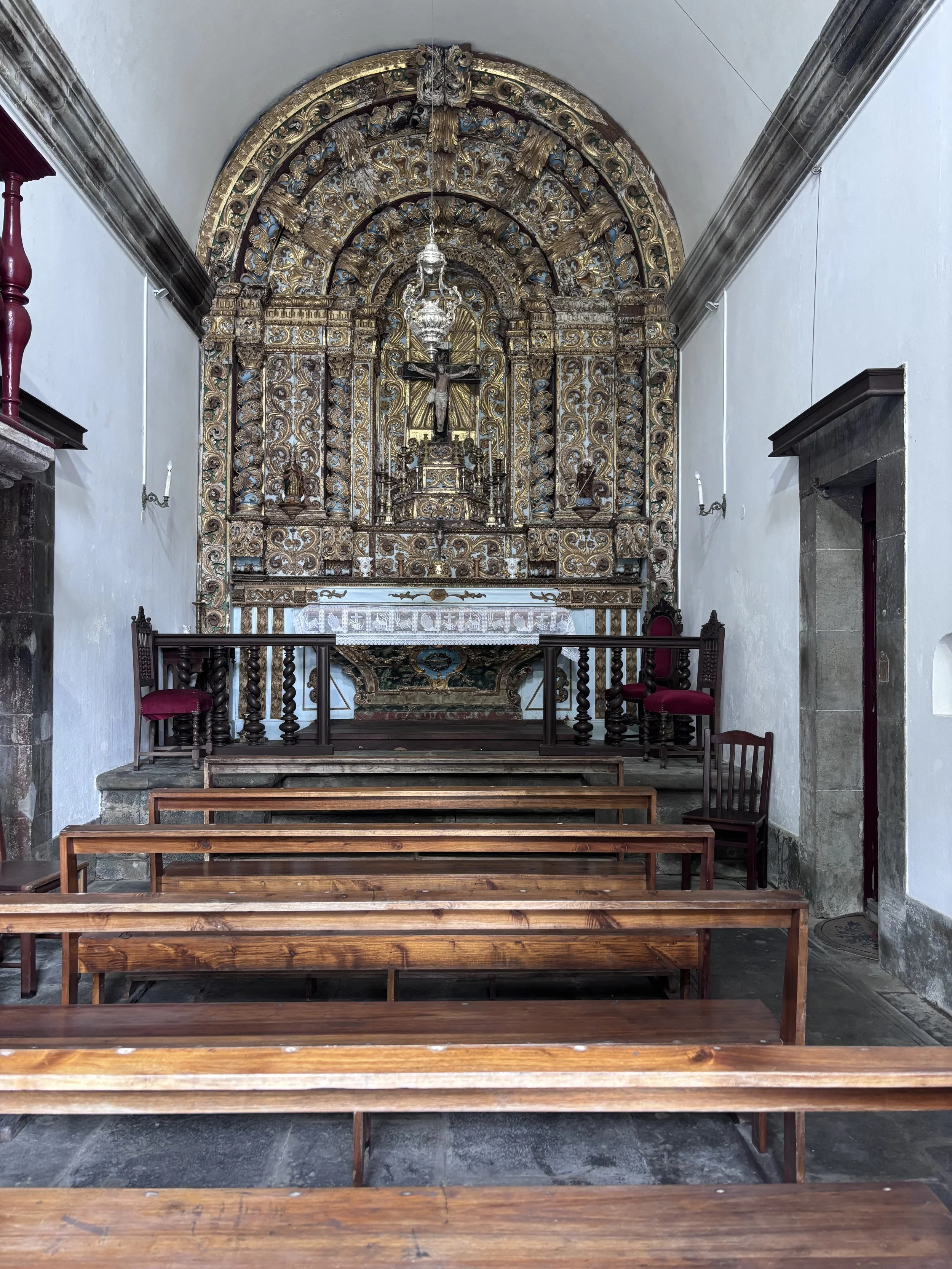
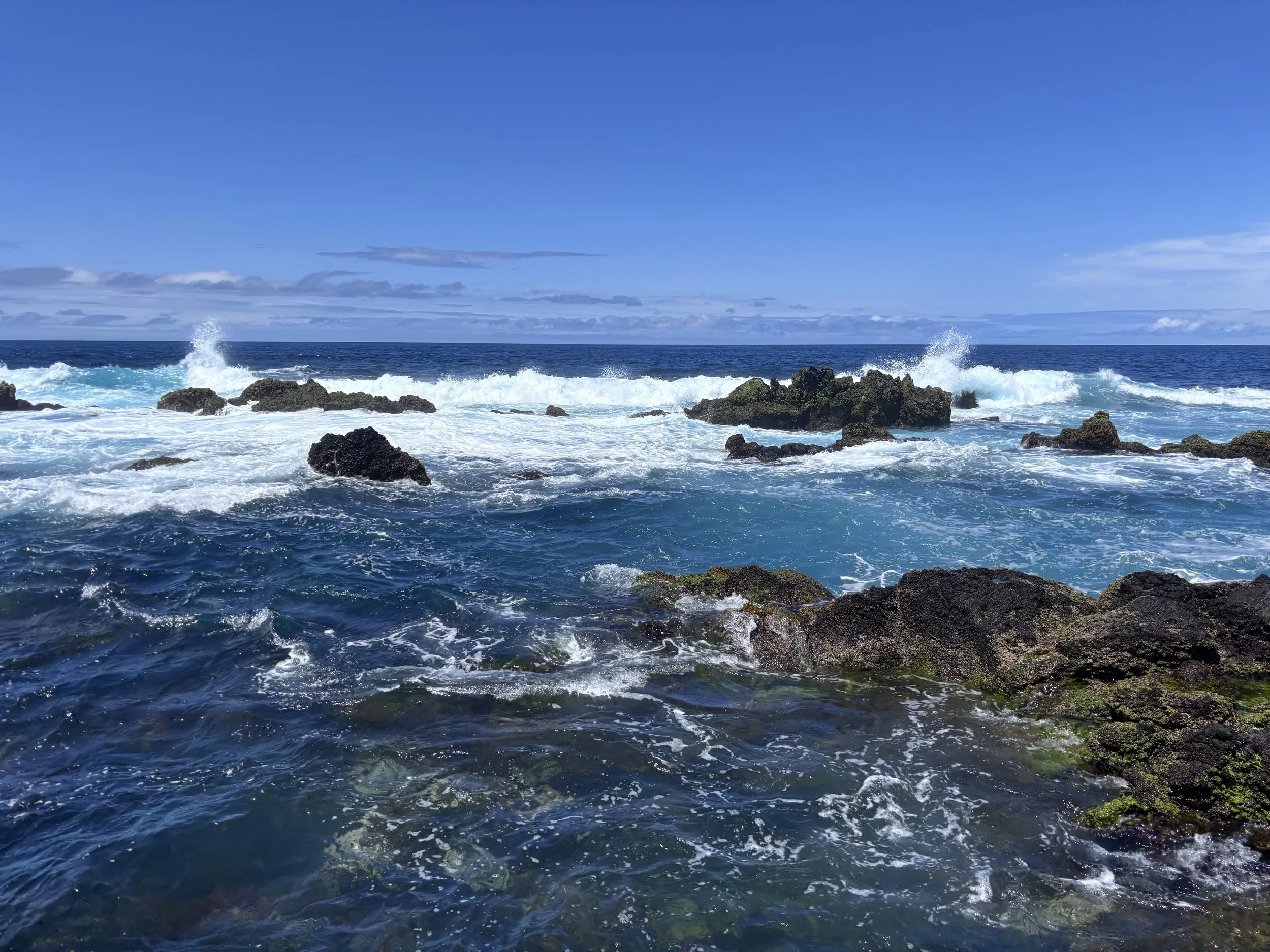
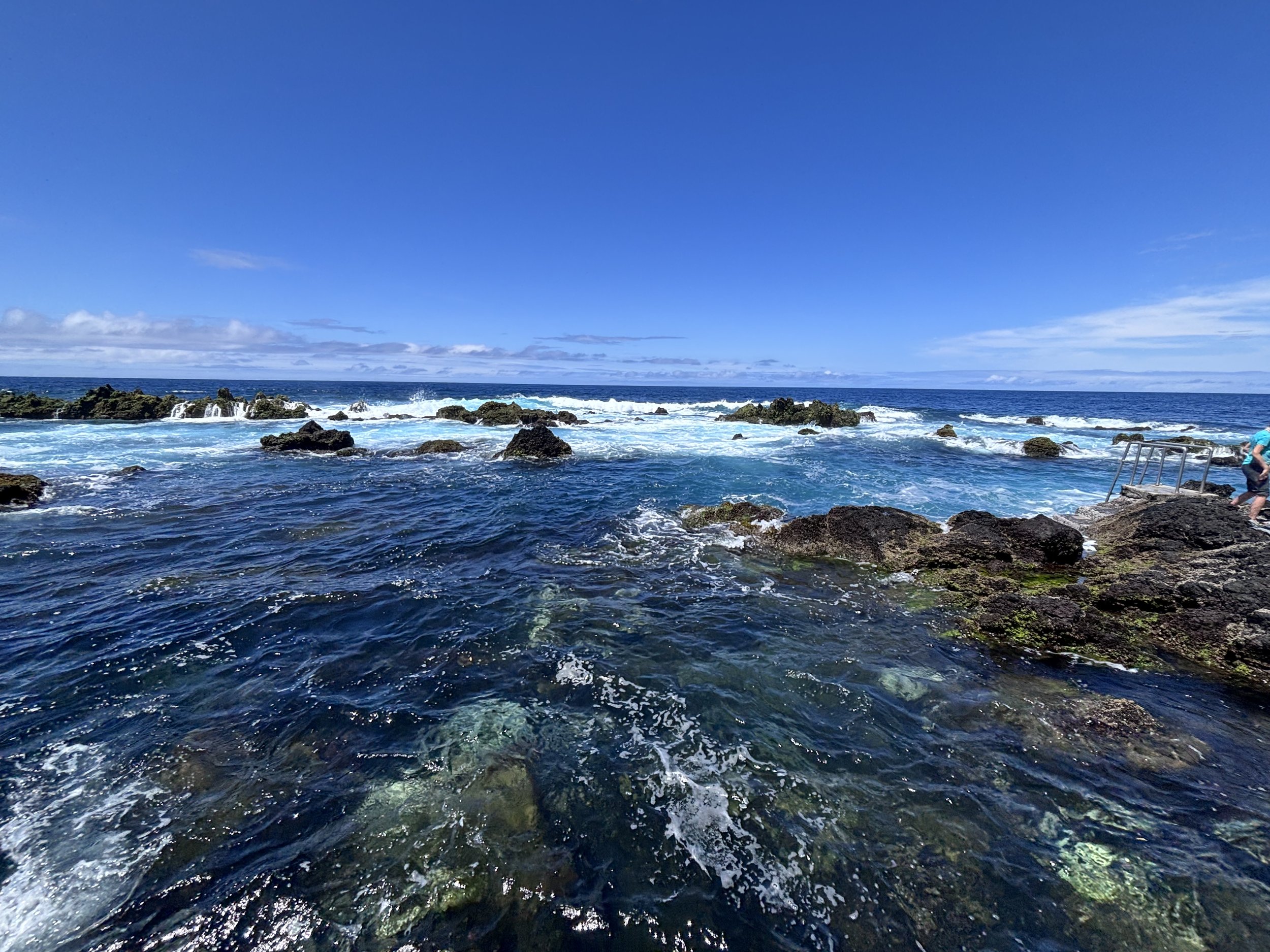
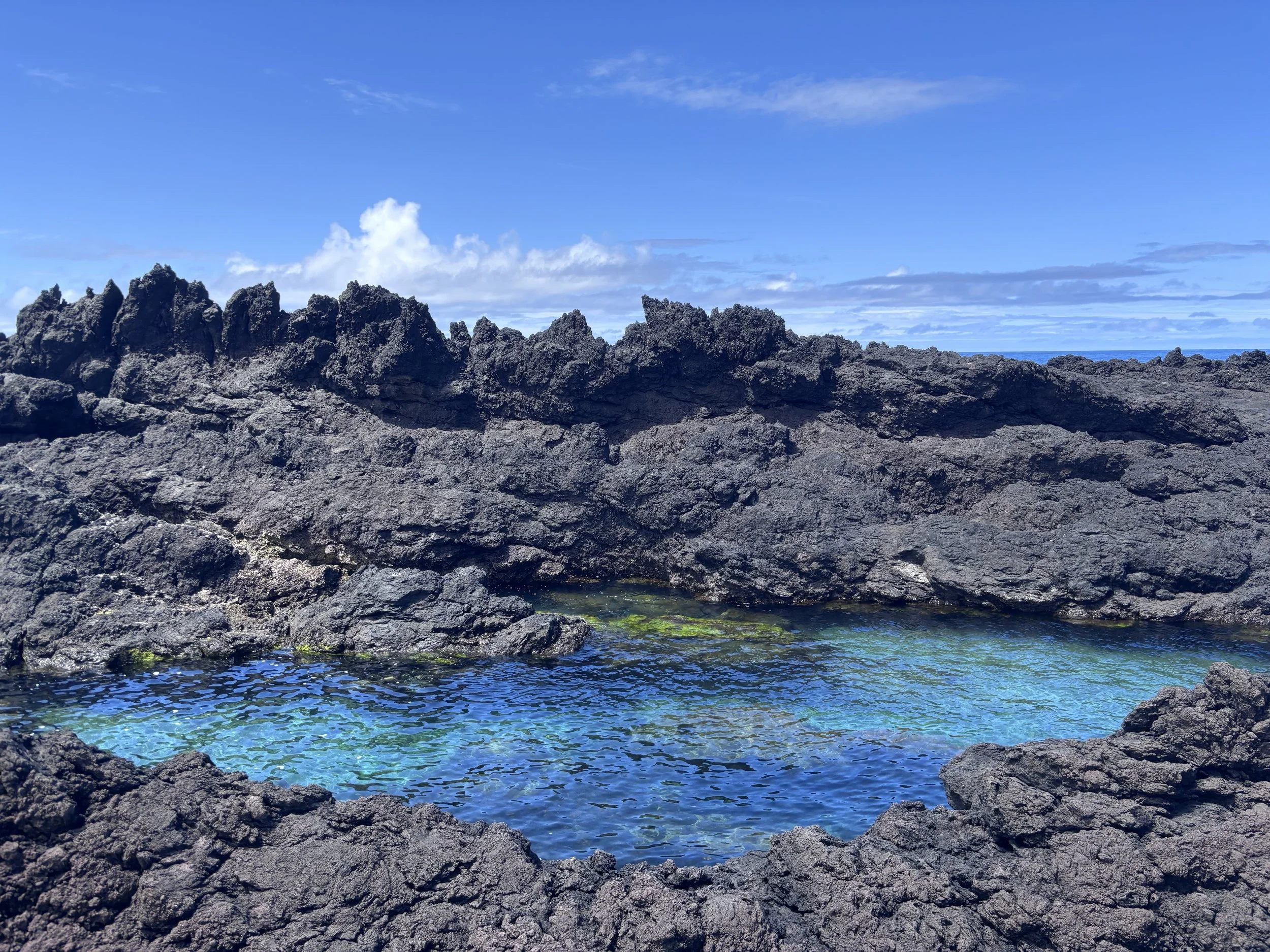
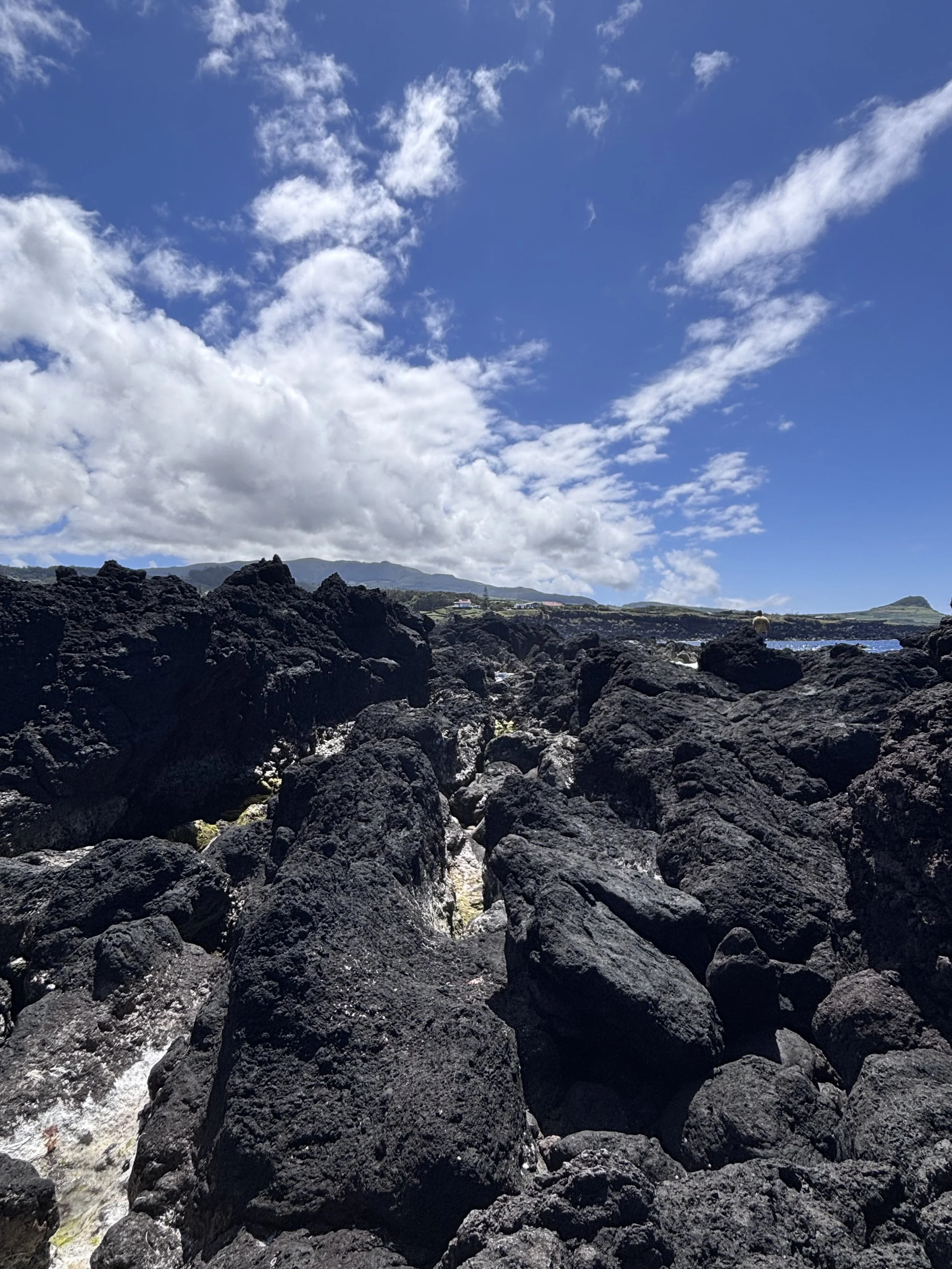
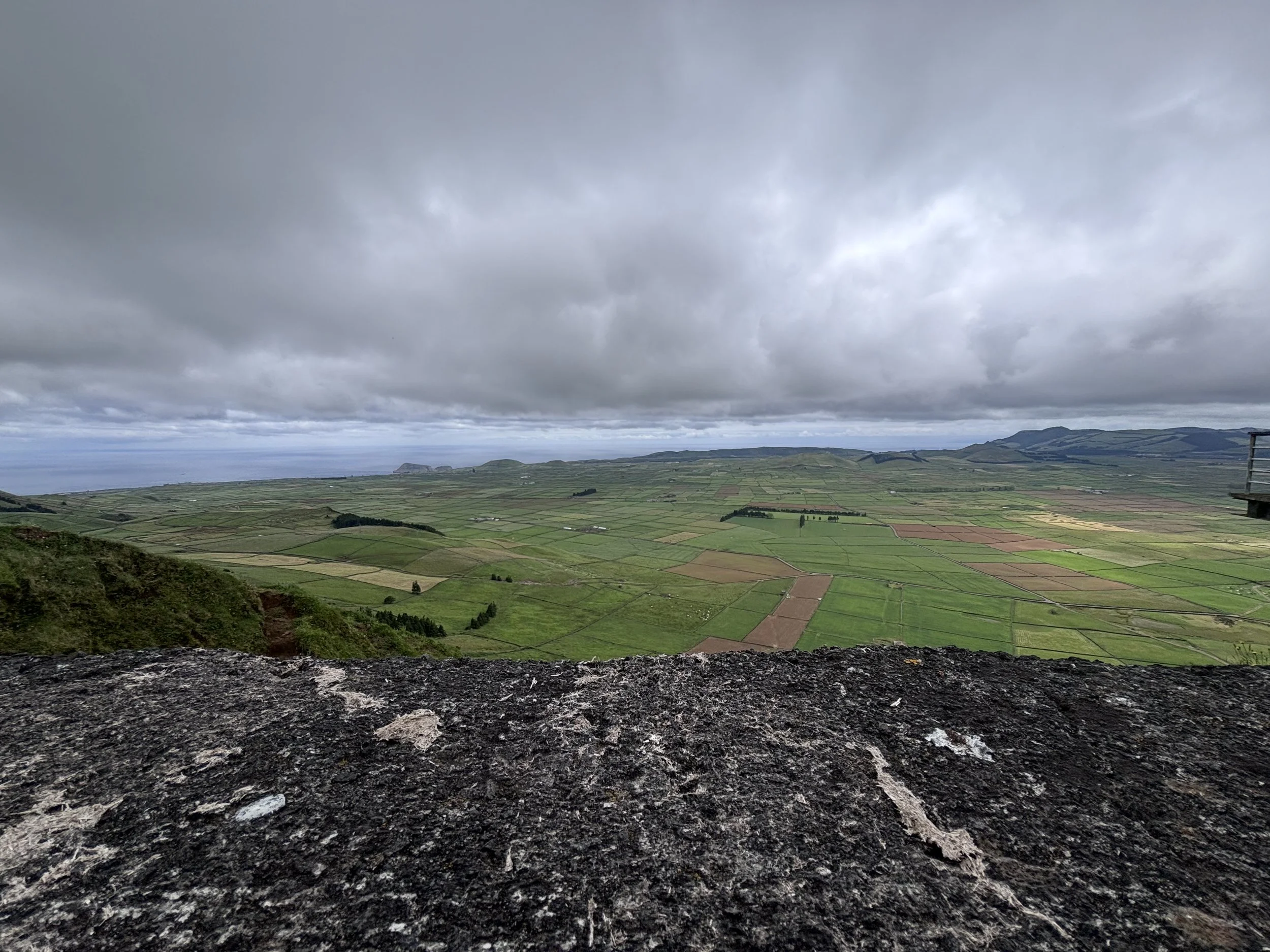
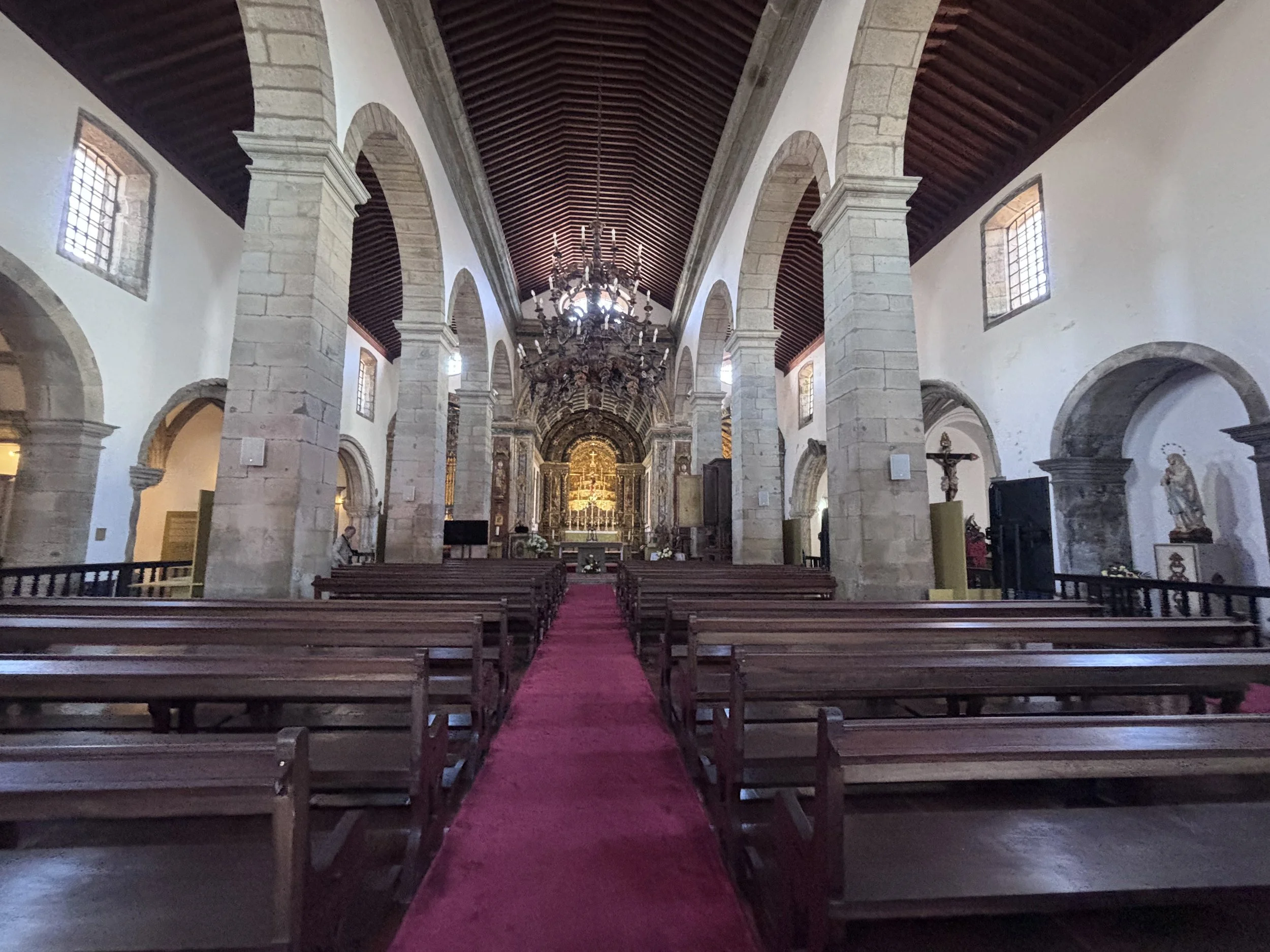
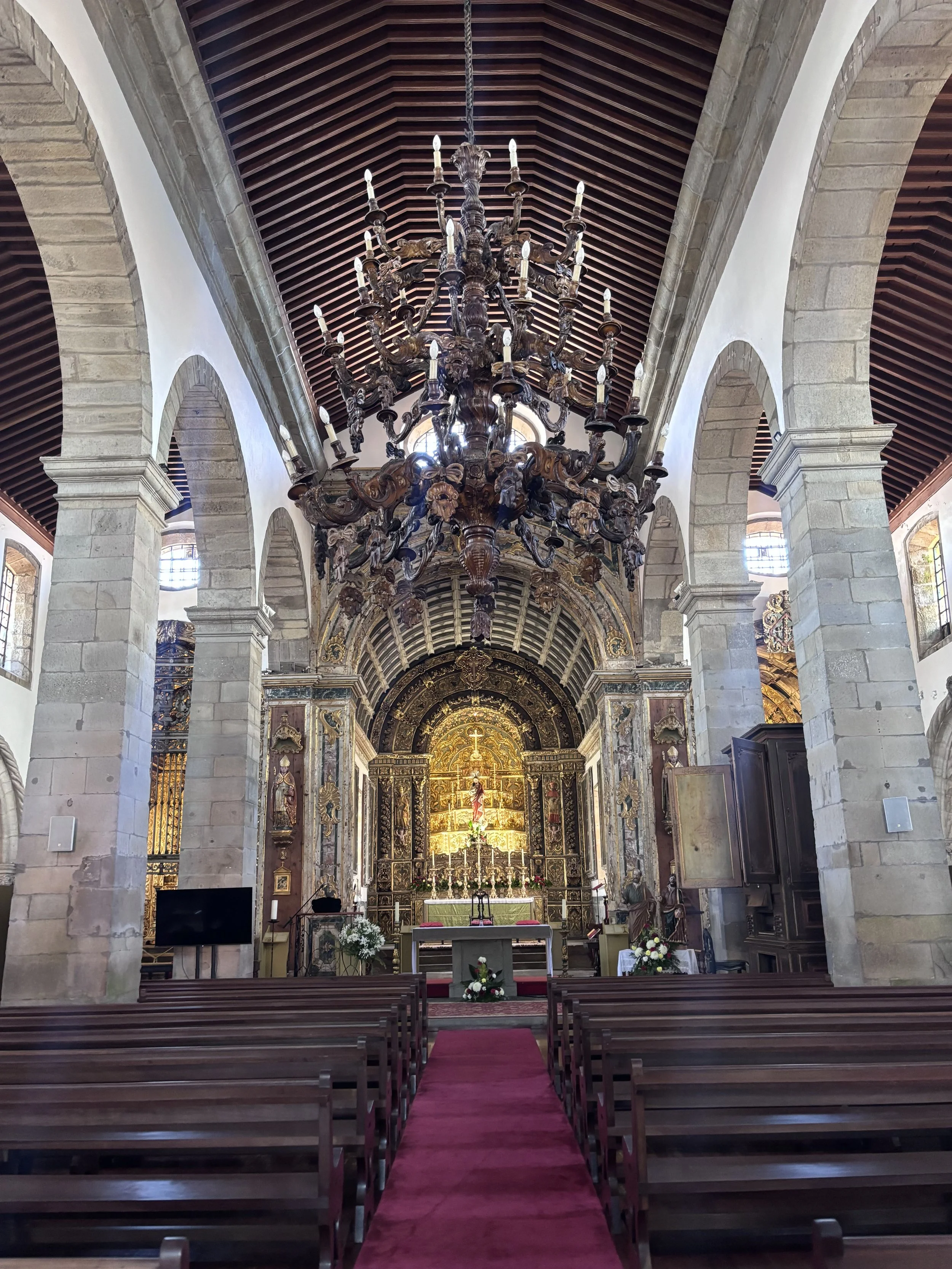
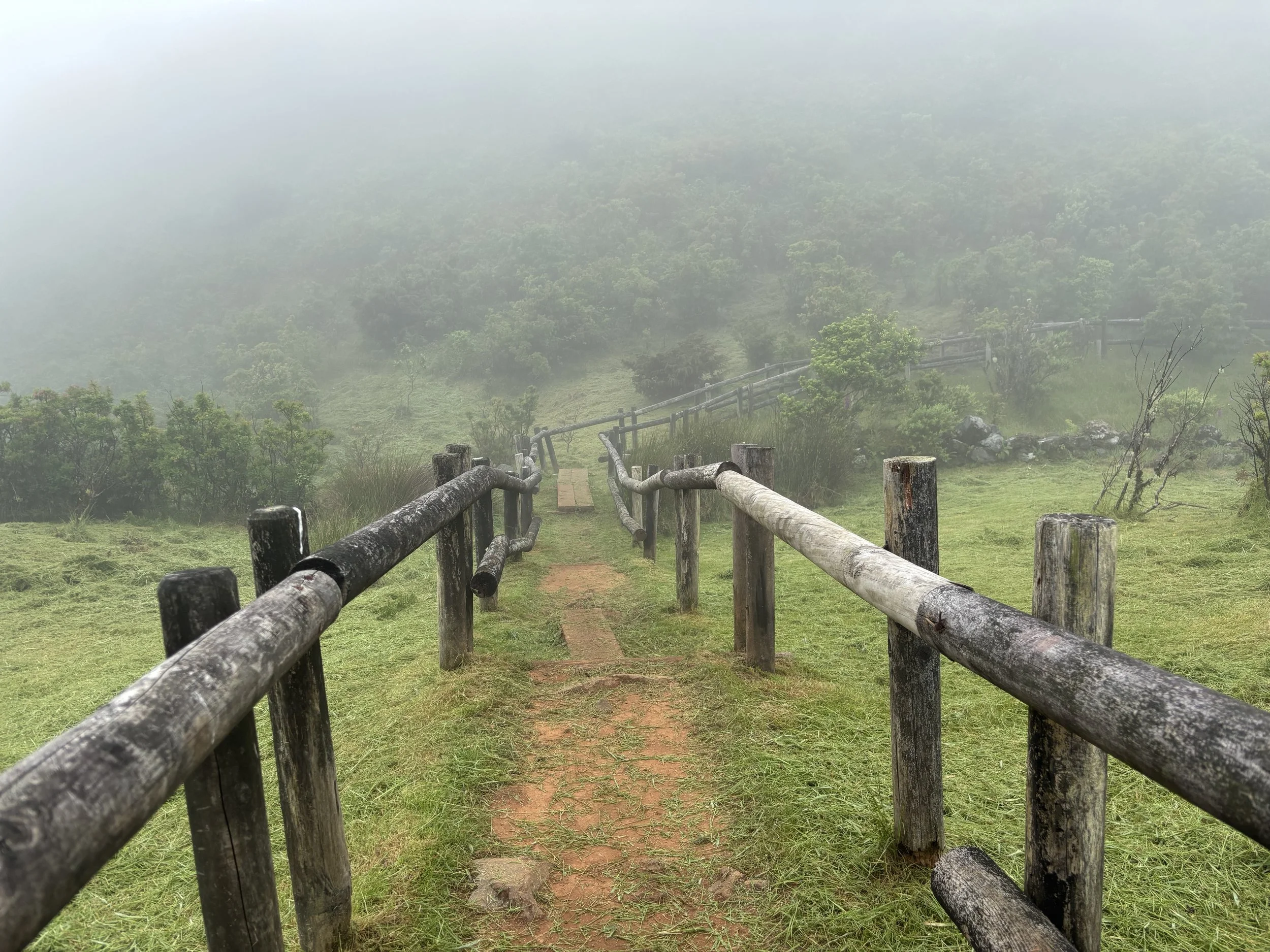
Our friend Monica was also on the island of Terceira, so we once again had the luxury of a rental car and the ability to explore beyond where our own two feet could carry us. We hiked, saw fog-covered caldeiras, walked through elaborate churches, and visited the natural swimming holes in Biscoitos, where Ken and I decided to snorkel in one of the coves. The water is definitely cold. I wore a shorty wetsuit, while Ken wore a full-length wetsuit. The locals, however, are unfazed and swim in nothing more than bathing suits. The snorkeling was okay, but it was nice to spend some time in the water exploring the underwater lava rock formations and marine life. We've snorkeled three times now, and I have yet to see an octopus, though I keep looking.
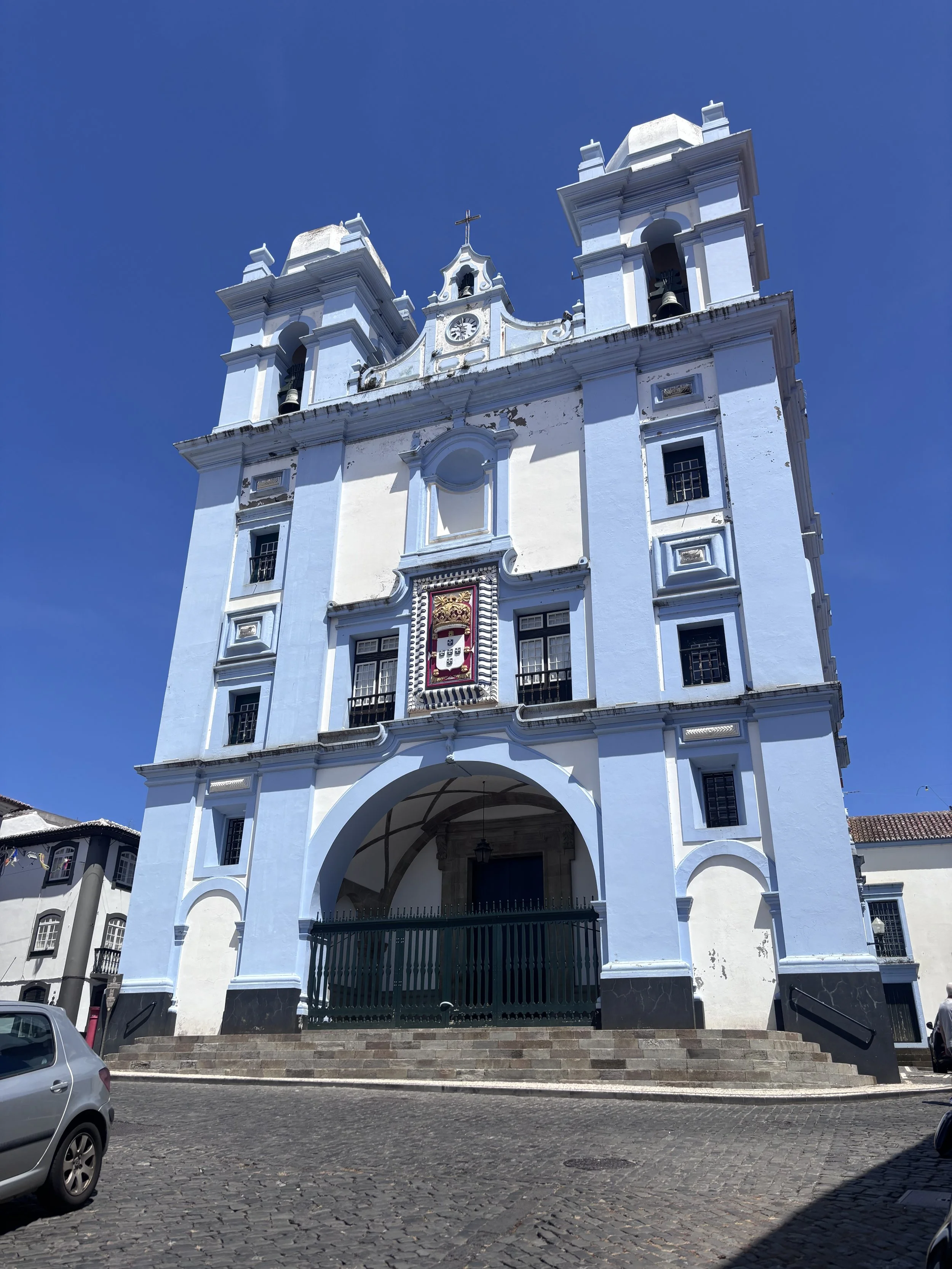
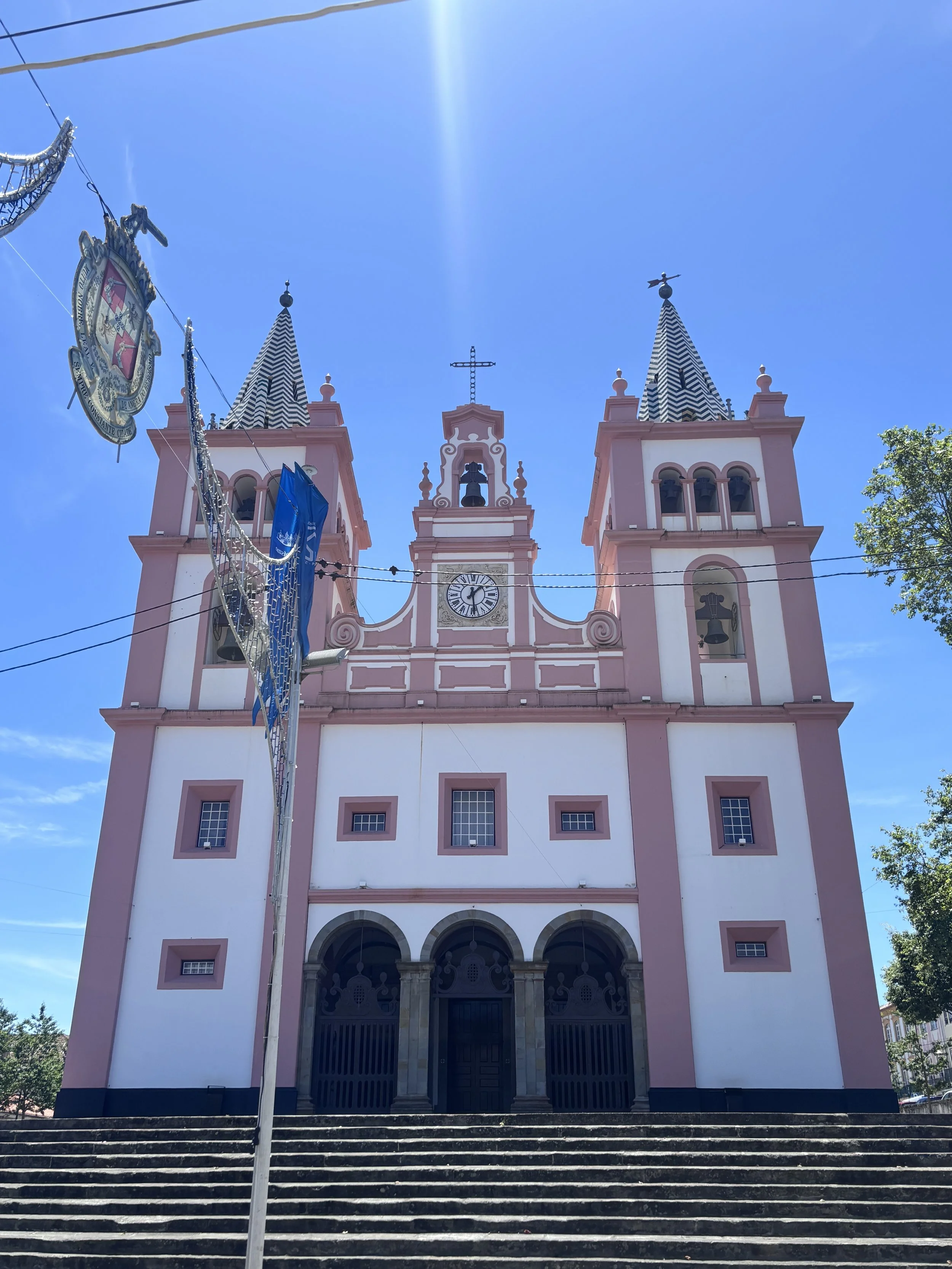
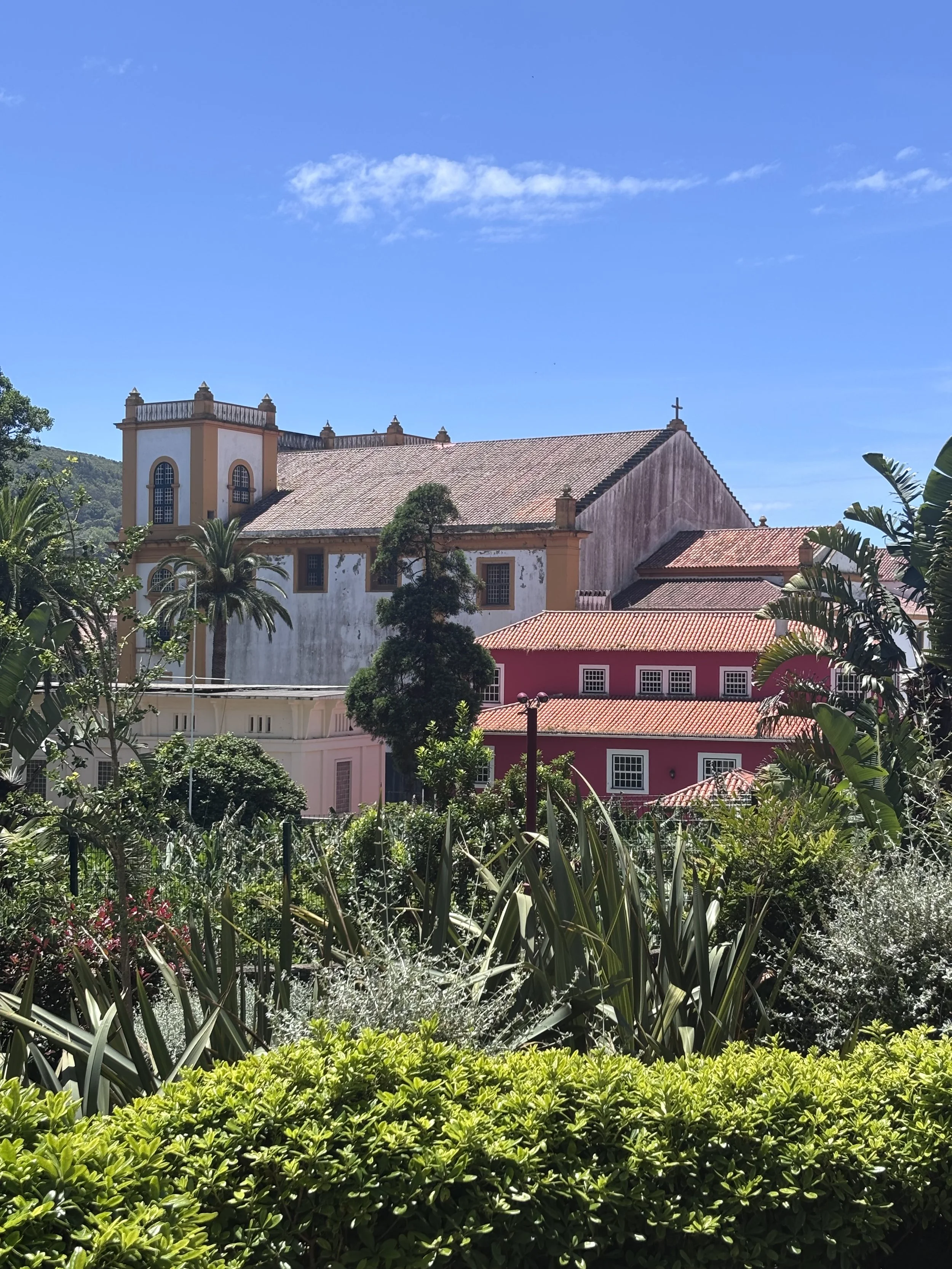
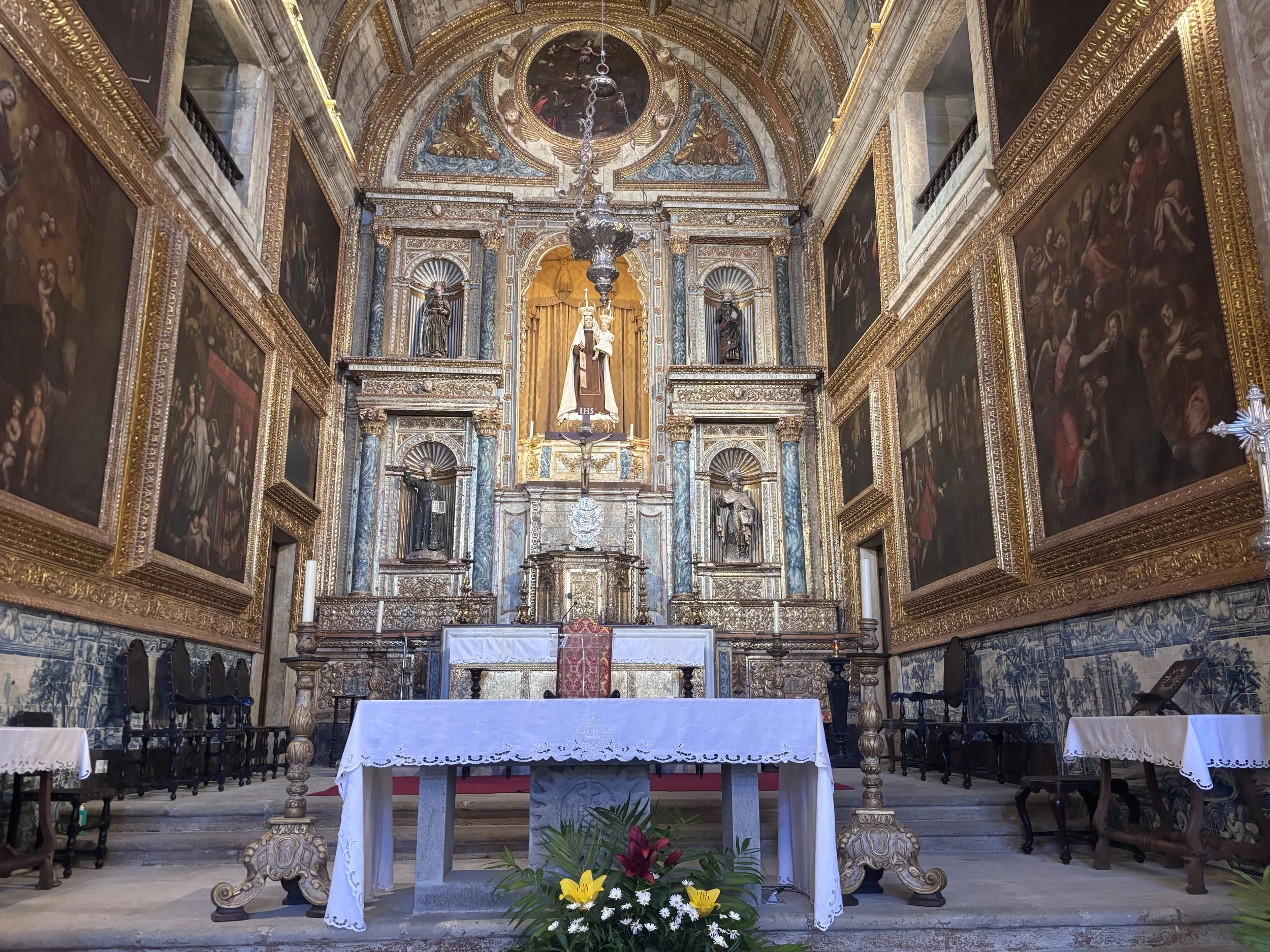
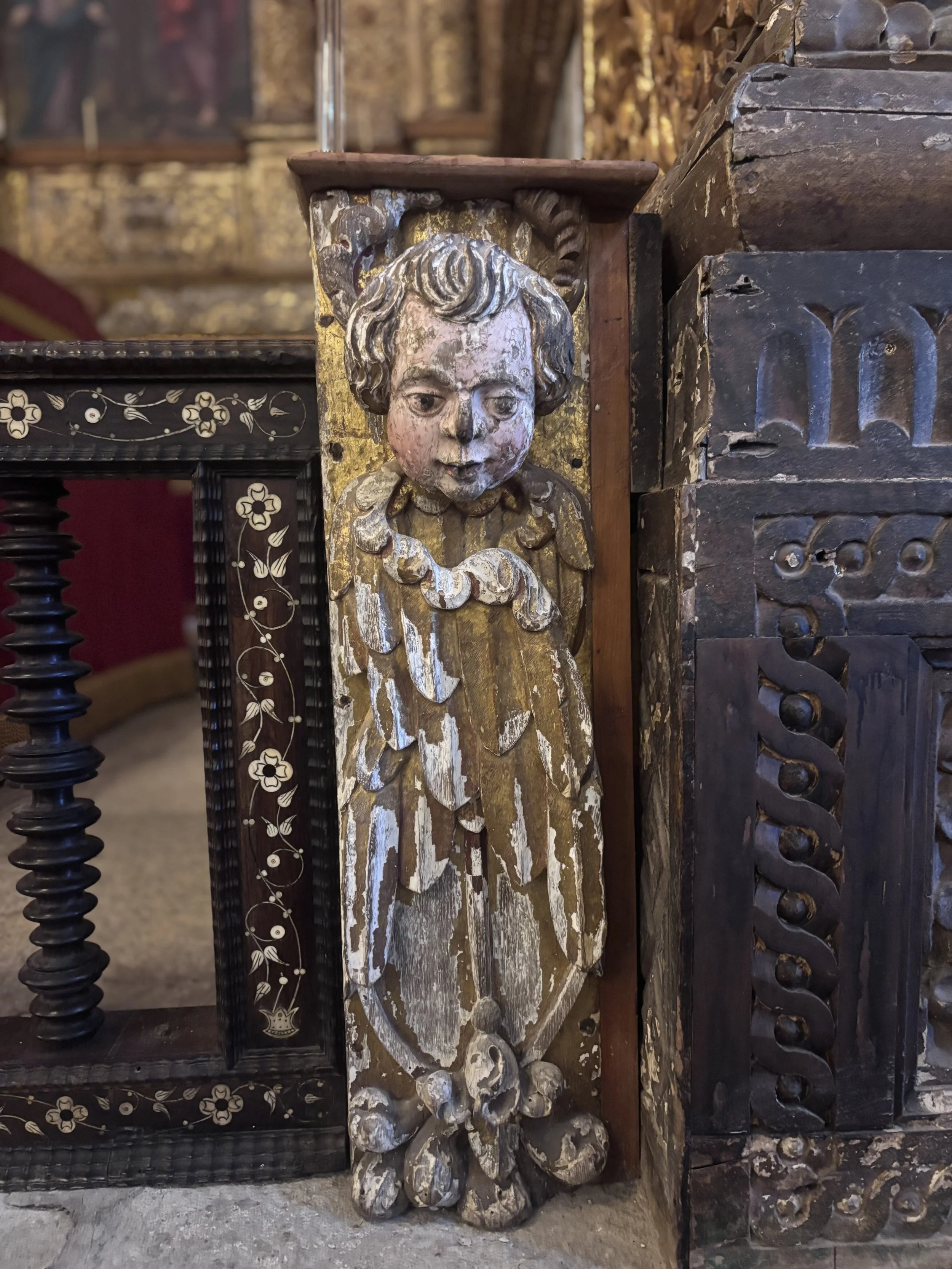
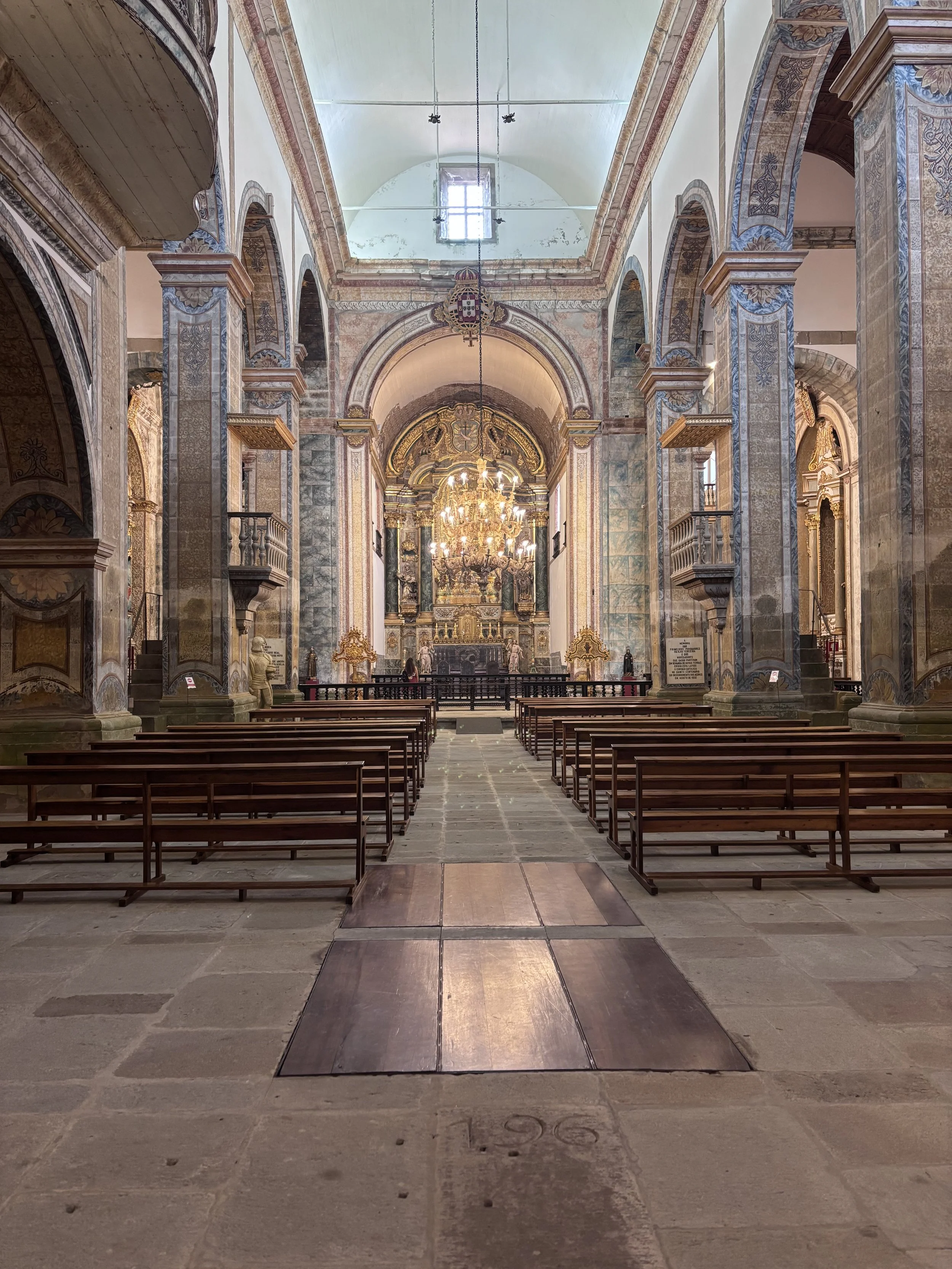
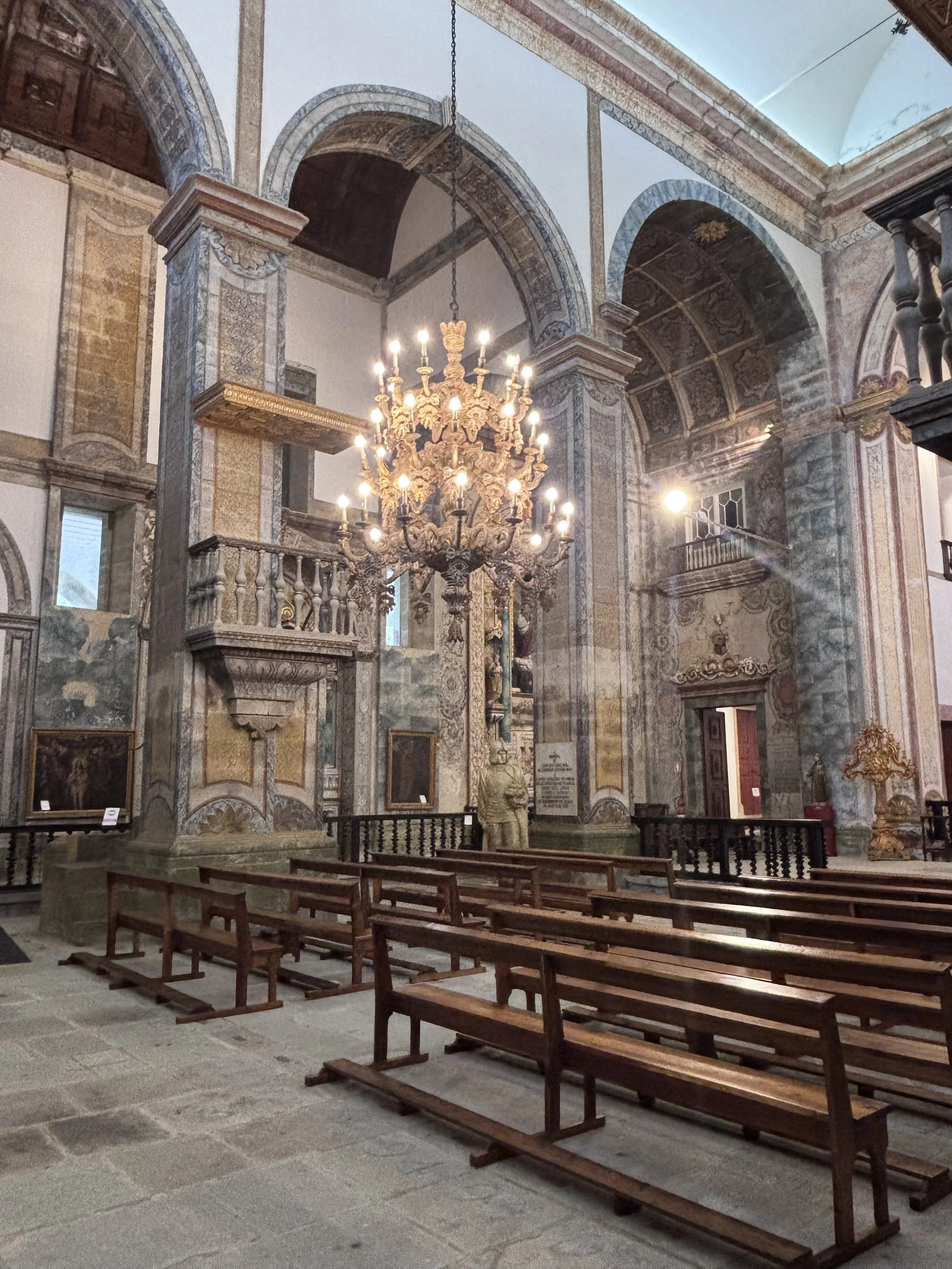
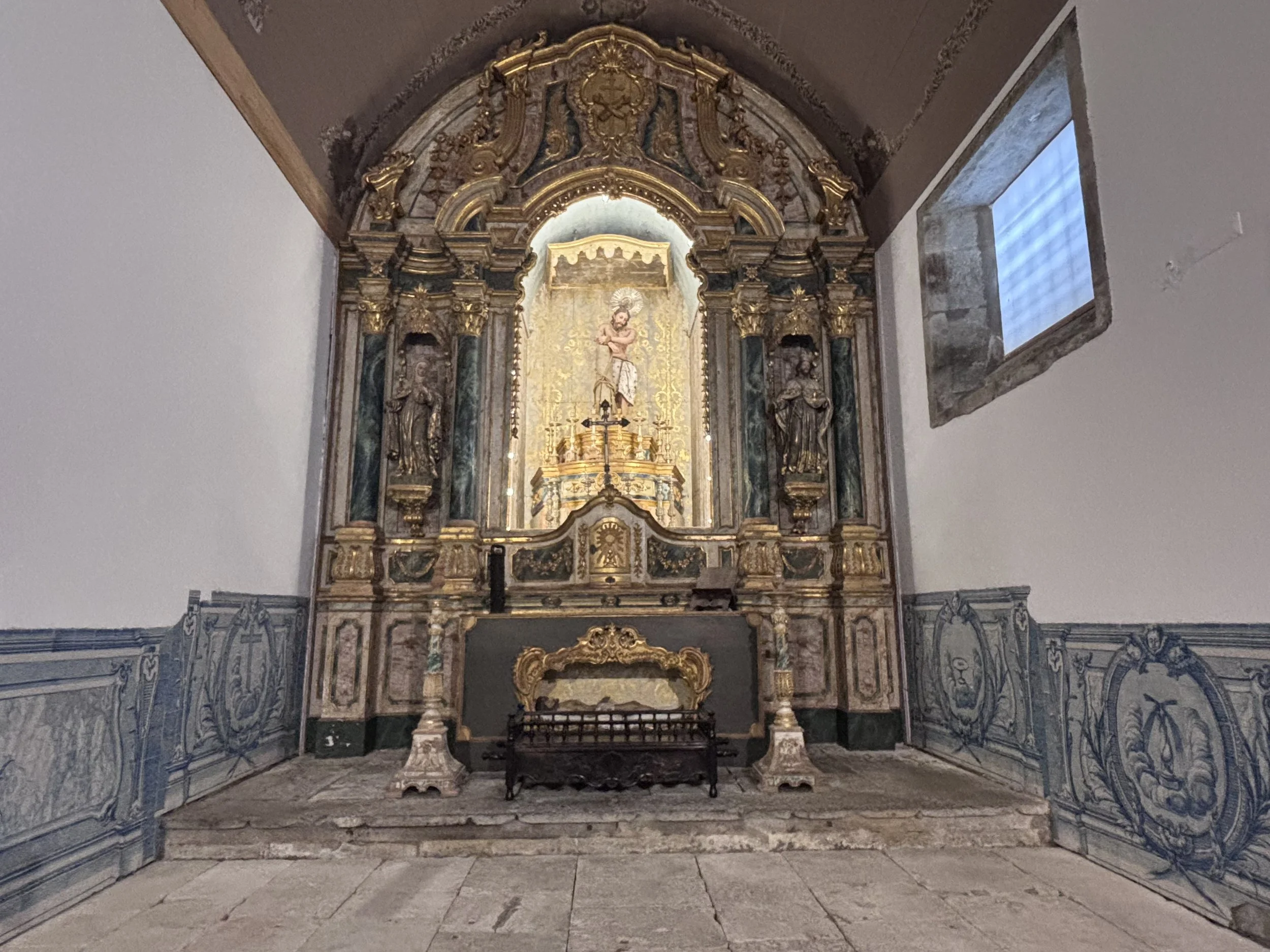
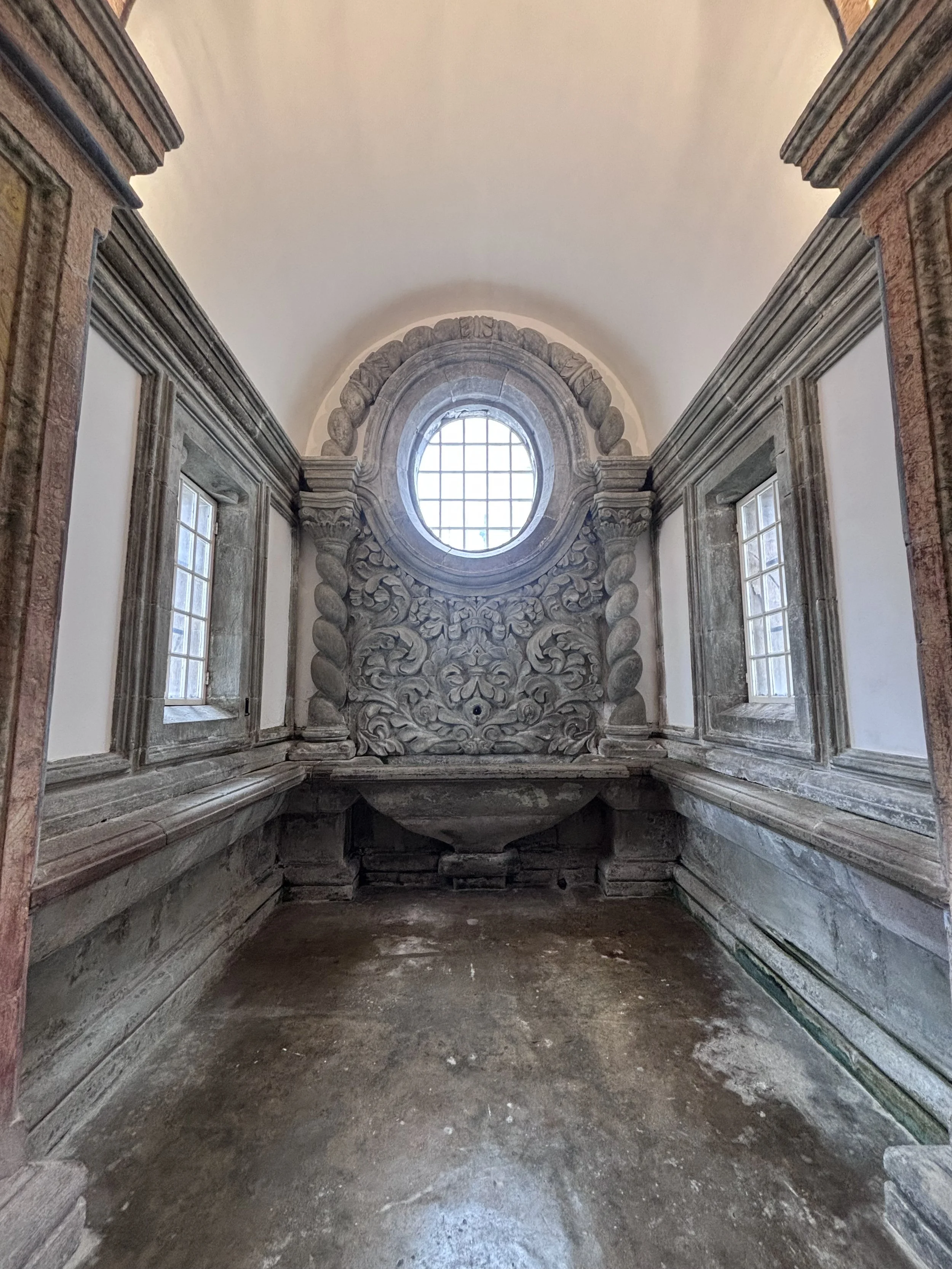
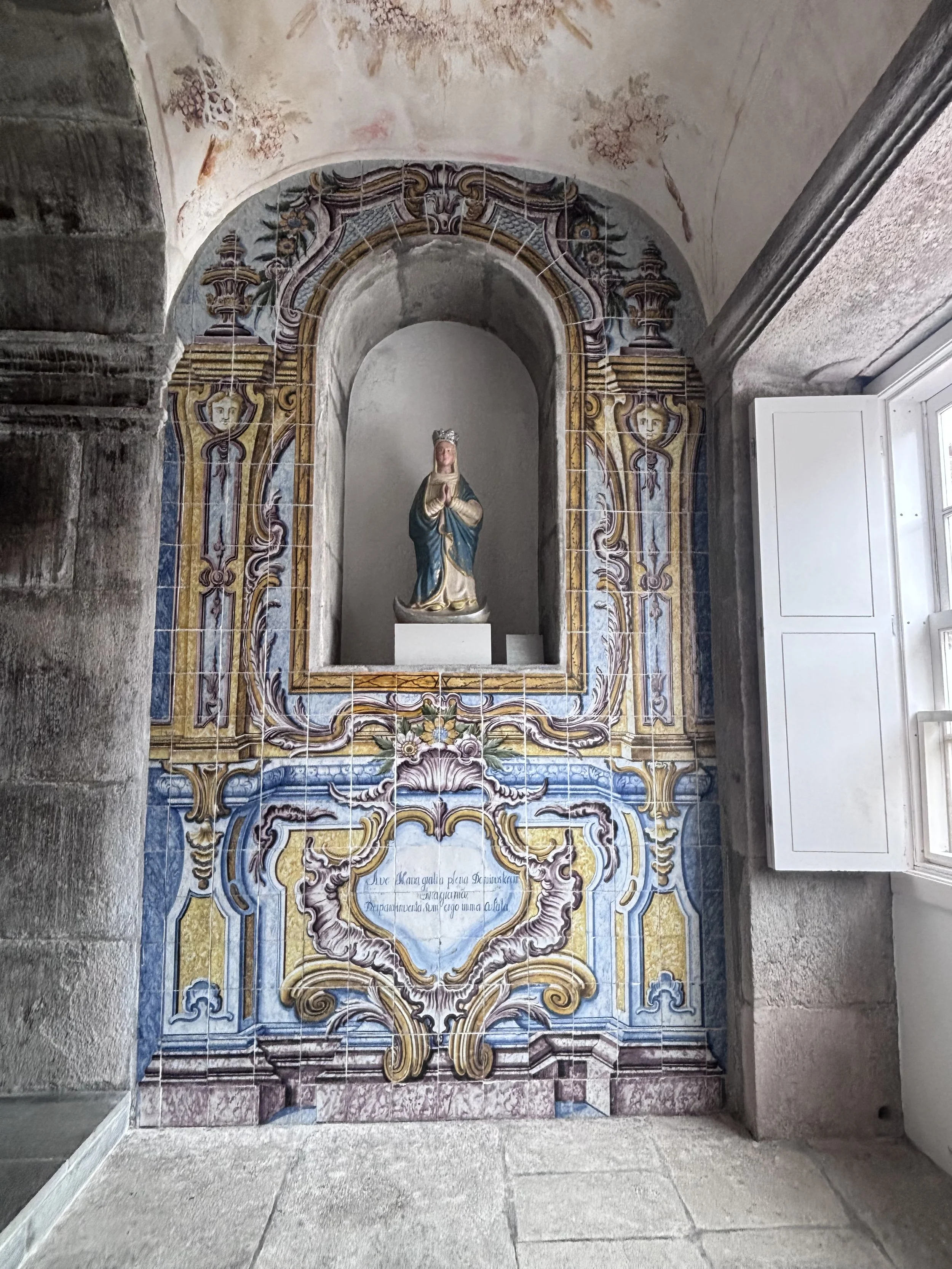
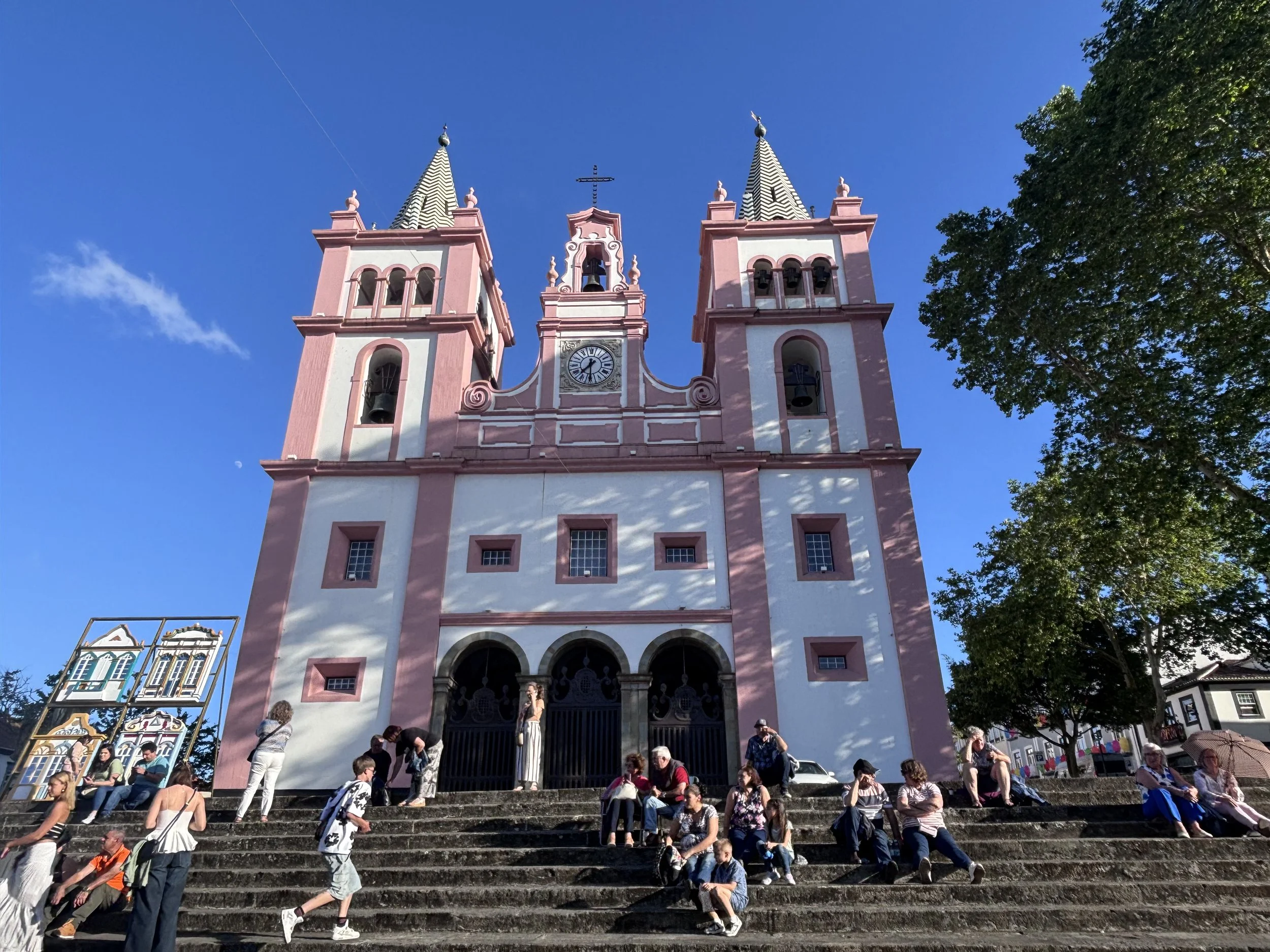
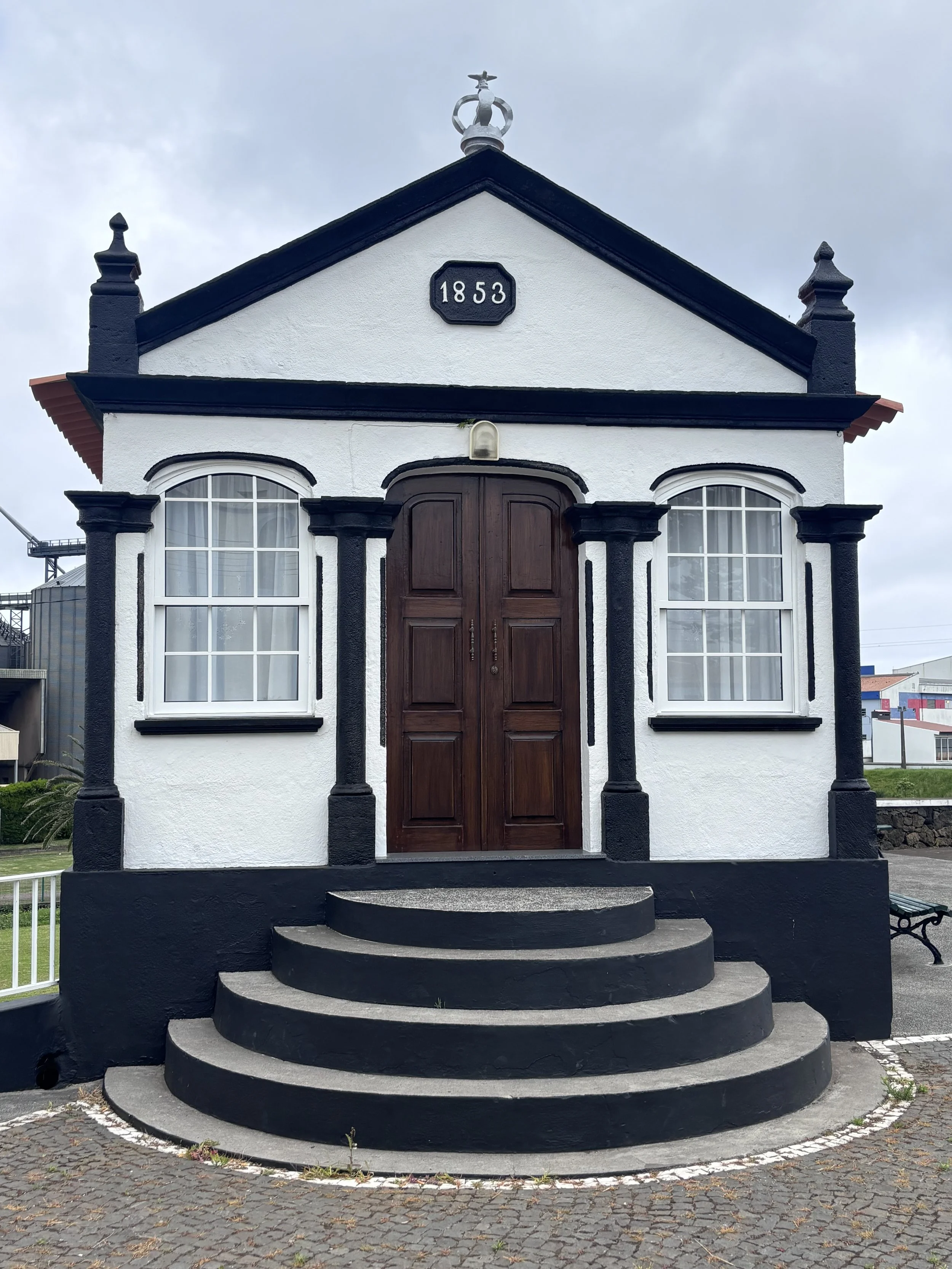
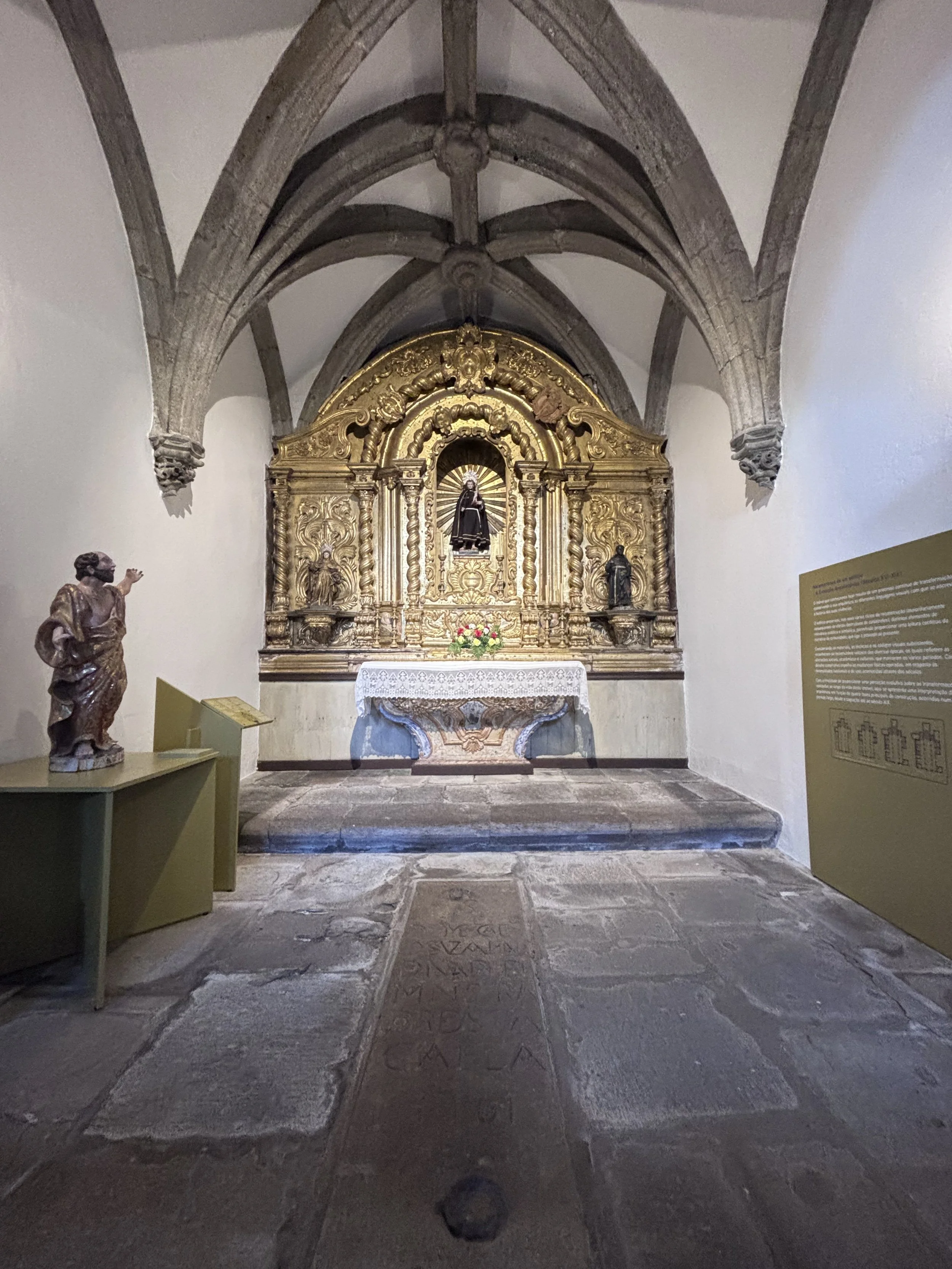
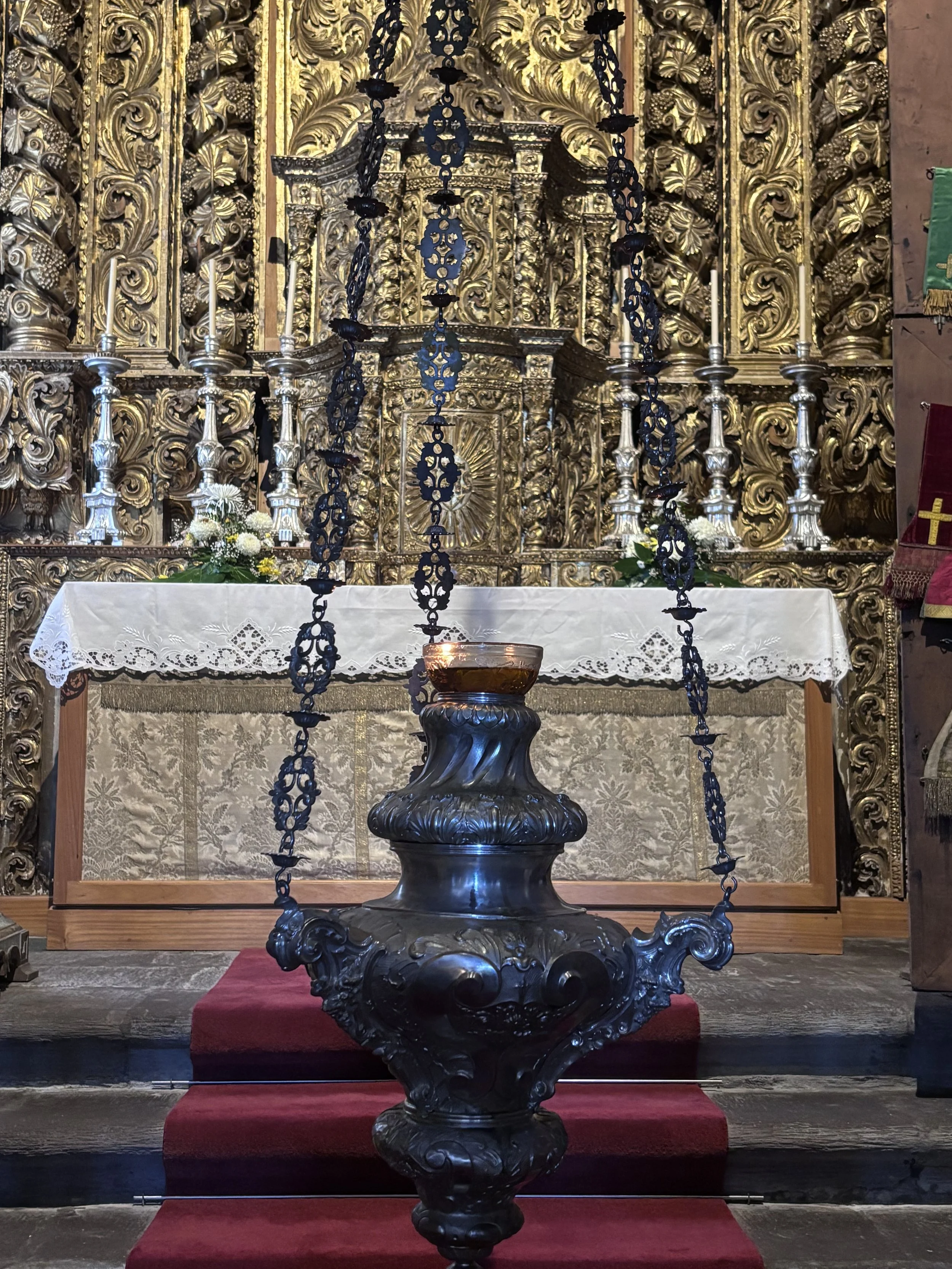
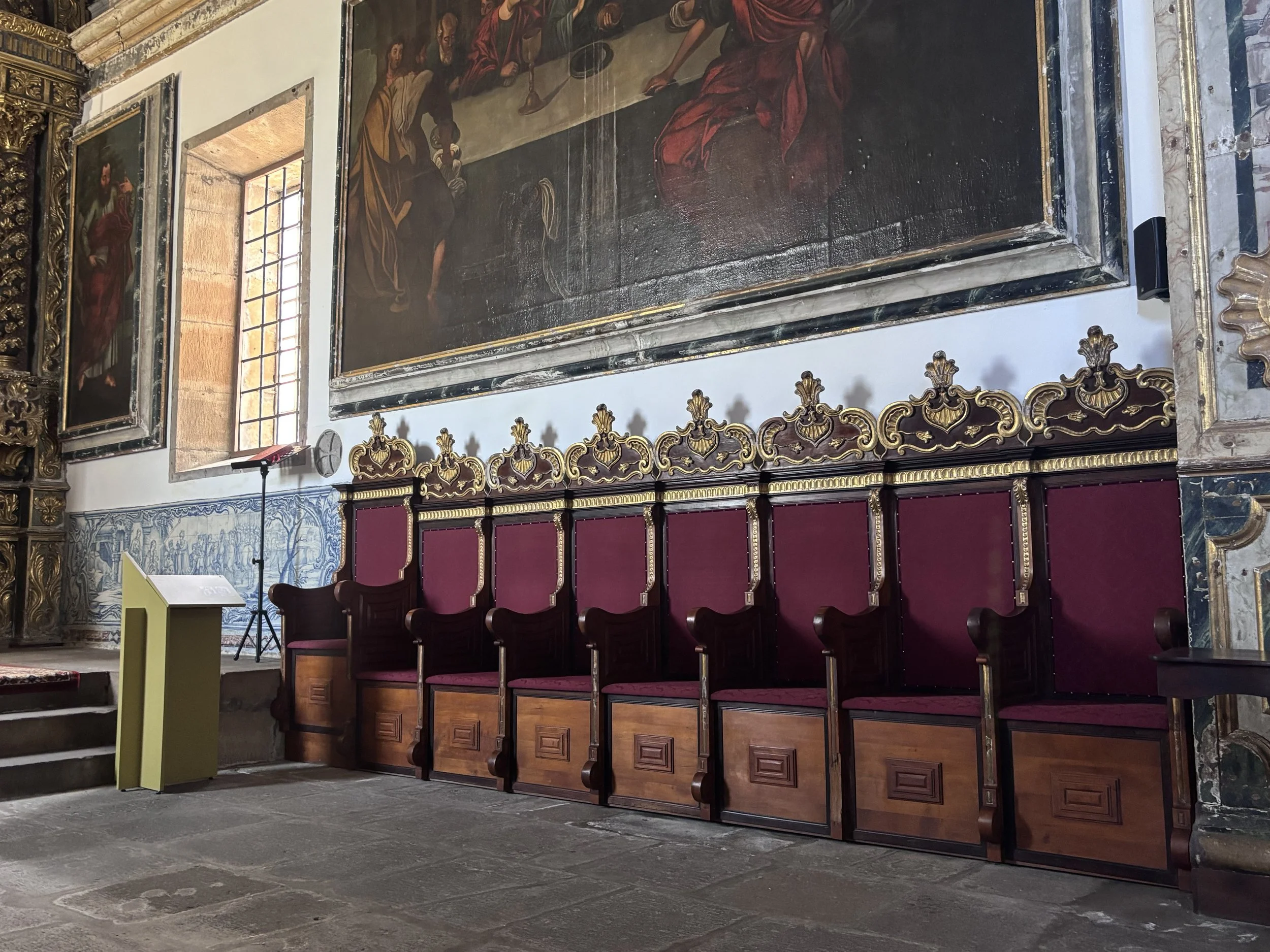
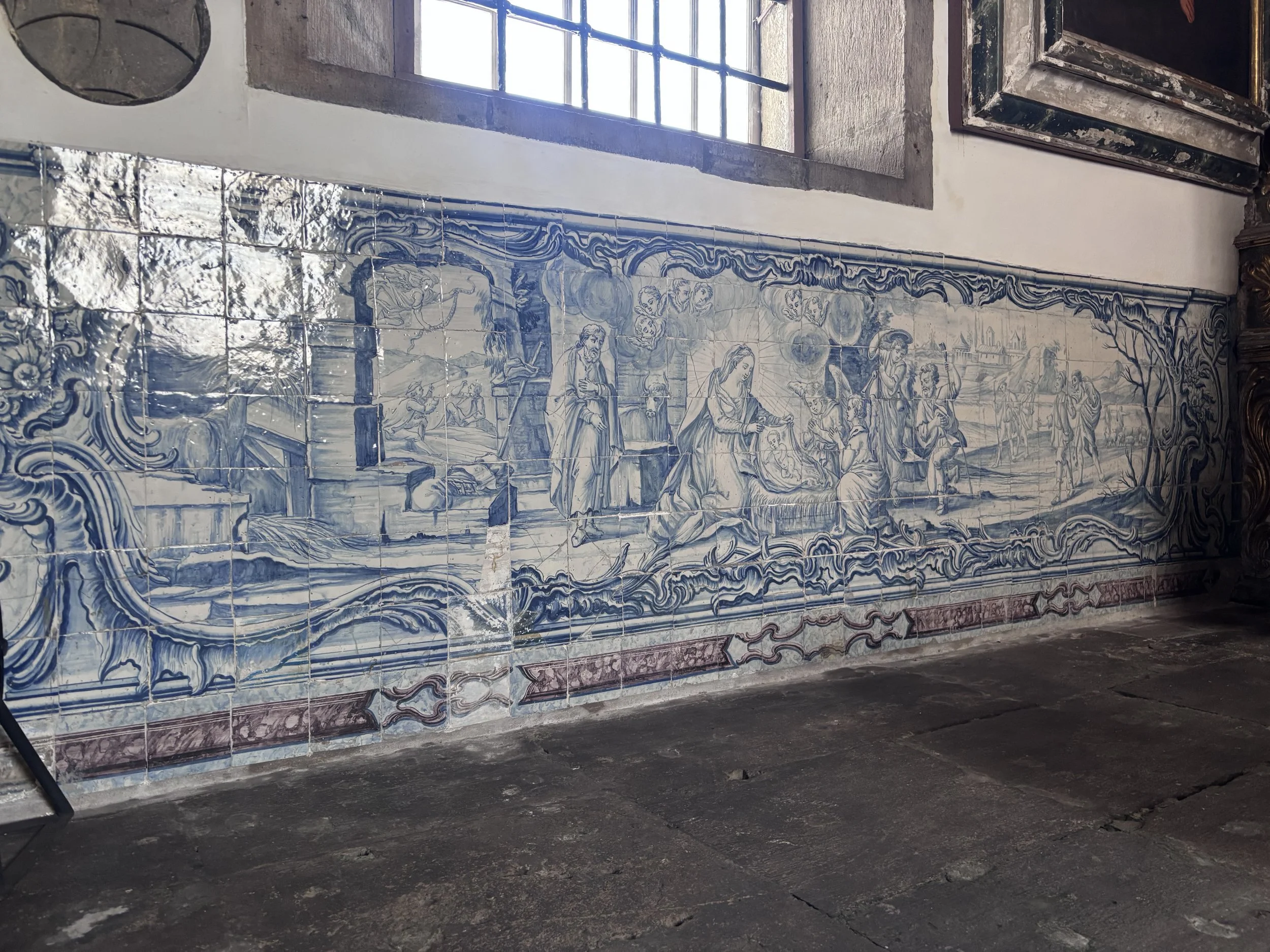
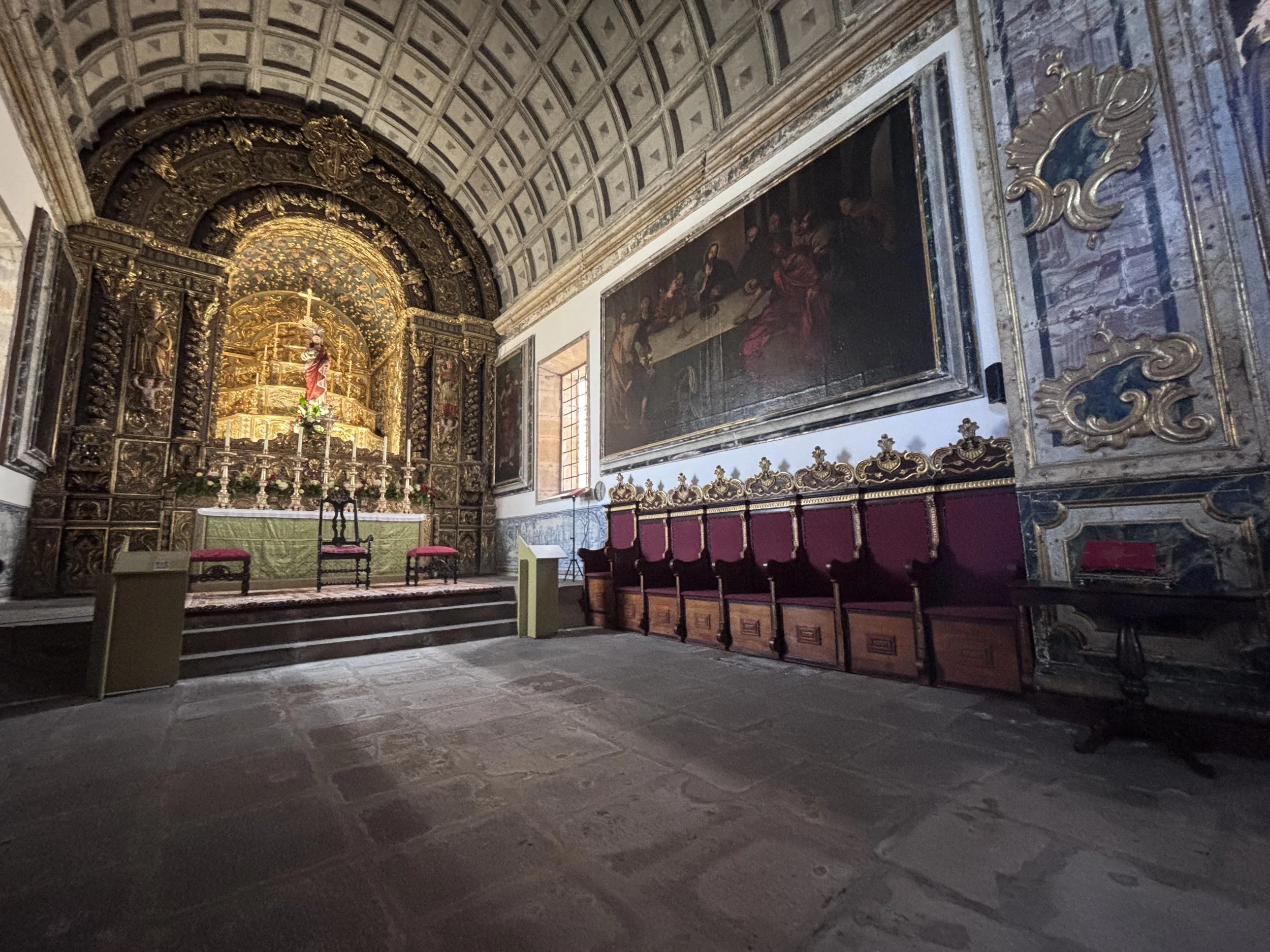
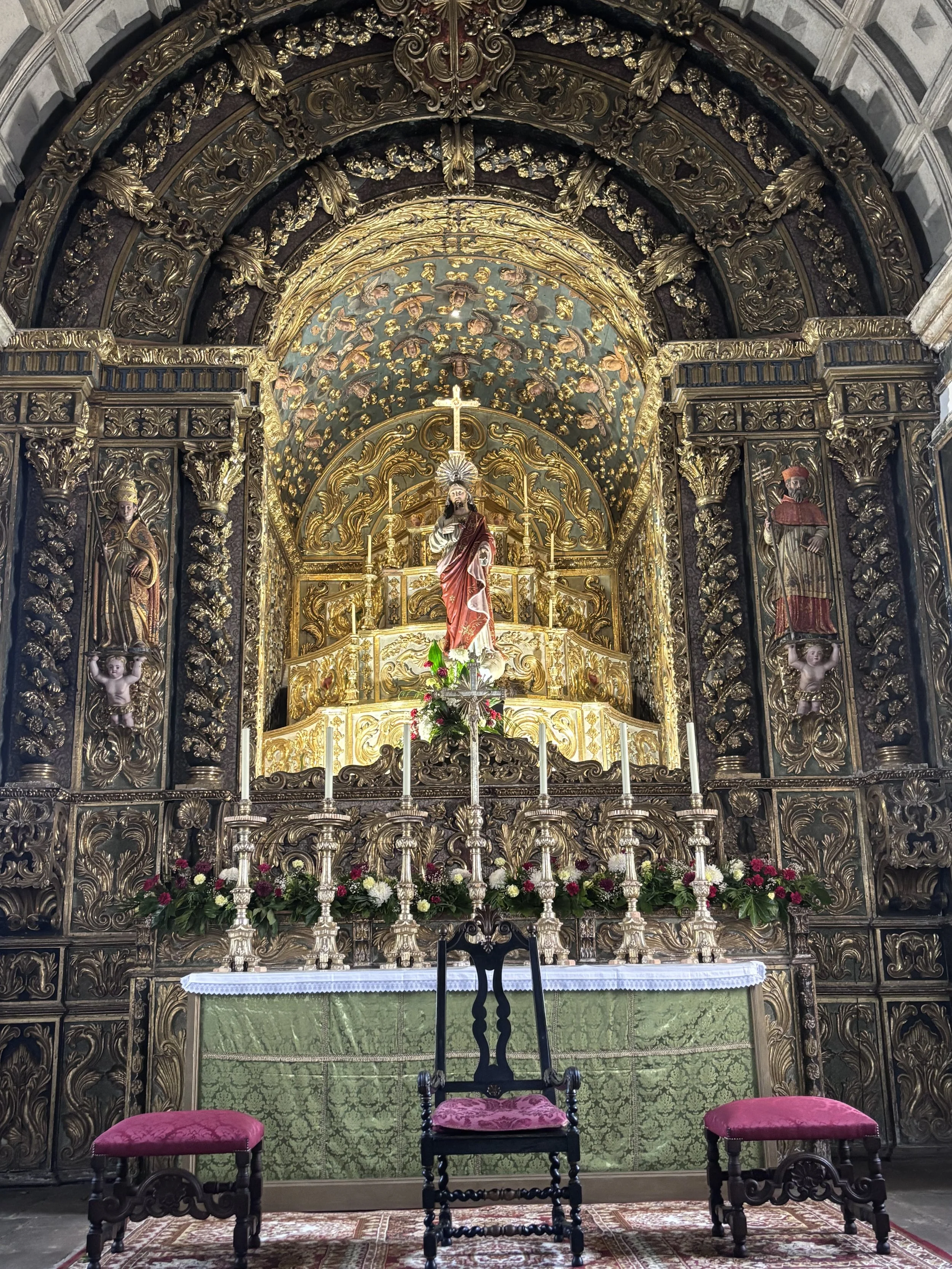
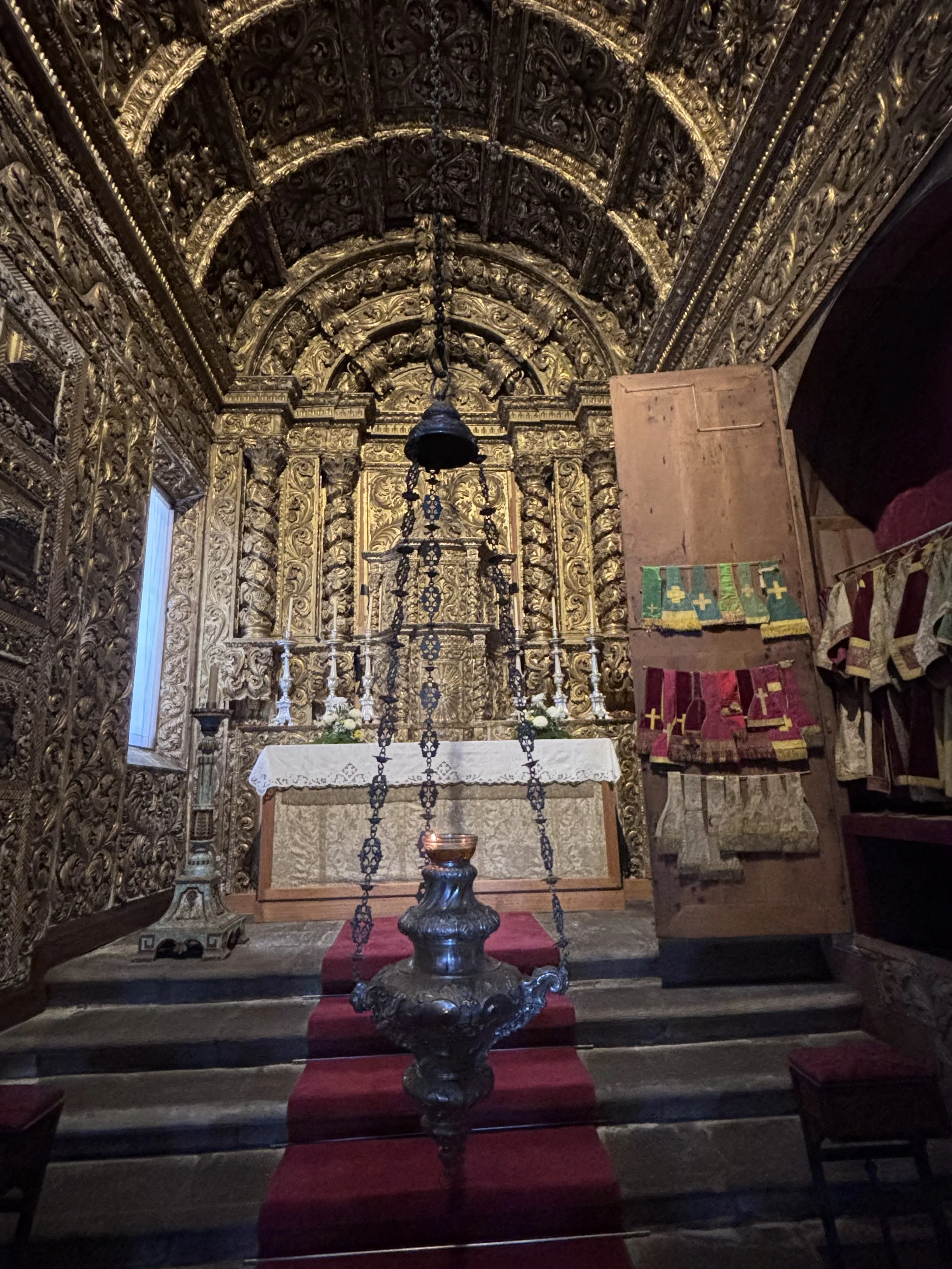
We also visited the Angra do Heroísmo Museum, housed in a beautifully preserved 17th-century Franciscan convent. The museum showcases a diverse collection of artifacts, including ceramics, sculptures, weapons, paintings, furniture, and navigational instruments. The complex also features the Church of St. Francis, with its ornate woodwork, religious art, and striking tile panels.
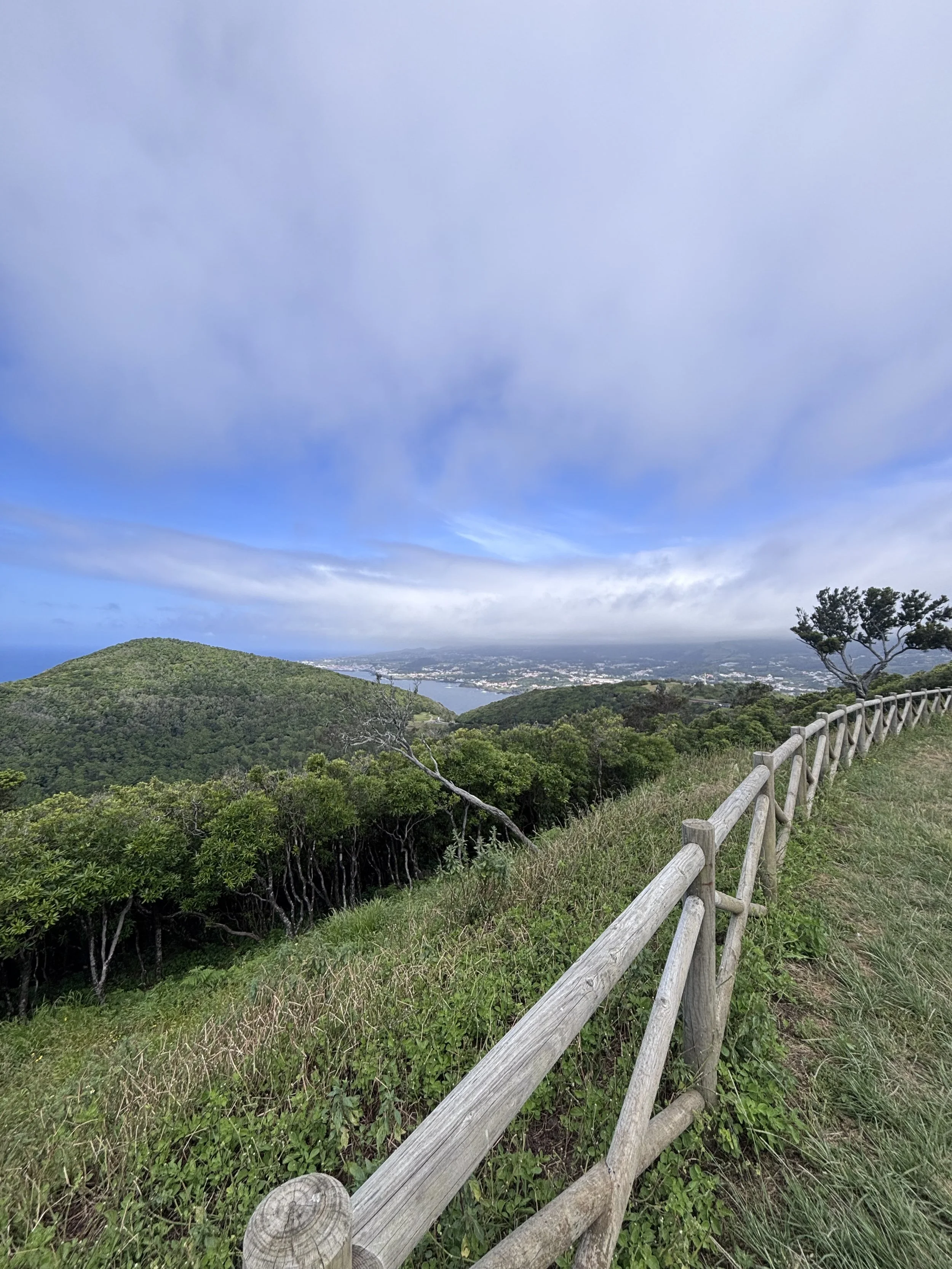
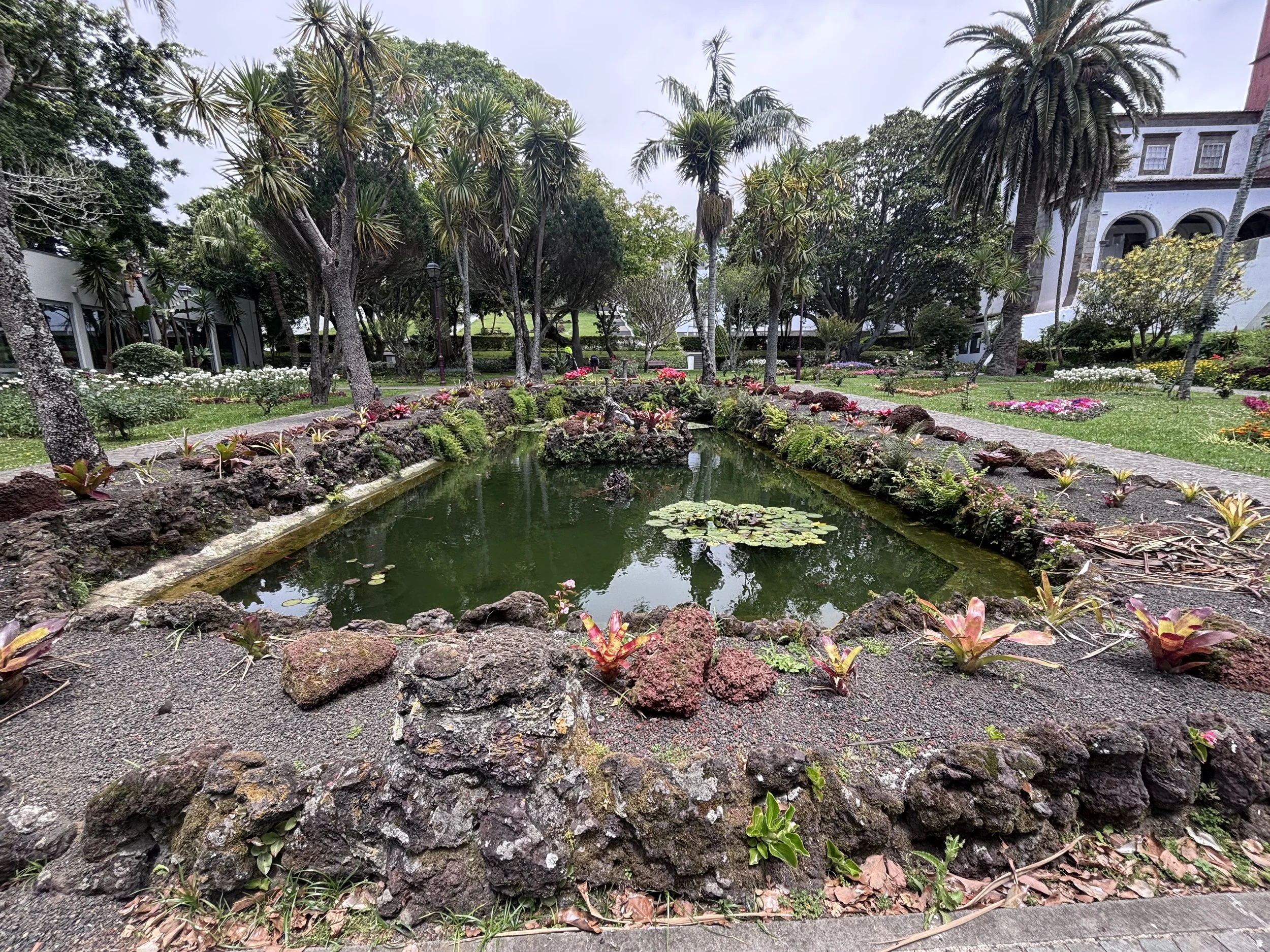
Another highlight was Jardim Duque da Terceira, in the heart of Angra do Heroísmo. It is a beautifully landscaped garden with terraced paths, ponds, and volcanic stonework. We followed the terraces up to the hilltop Alto da Memória obelisk, where we enjoyed incredible panoramic views of the city's historic center, harbor, and surrounding coastline.
The anchorage in Angra is somewhat exposed to swell generated by winds with a southerly component. That was the situation while we were there, making everything quite bumpy and less than ideal for sleeping. After two nights of lackluster sleep, we moved over to Praia da Vitória on the other side of Terceira. It is a much smaller, sleepier town, but it is quaint in its own way, and it has afforded us much better sleep.
While here, we identified a steering issue that we've been working to address. After our crossing to the Azores, we noticed the steering felt significantly looser than normal. Ken pulled our bed apart to expose the inner workings of the steering system. We had recently replaced the steering cable and were confident it wasn't the problem, and his initial inspection confirmed that. After a slight misdiagnosis, Ken discovered that the stainless-steel pin running through the starboard pulley had become significantly worn on one side, creating excessive wobble.
The pin itself is inexpensive, but having one shipped to the Azores would have been both costly and time-consuming, potentially causing us to miss our next weather window to Ireland. Thankfully, we found a machine shop here on the island that could quickly fabricate a replacement. They were fantastic to work with, but after receiving the new pin, we realized we had given them the wrong measurements, so it wouldn't fit. Rather than ordering another one, Ken repositioned the existing worn pin and reinstalled it. It should work well enough until we reach Ireland, where we can get a proper replacement from the manufacturer.
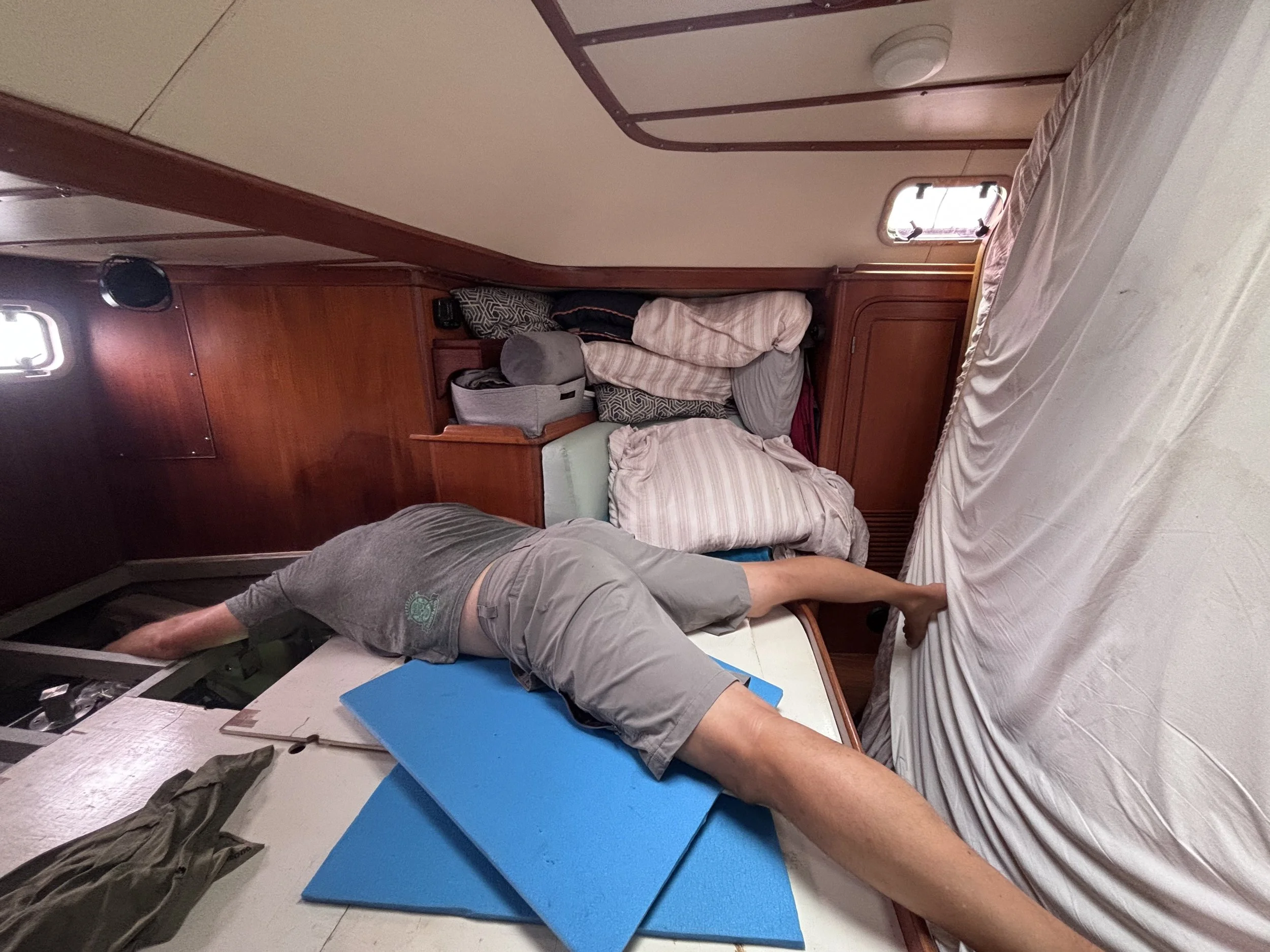
Ken working on the steering issue beneath our bed
Life here in Praia is quiet and slow-paced. We've enjoyed watching the World Cup at local establishments, taking long walks to nearby towns like Porto Martins, and spending time with our Doug, whom we first met in Beaufort, North Carolina, before our crossing to Bermuda. We have also enjoyed hanging out with new friends we’ve met since being in the Azores: Shane, a solo sailor originally from Ireland who has lived in the States for a significant portion of his life; Nick and Wendy from England; and Oksana and Marcus from Switzerland. Having the opportunity to meet so many people from different cultures has definitely been a highlight of this experience for me.
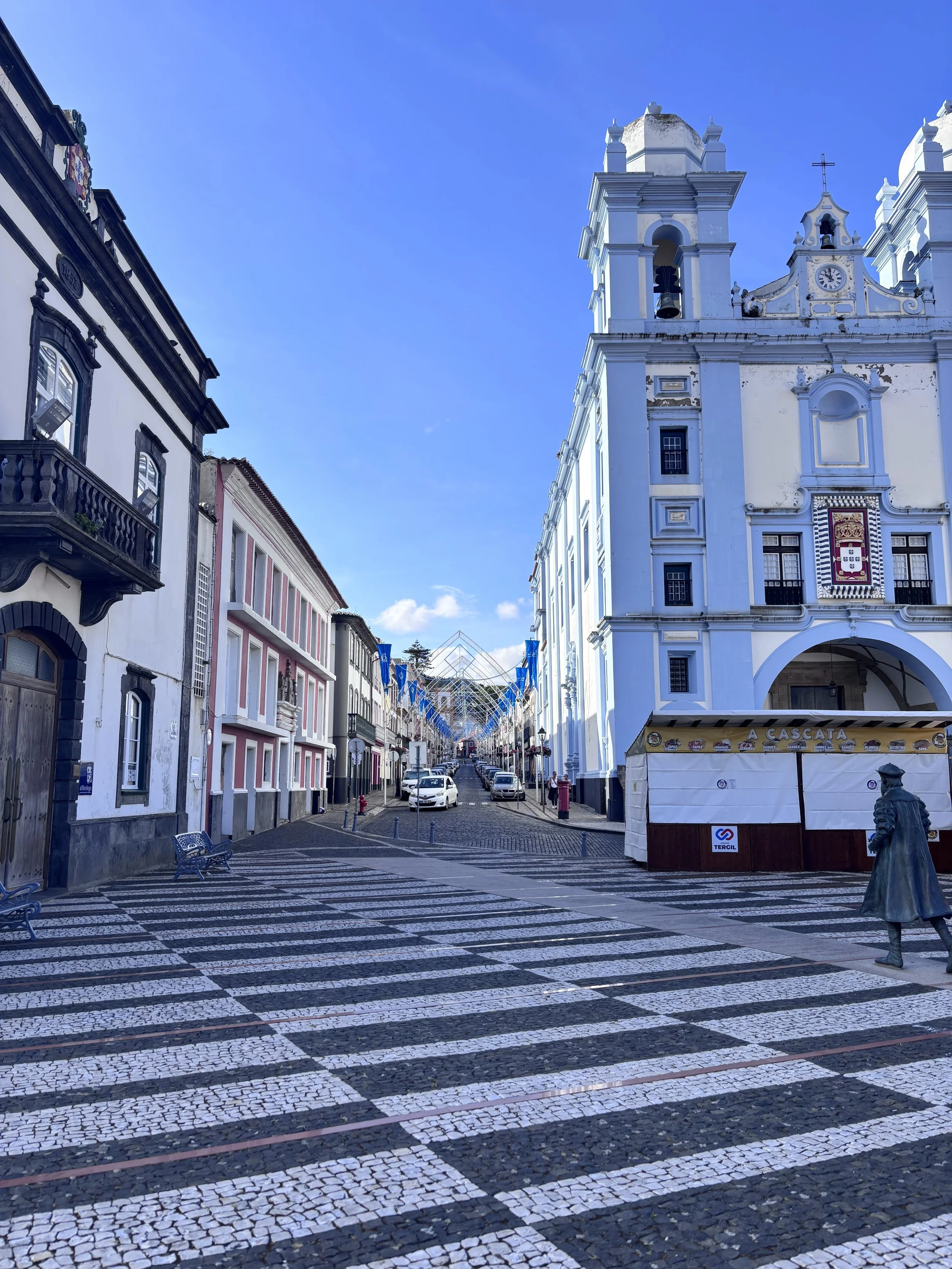
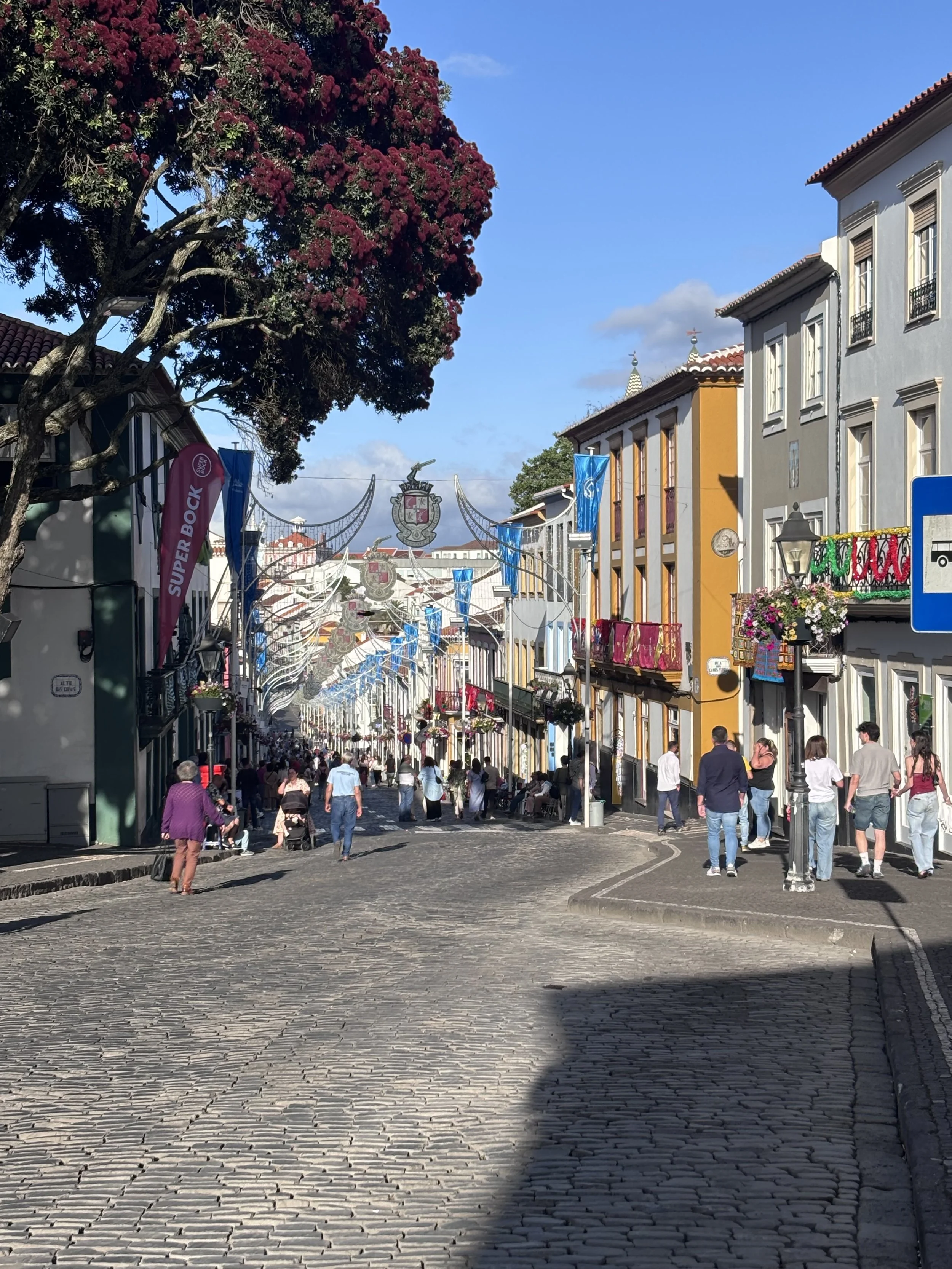
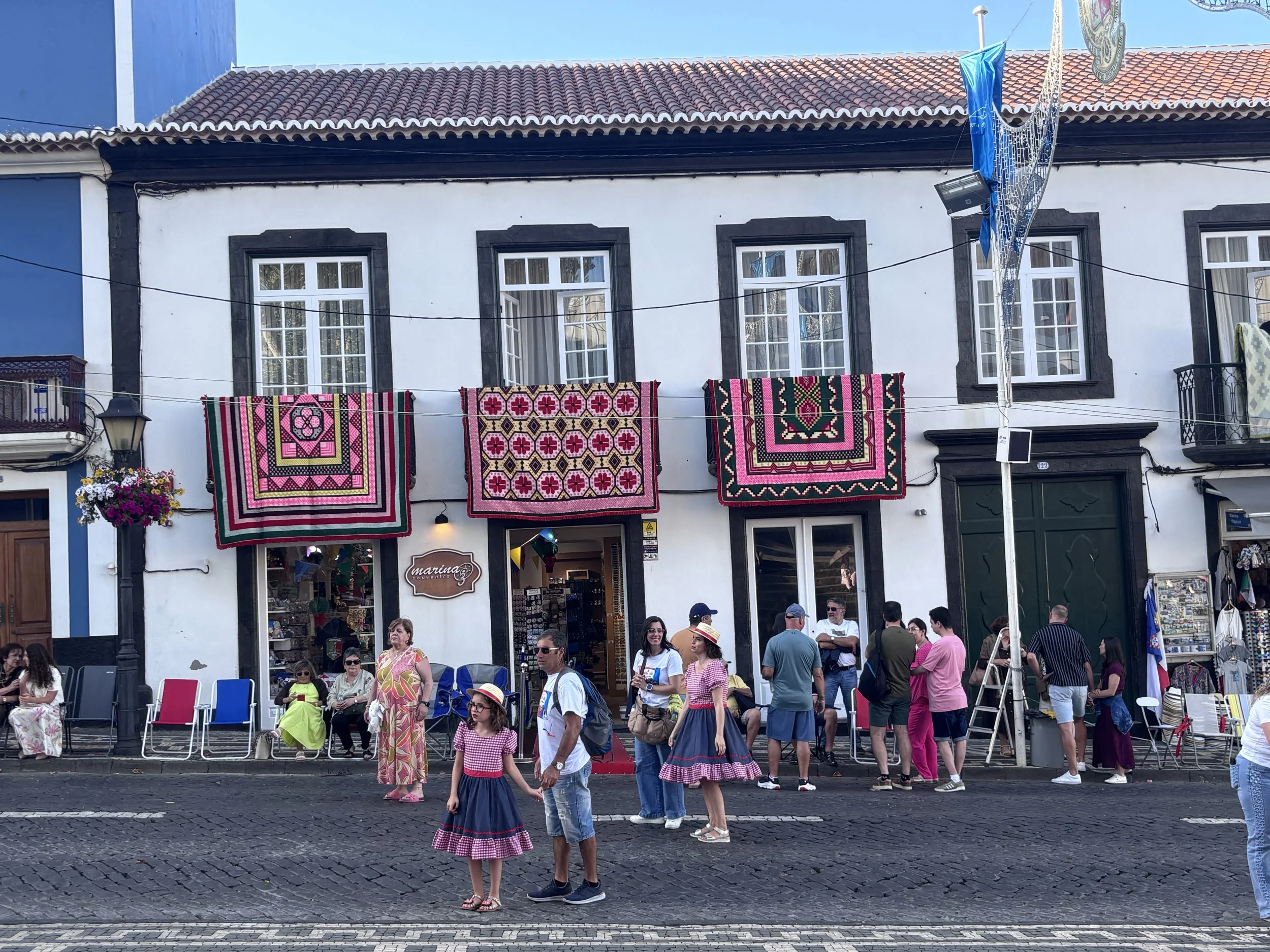
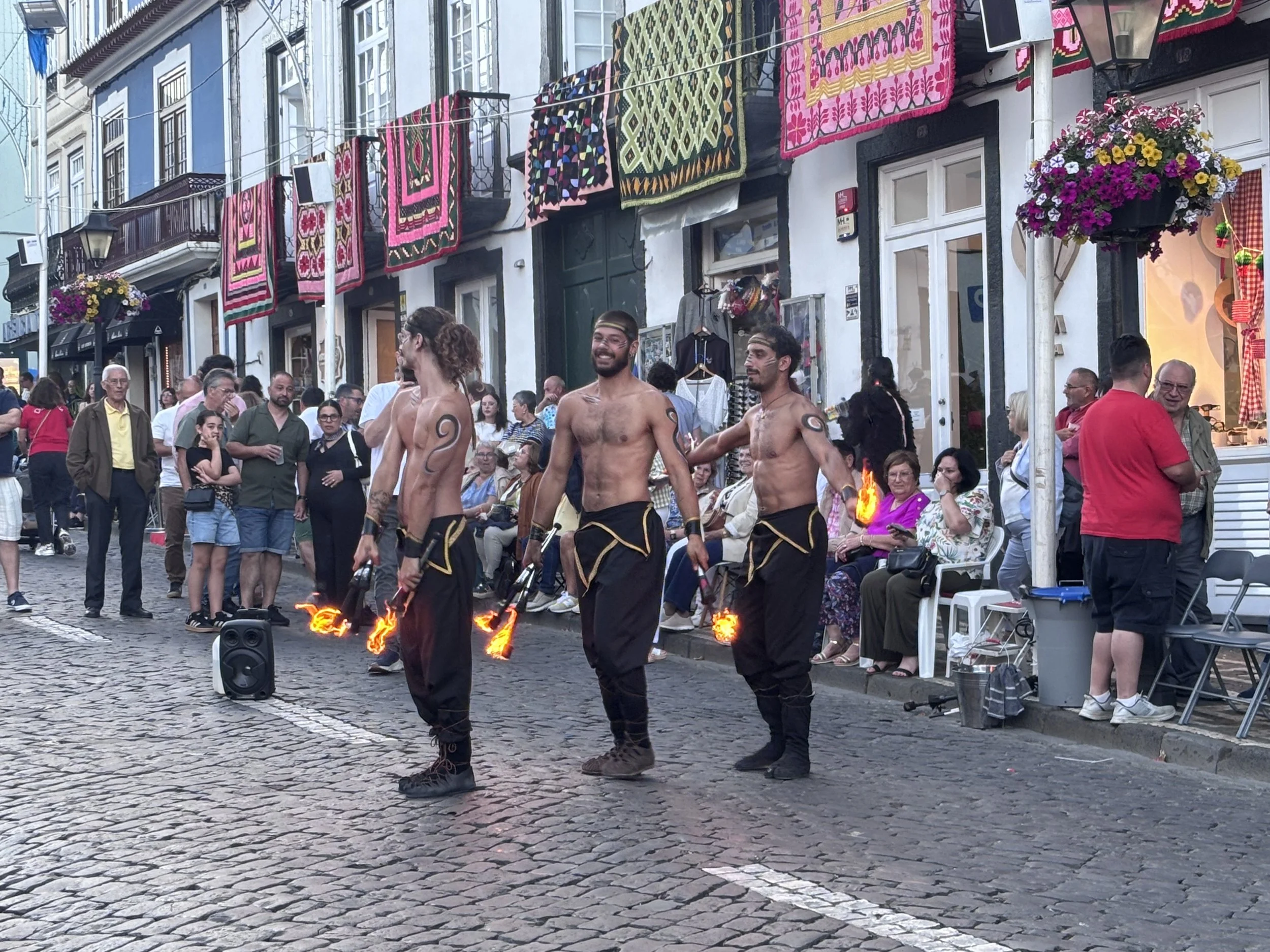
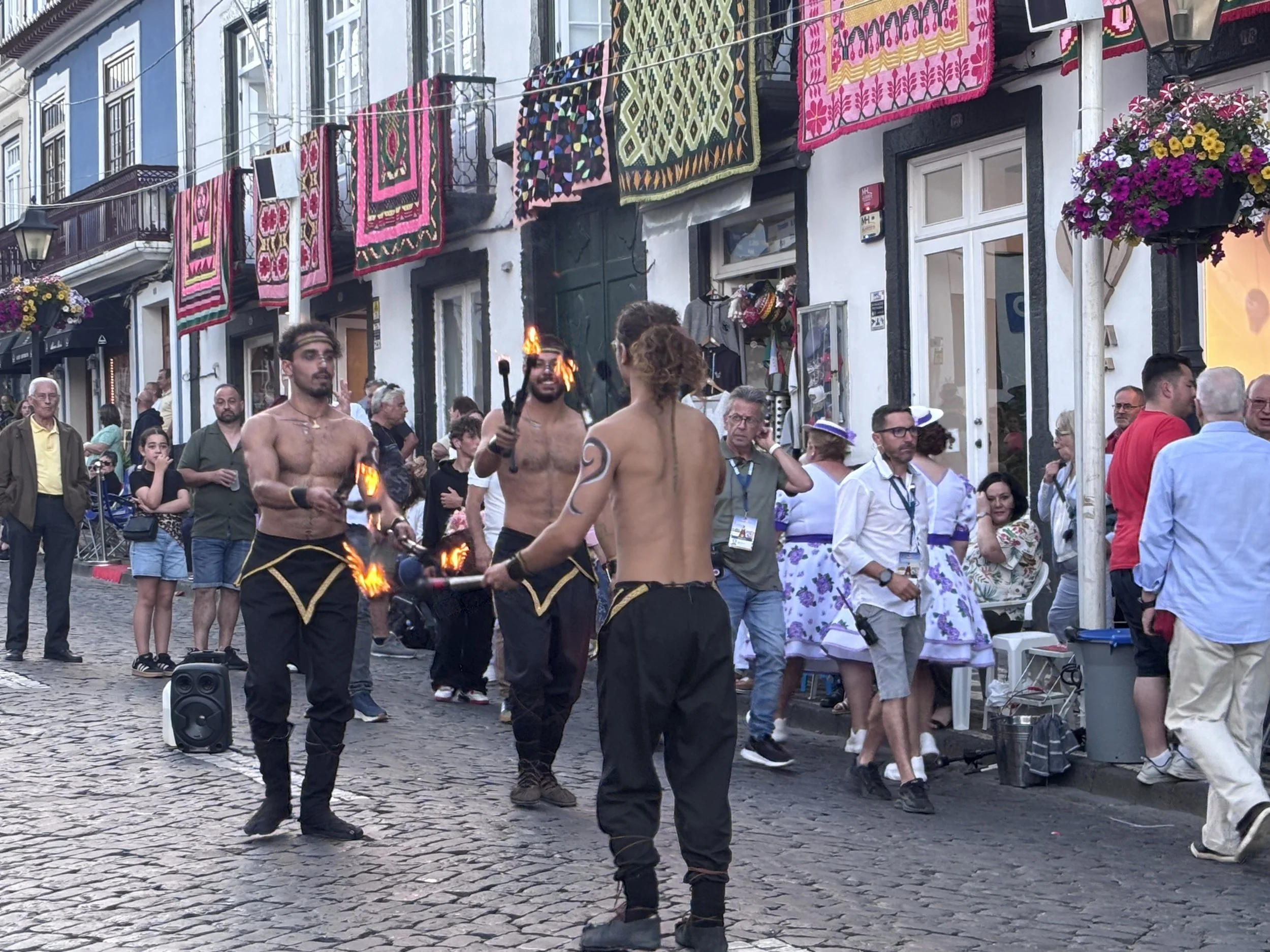
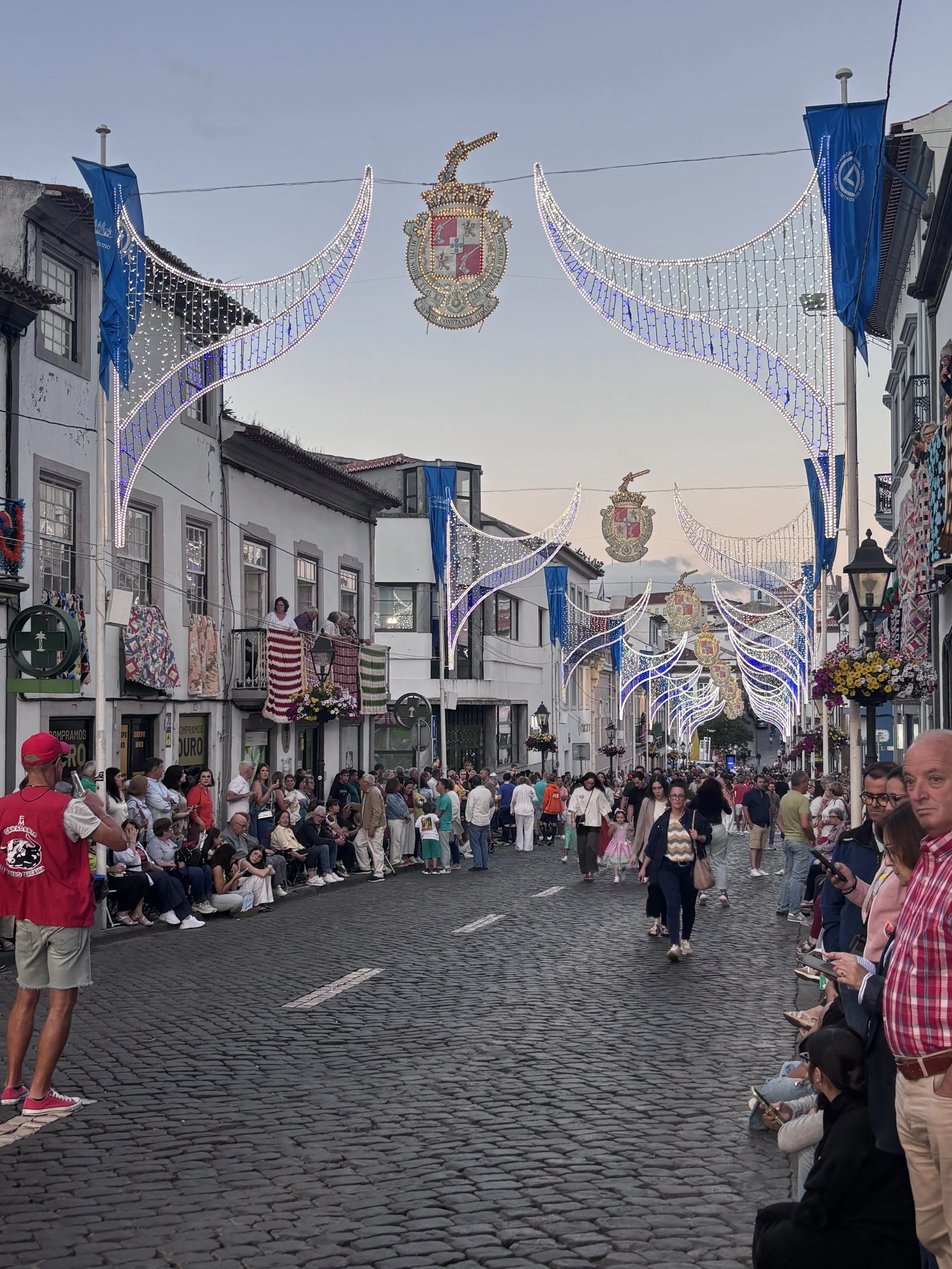
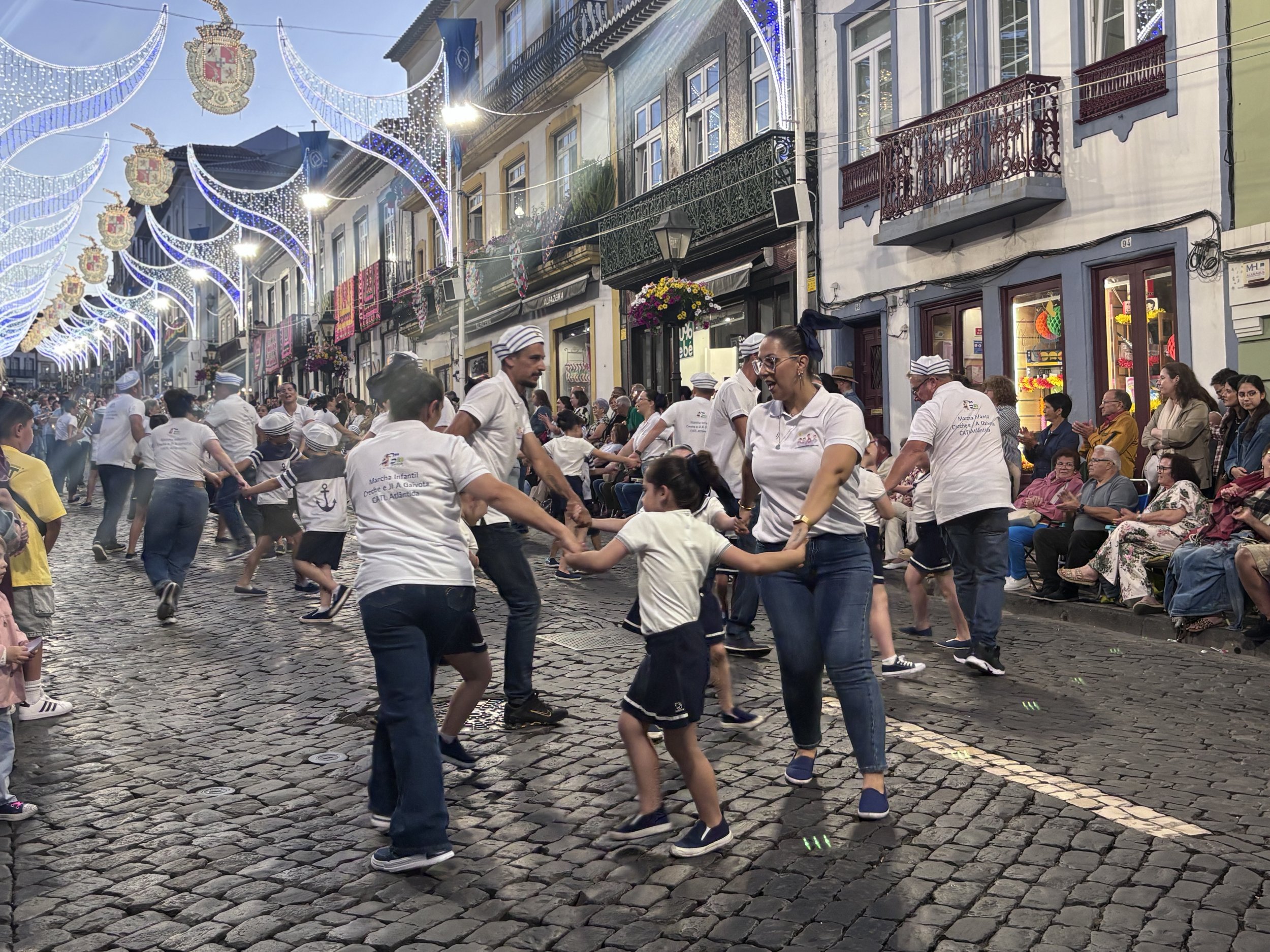
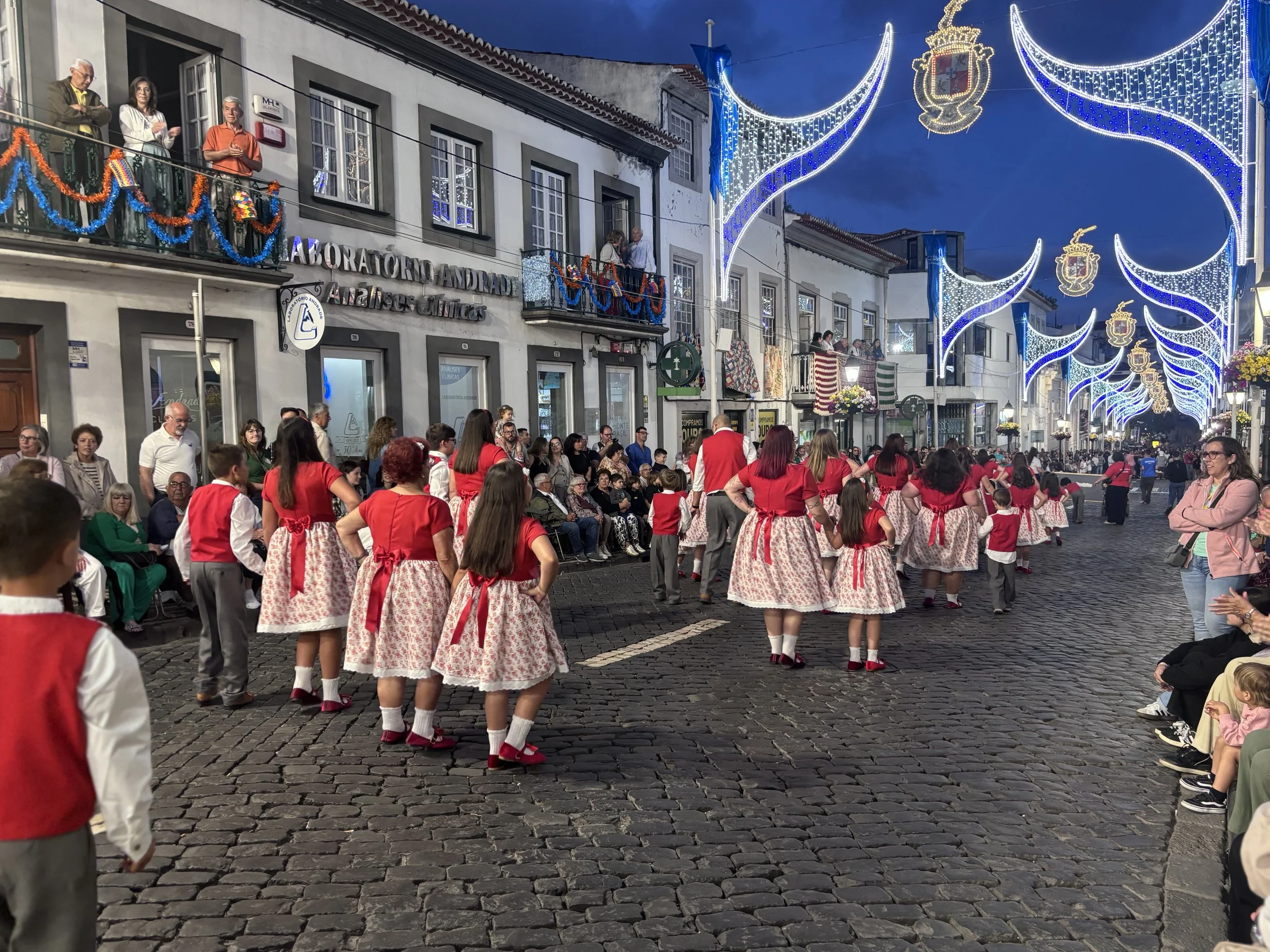
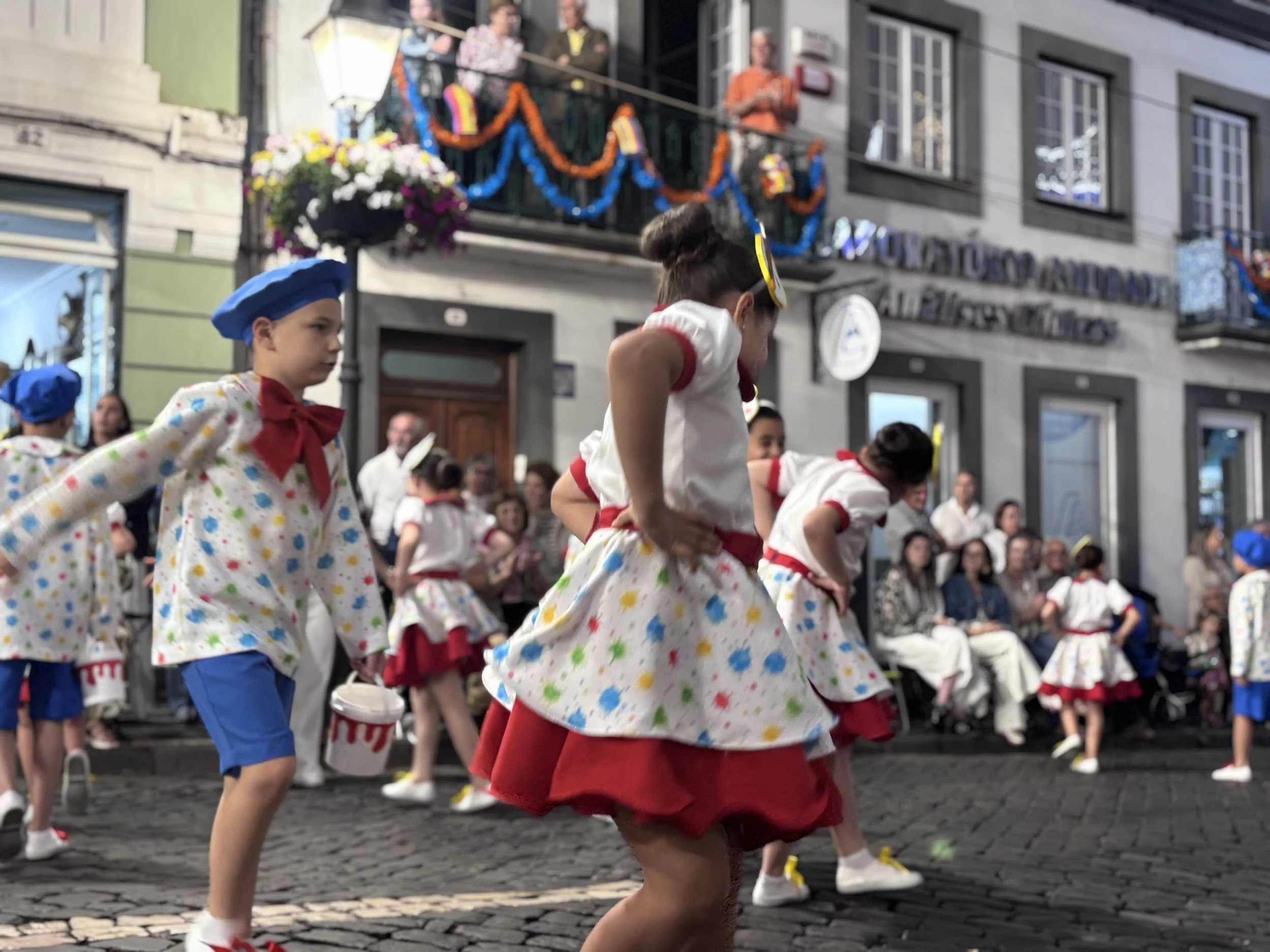
This week is the Sanjoaninas Festival in Angra do Heroísmo, the biggest annual celebration in the Azores. It honors Saint John (São João), whose feast day is June 24, but it has grown into a 10-day cultural celebration featuring parades, food stalls called tascas, and concerts that run late into the night. While we're early birds rather than night owls, we enjoyed going back to Angra for a day to experience the parades, music, fire dancers, and beautifully decorated streets.
All in all, we have loved the three islands we've visited in the Azores—Faial, São Jorge, and Terceira—but we are now looking forward to completing our crossing and arriving in Ireland. As it stands, we have a weather window to depart on Sunday or Monday. We had initially hoped to have a third person aboard for the crossing, but schedules and sailing don't always cooperate. We have a good weather window, so we're going to take it. The crossing is about 1,100 nautical miles and should take around eight days, though the timing always depends on the conditions. We will once again send out daily updates during our passage!
All is well!
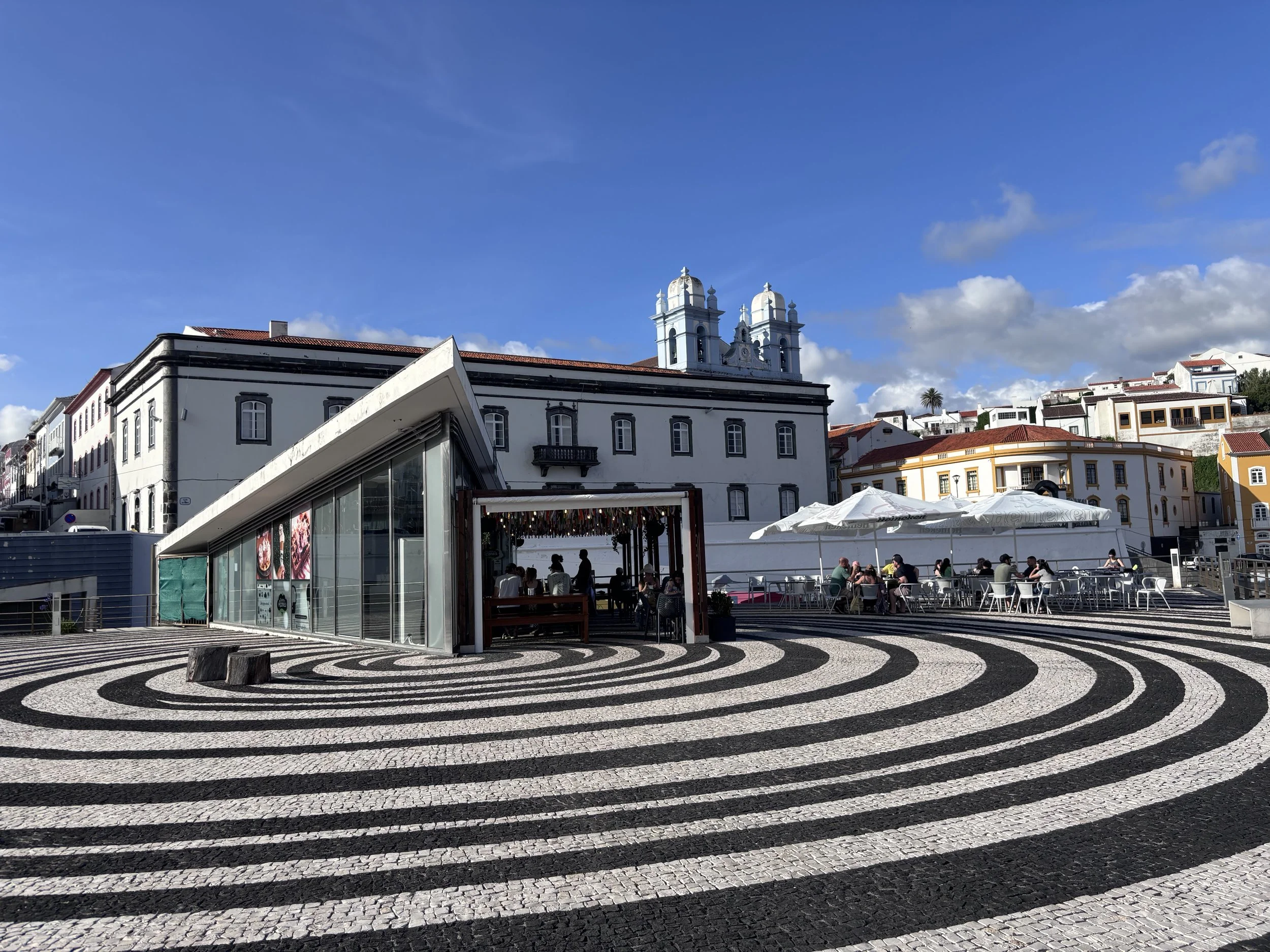
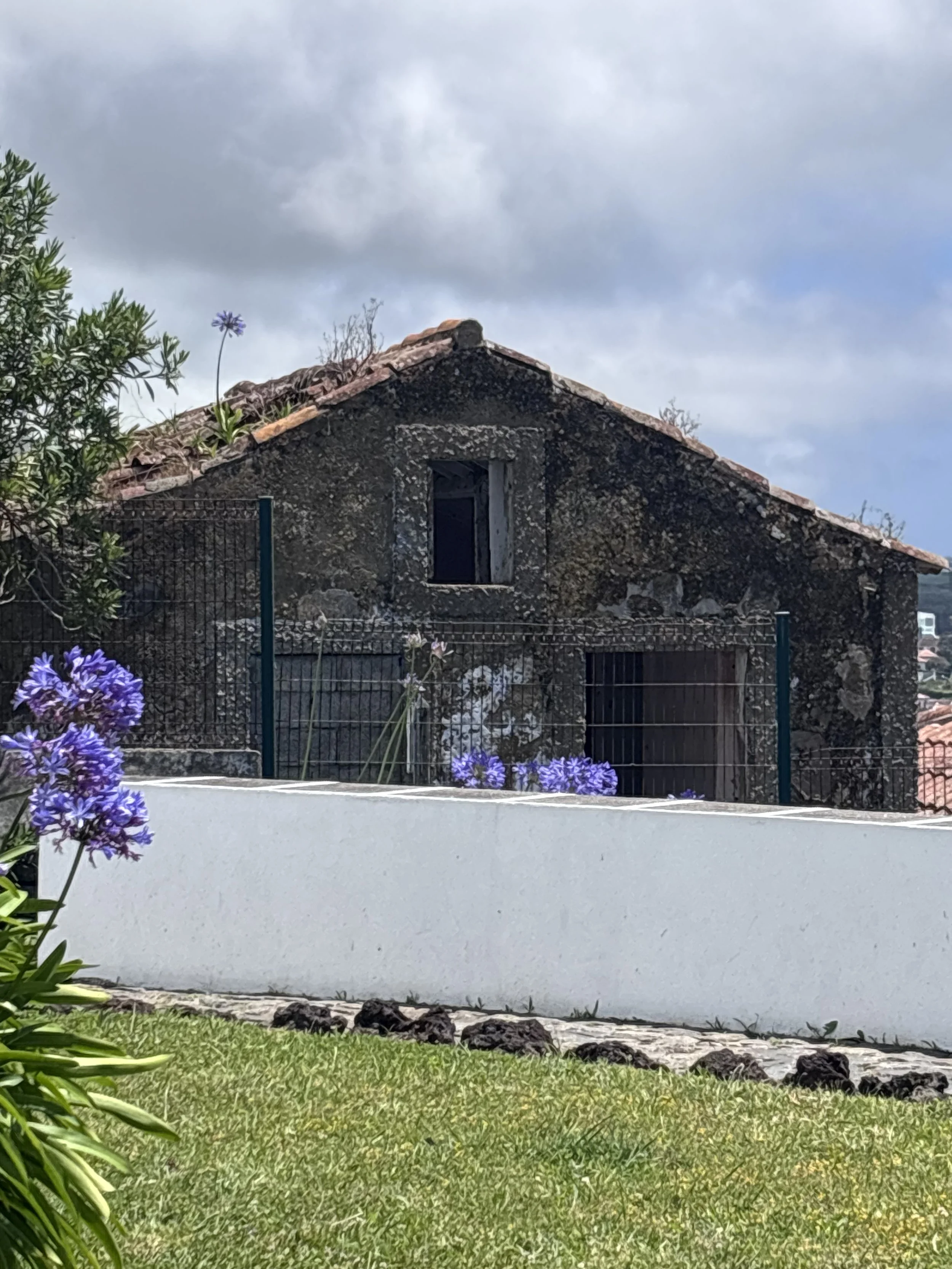
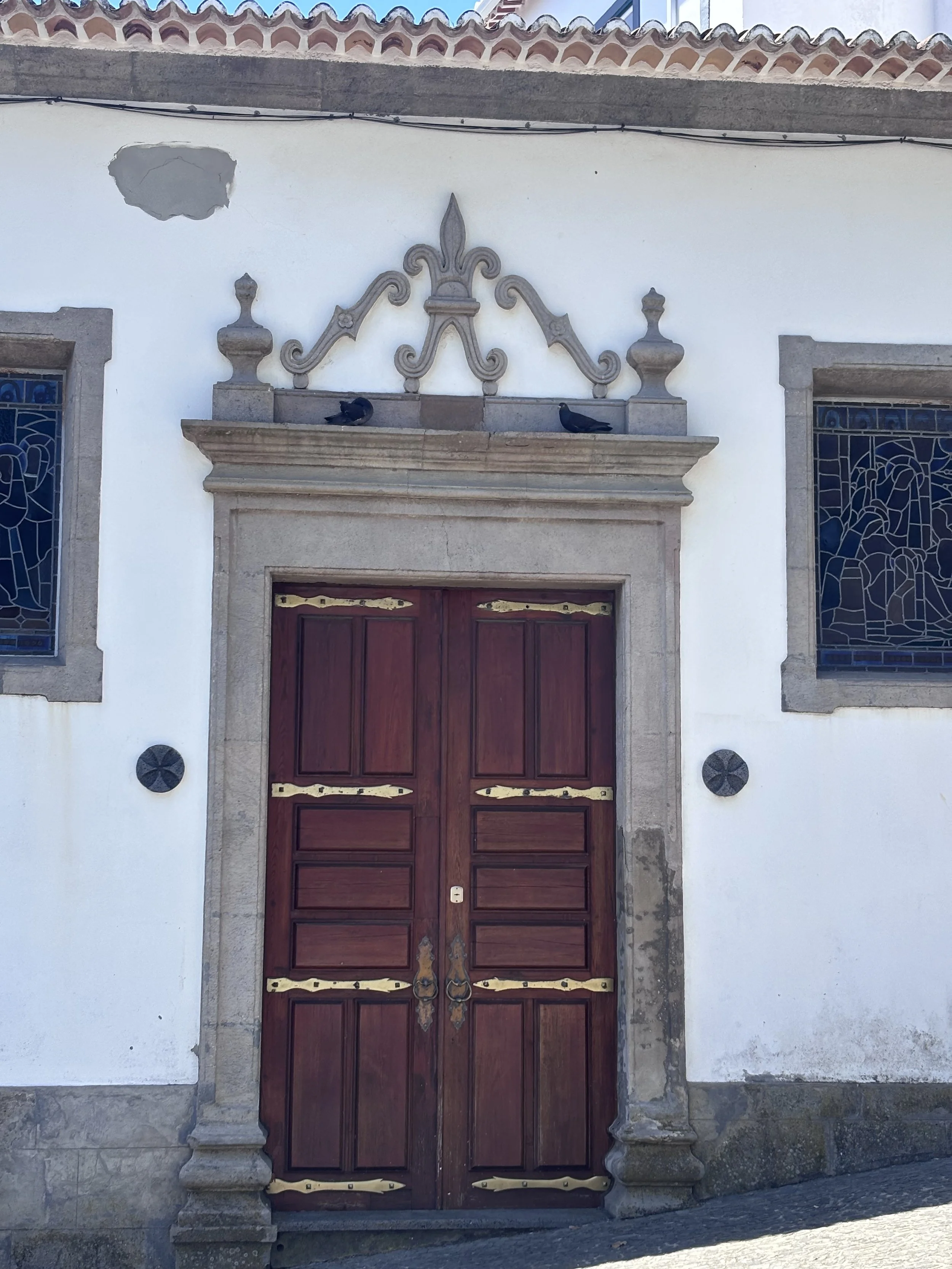
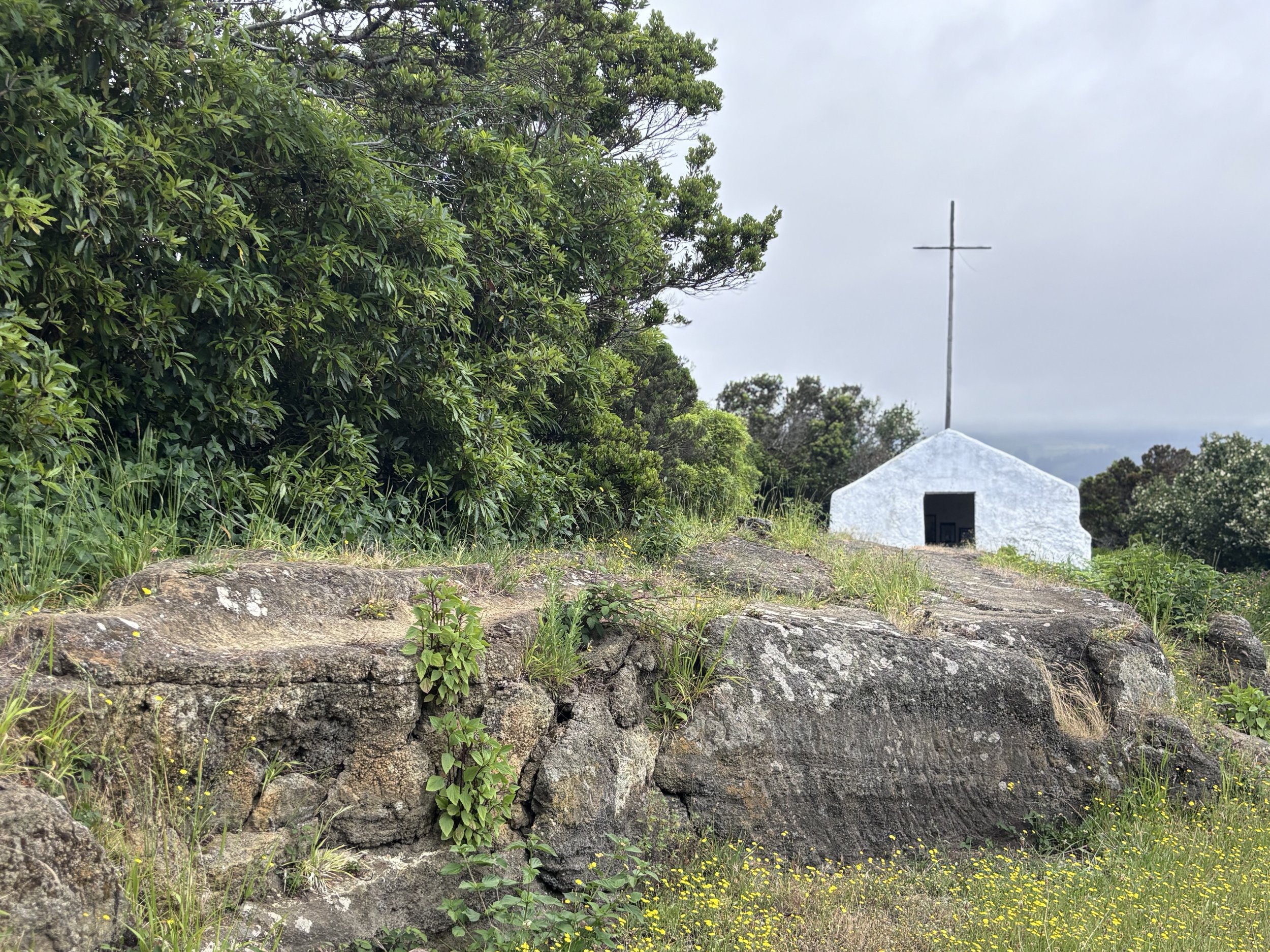
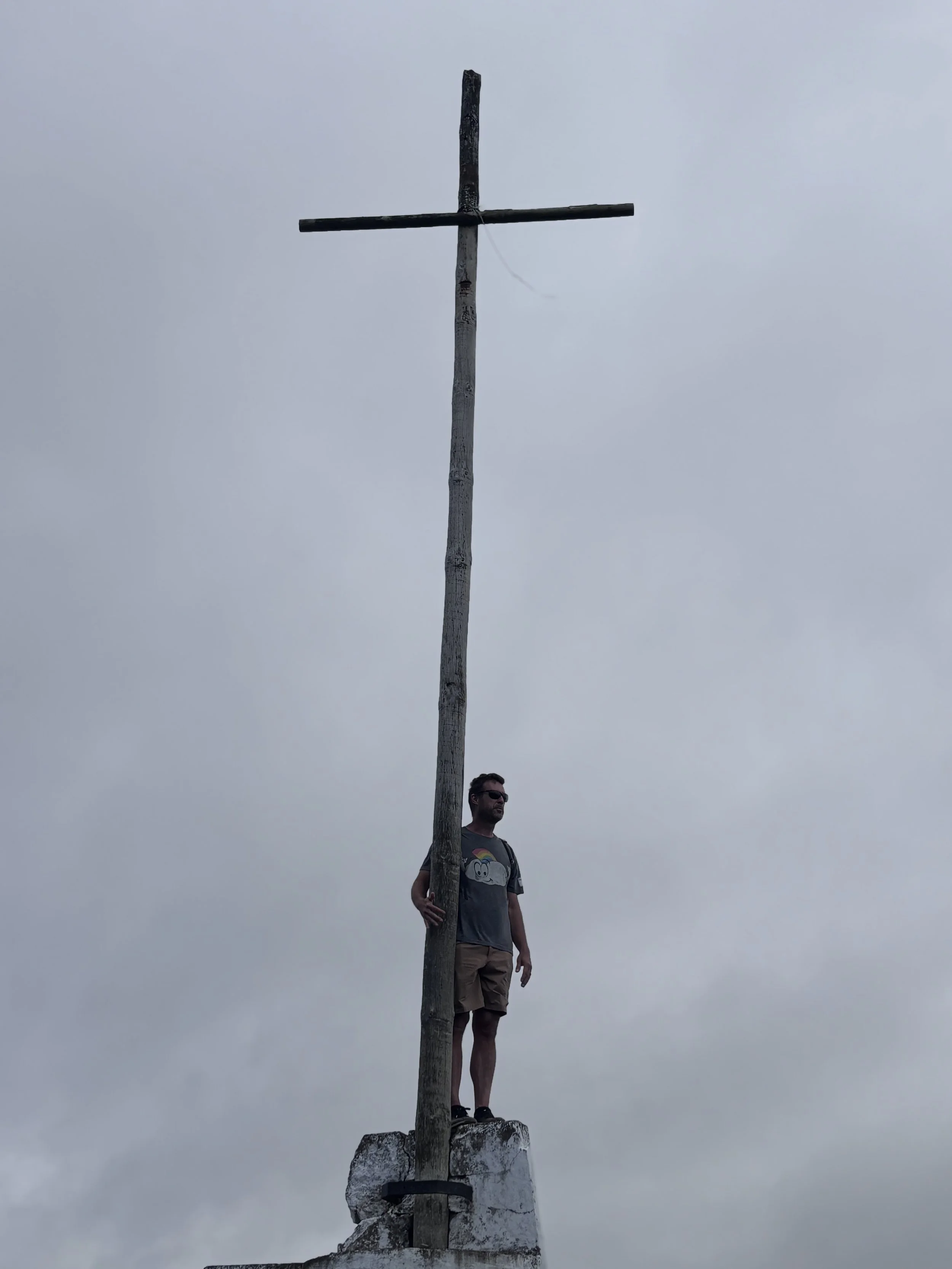
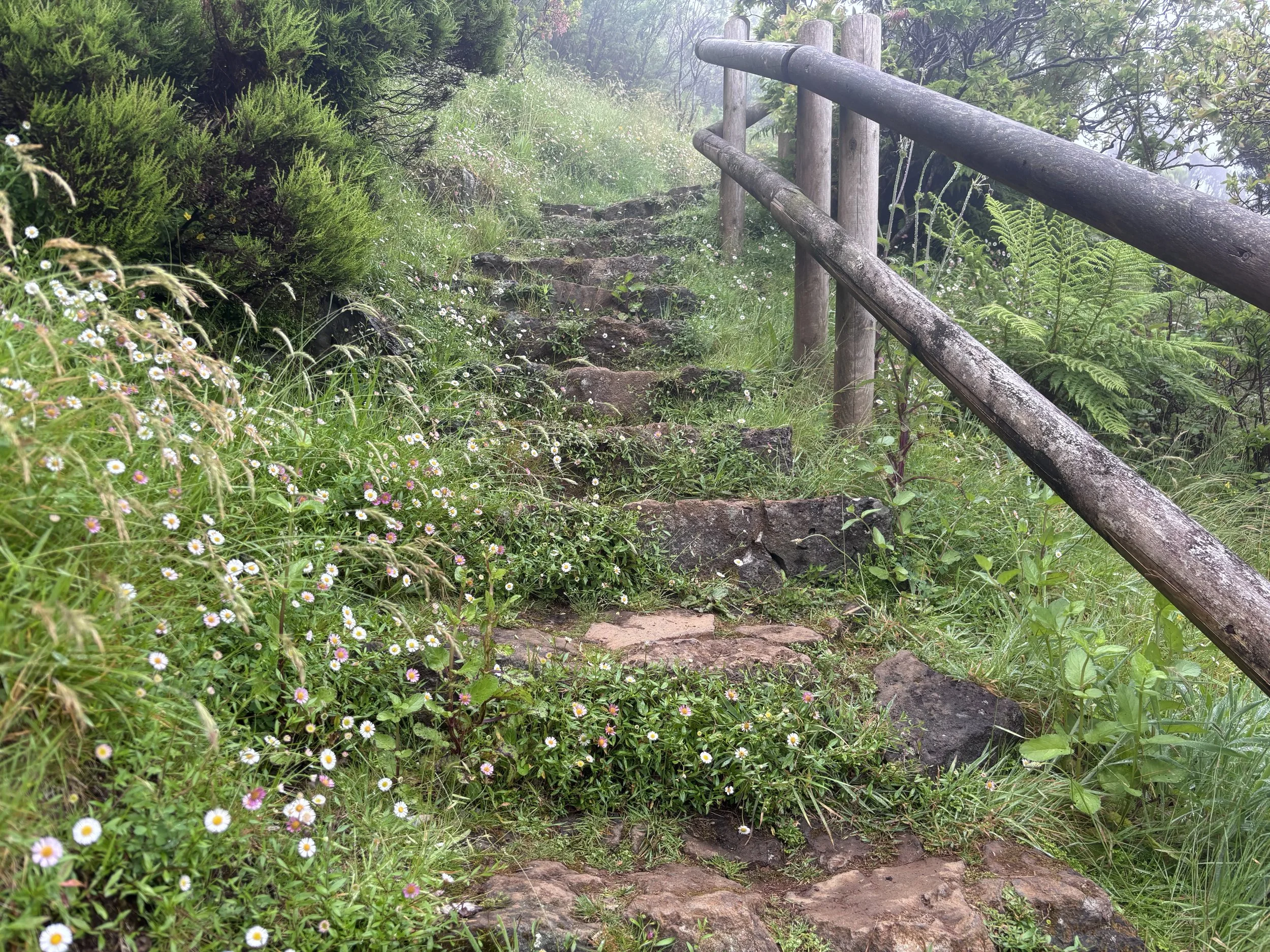
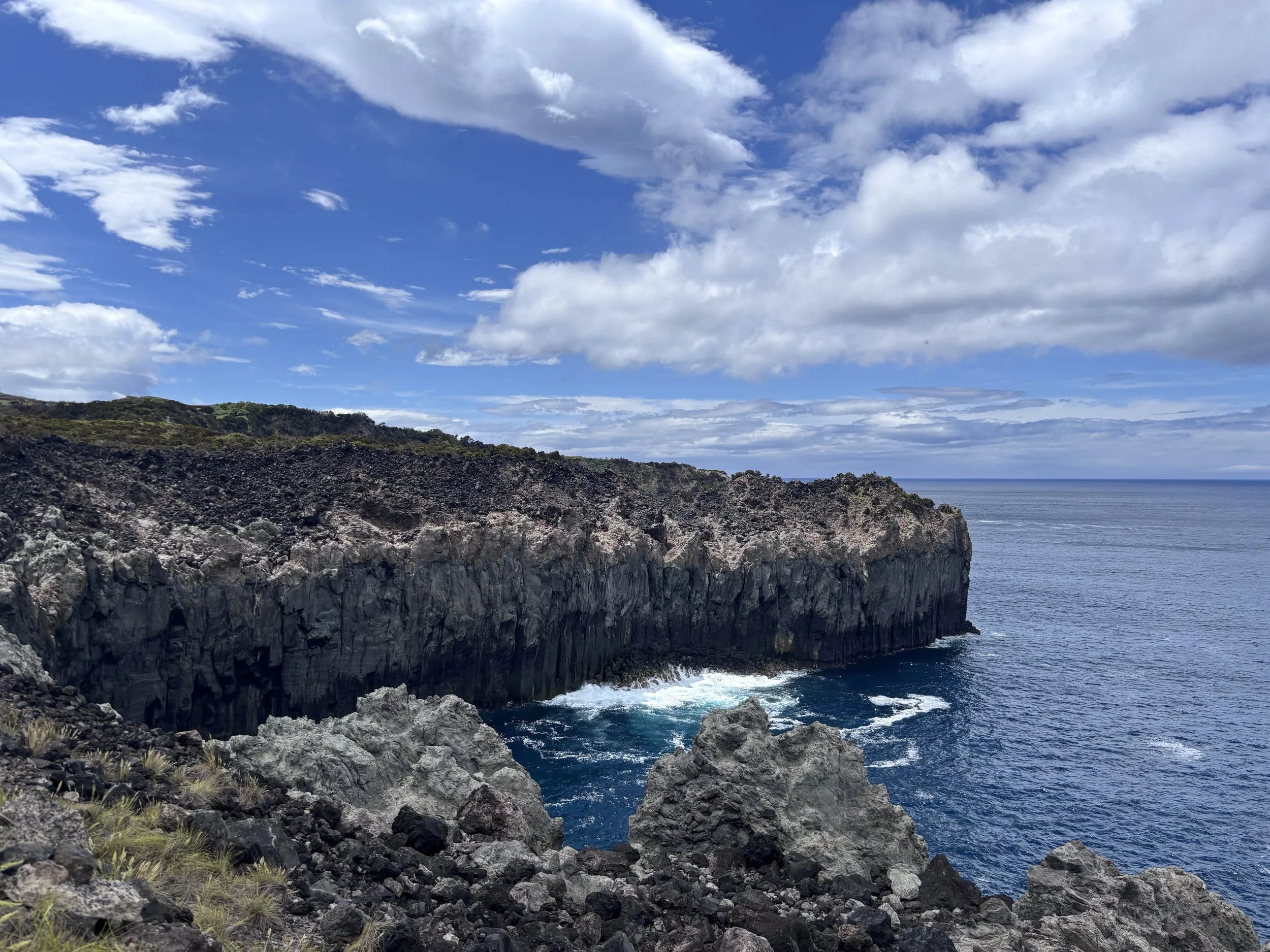
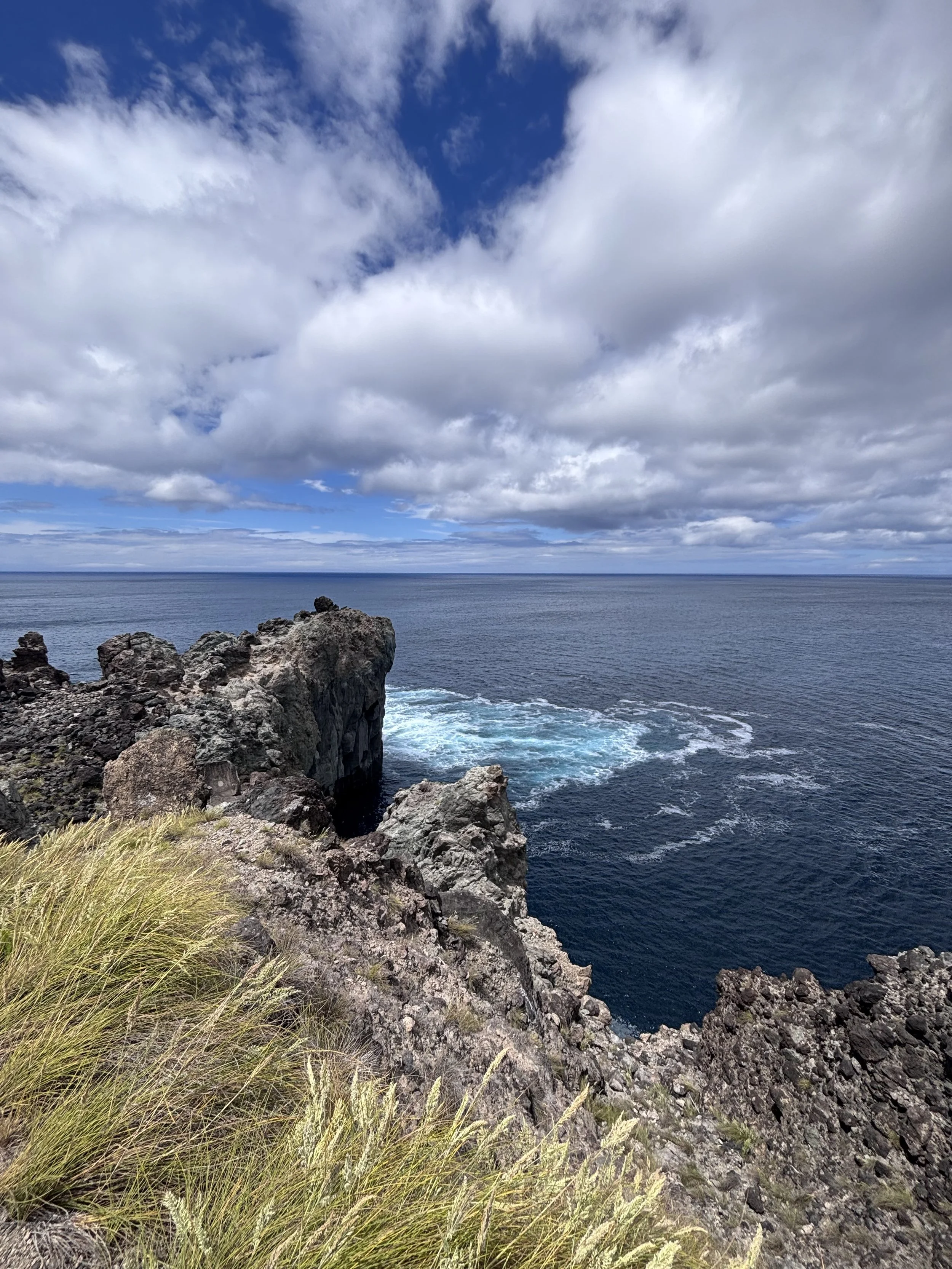
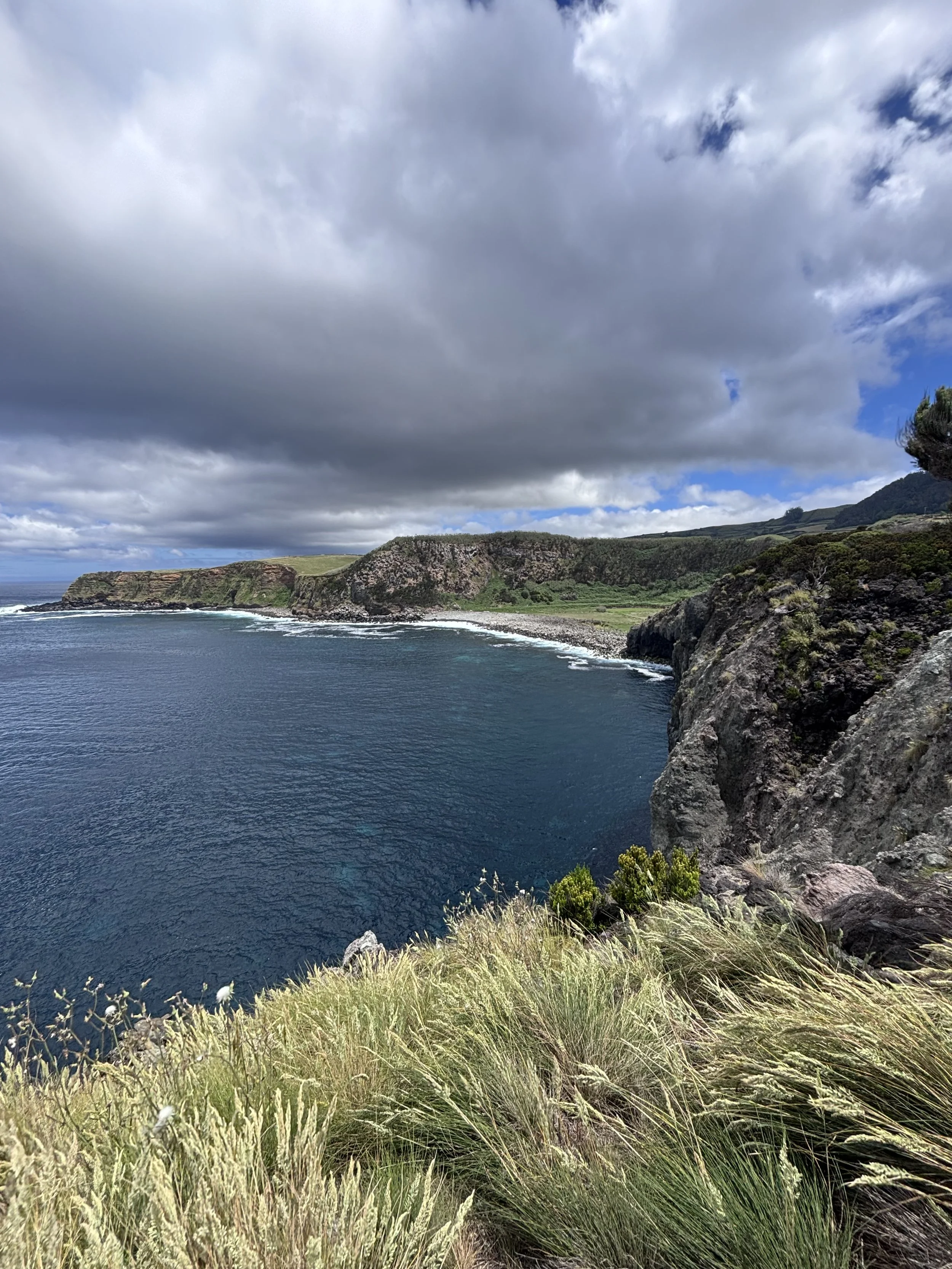
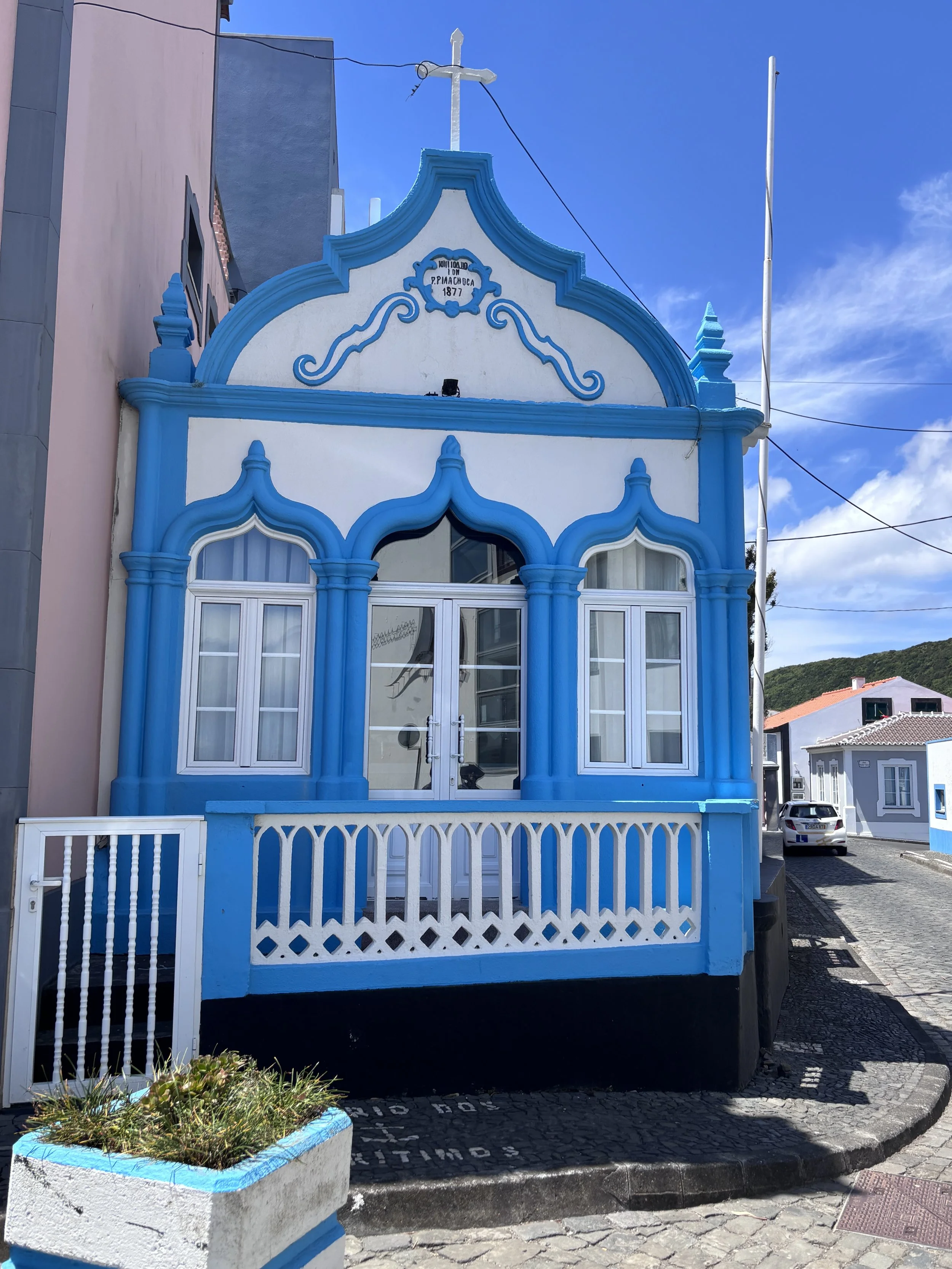
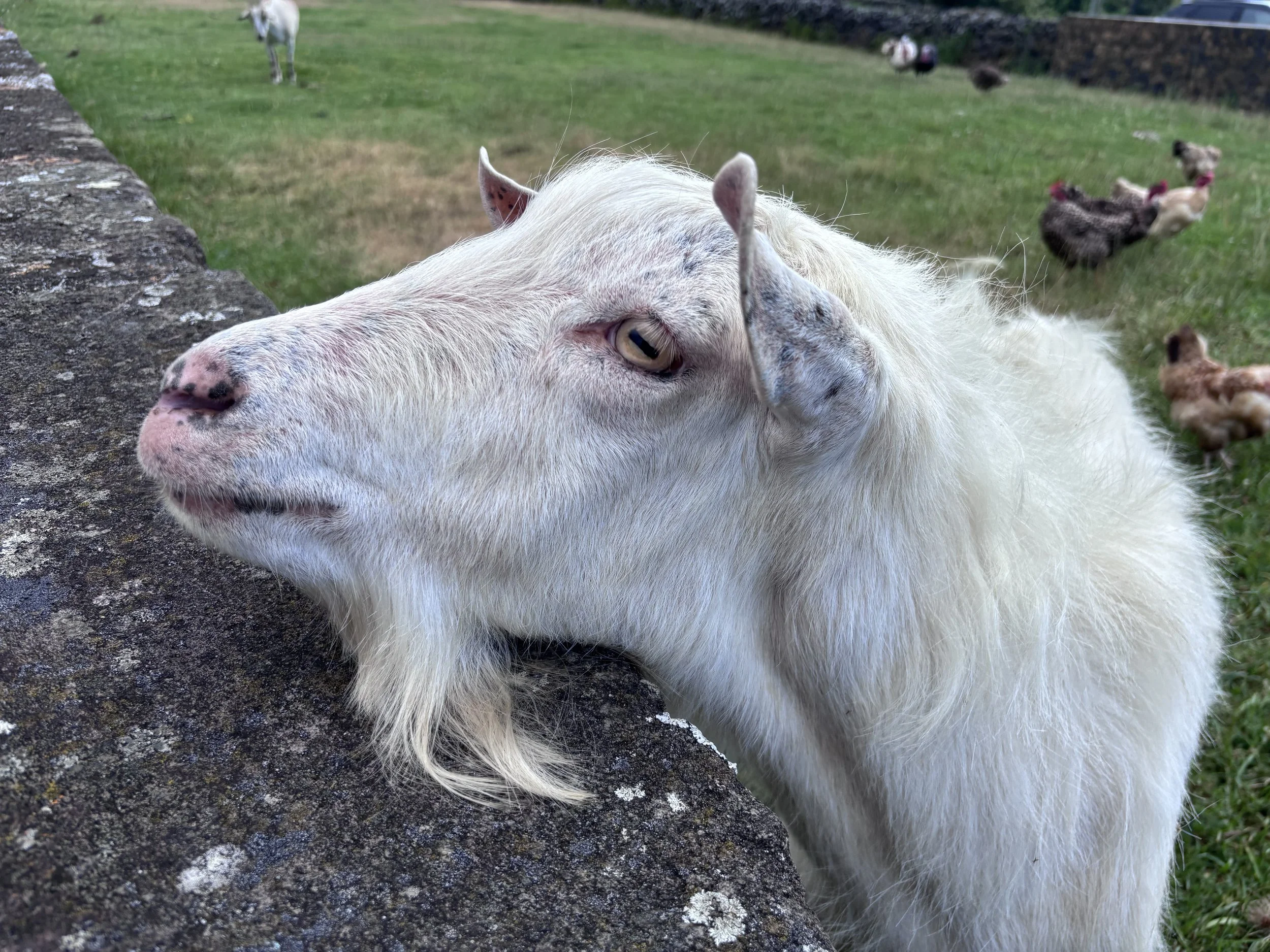
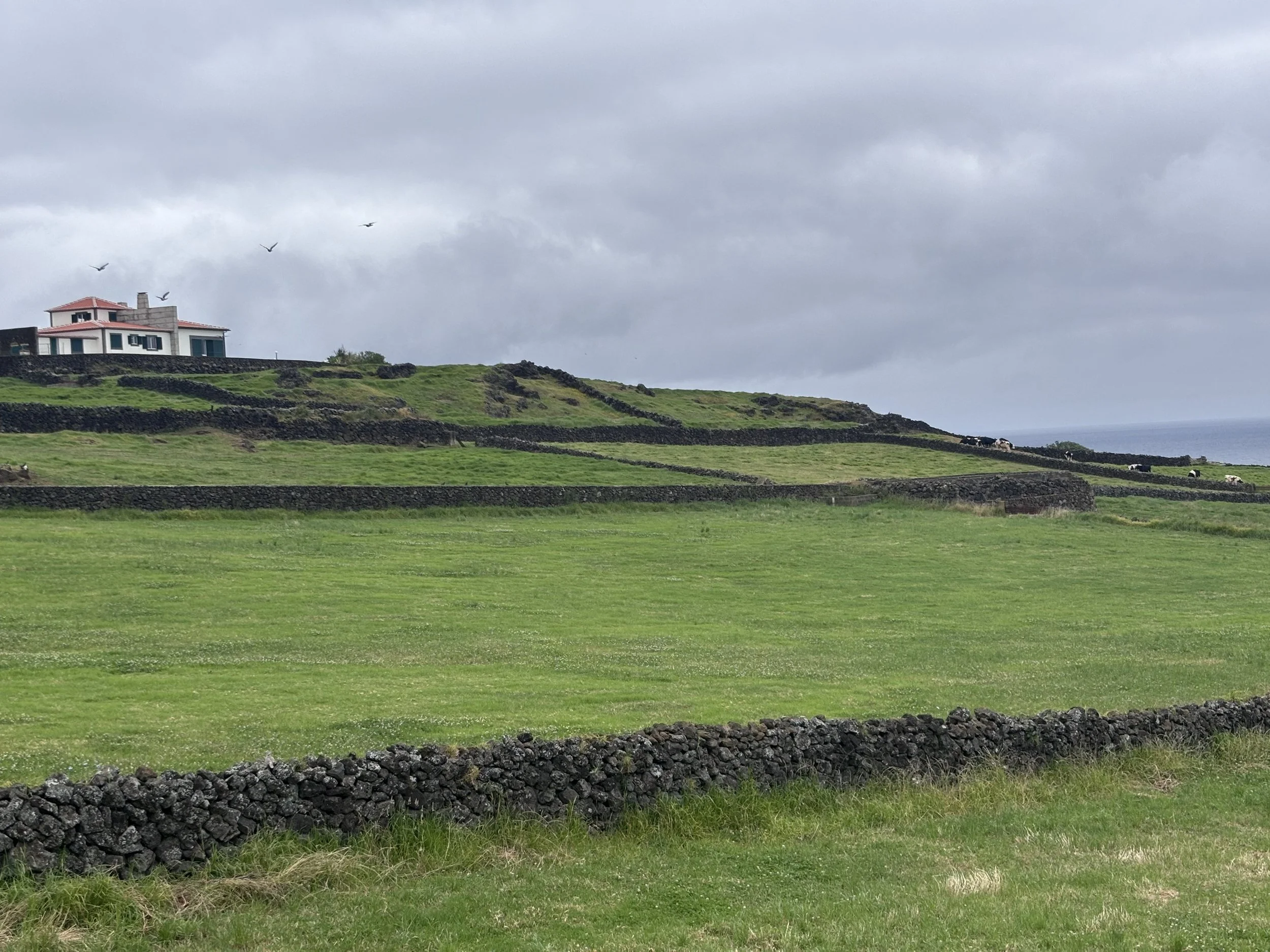
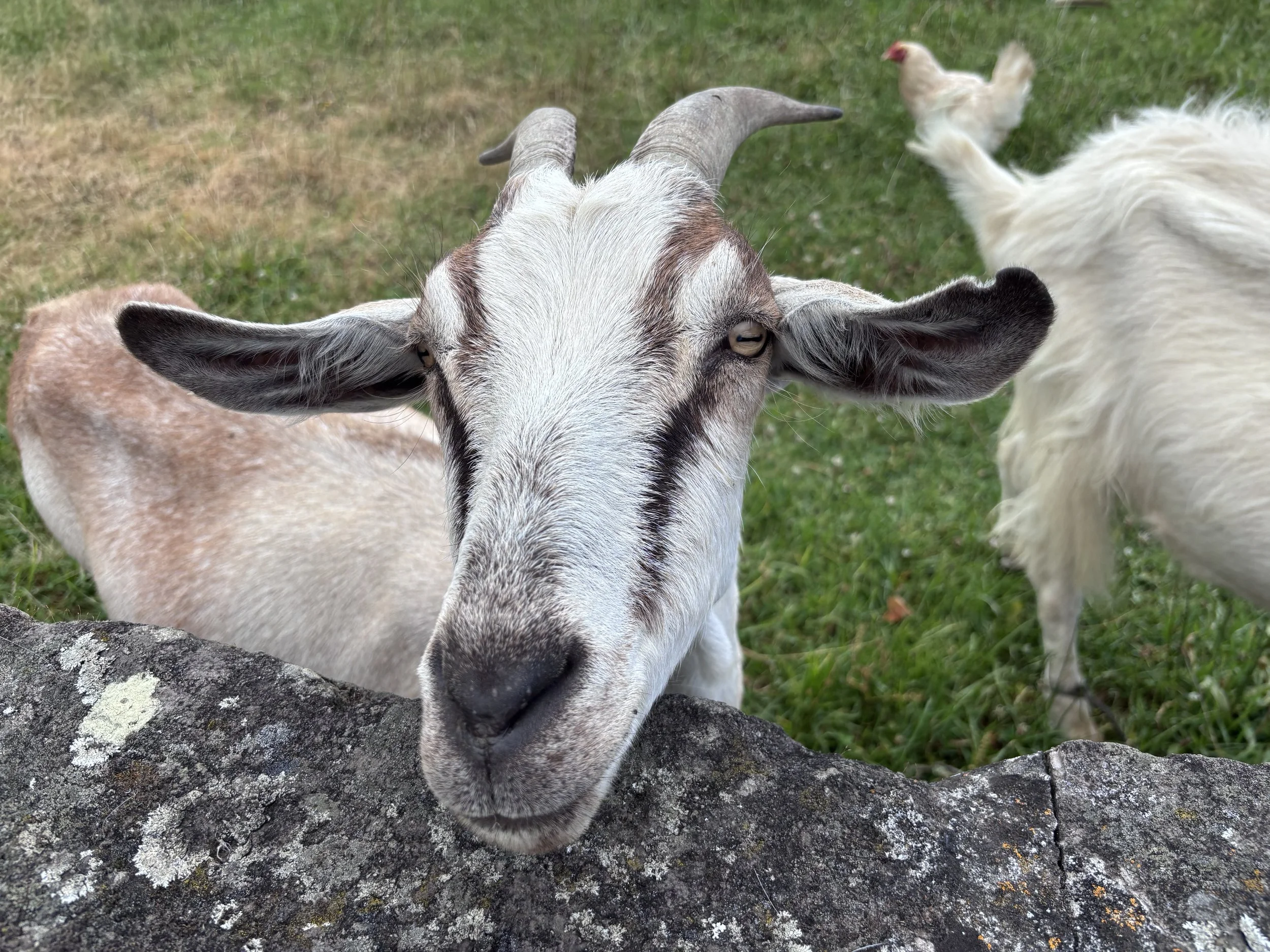
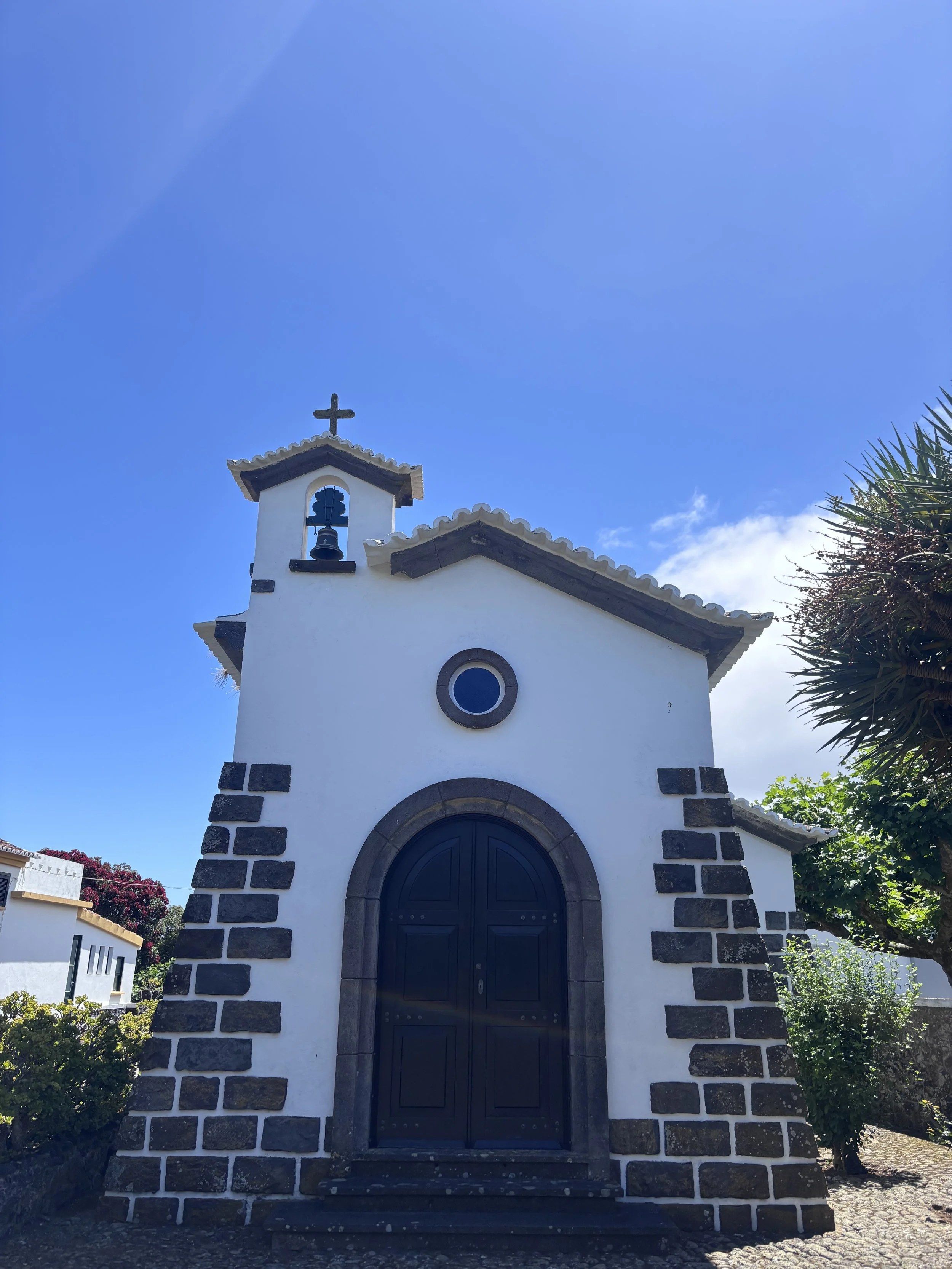
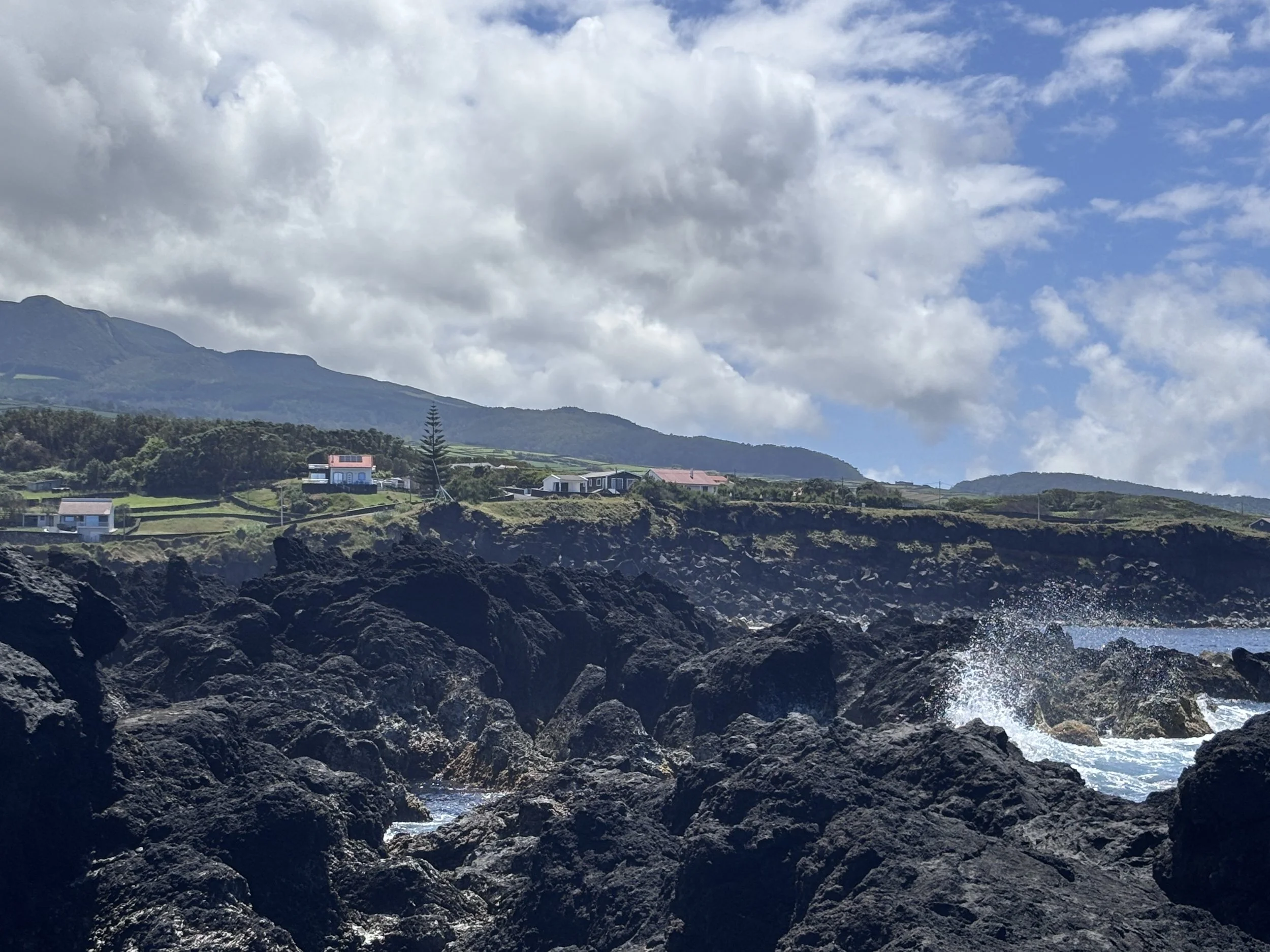
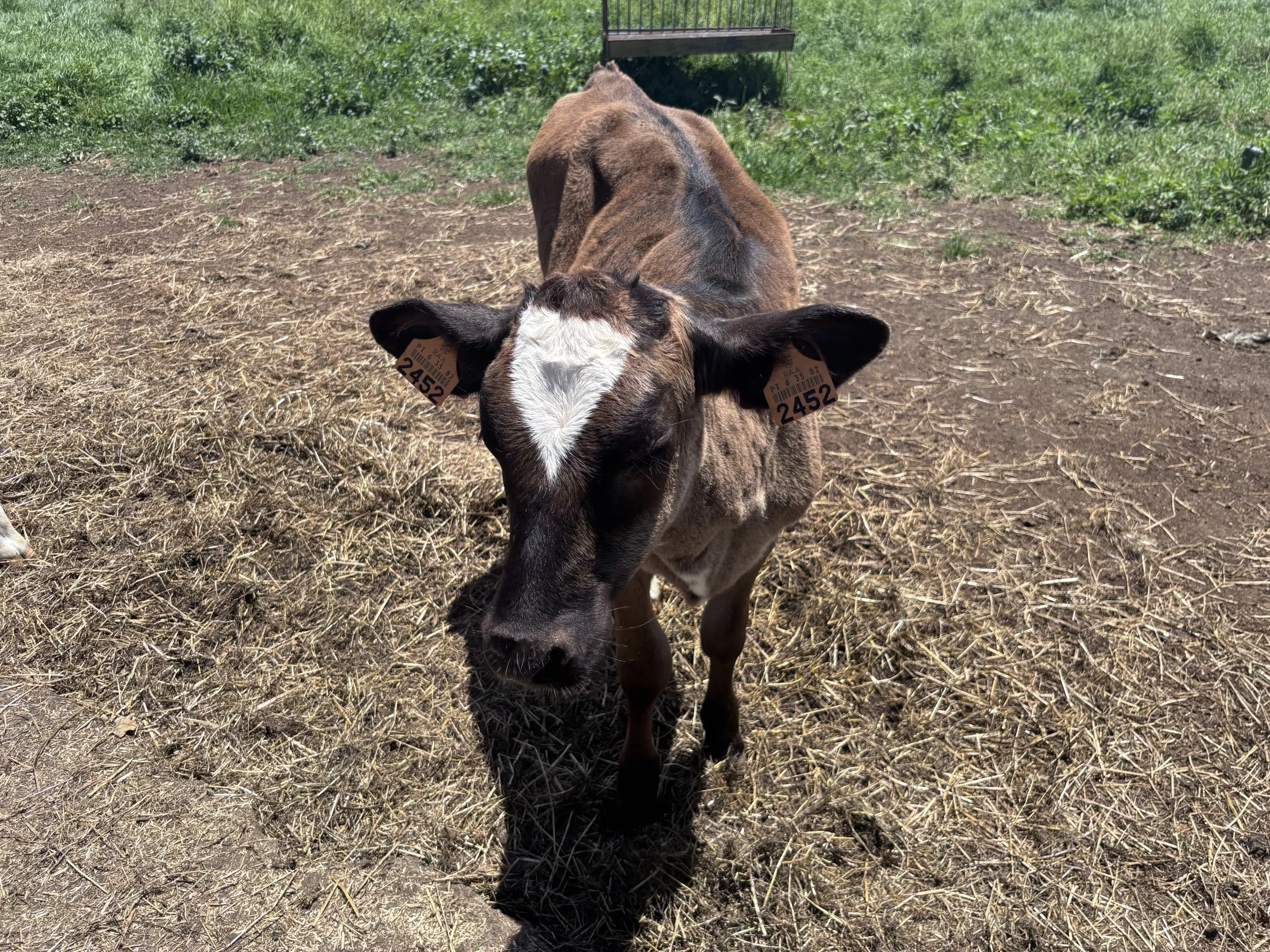
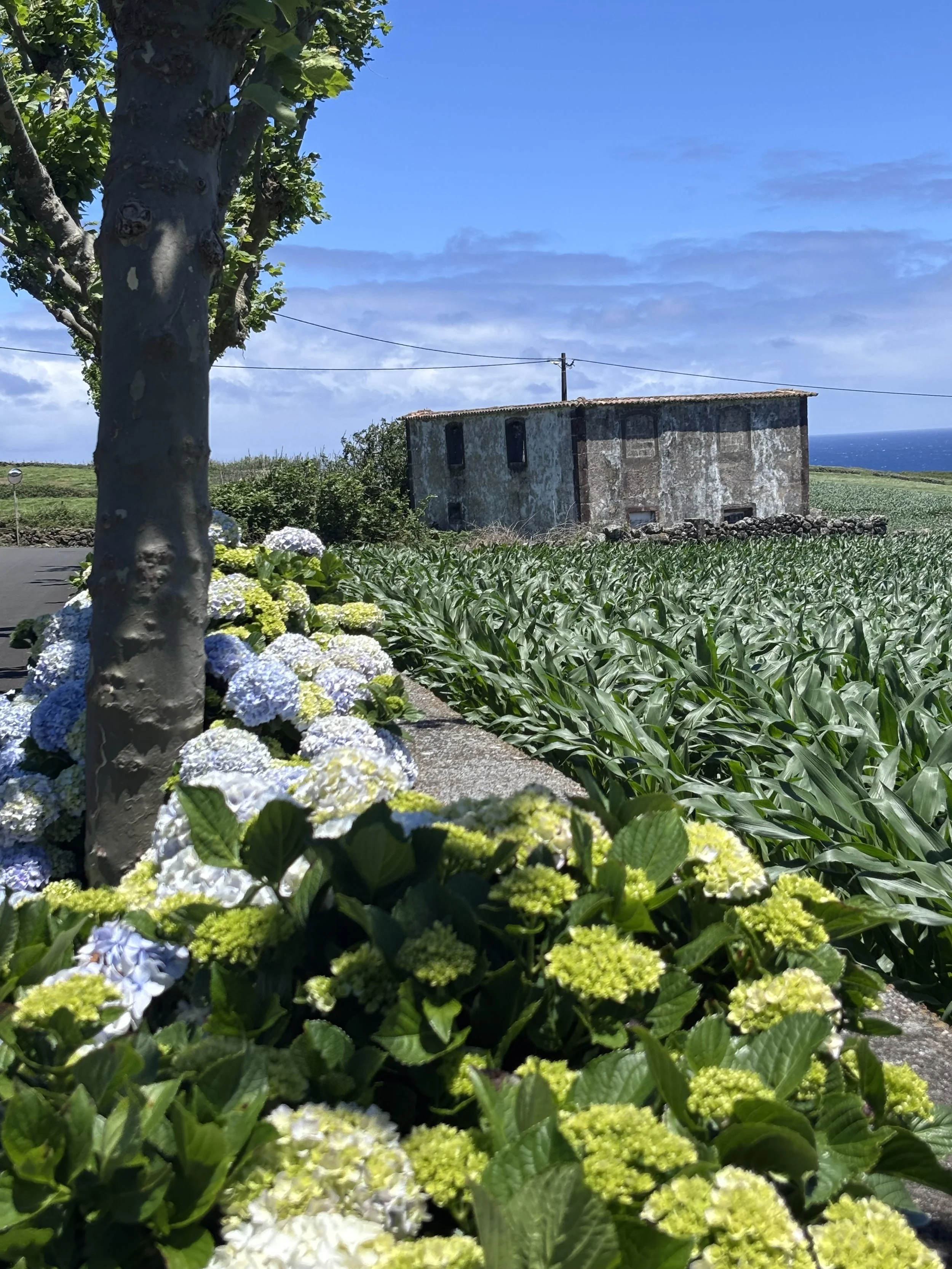
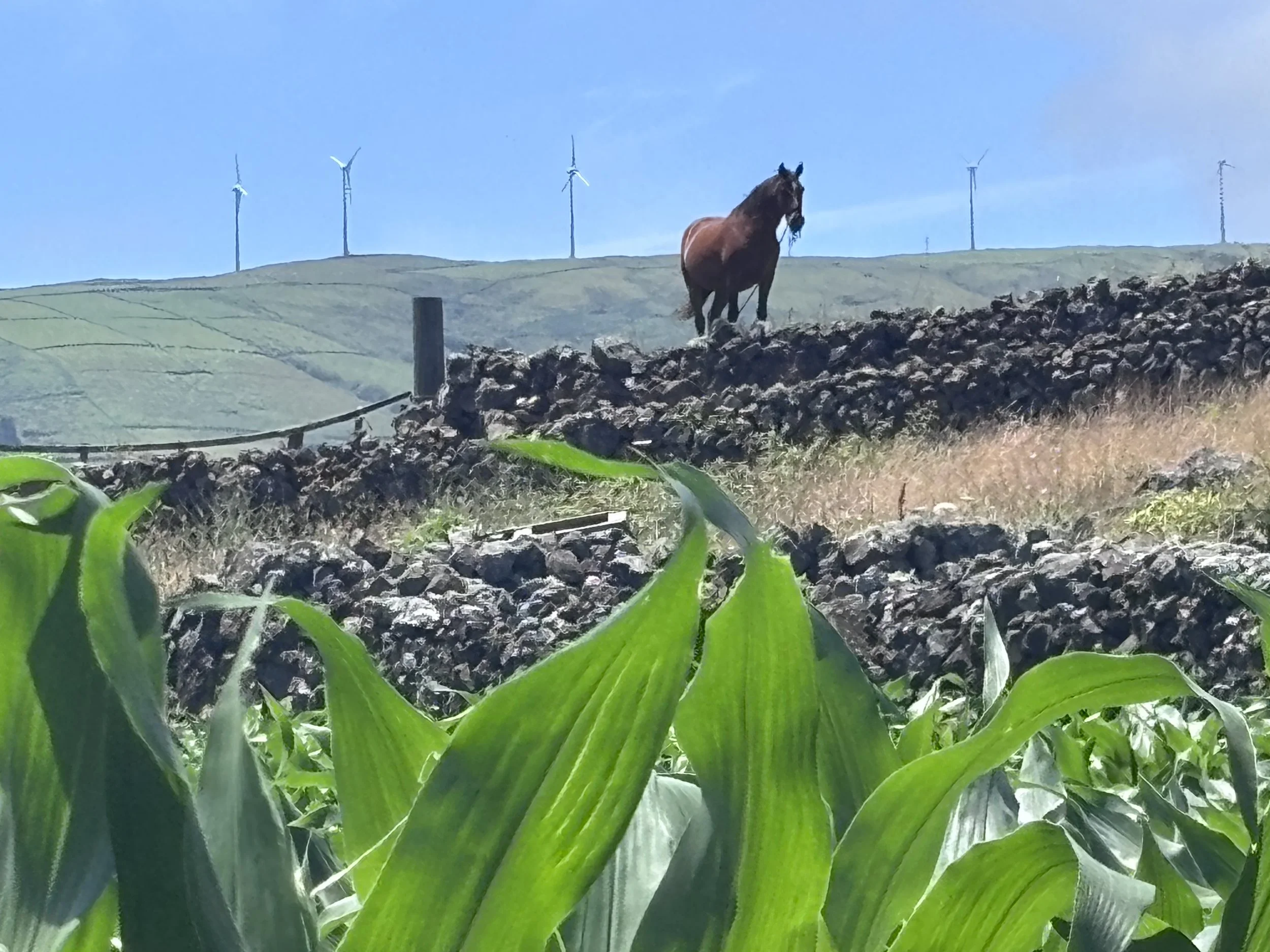
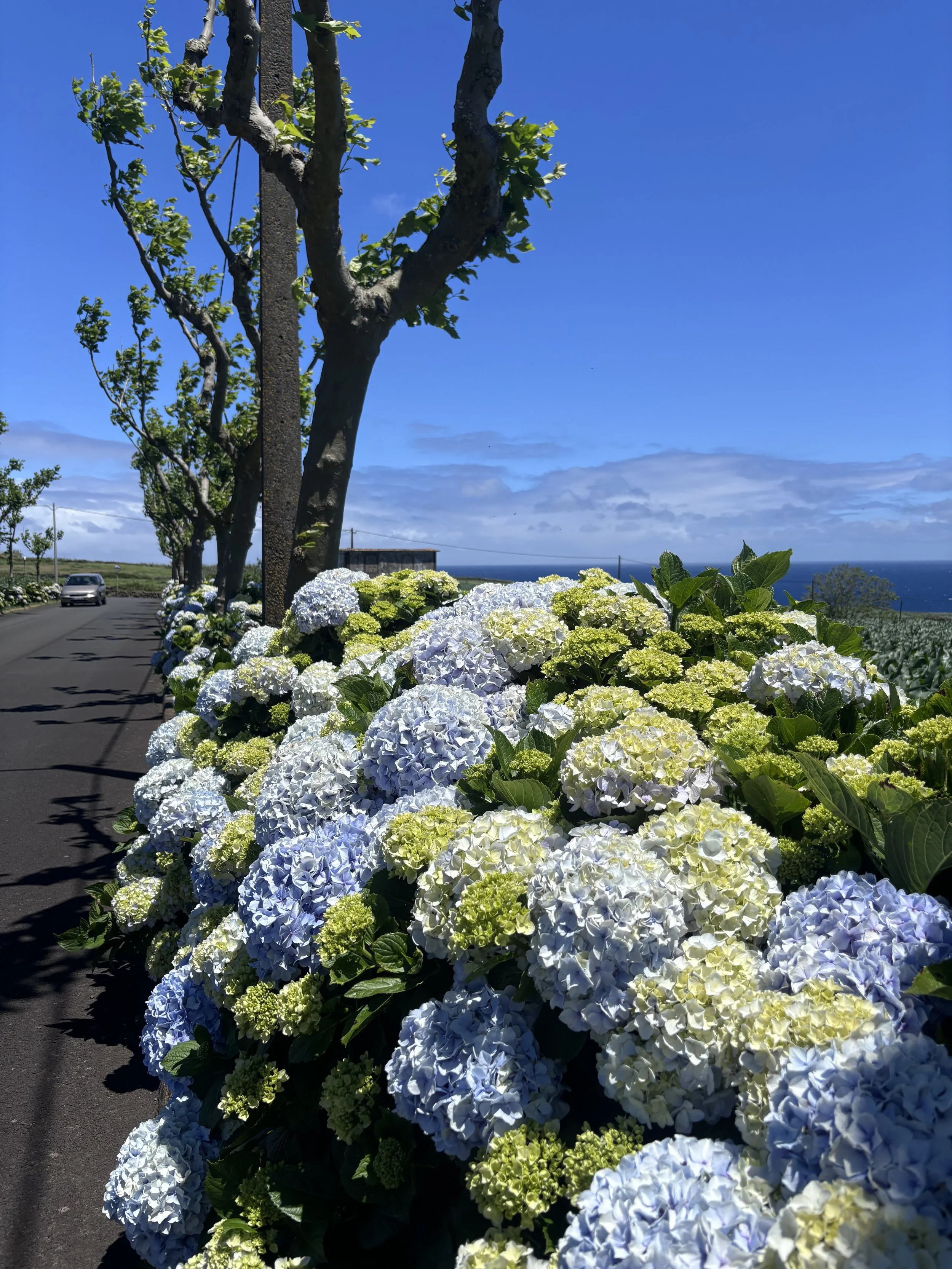
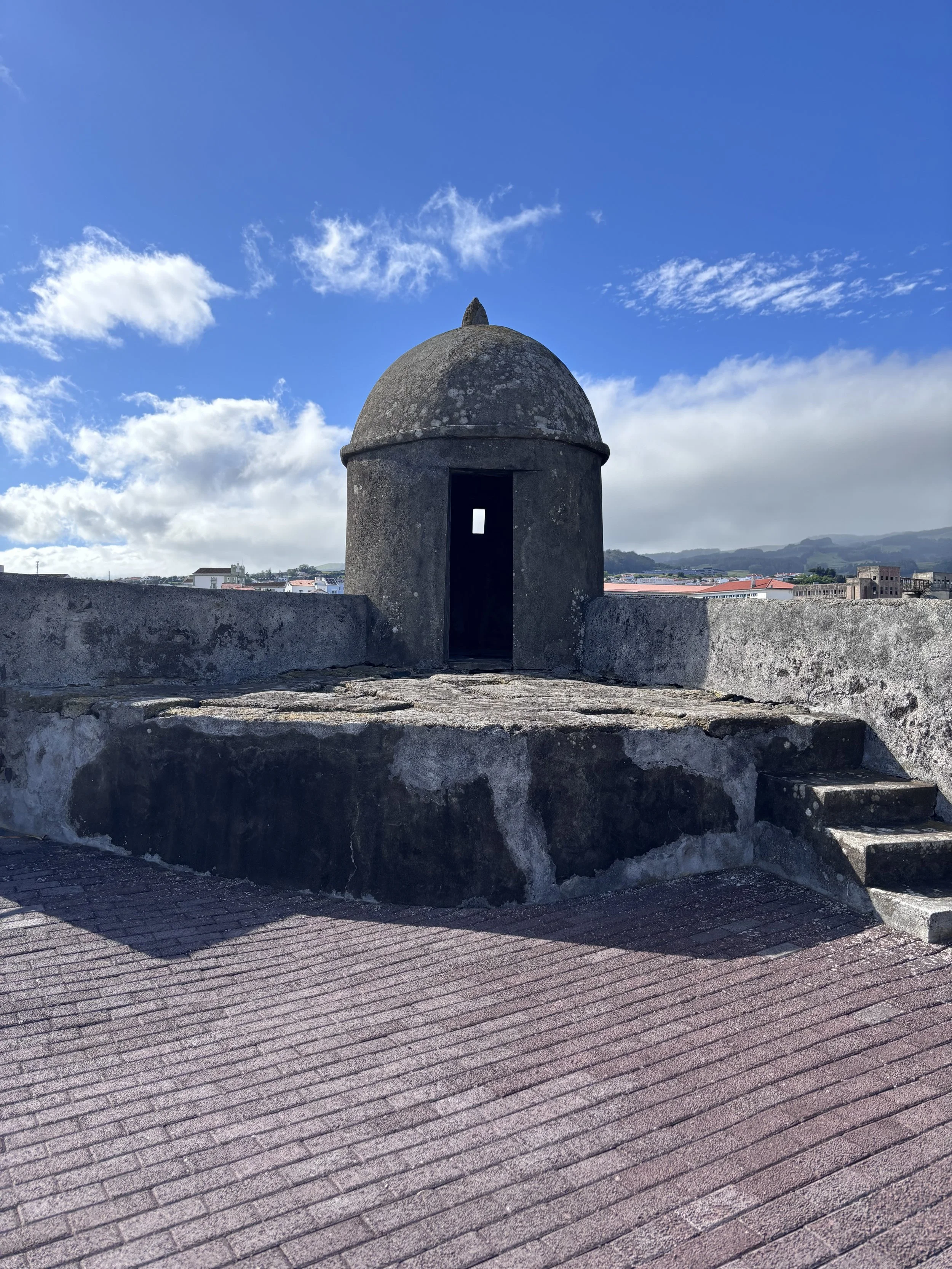
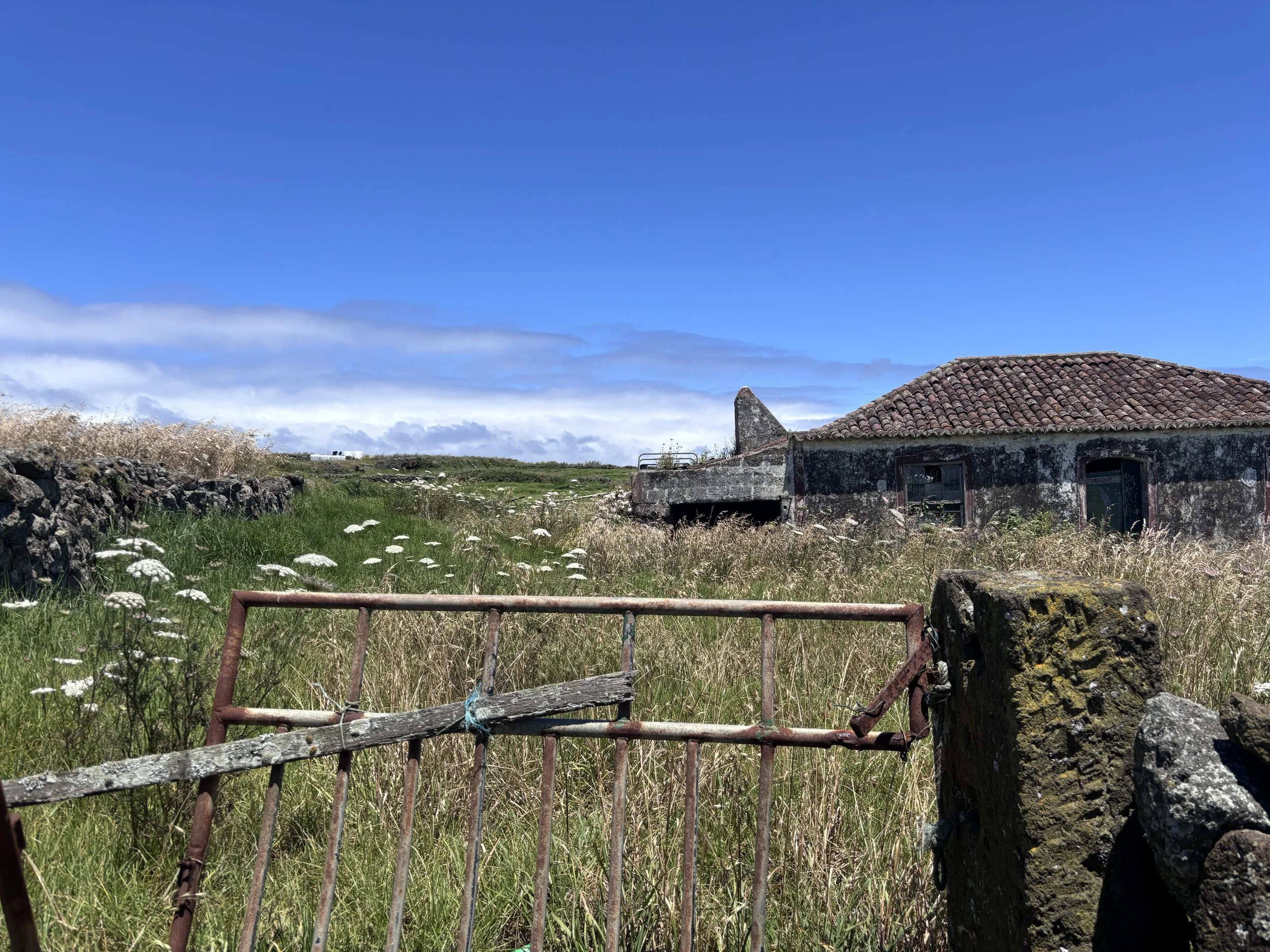
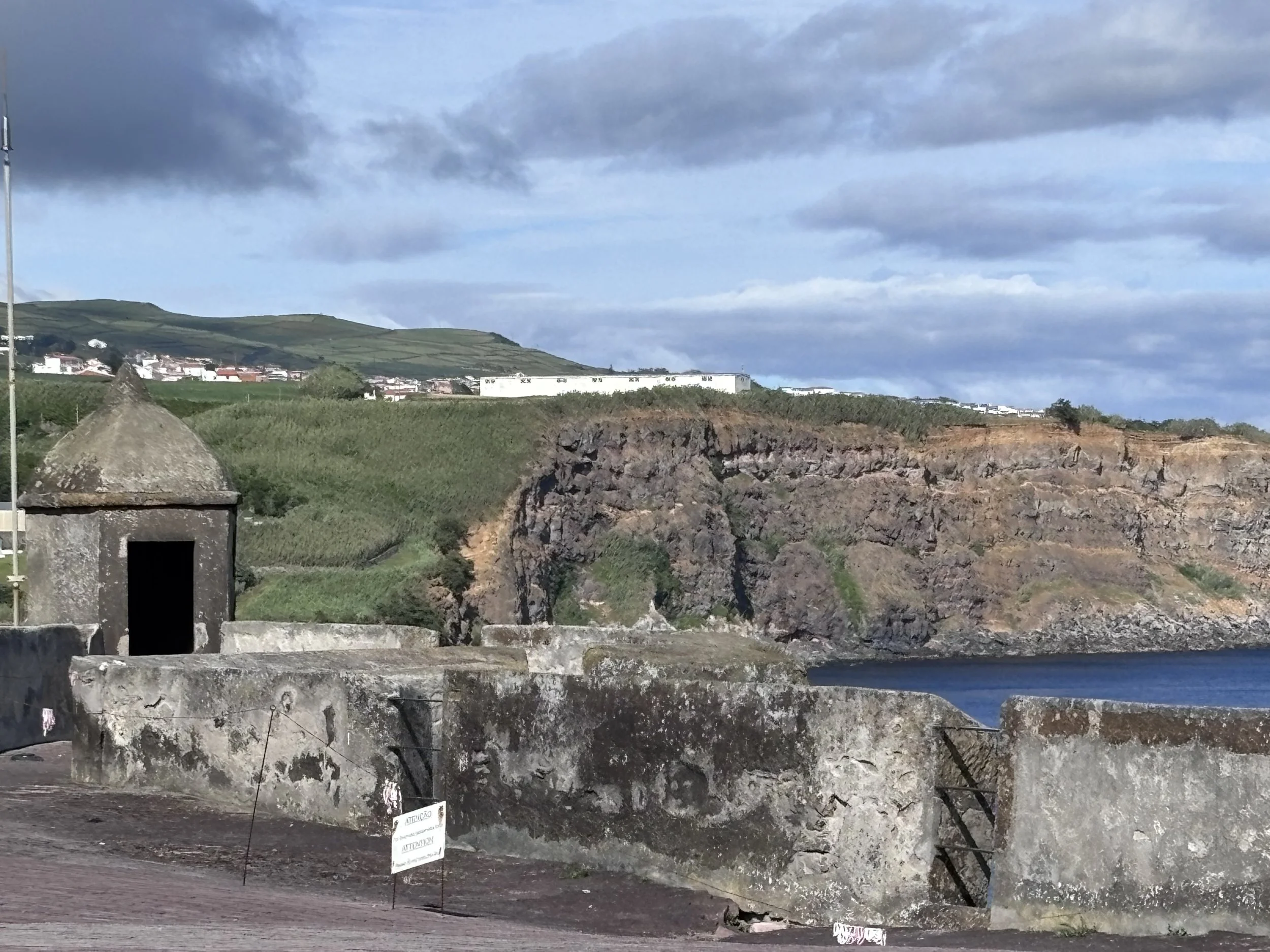
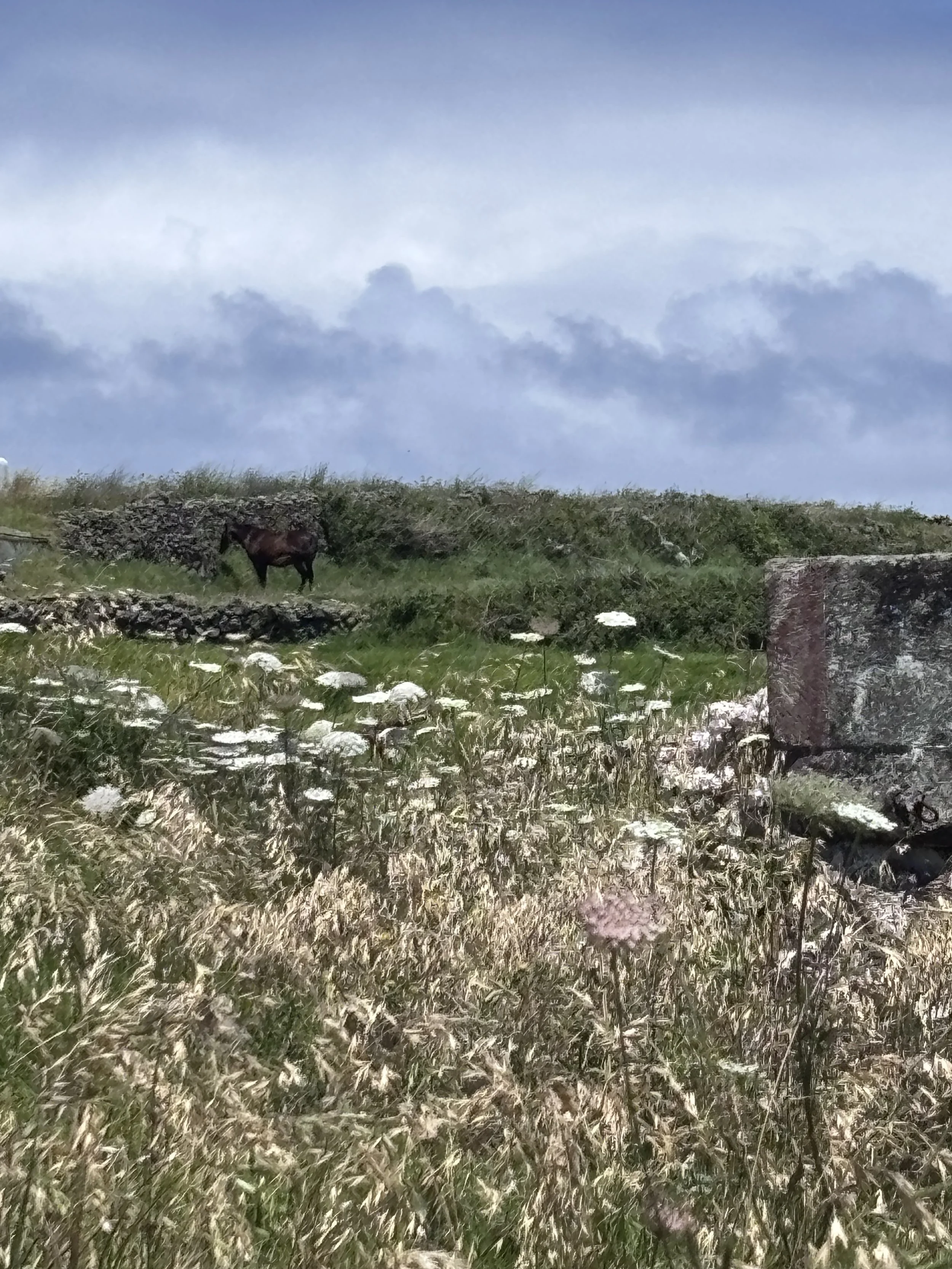
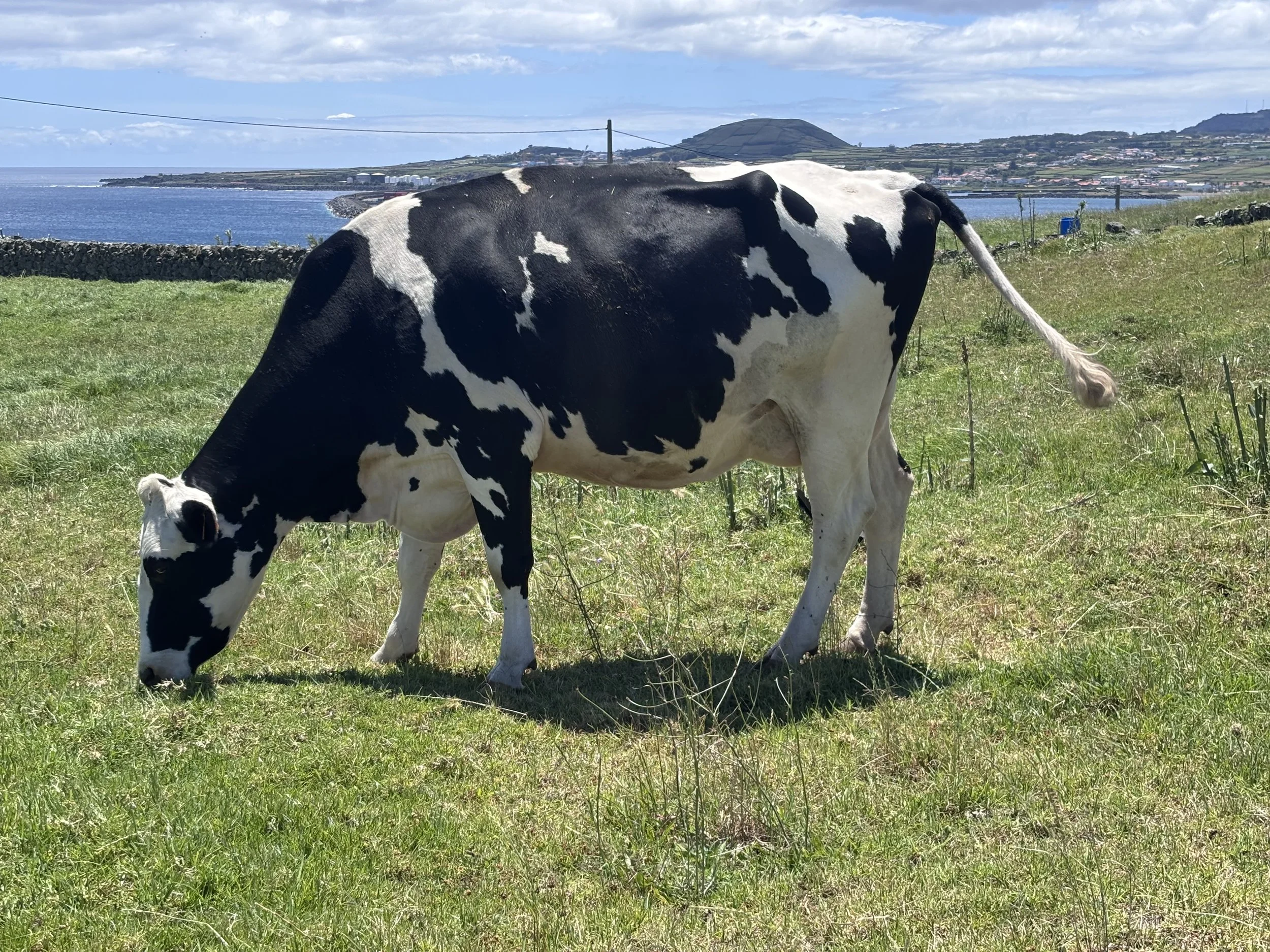
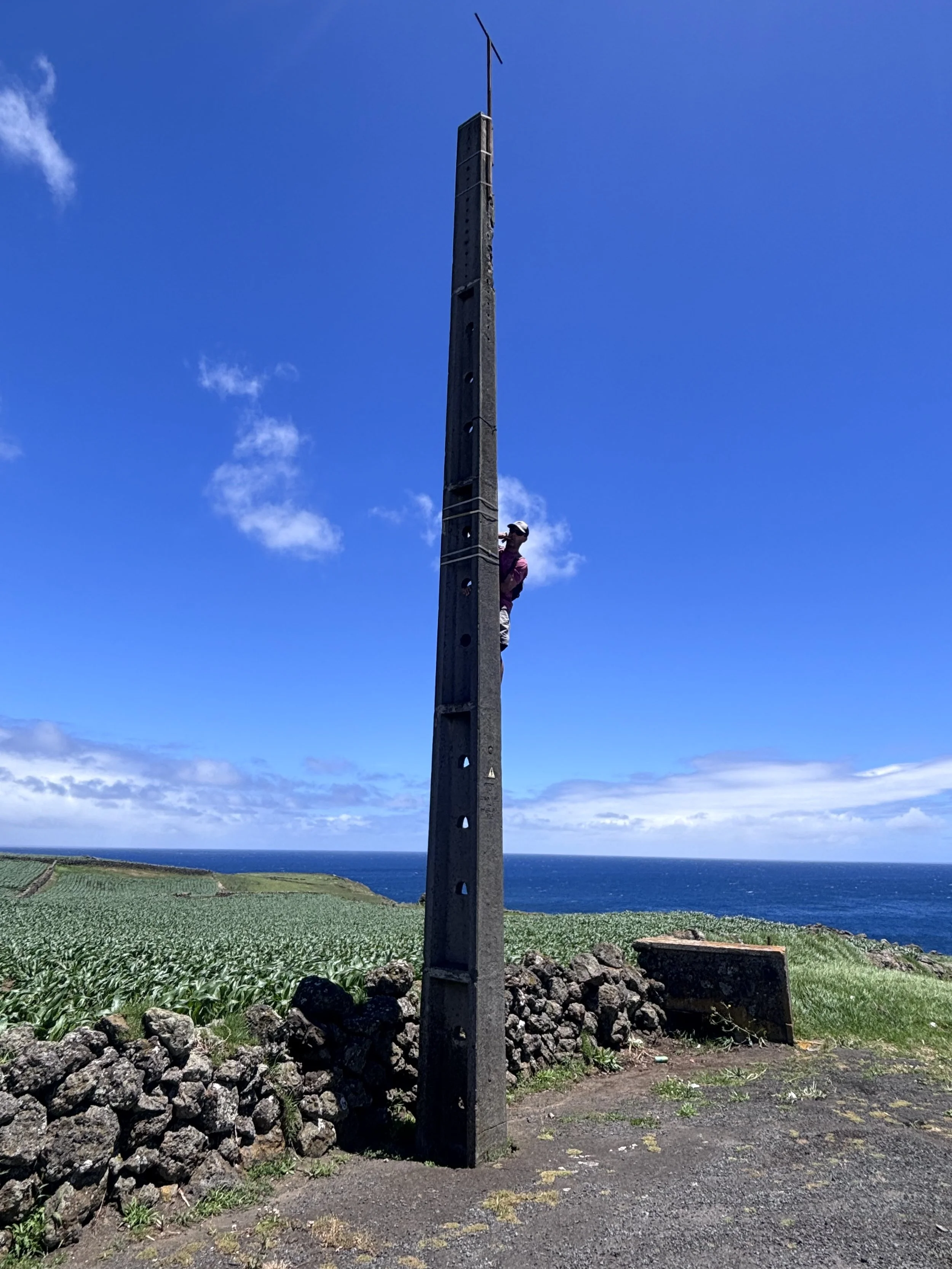
Here is a gallery of pictures from our time in Terceira. If you are viewing this email from your phone, you will need to click this link to view the original post from the website!