
Azores to Ireland | Day 4
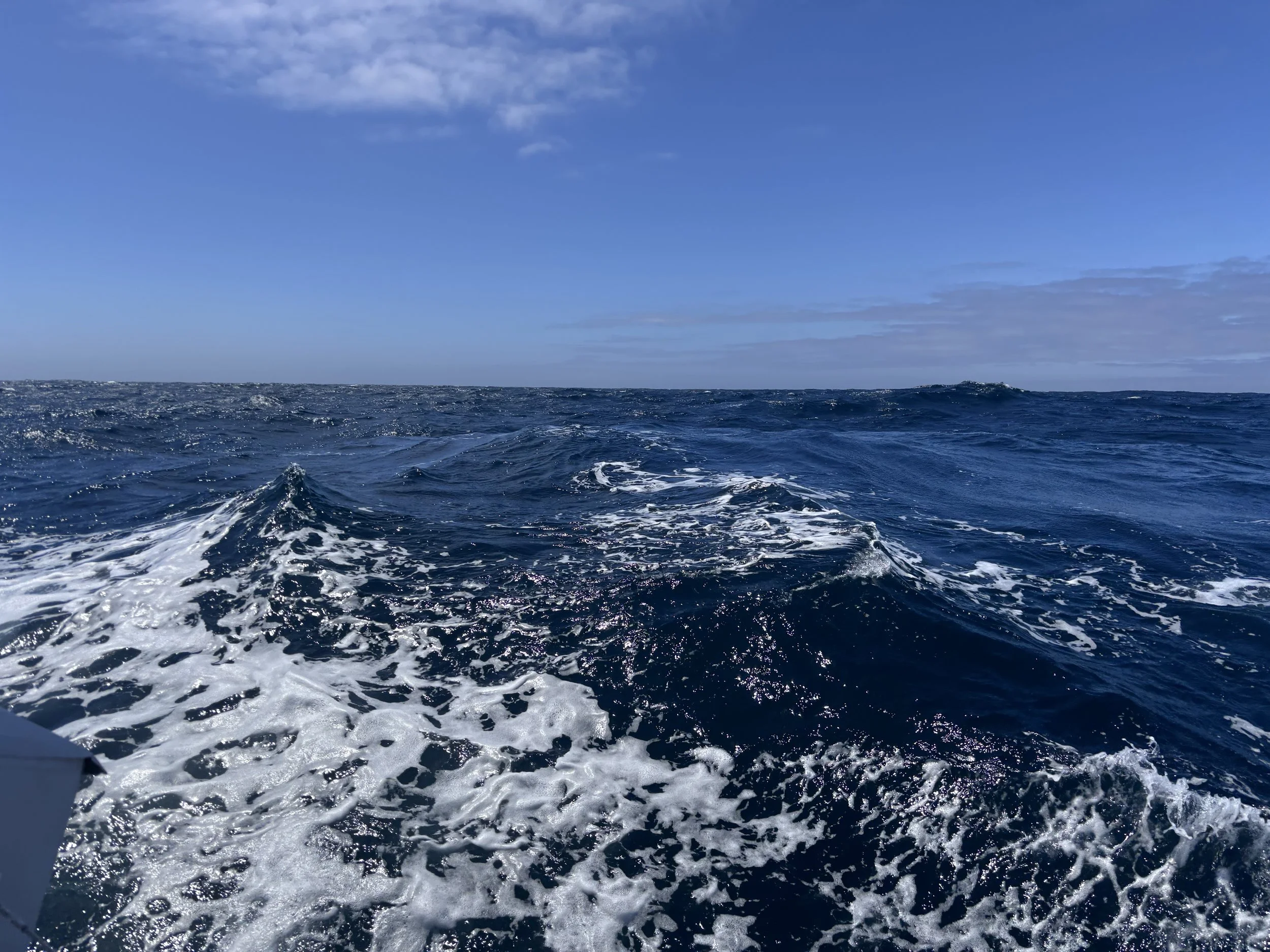
Yesterday was a great day of sailing. We had a consistent 17–18 knots of wind, with occasional gusts into the mid-20s. Early in the morning, the wind stiffened rapidly, and we briefly saw 30 knots, which meant we needed to reef quickly. This happened just as we were preparing to jibe—turning the stern of the boat through the wind—so we decided to reef as soon as we completed the maneuver. But by the time the jibe was finished, the wind had eased back to 15–22 knots.
Remedy was in her sweet spot. She really sails well in the 15–25-knot range. So we were hesitant. The headsail was already reefed, but we were teetering right on the edge of needing to reef the mainsail as well. If the wind continued to decrease as forecast, we would want the full mainsail. But if it increased much more, we would definitely need to reef. In the end, we decided to keep a close eye on the conditions rather than reef immediately.
Knowing when to reef is always a dilemma. There's a common saying among sailors: if you're thinking about reefing, it's already time to reef. It's almost always easier to shake out a reef later when the wind is lighter than it is to put one in after the wind has already built. Because we chose to keep monitoring the conditions instead of reefing, neither of us ever really relaxed. We both remained highly attuned and alert, and neither of us was able to sleep during our off watches. As a result, we were both pretty tired throughout the day.
As I lay in bed during my 6–9 pm off watch, all I could do was think and pray. My body simply would not relax. It reminded me of The Body Keeps the Score by Dr. Bessel van der Kolk, Professor of Psychiatry at Boston University School of Medicine. The central idea of the book is that trauma doesn't just stay in our memories—it can also be stored in our bodies, affecting how we feel, think, and respond to the world. Healing involves helping both the mind and the body process those experiences so the nervous system can feel safe again.
While I hesitate to call the gale we experienced during our passage to the Azores trauma, I do think it affected us more deeply than we realized. It heightened our sensitivity to changes in the wind and seas. In many ways, that's a good thing. We need to pay attention and respond appropriately to changing conditions. But it also left us feeling slightly anxious, hyperaware, and unable to fully relax. In hindsight, I think we probably should have reefed. It's always better to err on the side of caution, and I suspect that making that decision would have allowed our bodies to unwind enough to get the rest we needed.
Thankfully, it turned out to be mostly a non-issue. The wind hovered between 15 and 22 knots all day, and the seas remained around 6–7 feet with a 7-second period. Remedy was happy. It really was a wonderful day of sailing.
Still, we're ready to reach Ireland and close the chapter on our transatlantic crossing.
Living untethered, but held fast.
All is well!
Day Four Stats:
Total Nautical Miles Sailed
Average Boat Speed 6.7kts
Max Boat Speed 10.0kts
GPS Coordinates 47 51.210N 25 27.343W
Miles to go: 650-ish (I miscalculated yesterday’s mileage)
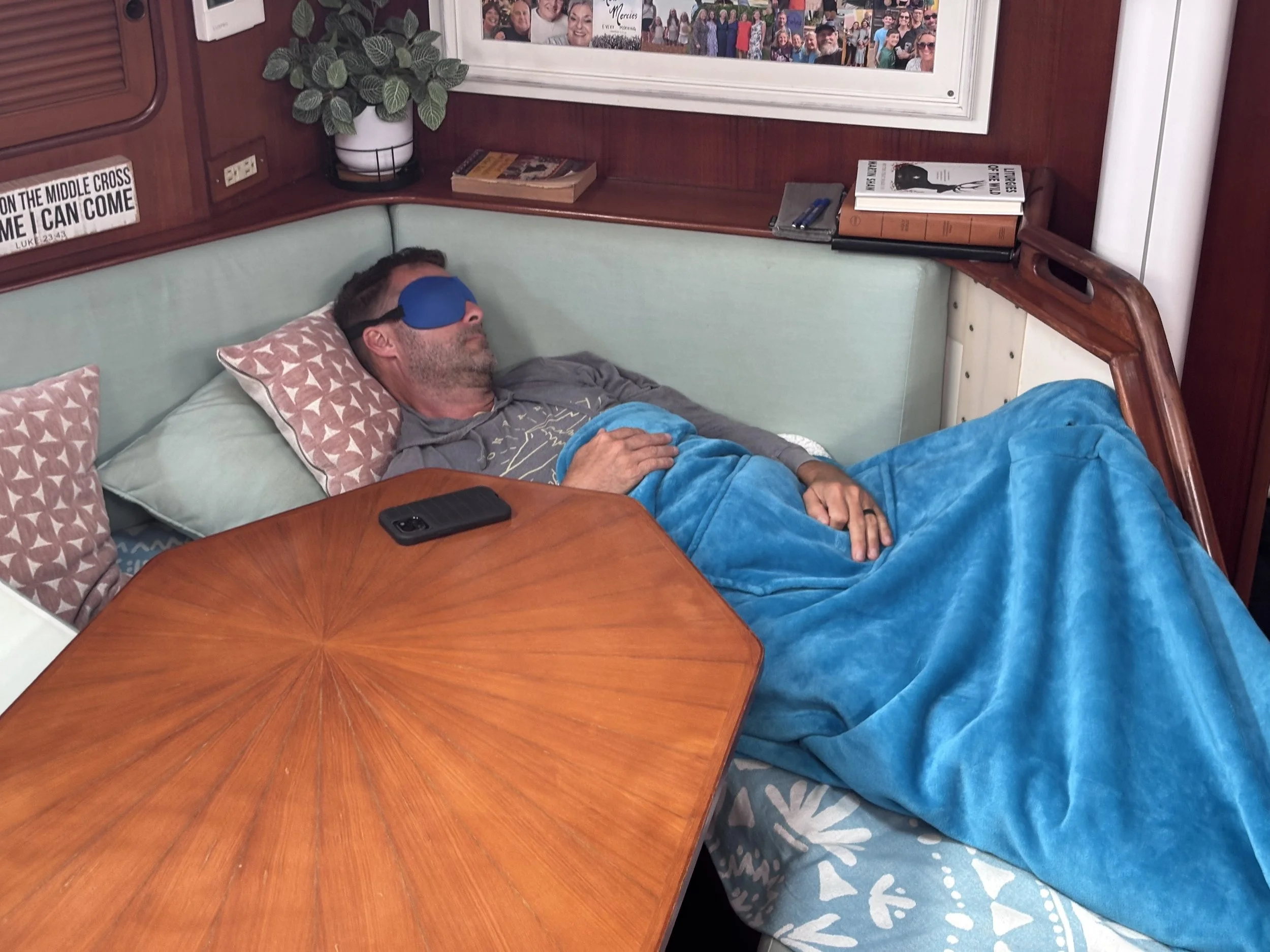
Ken trying to rest yesterday